Tuesday 17th March, 2026 – Athens
After a fairly late night, we still managed to drag ourselves awake early enough to get breakfast in the Club Intercontinental where we enjoyed the view over to the Acropolis, Phillipapos Hill, and Lycabetus Hill. The weather looked OK, perhaps a tad greyer than we might have wanted, but it didn’t look as if it was going to rain any time soon. We headed out, stopping off at the nearby tram stop to see if we could figure out how the system worked. To our surprise there was a machine that you could buy tickets from, it was working, and we managed to extract a pair of Ath.ena 5-day cards. These are an absolute god-send, because for a mere 8.50 you get to use all the buses except the express service to the airport, and all of the metro, tram and trolleybus lines for 5 days, so less than 2.00 a day to be able to swan around the city as much as you need. There are people who will tell you that the only people who pay for public transport in Athens are tourists, but I seriously doubt that, given you have barriers on entry and exit to the Metro, there’s a 60-fold fine for anyone caught riding without having paid a fare, and we saw a lot of enforcement going on during our time in Athens.
Anyway, we caught the tram to Syngrou-Fix, changed to the metro and arrived at Thisseo station bang on time to meet our guide, Constantine. We had booked a tour through Culinary Backstreets, a company much lauded by the likes of National Geographic, and Food and Travel magazine. It was perhaps more expensive than some, but they seem to go rather more off-piste than many of the other companies. We located Constantine easily enough (he was wearing a very distinctive green baseball cap), and discovered that despite the tour capacity being 7 people, we were the only people booked so in effect we got a private tour. The food started straight away, when Constantine handed us a bag with a koulouri to try. These sesame-seed coated rings are a staple of the city, but apparently the city is no longer handing out licenses to the street traders that used to sell them, and is not issuing any new licenses. What a Greek is supposed to do at 2 in the morning after too many beers is anyone’s guess!
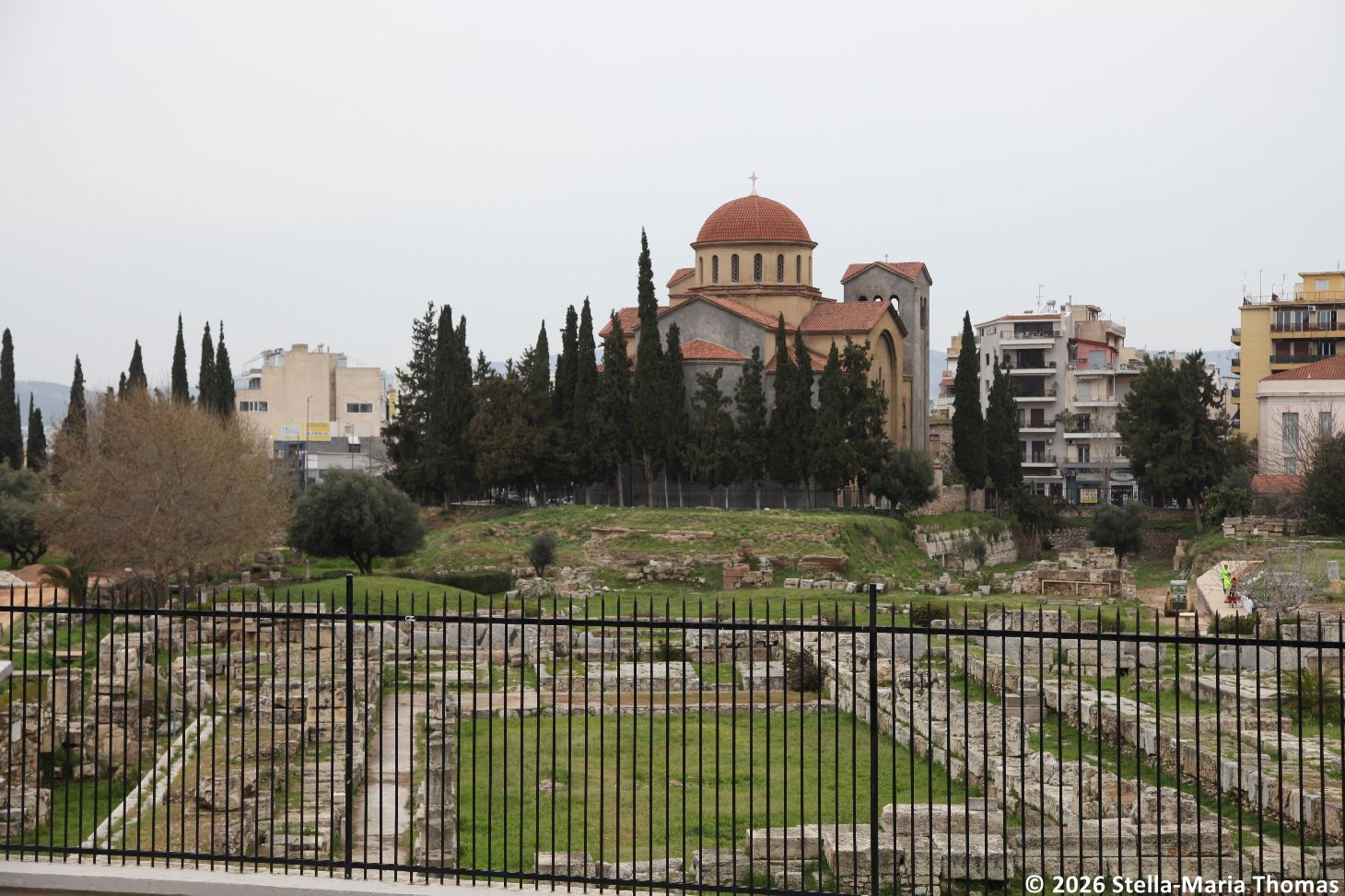
We shared the koulouri, and Constantine soon had us underway, as we walked over to the statue of Theseus that stands in front of the Ancient Agora complex – which we would return to later in the week. There is also Holocaust memorial tucked away nearby, a short distance from the synagogue, where Athenian Jews were arrested by the Nazis and sent to concentration camps. “The Memorial represents a broken Star of David, symbolising the blow suffered by the Jewish community of Greece from the Nazis. Its broken triangles are scattered at irregular small distances pointing to the directions of the horizons where the Jewish communities of Greece, which were annihilated, were located, around the intact central part symbolizing the core that remained to continue the historical course of Greek Judaism.” There is a story that the memorial was intact until it was shipped, but that it arrived broken, and the artist made adjustments to still be able to use it. How true this is I can’t say. It’s very low key, and was strewn with white roses when we arrived.
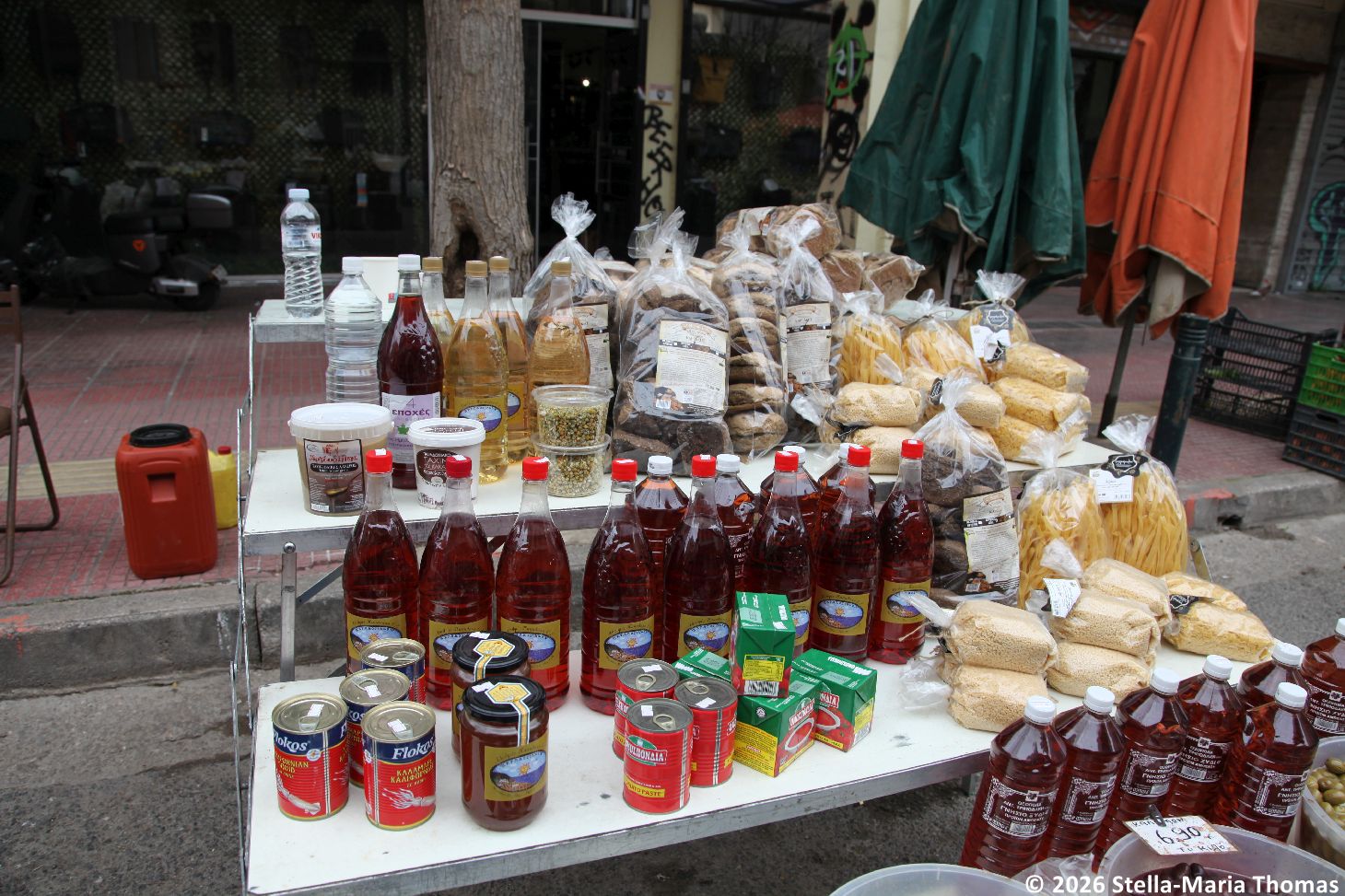
We walked away from the Agora into the Keramikos neighbourhood which is intriguing. It’s very historic, and also seems to be very much in the grip of tensions between old-style businesses and housing, and a slow creeping gentrification. It’s going to be fascinating to see which was it goes – as Constantine said, it reminds him of Hoxton in London, which is now far too expensive for most people. Unlike Hoxton, Keramikos started life as a centre of pottery manufacture, with some businesses carrying on the tradition even now. And while “the neighbourhood’s struggles have paradoxically proven to be its saviour. In recent years Keramikos’s low rents and old-time Athens feel have lured creative young Athenians to the area, where they have opened up inventive restaurants, bars and cafés along with galleries and theatres.” It’s also home to an abundant food market on Tuesdays, with so much fresh produce it makes you hungry just to look at it.
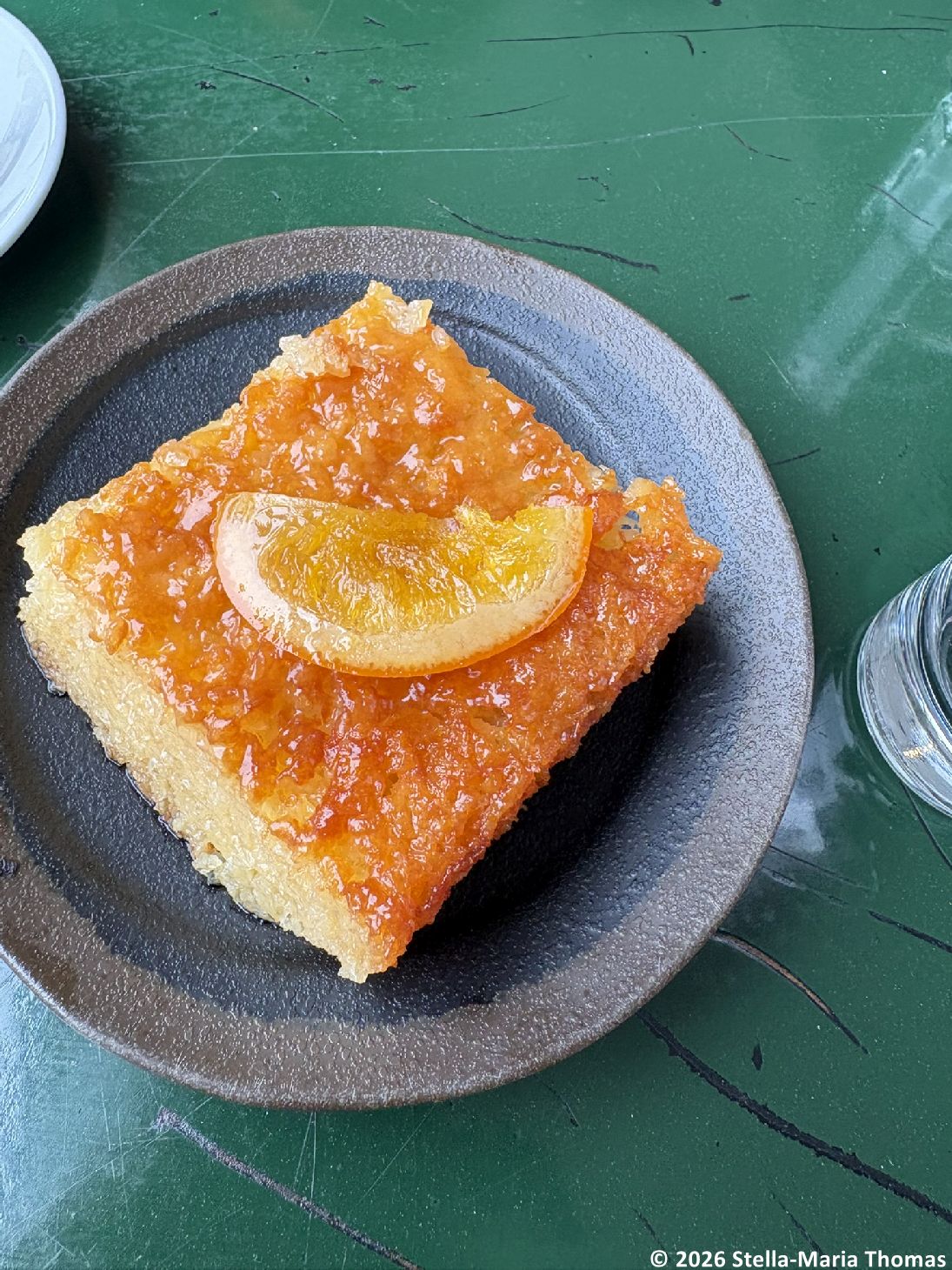
Fortified by the koulouri, we headed into the area, stopping first for coffee and a portokalopita (an orange “pie”) absolutely soaked with syrup, sticky as anything and irresistibly delicious. With it we were introduced to Greek coffee, which I have to say I’m not overly keen to do it again. I’ll be a wuss and stick to the instant coffee concoctions, or the cappucino that’s aimed at the tourist market. It was too grainy for me, and not coffee-flavoured enough to be worth it, but I’ll happily do the portokalopita again any time you like.
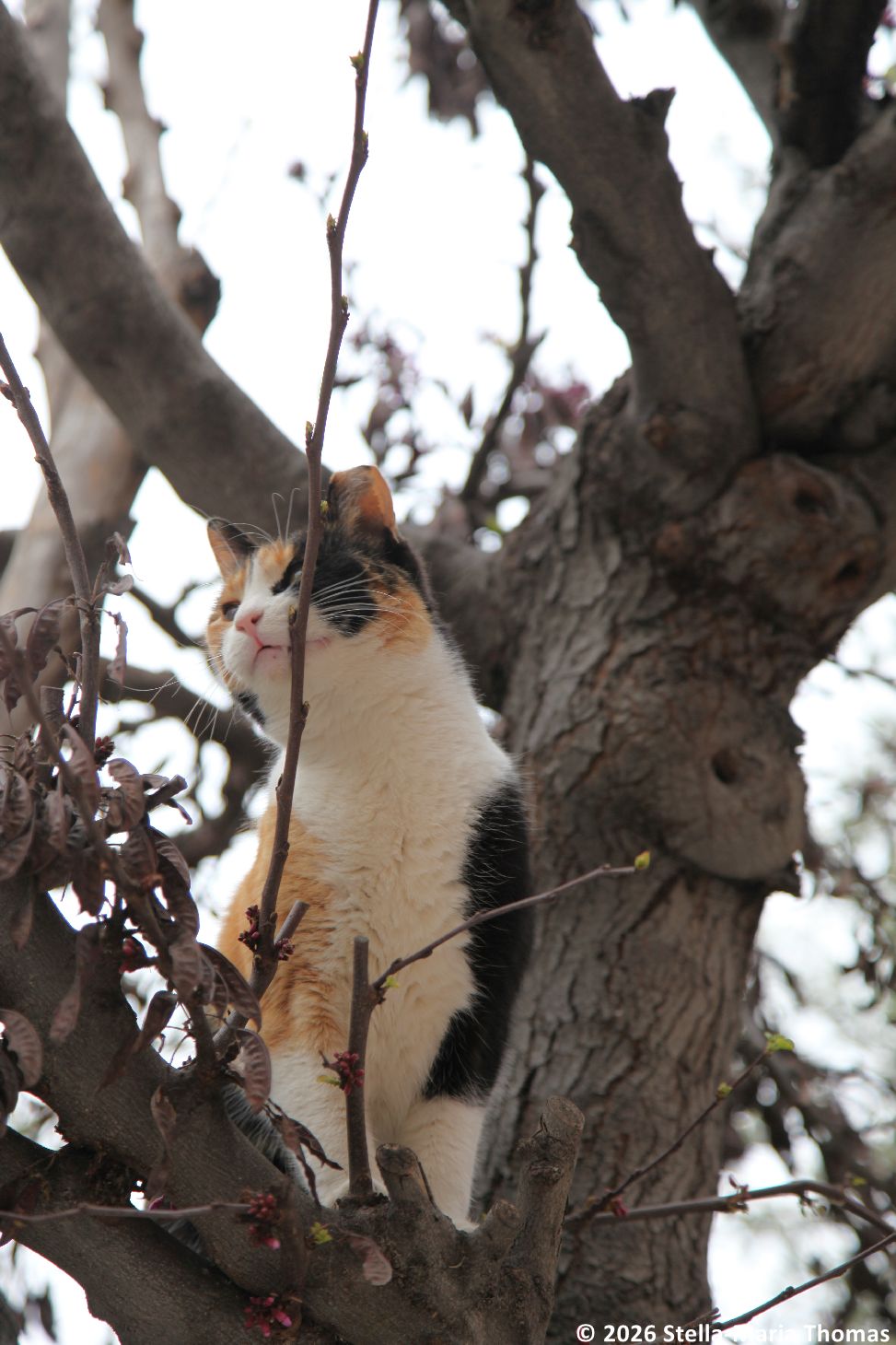
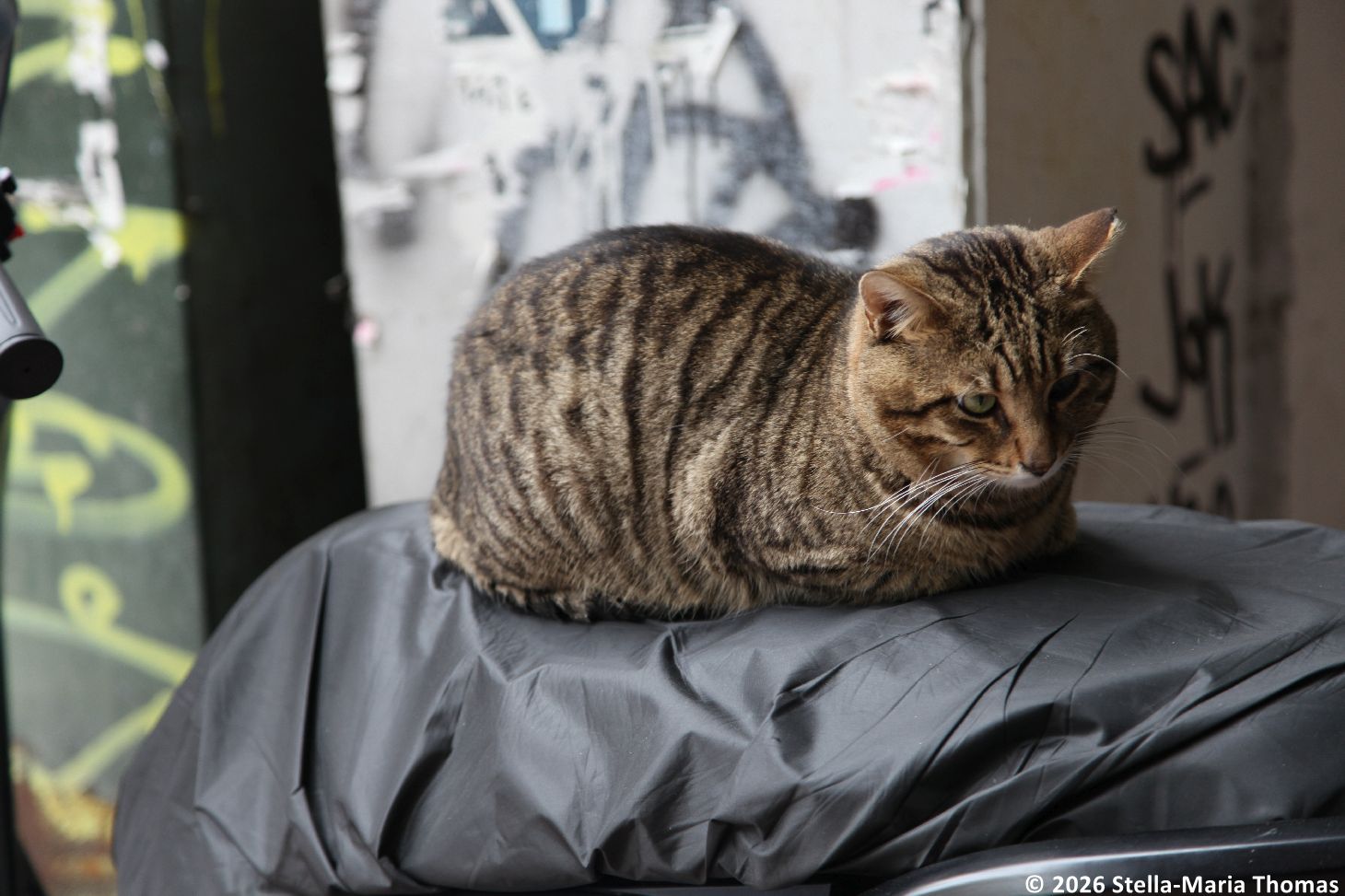
From here we walked further into the neighborhood, seeing where the old gas works and a silk factory were, and getting an understanding of what has and has not changed. There are still functioning ceramics workshops, though they are few far between now, but many places seem to have been completely repurposed, with a lot of club venues, and bars springing up in their place. As we walked through the market, it became clear that along with new people moving into an old neighbourhood, the cats of Athens are quite keen to make it their own given half a chance! Cats are everywhere in Athens, and are treated as “neighbourhood cats” and looked after by pretty much everyone. They seem to have got the whole deal sewn up beautifully!
Mind you, when you see the market produce, you really can understand why they would want to stay. The fish in particular was very enticing!
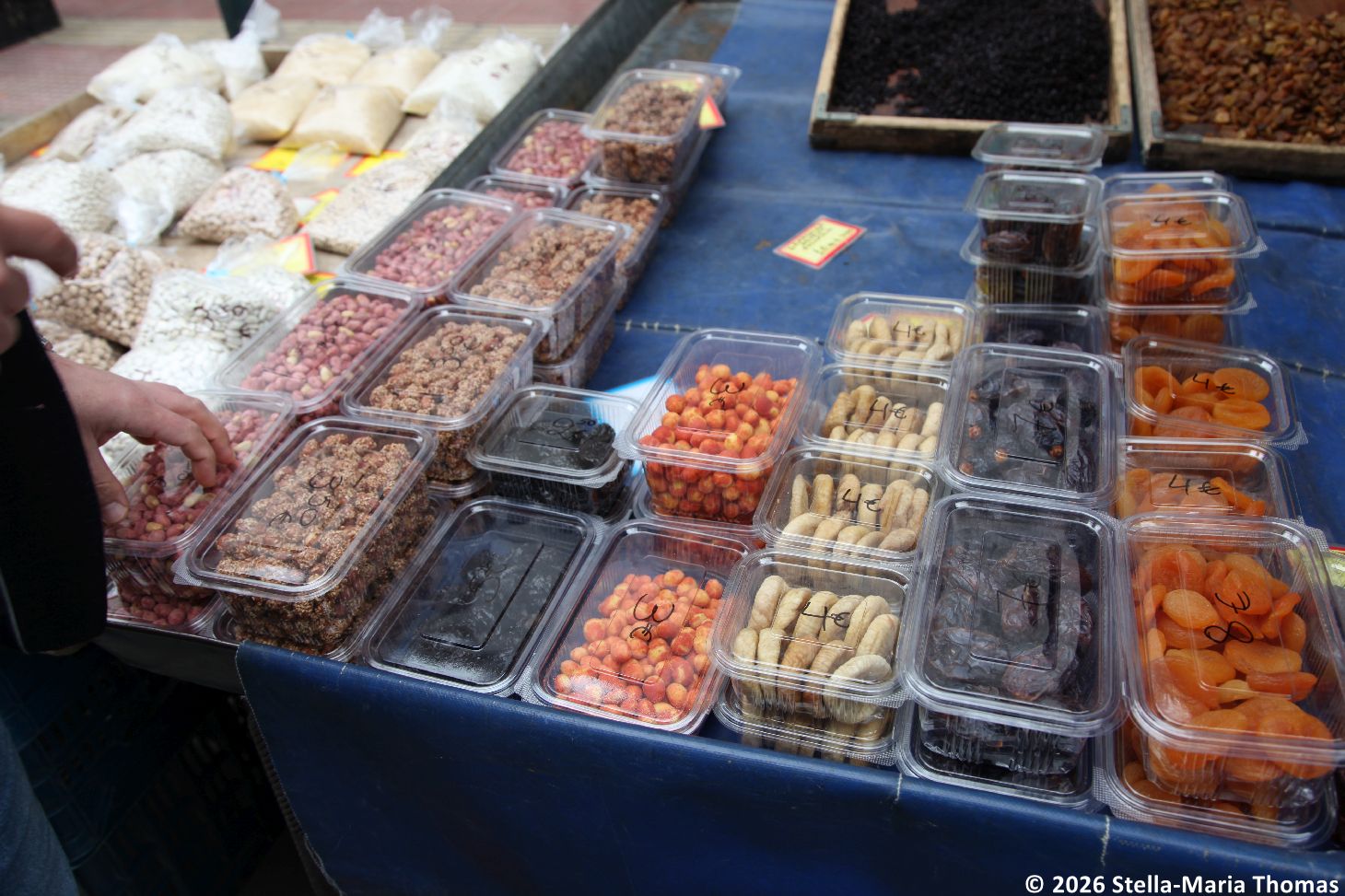
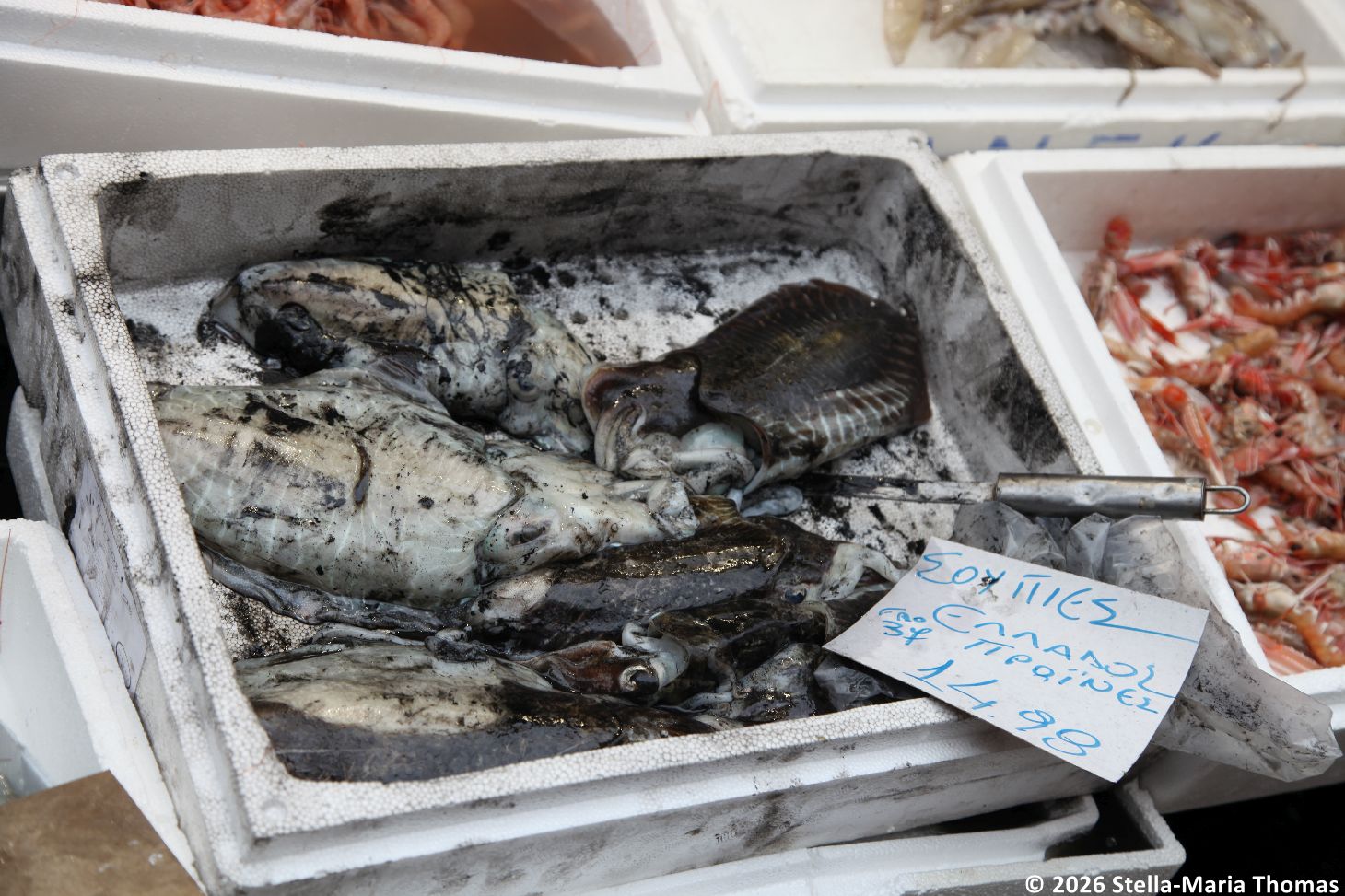
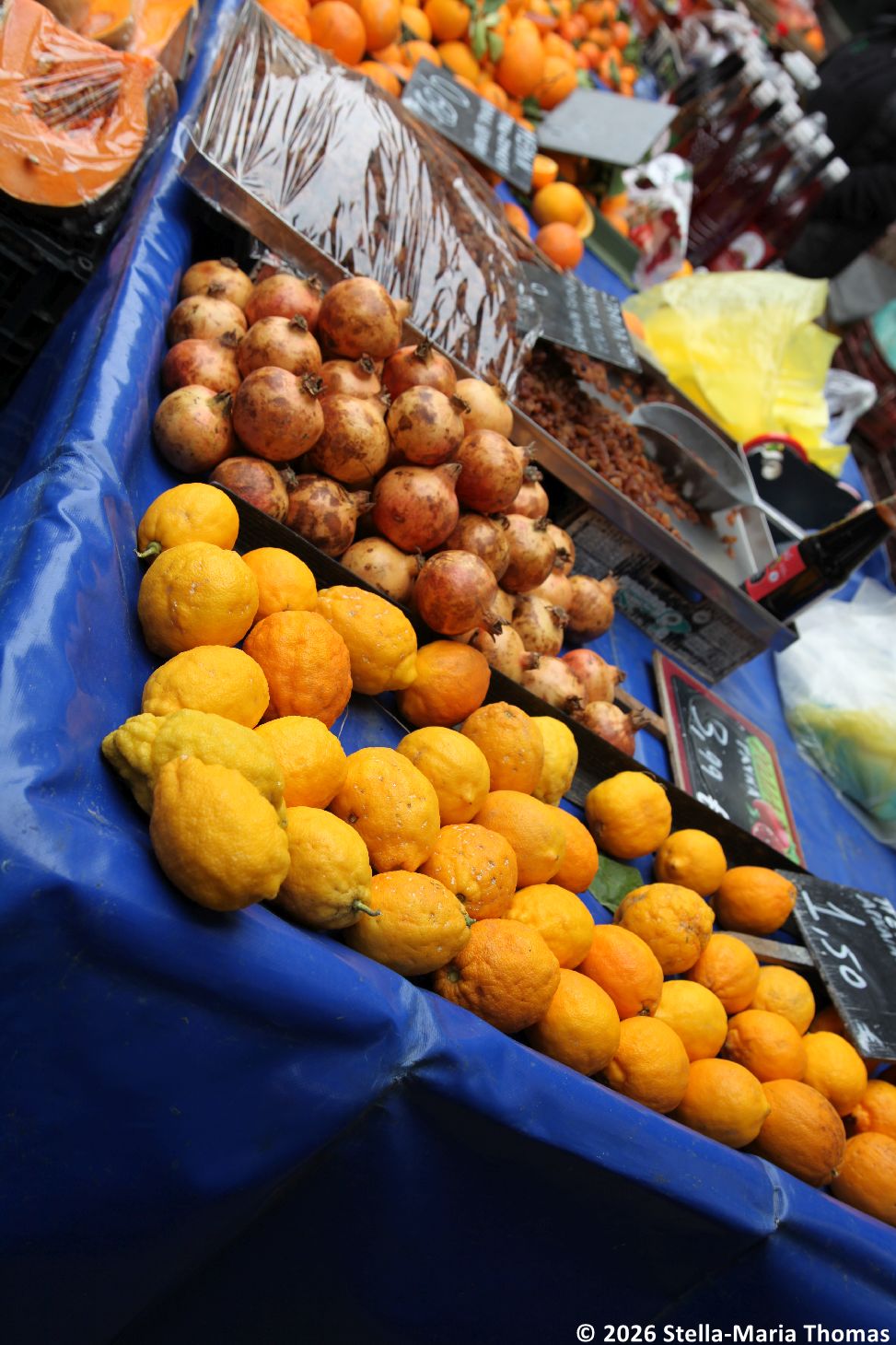
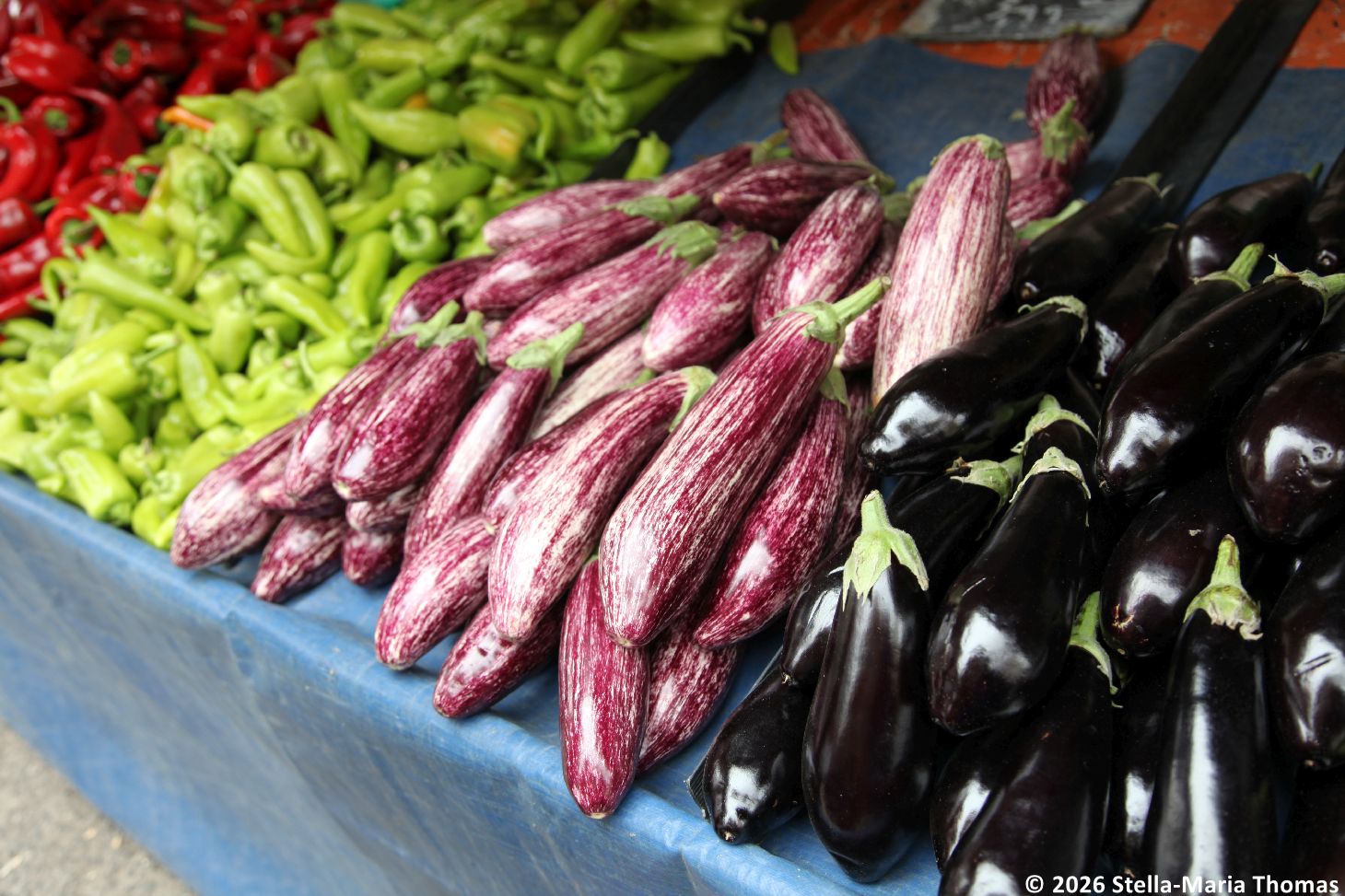
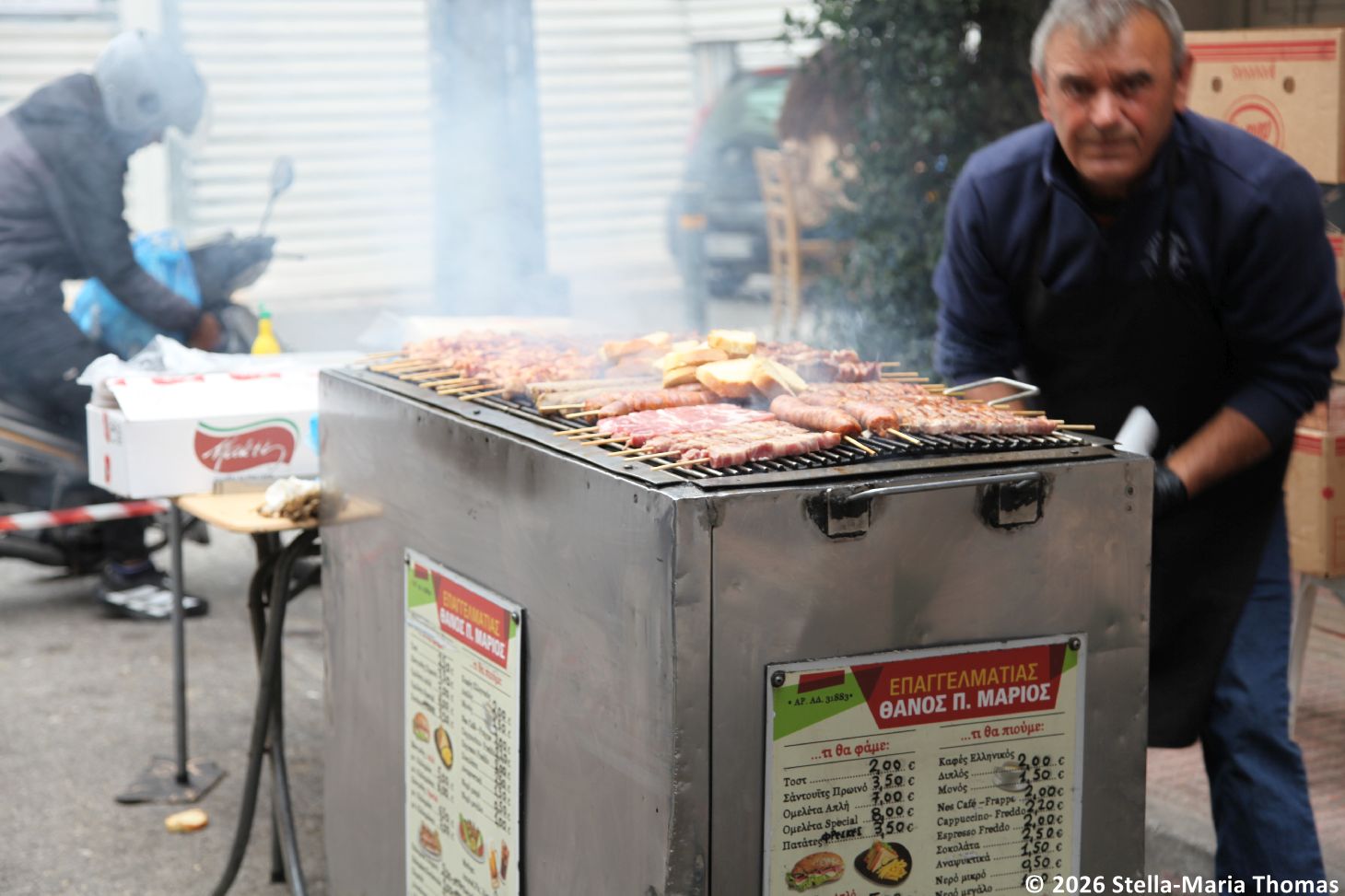
It was all very hunger-inducing so it was just as well we stopped before heading into the market, this time for a souvlaki from a street food stall (though apparently you can only have a stall out on the street if it is in front of your own premises so it’s not street food as some of us know it). The stall we stopped at had some fabulous looking meat “onna stick” going on, and so we sat down to wait for a pork version (traditional) and a chicken one (not so traditional), served with bread toasted over the coals. It was tender and very, very good.
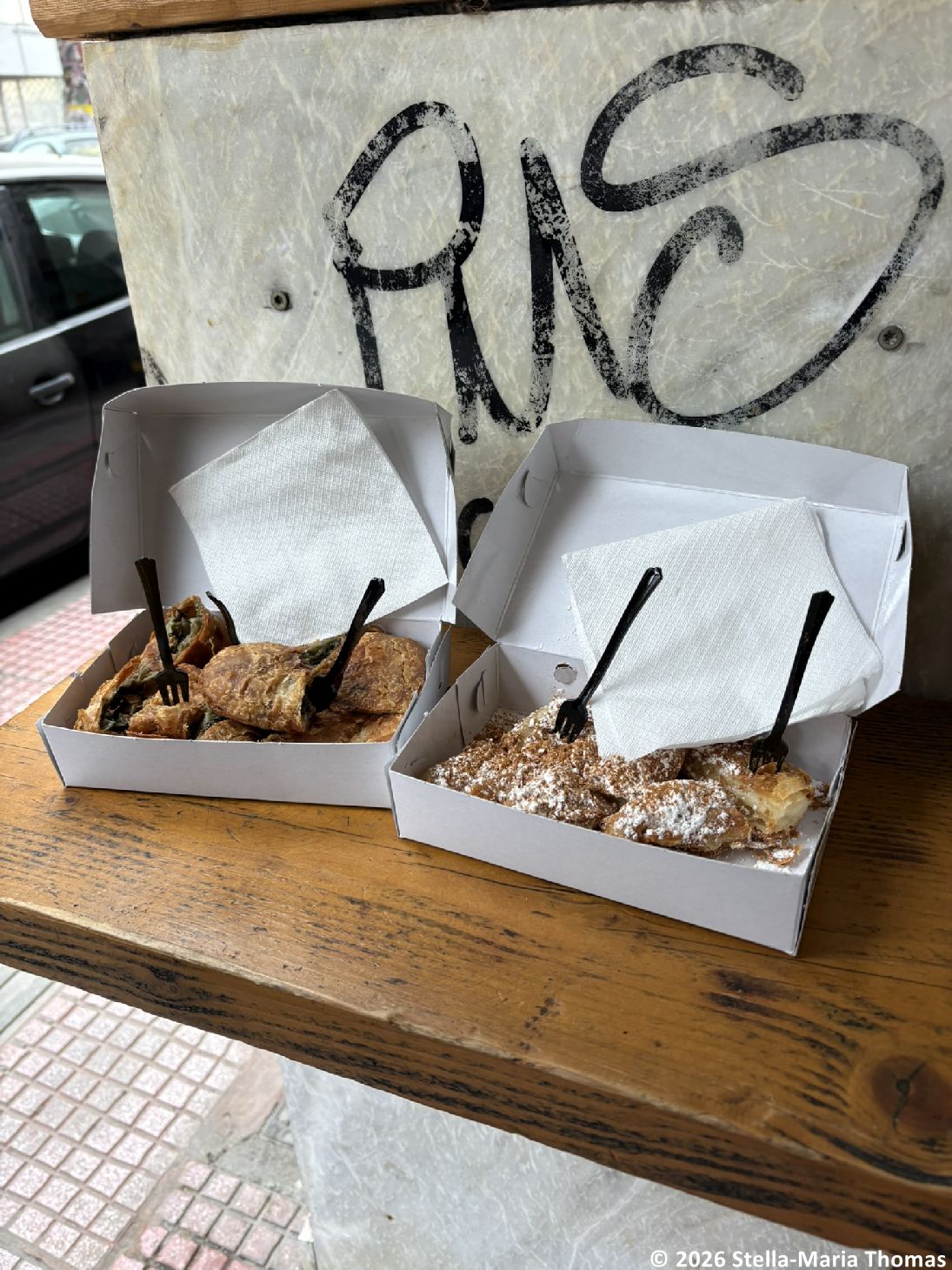
Next we nibbled and tasted our way through the market, with yogurts and cheese and dried fruits, before heading off to try a tiny bakery where you eat outside propped up against a shelf. Here we had a variety of “pies”, this time including bougatsa, which is filled with custard, spanakopita (feta and spinach), and a form of kreatopita (leek and lamb). They were good too, but we couldn’t finish them, especially as we’d also stopped at a local “health food” store where we’d been introduced to carob rusks (a form of food that dates back a very long way apparently because it provides a way of preserving bread for when it’s really needed), and some incredibly dense halva. Constantine had brought a bag with him, and was now carefully filling it with the things we couldn’t finish so we could take them away with us afterwards. I was beginning to think we should not have booked dinner for that night…
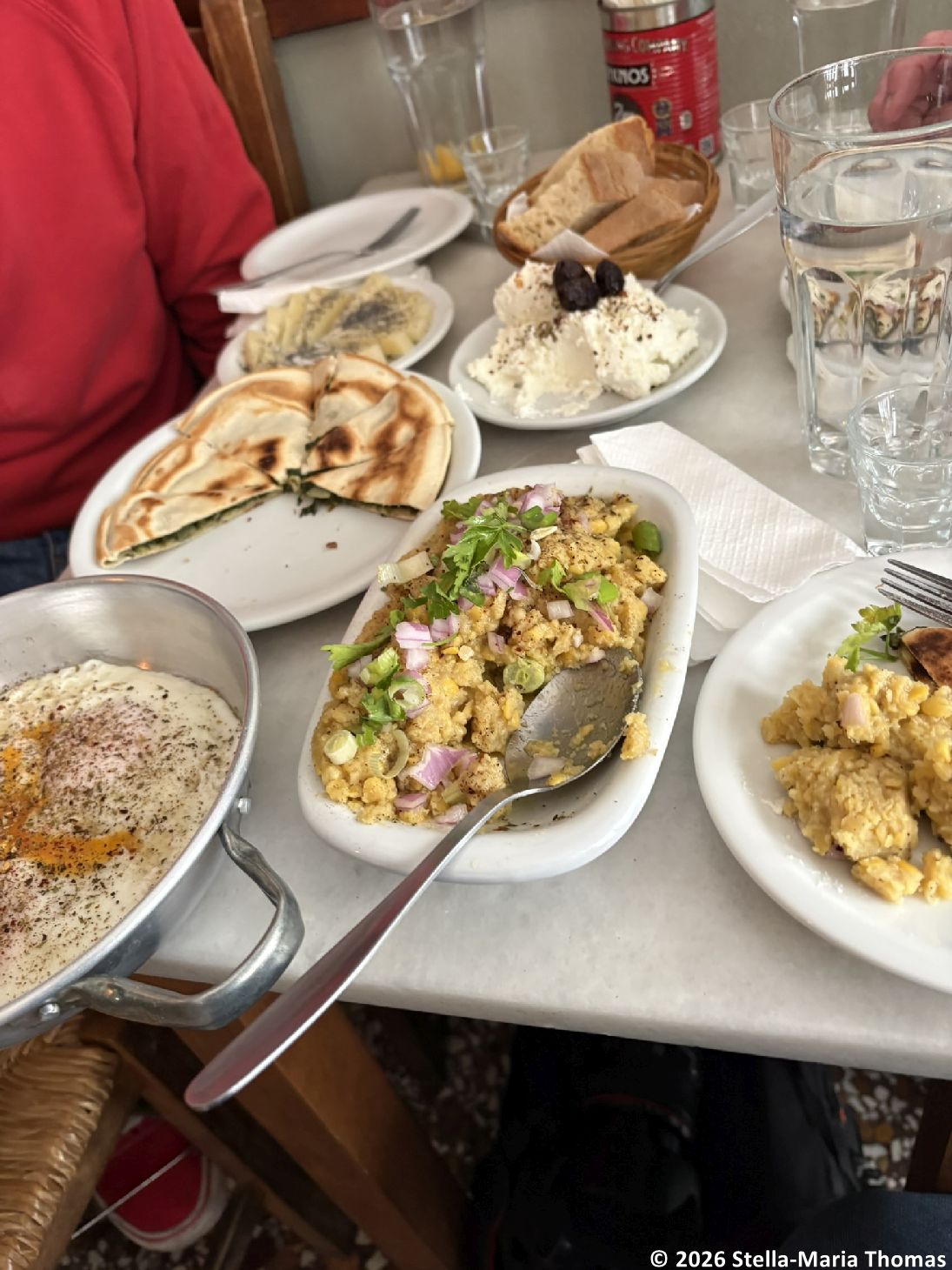
Next thing we know, we’re in a small restaurant with a friendly dog, being confronted by plates of cheeses, humous, stuffed flatbreads, a crushed butter bean dish, and a really delicious egg dish, along with strong drink (raki) and a toned down version which research suggests is called rakomelo, a mix of raki, honey and cinnamon, served warm, and which slips down a treat on a cool day. Apparently it can be bought ready to heat and drink, but this was a home made version and all the better for it.
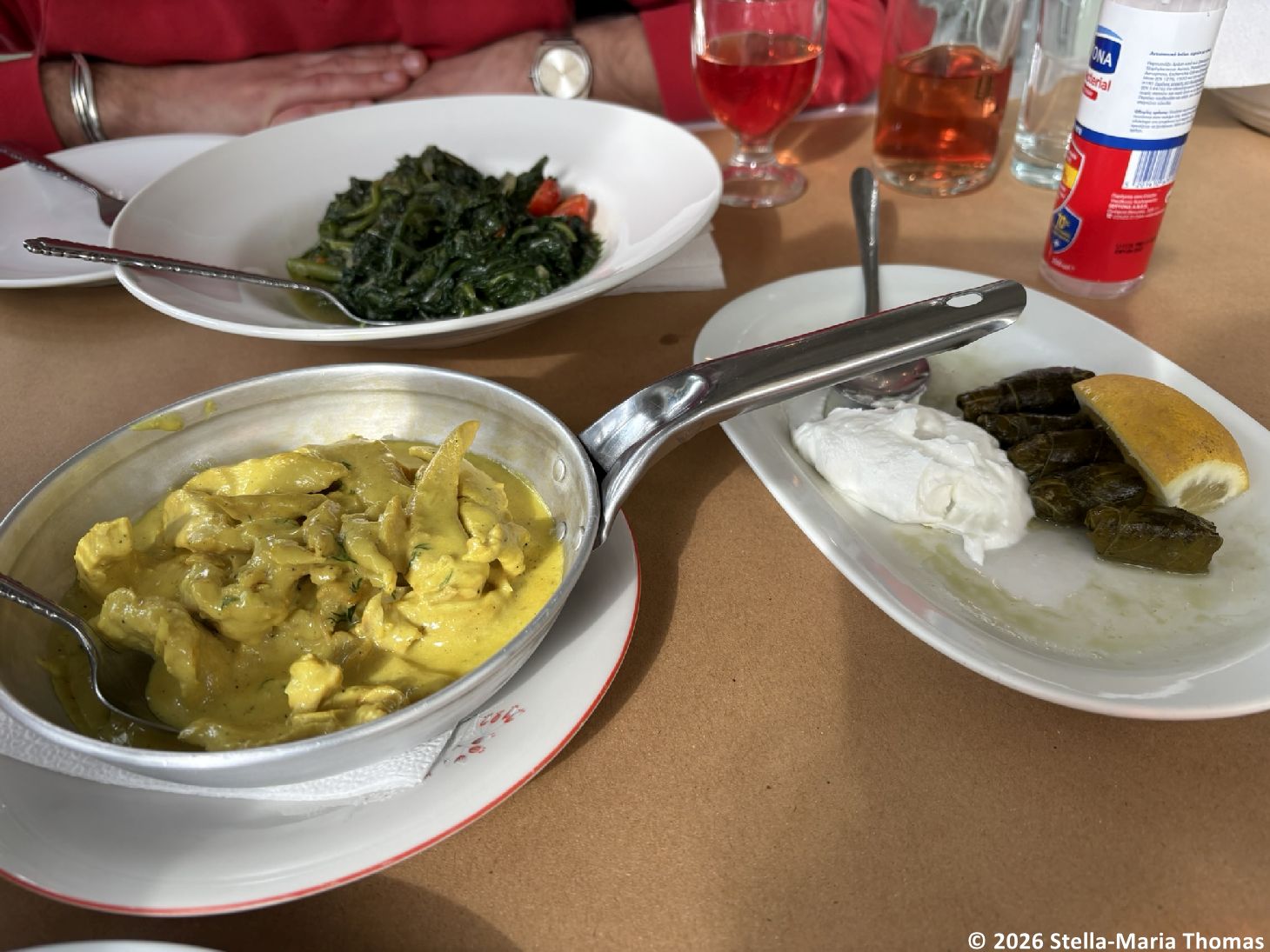
We were slowing down now and Constantine had warned us that there was a second lunch to come after this so we may not have done it quite as much justice as it deserved, but there is only so much food we can manage in one go! And so on to an area which is apparently now very much the LGBTQ+ clubbing area of the city, but which was very quiet at 2 in the afternoon. Our final stop was a restaurant near a small theatre, Οινομαγειρείον Κανέλλα (Kanella), where the number of plates was much smaller, thankfully, but no less delicious with a plate of “horta” or basically whatever greens are available, avgolemono chicken, and some tiny dolmades. We drank a local rose wine and found ourselves talking about all sorts of things with our guide before he left us with instructions on how to get back to the hotel, and a large bag of takeaway food! Oh and a book about the food of Athens just to finish off the experience.
It was a fascinating tour where we really felt as if we’d got to know the foodways of the city, and where no subject was off limits, and we felt as if we’d spent a day with an old friend rather than someone we’d never met before. We enjoyed it so much that I’m already looking at doing Culinary Backwater tours in San Sebastian and Bilbao when we head that way in September.
Sated and footsore we wended our way back to the Intercontinental for a shower and the chance to freshen up before dinner. A tentative plan for cocktails was shelved, and we settled for a glass of fizz in the Club, followed by a stop at a wine bar that had been recommended to me, Materia Prima (which has two branches, we went to the Koukaki one), where a thoroughly charming man served us a fabulous Xinomavro by the glass and complimented us on having such charming British English accents! The food looked really good too, but we had a reservation a little further up the road at Esthio.
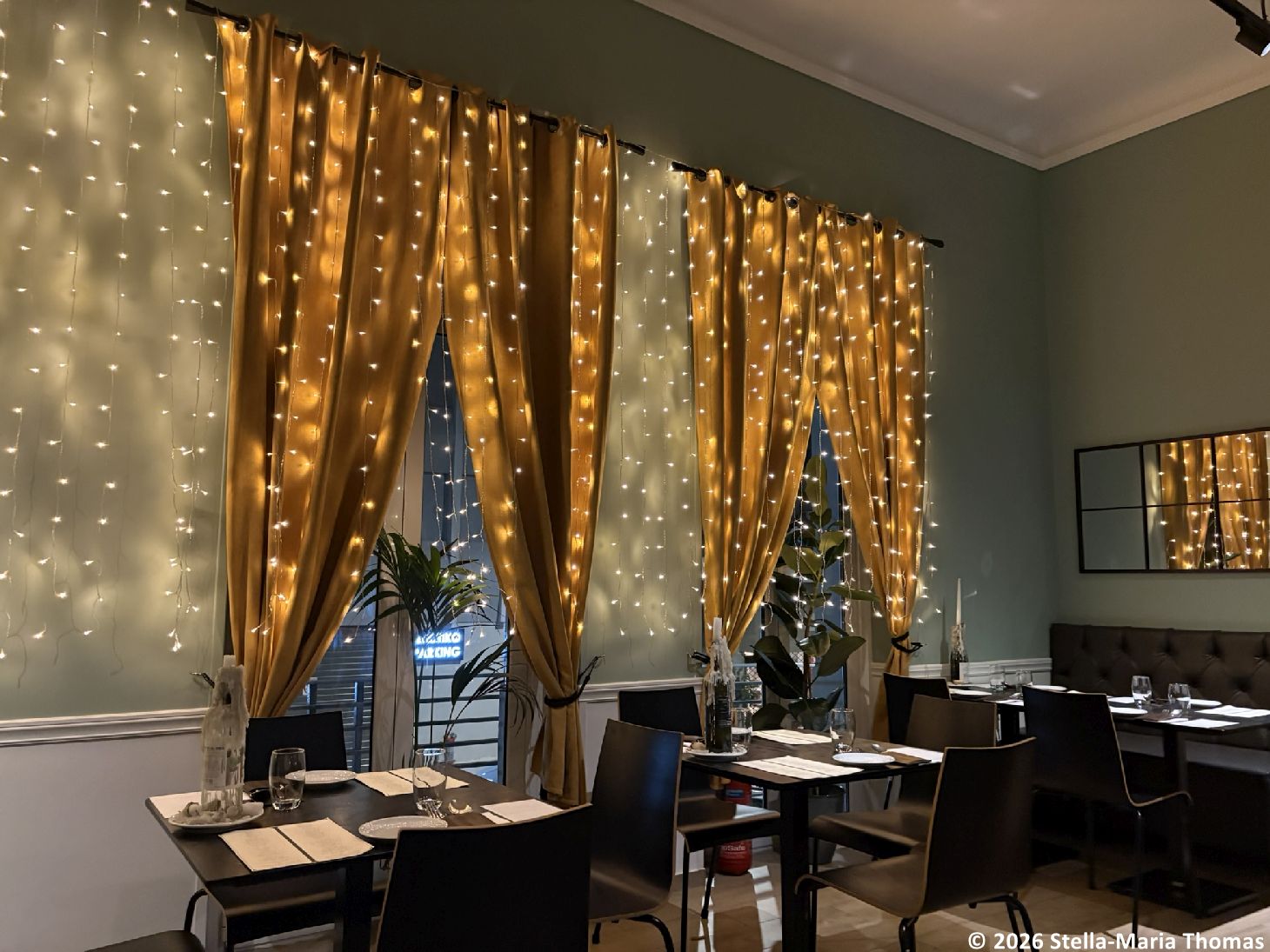
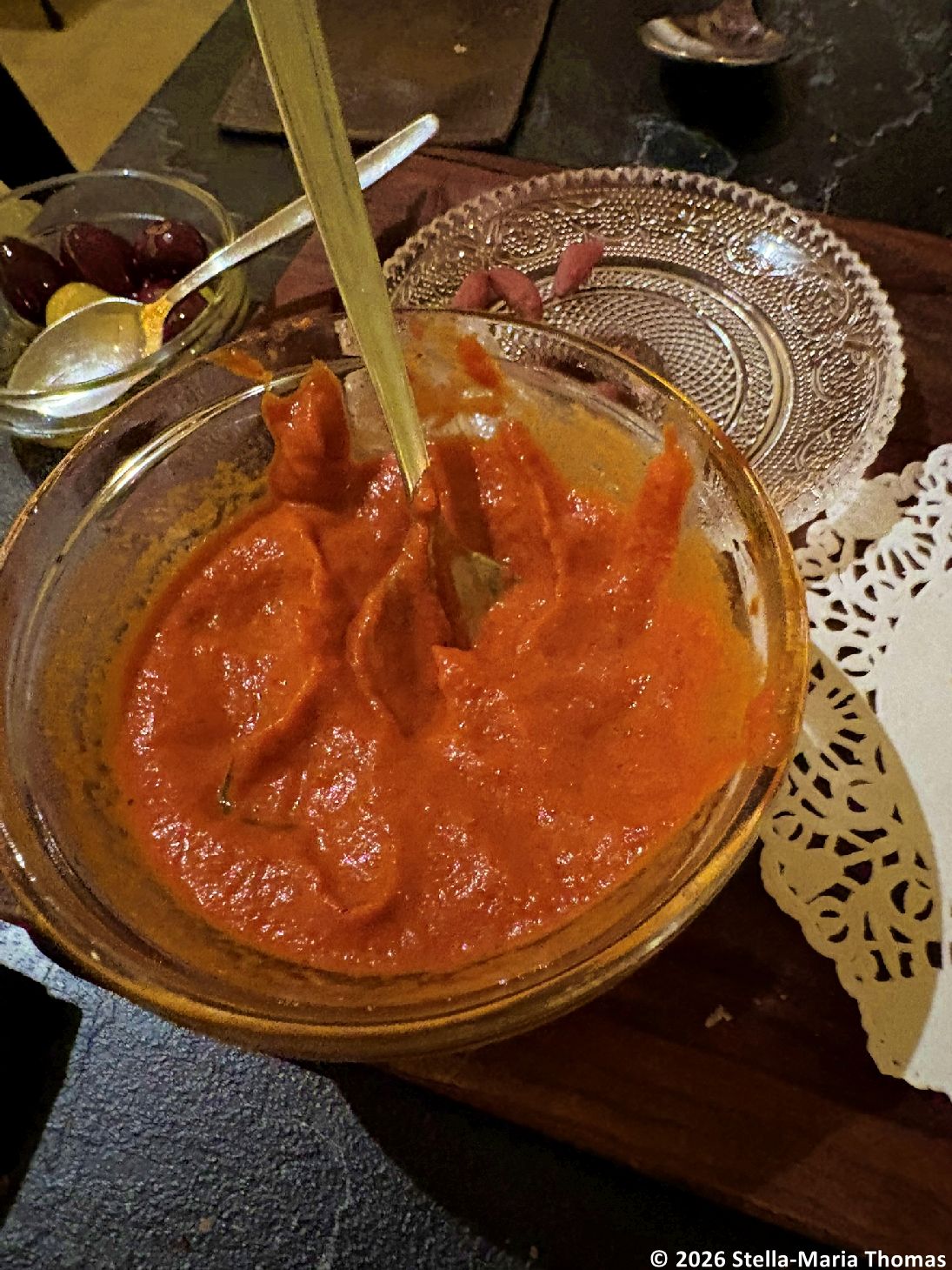
On arrival we found that we were in a lovely if somewhat empty room, even though it was almost 9pm, although the bar section of the place was busy. There was a tasting menu at a very reasonable price but we really had eaten too much already to even consider that as an option. Instead we decided to do the very Greek thing of just ordering a couple of plates for the table, and then more if we needed it. And thus we found ourselves facing an aivar salad, which arrived with a bowl of olives, a basket of bread, and a bowl of fish roe salad (taramasalata) which they’d just added because they thought we should try it.
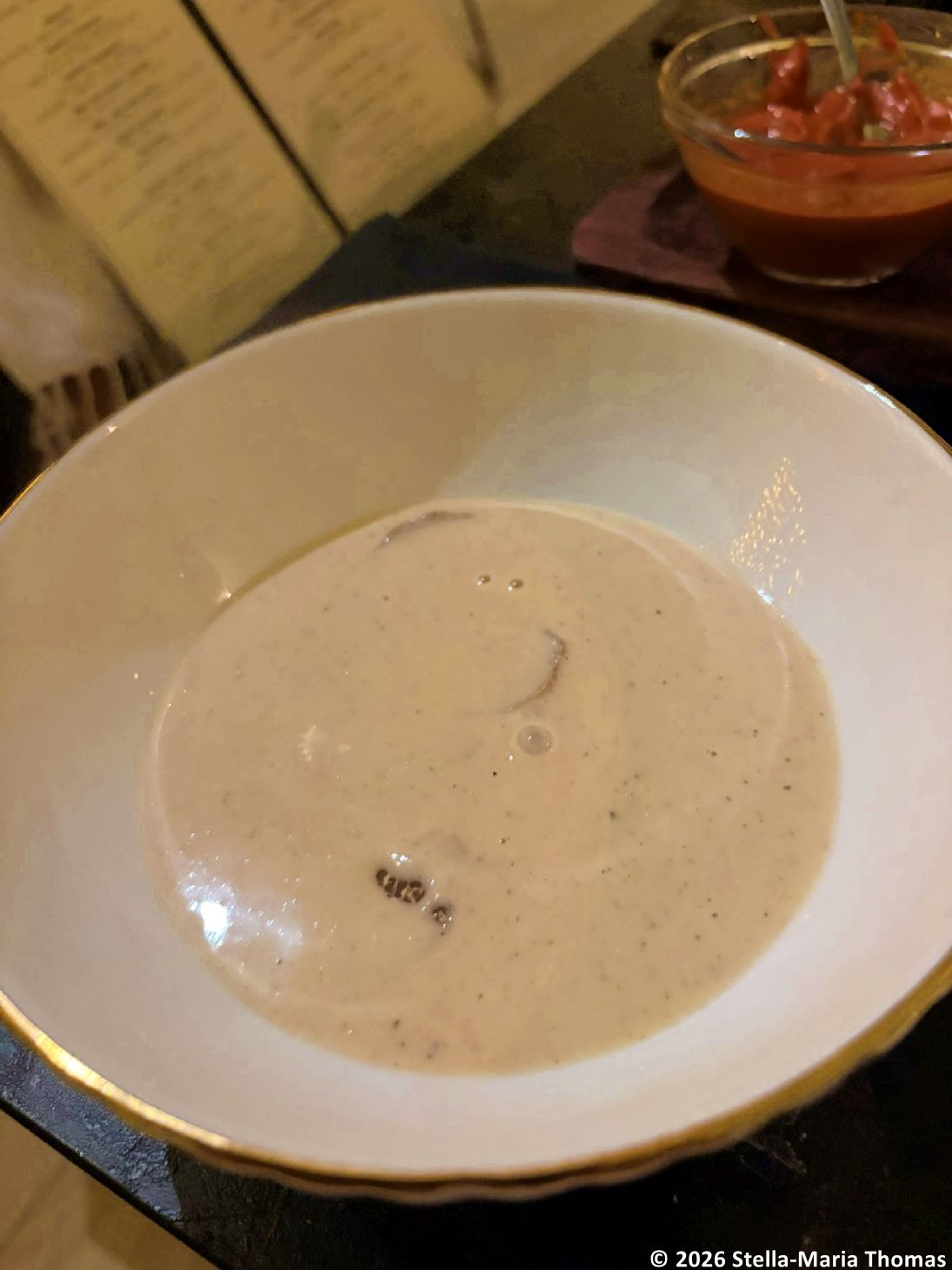
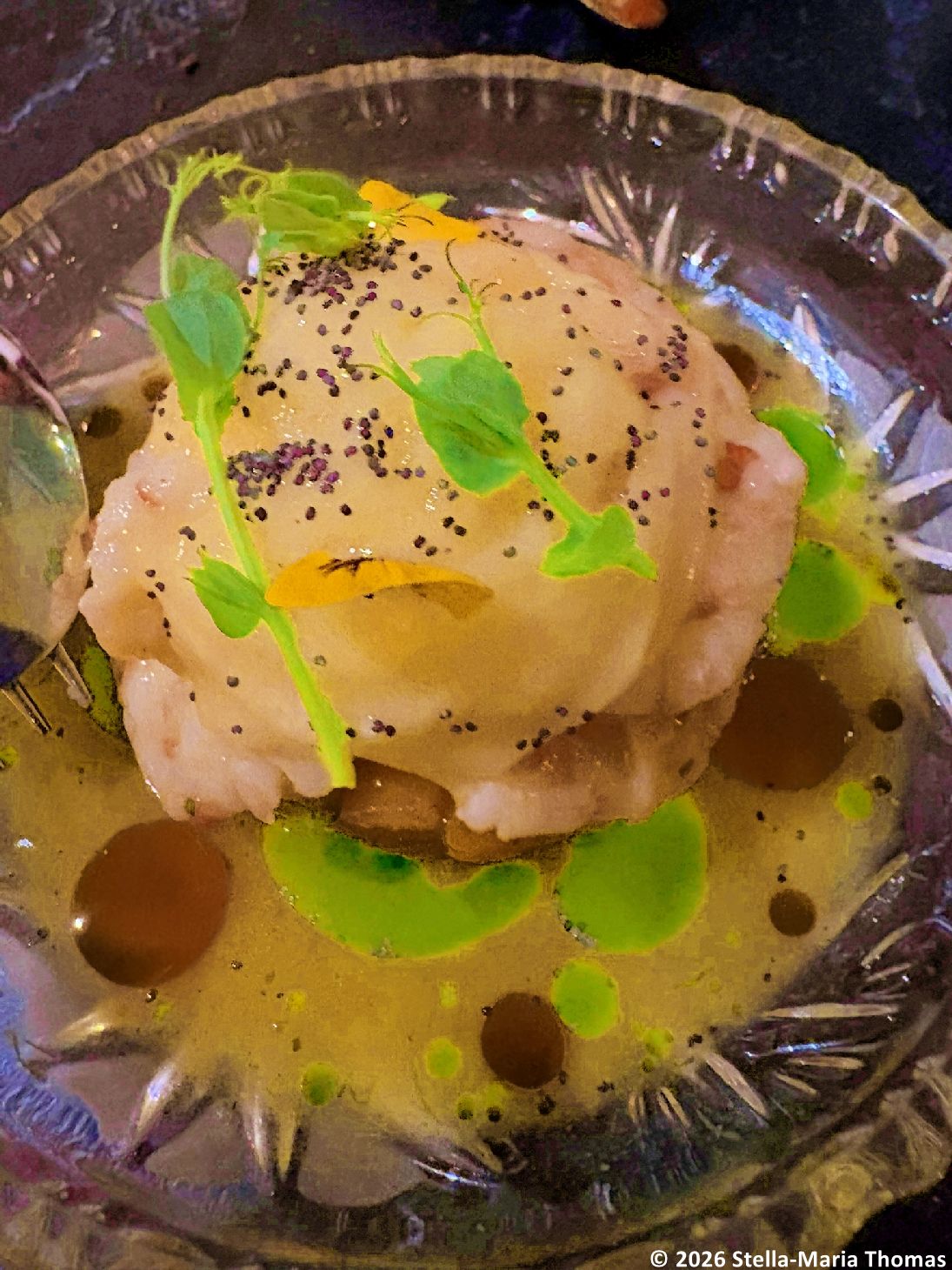
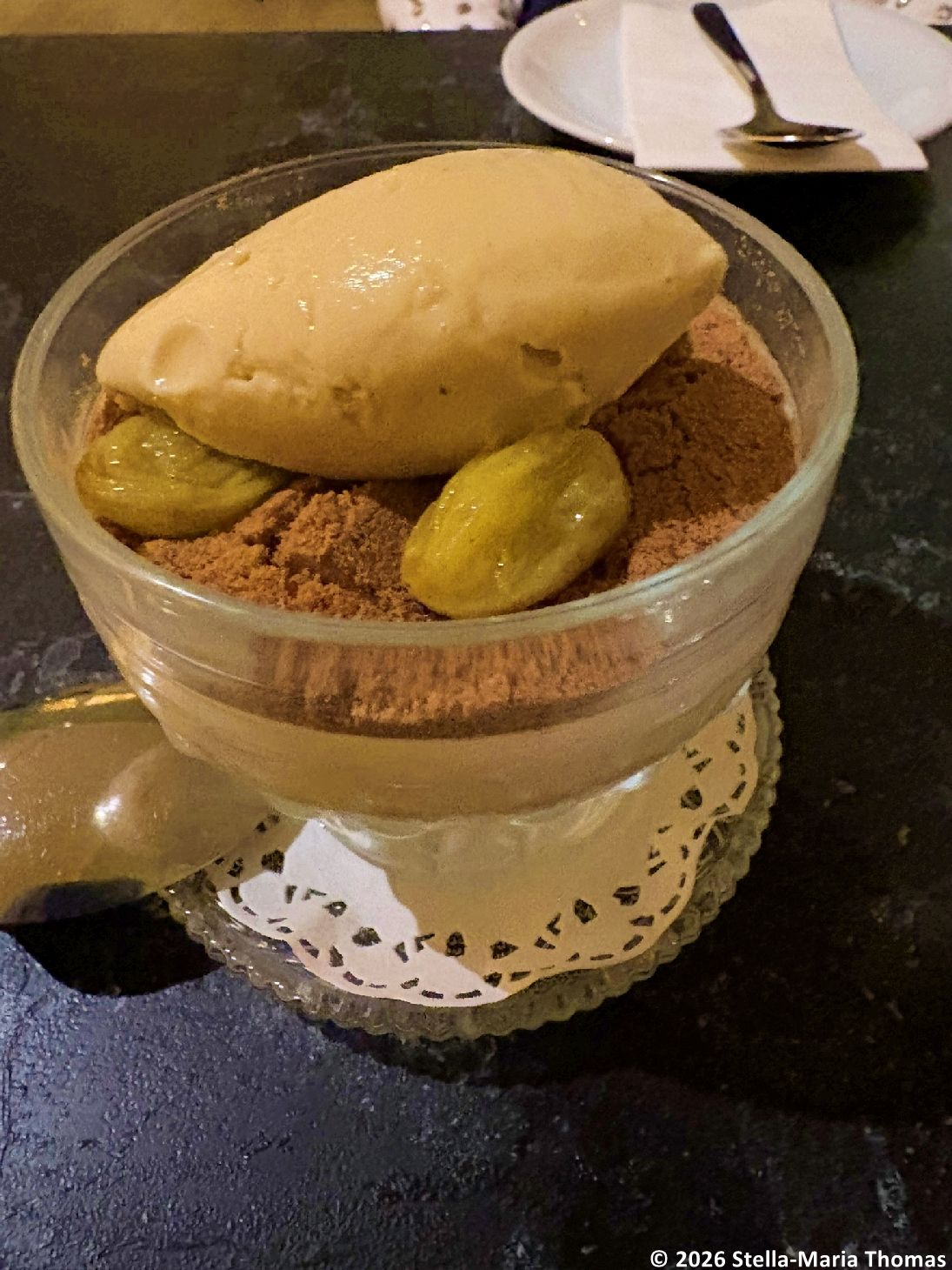
We followed up with an excellent cauliflower velouté, with white truffle shavings and pistachios, and a stunning good marinated shrimp, seasoned with lemon verbena, and garnished with tangerine and persimmon. And we finished the evening by sharing a dessert, the house speciality of Grape Must, described as a traditional Balkan recipe.
And after that neither of us had the energy to do much more than walk back to the hotel and collapse, nursing the dreaded “food baby”!

 Smtfhw's Travels