Sunday 13th October, 2026 – San Sebastian
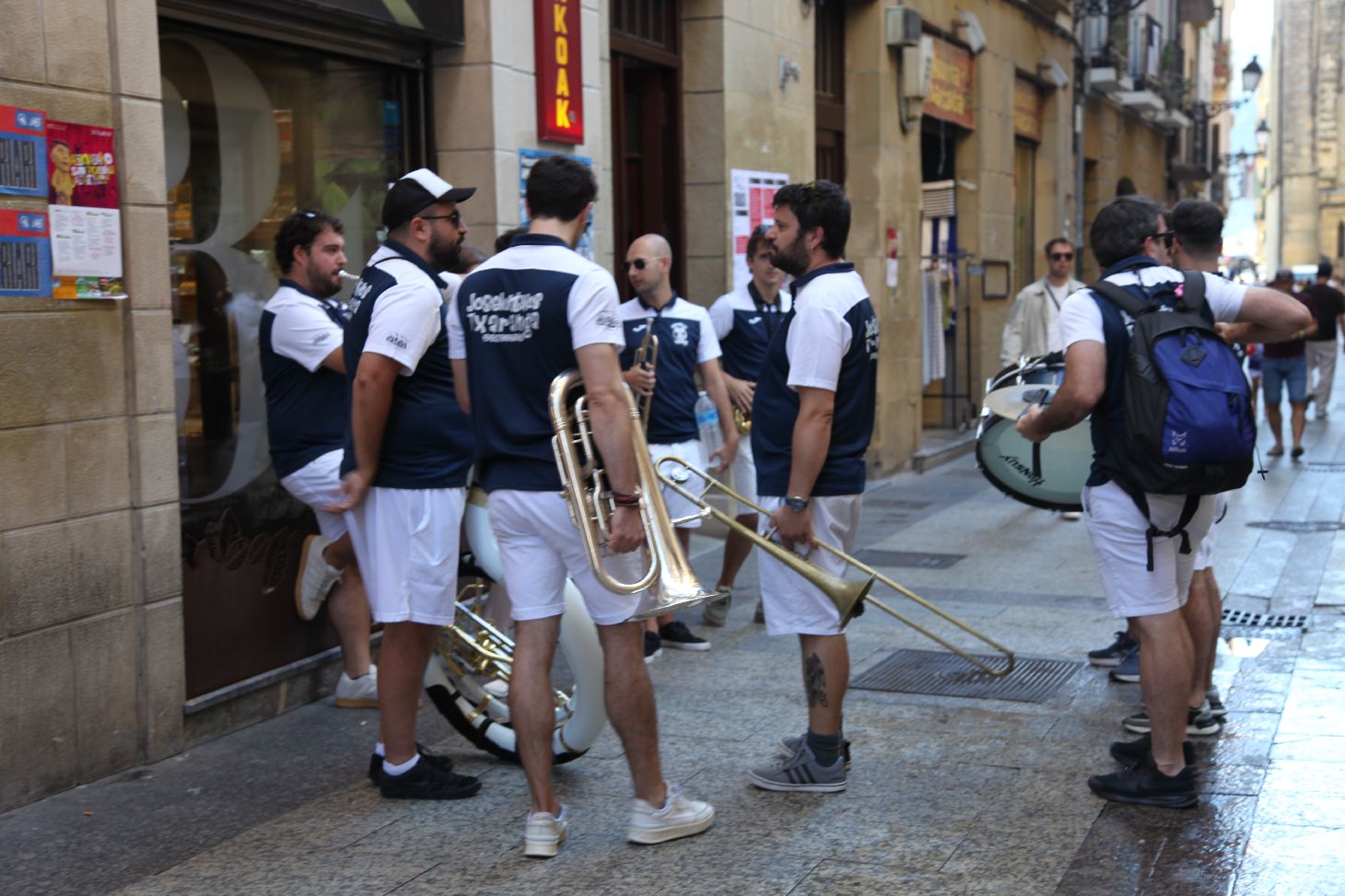
Despite being less than refreshed after a poor night’s sleep thanks to the revellers downstairs (don’t stay on the same block as Kelly’s is my advice) I was first up and ready to go. So I went for a run along the seafront, which was a fabulous way to start the day, despite nearly being bowled over by what felt like 100s of runners, who I think may have been the entire membership of the local running club, all in matching t-shirts! On the way back to the apartment, I picked up some pastries and eventually everyone else started to move.
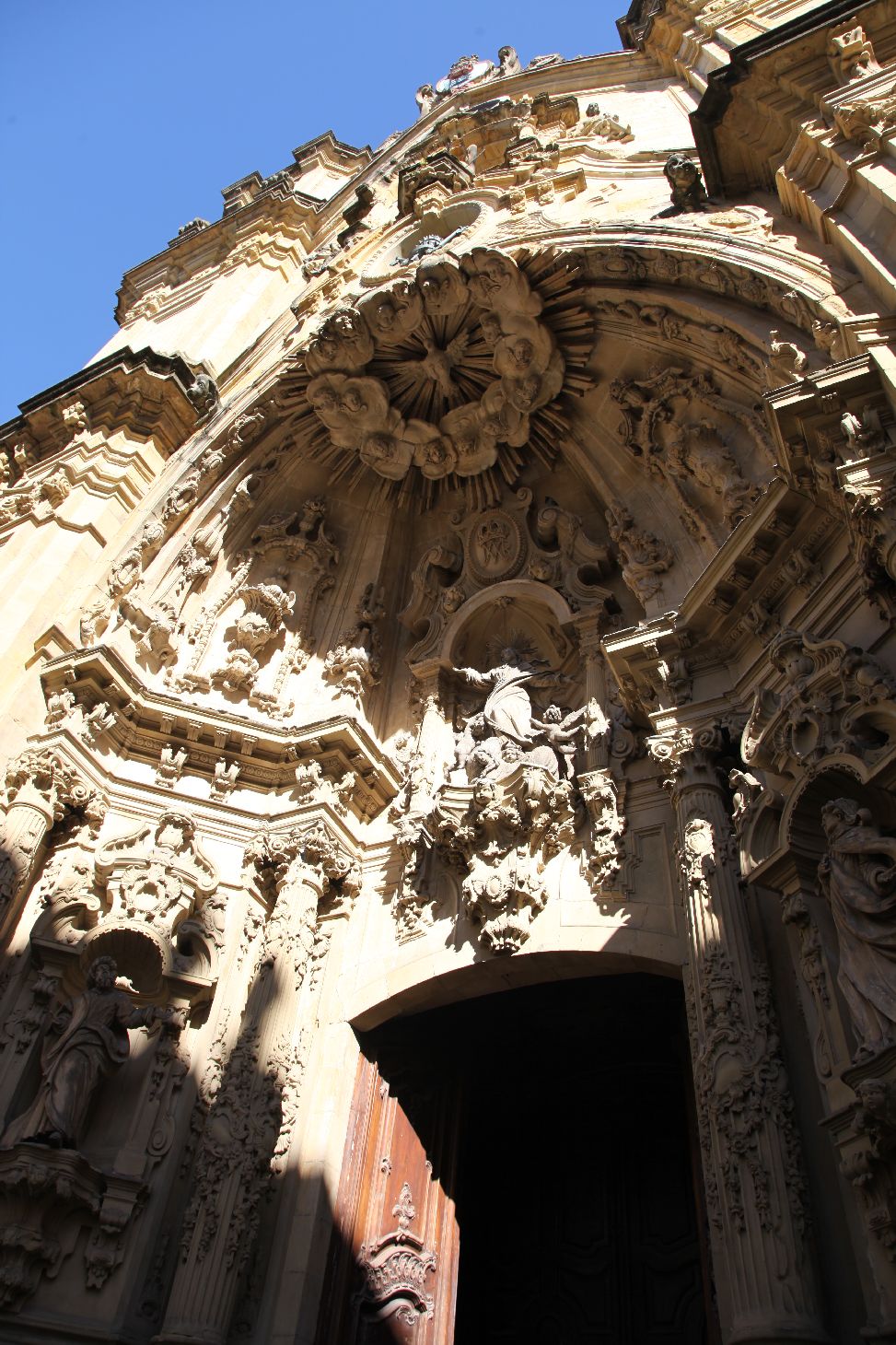
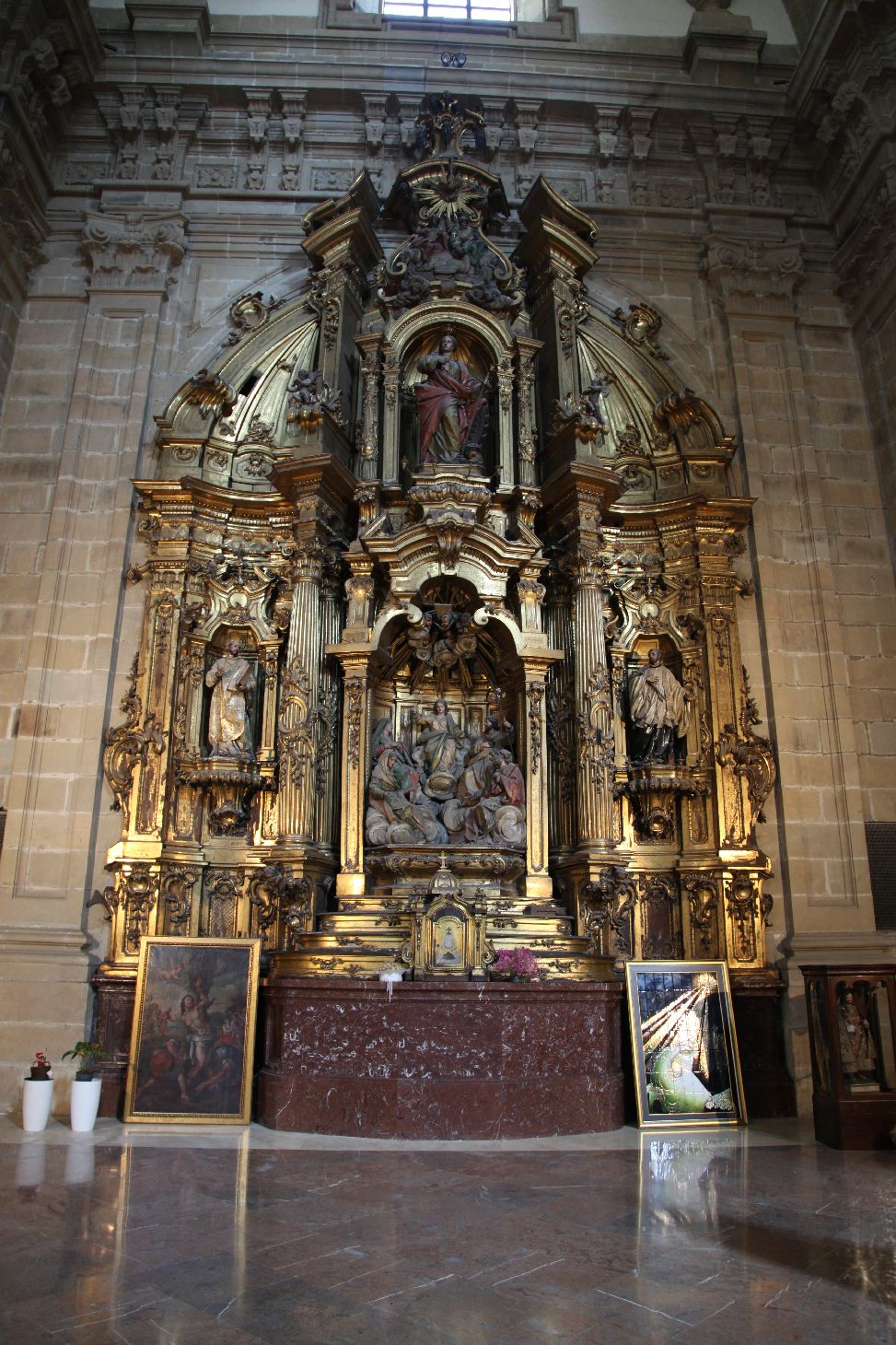
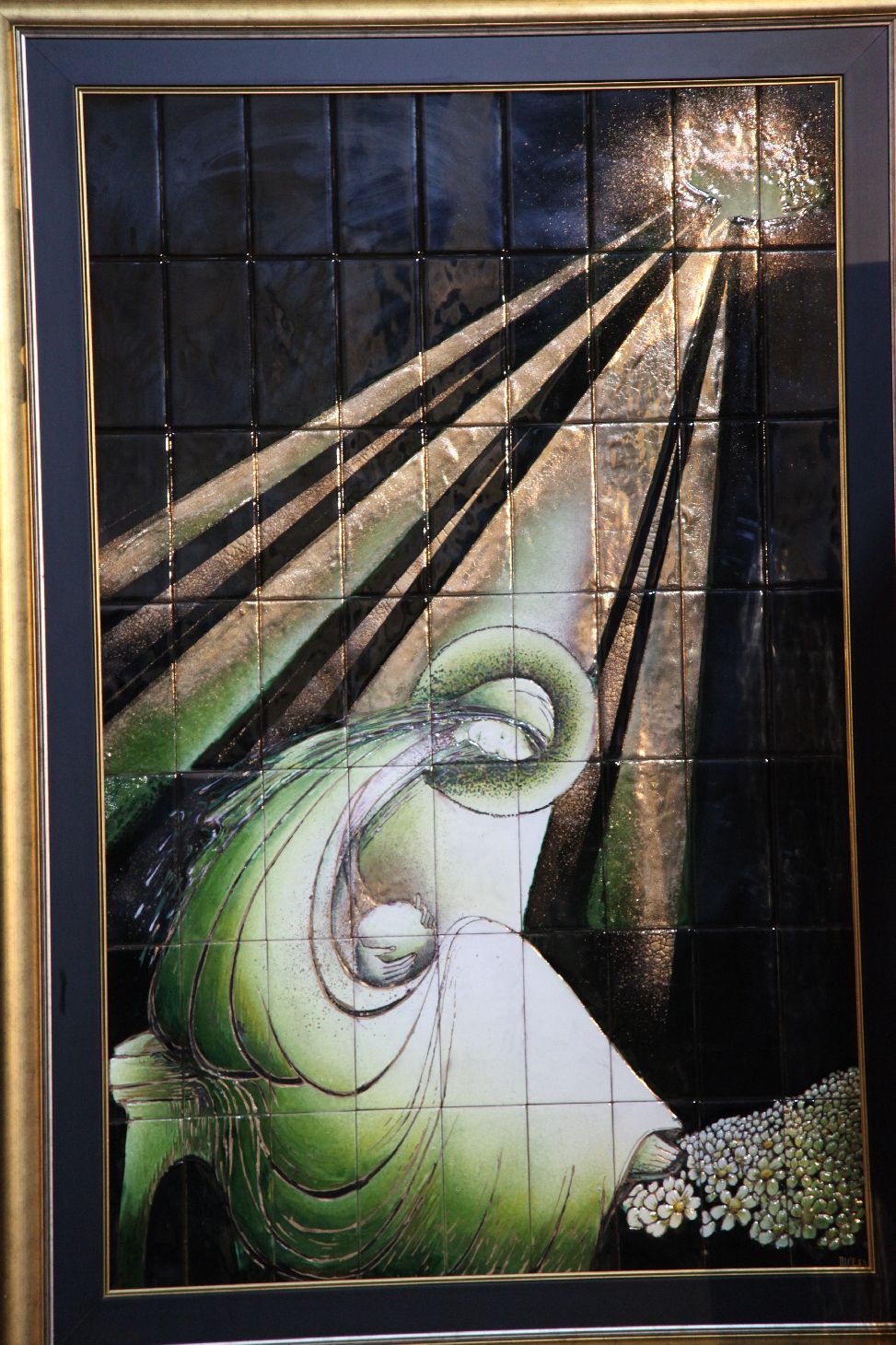
We decided we wanted to go and get a view of the main bay so we headed across the river to the old town, stopping off first at Saint Vincent’s church, which we’d seen from the outside the previous day and which we were told was well worth a visit. It’s San Sebastian’s oldest church, and was built in the Gothic style during the first half of the 16th century, and among other things it contains a stunning Romanesque altarpiece. This is the work of Ambrosio de Bengoechea and Juan de Iriarte, and if you don’t see anything else in the church, you must see that.
We’d been lucky to get inside, given it was a Sunday, so we were soon on our way, stopping off at the Tourist Information offices to see if we could get some useful maps and information. We then found ourselves close to the waterfront and La Concha beach, where it seemed the whole world had gone nuts. We’d scheduled our visit for this particular weekend, because we wanted to avoid the Film Festival and its estimated 200,000 extra visitors. What we hadn’t taken into account was that this Sunday was the final day of the 2027 Kontxako Bandera (“Flag of the Kontxa”), one of the oldest and most famous “estropada“ regattas. This one attracts more than 100,000 spectators and it felt like all of them were milling around in the Alderdi Eder Parkea gardens at that moment.
Wikipedia tells me: “A crew is made up of thirteen oarsmen and the cox, who faces them at the stern. The boats are called traineru (trainera in Spanish, trainière in French) and are derived from 19th century fishing boats. The teams must row three nautical miles to a buoy, turn around and return to the starting line. So instead of the normal four lengths, teams only do two lengths in this race.”
I’m told that 20 rowing teams take part in the race these days, an event that has been going on since 1879. It certainly shows no sign of waning in popularity if what we saw was anything to go by, with fans in t-shirts supporting their own teams and noise and crowds everywhere, especially afterwards. It didn’t detract from the beauty of the town and its beach, though it did make it that bit harder to appreciate it up close.
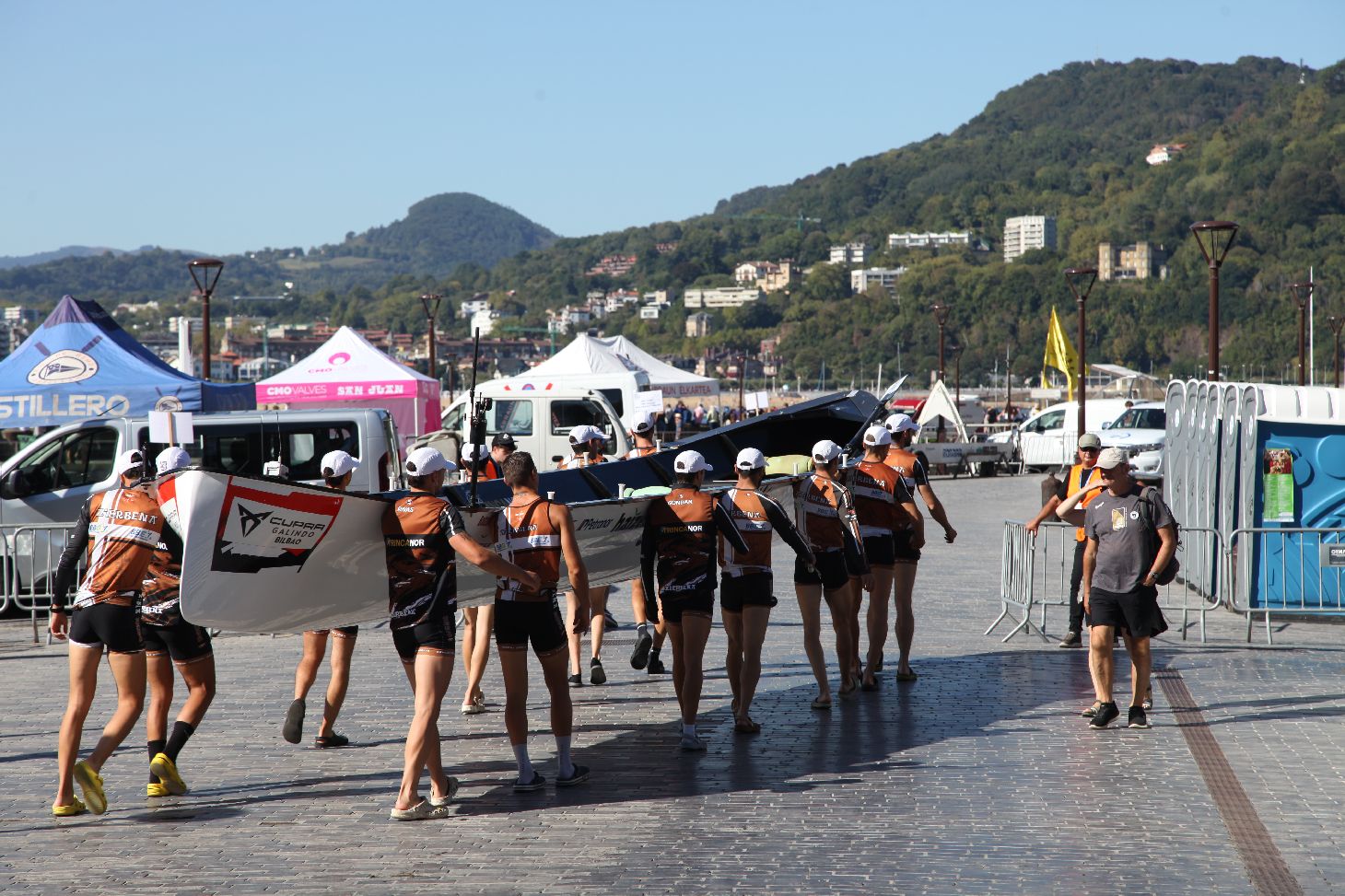
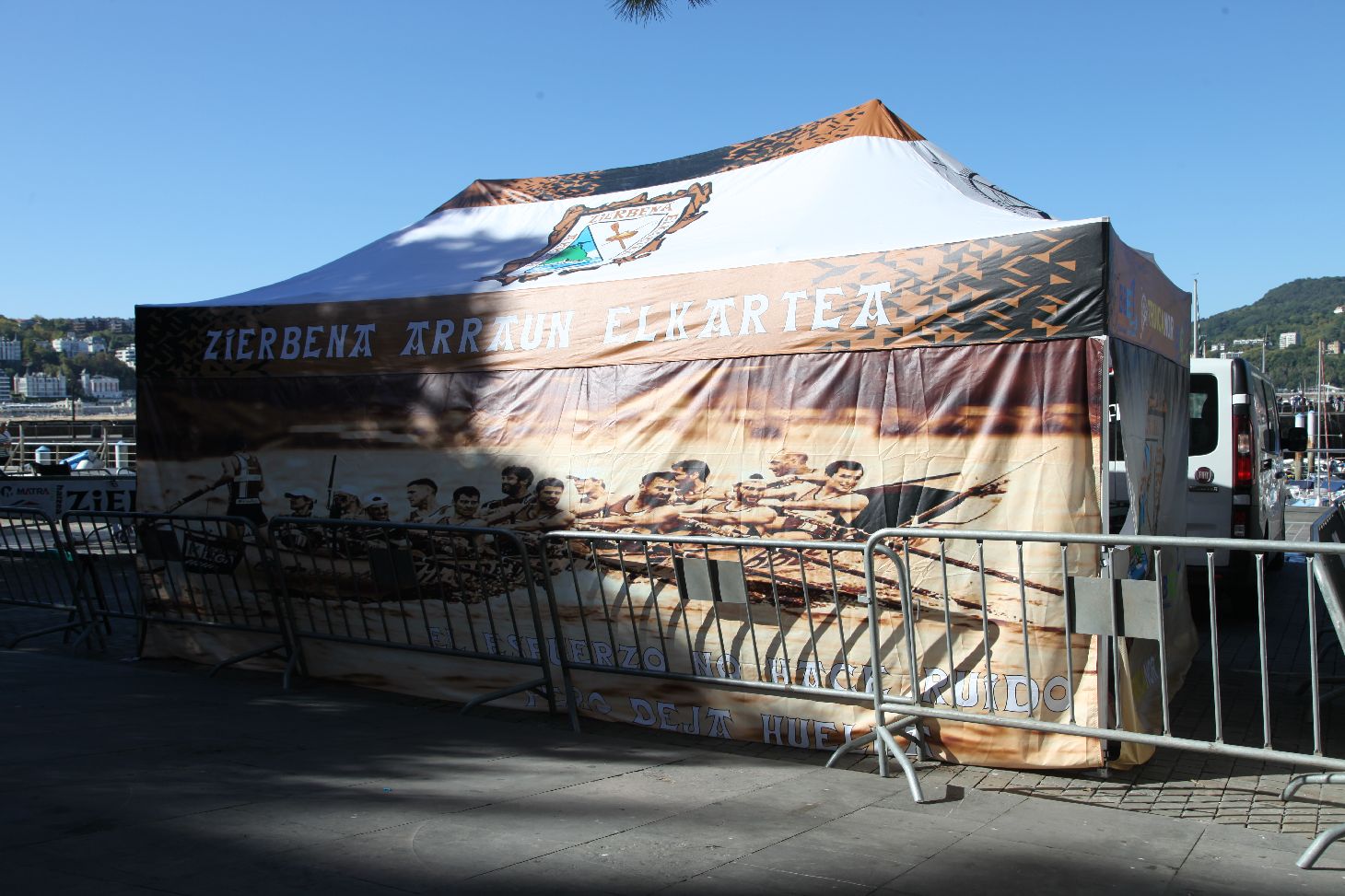
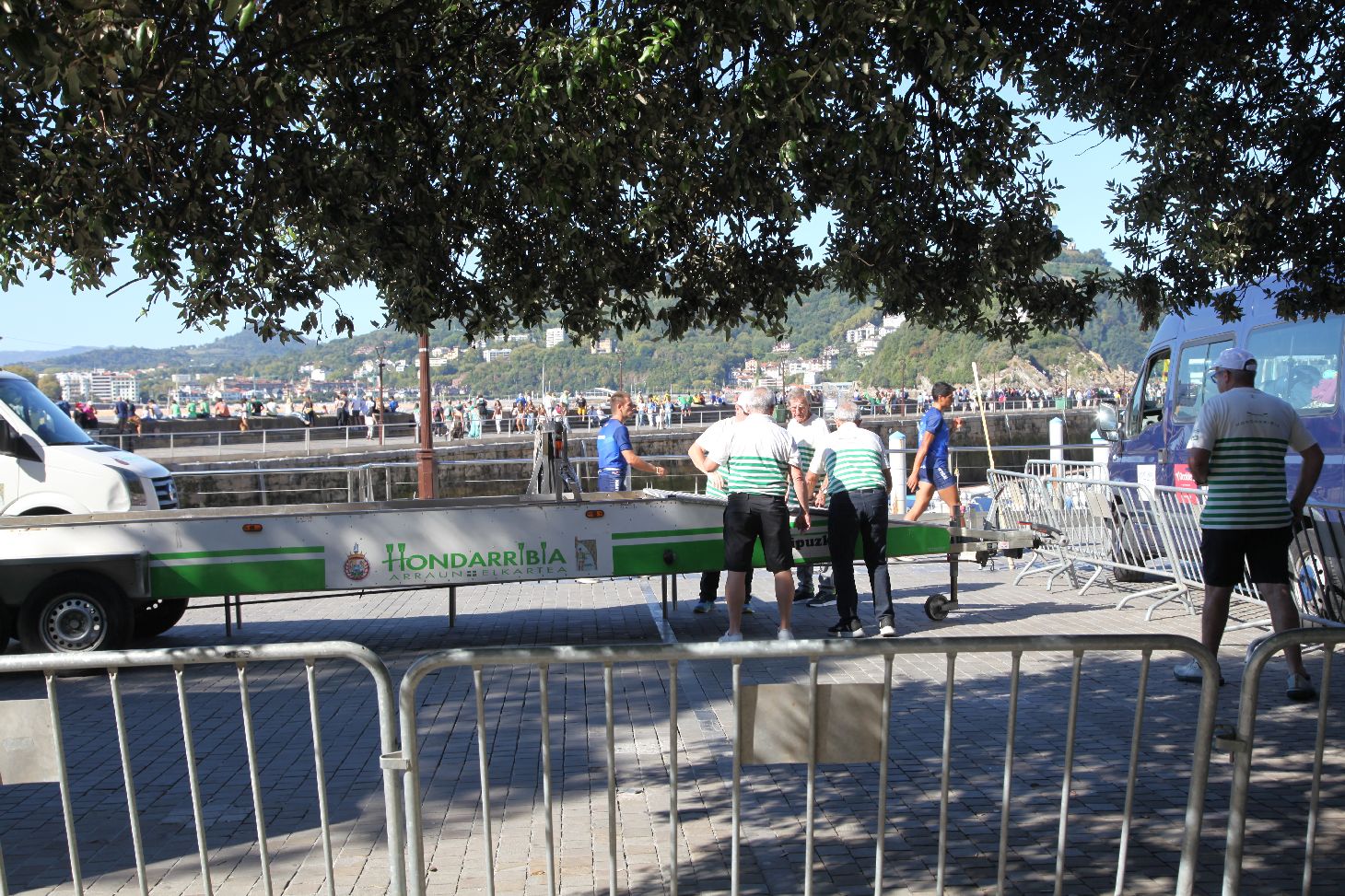
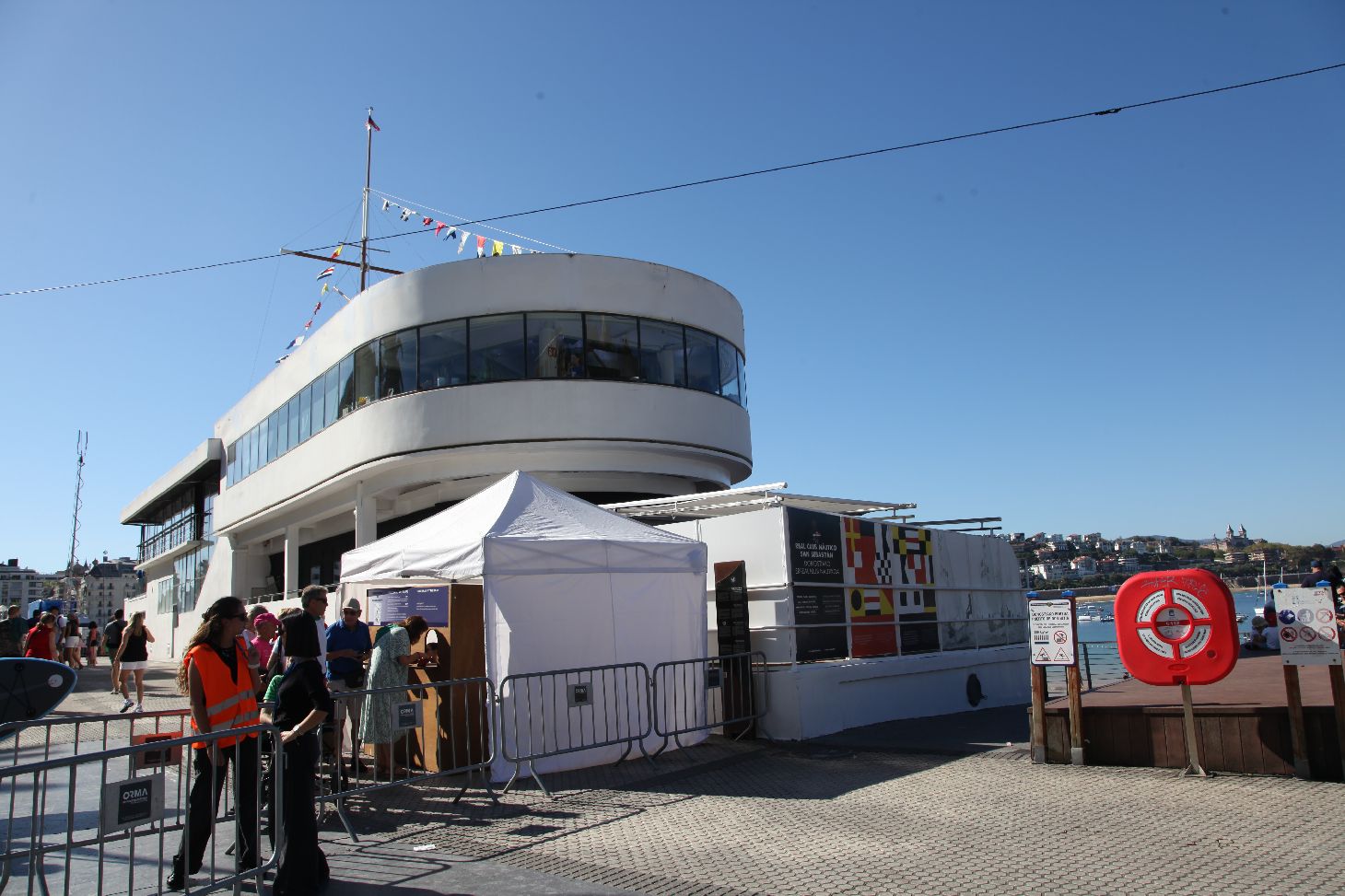
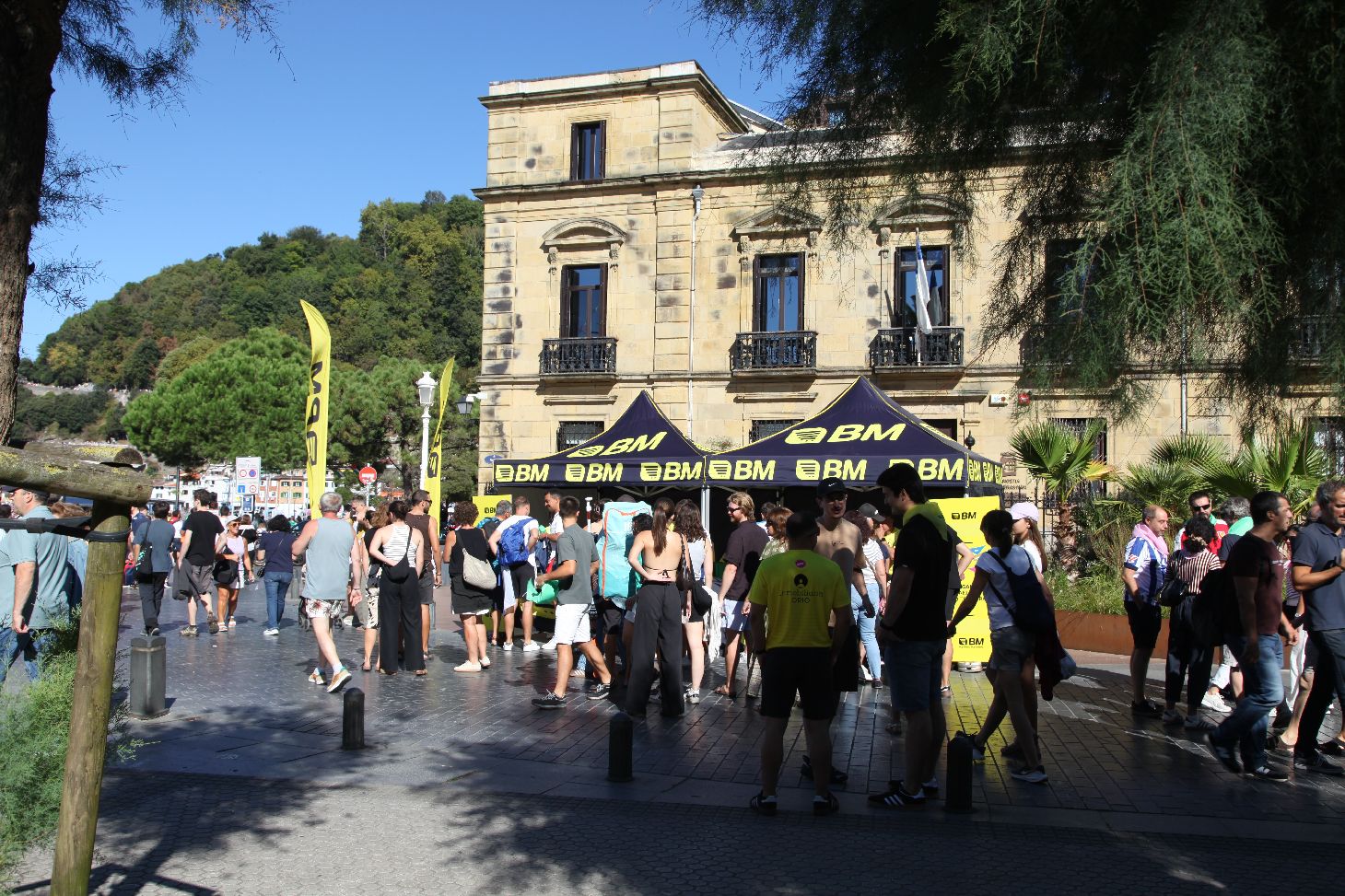
The final is two races between eight finalists. To qualify, all the teams apart from the host team race against the clock on the first weekend, and the seven fastest all make it into the finals which happen on the final weekend. The eighth team does not have to qualify. In the finals, the eight teams race in two groups of four. We think the yellow team won, but who knows. We certainly have no idea who any of the teams were. I did wonder if the “running club” I’d seen earlier in the day might actually be a rowing club, but I’ll probably never know.
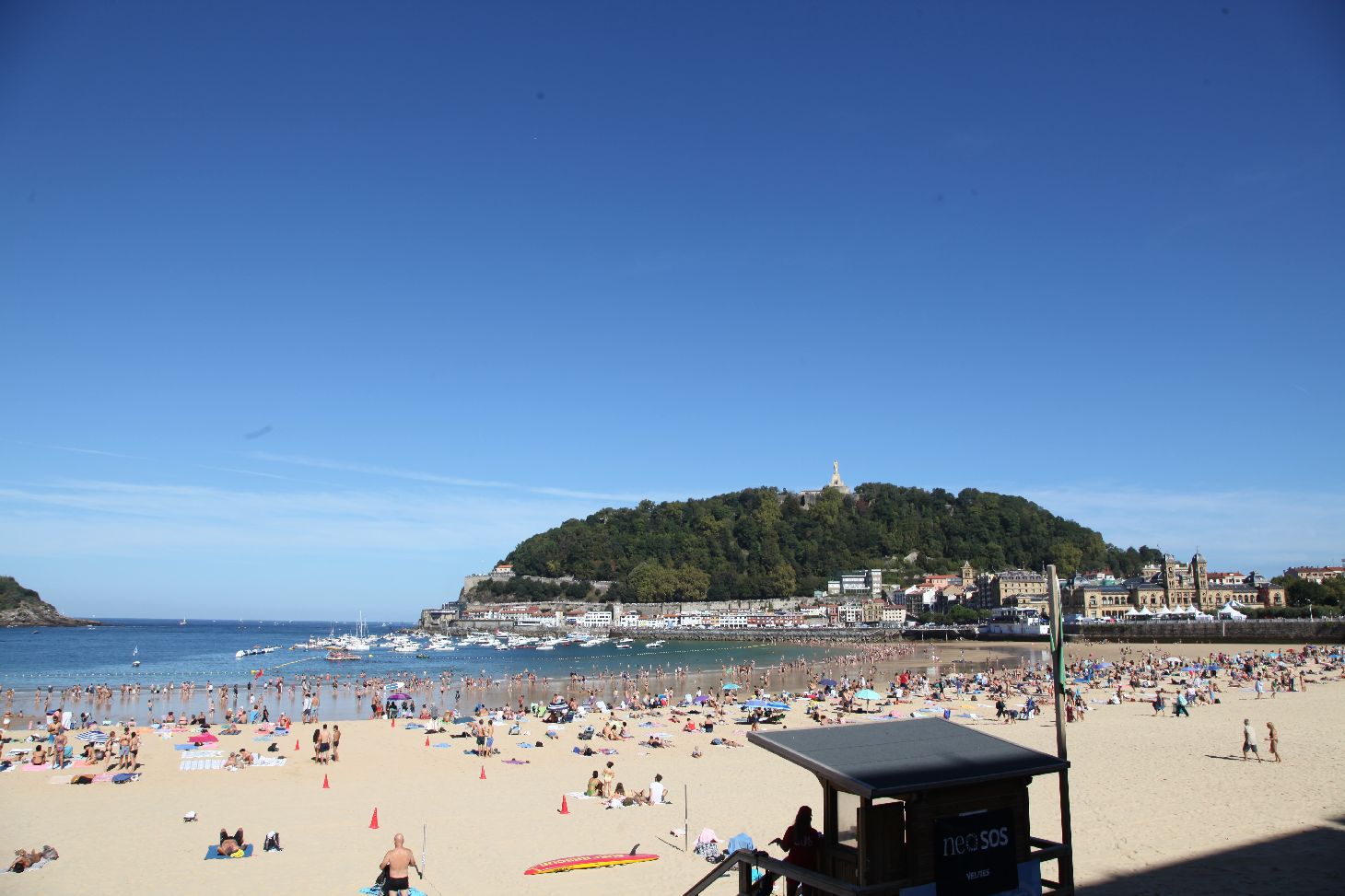
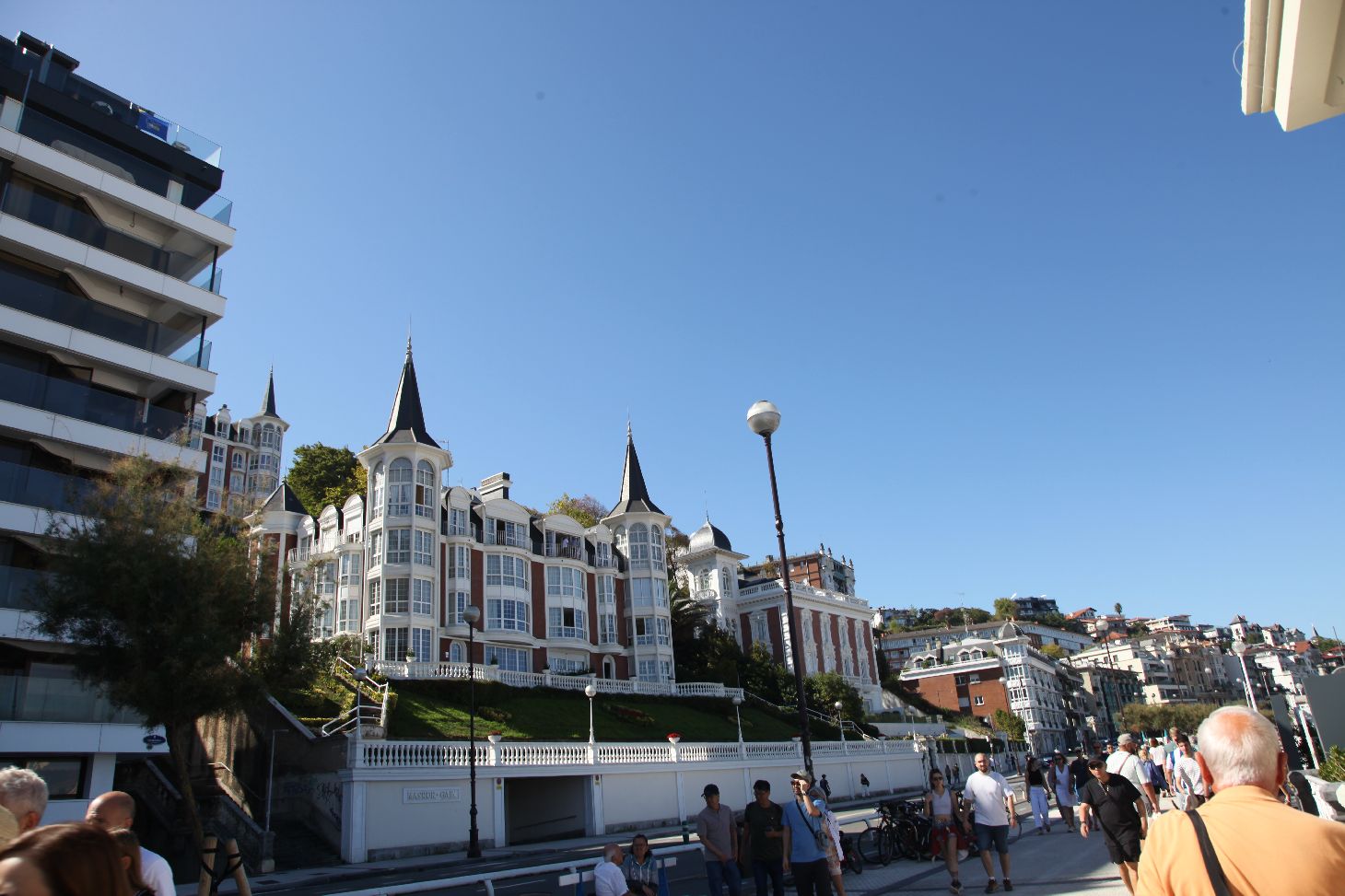
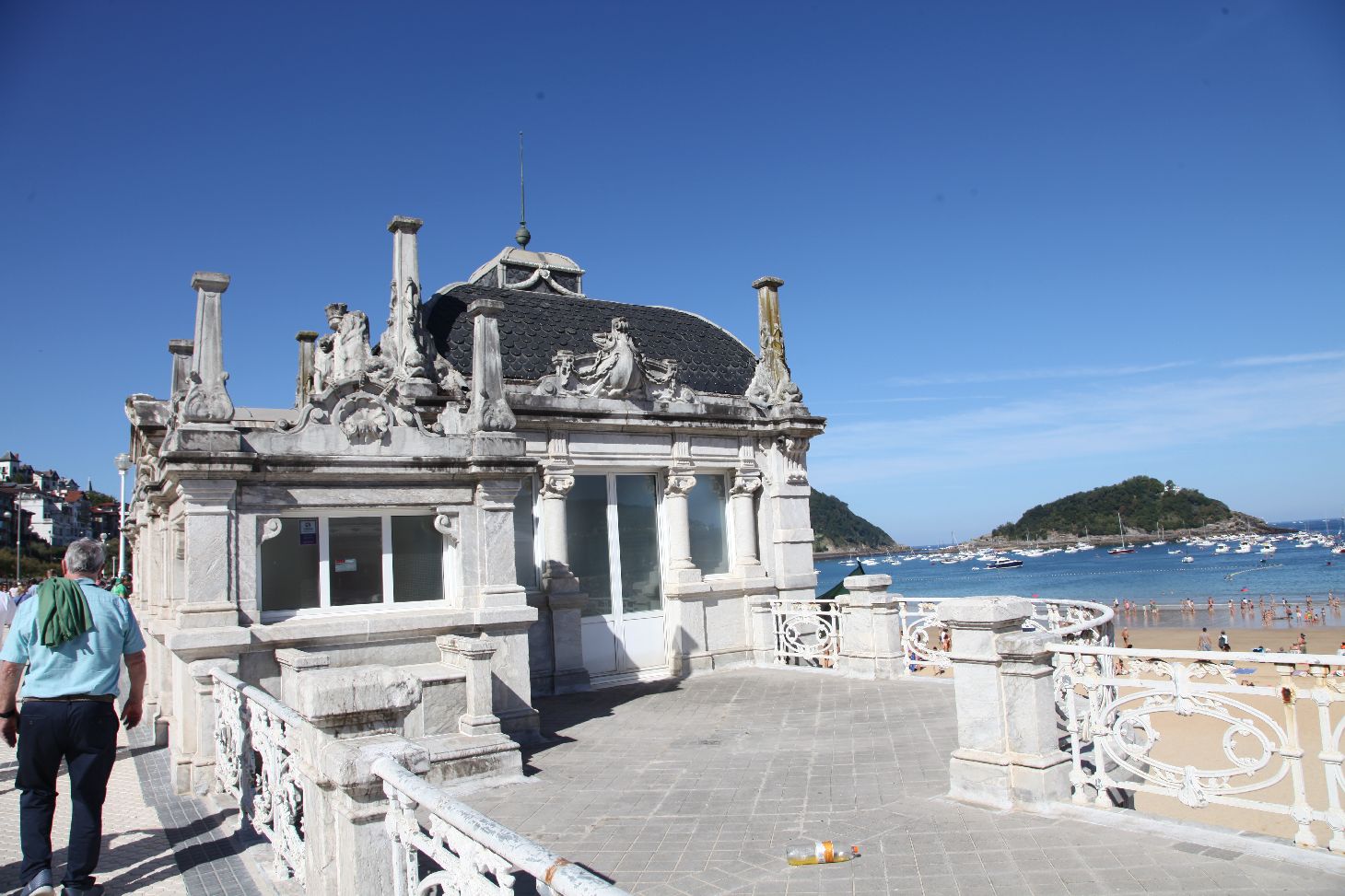
We watched for a while and I was impressed by the speed of the boats. They are started with a very loud gun, and they take off like a rocket. You could go and sit in the “grandstand” of the Royal Rowing Club for around €10 a ticket, but most people seemed happy enough to watch for free from the promenade. Afterwards, they all headed off to the various bars, restaurants and pinxto places and there was a lot of drinking on empty stomachs and empty heads going on. I’m reliably informed that the youngsters were certainly working on getting wasted, despite the bottles of Coca-Cola they appeared to be carrying, which also contain red wine! It looked like there would be some very sore heads come Monday morning.
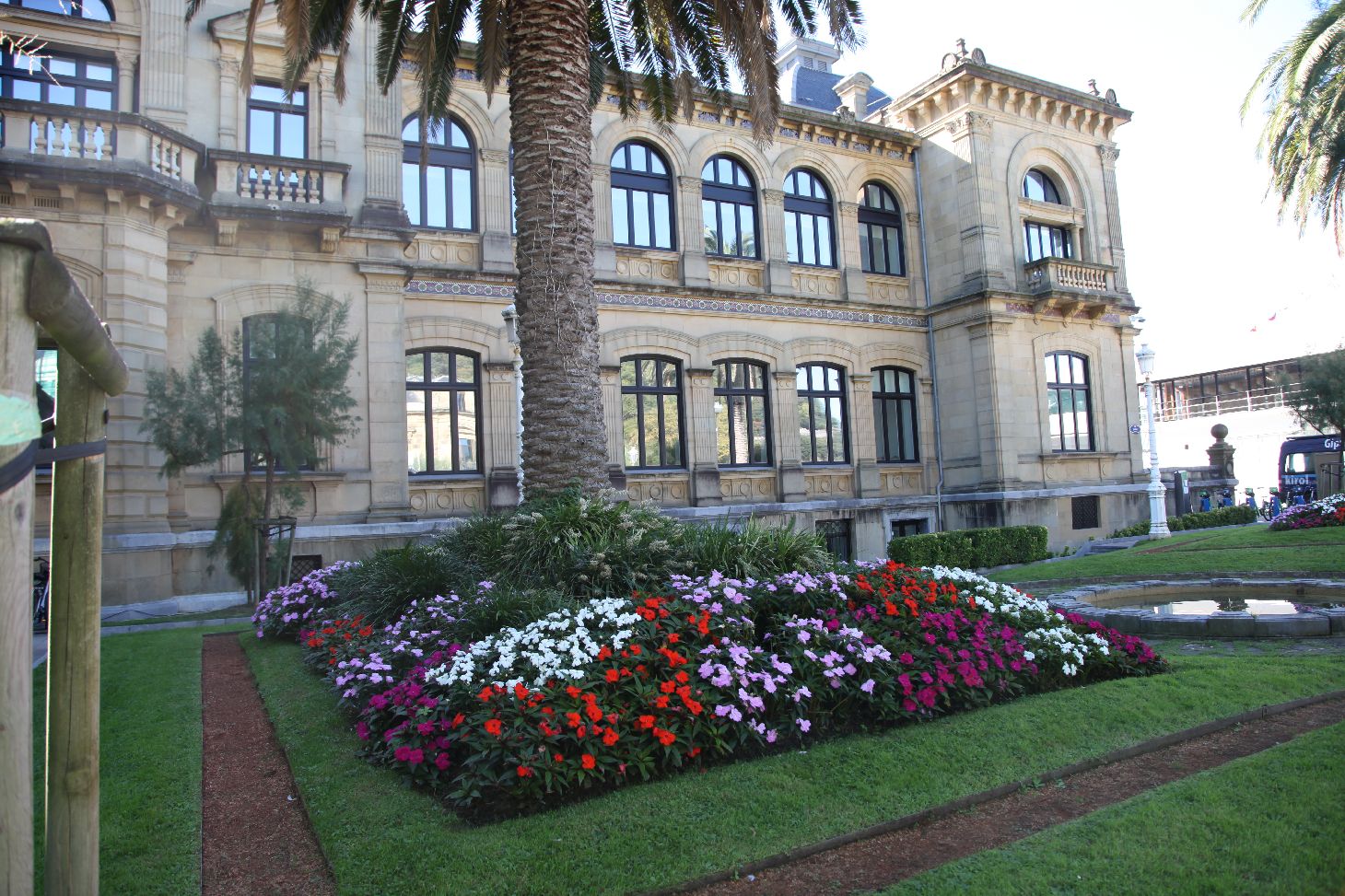
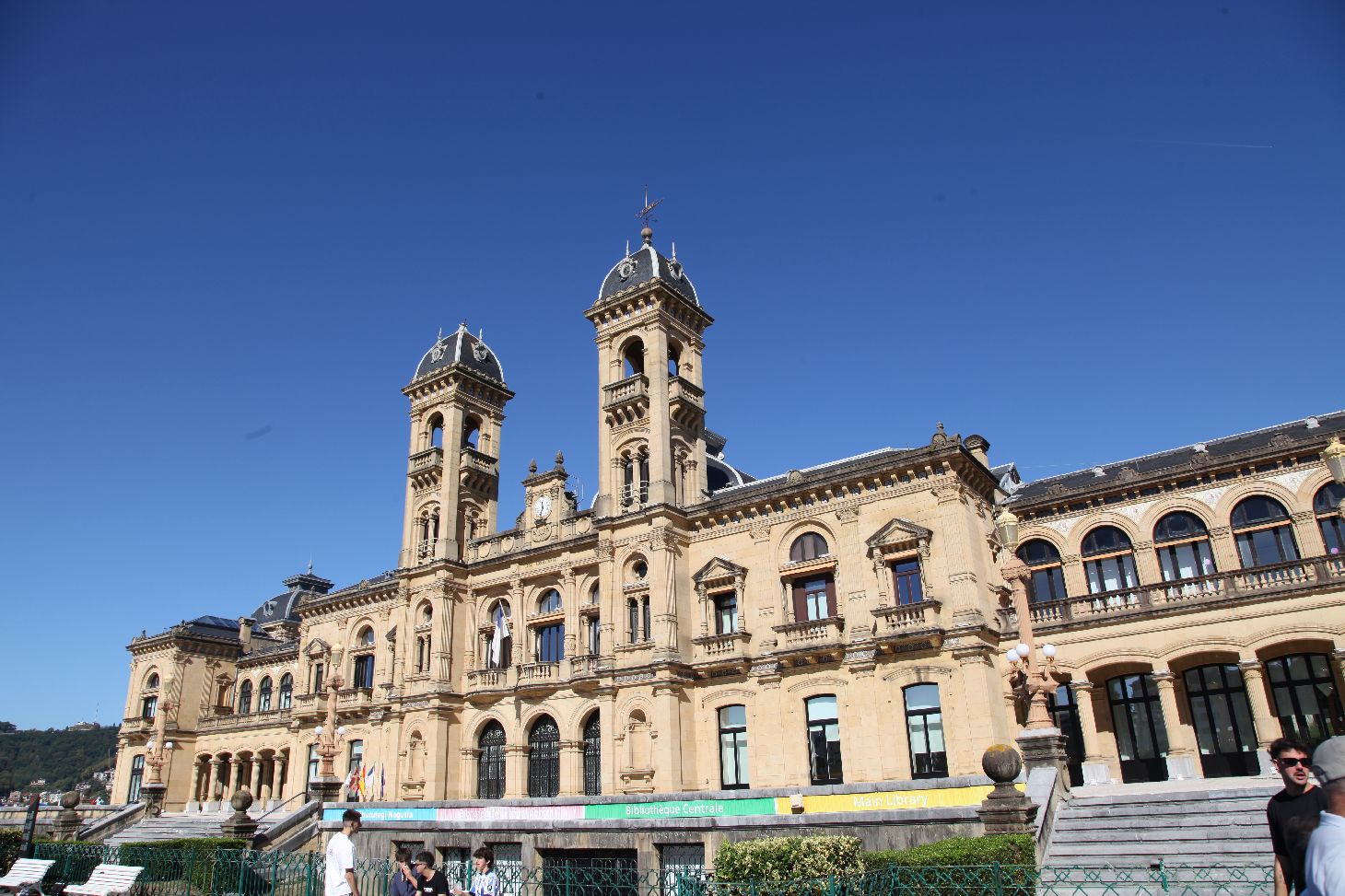
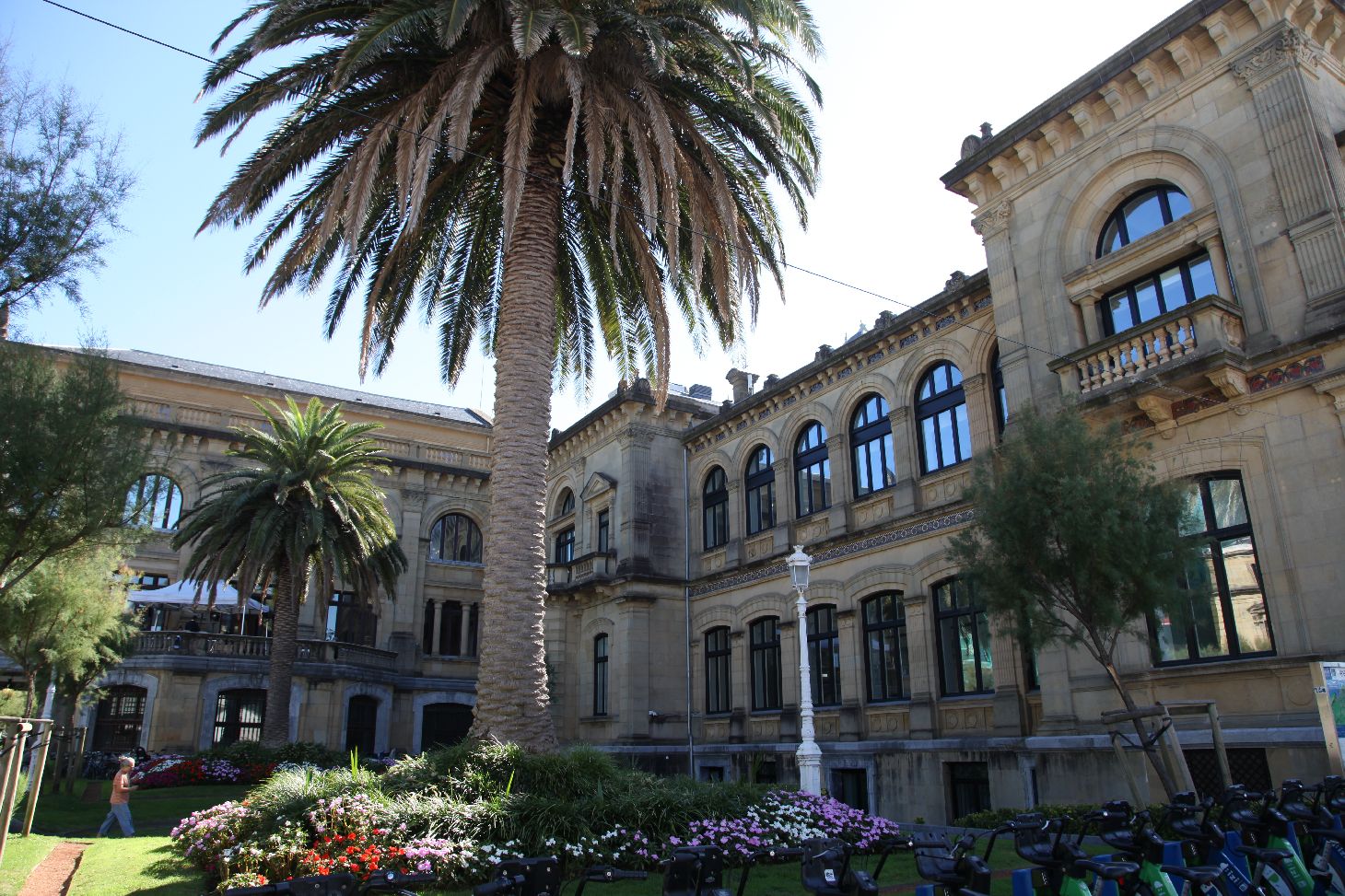
A walk along the length of the promenade was lovely if somewhat longer than we’d expected. It was fascinating to watch the beach-goers in action too – there seemed to be a constant stream of people walking back and forth along the water’s edge rather than going in the water, and it was clearly an activity that appealed to all ages. It was like watching wading birds or something and I found myself fascinated by it.
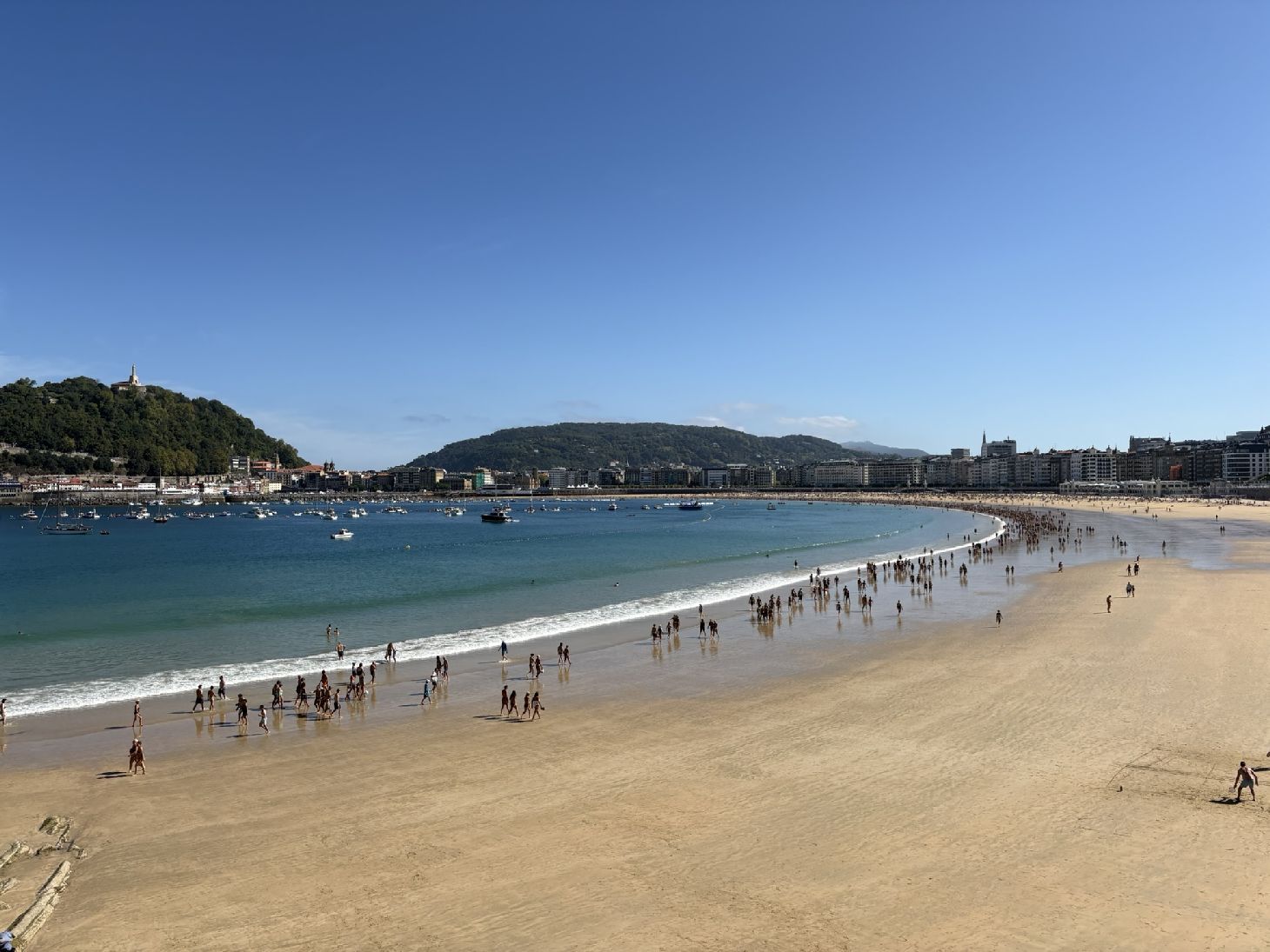
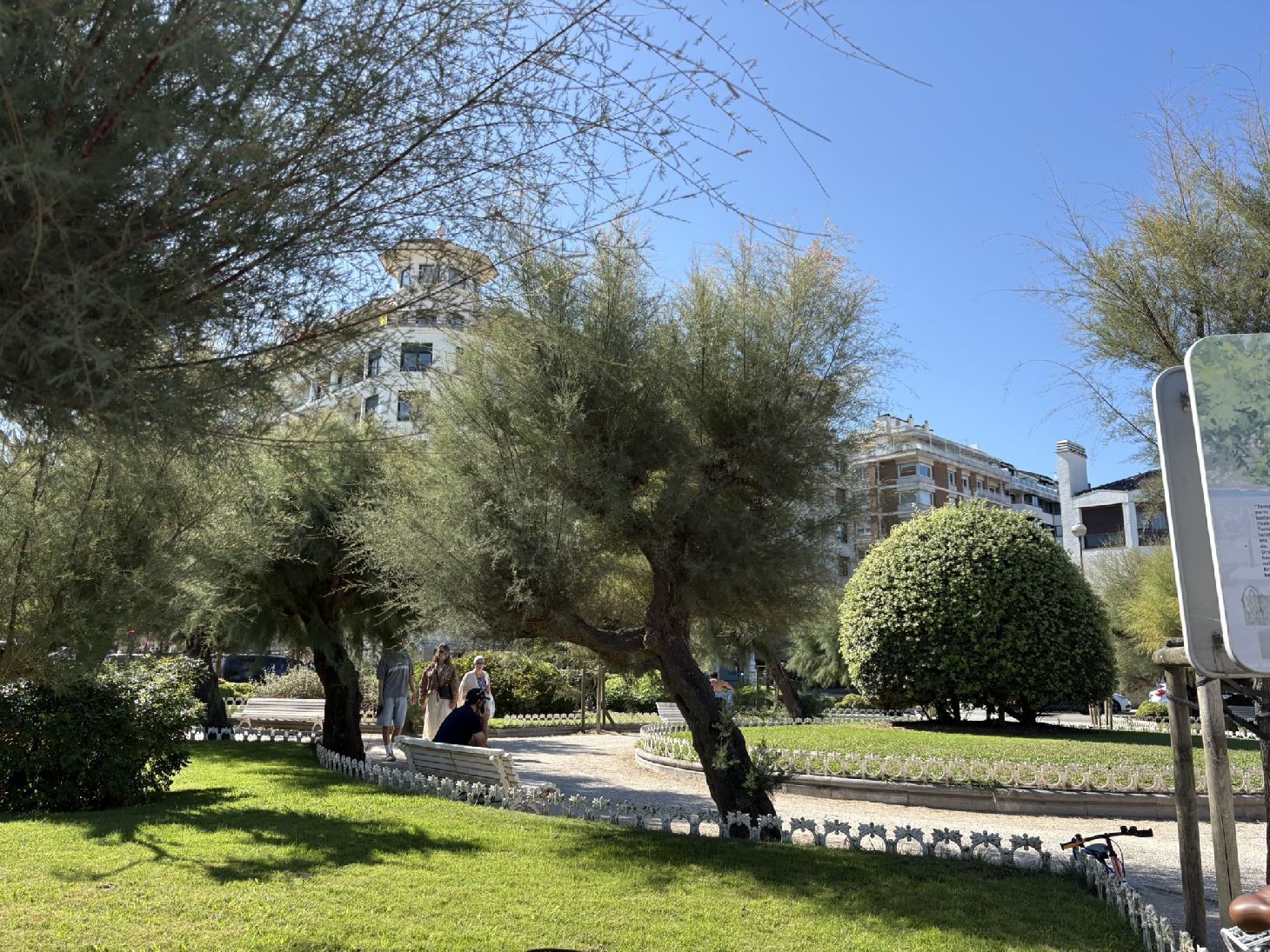
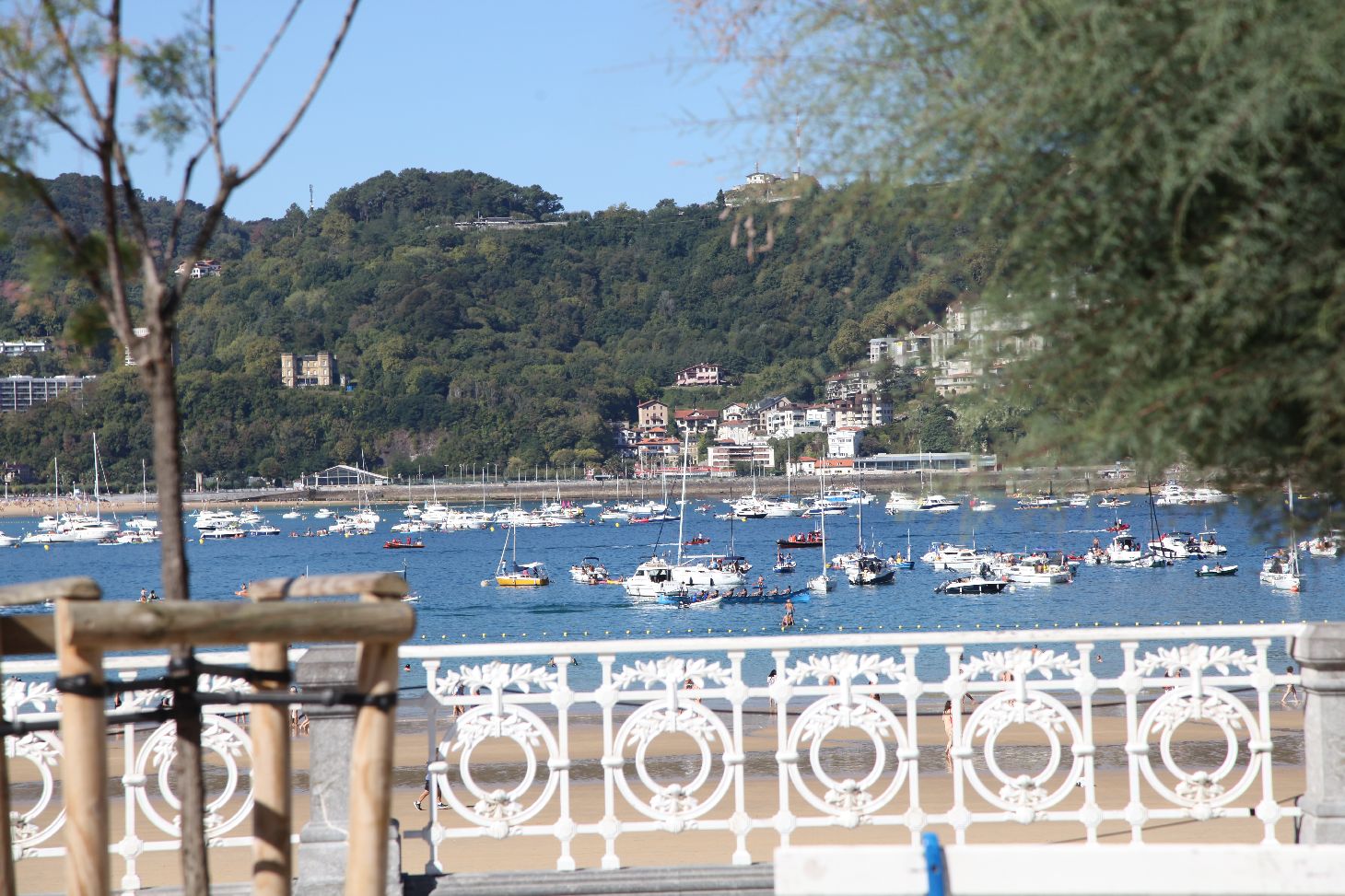
A good half an hour of walking saw us finally reach the funicular that takes passengers up to Monte Igueldo (or possibly Igeldo depending on where you look it up). This is a cog railway with wooden carriages that began service on 25th August 1912 and is the oldest funicular railway in the Basque Country. In theory it runs every 15 minutes but this particular Sunday, given the queue to get onboard, it was basically running up and down as quickly as they could fill the carriages. I love a funicular. Some of my favourite places in the world have them and I think it’s a mark of civilisation to have one is especially hilly places! I only hope the one in Kiev has survived and continues to do so.
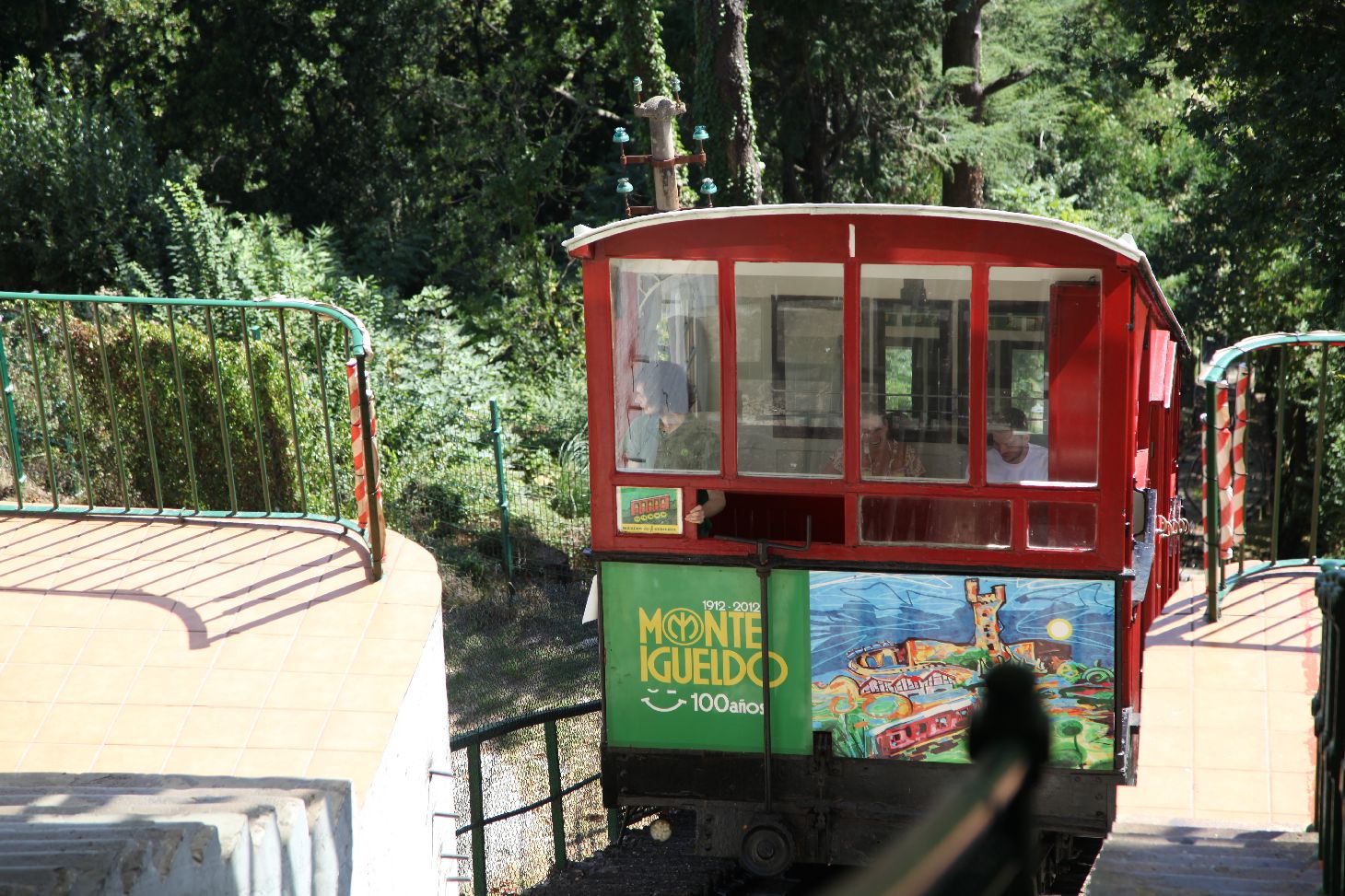
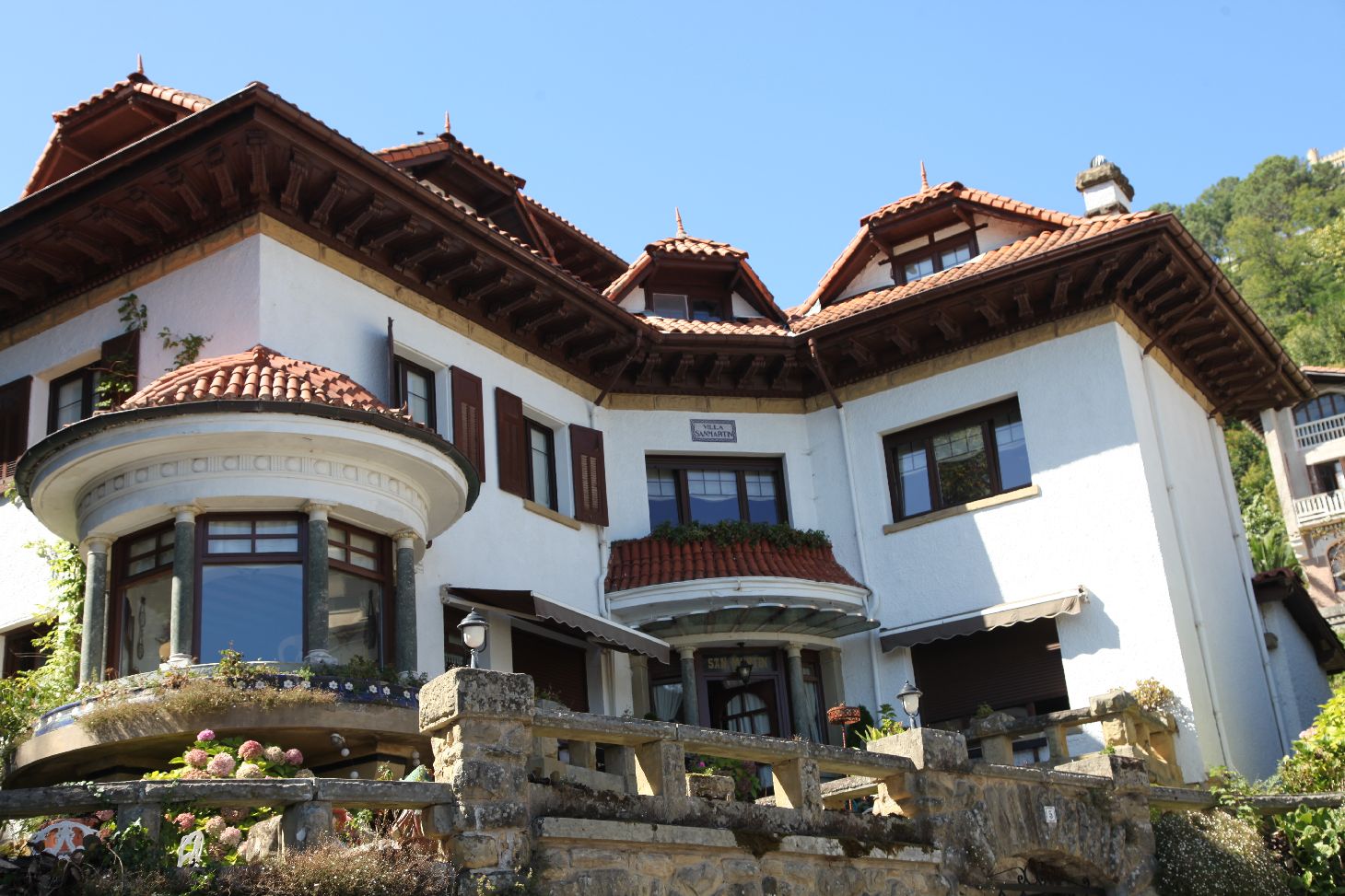
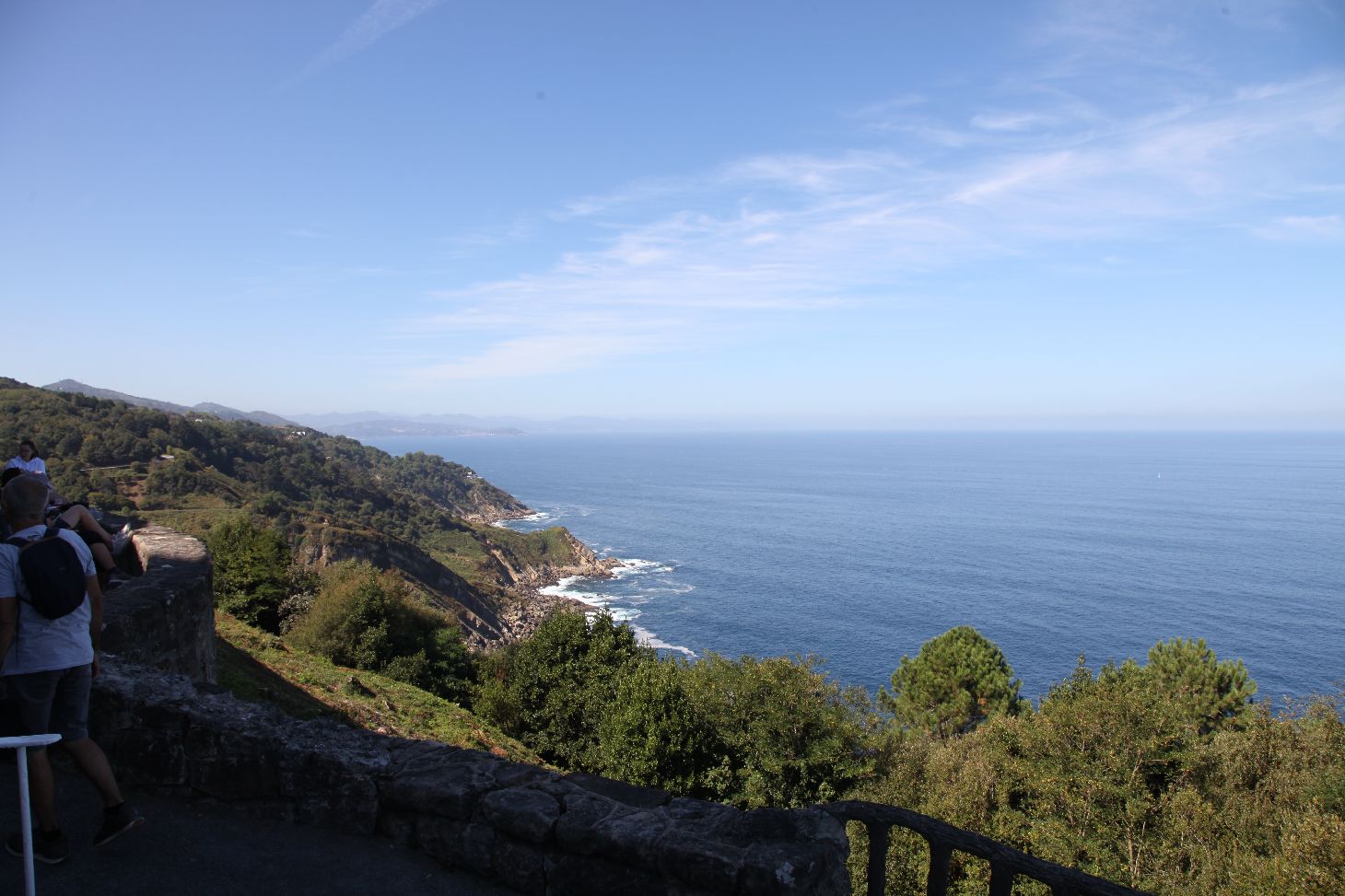
On reaching the top, we found it very crowded but we were soon able to find some space to stare out at the fabulous vistas. There used to be a casino and a dance hall in the grounds, and although those are gone, there is an old-fashioned funfair with “The “charmingly old-fashioned attractions, such as the wooden rollercoaster and the trampolines”. We weren’t there for that but we did enjoy some photography from the top, with both R and I really making the most of the views. We decided that we needed refreshments too and although we couldn’t get a table with a view, we settled in for a light lunch at the bar and a table in the lovely cool interior of the restaurant at the top.
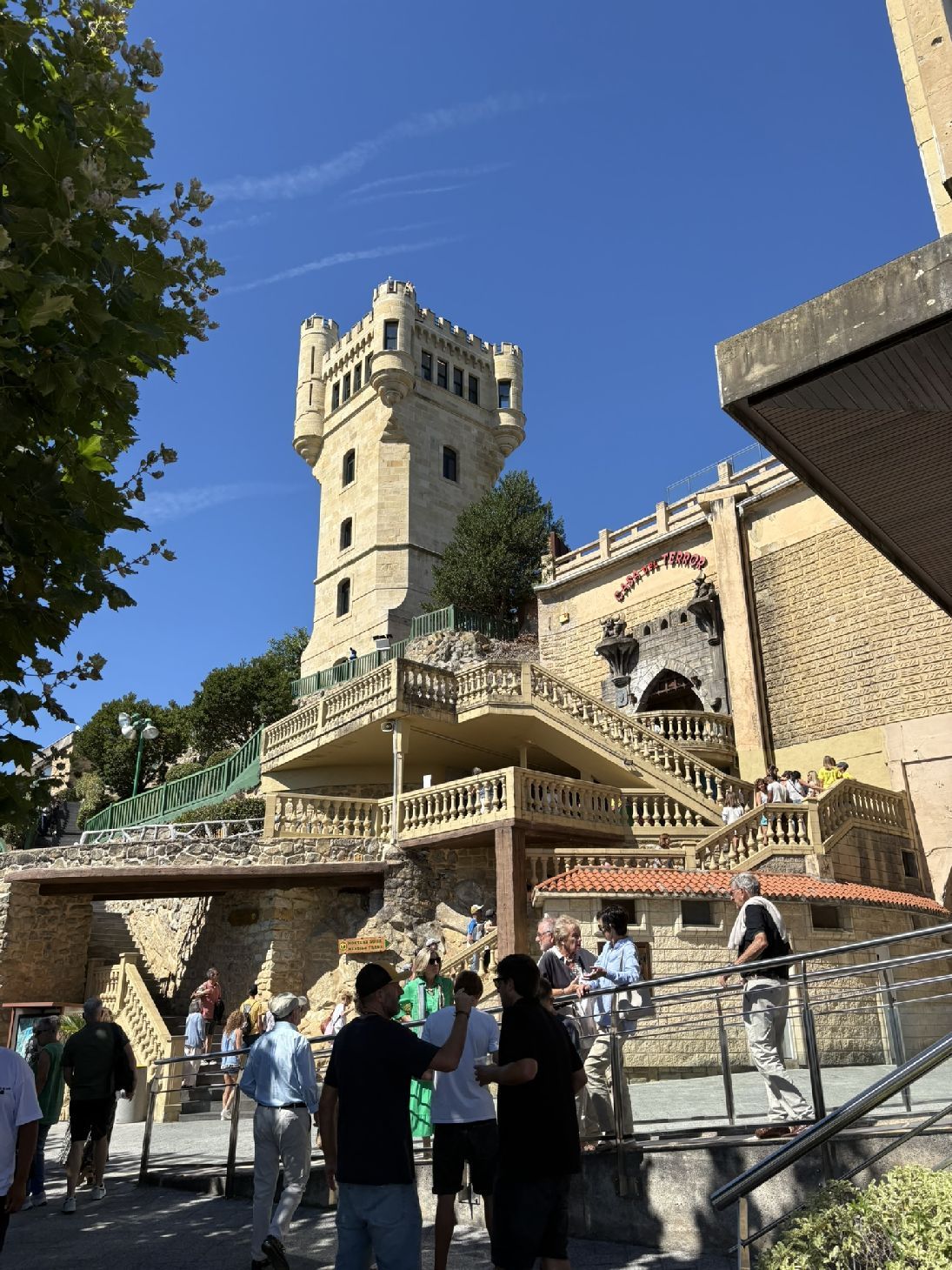
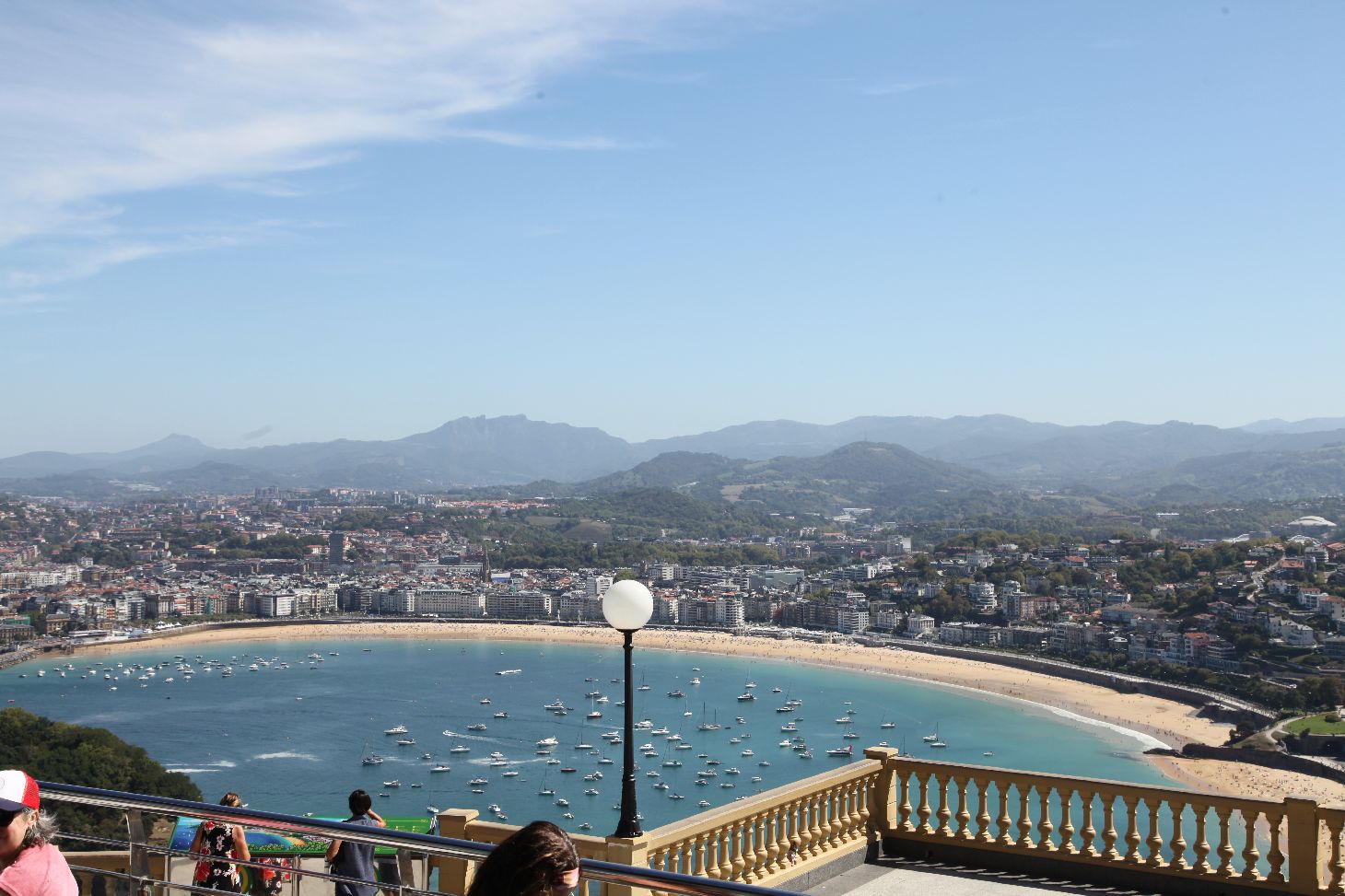
We also had to queue to get back down and then tested out the buses to get back to the centre and the San Telmo Museum. La Concha beach is 1.3 km across and with the curving path that runs along the front it’s a much longer walk than that so we figured we’d try out public transport. It worked very well but it did drop us on the Boulevard, a couple of streets over from where we really wanted to be. This meant we had to battle our way through the post-regatta crowd, who were pretty much filling all of the public space in the old town, with many of them already pretty oblivious to all else by then. It required sharp elbows to get through, and took some time, which meant a quick restorative wine stop in the museum restaurant was an absolute necessity before we were ready to explore the museum.
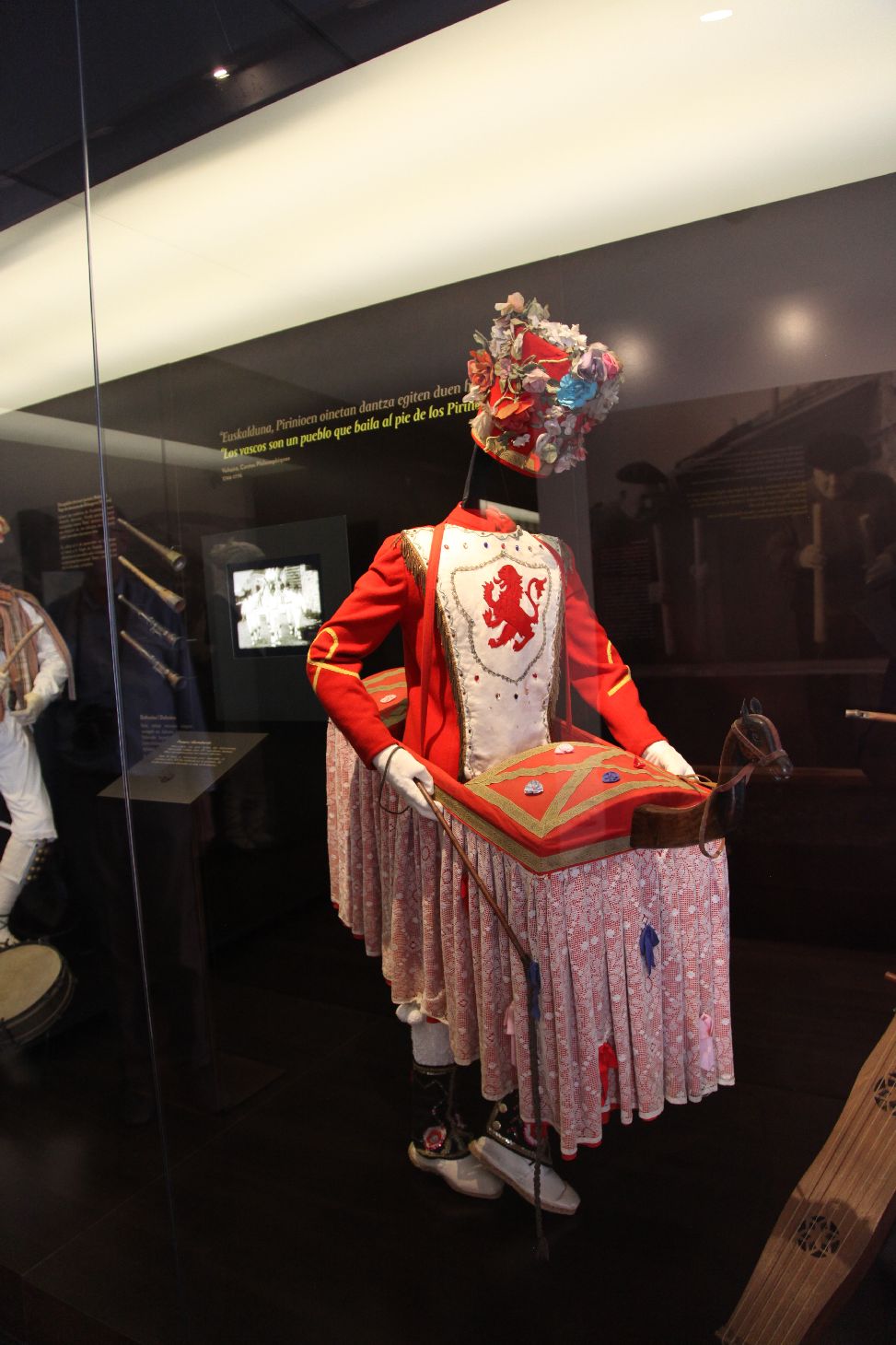
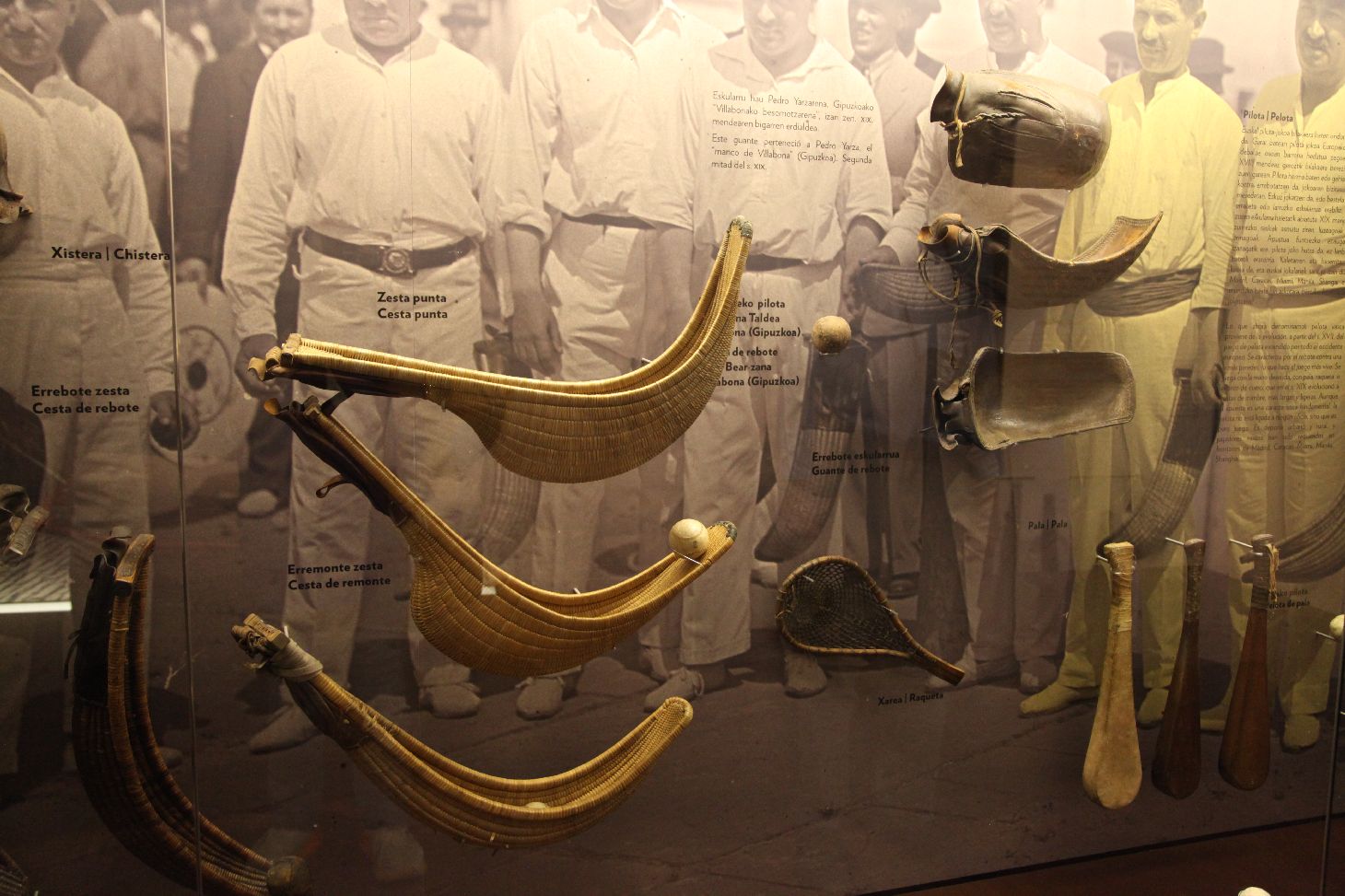
San Telmo Museoa is a museum of Basque society, covering Basque culture, arts and history in a European, global context. It’s been housed in a splendid former Dominican monastery (with a shiny new extension) on Zuloaga plaza in the old town since 1932 so it’s creeping up to its centenary soon. It also offers pretty hefty discounts to anyone 65 years old or over. This was nice after Greece where you could only benefit from the seniors discount if you were an EU citizen (thanks a bunch et again, Brexit voters)! This time instead of 10 Euro we were charged 4 so that was definitely a win.
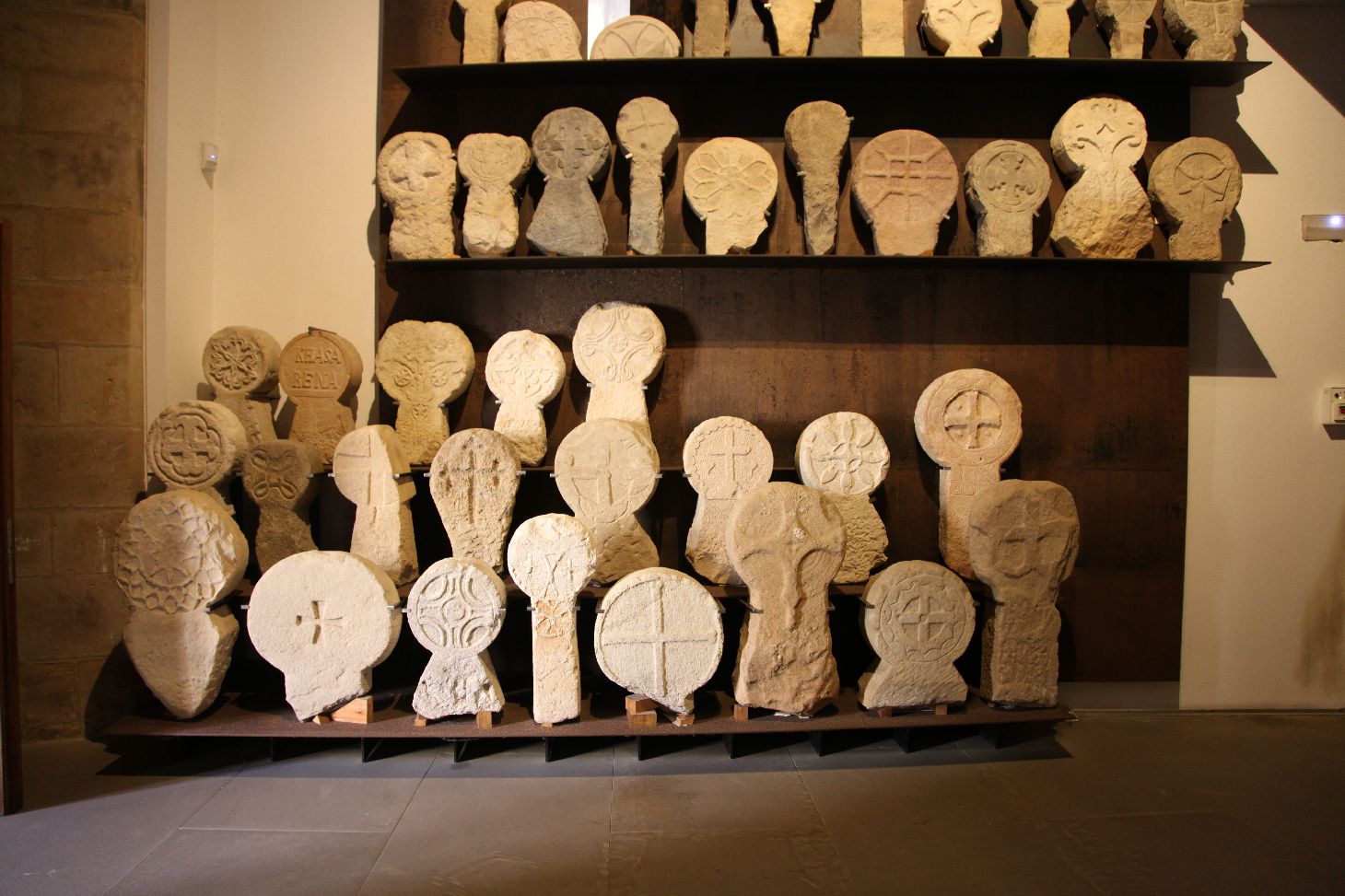
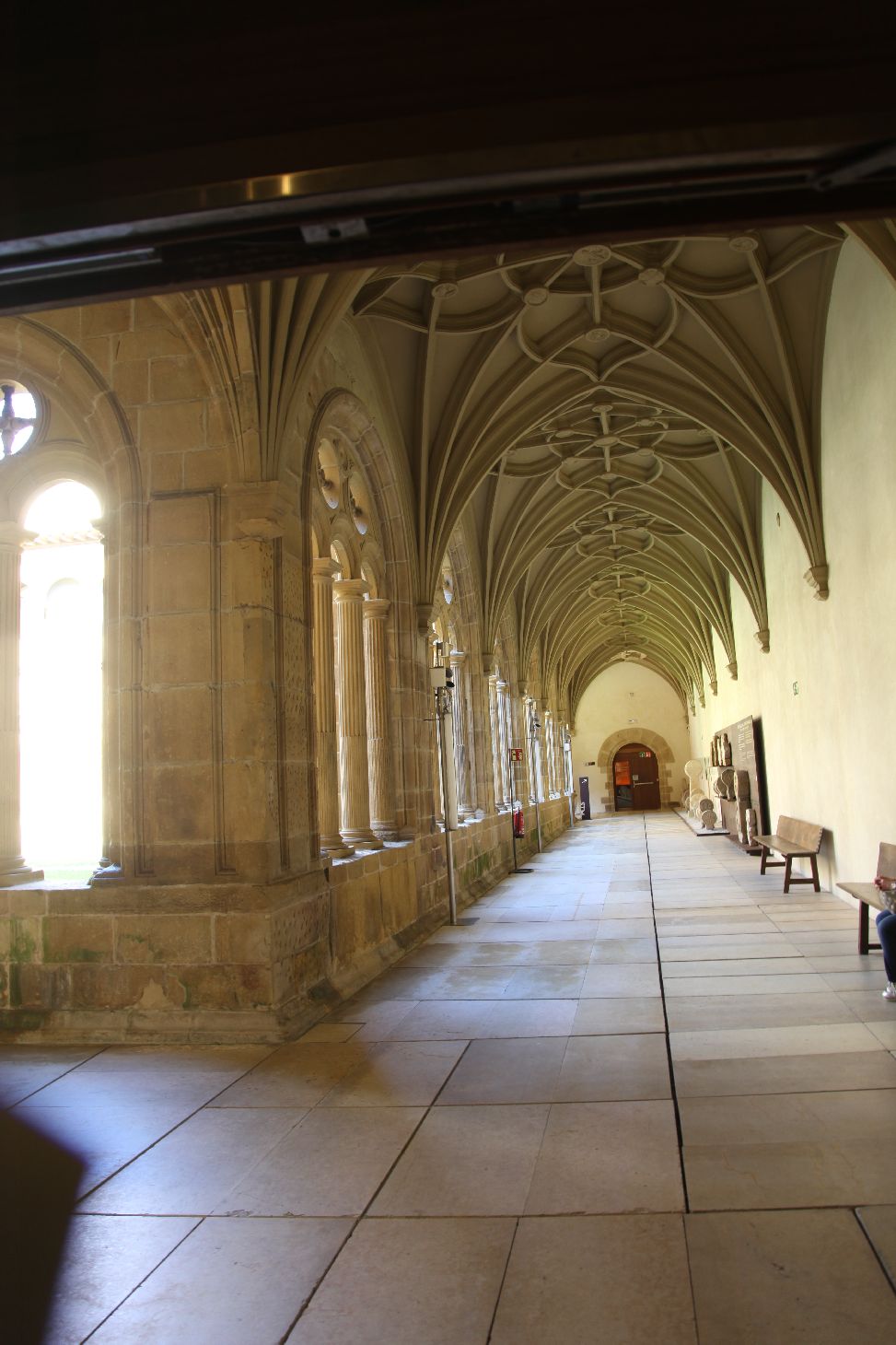
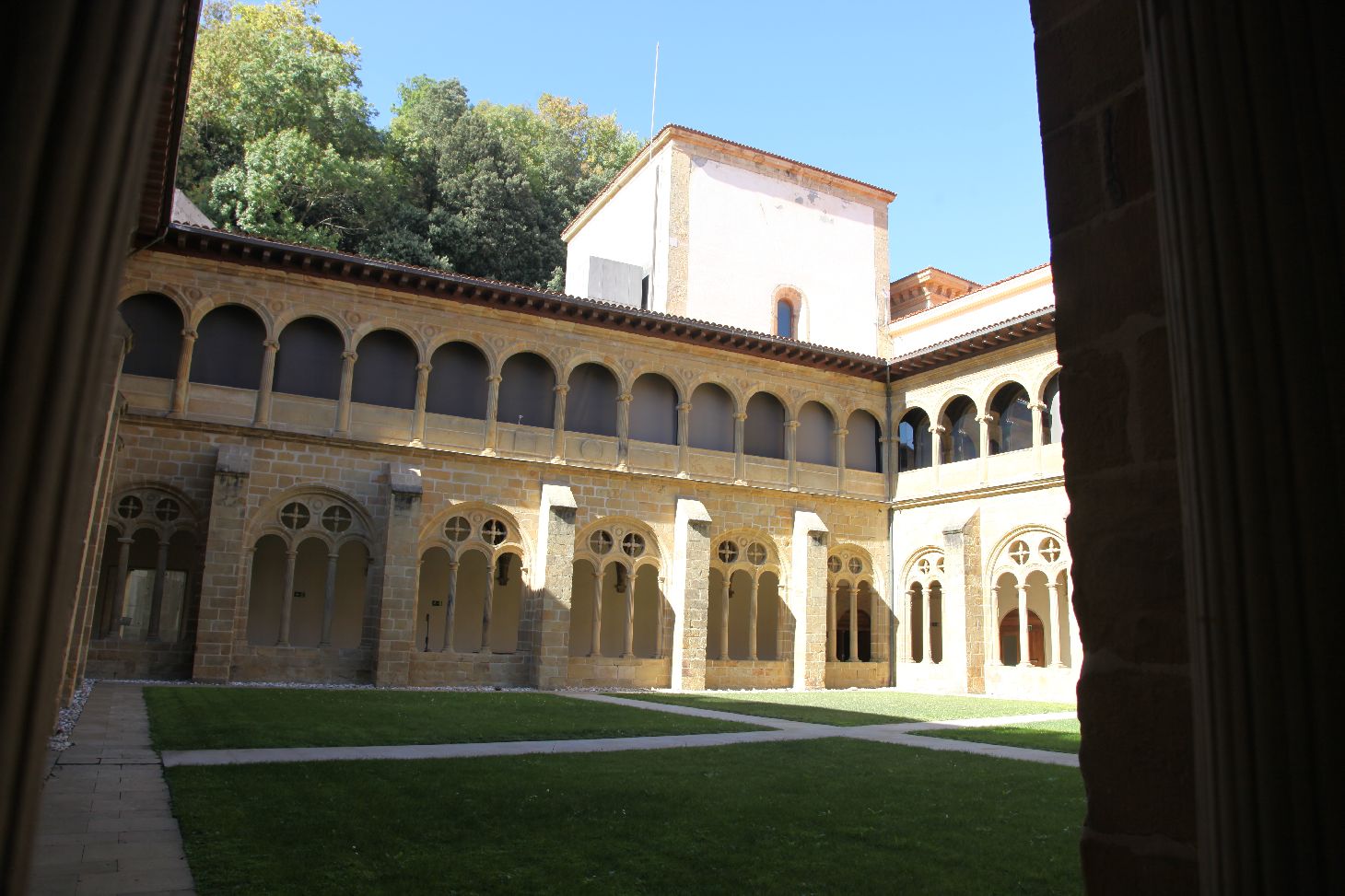
There’s a lot to see and my only issue was that most of the placards and descriptions were only in Spanish, and Euskara, neither of which I’m at all fluent in. When we hit the occasional French one it was a great relief to me. Even so it’s worth a visit if only to see the spectacular murals in the 16th century church. These are canvases created by Josep Maria Sert whose work is also on the walls of the Council Chamber in the Palace of Nations in Geneva. They’re detailed and show lots of facets of life in the region, with various local trades shown as part of a variety of biblical scenes. They really do reward detailed study.
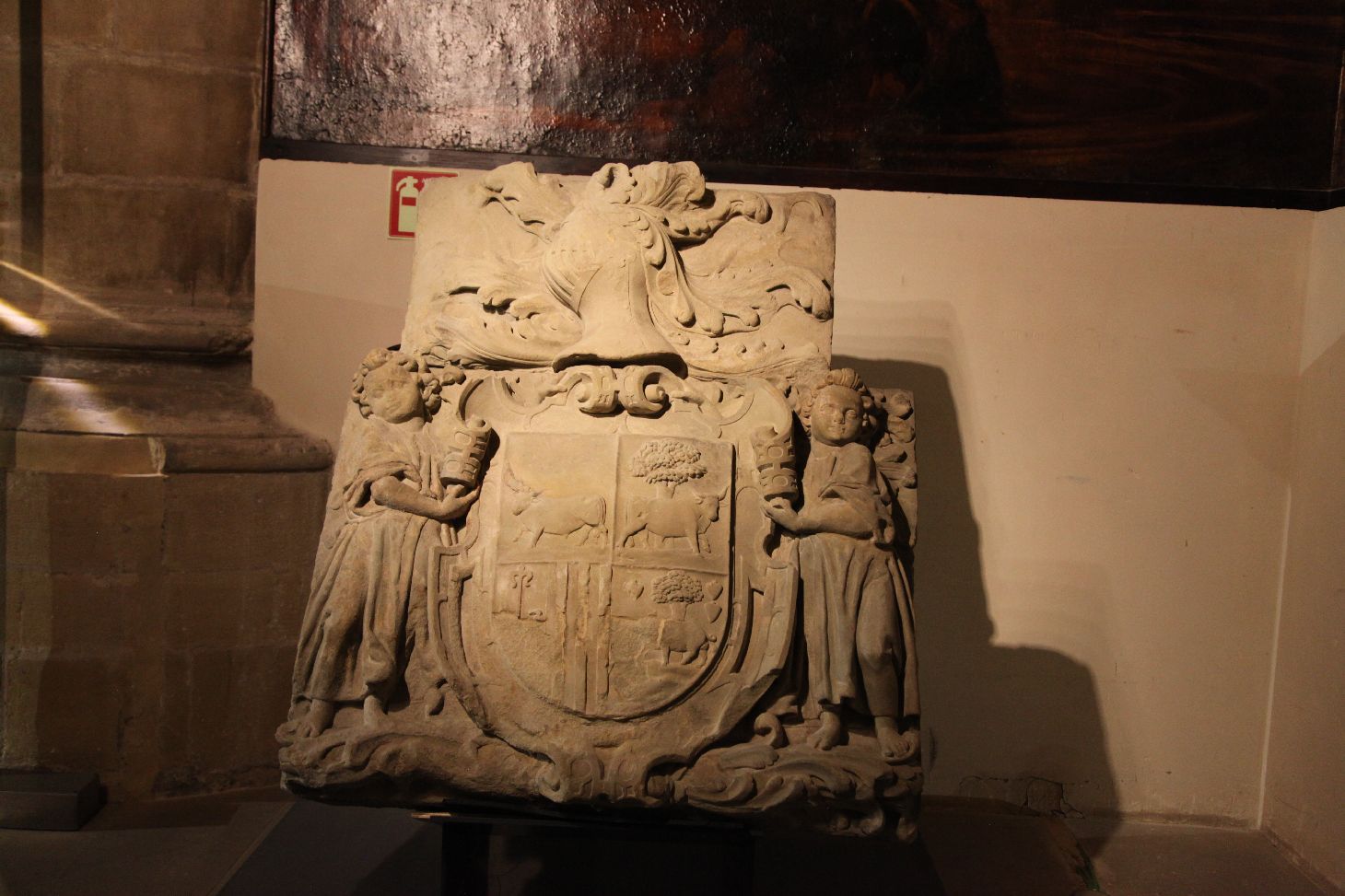
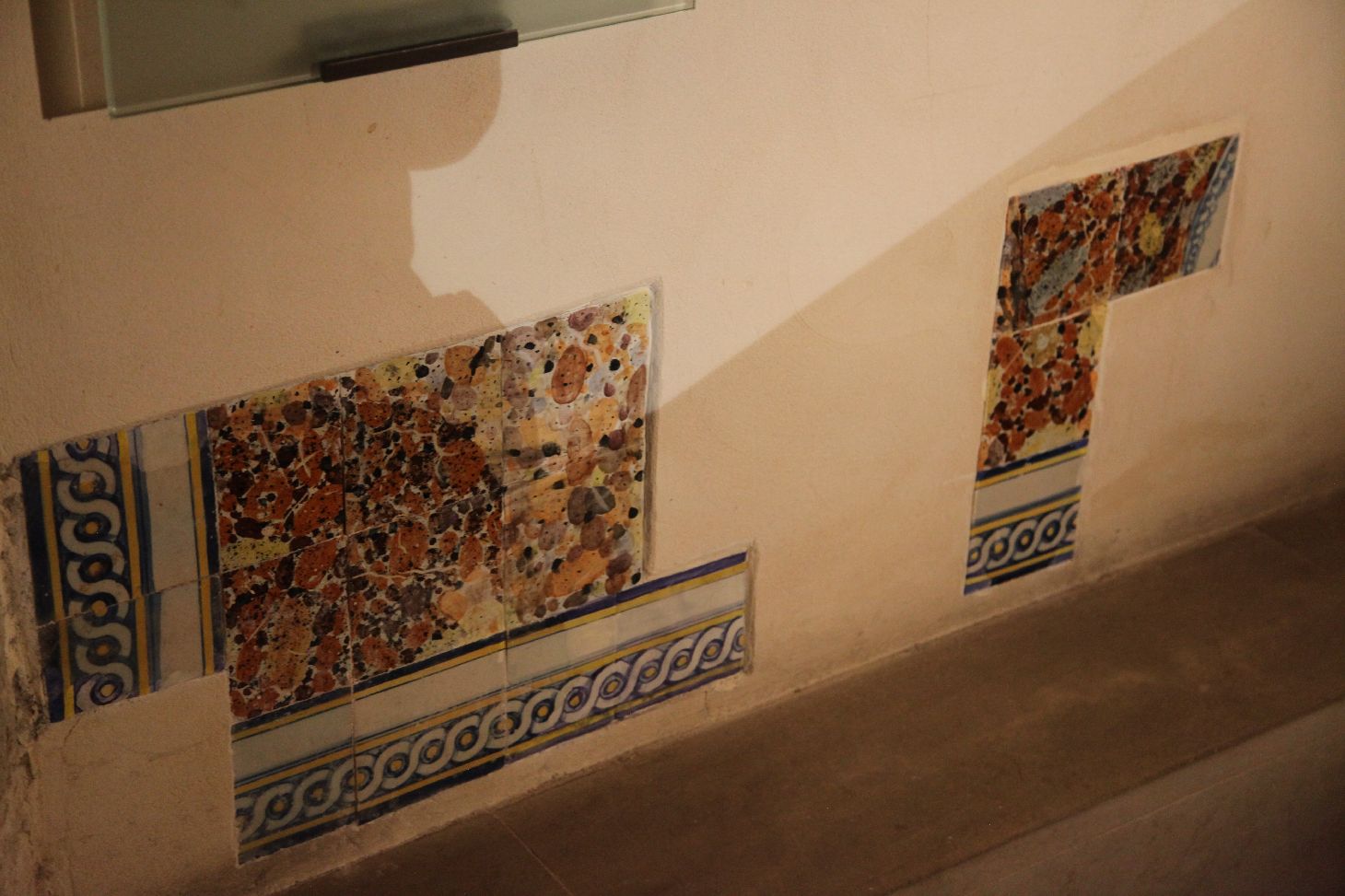
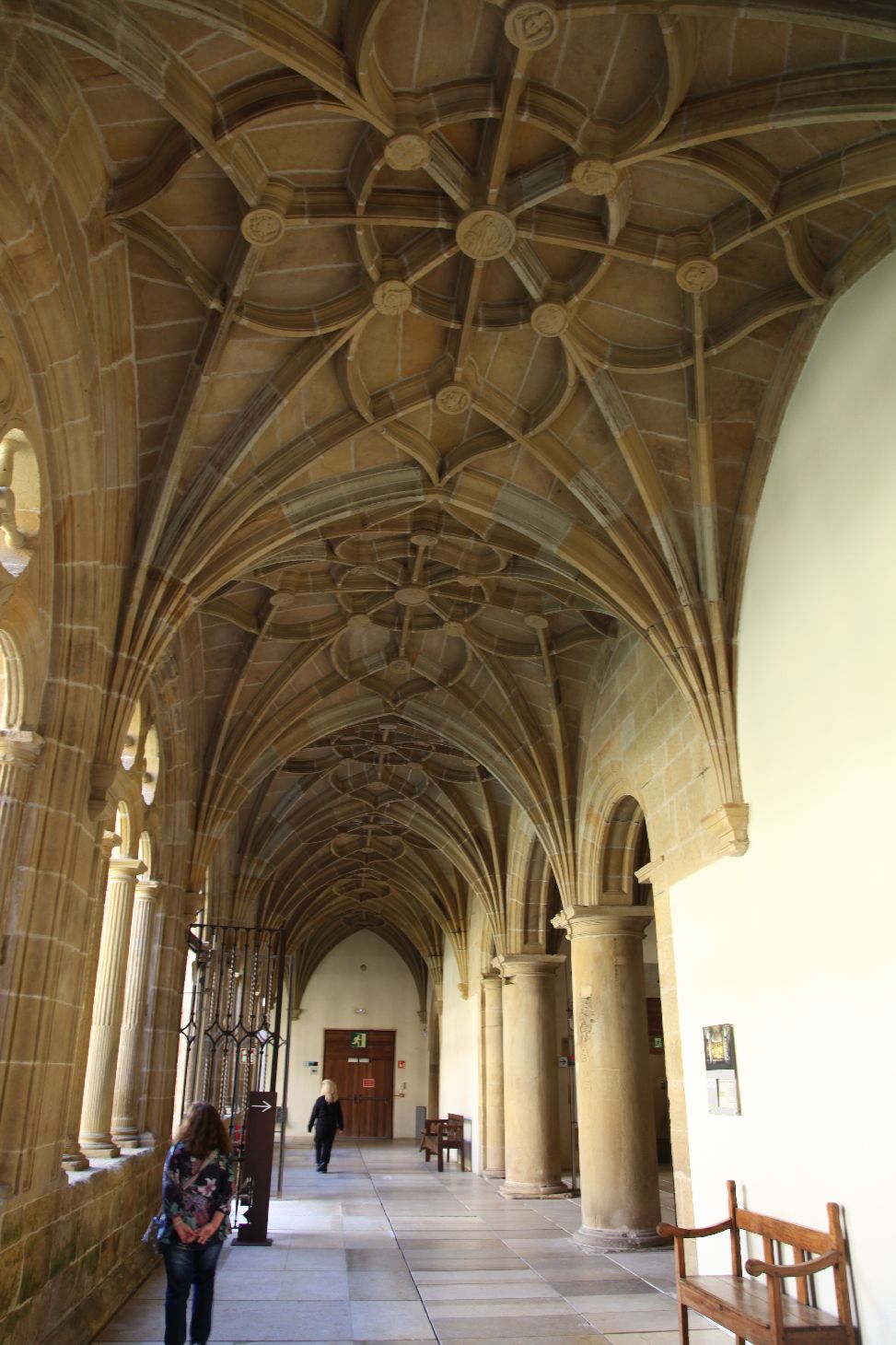
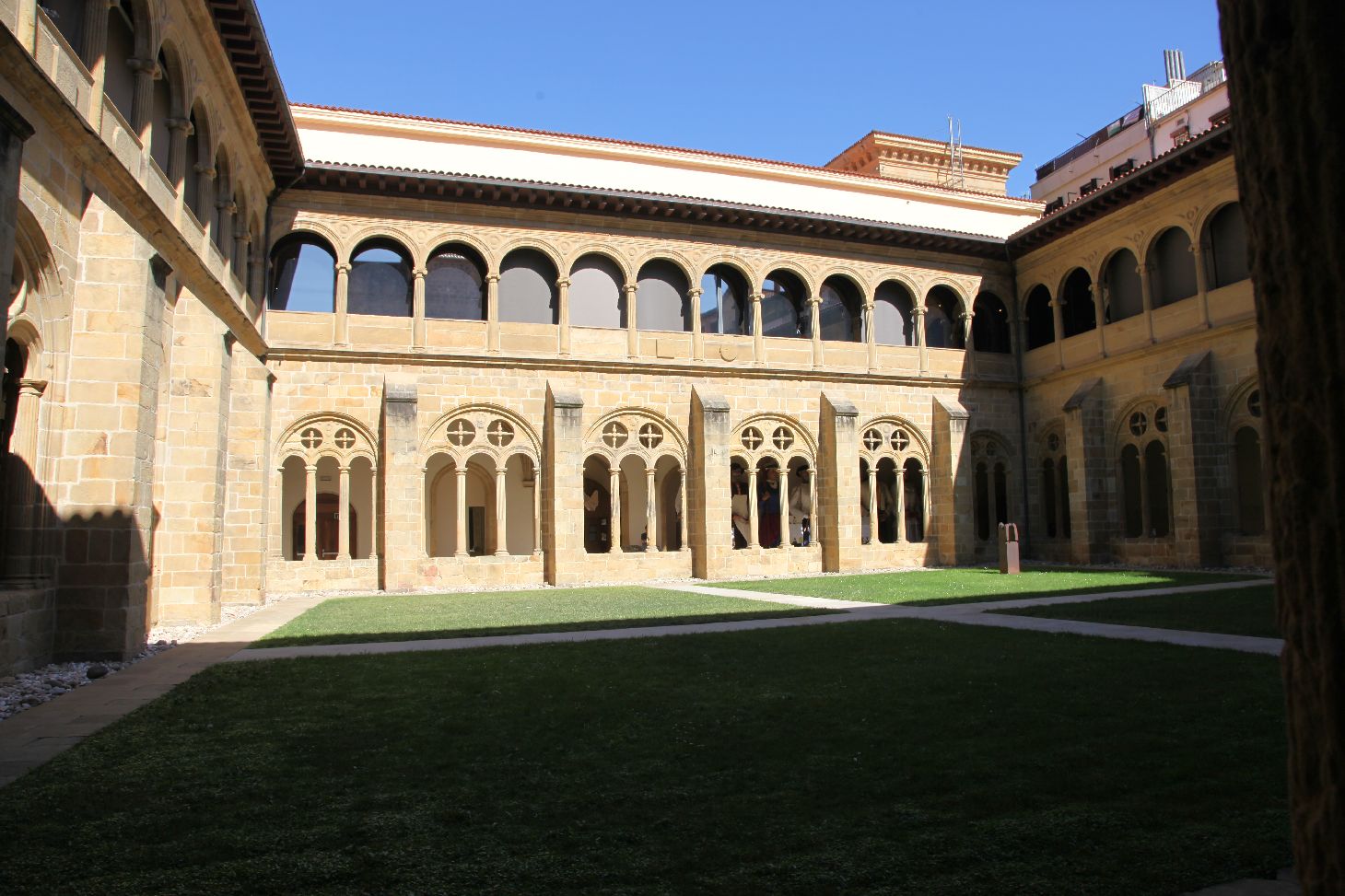
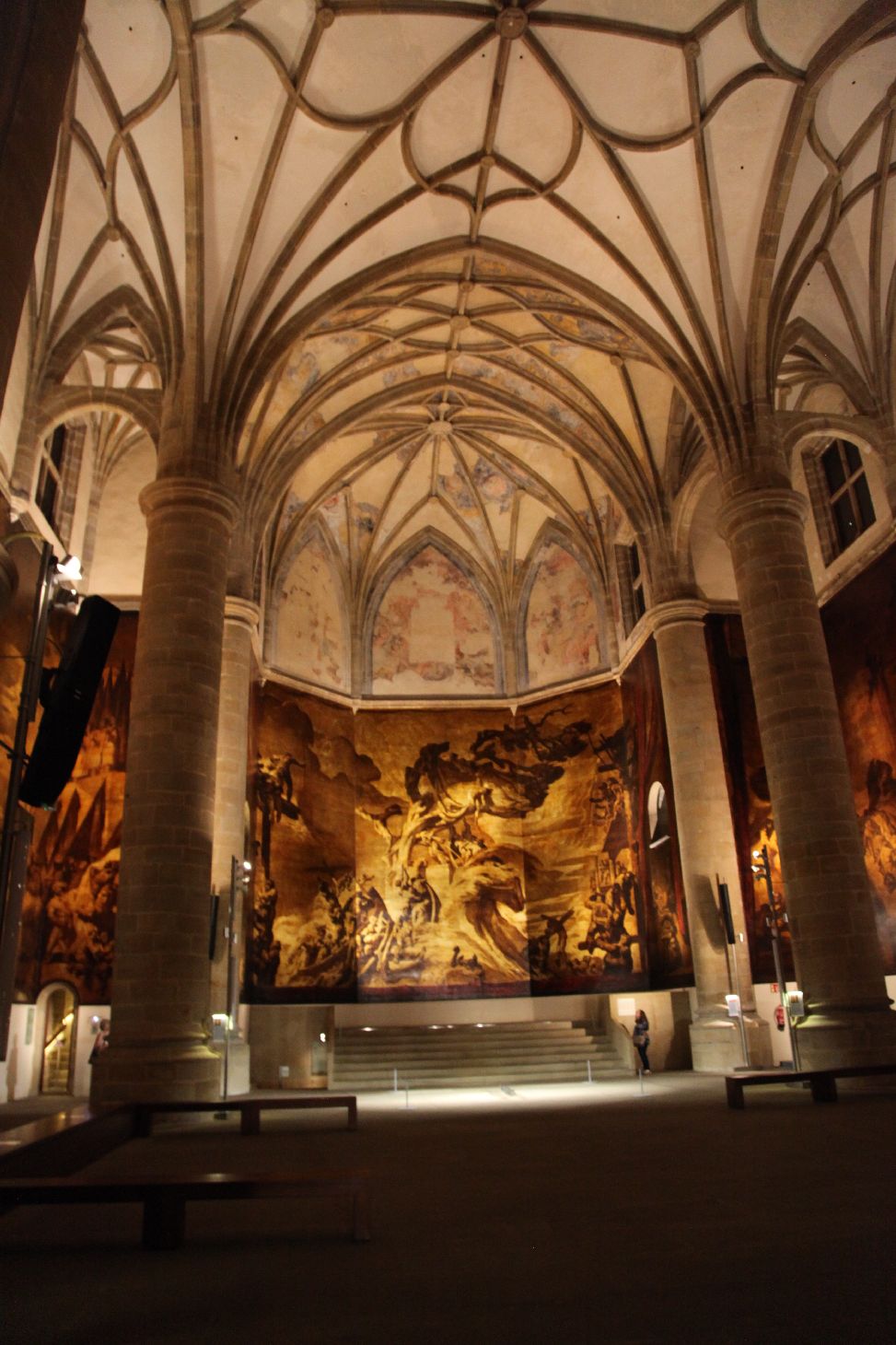
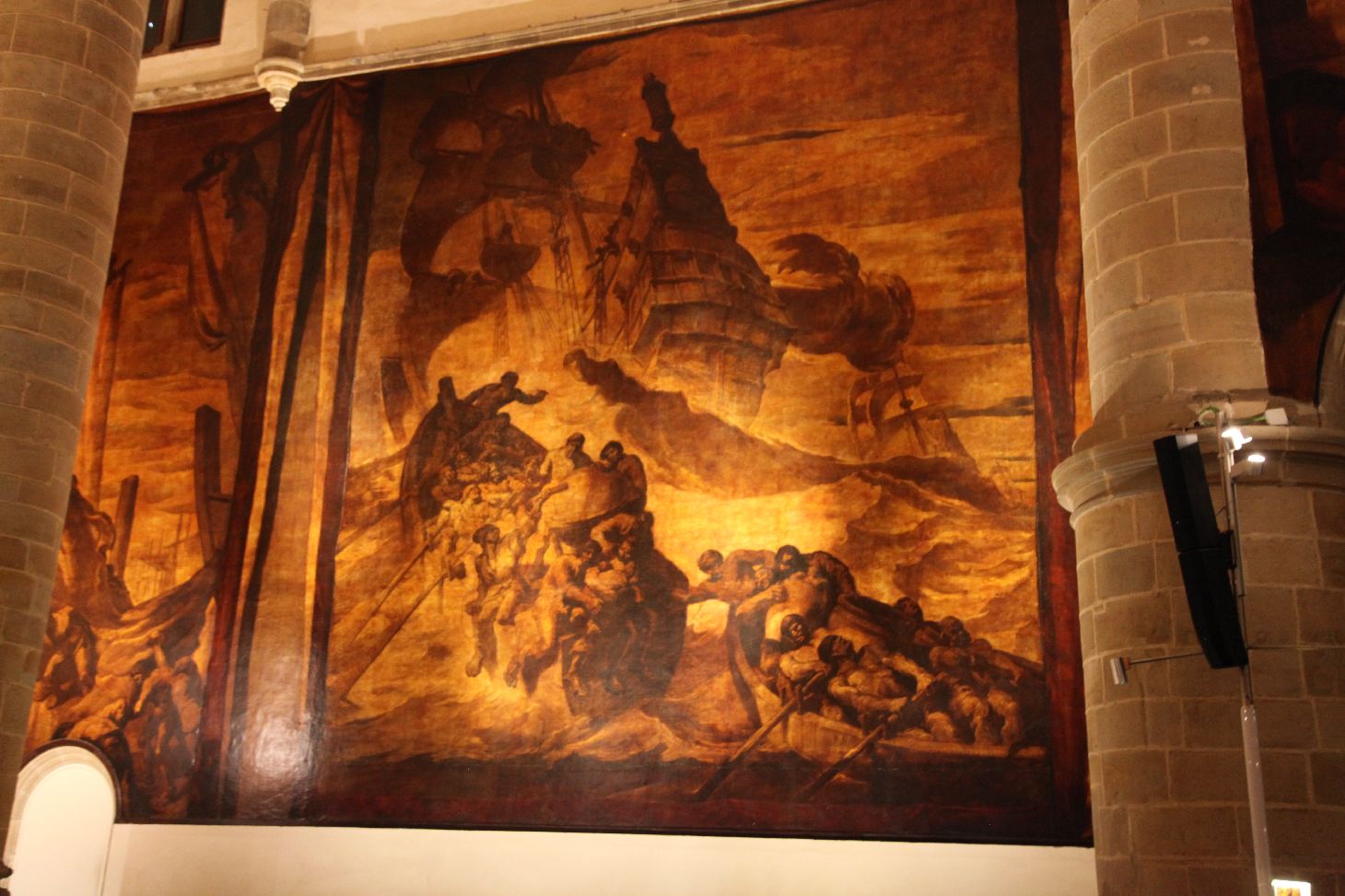
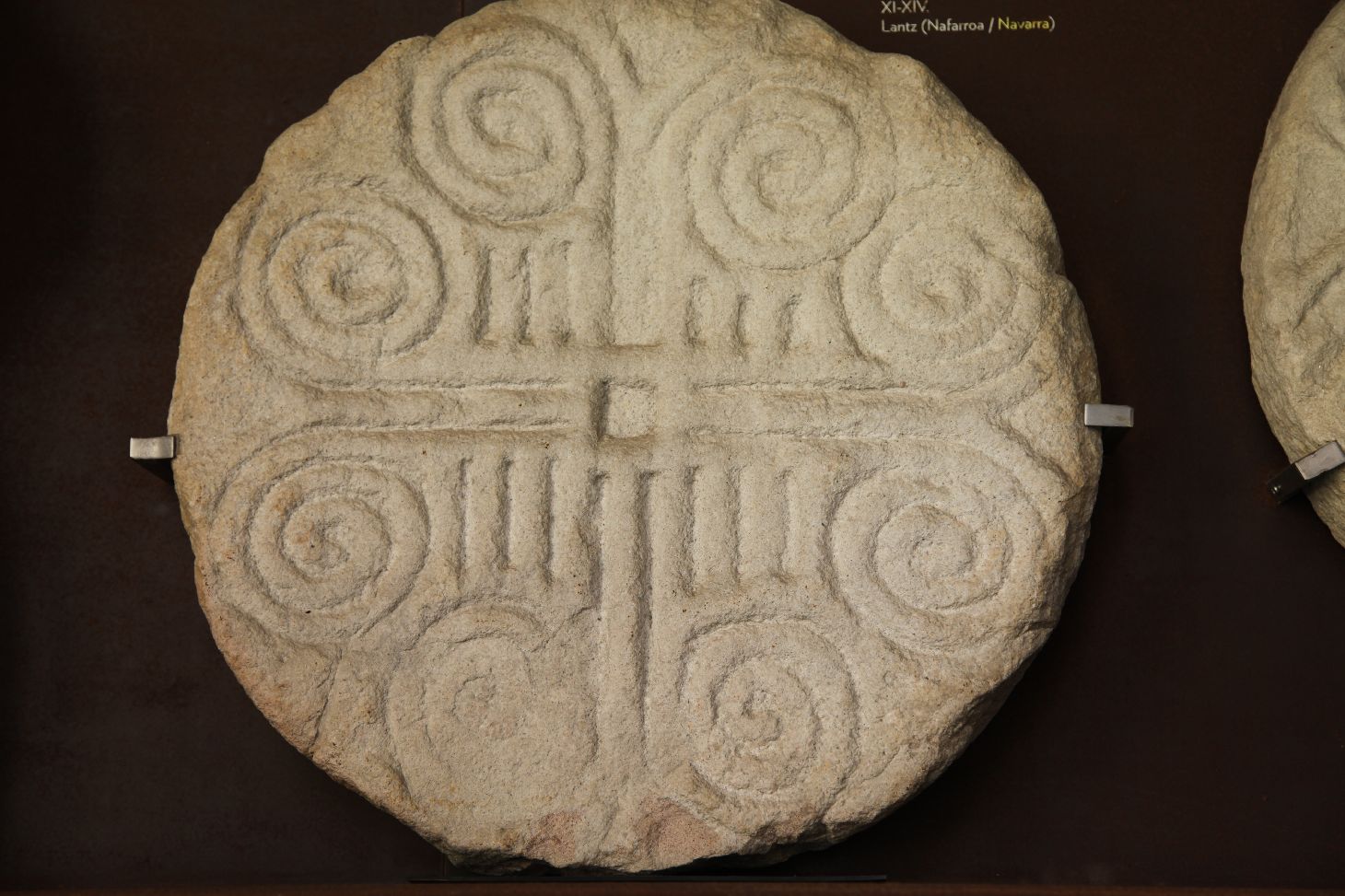
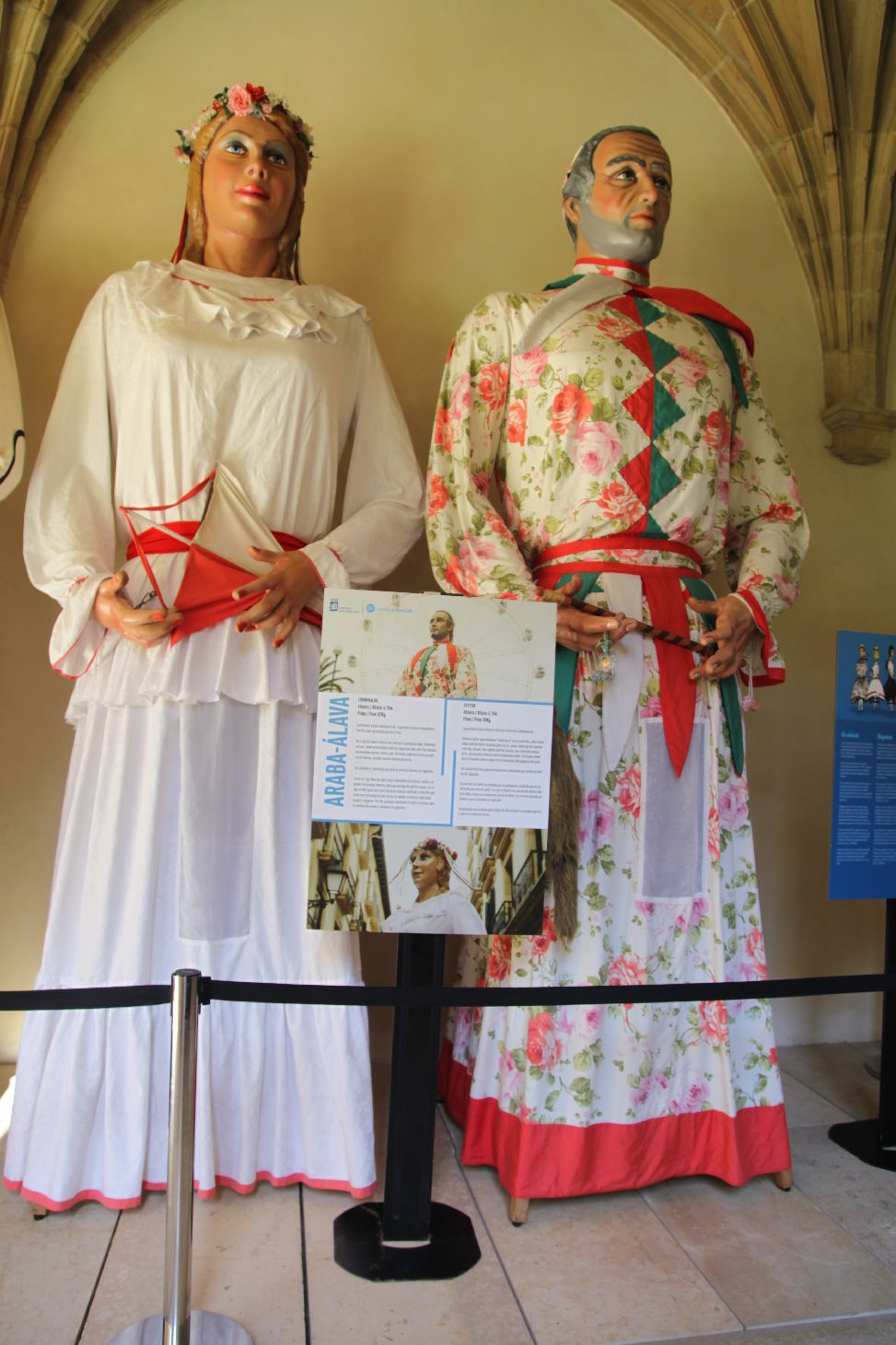
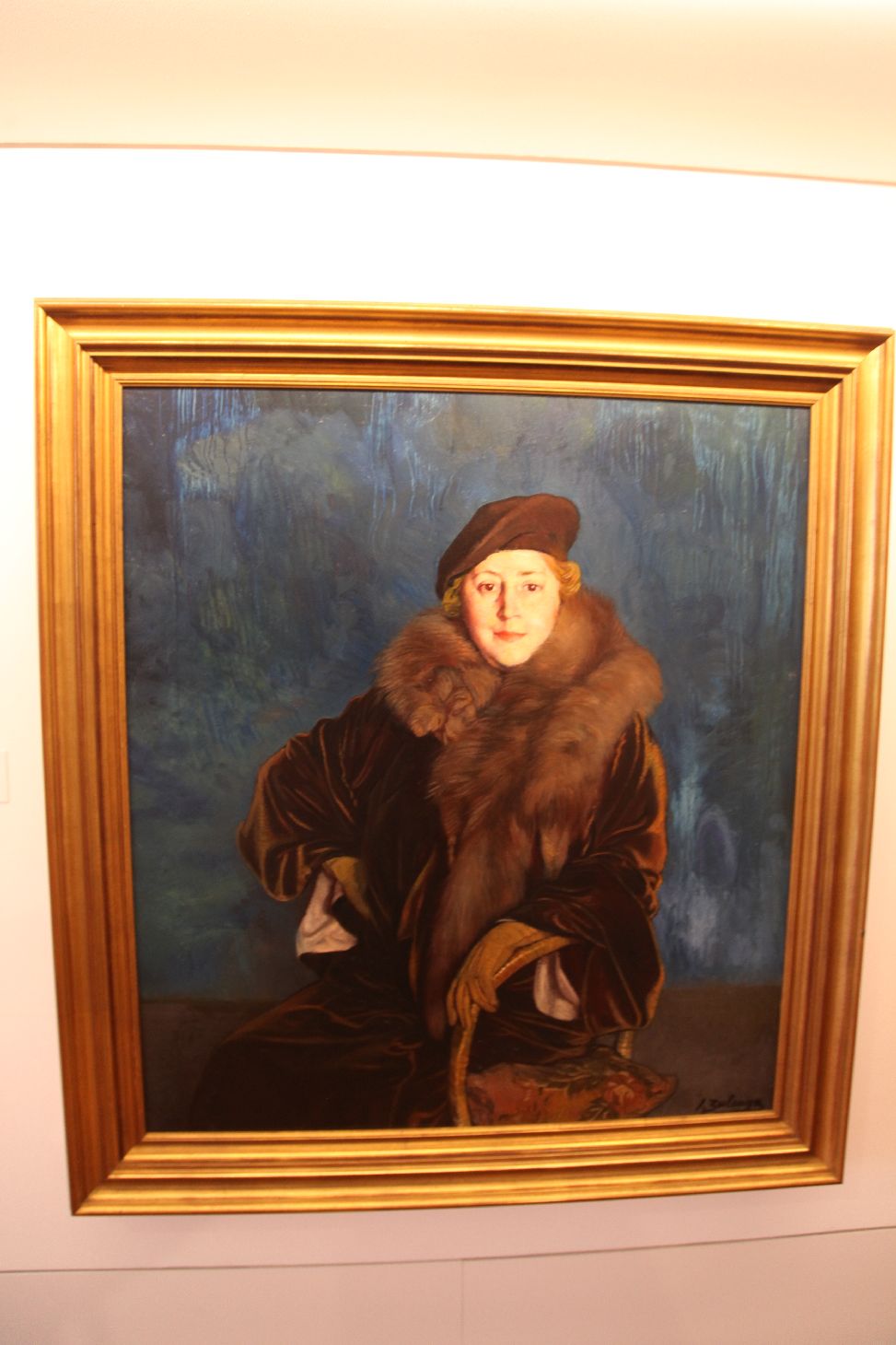
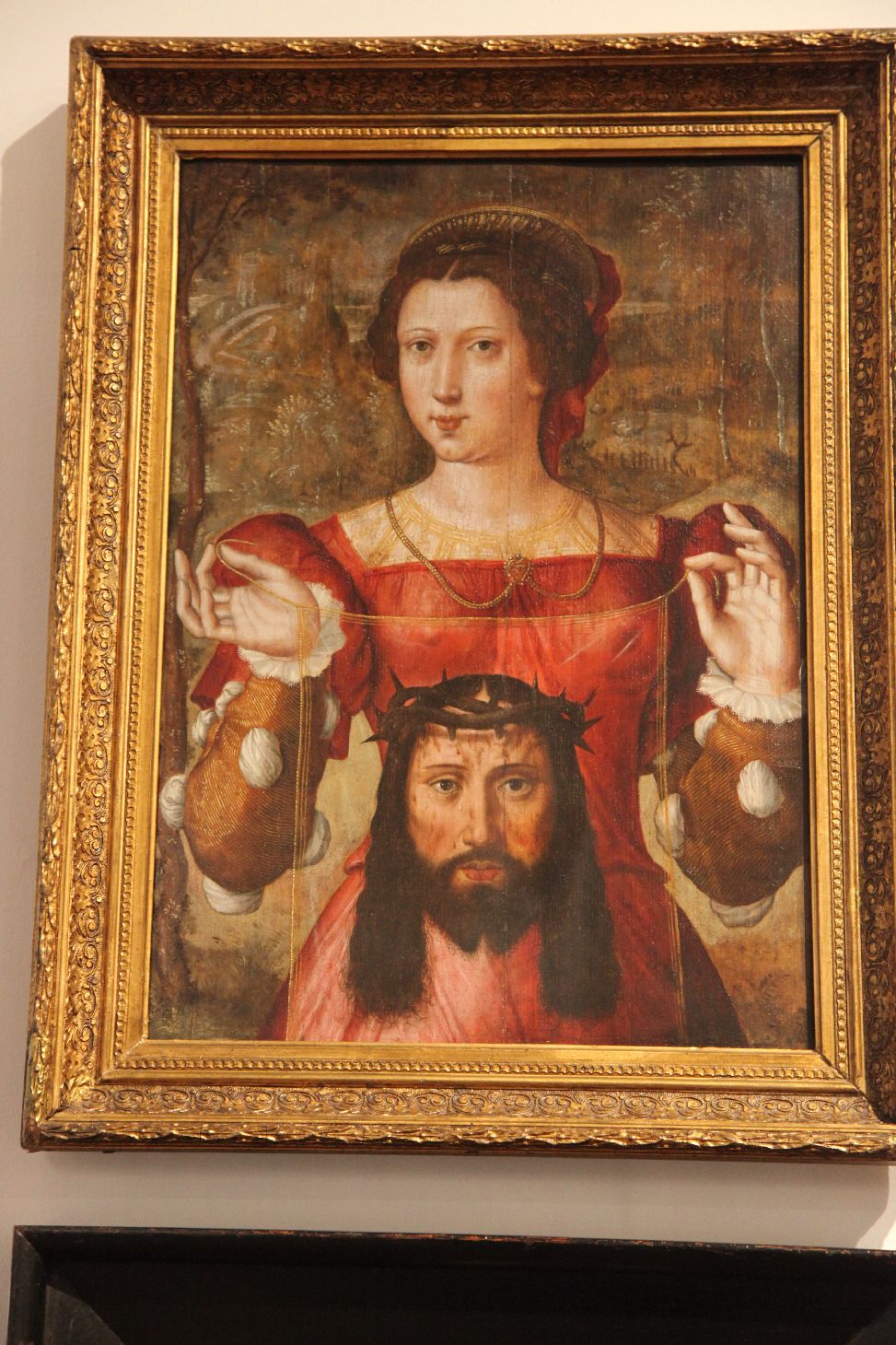
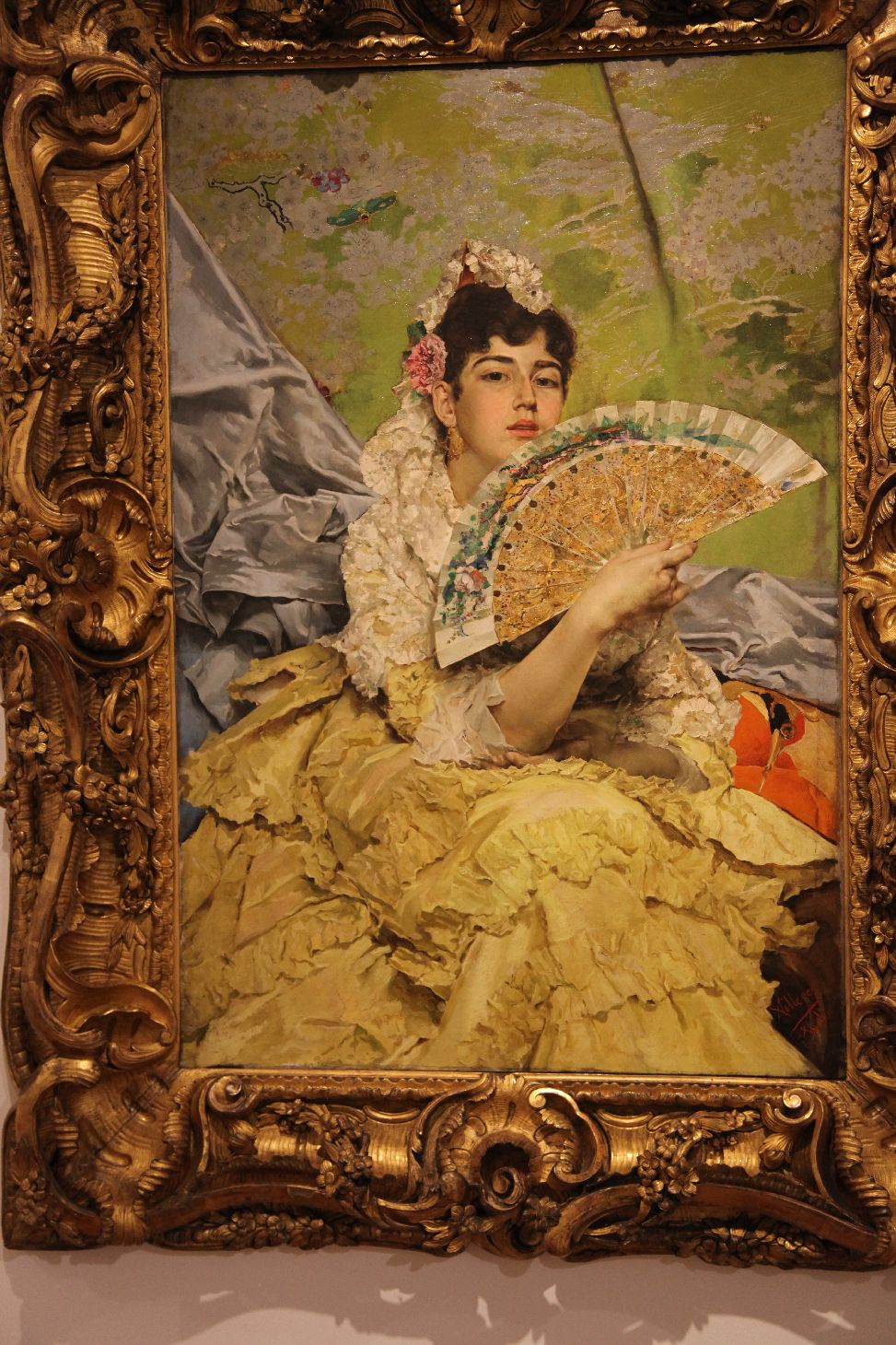
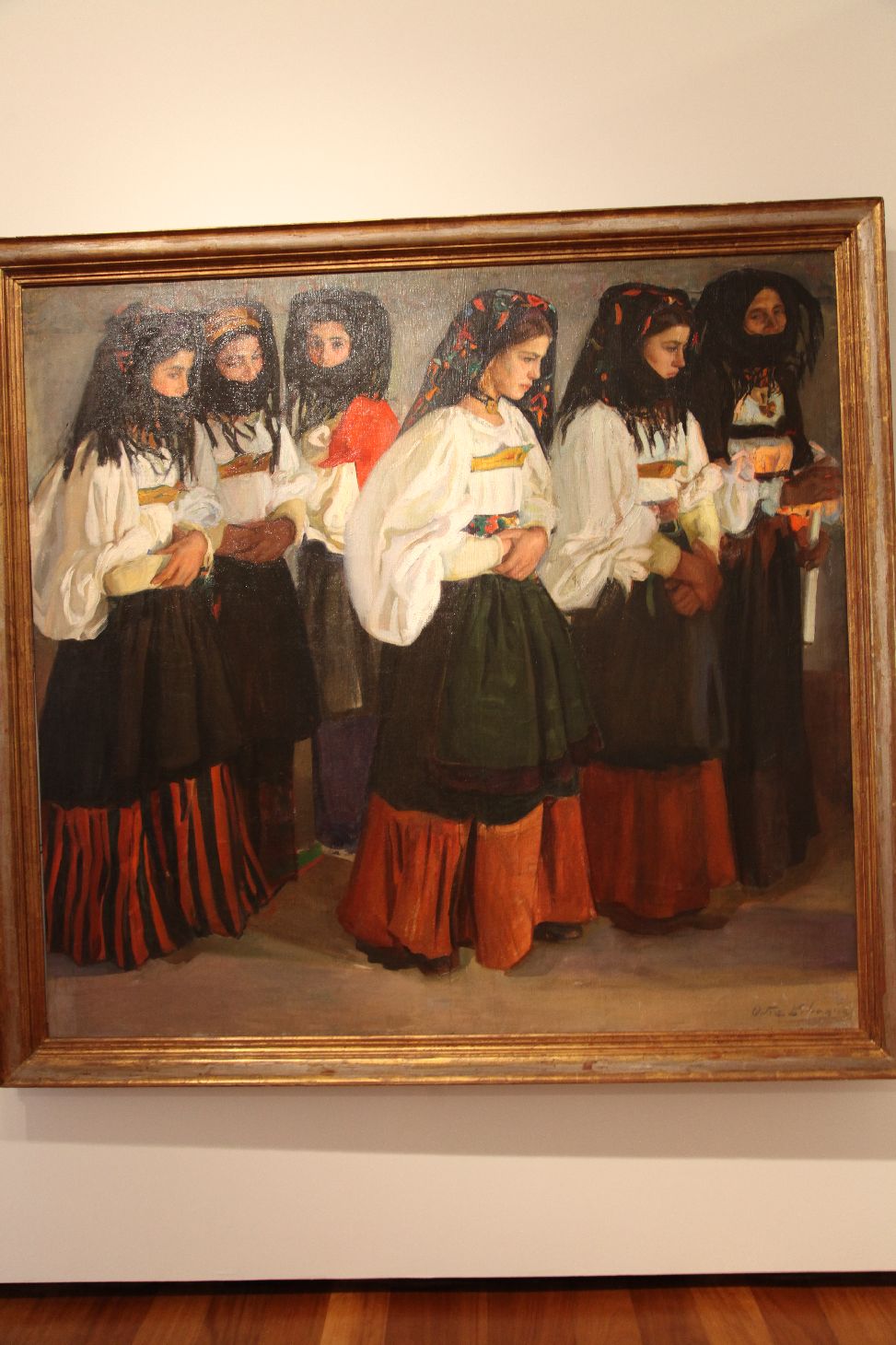
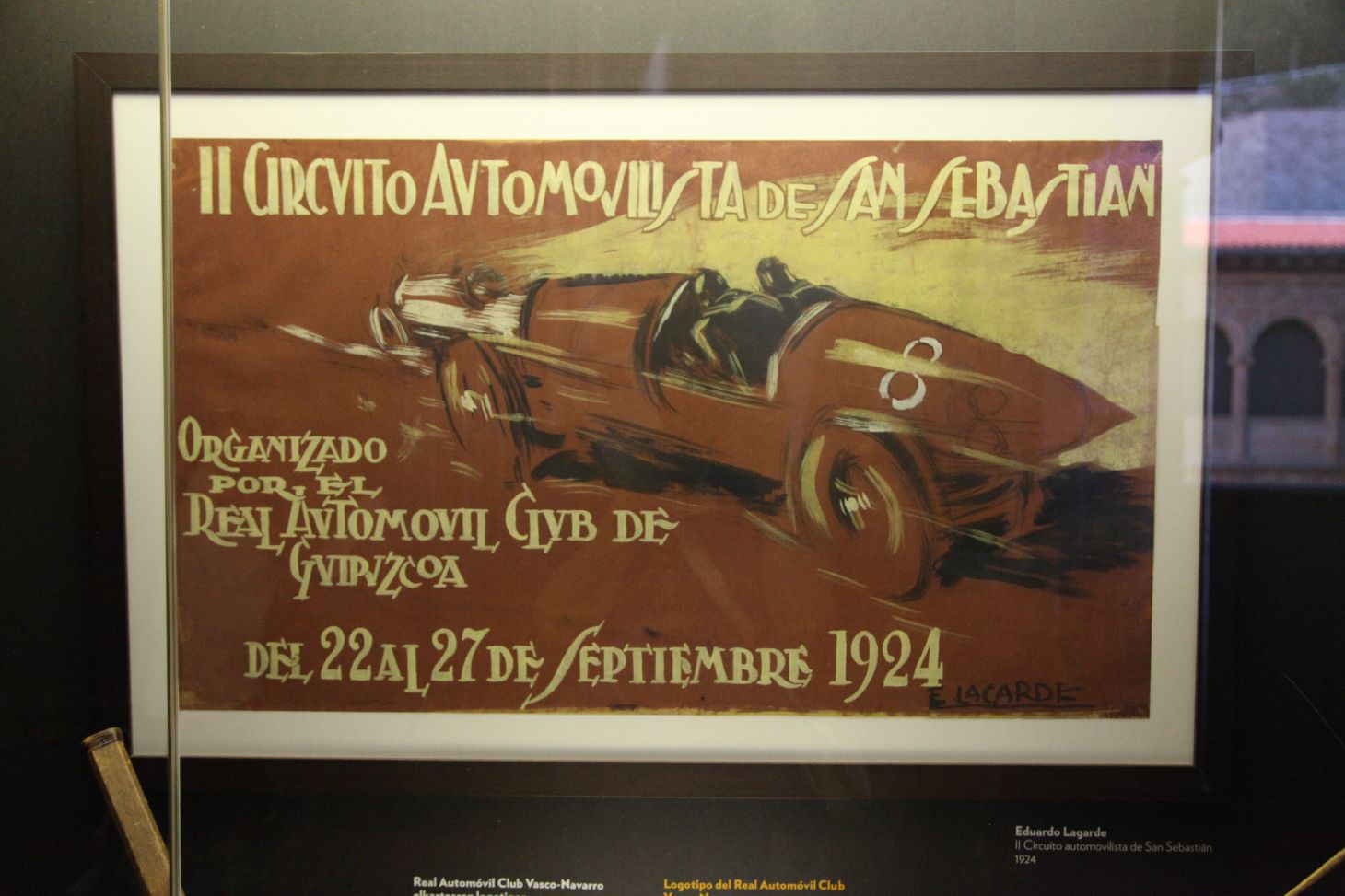
The museum contains everything from early Basque carvings, to a poster for the 1936 San Sebastian Grand Prix, from a fine collection of regional art to a temporary exhibition of the work of Isabel Coixet. There’s something for every type of art or history enthusiast, but we were beginning to run out of energy after our long morning walk (and in my case a 5k run), so we might have called it a day a touch earlier than normal.
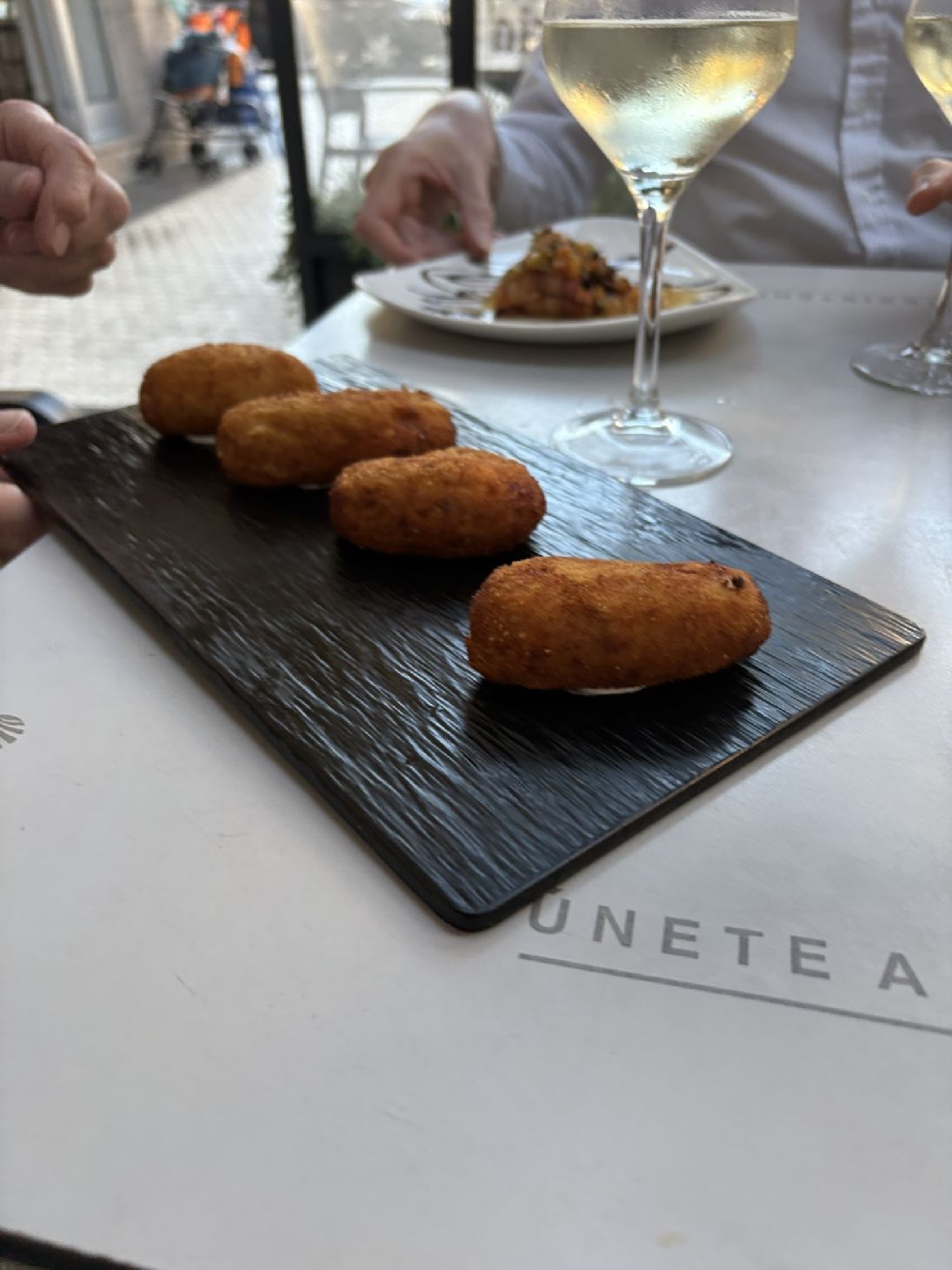
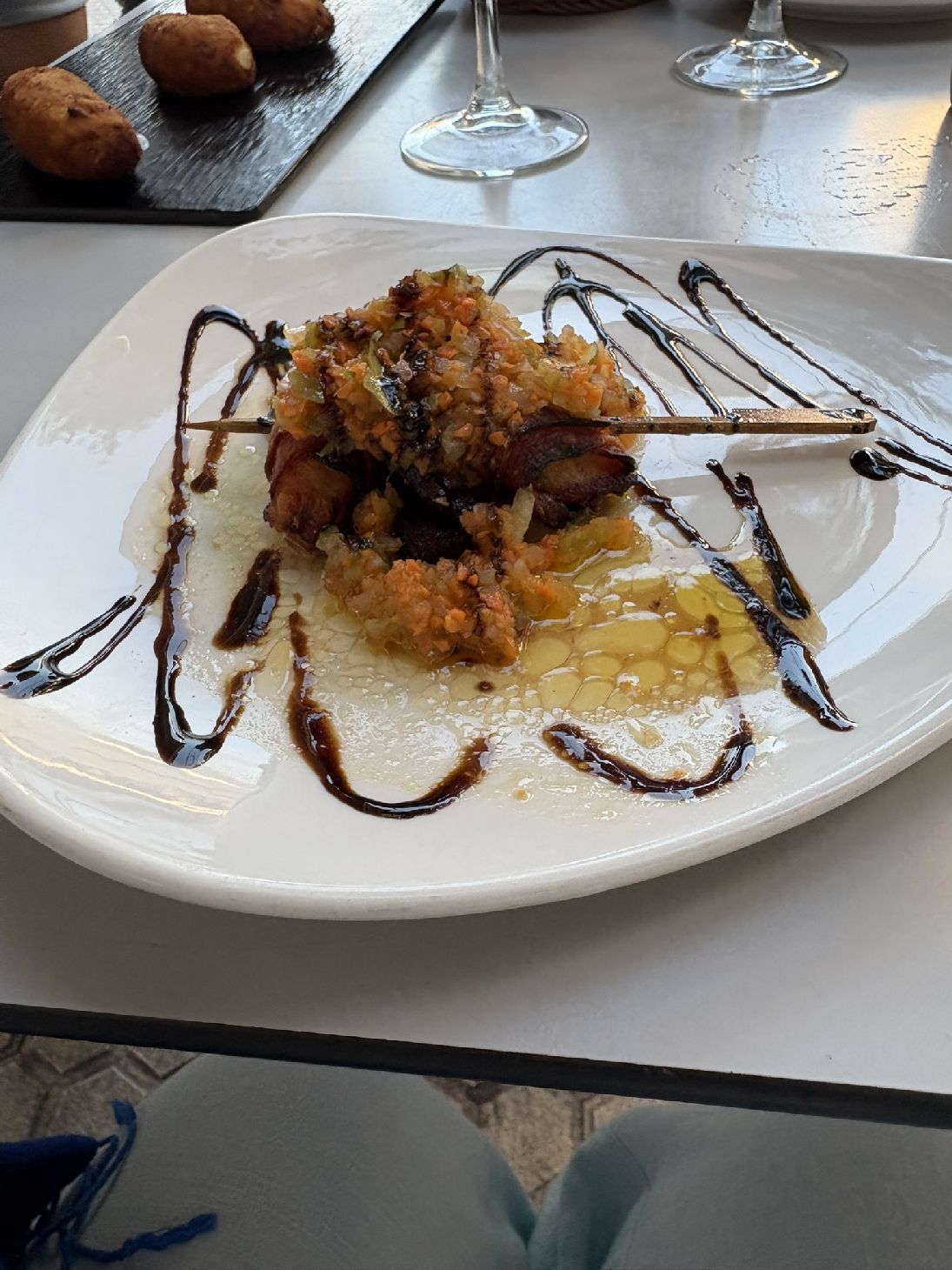
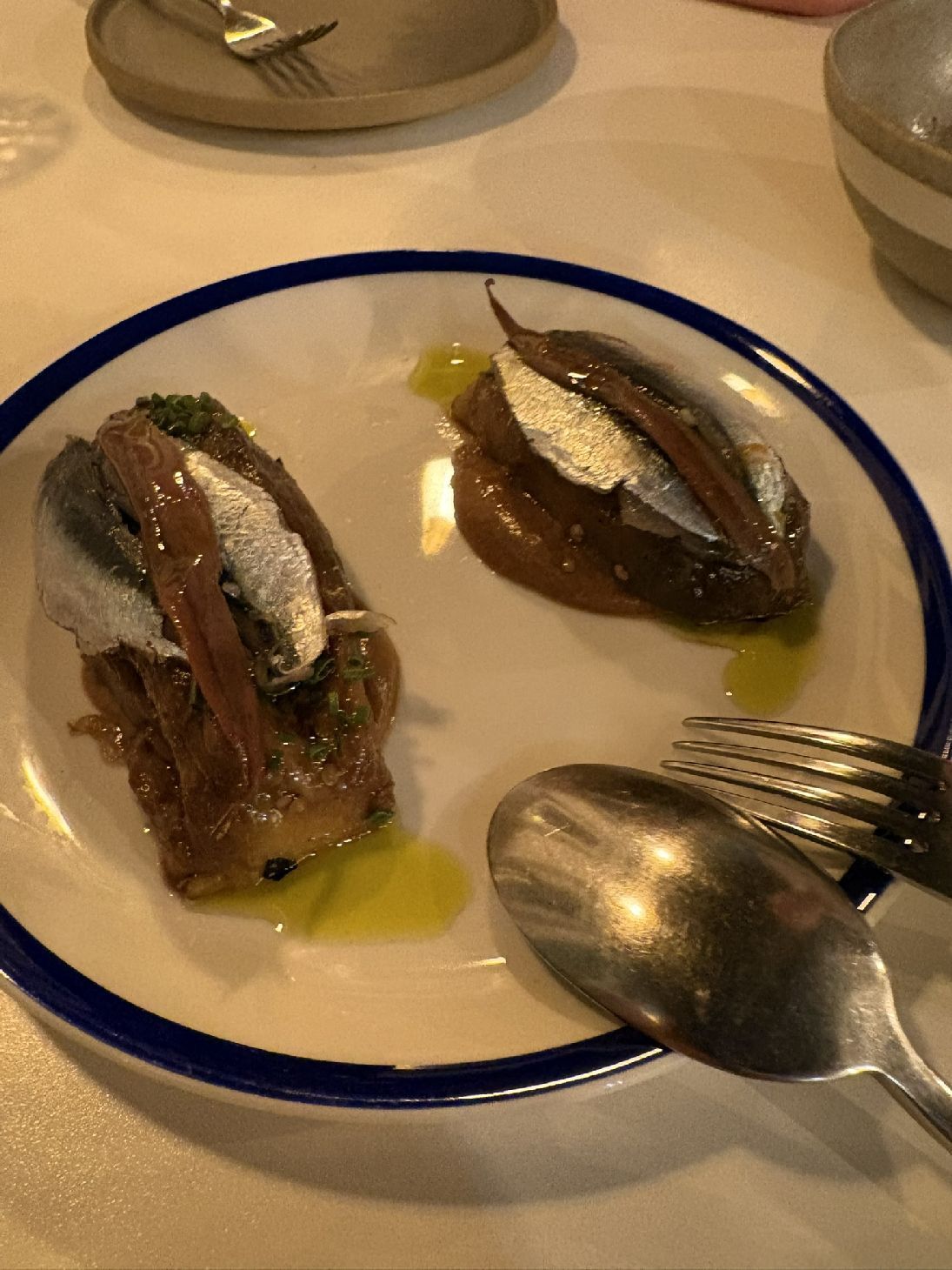
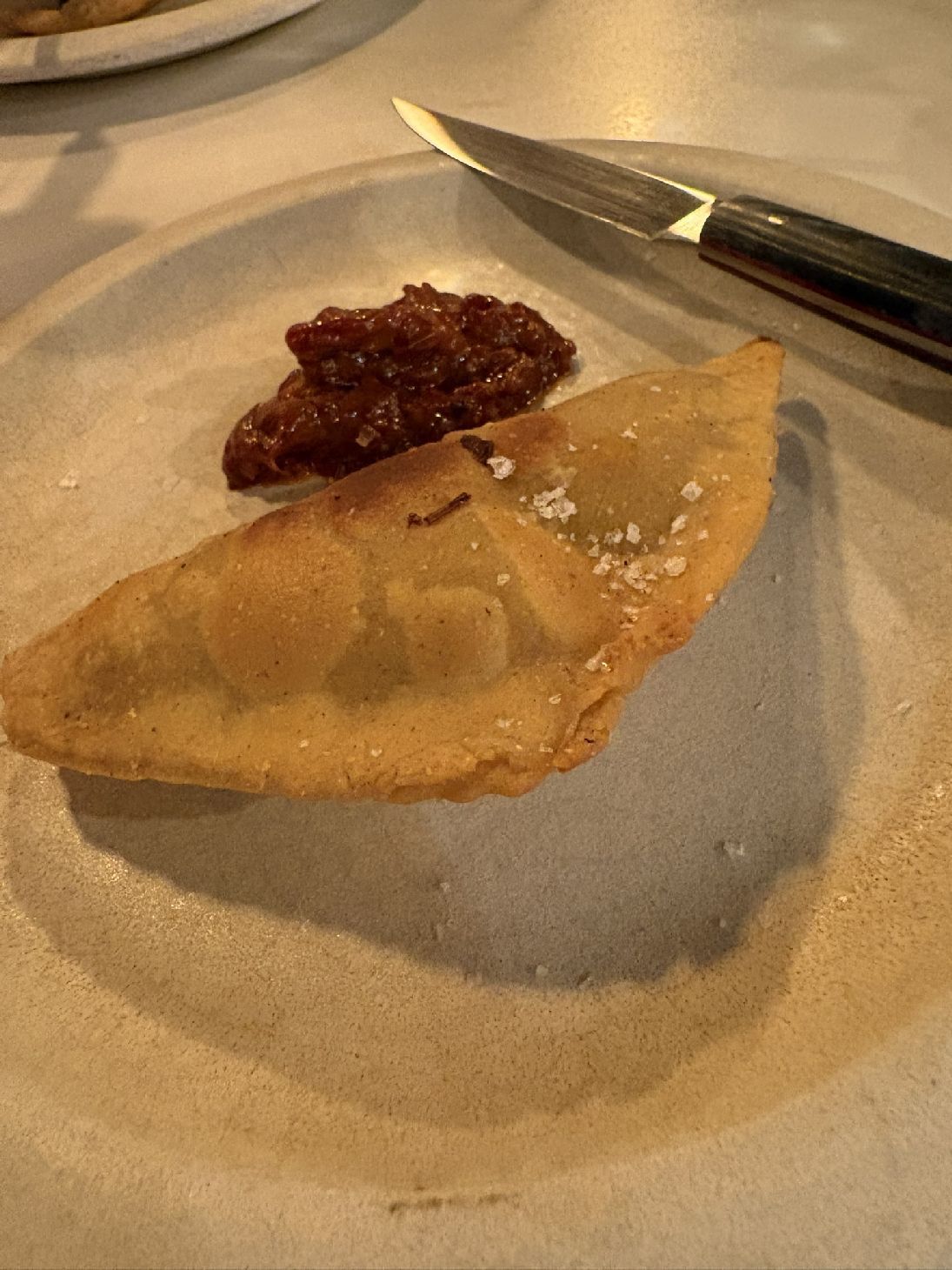
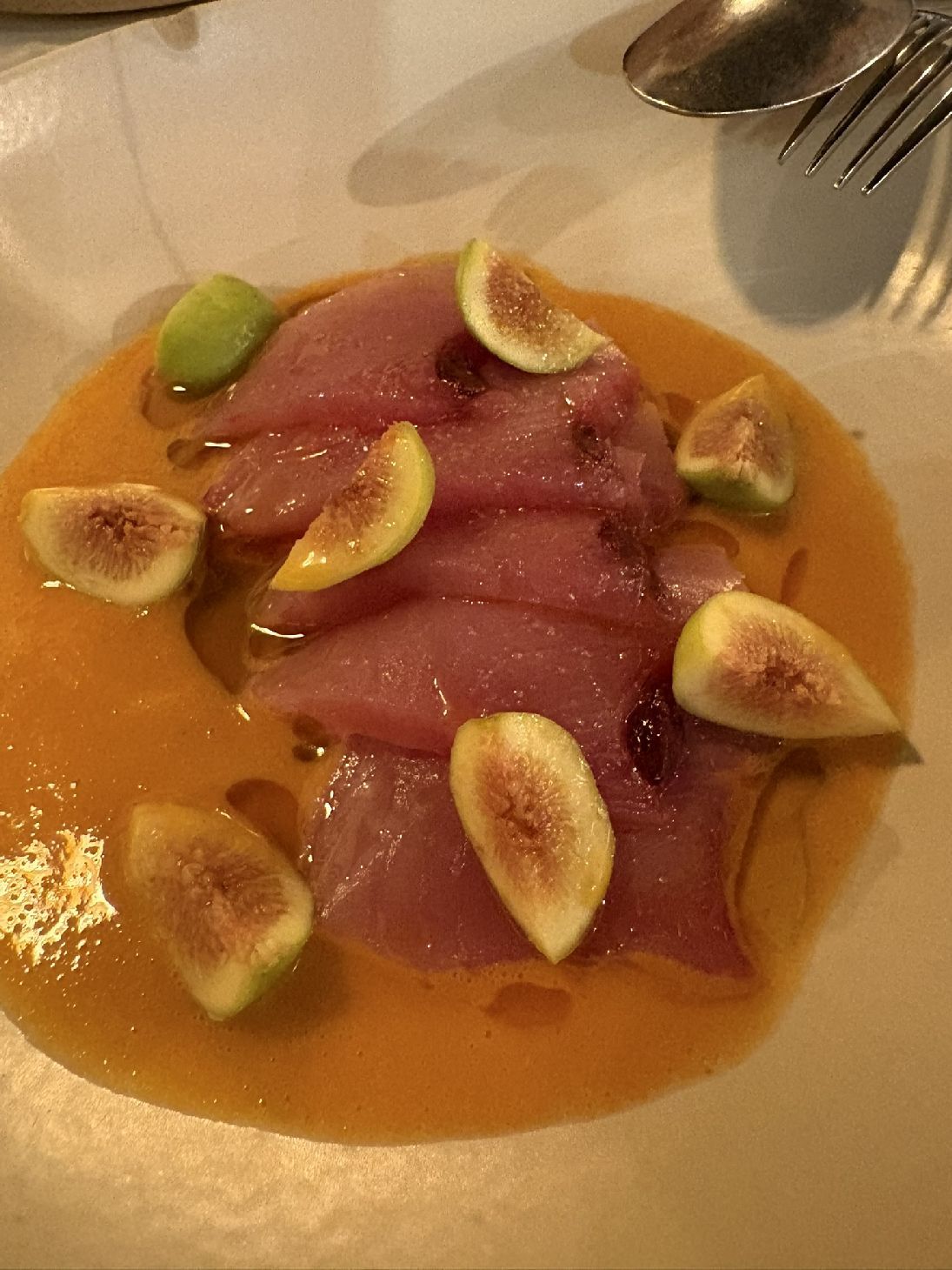
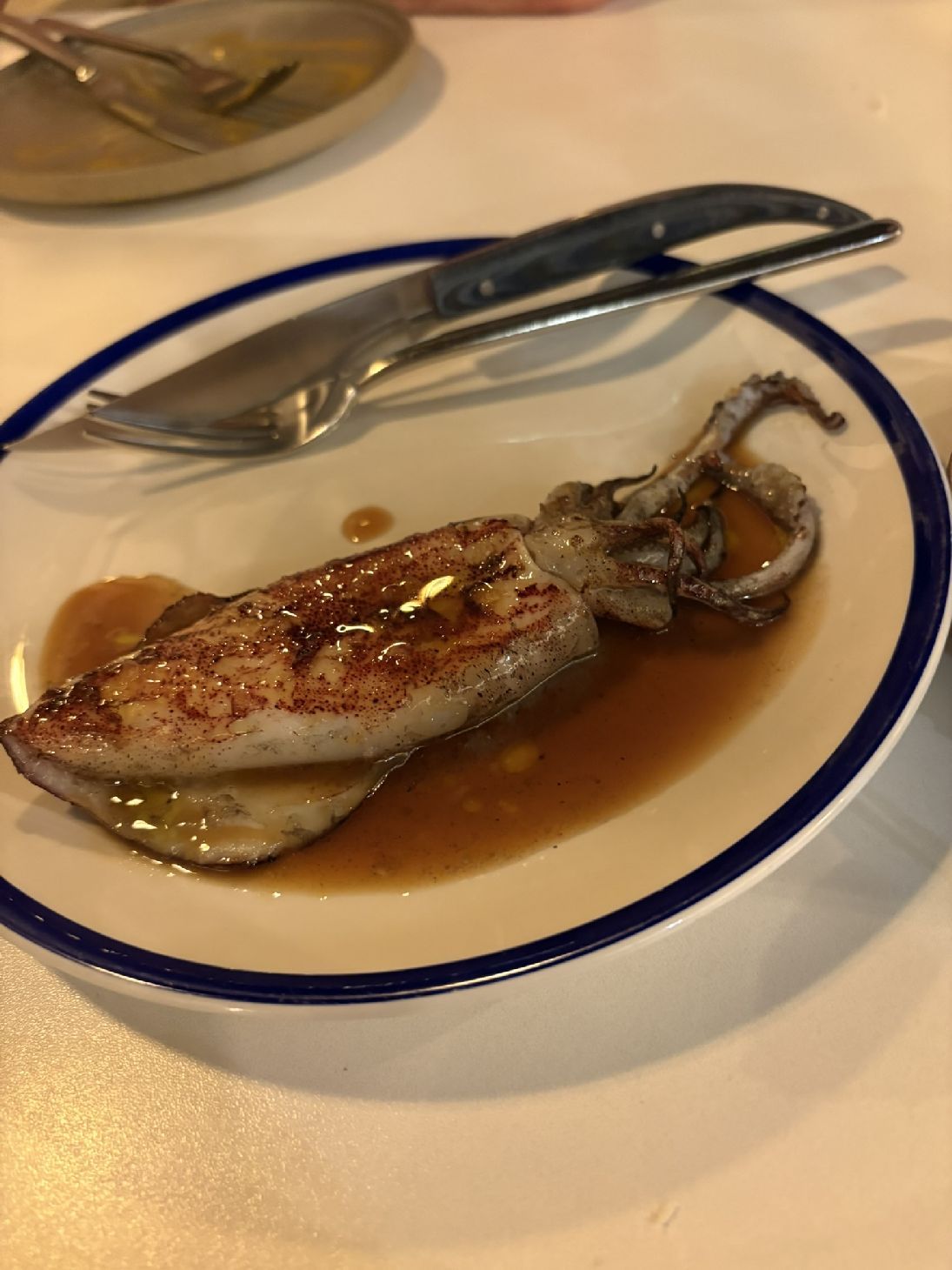
That evening we contented ourselves with a bar at the end of the street (Bar Zabaleto) for a cheeky vermut or two and a quick pintxos, before we headed back to La Gresca for dinner where we once again enjoyed the crab empanadas, the patatas, the octopus, the anchovies, and the fantastic tomato and fig salad. We drank some more of their fine natural wines and then staggered back to the apartment to – hopefully – sleep through the racket from Kelly’s.