Wednesday 16th October, 2026 – San Sebastian / Donostia, Castro Urdiales, Oviedo
After the only peaceful night I had in San Sebastian, it was time to get on the road and move on to our next stay in Oviedo. The day started grey and the forecast wasn’t brilliant, but as we had quite a long drive in front of us, we weren’t overly concerned. We’d pack and get out of the apartment around 10 and then see where the day took us – we had plans to possibly visit a couple of places en route for Oviedo, but those plans were flexible and we weren’t especially wedded to any particular stop.
As it turned out it was closer to 10:30 by the time we’d wrangled all the luggage into the top box and boot, and left the keys in the apartment. At around 240 miles this would be the longest drive of the trip, so there certainly wouldn’t be time for more than one stop, but it would also break up the amount of time I spent continuously behind the wheel.
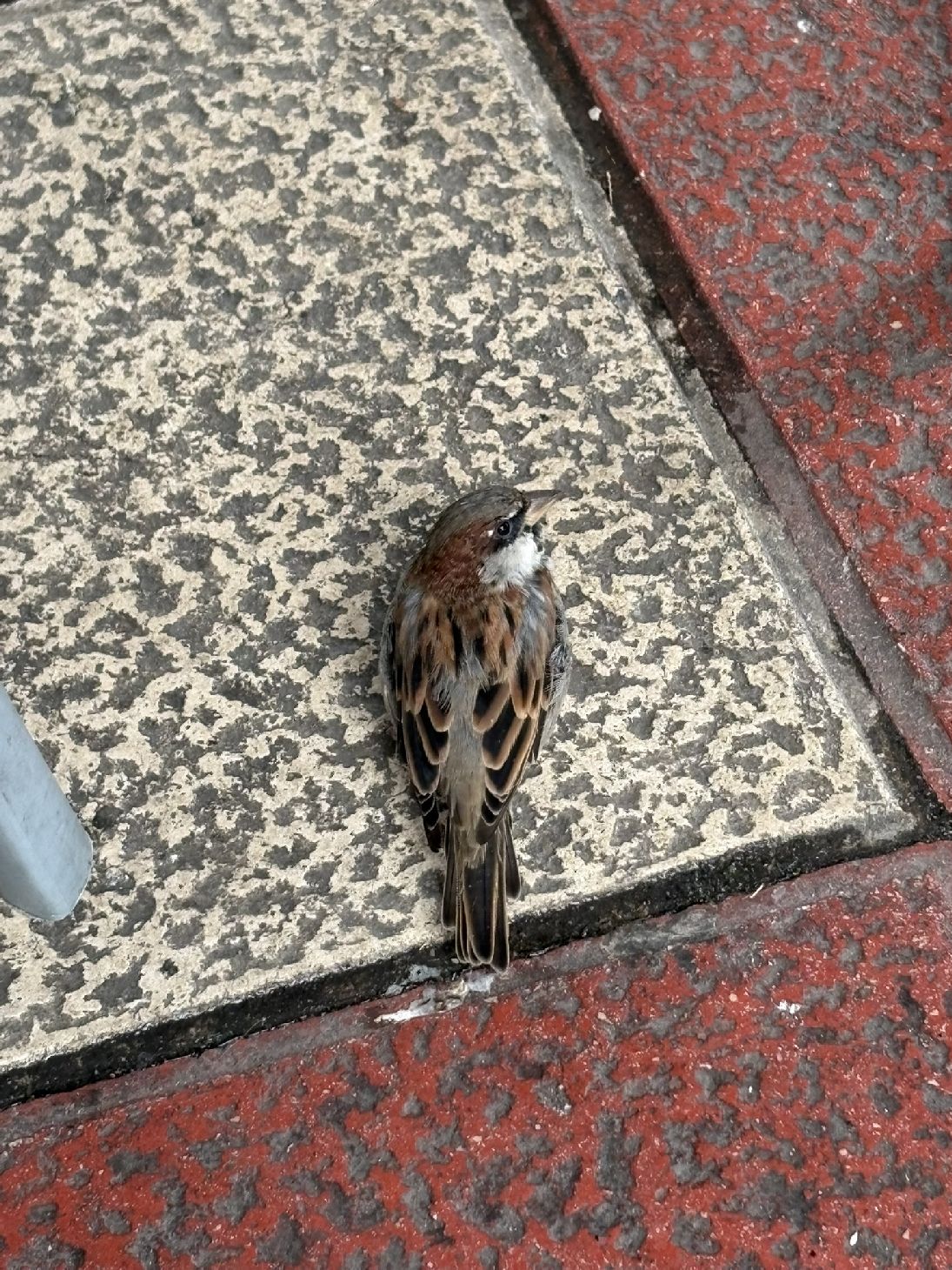
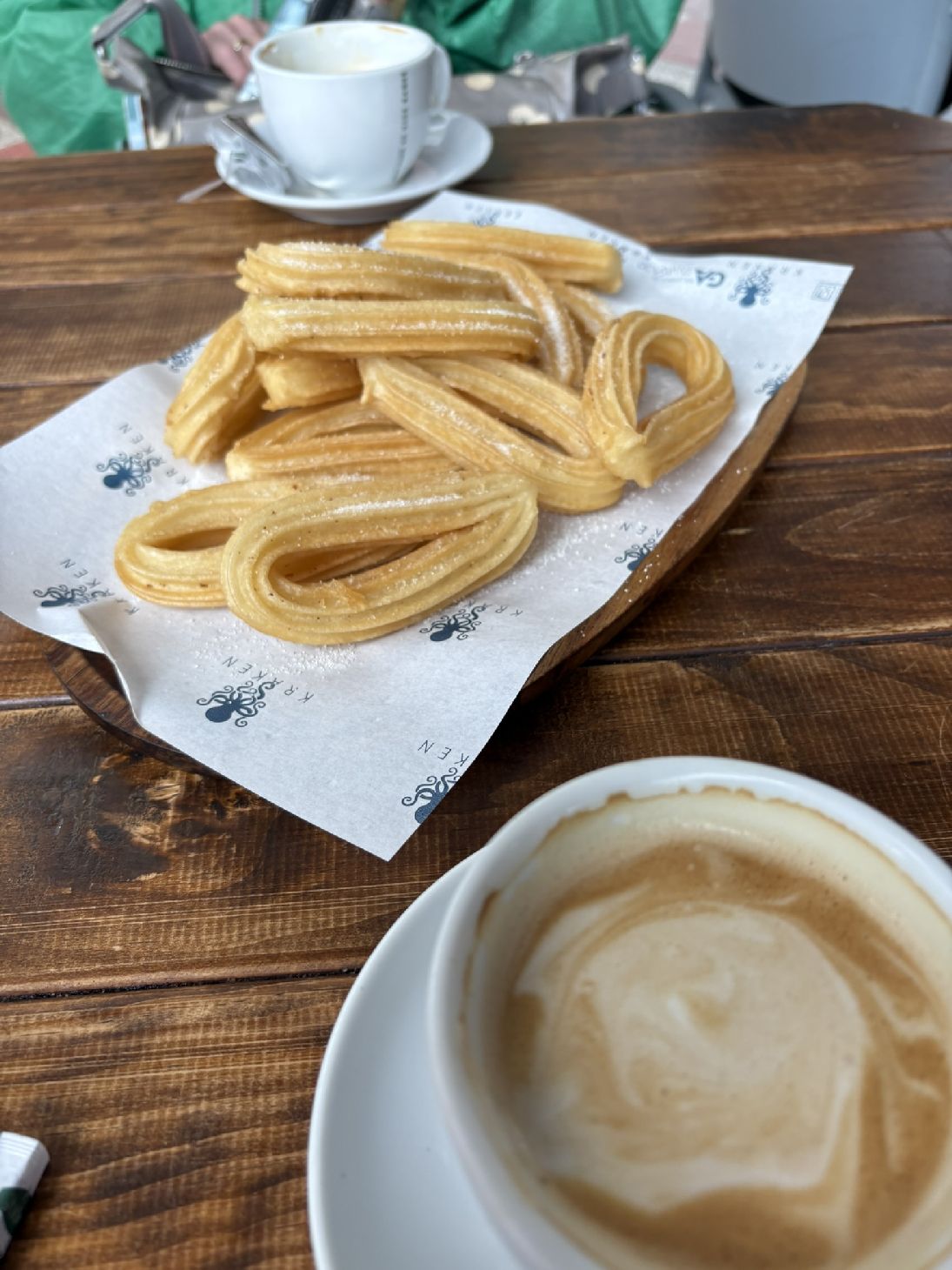
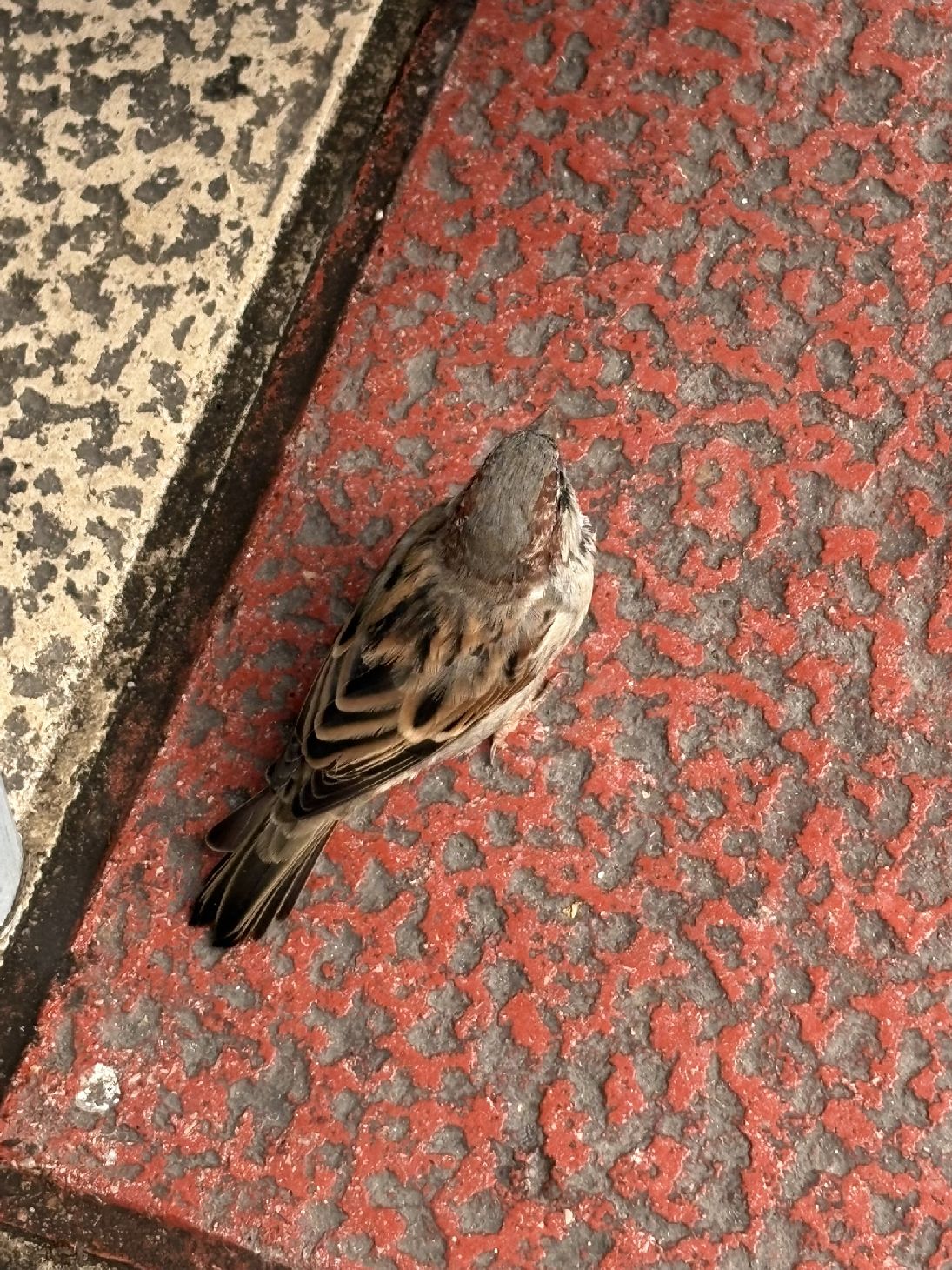
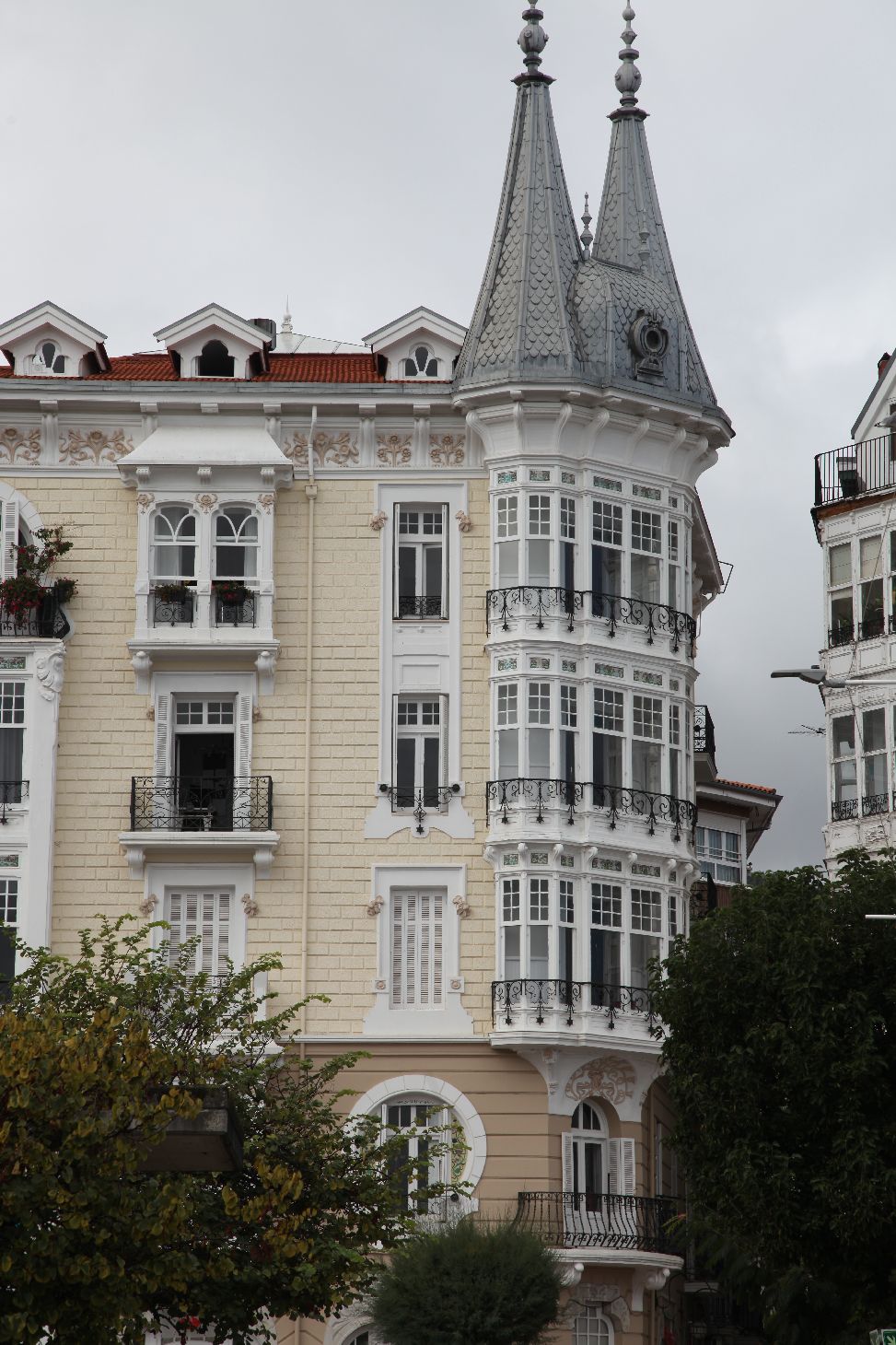
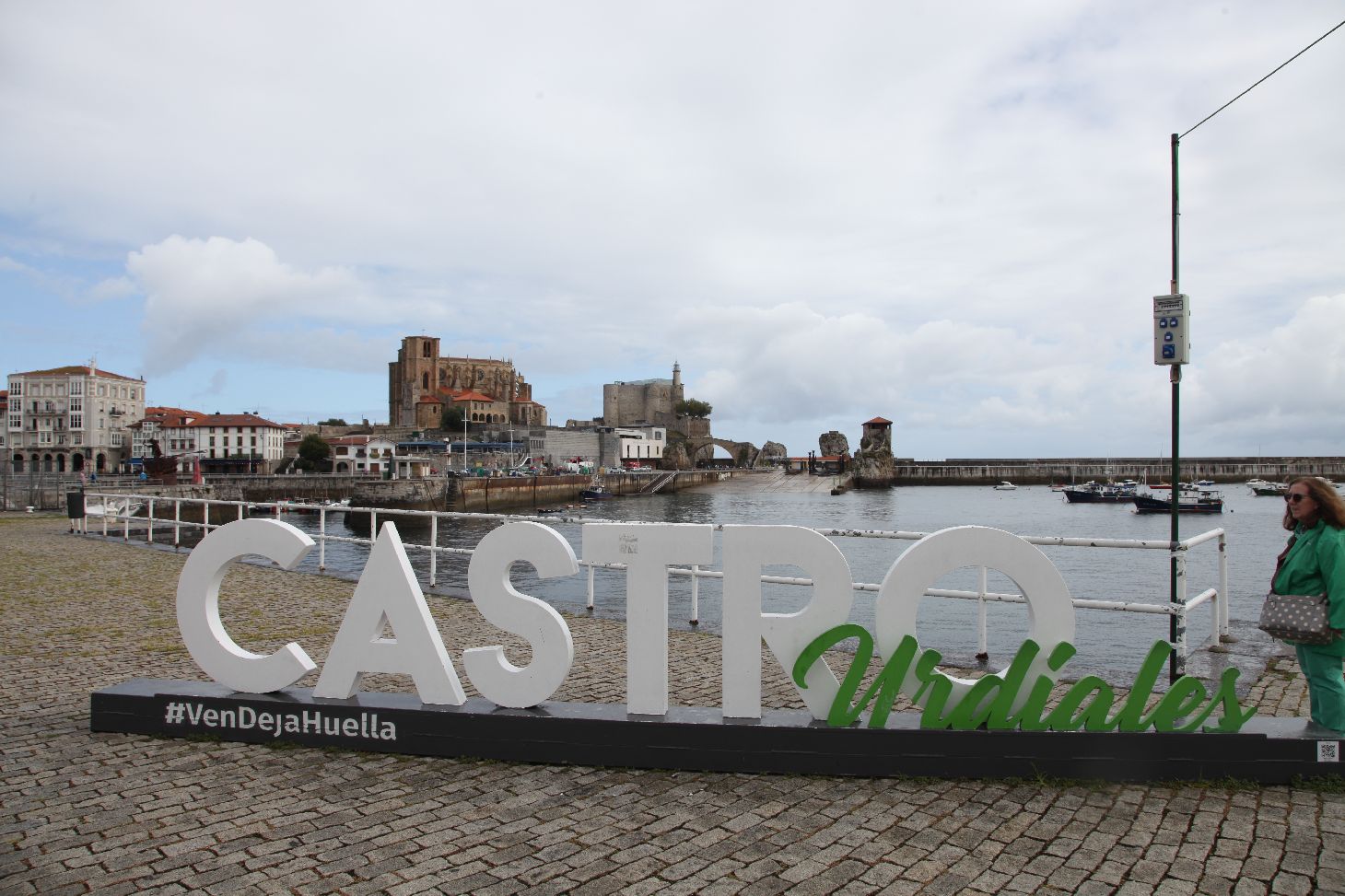
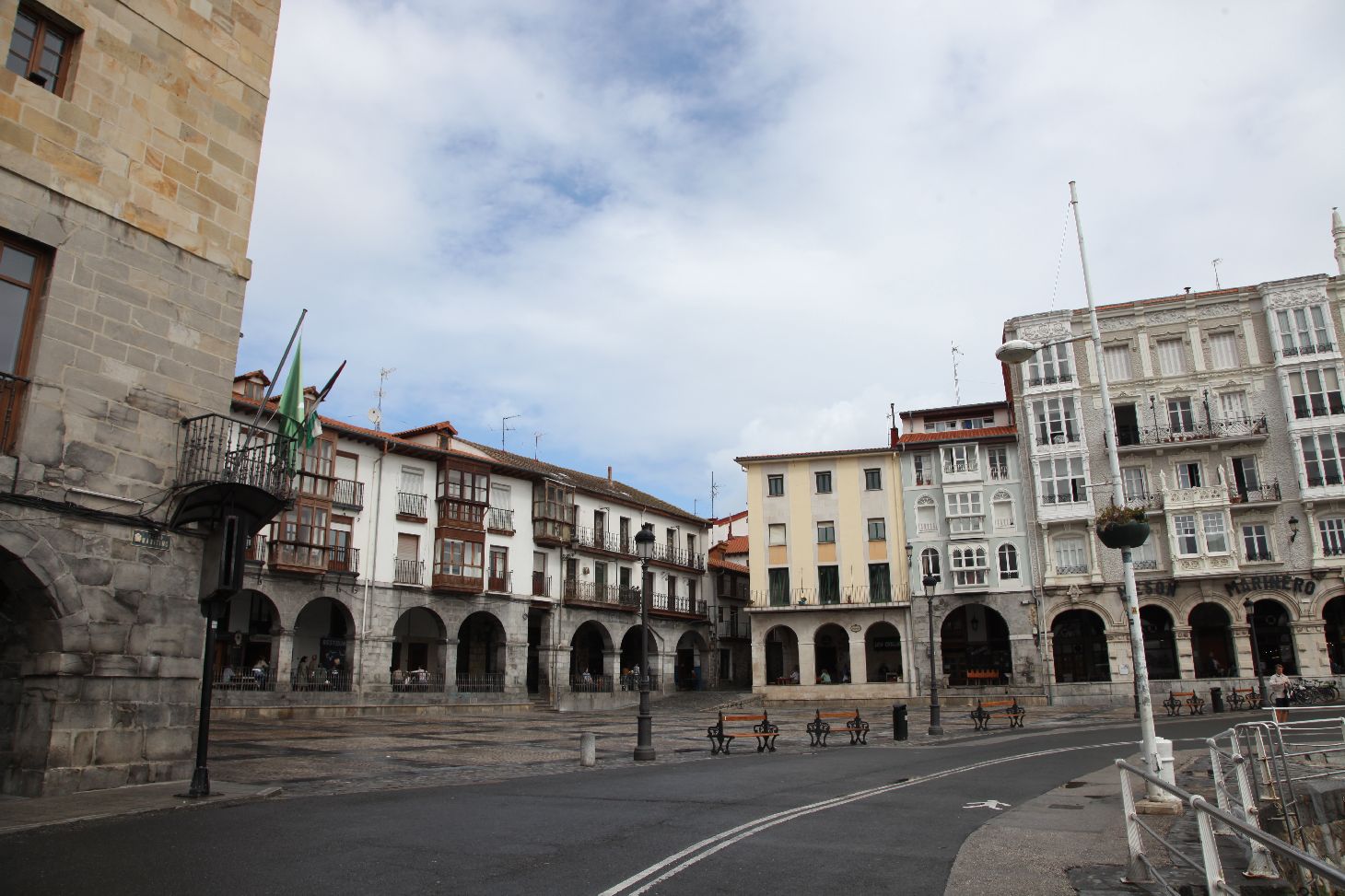
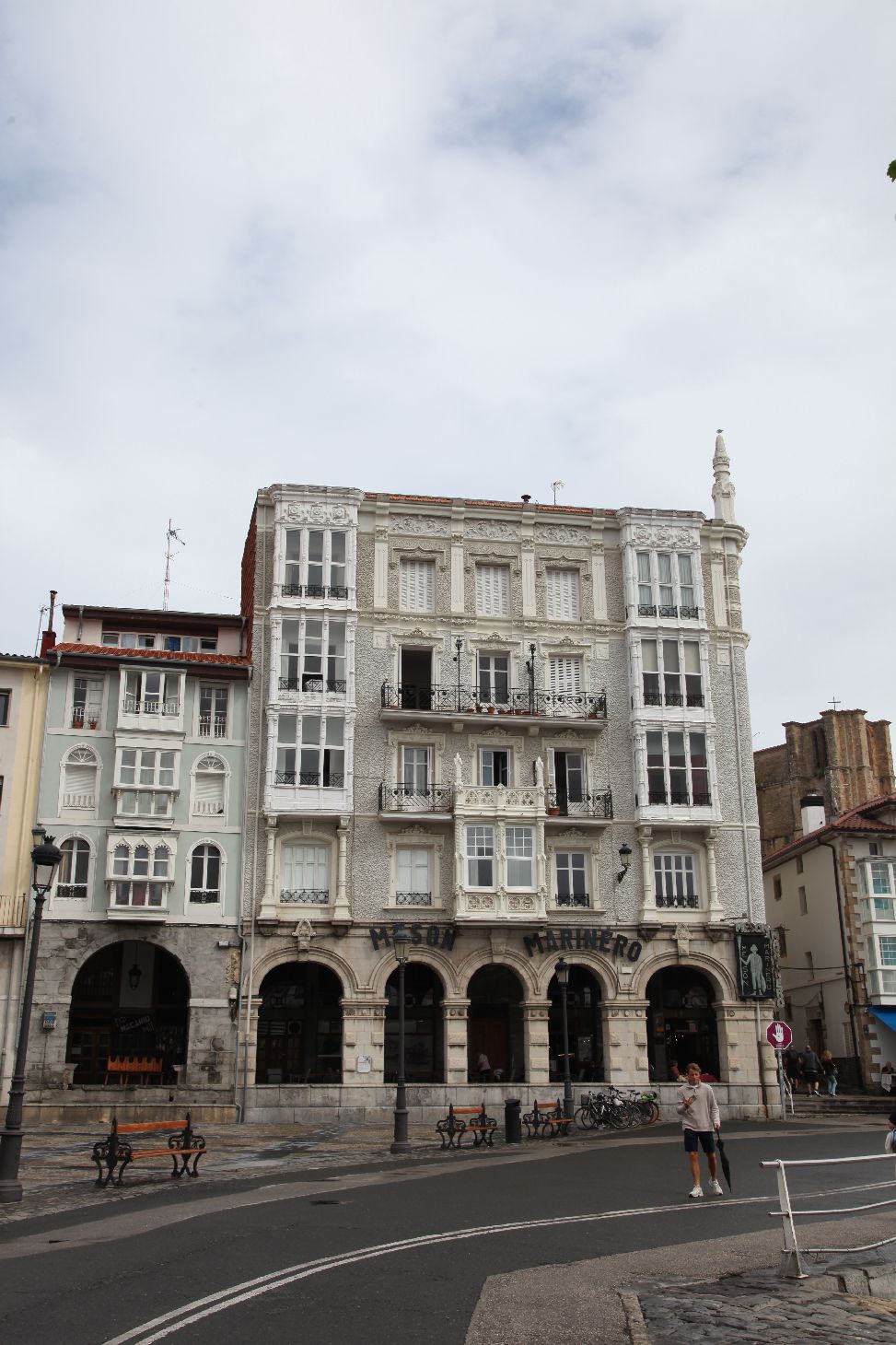
After battling our way past Bilbao (where the Bip&Go sensor in the car seemed to “bip” every time we went under a gantry) we decided that Castro Urdiales was worth a stop – and it was time for coffee. We got off the motorway and were soon wending our way through increasingly narrow streets while searching for a car park. We doubled back on ourselves a couple of times but then found a handy underground car park right by the harbour. By the time we emerged onto the plaza it was raining so we ran for the nearest cafe and found a table under a large awning with enclosed sides where we fortified ourselves with fresh churros and coffee (the local sparrows were keen on them too). By the time we’d finished the rain had stopped and the skies were starting to clear so we thought we’d investigate what Castro Urdiales had to offer.
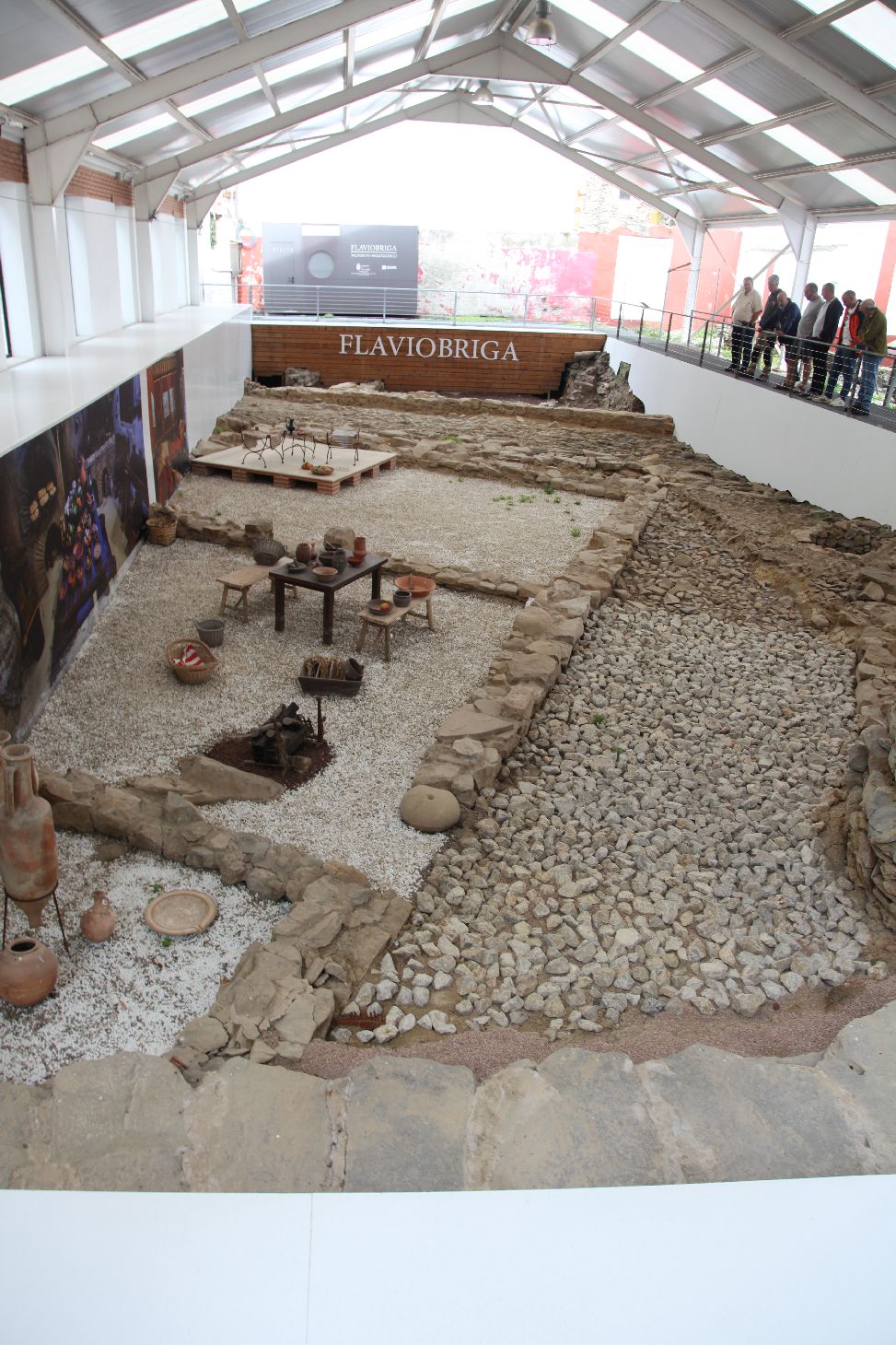
Actually the obvious things to see turned out to be very much the focus of the harbourside with the castle and the Gothic-style parish church of Santa María de la Asunción sitting on a promontory at one end of the bay. You could see why it appealed to the Romans who set up a colony here (Flaviobriga) in CE 74, during the reign of the Emperor Vespasian because it gave them access to an abundant supply of iron close at hand.
The town is not much mentioned in history again until 1163 when it gained a municipal charter, only to be invaded and taken over by Alfonso VIII of Castile around four decades later! No doubt he’d realised its significant position on the trade route between northern Europe and Castile. Later most of it was destroyed by the French in 1813, but was then rebuilt and fortified, and later in the same century it began to prosper as iron production increased and it became connected to the railway system. Since then there has been the decline of heavy industry and now it’s seemingly a tourist destination because of its fine beaches. It’s also a very attractive place!
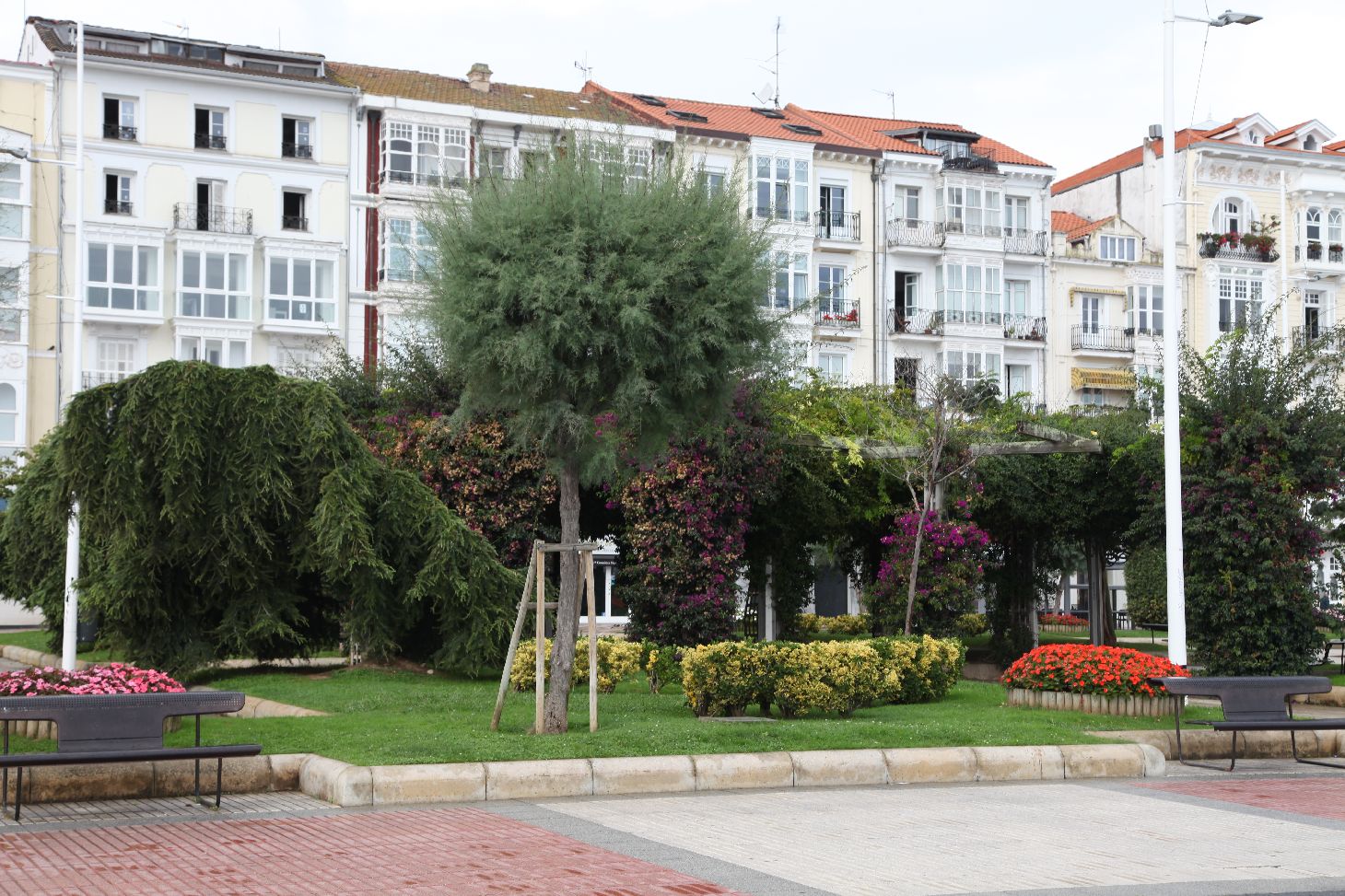
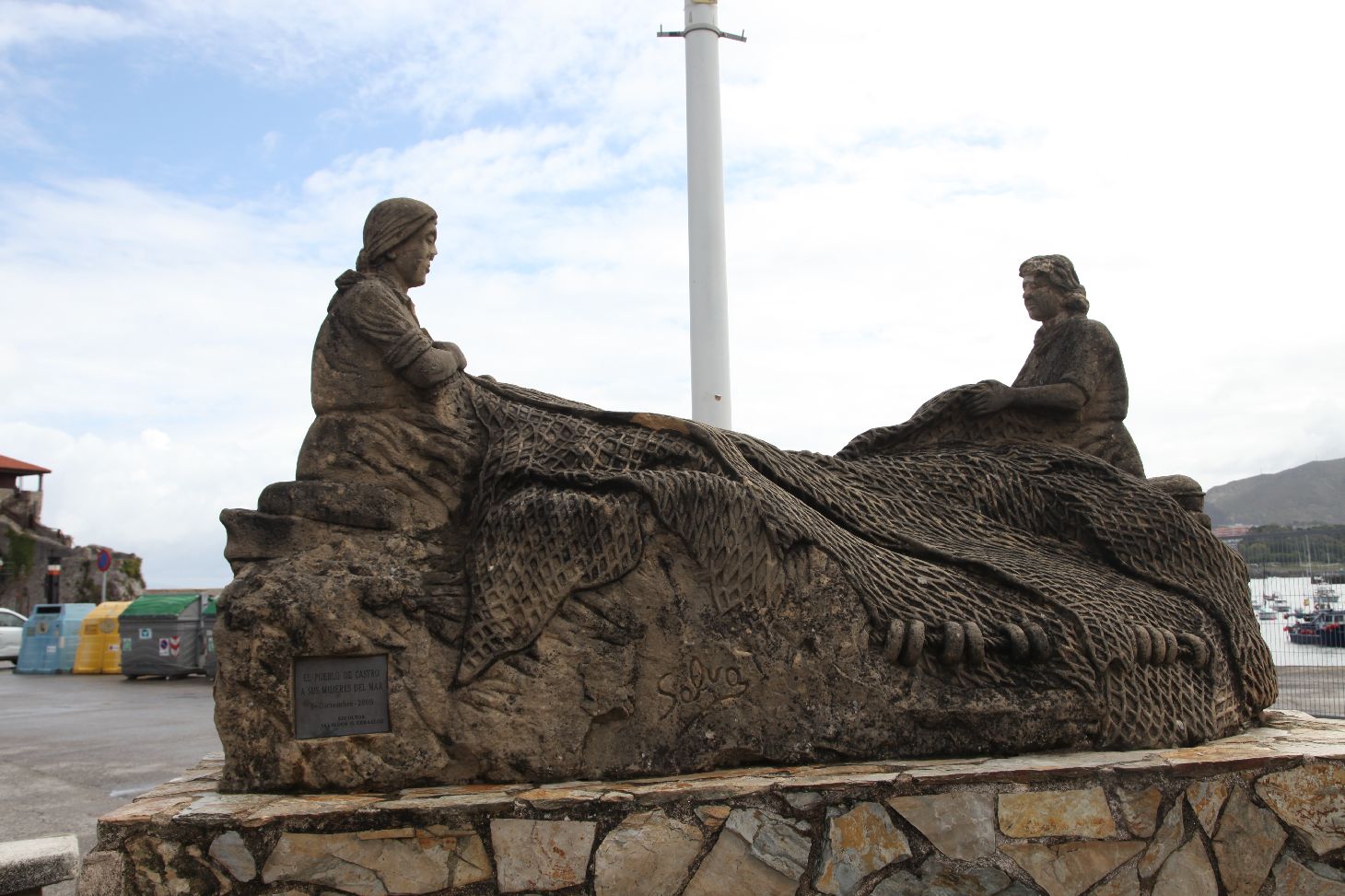
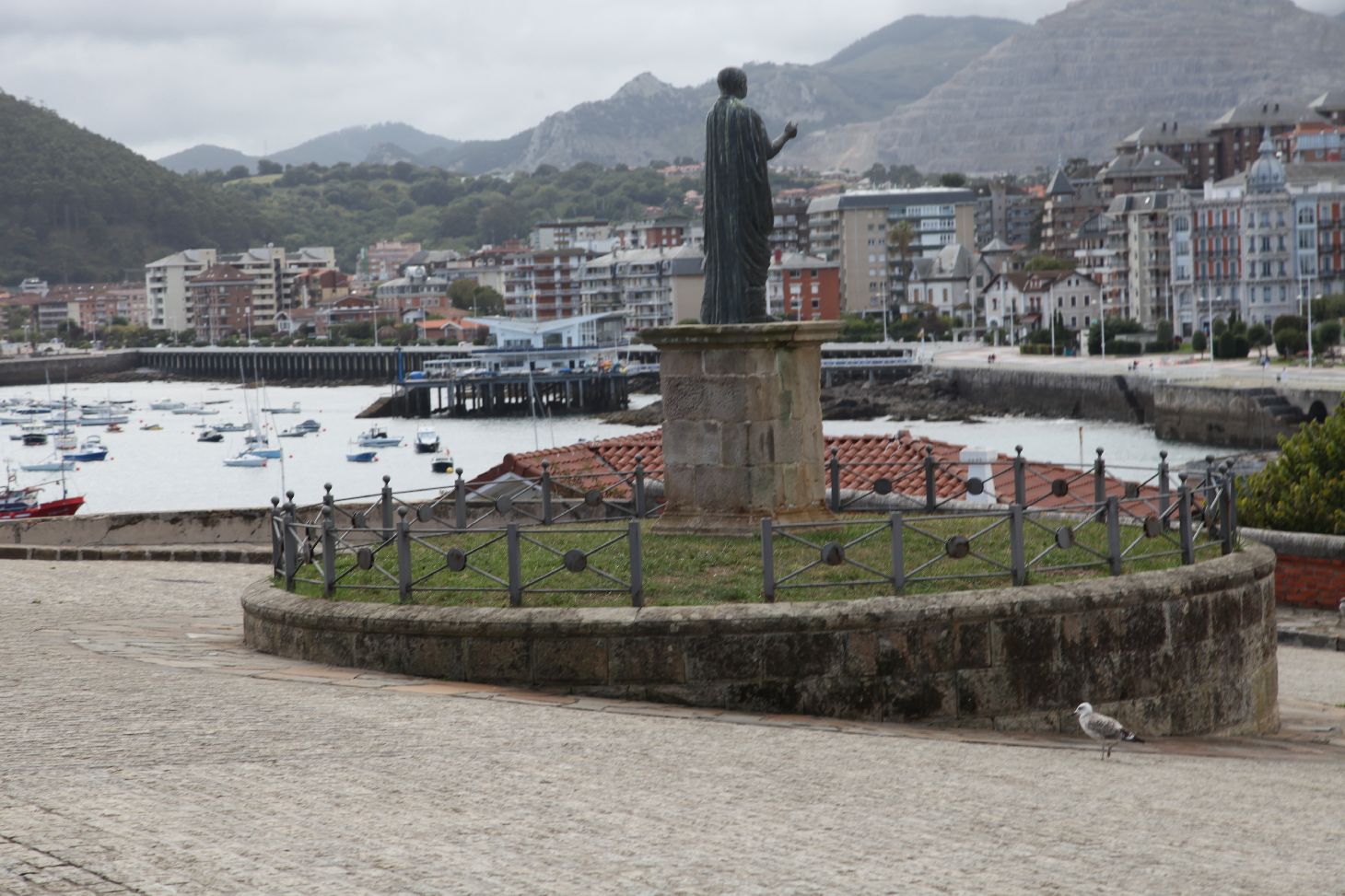
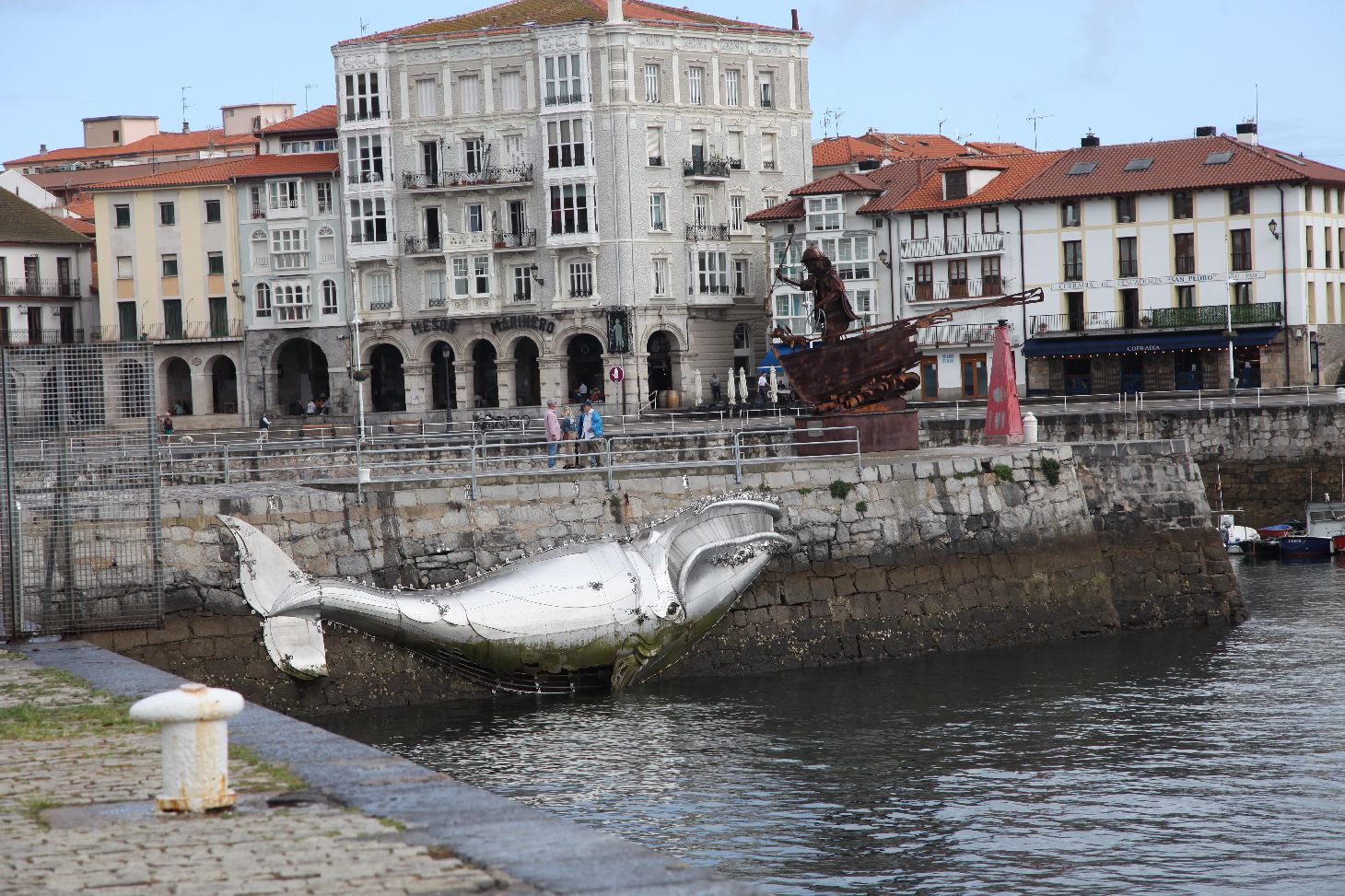
The seafront park was lovely and you really wouldn’t have known there was a car park underneath it. As we walked along we also found a sculpture of a whale and a whaler. There was zero explanation of what precisely it was about, though I’m hazarding a guess that it’s a reflection of the whaling industry which was massive in these parts in the past. It was also one of what seems to be a trend of statuary in the towns in Cantabria. We would find several more dotted around Castro Urdiales, and would later discover that Oviedo is full of them. There’s even a statue trail there.

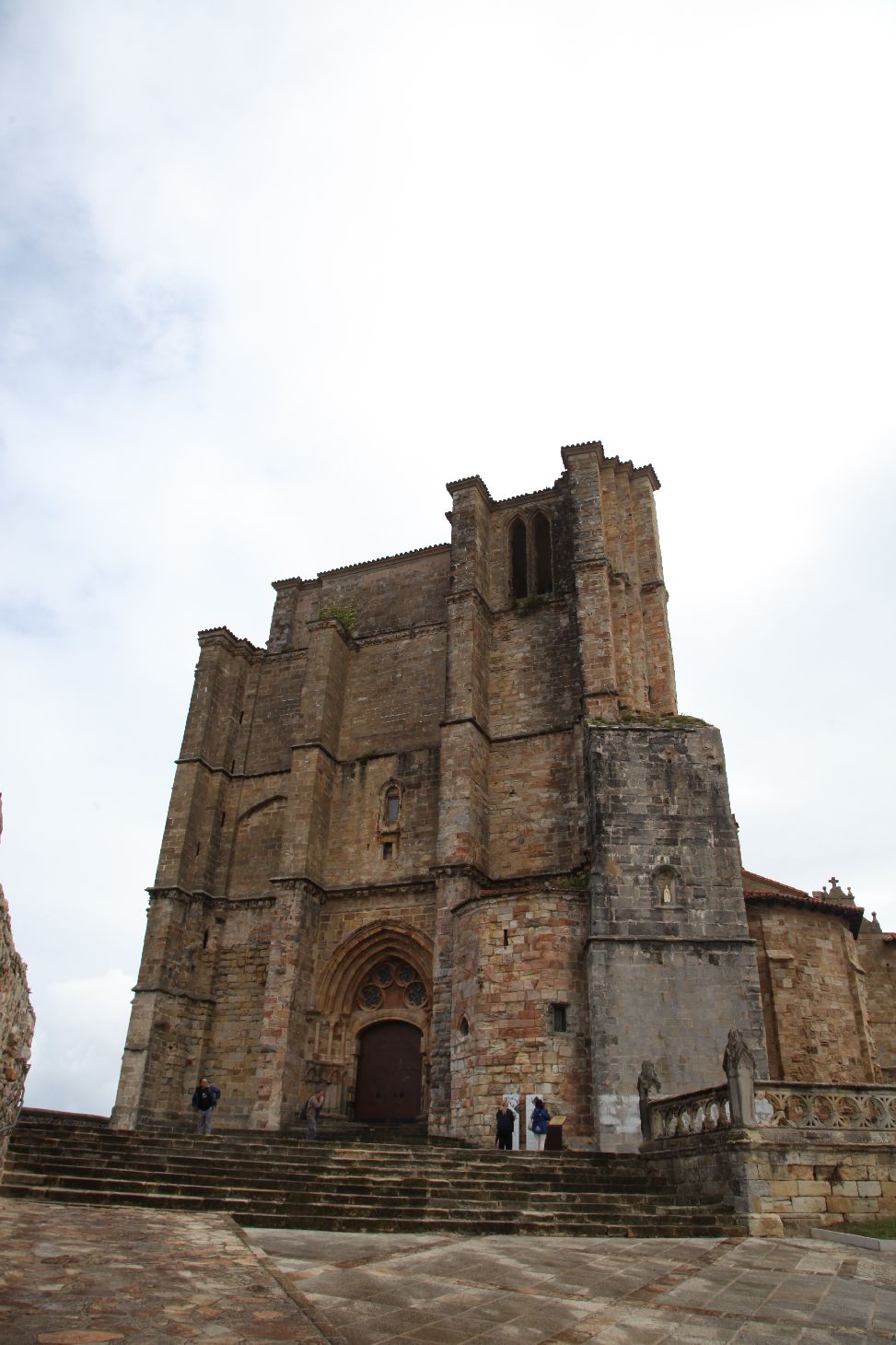
Anyway, we walked along to get a closer look at the Church of Santa María de la Asunción. It’s splendid from the outside, and perfectly sited, though we couldn’t get inside because it was shut for lunch and would not be re-opening until 16:00. By which time we really wanted to be in Oviedo and not still a couple of hours away. Building work started in the 13th century though it wasn’t finished until the 15th century and is a “basilica” church with three naves. Apparently the interior contains images of the White Virgin and the Reclining Christ, and three Gothic carvings of the Magi, but we would have to live without seeing them.
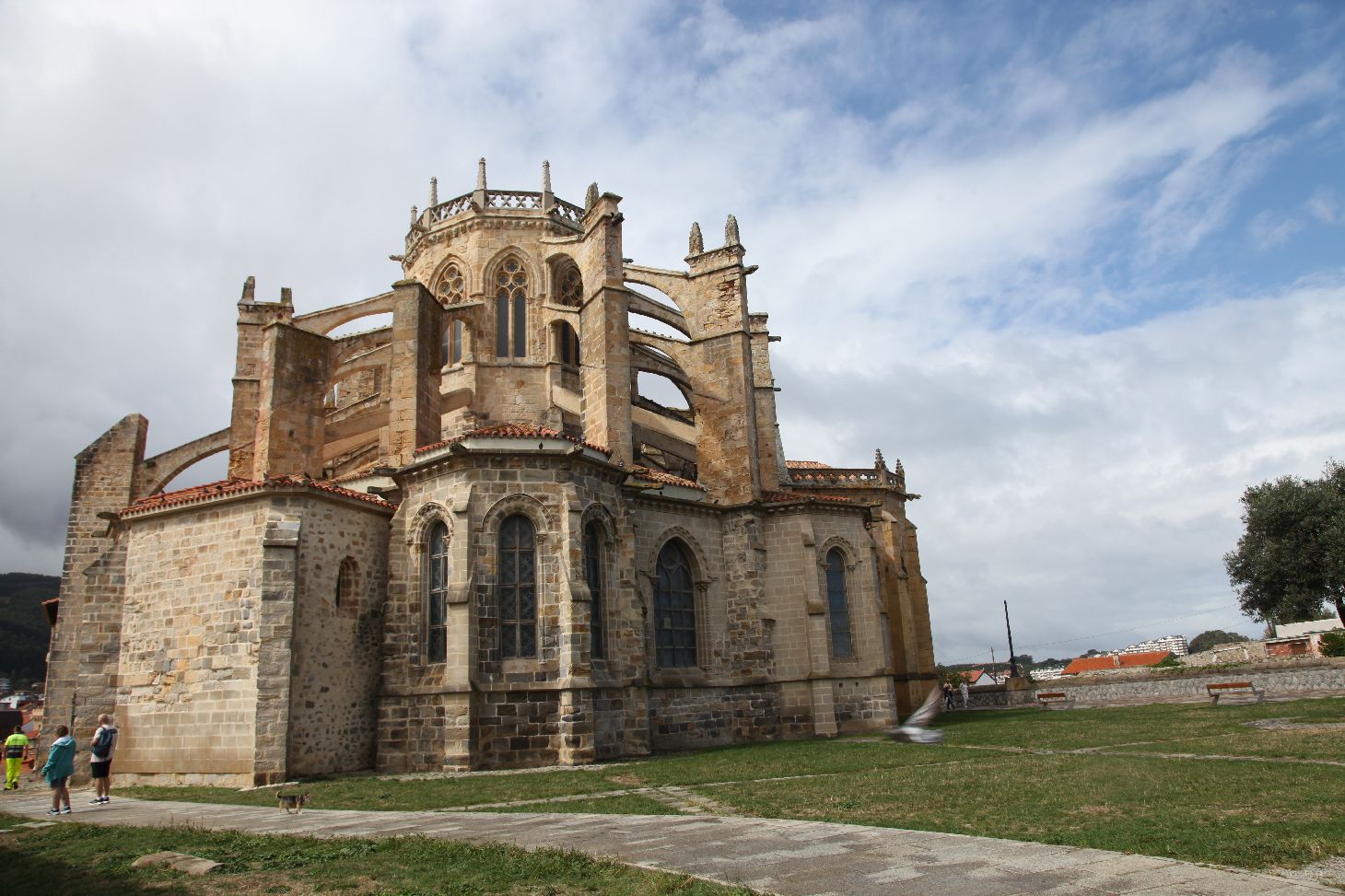
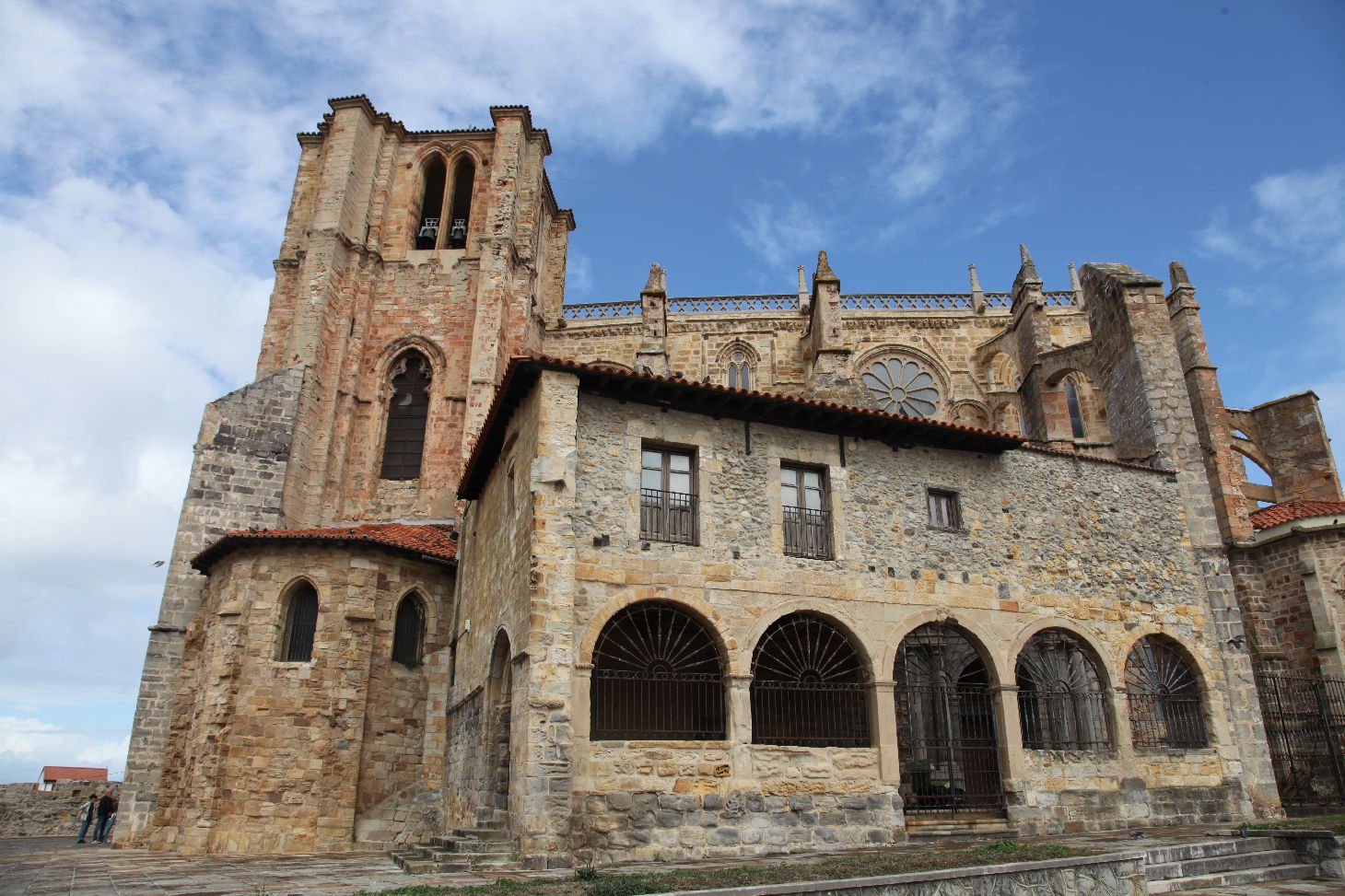
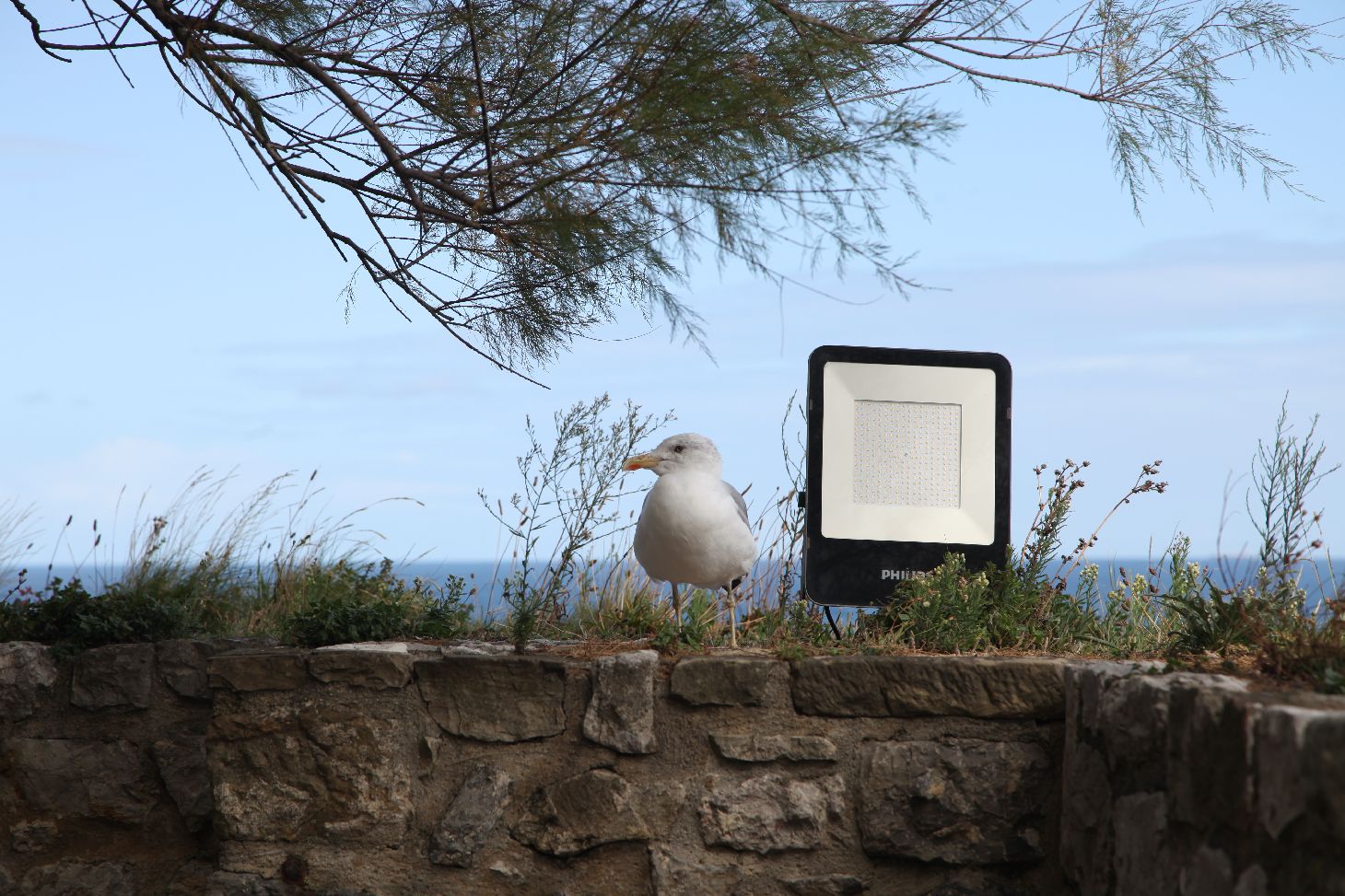
We also didn’t get to see inside the Castle of Santa Ana either because the guy in charge was just locking up to go for lunch as we got there. We managed five minutes in the courtyard before he booted us out! We also got the evil eye from a seagull!
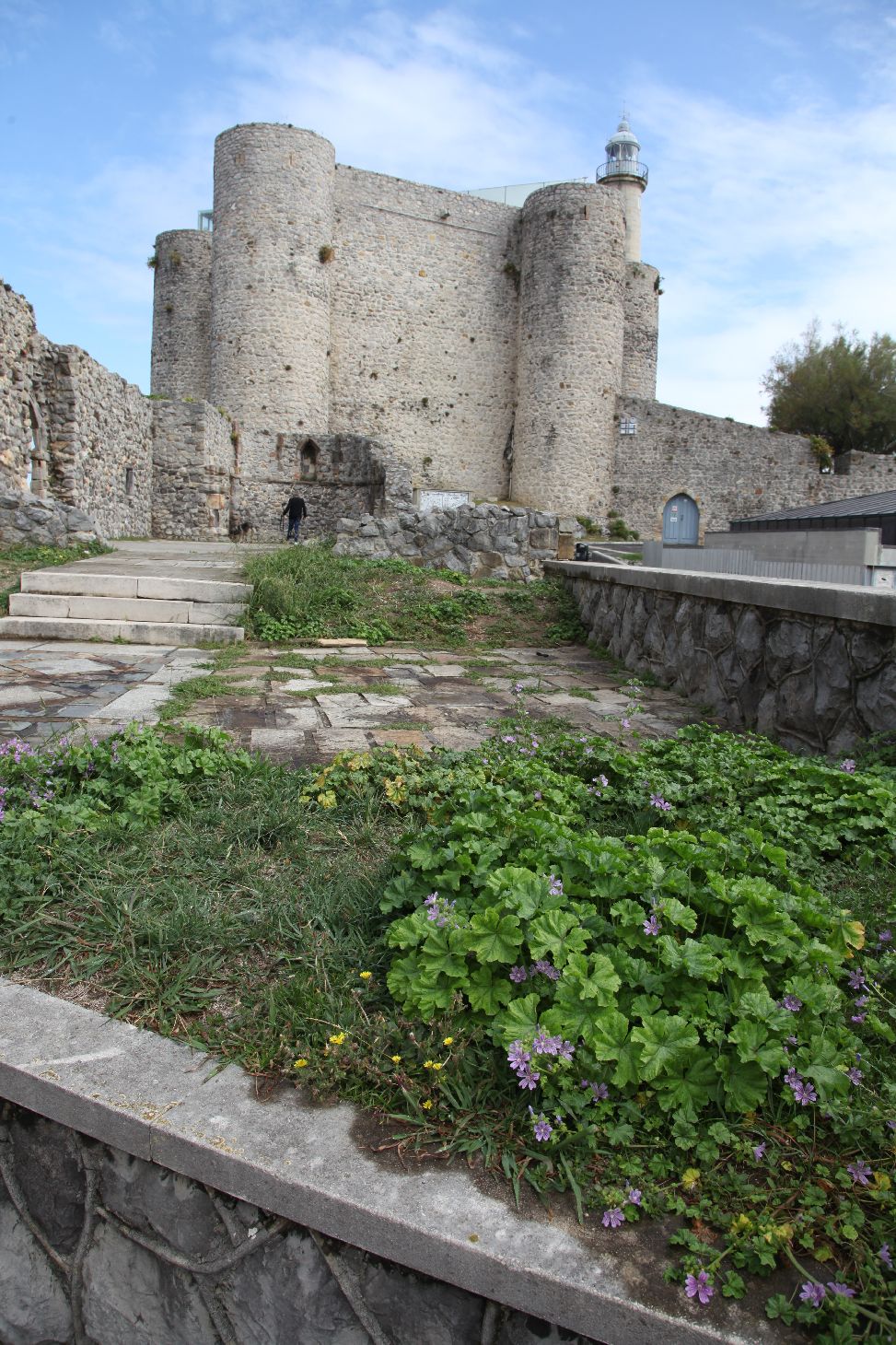
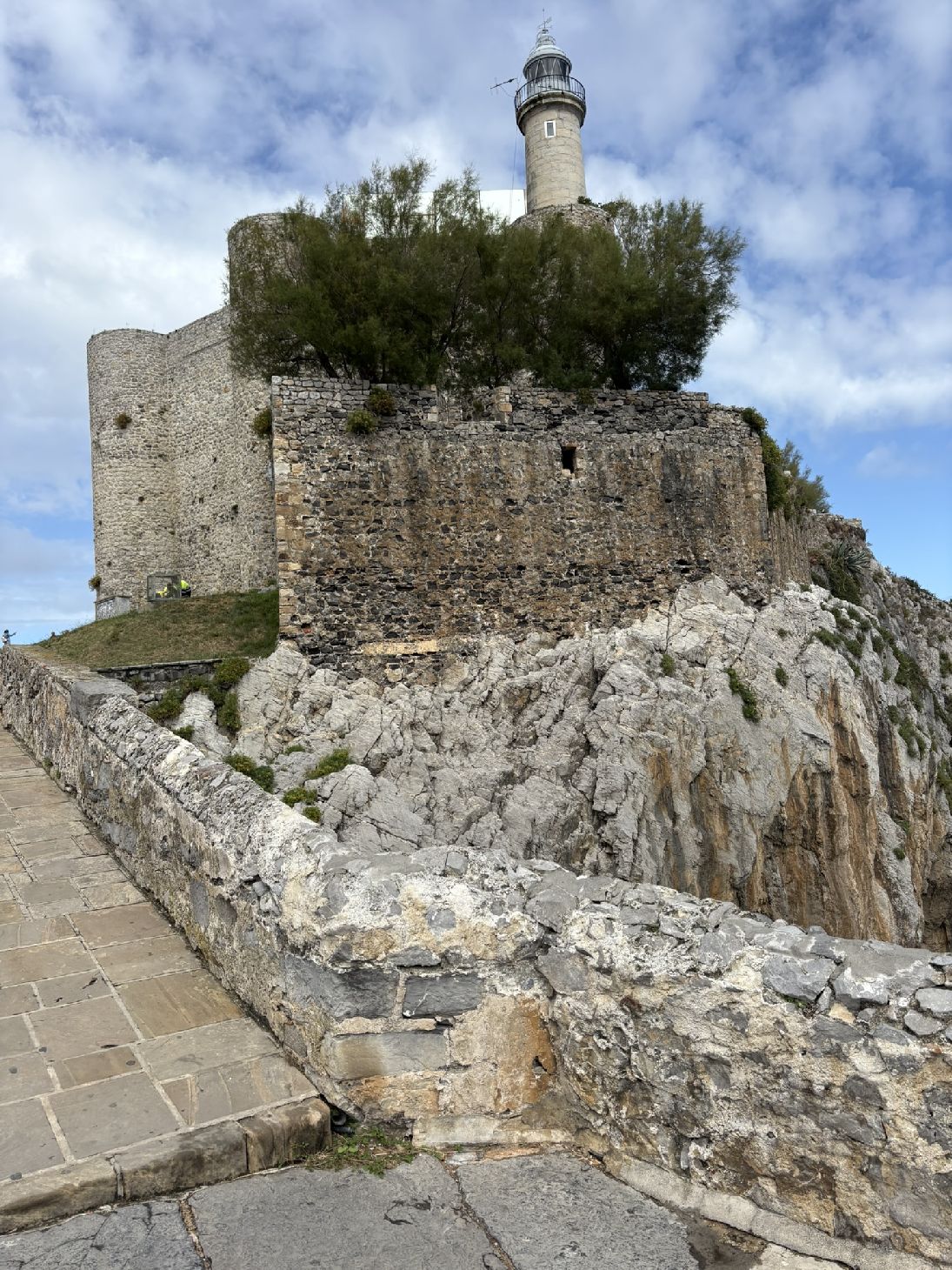
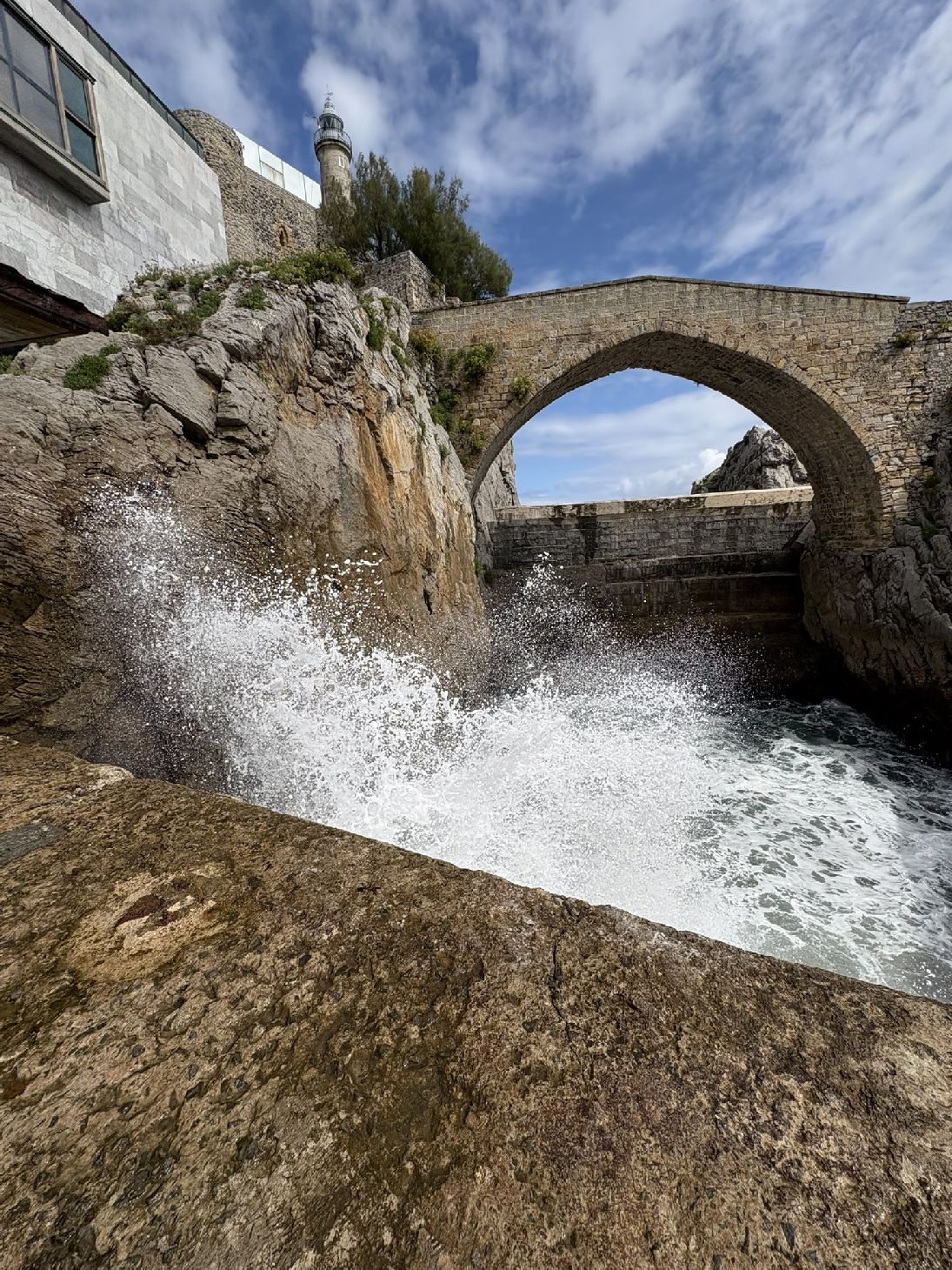
It’s an incredibly dramatic setting, and you can see why they built a lighthouse inside the castle, given you couldn’t get much closer to the highest point of the coastal cliffs.
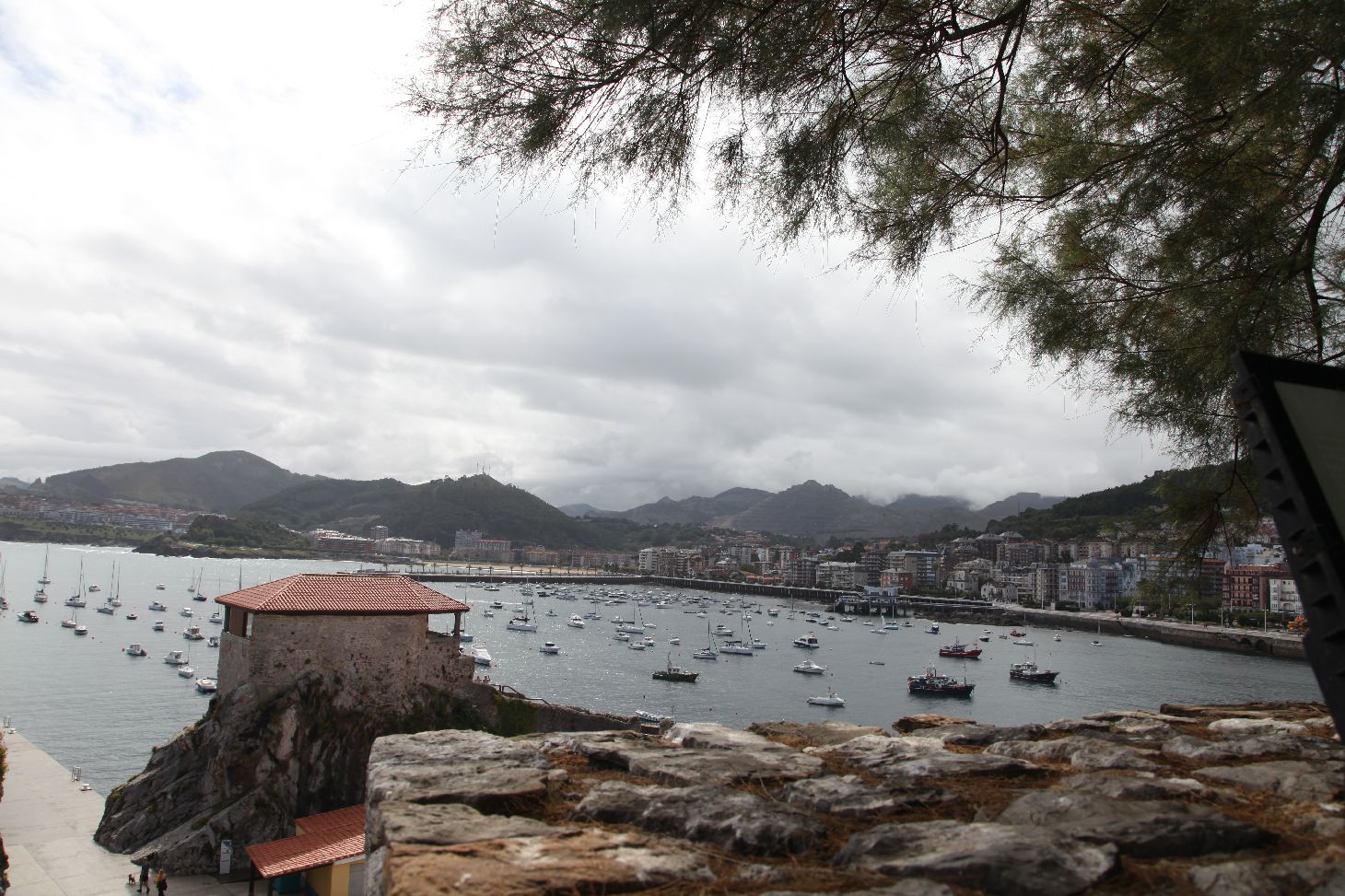
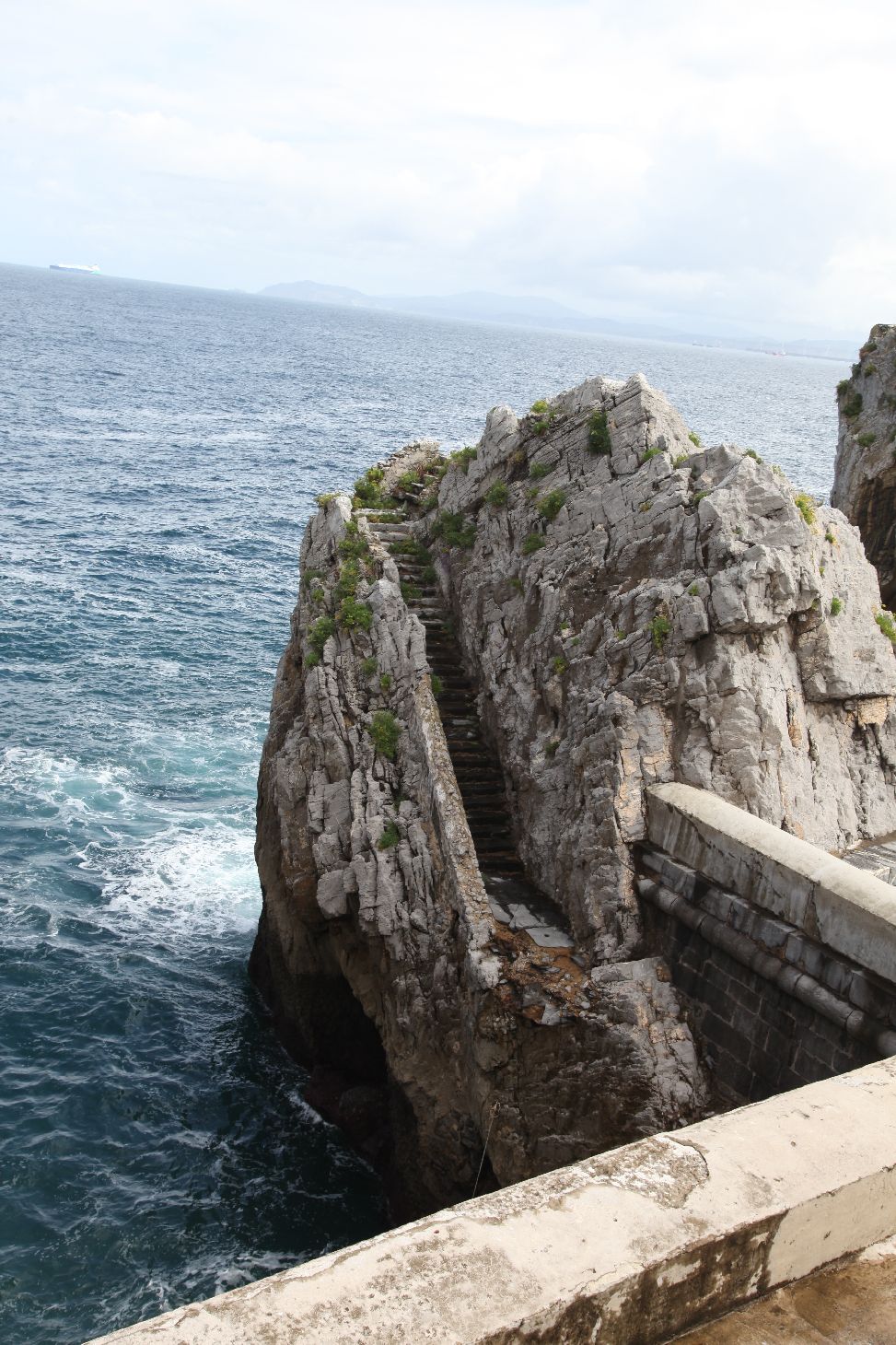
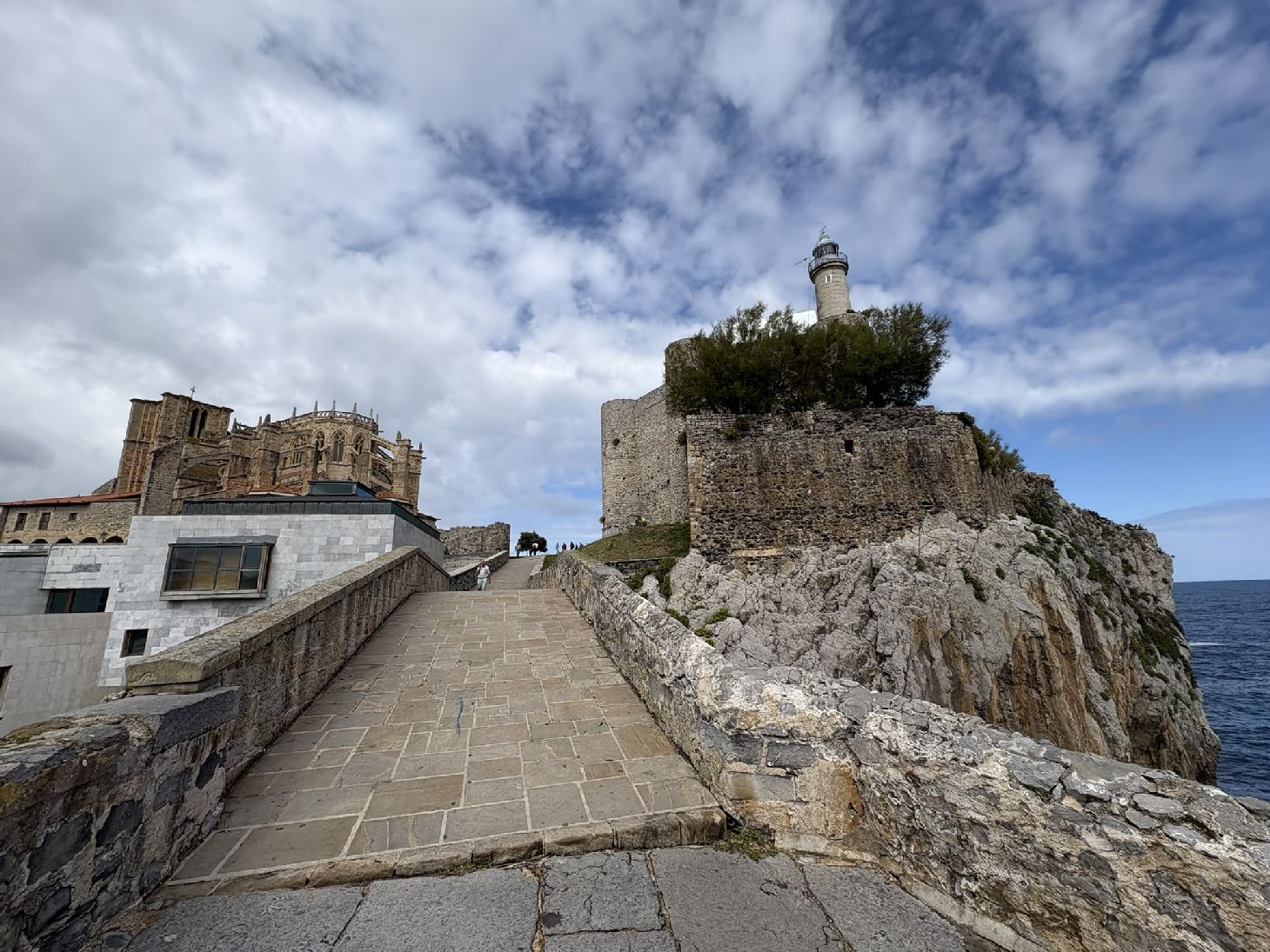
There’s a medieval bridge over the inlet to the harbour as well, and to call it picturesque is a severe understatement. We all spent more time than we probably should have staring at the waves crashing against the sea wall, all framed by the arch of the bridge, before we decided we’d better move on and take a look at the seawall where it stretched out to create a protective wall.
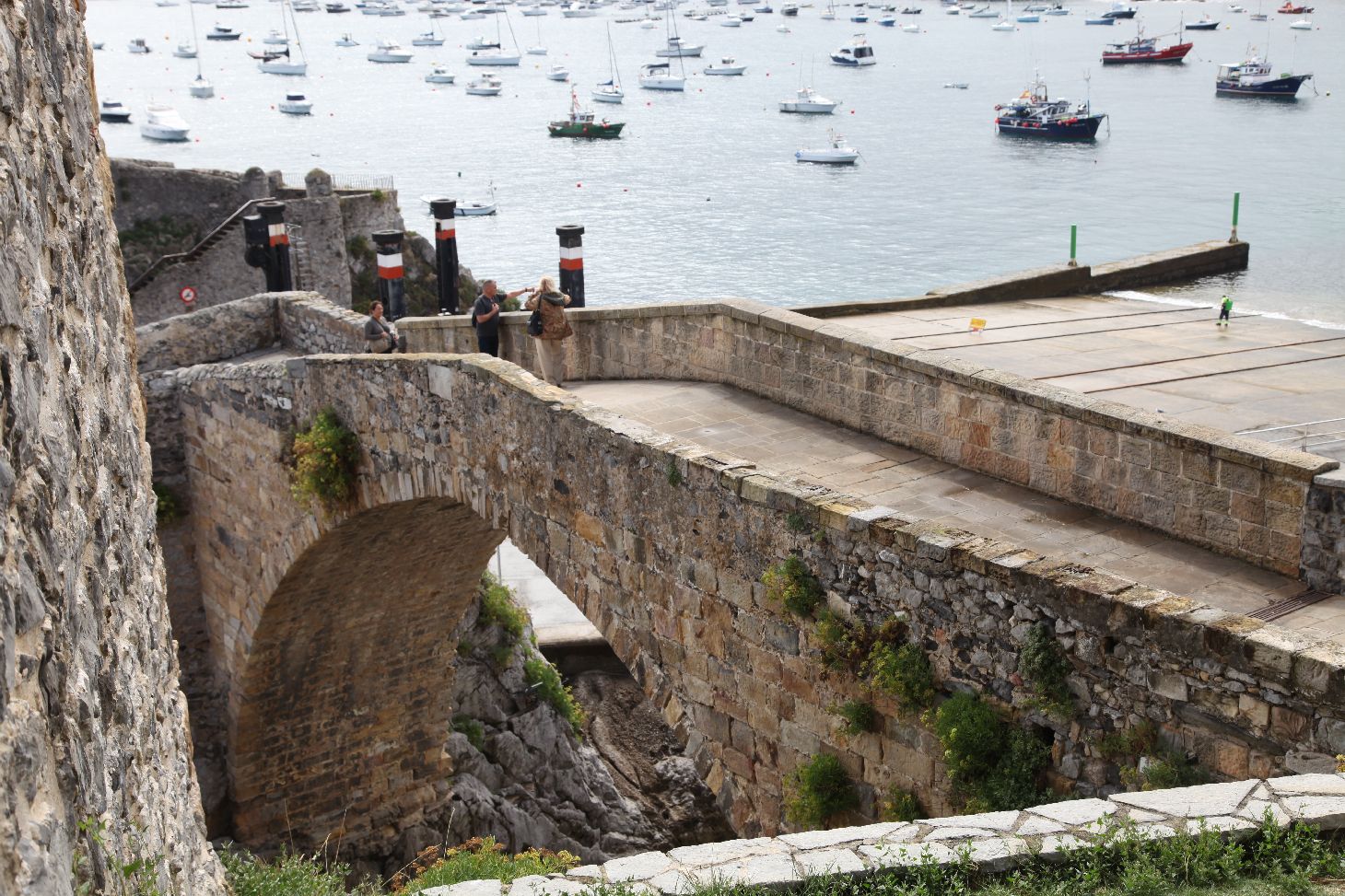
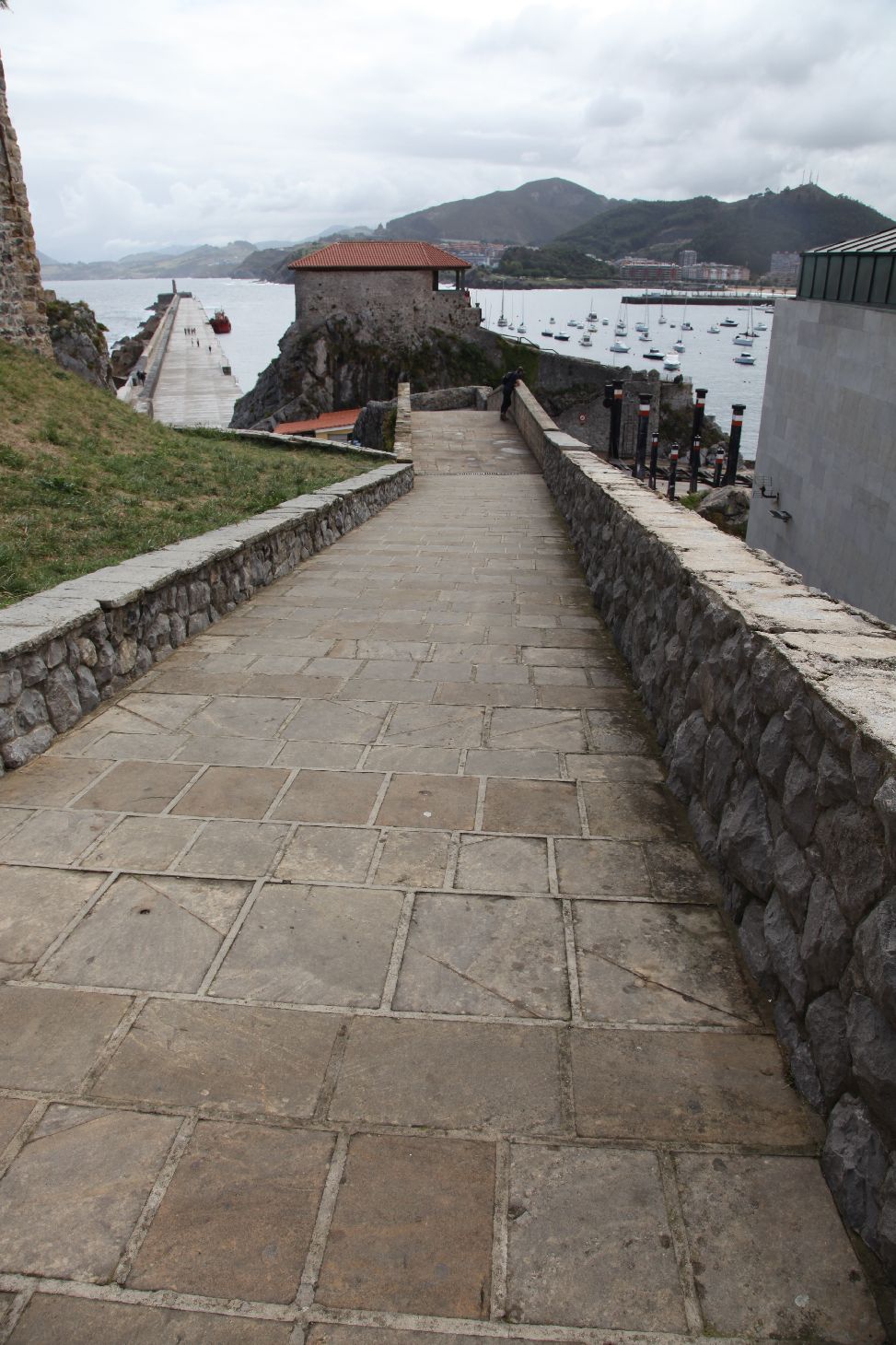
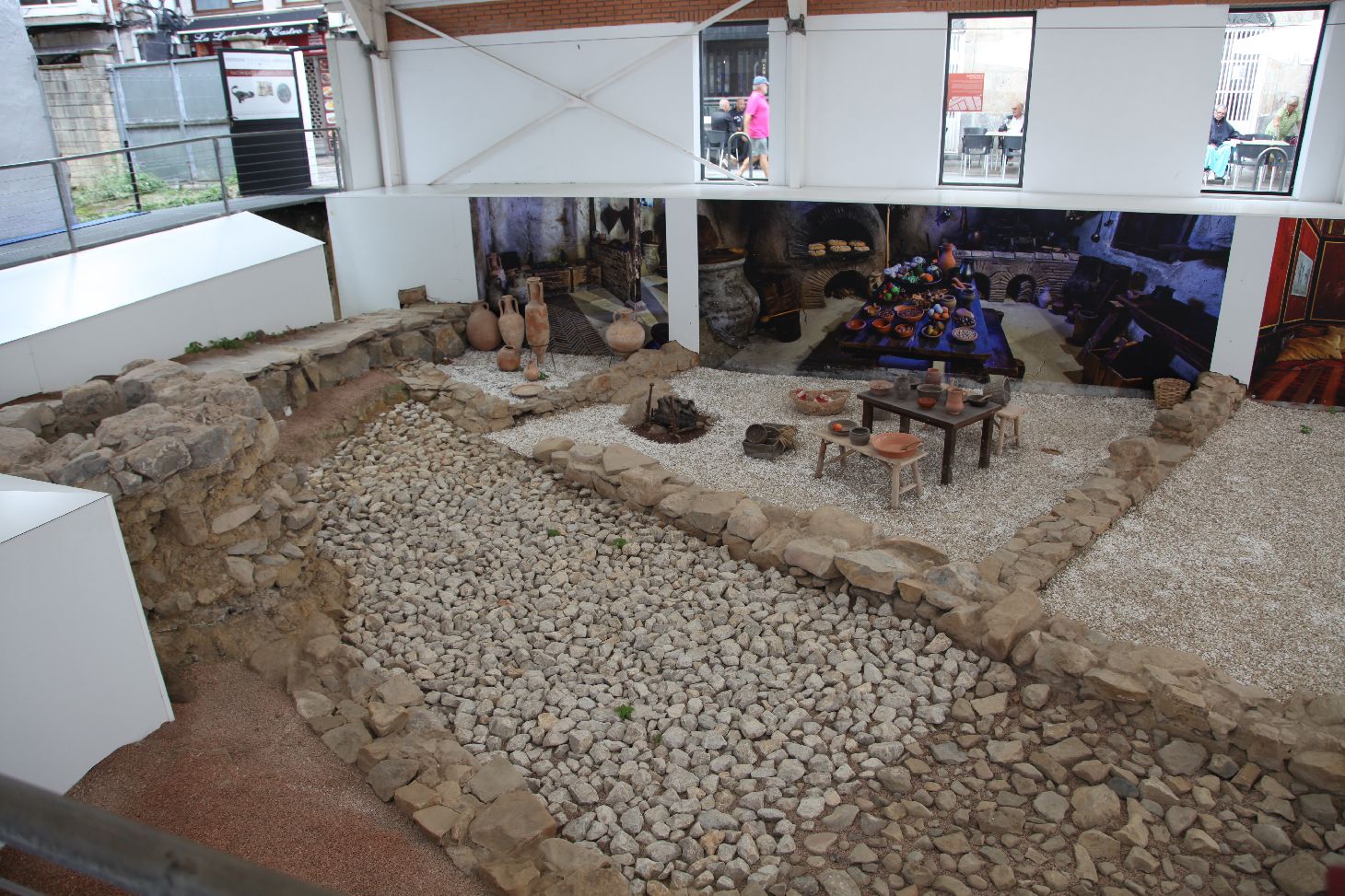
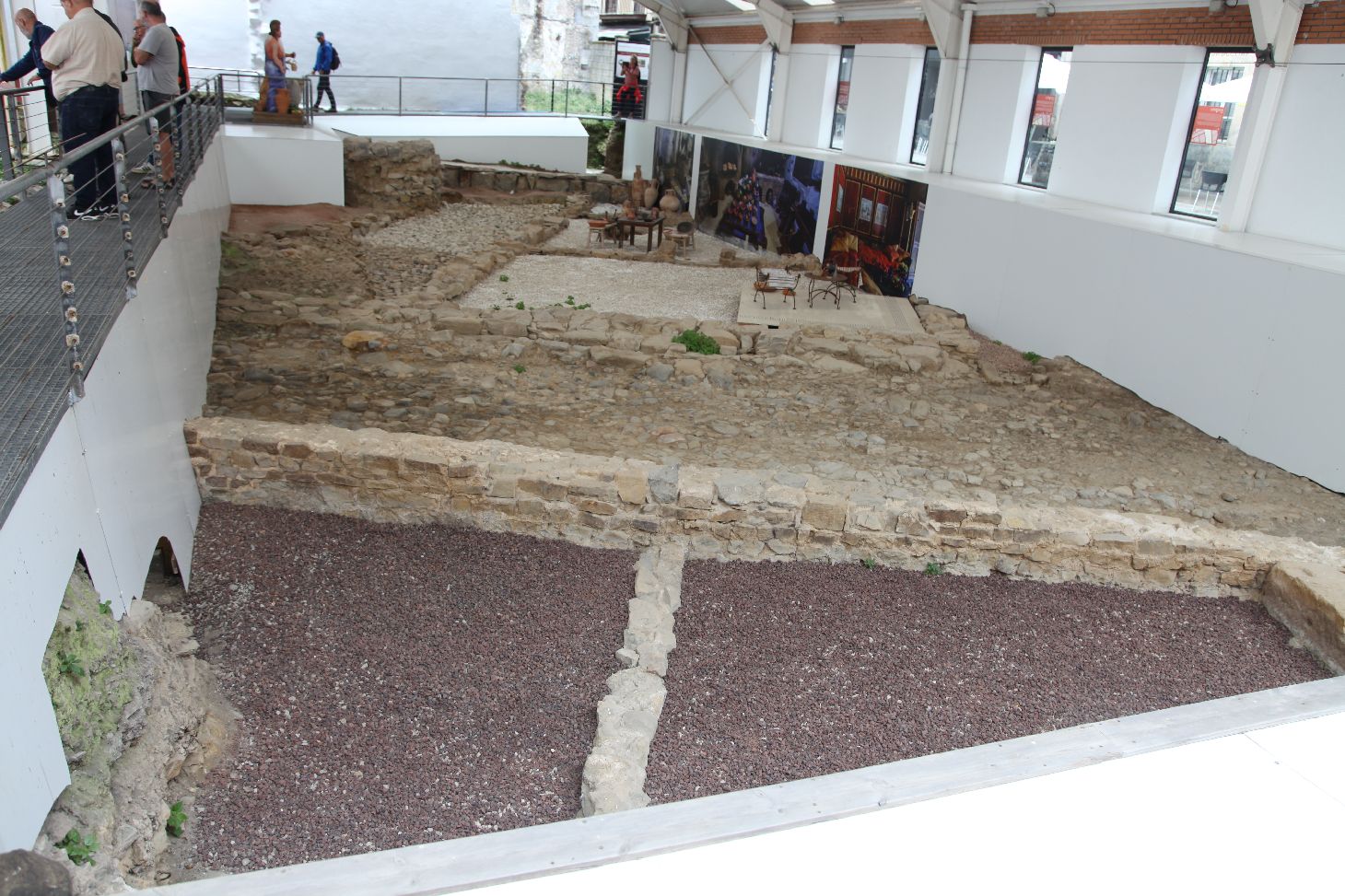
The other thing we were hoping to find was the remains of Flavióbriga which consists of the Roman road and buildings that have been found under the medieval town. Finds from the Roman colony can be seen in the Regional Museum of Prehistory and Archaeology of Cantabria in Santander but you can view the remains here from the street outside. We fully expected not to get any closer than that but this was actually open with a small tour group going round so we went in and had a good nose around.
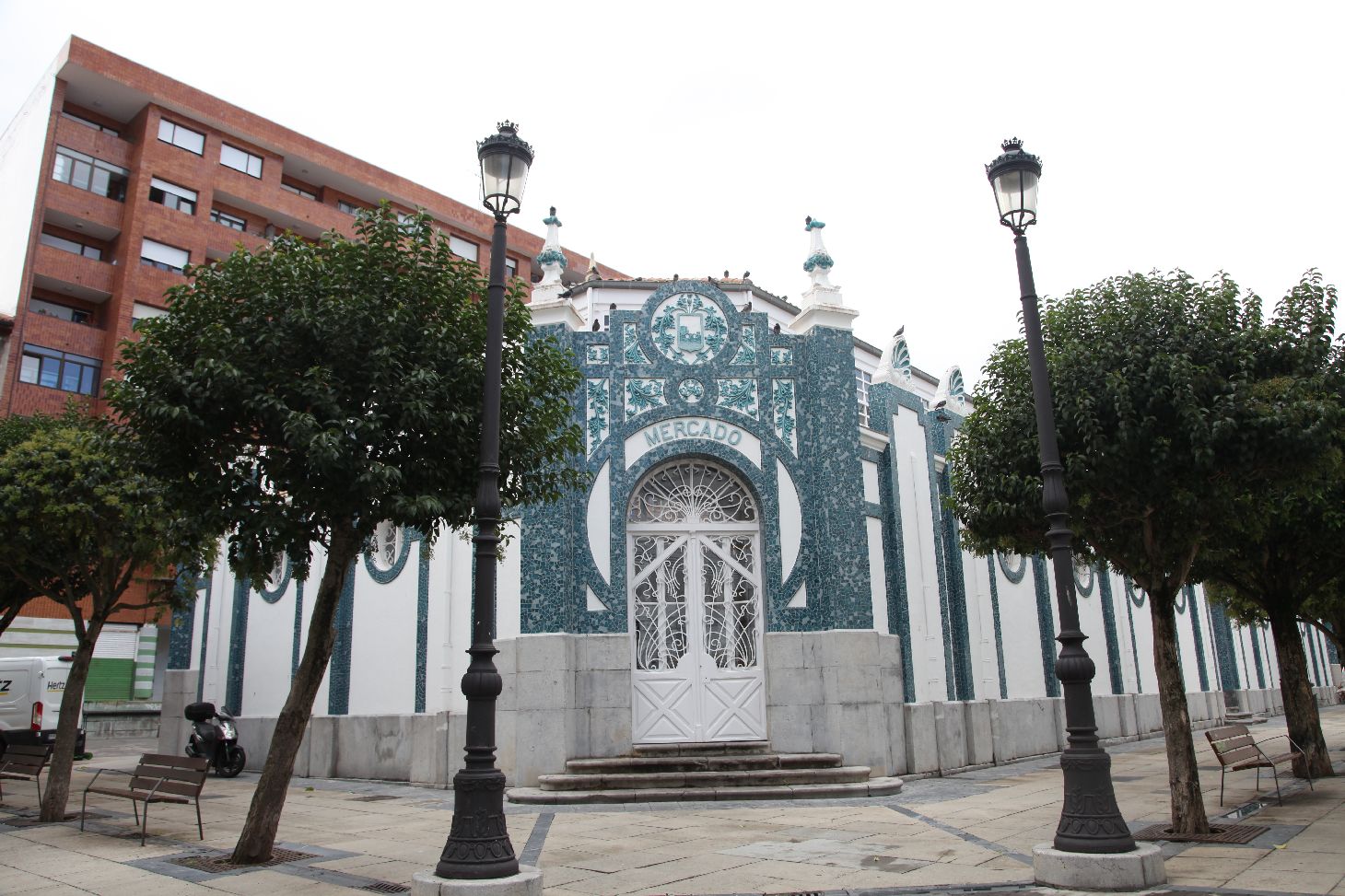
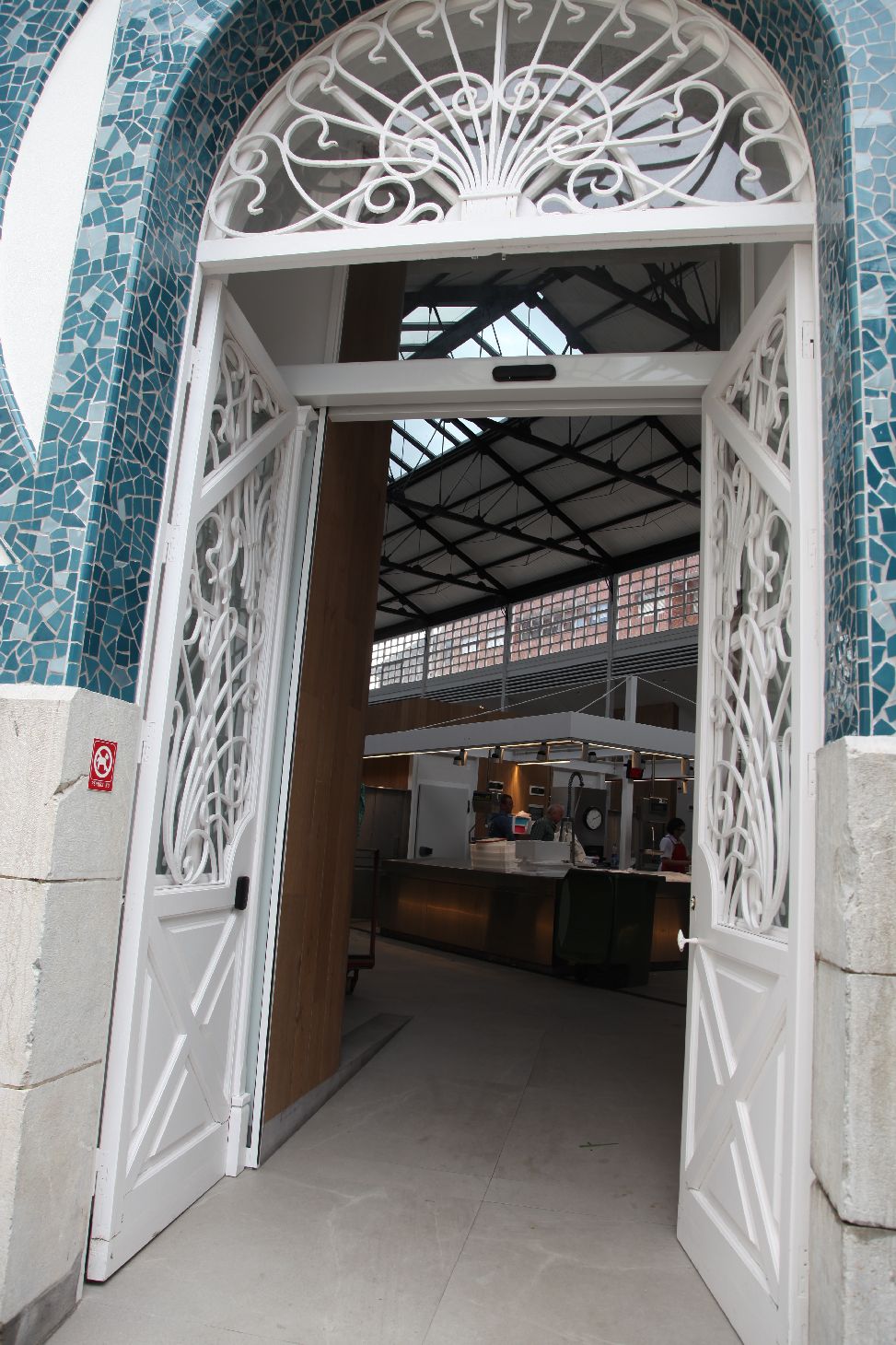
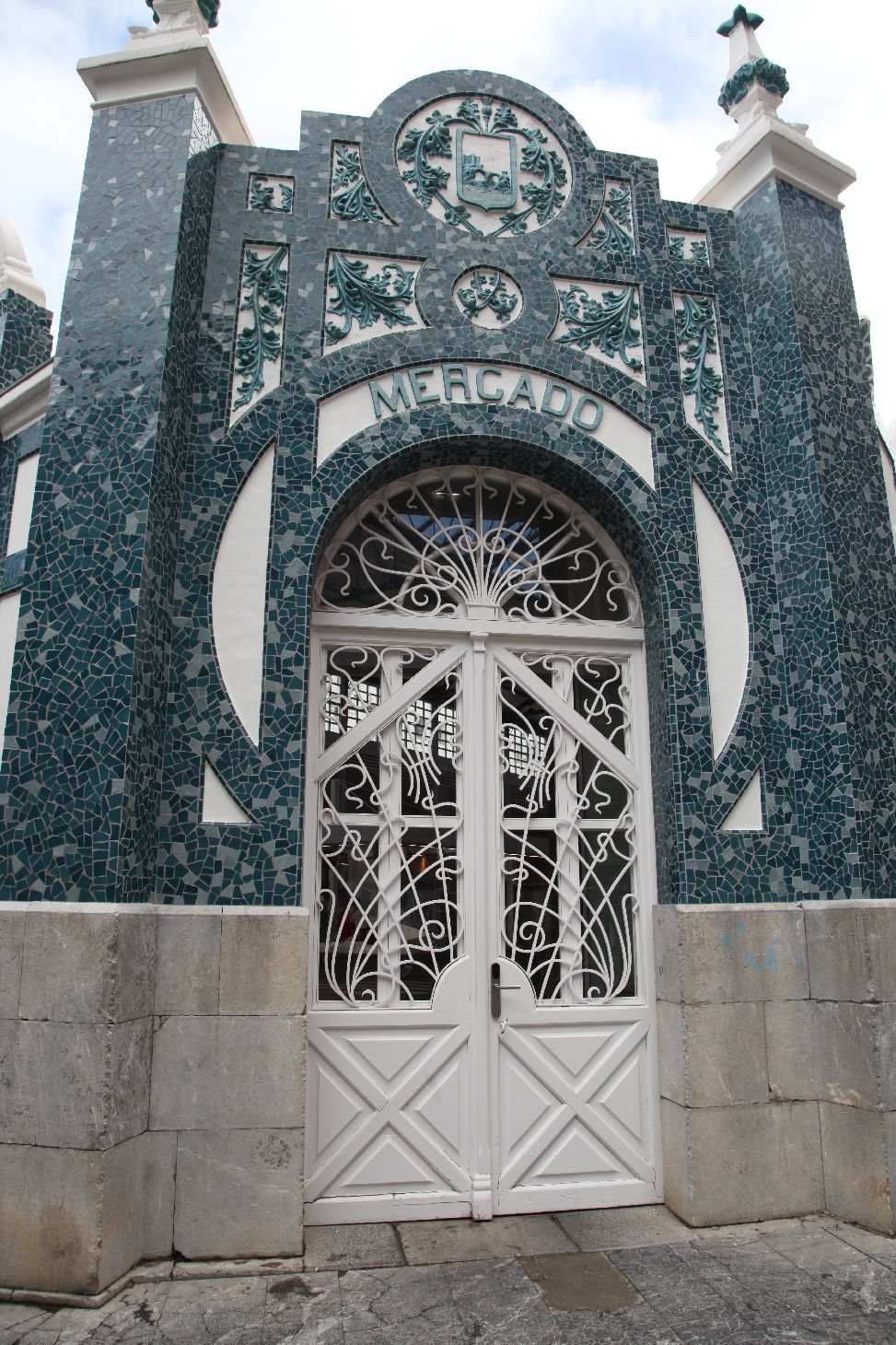
Sadly the market hall was closing as we got there, but that is also worth a visit and is housed in a beautiful white building with blue tiling and gorgeous metalwork. Given our lack of timing there, we headed over the road to a small supermarket where we rounded up supplies for the next apartment.
And then we extracted the car from the car park and headed back to the motorway.
On arrival in Oviedo we once again found the apartment easily enough but had something of a game of tag with the keyholder. So far both times they’d insisted on communicating via WhatsApp and that really wasn’t working well for me. Eventually we got the key and were able to check in, after which I spent what felt like a week attempting to park my car in the space that was allocated to the apartment. What felt like about a 365 point turn was required and I swore there and then that I’d not be moving it again until we were ready to move on.
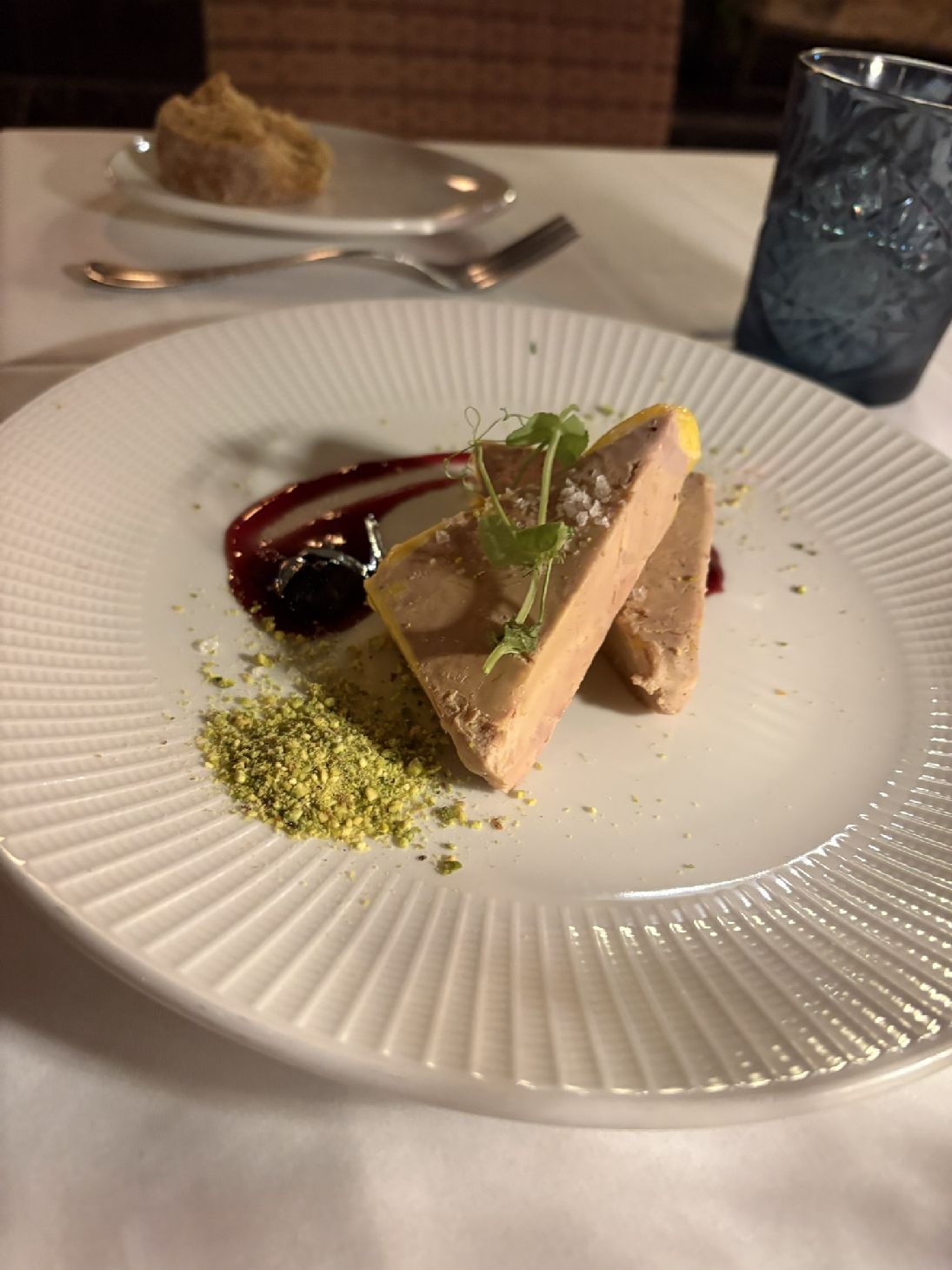
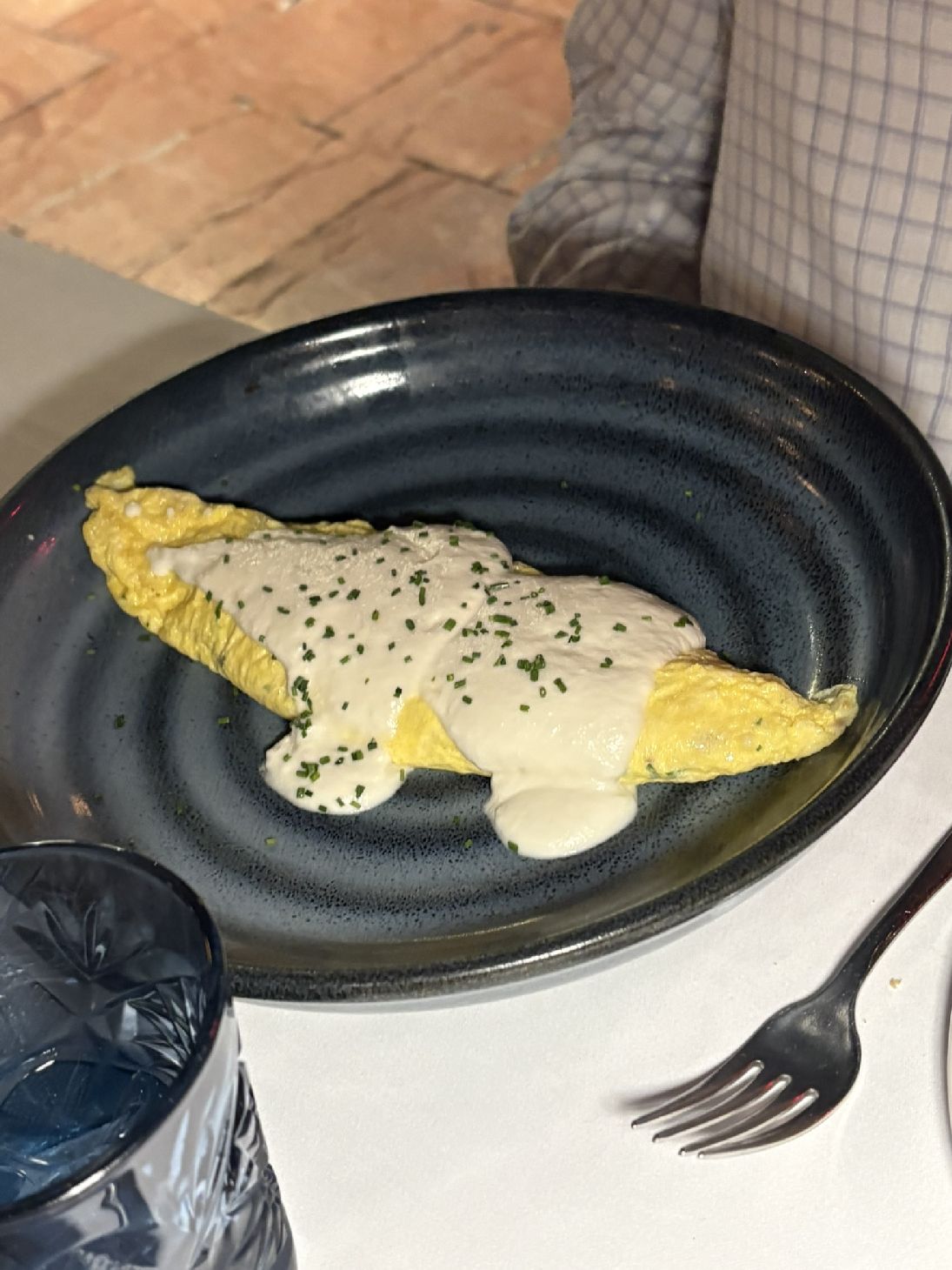
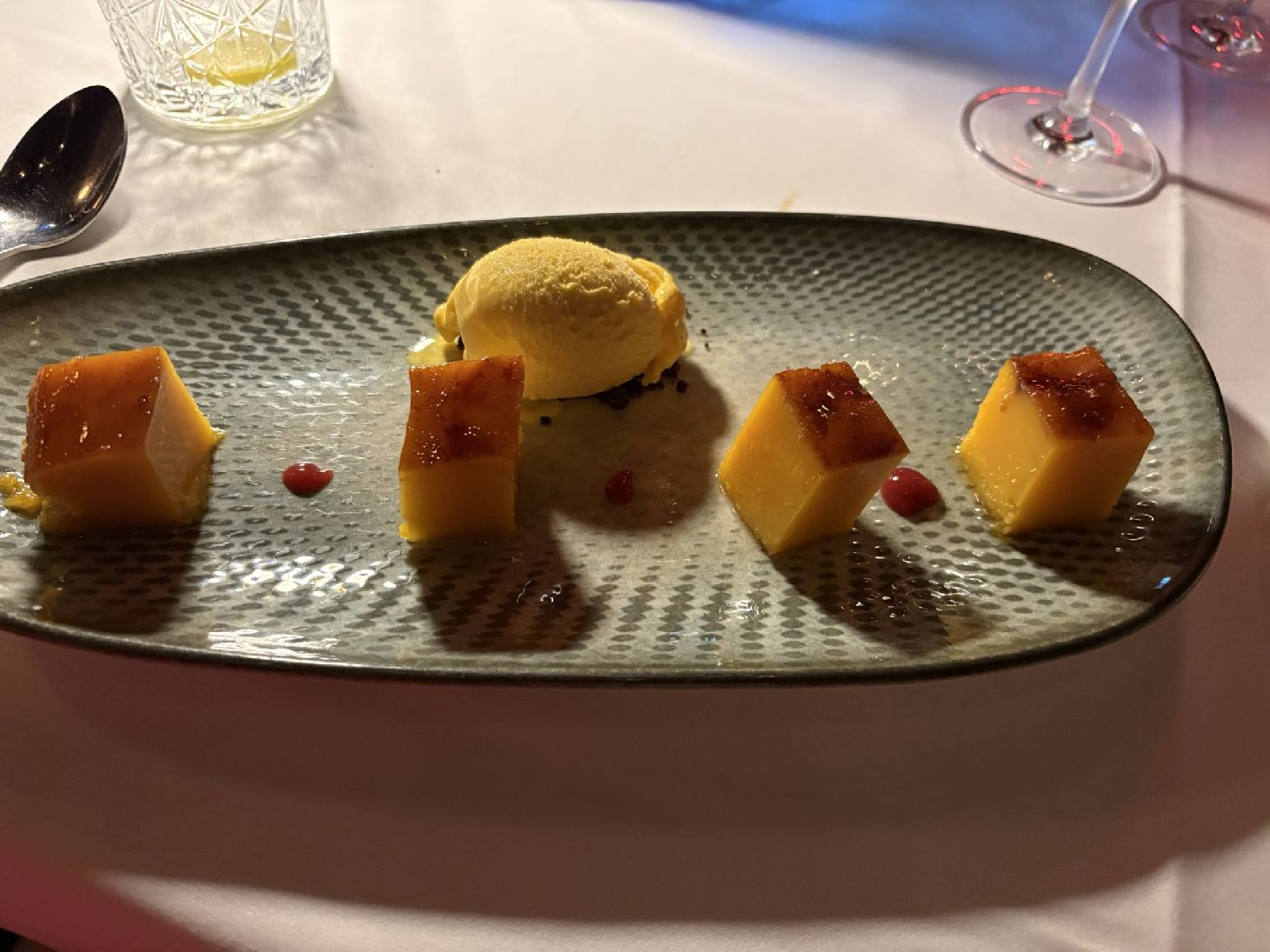
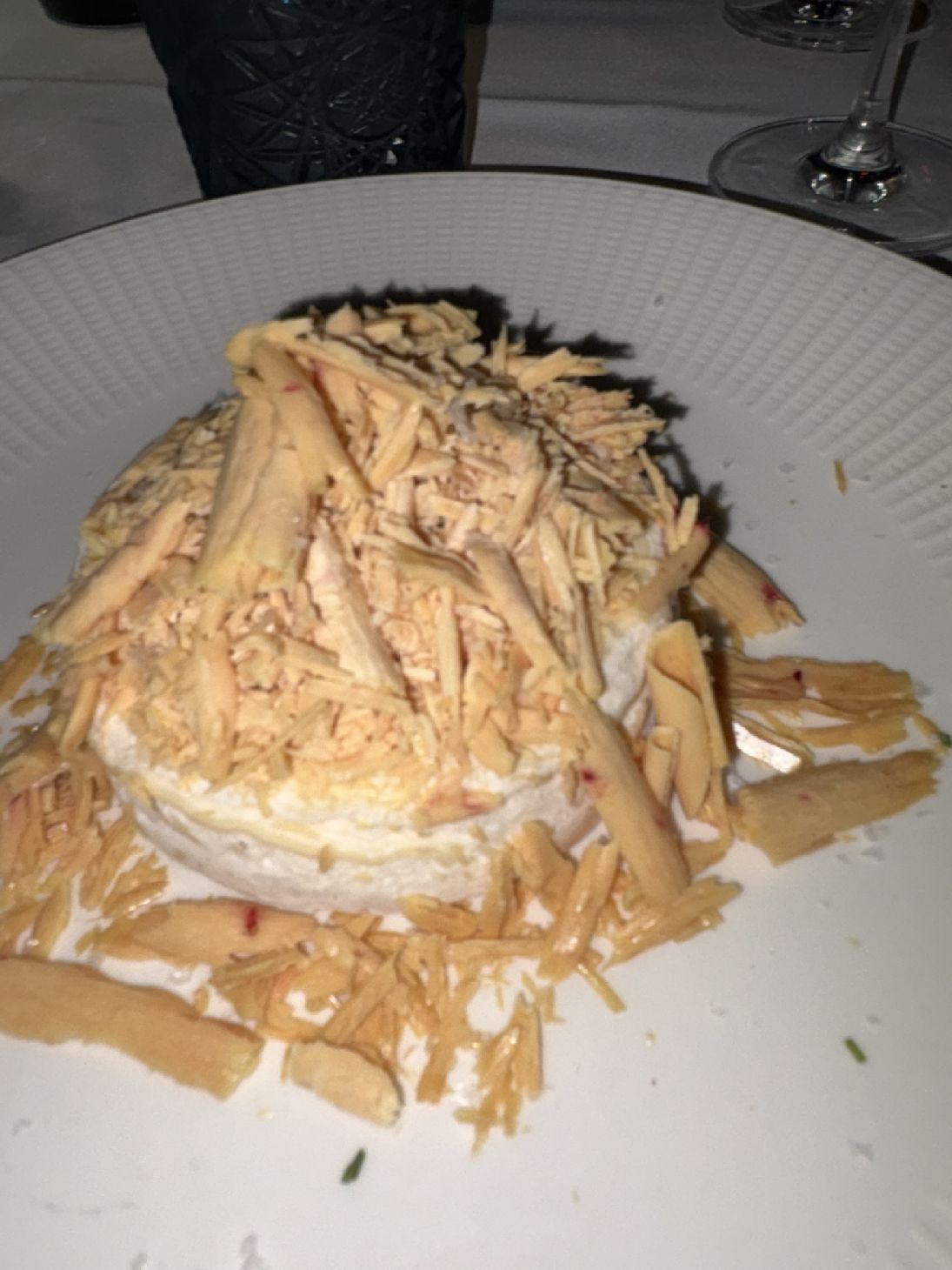
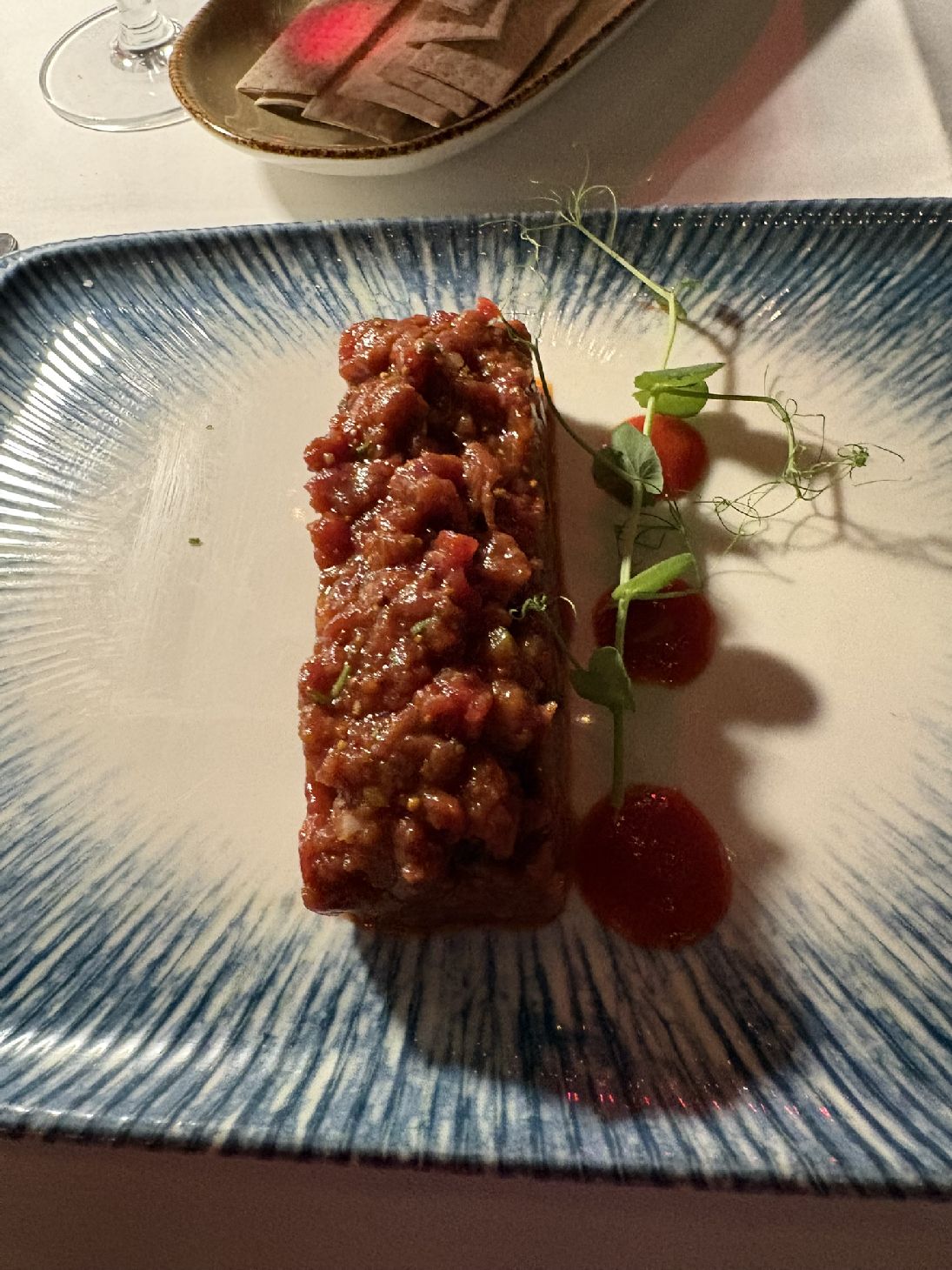
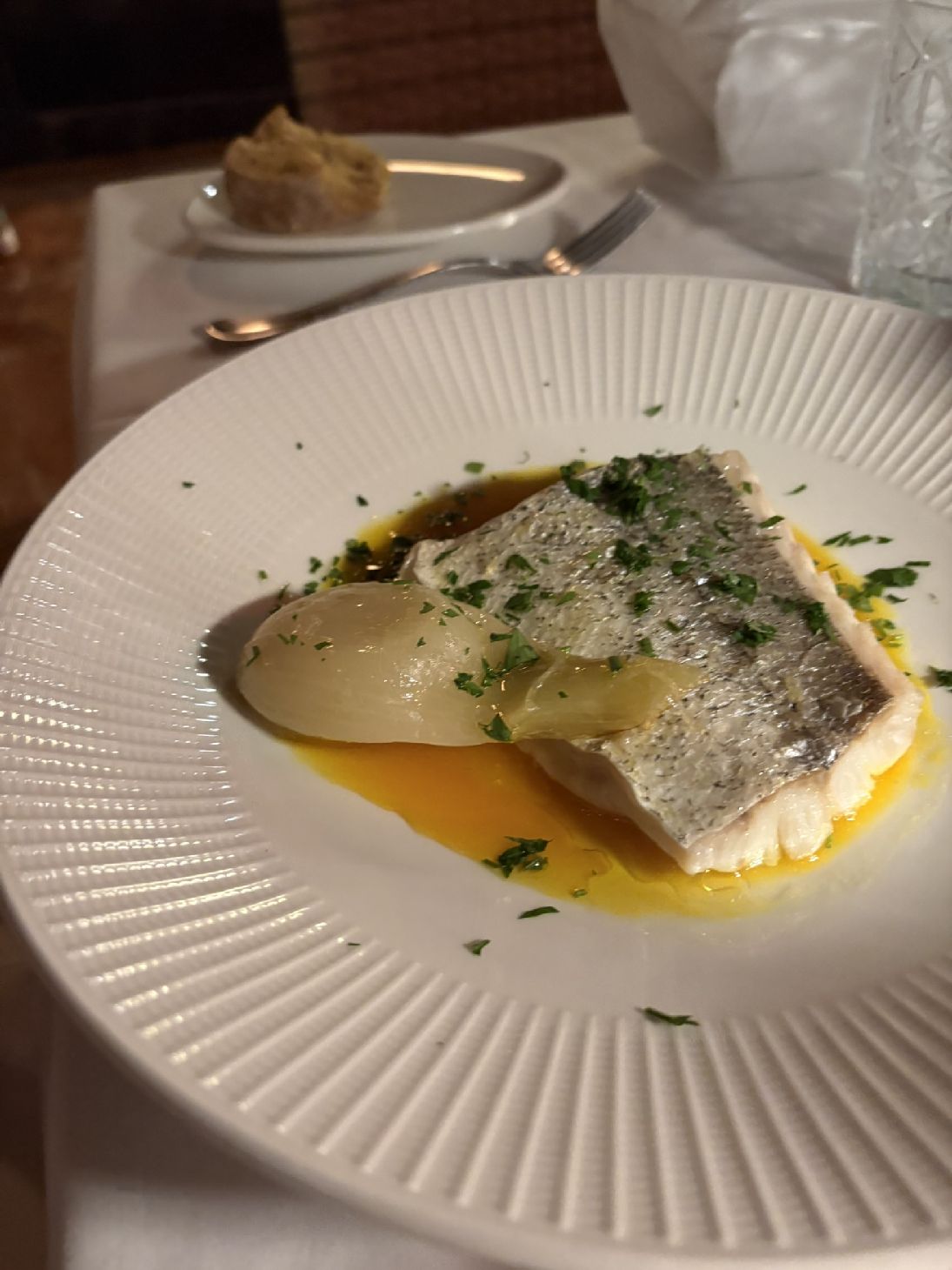
After we’d got organised we headed out in search of dinner. I’d been told that a place we should go was La Corte de Pelayo if we wanted traditional local food and wine. As we got closer we wondered if we would manage to get a table but as long as we didn’t mind sitting on the covered terrace they could fit us in. It was a tad chilly but they turned on the heaters and we were soon happily tackling a vermut, this time a white one, while we studied the menus and decided what we wanted. Asturian specialities seem to be very substantial but also very good. Though if I’d known how scarily big the cheese with foie gras shavings was going to be I might have thought twice. It was so rich that I couldn’t finish it, any more than A was able to finish her enormous portion of foie gras. We were impressed that we didn’t even need to ask if we could have a “doggy bag” to take the remnants away with us. It was offered before we’d even considered it. Oh and the Tocinillo de Cielo (“heaven’s bacon”) with a mandarin sorbet was an absolutely killer dessert.
Meanwhile, outside, it was getting noisier and noisier because we’d hit the the festival of San Mateo when it seems any possible music venue is in use. It was nice of them to celebrate our arrival in this way but we were a tad worried that noise would once again be an issue. I’m happy to report that it was not a problem – the apartment faces into a courtyard, and it was blissfully quiet overnight. The Apartamento Quintana was proving a vast improvement on “Comfy & luminous terrace apartment” in San Sebastian before we’d even got started.


