Monday 21st October, 2026 – Santander
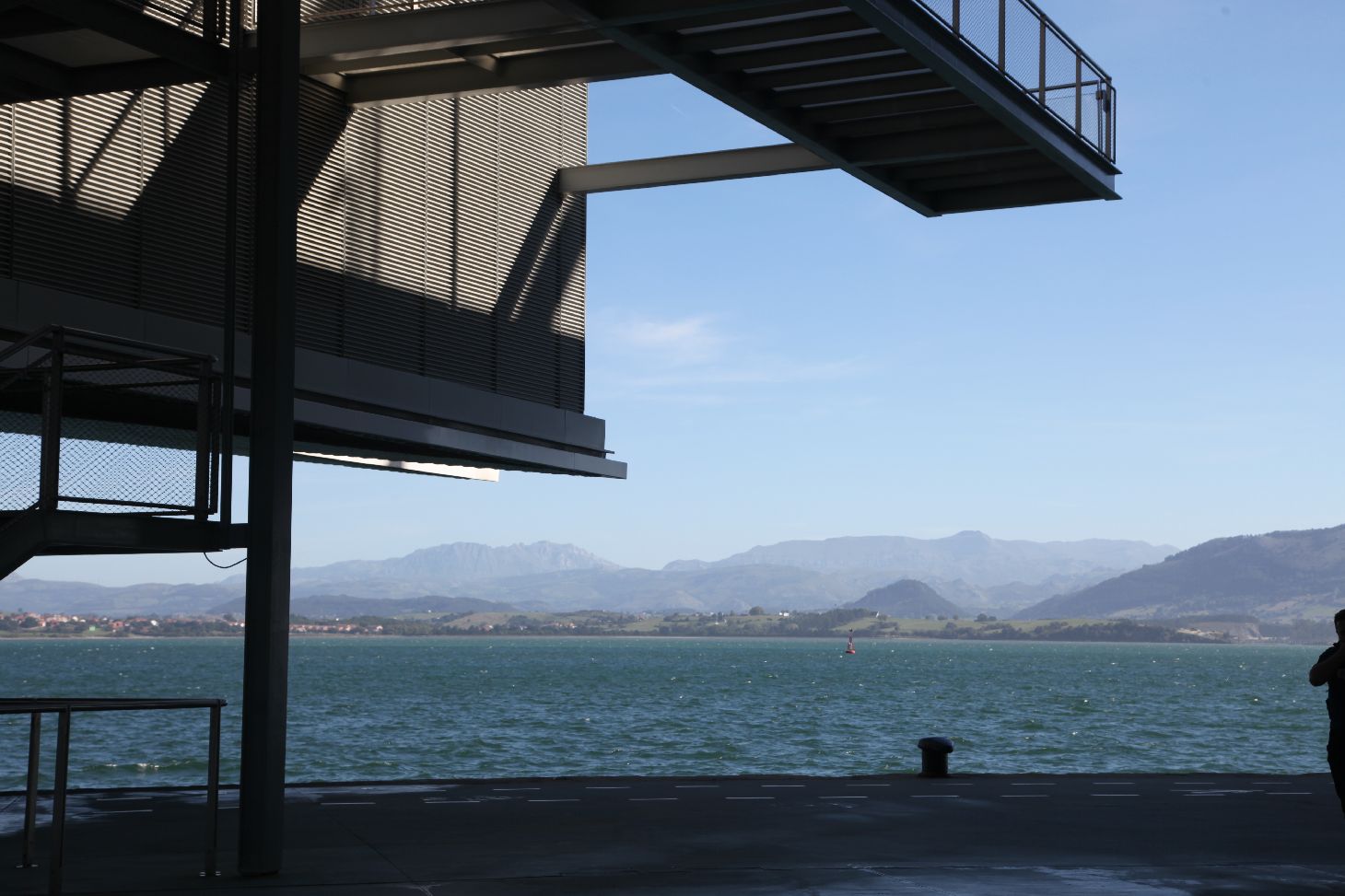
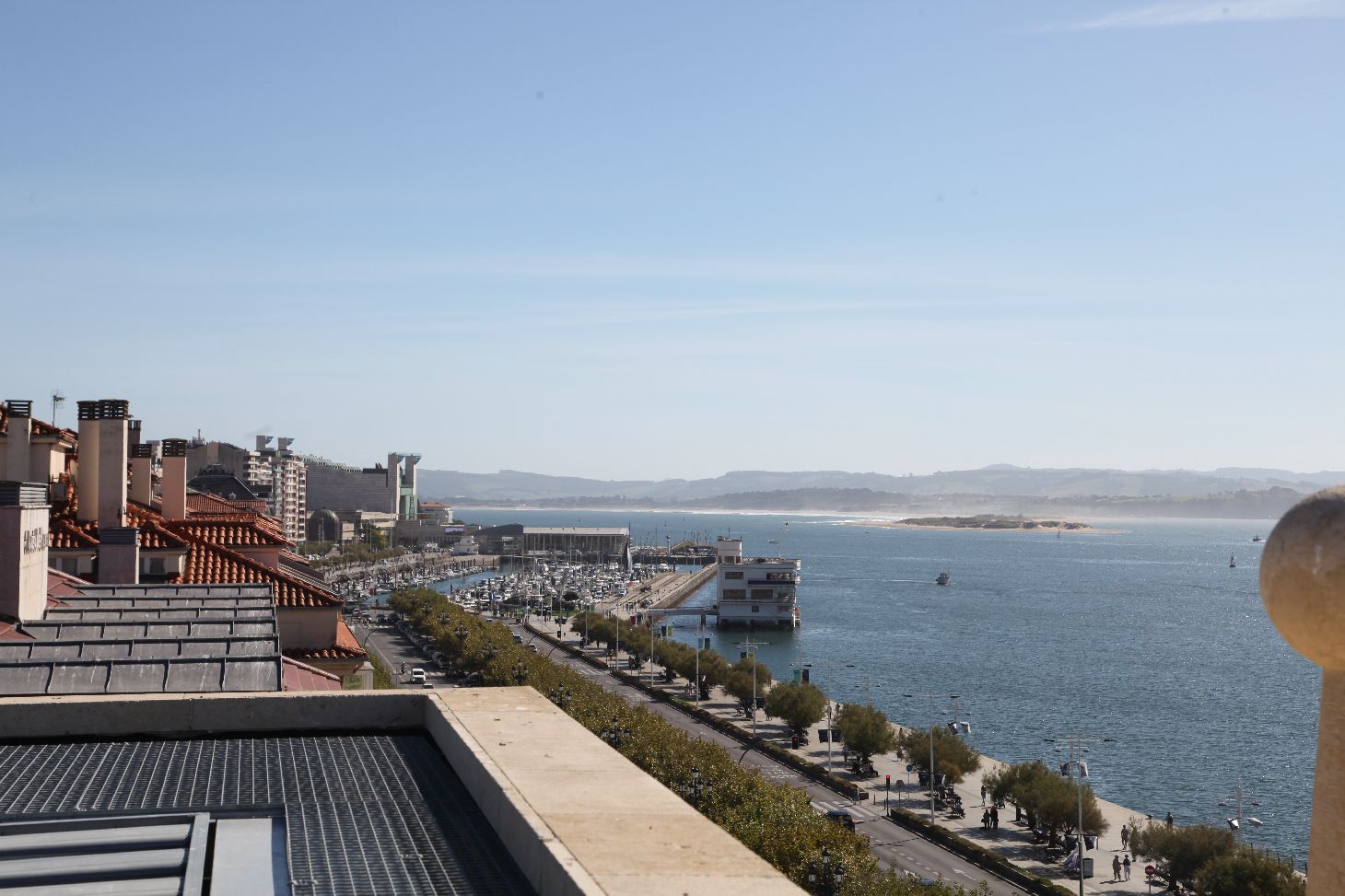
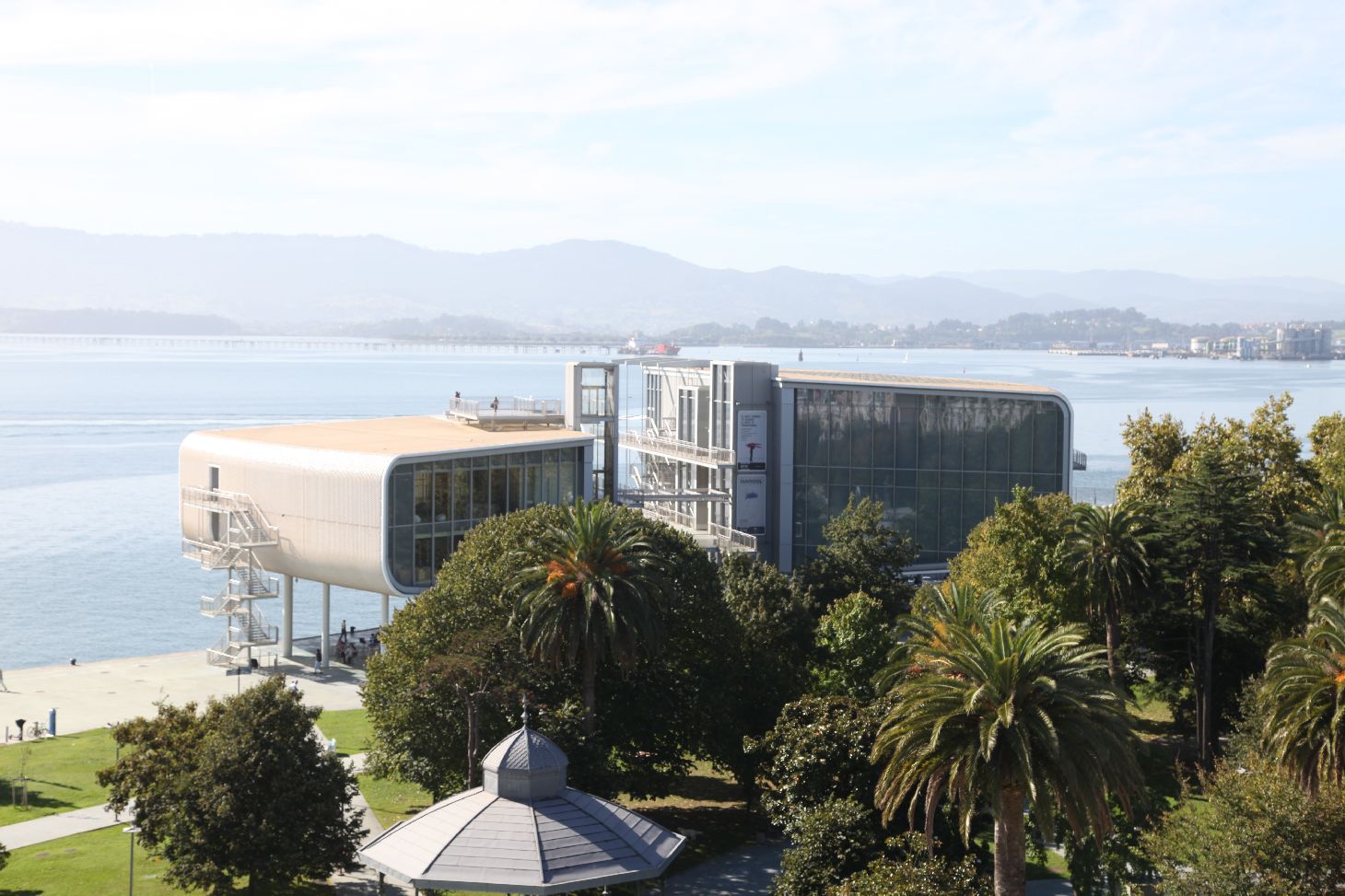
I was awake good and early on Monday morning so I made myself a coffee, drank some water, and got my running kit on. I increasingly like to run in a new place because it gives me a chance to get my bearings, and as I was seemingly the only person in our quartet with a sense of direction, I like to take a good look at our surroundings before people start asking questions! I crossed the road to the Centro Botin, then turned left and ran along the promenade all the way to the Museo Marítimo del Cantábrico while the sun rose spectacularly over the bay. I made a note to take my phone with me when I next ran because that was something I wanted to capture.
Back at the hotel I showered, and changed, and we all met up for breakfast in the hotel’s bar (which doubles as its breakfast space). Our plan for the day was to go to Faro Santander and see what it had to offer. It had only opened to the public on 8th September (after being officially opened the day before) so was all shiny and new – and very popular by the look of the queues at the ticket desk. We’d bought ours the day before so were able to just swan right in.
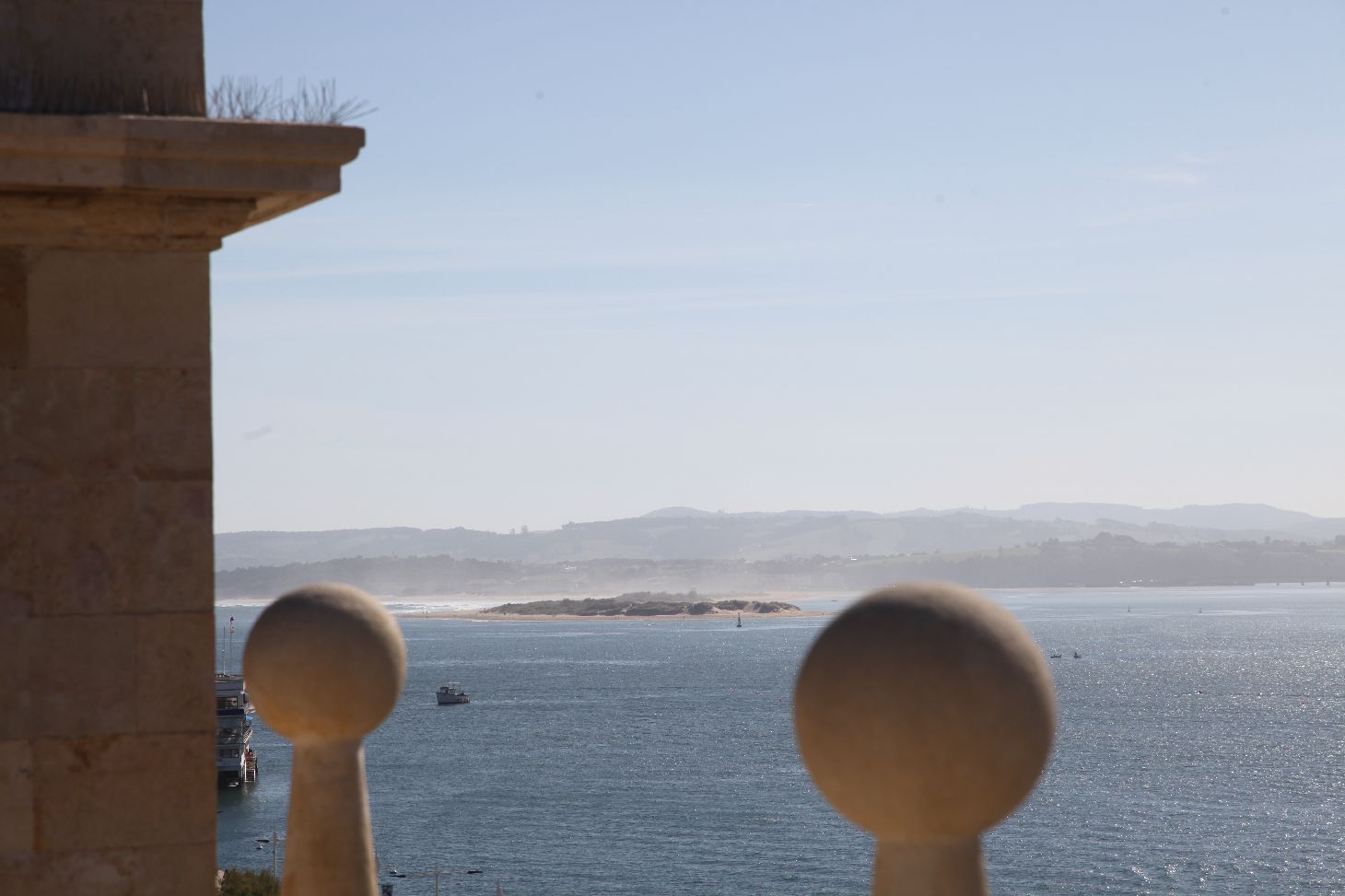
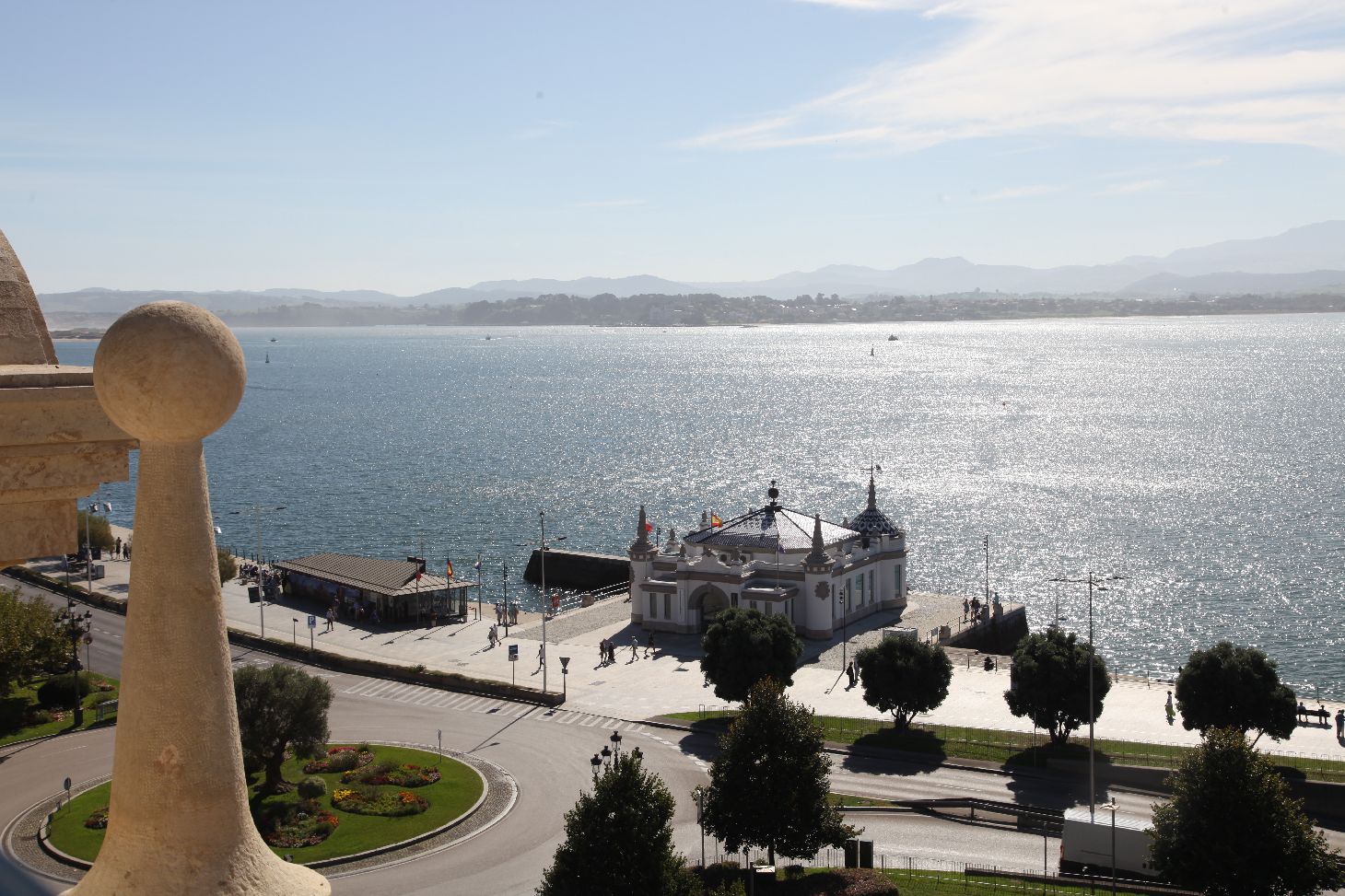
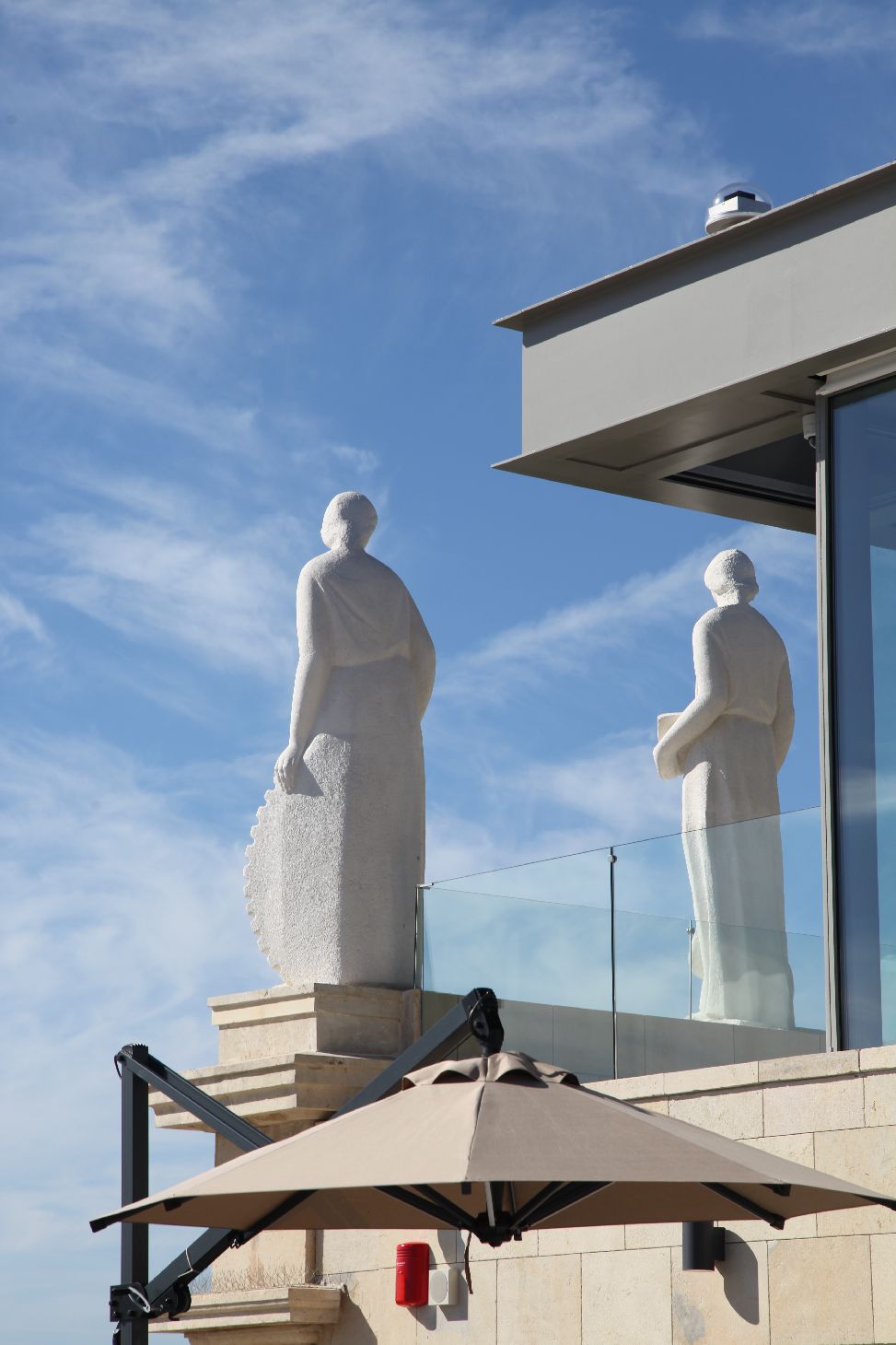
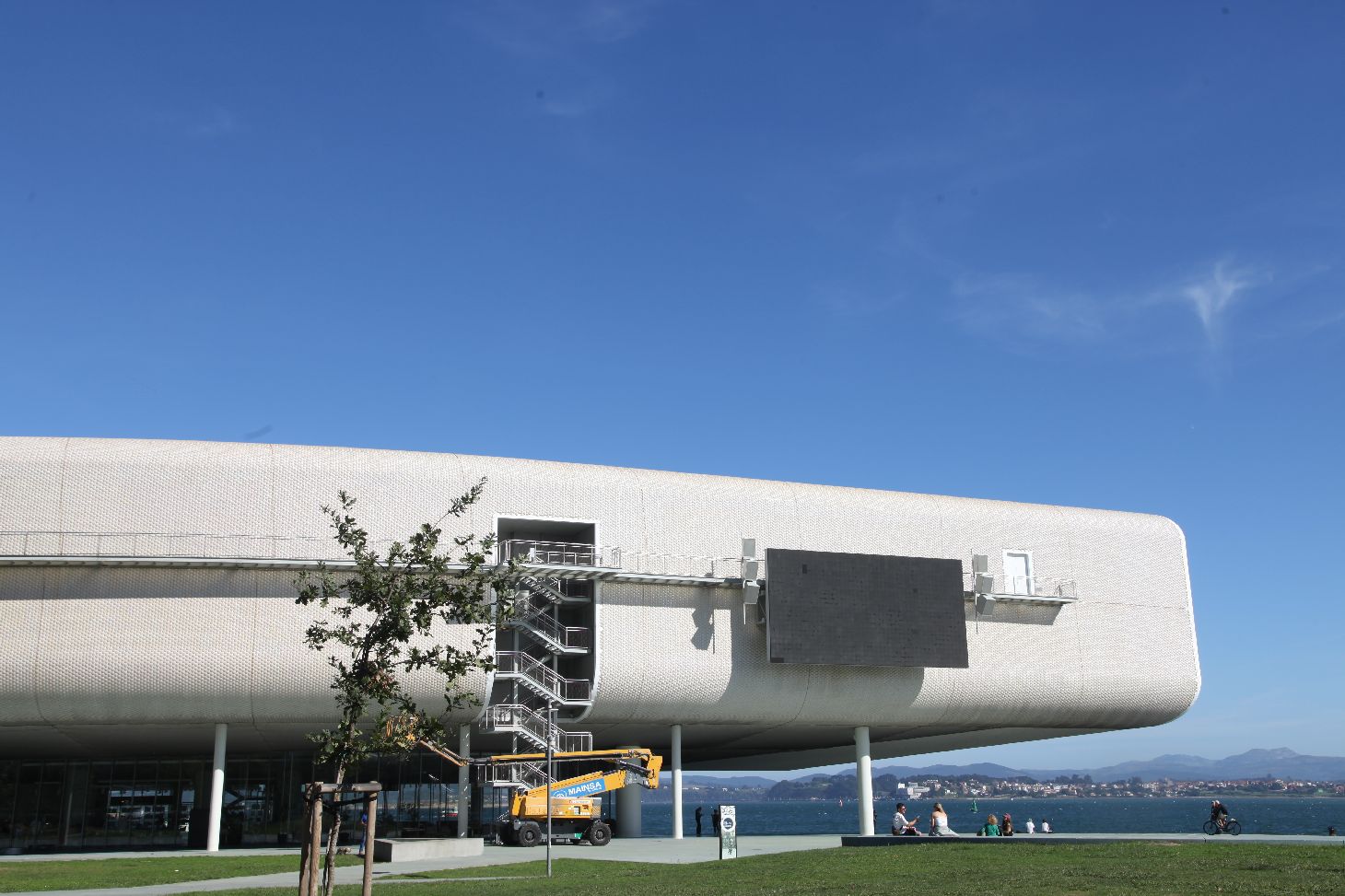
It’s a very impressive building – which is no surprise because it was formerly the Headquarters of the Banco Santander, which was founded in 1857 to “facilitate trade between Spain and the Americas”. The new space, designed by architect David Chipperfield, winner of the Pritzker Prize in 2023, is yet another incarnation for the Paseo de Pereda building, which started life in 1795 and was, among other things, a hotel and a sailing club, before being taken over by the bank in 1923. It was redesigned in the 1950s to “provide the bank with a headquarters befitting its ambition to become a leading institution in Spain with an international outlook”. This resulted in what had been two buildings being linked with a distinctive large arch, crowned by four female sculptures representing navigation, trade, culture and the arts. I suspect that those who worked in the building when it was still a bank would not recognise its interior now. It’s now a contemporary, accessible, open space with room for the art works to breathe. And oh yes, the art works. In some ways that’s the entire point of the place – to show off the collection amassed by Banco Santander over the decades.
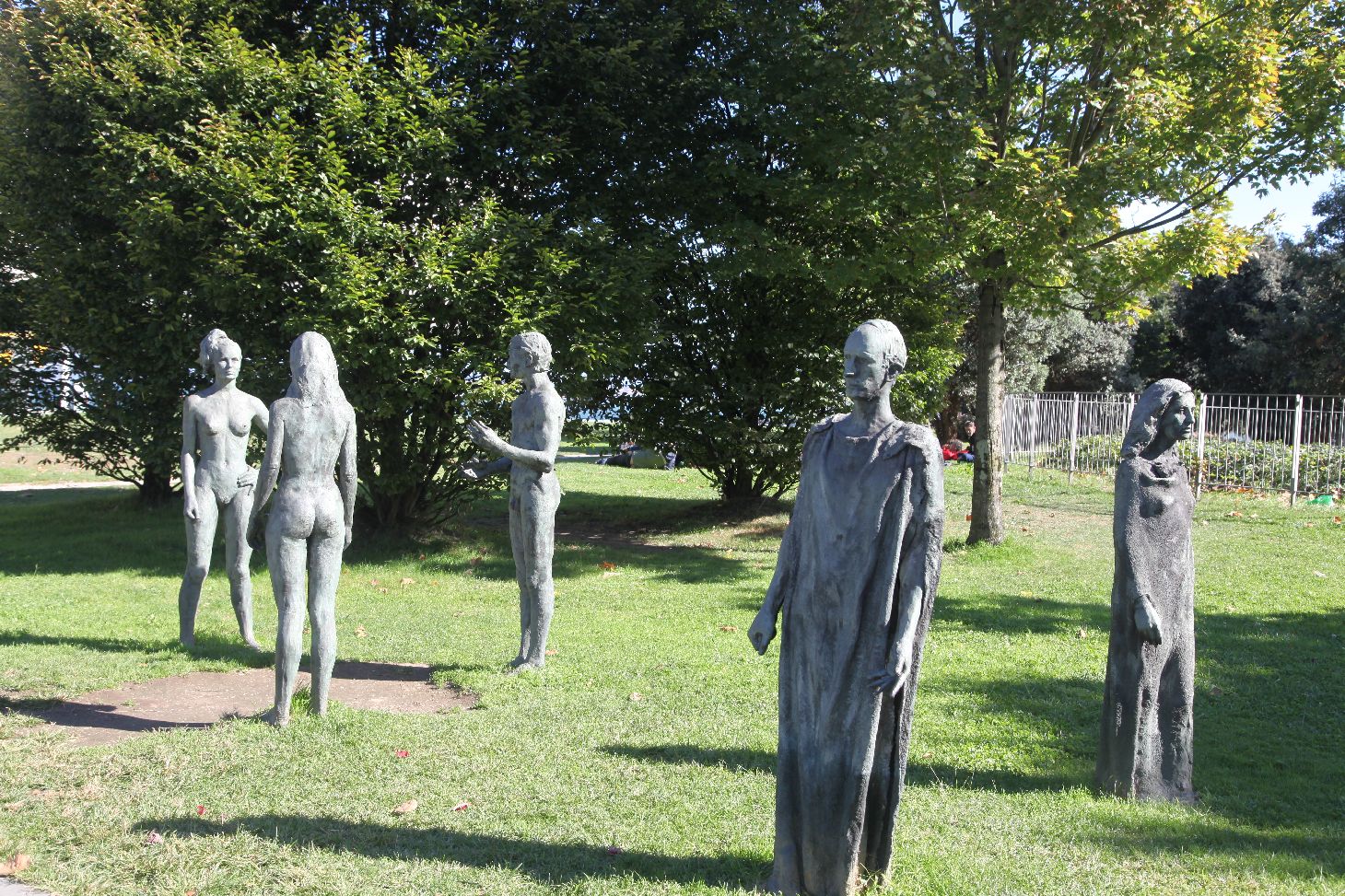
It’s opened with a selection of interesting exhibitions including:
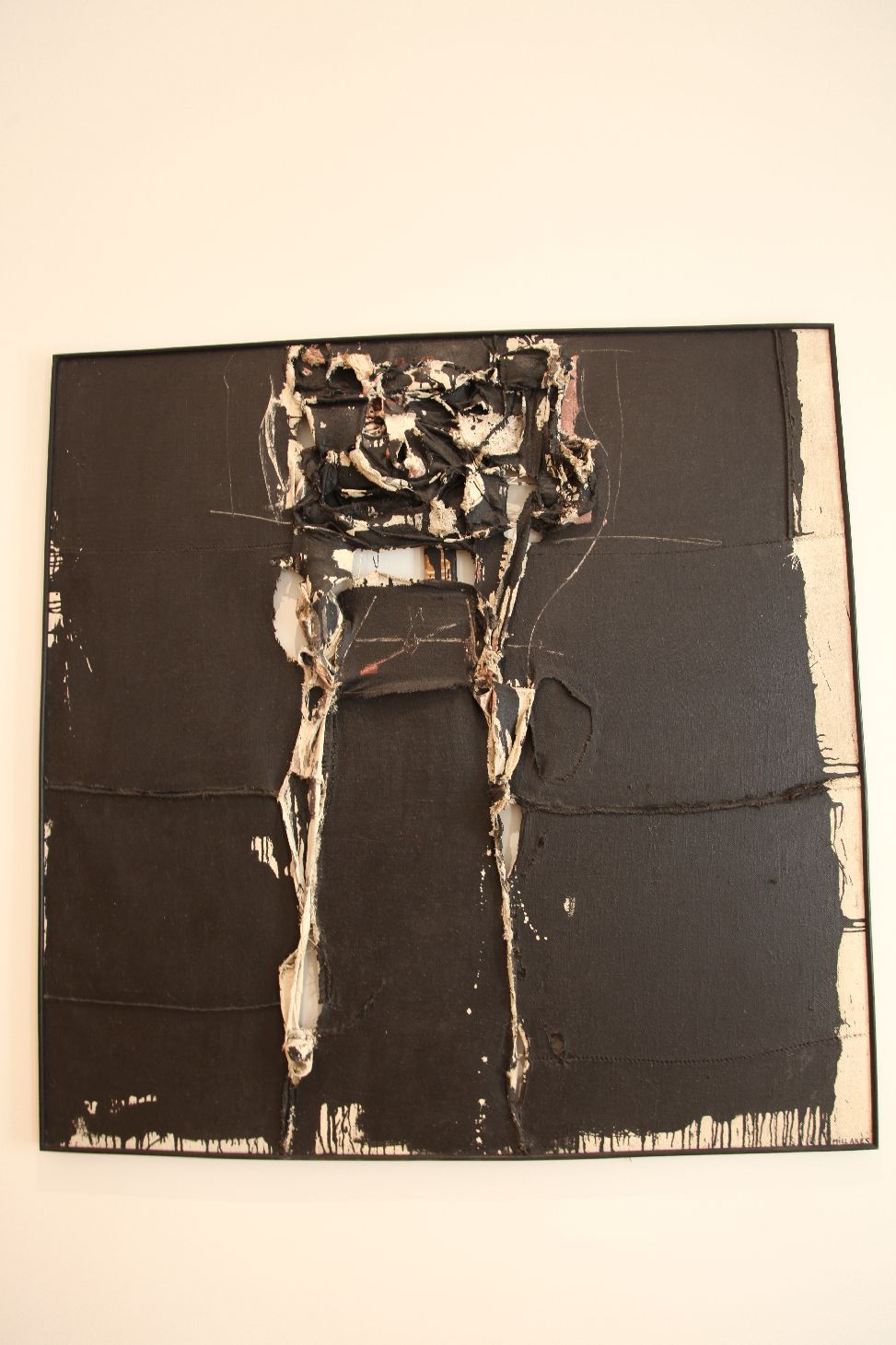
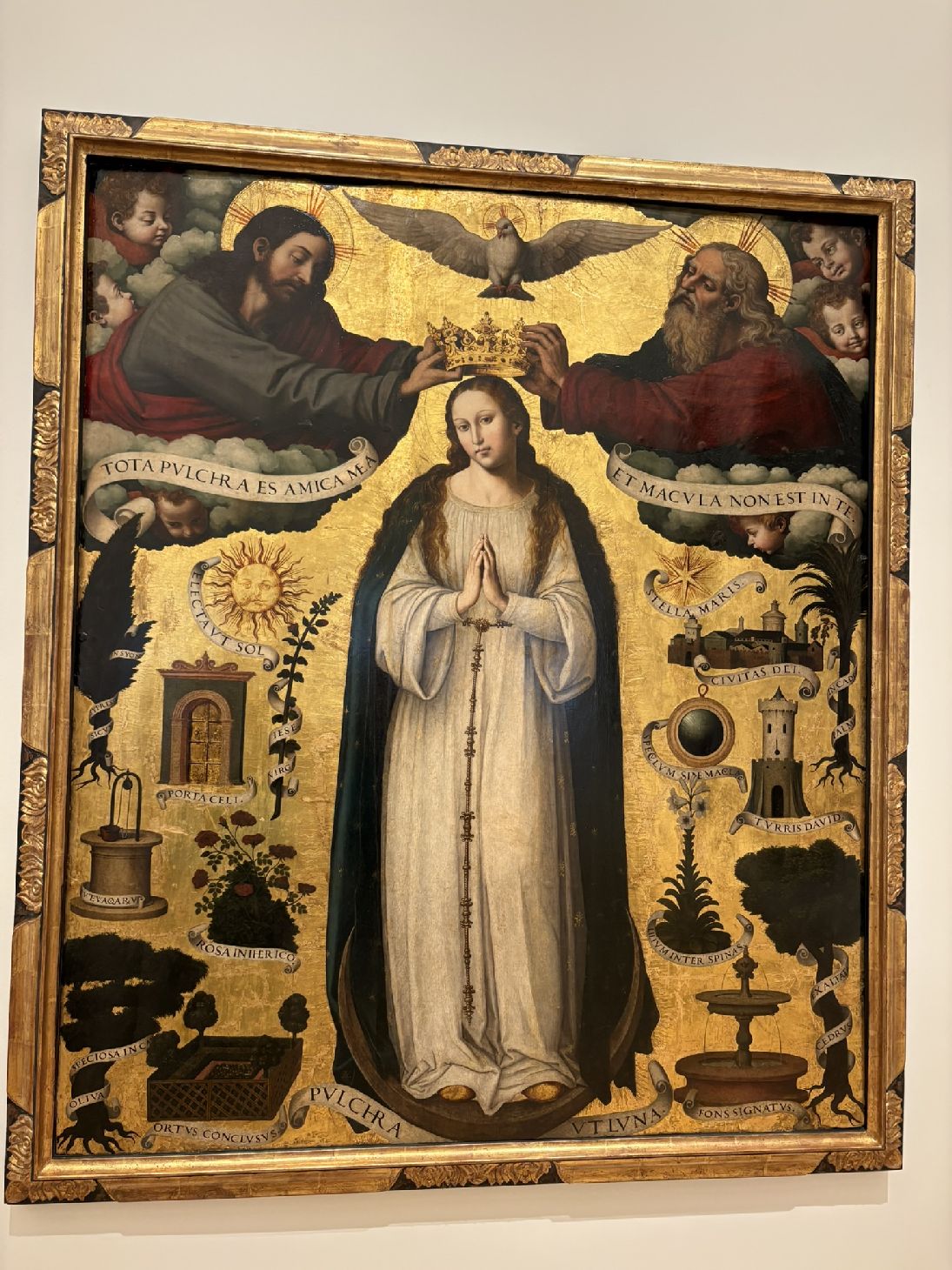
Masterpieces from the Banco Santander Collection – This spans the period from one of my favourites, Lucas Cranach the Elder’s Sermon of Saint John the Baptist (c. 1537–40), to local boy Juan Uslé’s I dreamt you revealed (2018). The selection includes works by Titian, El Greco, Velázquez, Goya, Picasso, Miró, José Guerrero, Manuel Millares, Soledad Sevilla, Susana Solano, Richard Long, and Juan Muñoz and provides something of a history of the last five centuries of art.
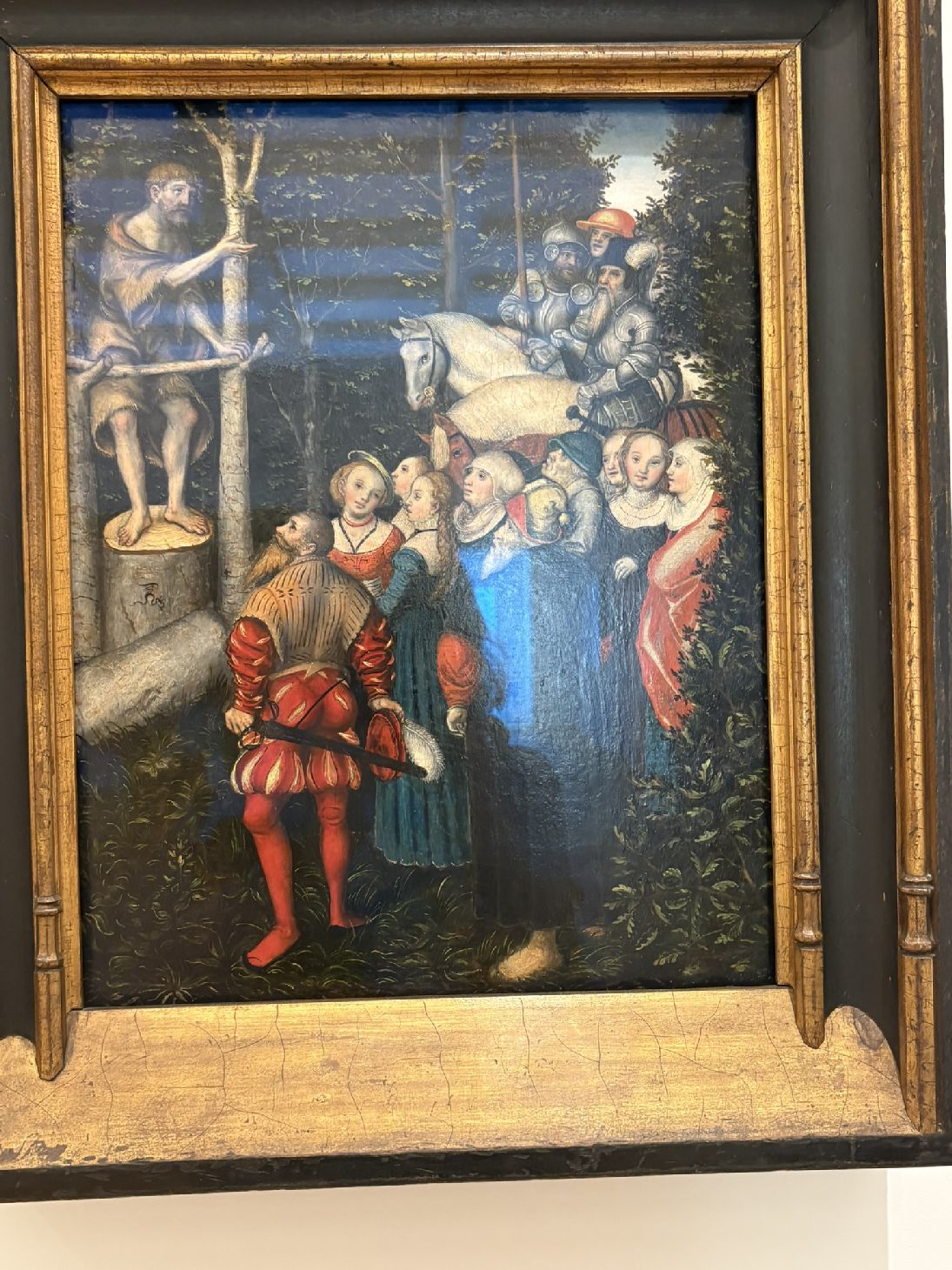
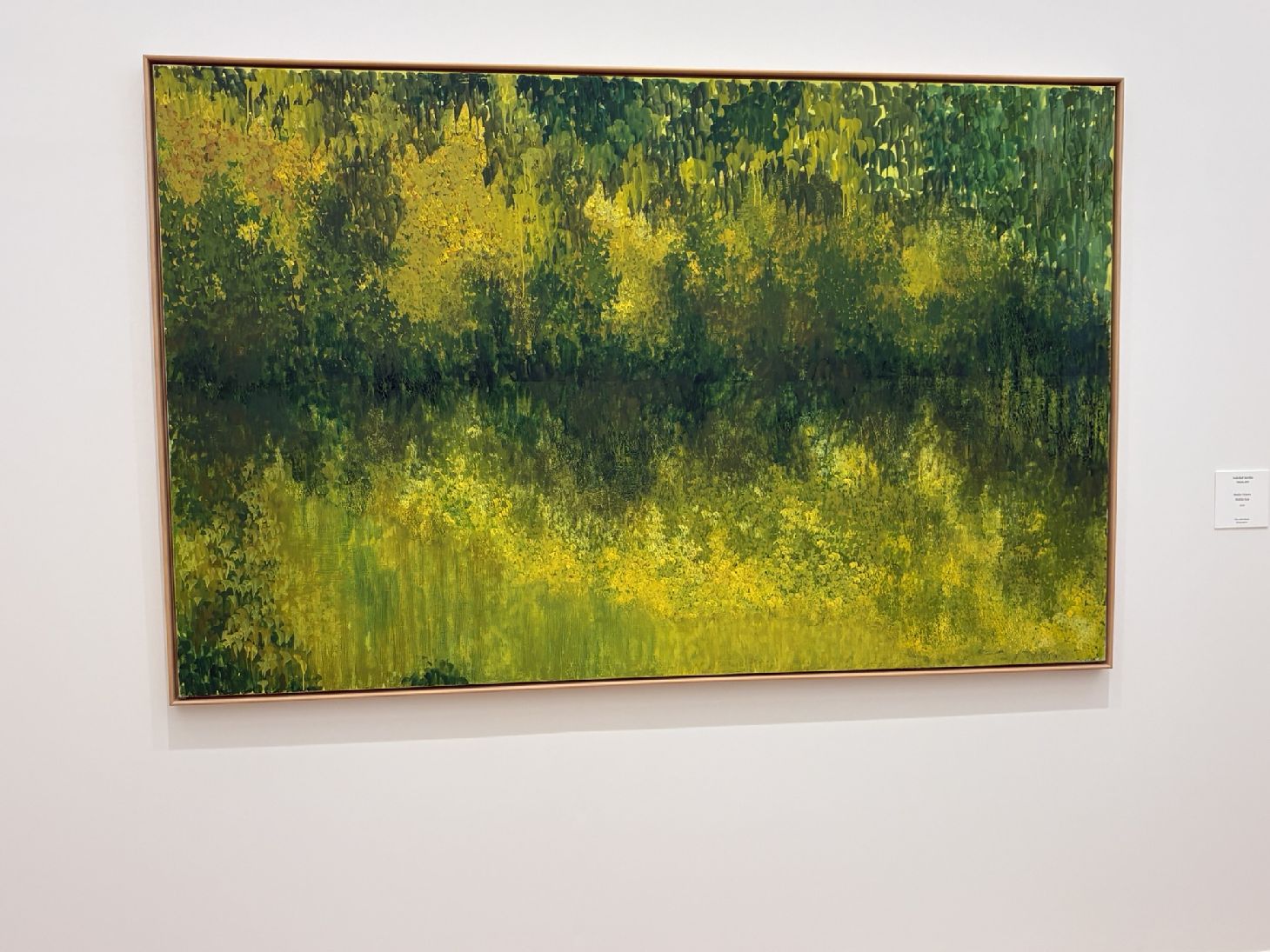
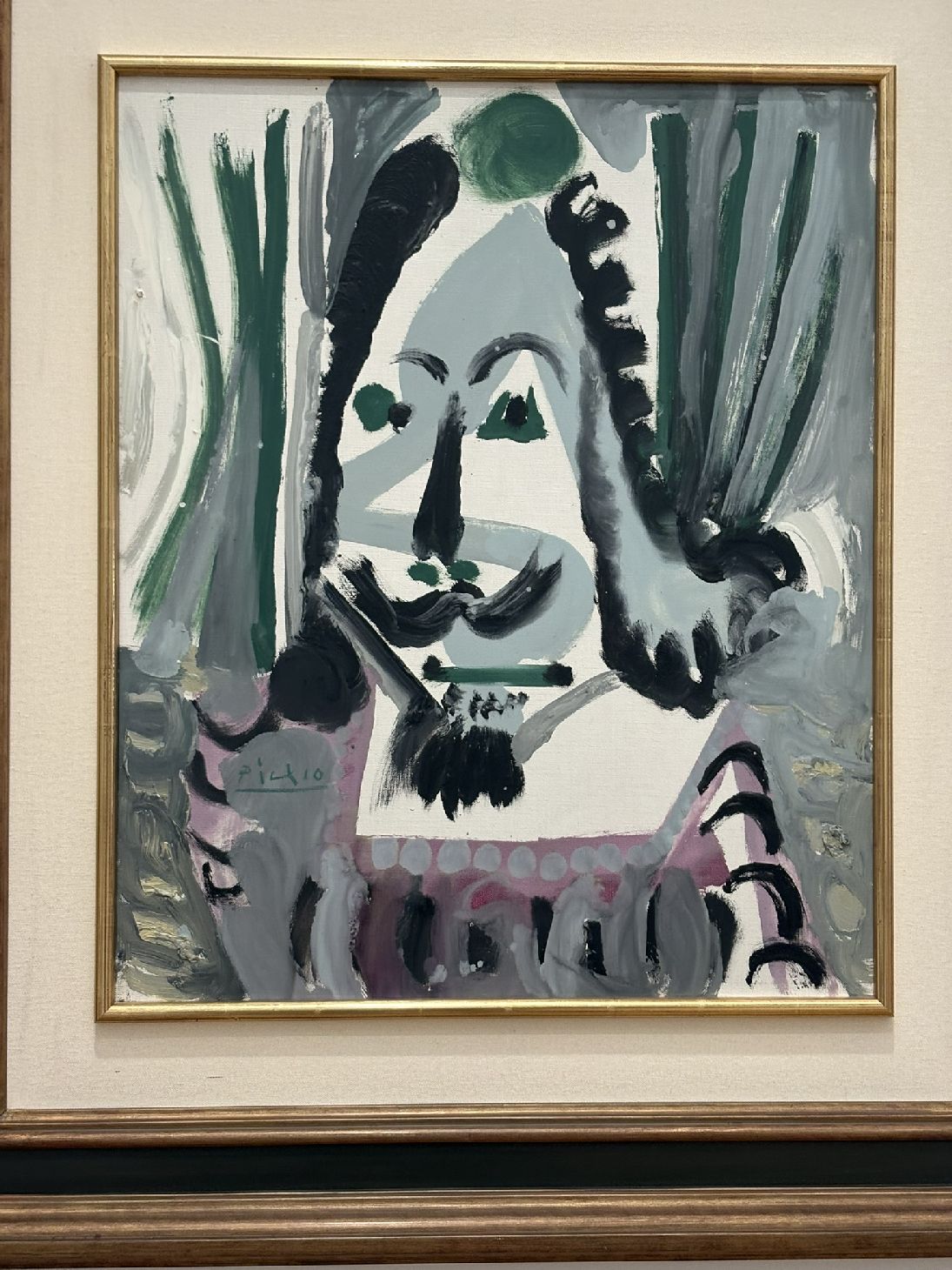
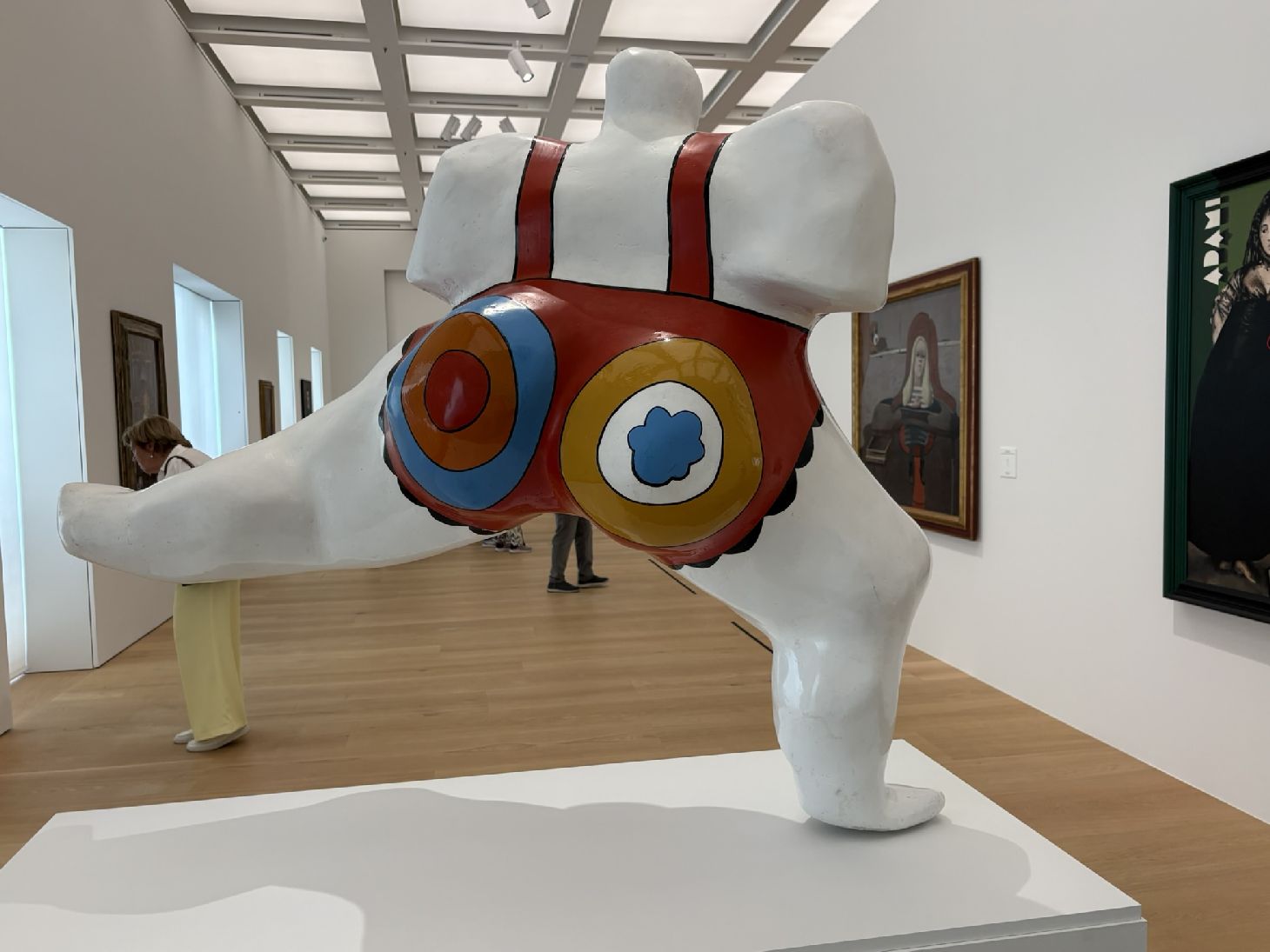
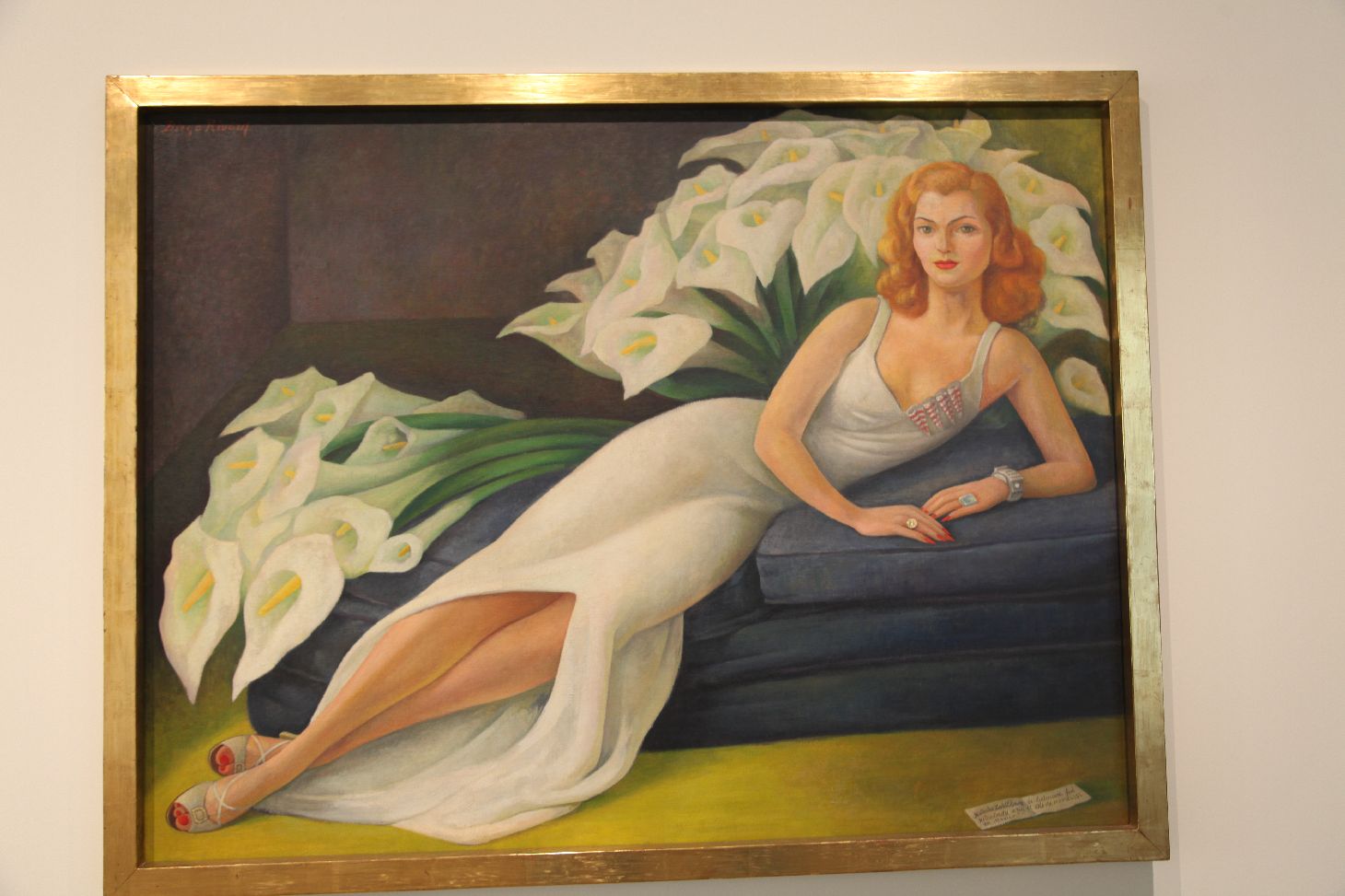
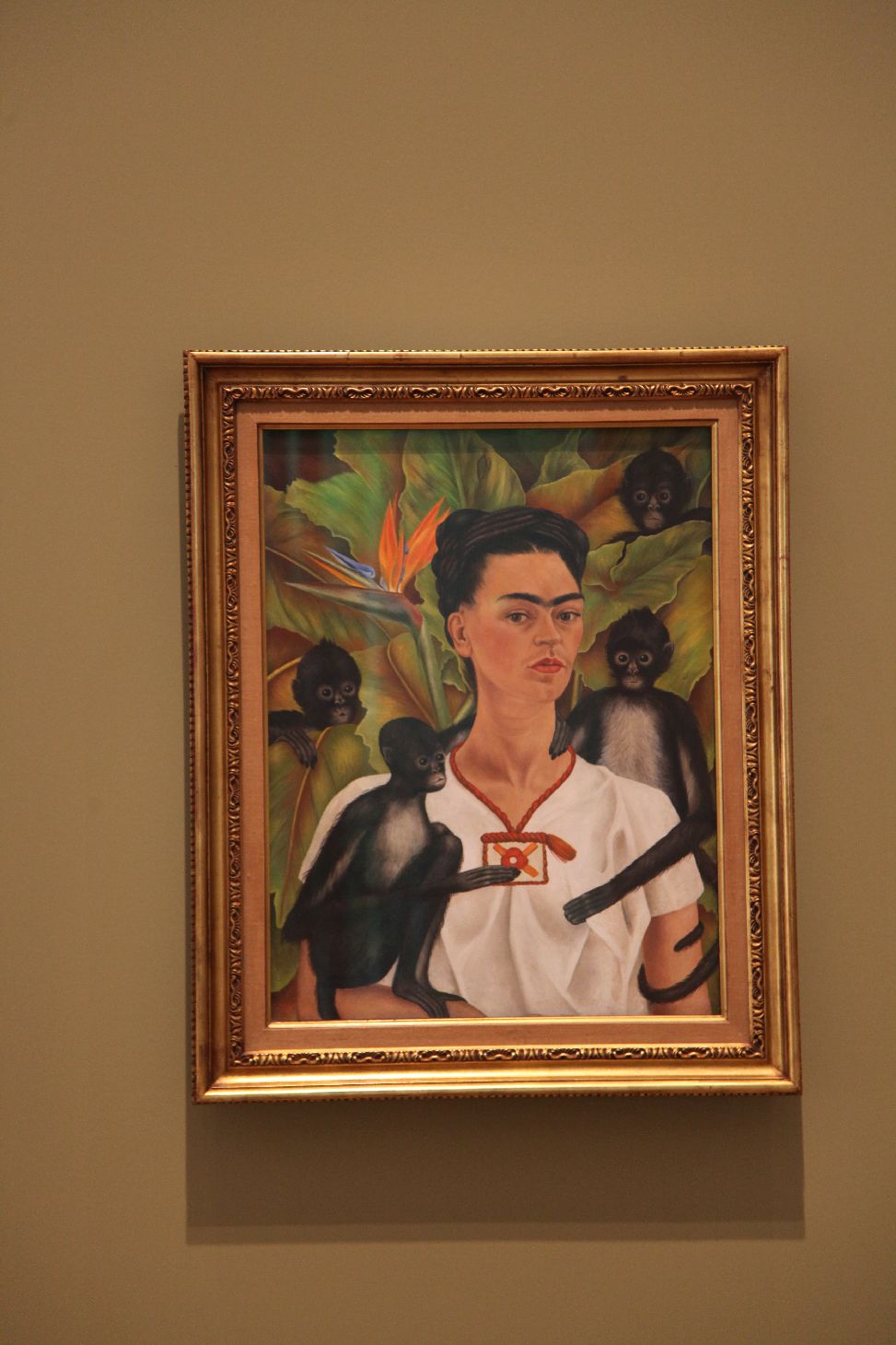
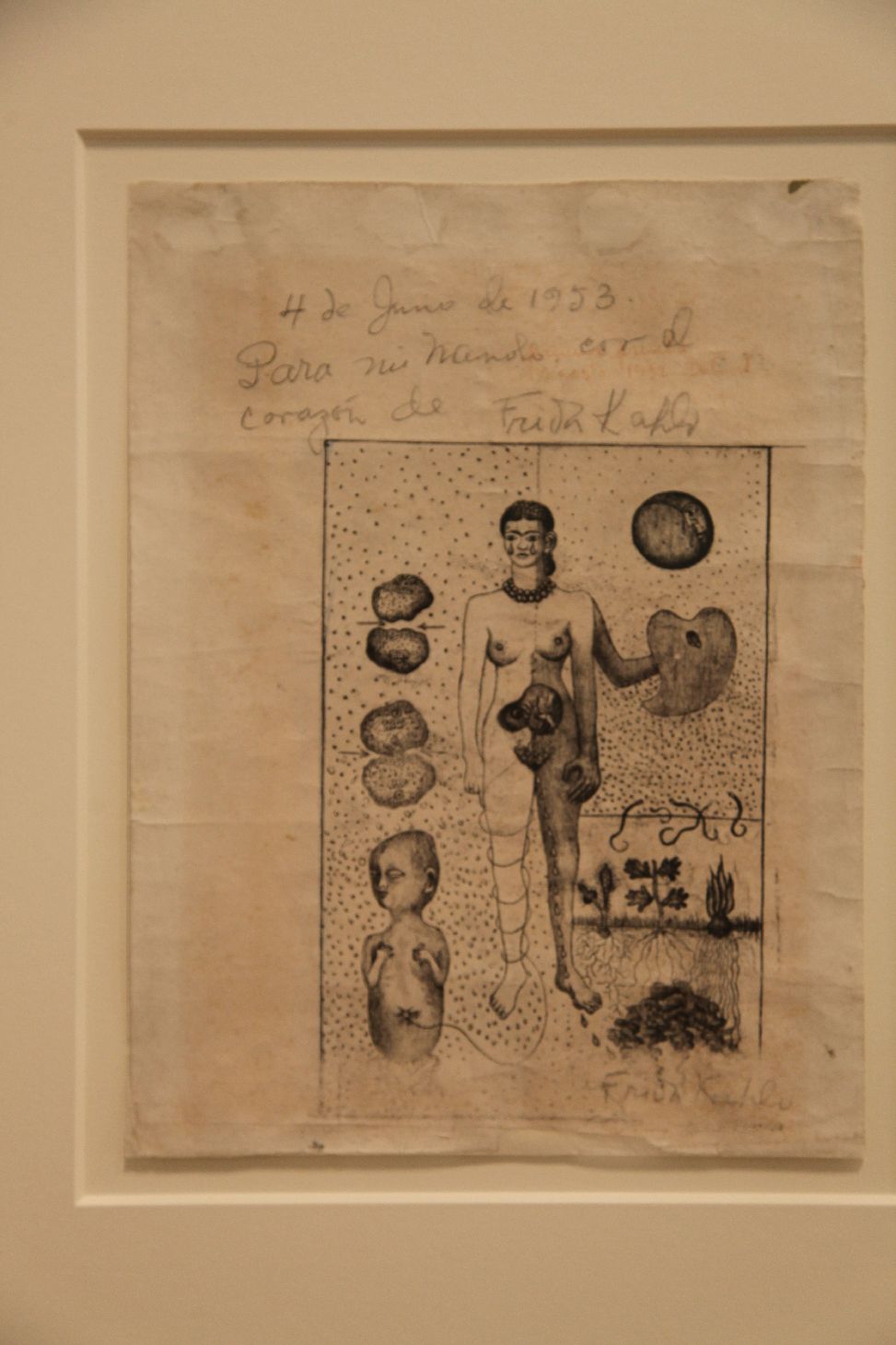
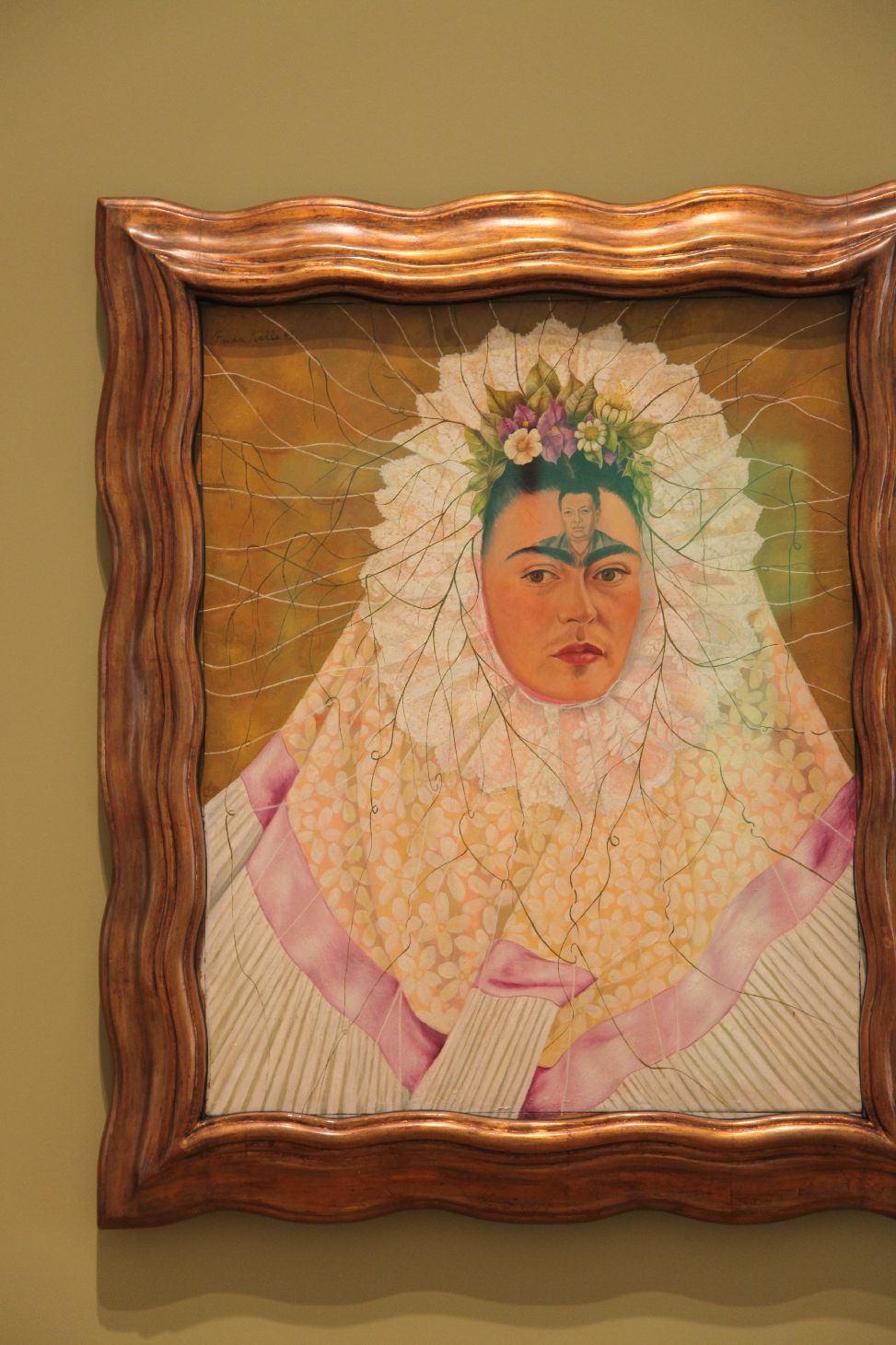
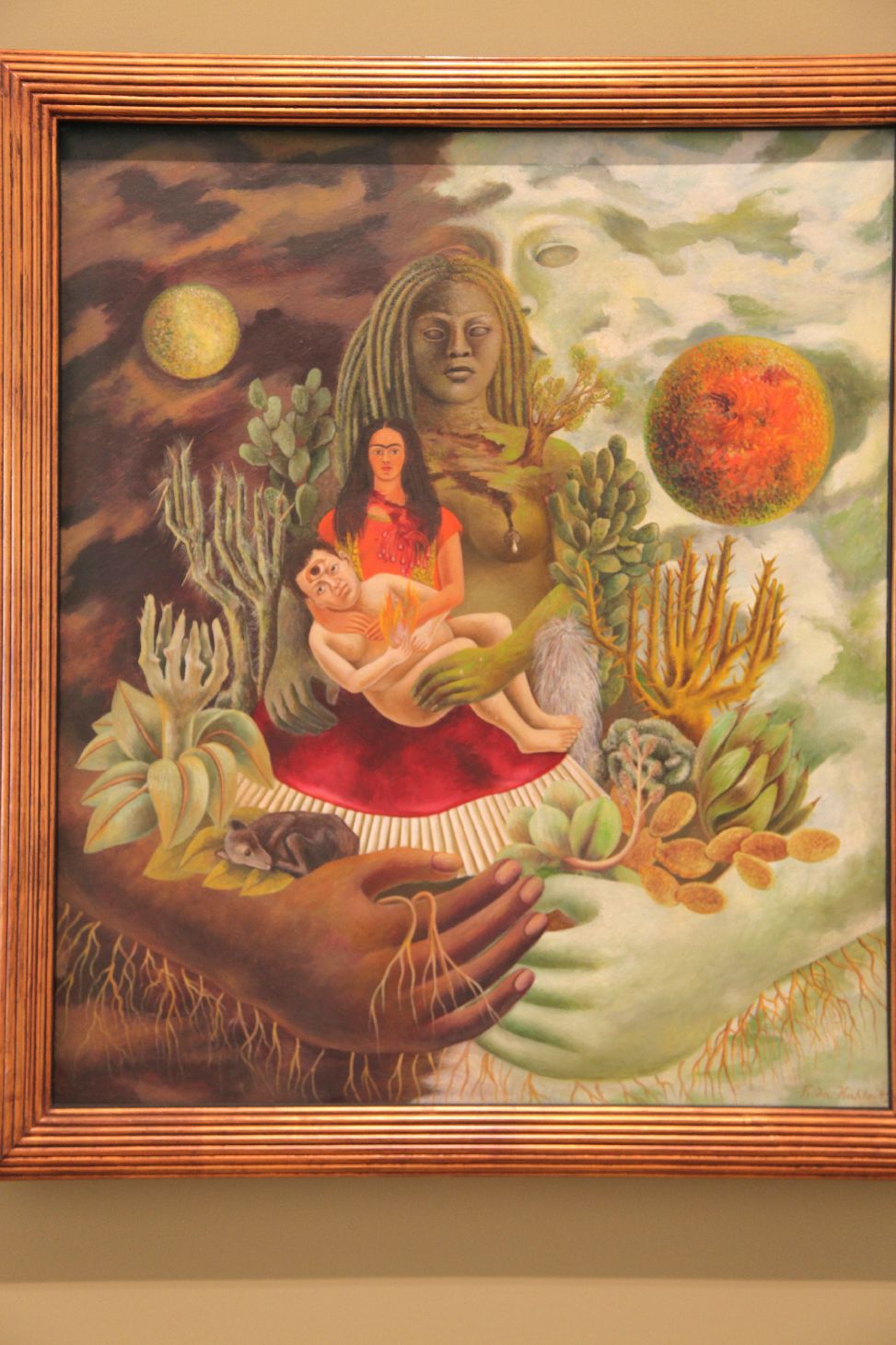
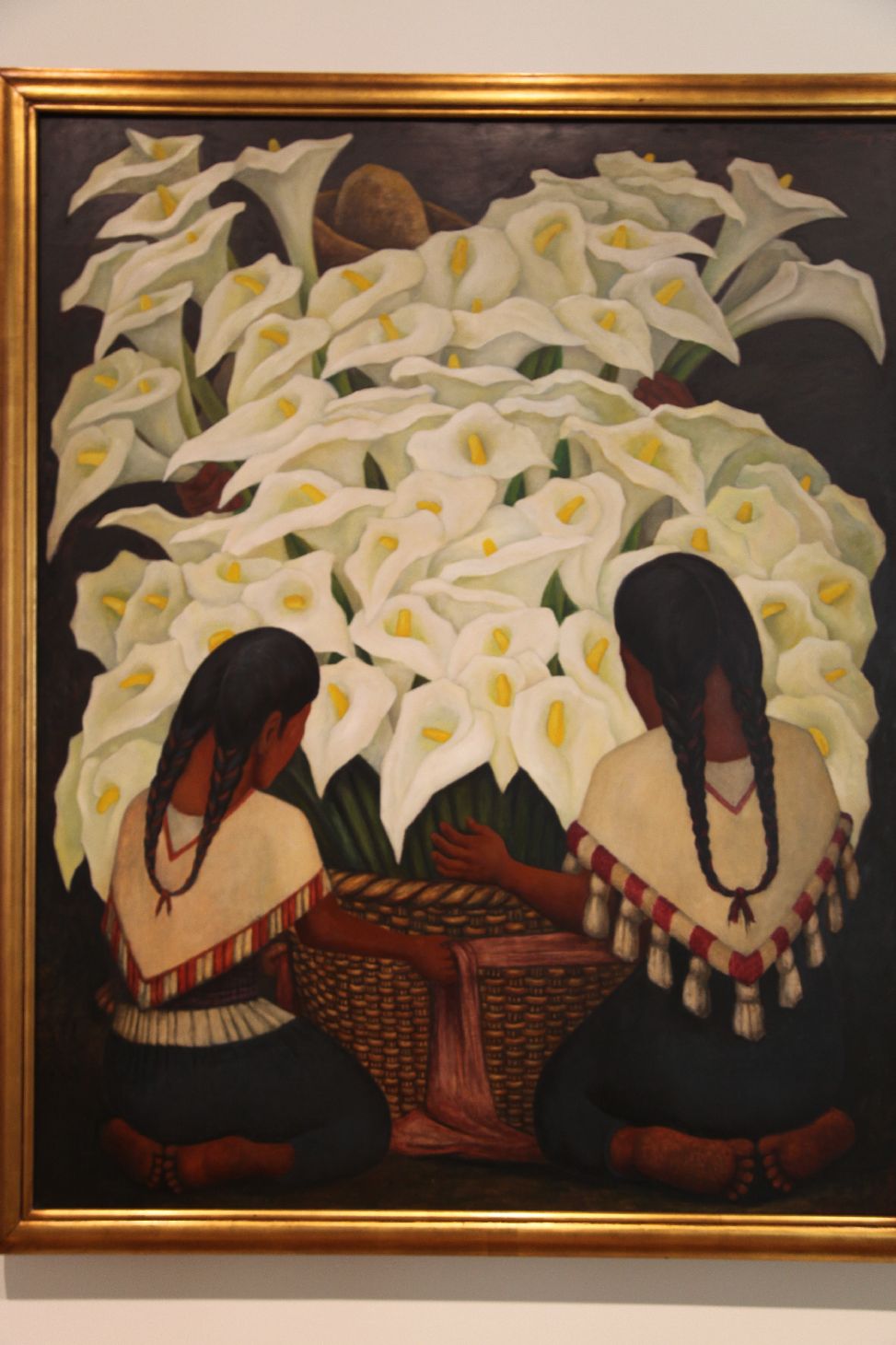
Modern Mexico in the Gelman Santander Collection – These are works collected by Natasha Gelman, and Jacques Gelman, a film producer in Mexico. They began collecting paintings that captured the “essence of Mexico” and found it was a means of gaining access to elite intellectual circles in their new home. The exhibition especially features Frida Kahlo and María Izquierdo, two women whose art they collected. By the time Natasha died in 1998 the collection comprised 96 pieces, many of which were on show.
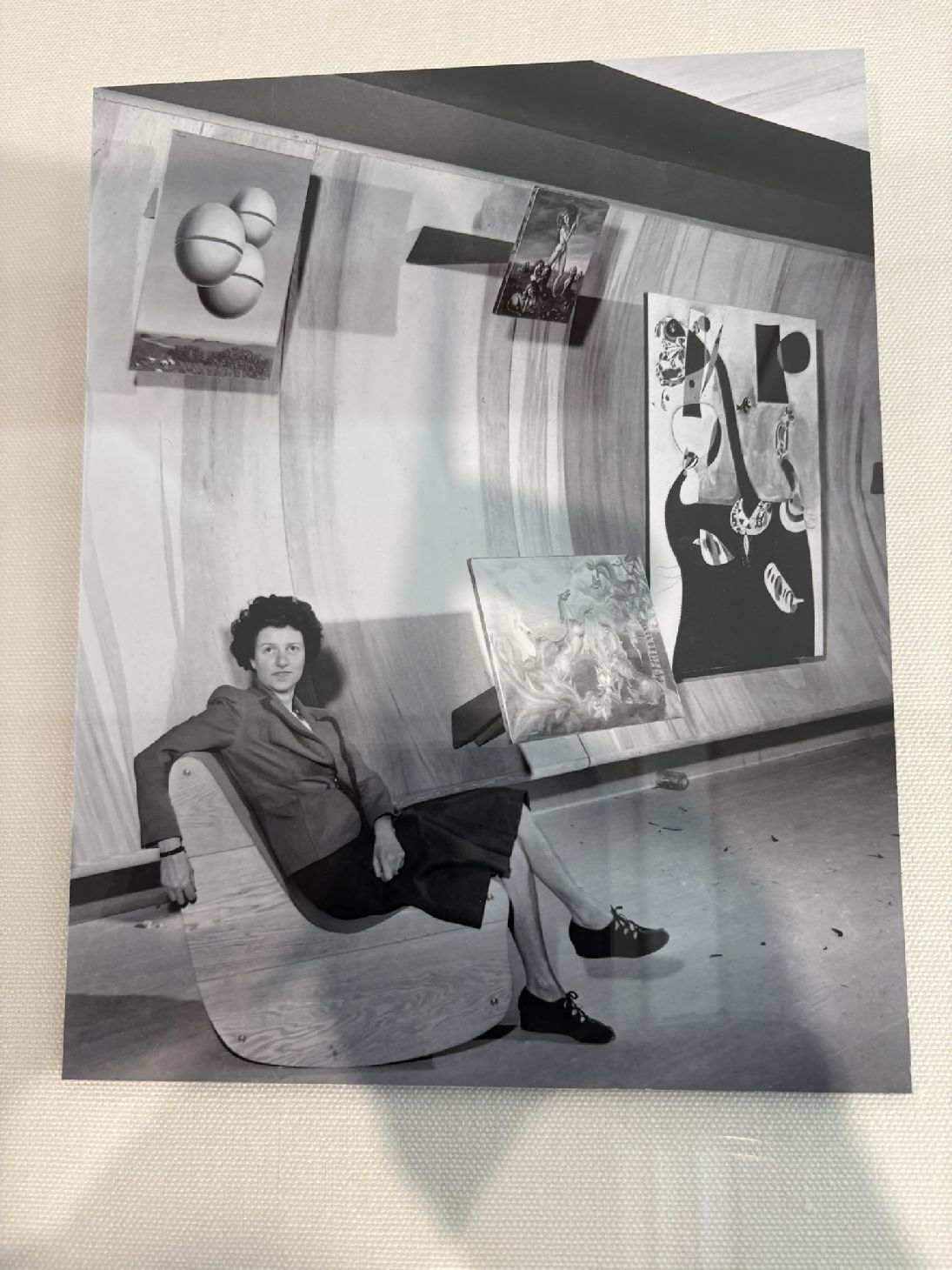
The Symptomatic Surreal: Leonora Carrington – Leonora Carrington (1917–2011) was born in Lancashire into a wealthy family, before rejecting convention and moving to Paris in 1937 to become an artist. There she began to cultivate the surrealist language with her own artistic style, fusing mythology, Celtic folklore, alchemy, and occultism with a profoundly feminist and rebellious imagination. Her connection to Santander came in 1939, when she had a “psychological crisis”, and was hospitalised for four months in Peña Castillo Sanatorium, Santander. “She later described this period as ‘down below‘, an experience which was, for her, like ‘being dead‘. Yet rather than an end point, this psychic descent marked a period of profound inner transformation. The exhibition takes descent and ascent as its guiding metaphors, evoking the underworld as a space not only of death, but also of transformation and renewal.”
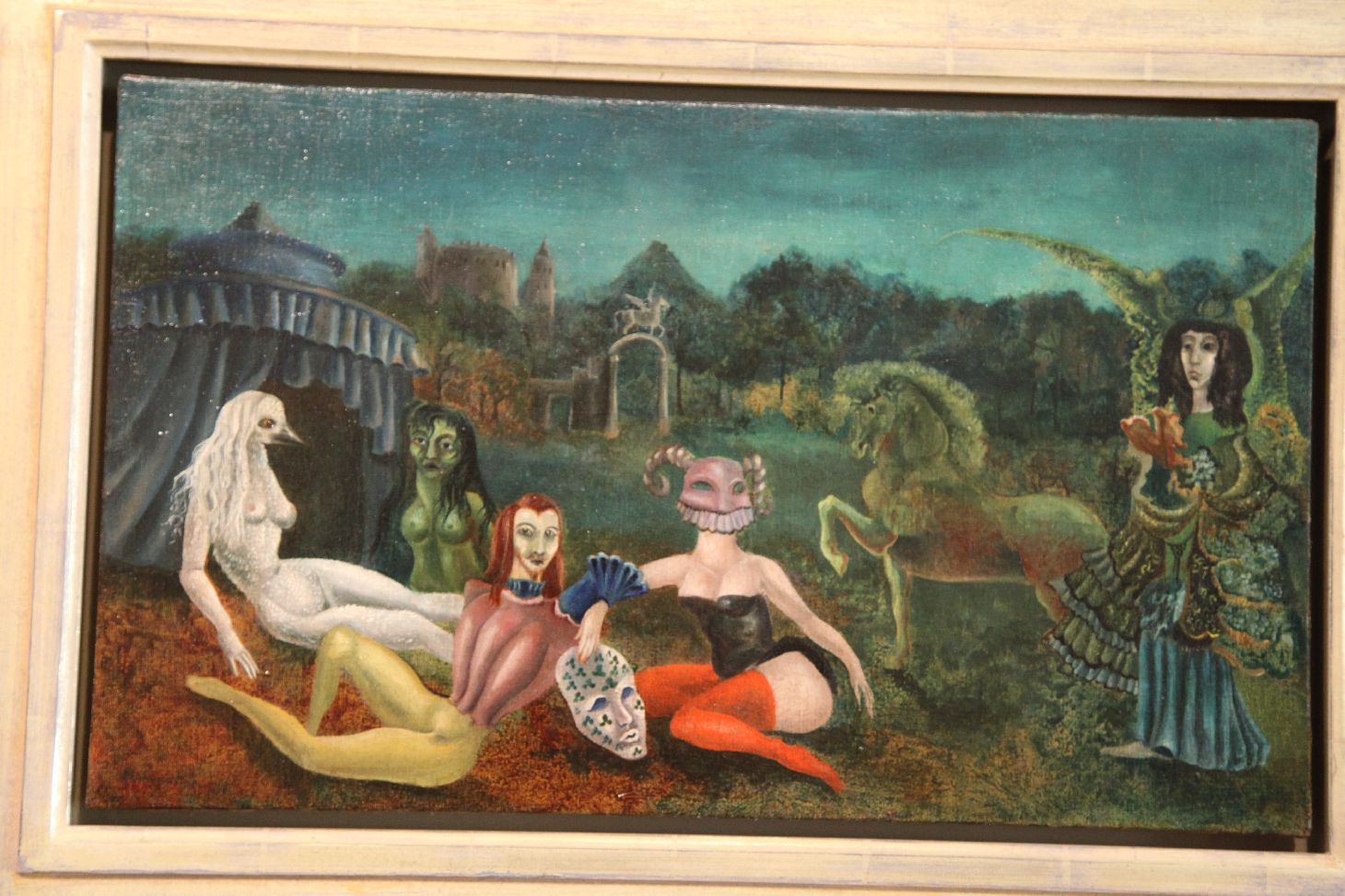
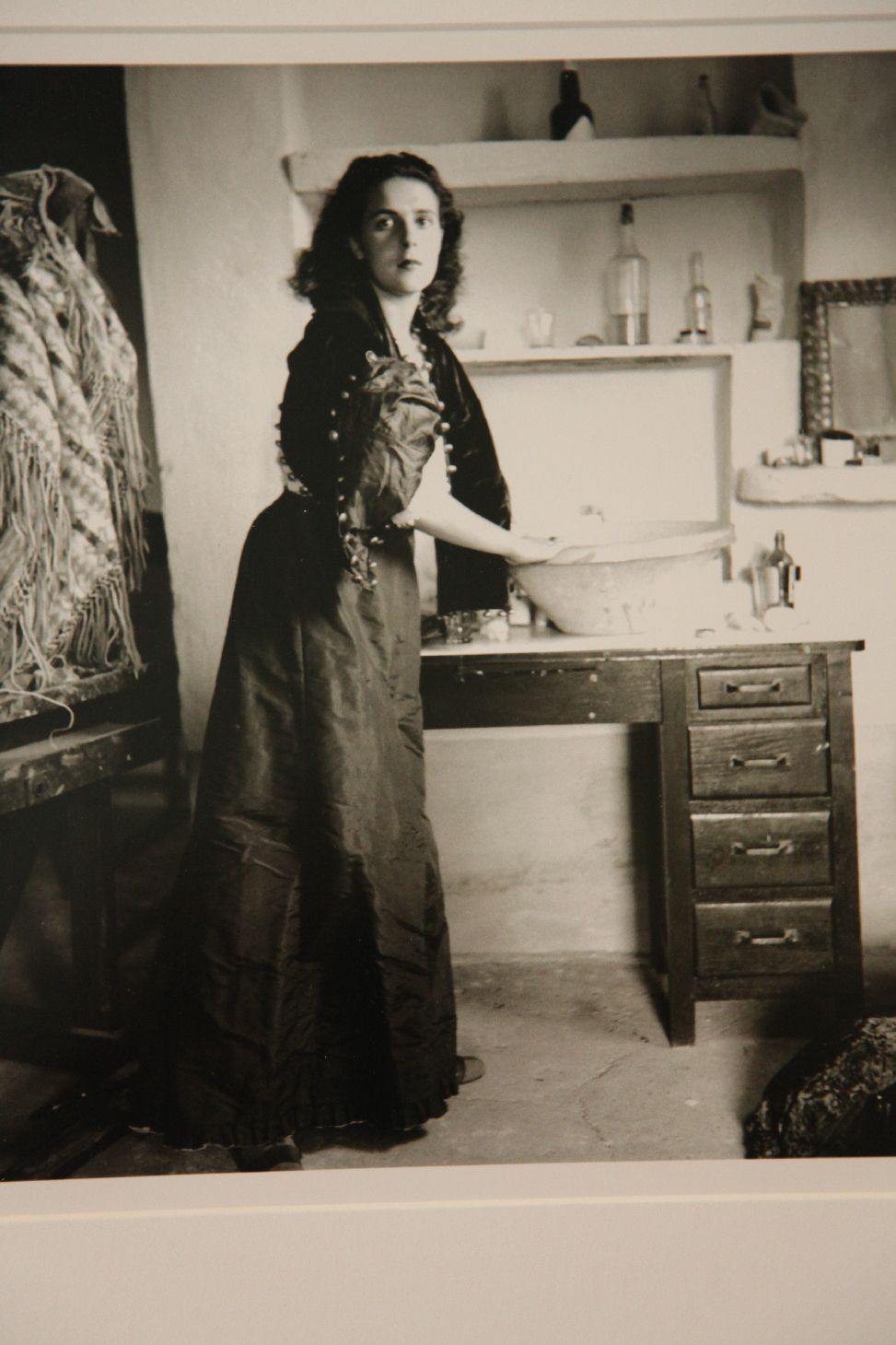
All of these are well worth your time, especially the Leonora Carrington which was fascinating. These all end in early 2027, so get there before that if you can. There was also “Cubo: Before Faro Santander” which involved donning VR headsets and walking through the history of the building. We started with that because it was still relatively quiet, which would make it easier to get around without having to spend your time avoiding other people who might not be finding it easy to navigate a virtual world that included some walking about! It was more of a success for some of us than others, with a certain amount of wooziness ensuing for some. It also provided an interesting insight into how the building had looked when it was still HQ for the bank.
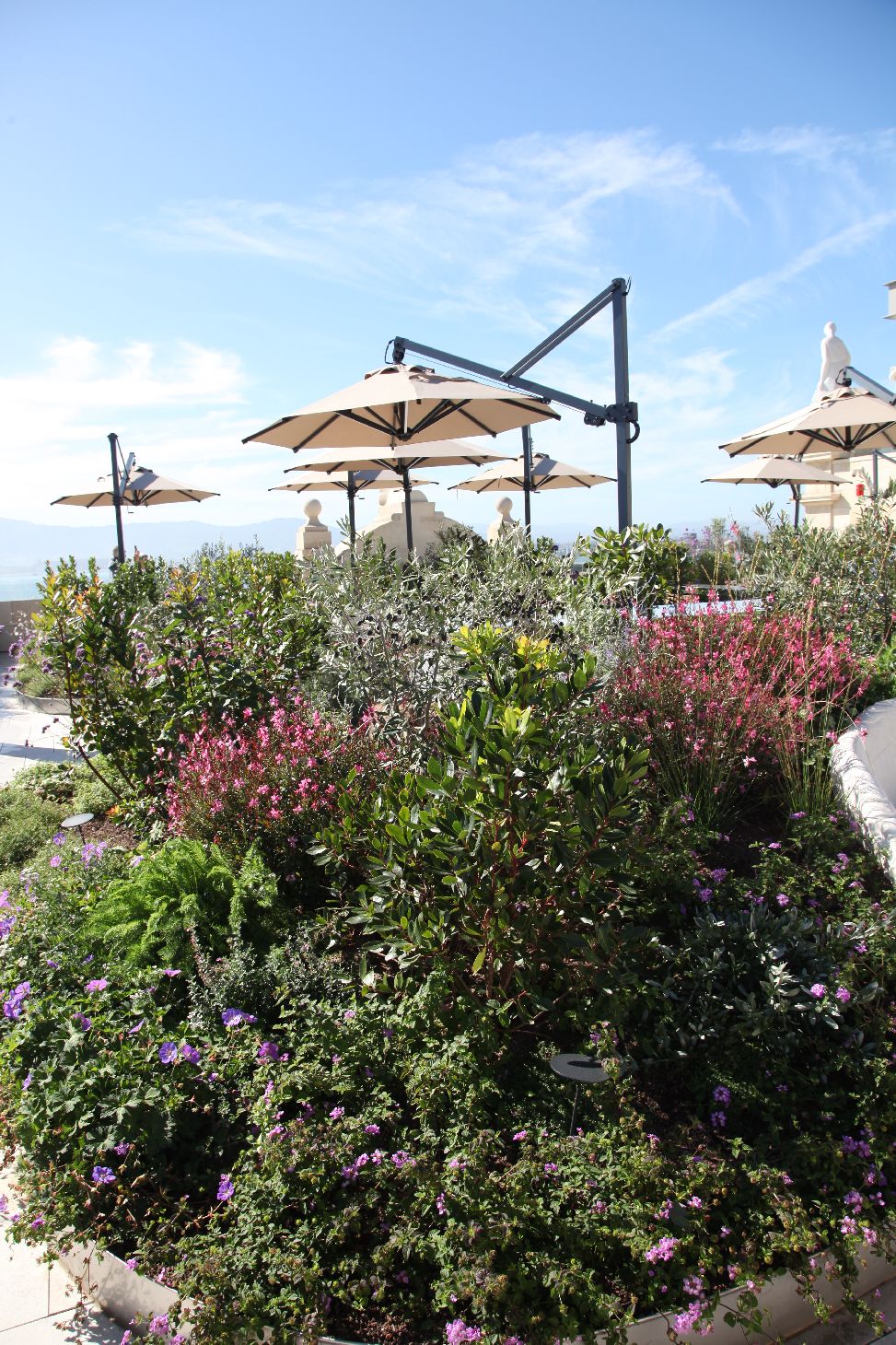
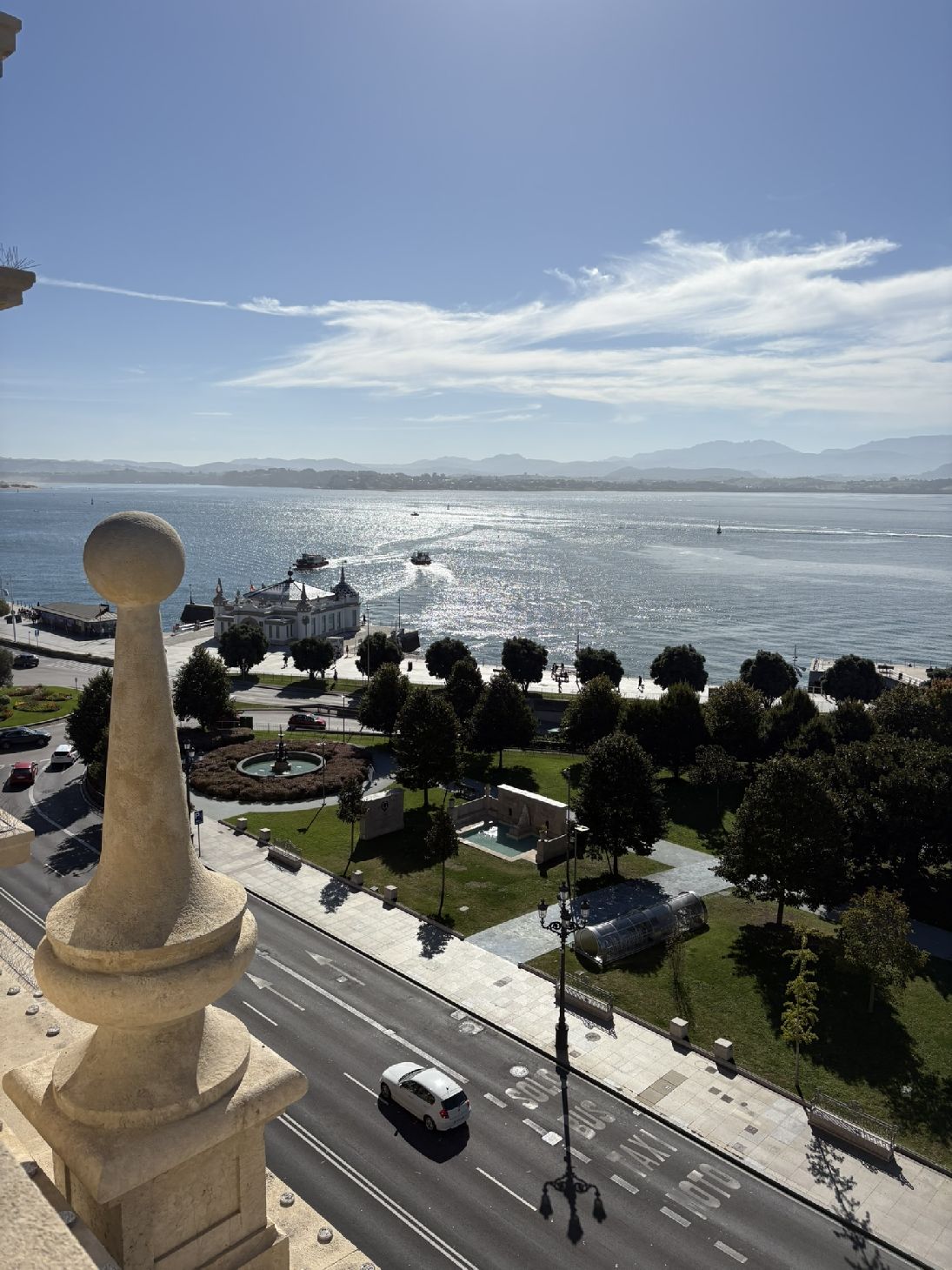
We stopped partway round, because there’s a lot of art to get through, and took a break in the lovely cafe space on the roof, los Jardines de Faro. The views out across the bay are terrific, and the gardens that have been established in the space are beautiful. There’s also a restaurant somewhere in the building that’s accessible separately and open in the evenings. If the views are even half as good it would be worth going just for that. Suitably re-caffeinated, we completed our tour of the building and the exhibitions, spent a small fortune in the shop, and retreated to consider what to do next.
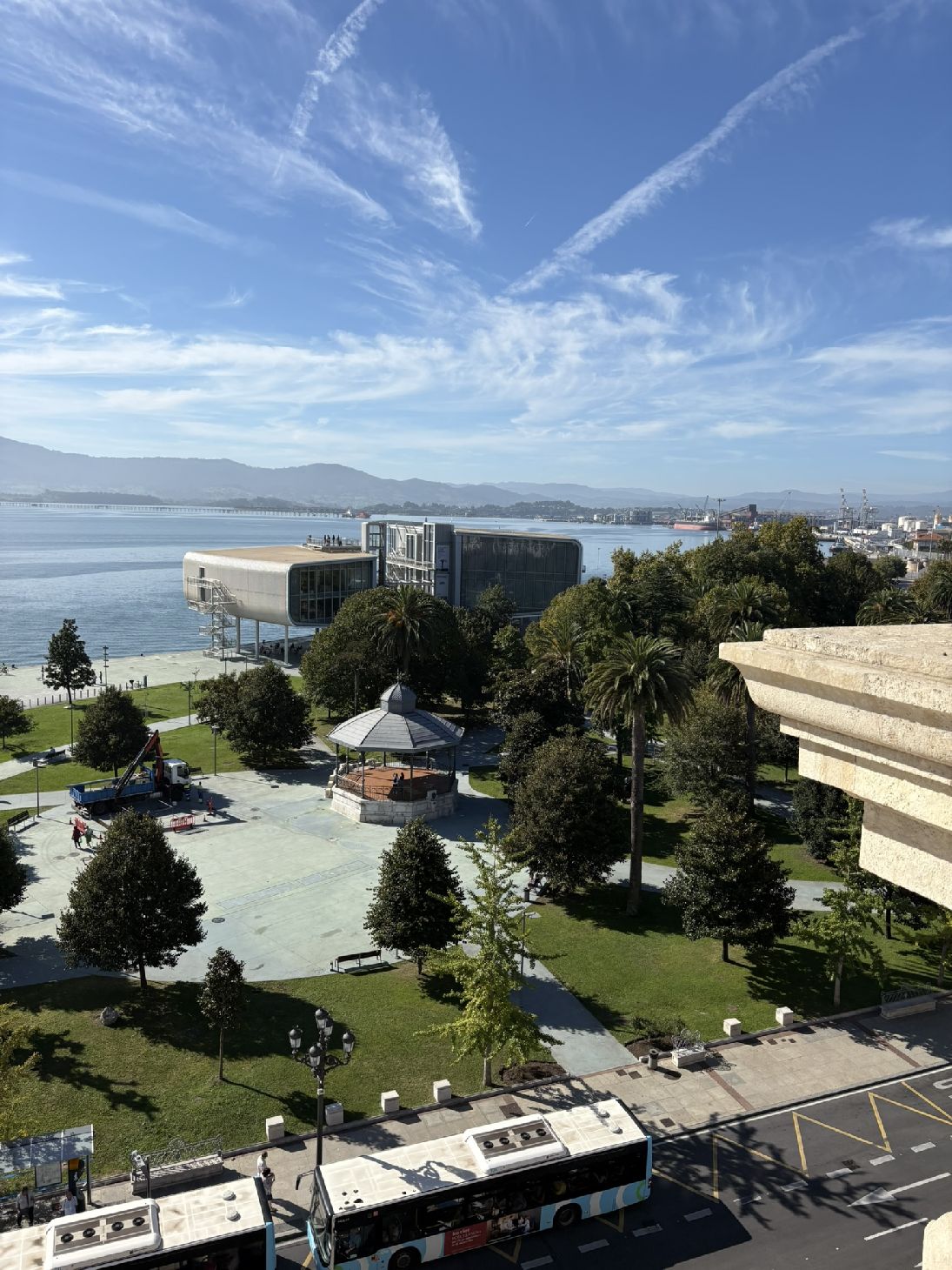
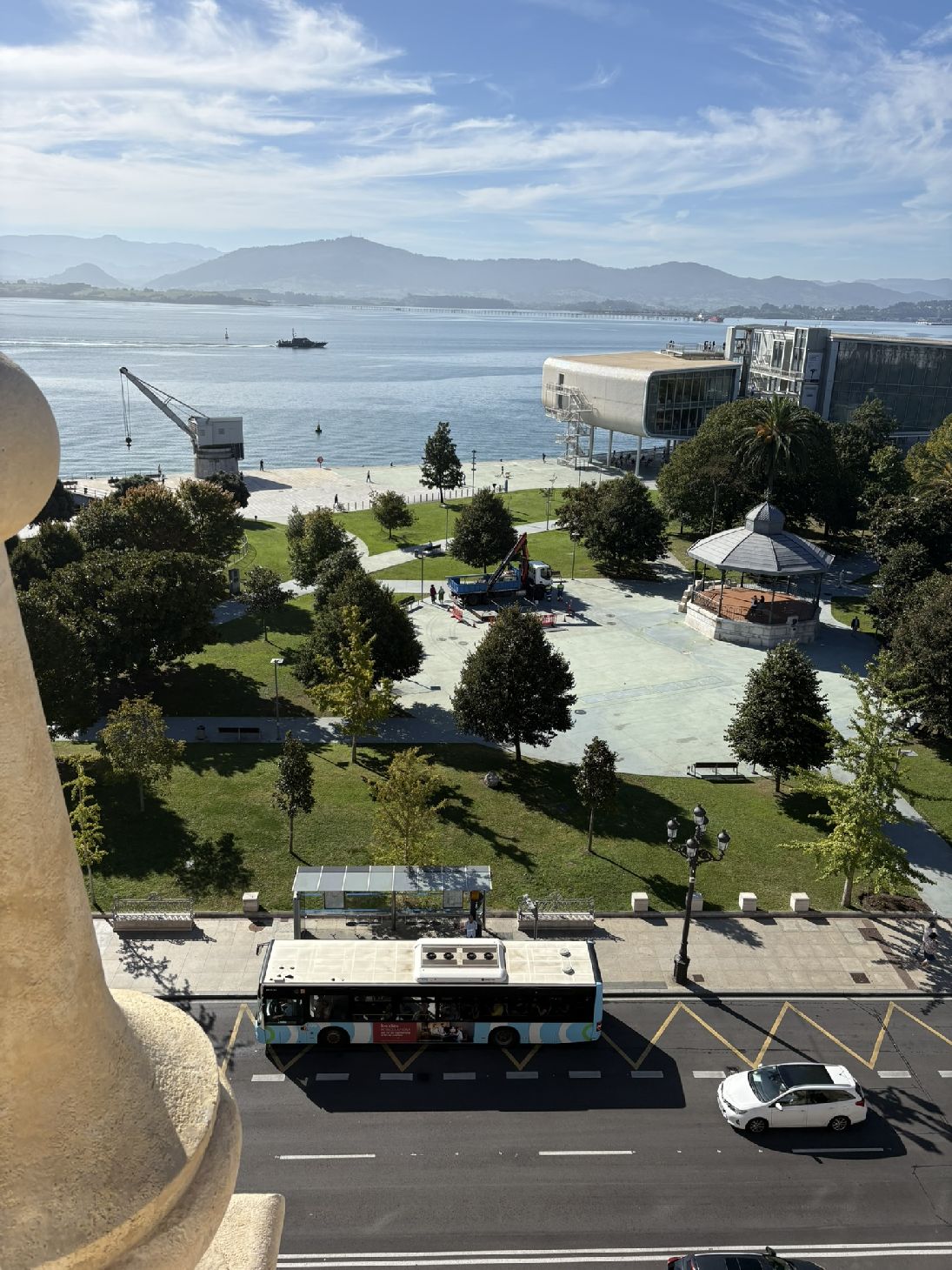
We attempted to visit the Cathedral but they were about to close for lunch so we pivoted, grabbed a cold drink, and then caught a bus to the Magdalena Peninsula. The public park contains all sorts of oddities, starting with a penguin colony that also contains a number of grey seals. The penguins weren’t coming out to play, but several seals seemed to be happily basking in the sun. Perhaps it was too warm for the penguins. From there we walked around the headland to the palace.
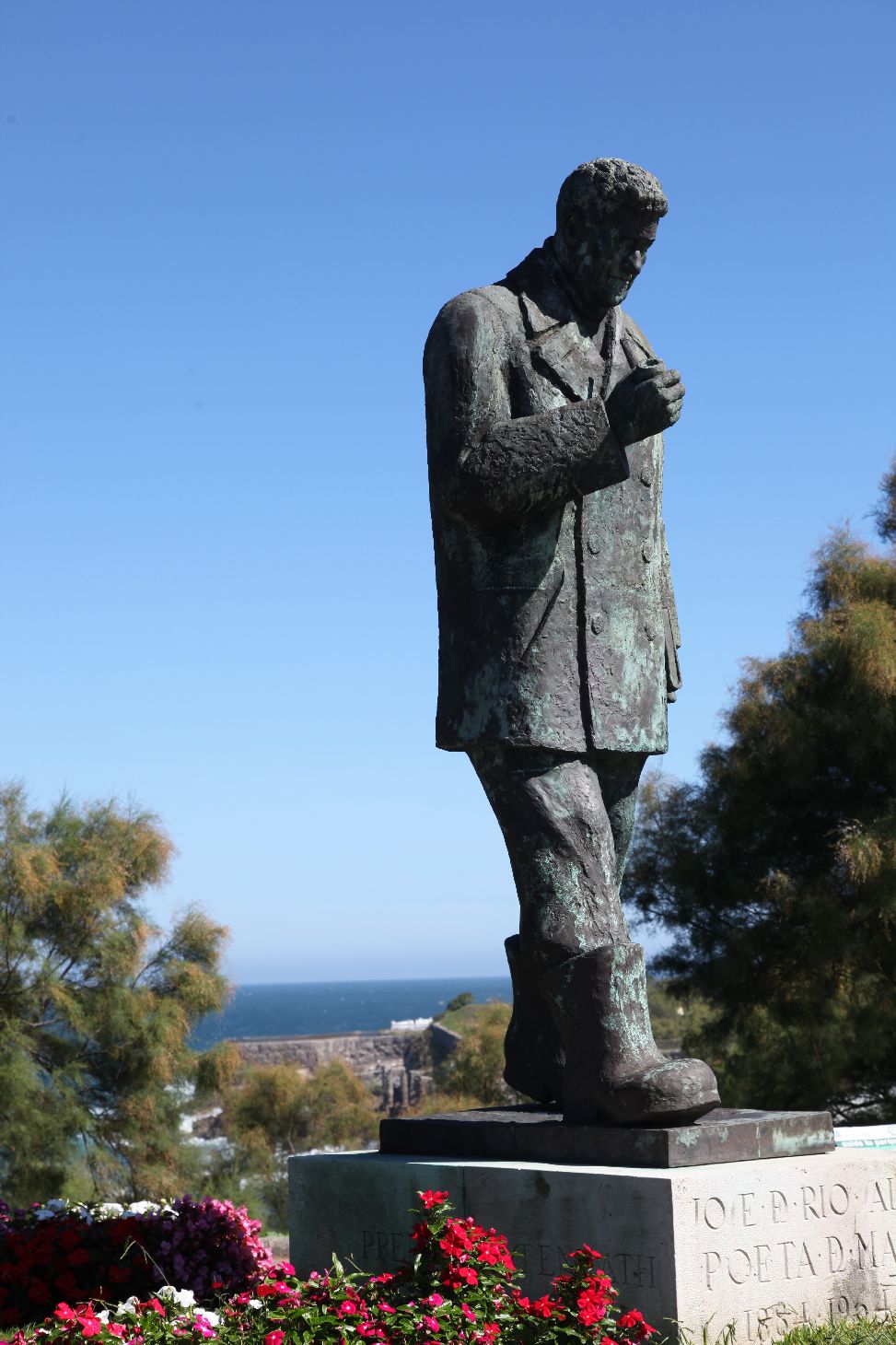
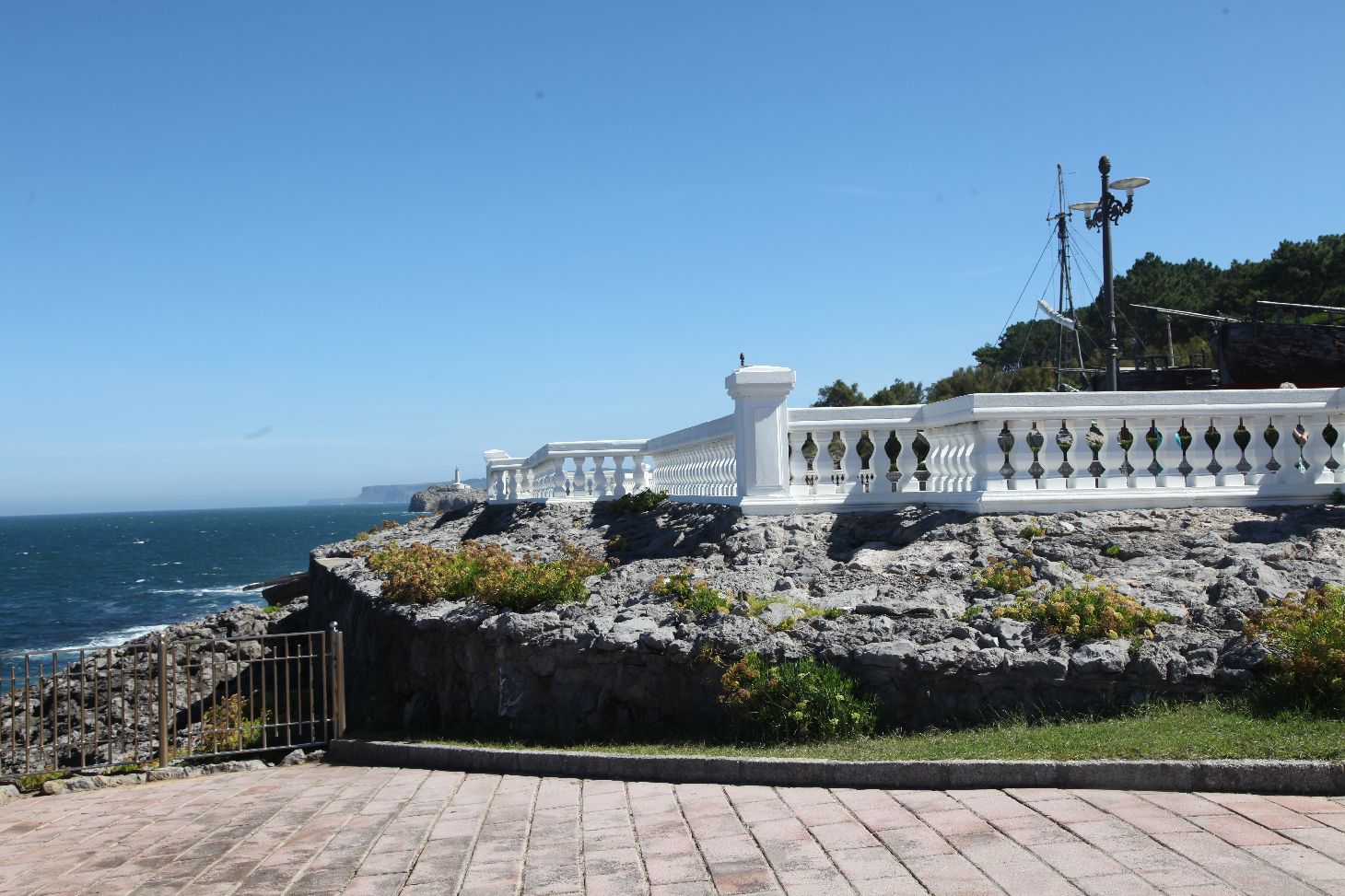
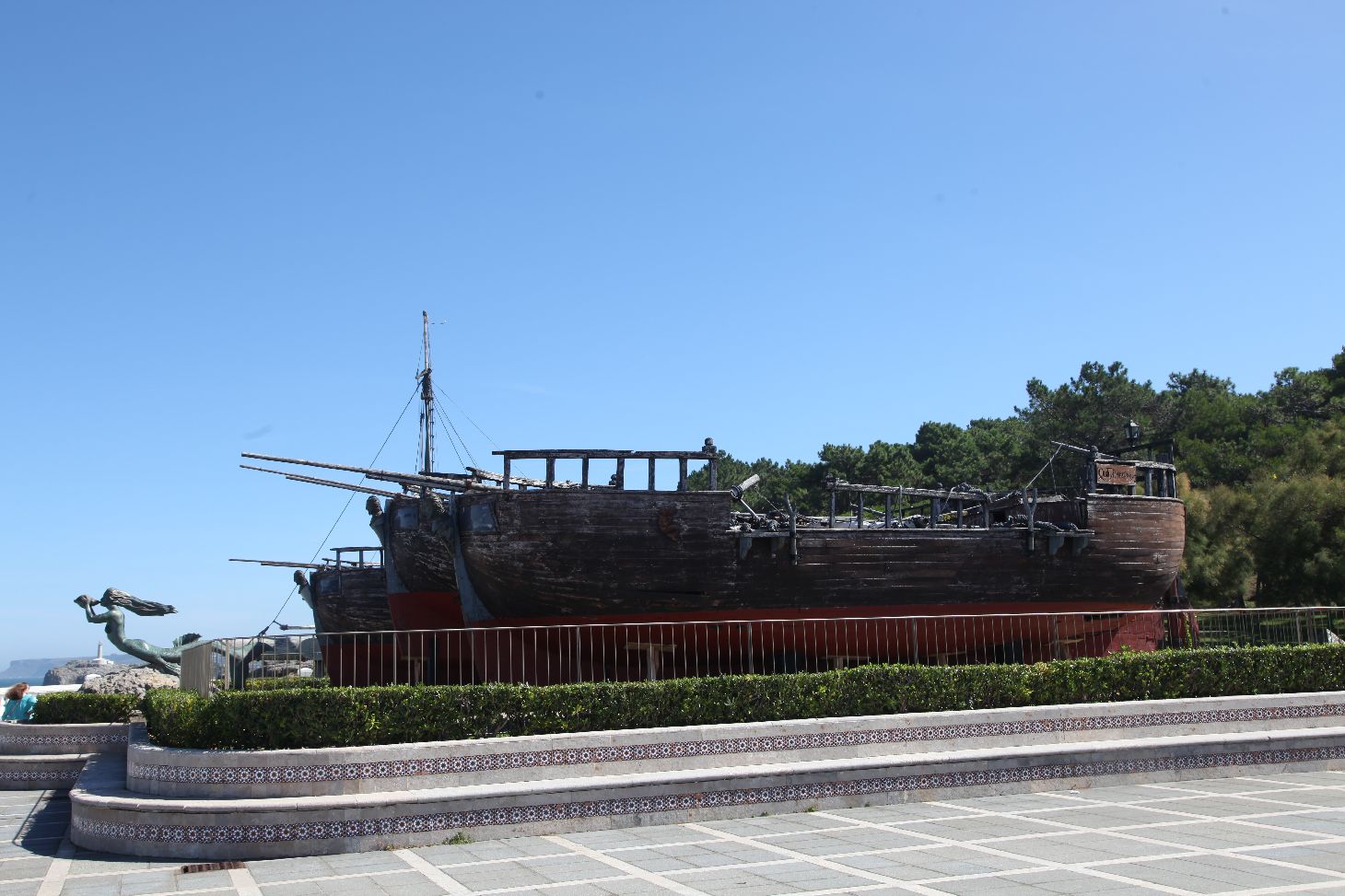
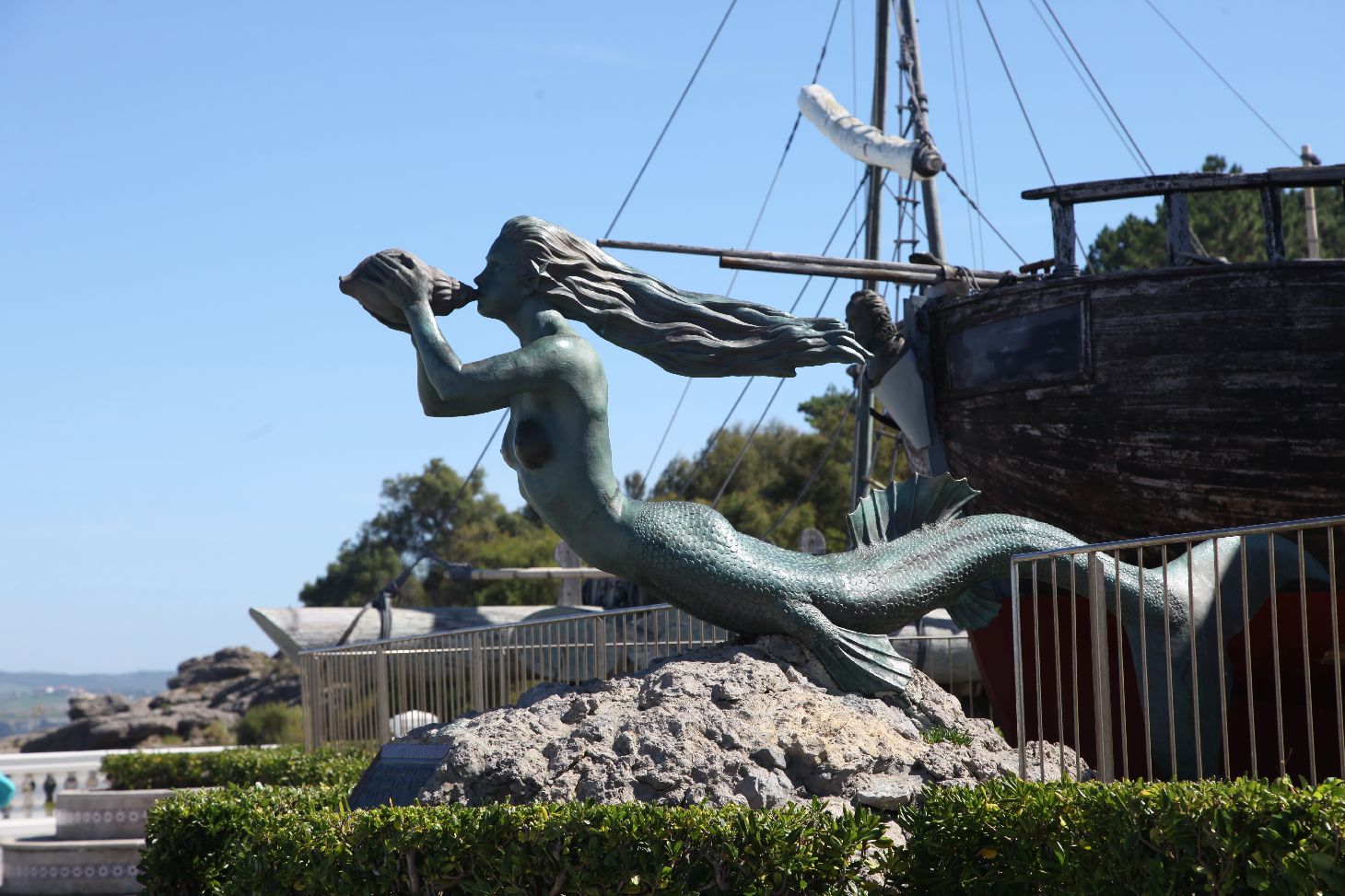
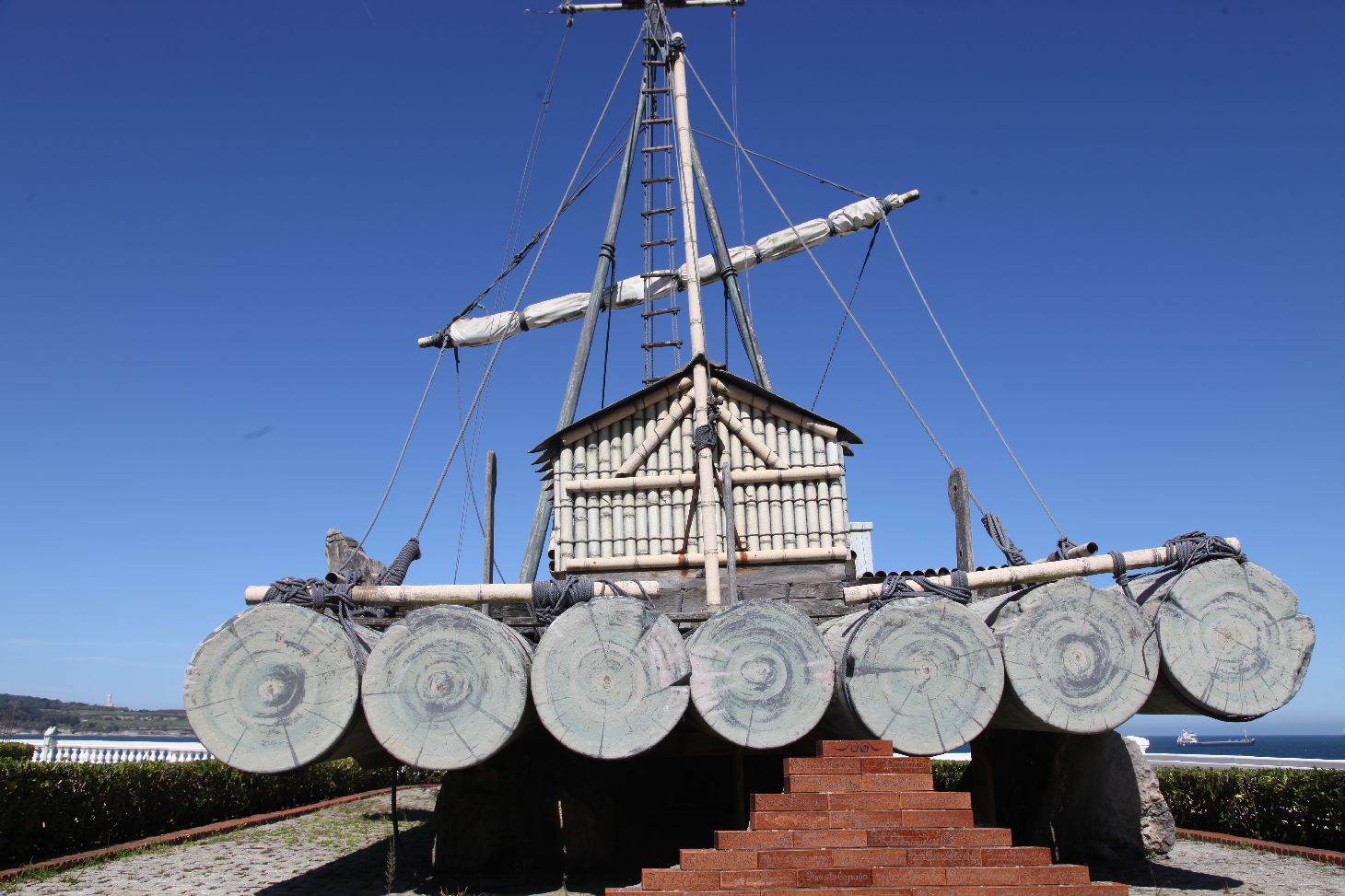
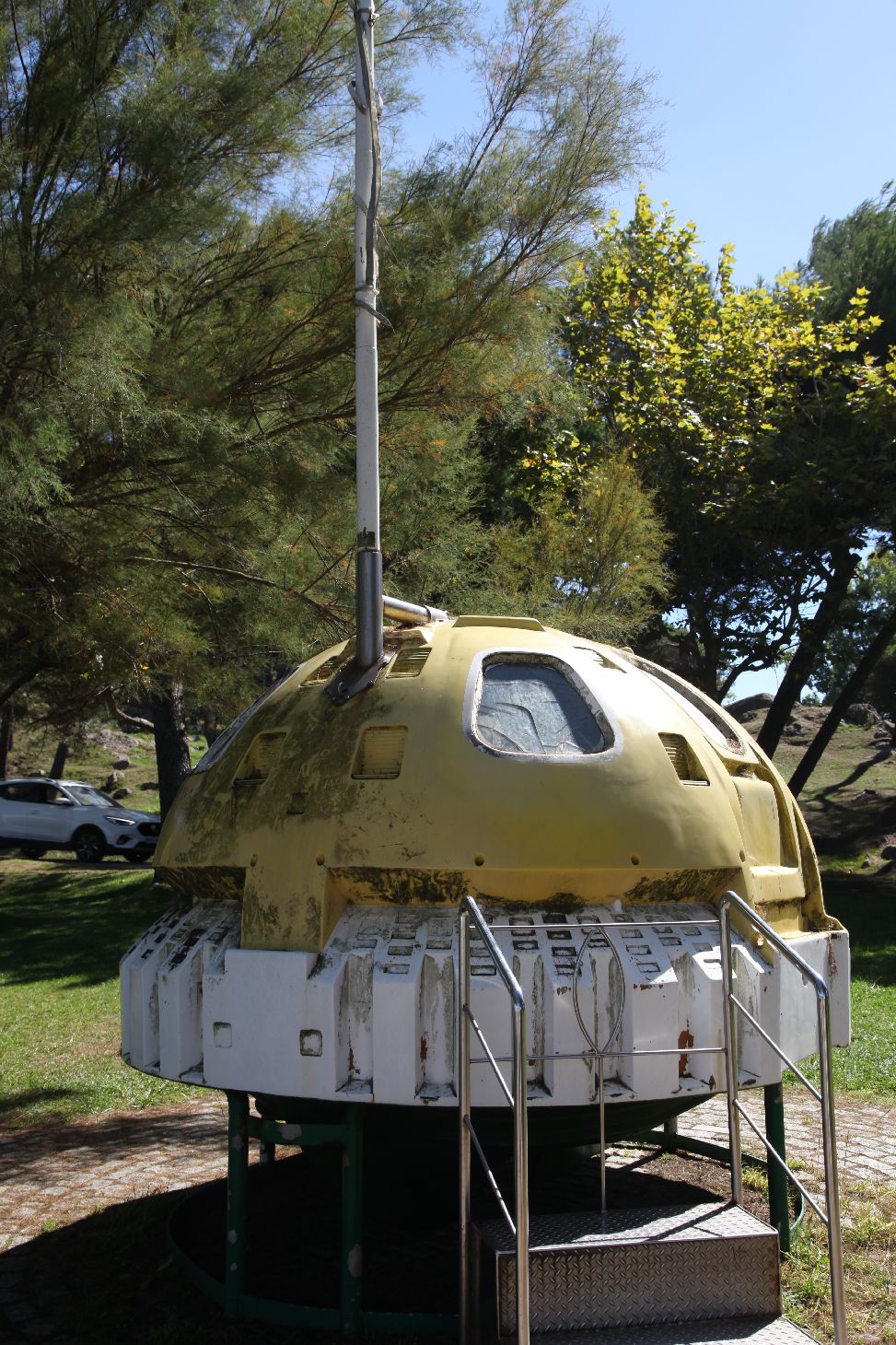
On the way there is a mermaid statue in front of the Museum of Man and the Sea. Calling it a museum is stretching the point somewhat. It’s located on the north-west side of the peninsula, on a wide terrace with views out over the Abra del Sardinero. It’s a tribute to the nine expeditions made by the Santander sailor Vital Alsar Ramírez between 1966 and 1992 and consists of the three galleons that he used in his ocean adventures (the Ana de Ayala, the Cantabria, and the Quitus Amazonas). Inspired by Thor Heyerdahl and the Kon-Tiki expedition, he also built a raft in Ecuador, on which he crossed the Pacific in 1970, the longest journey in history made in such a fragile vessel. I think we can fairly say that Vital was mad as a box of frogs.
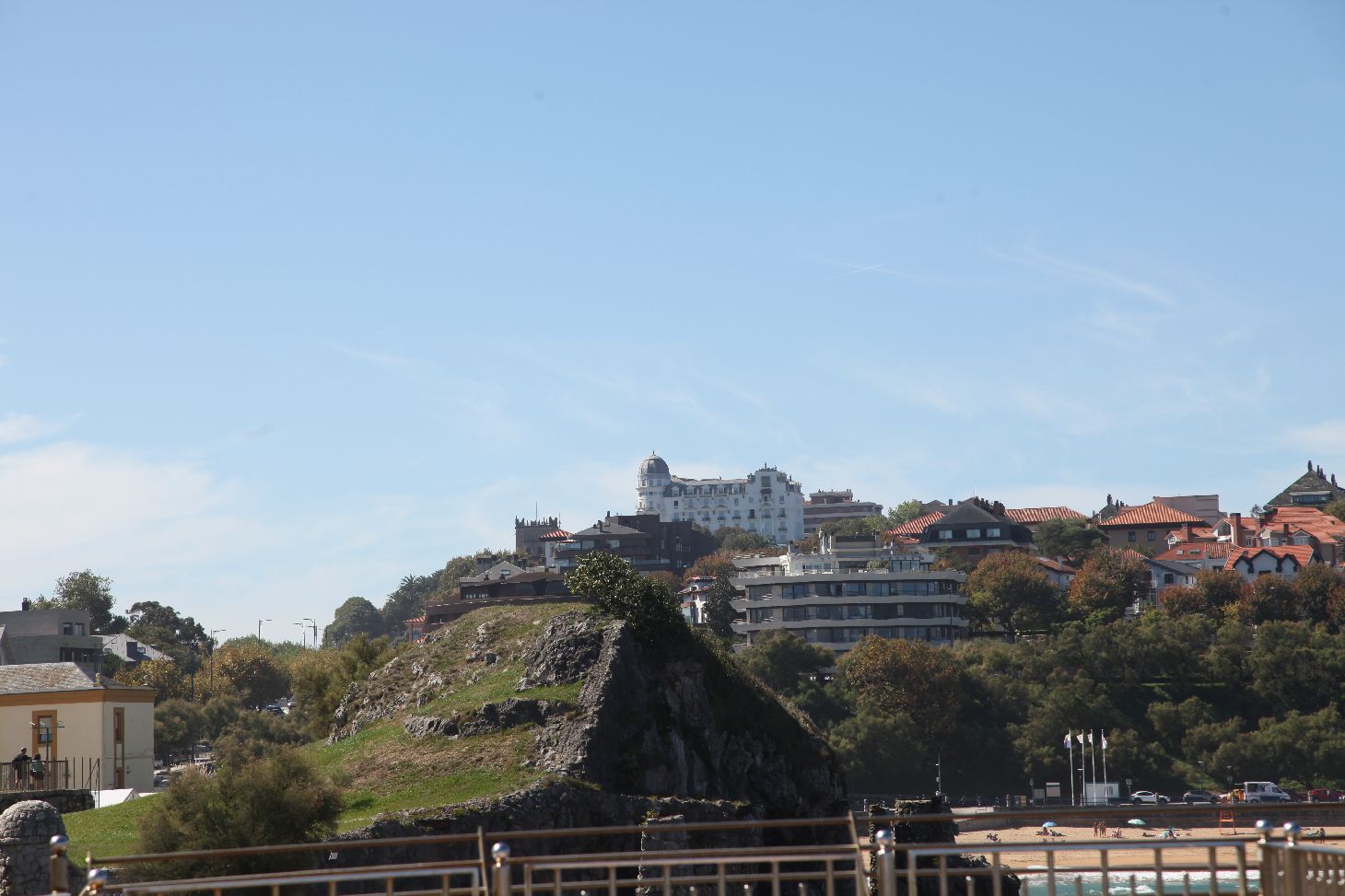
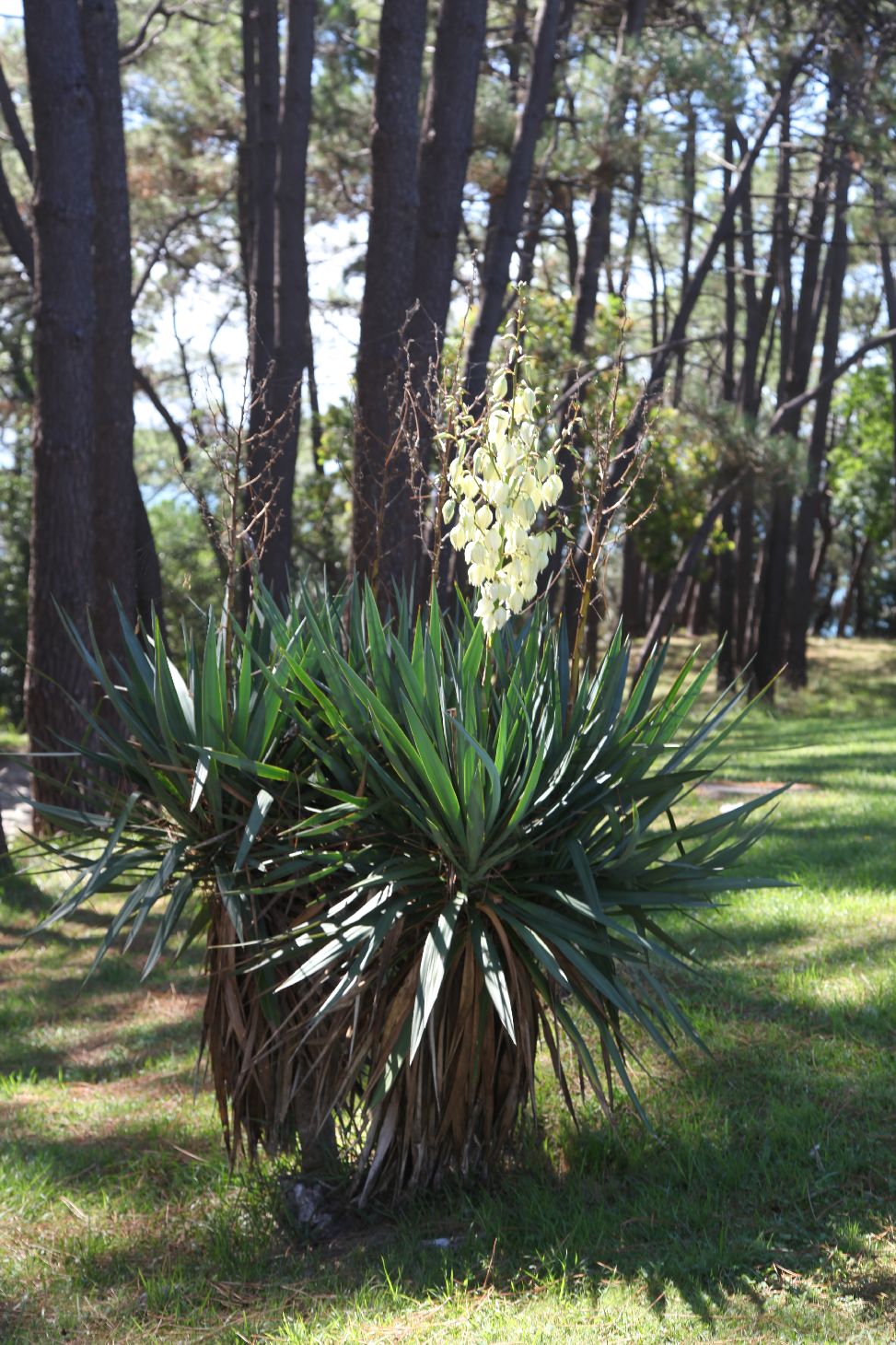
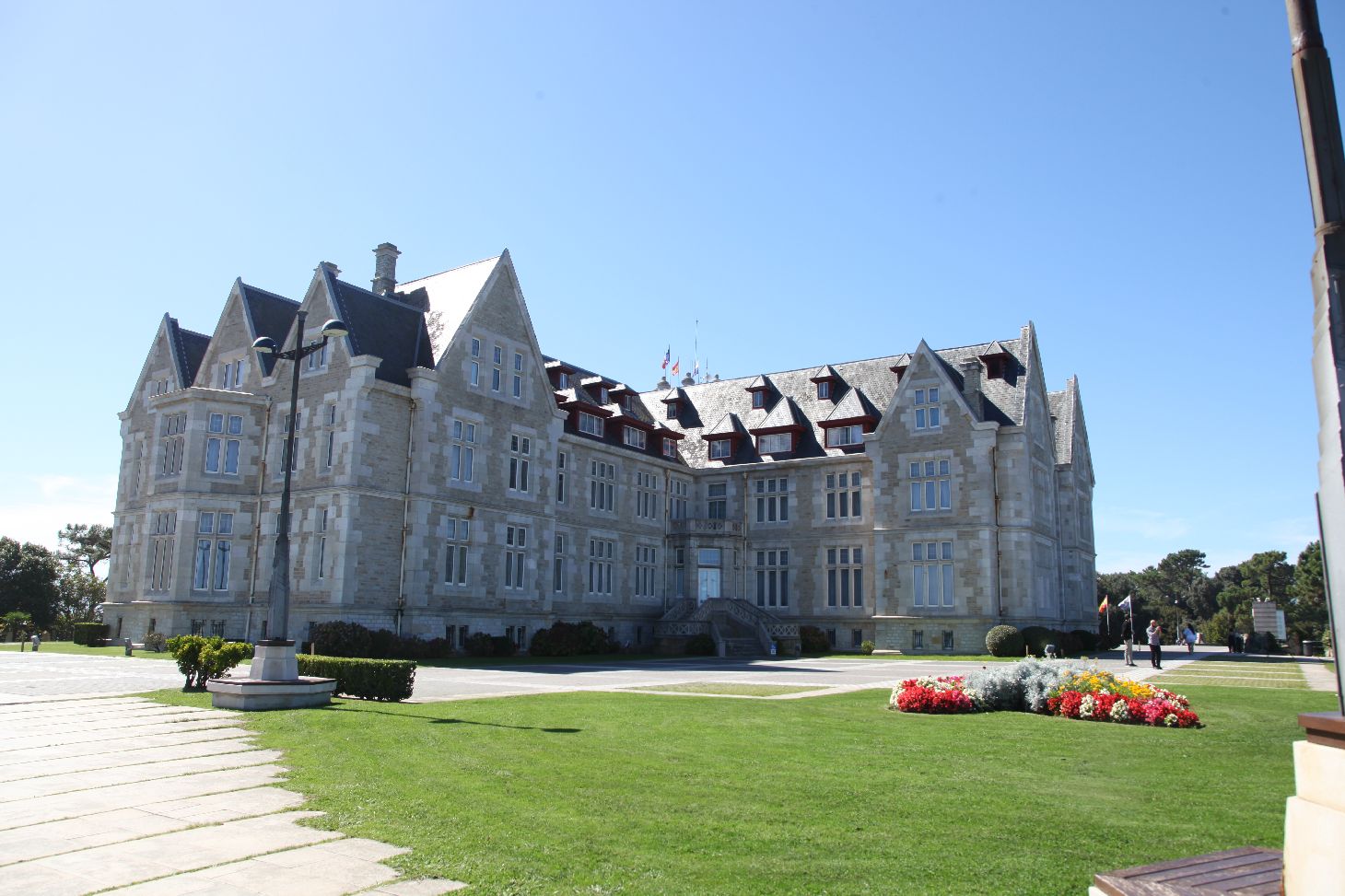
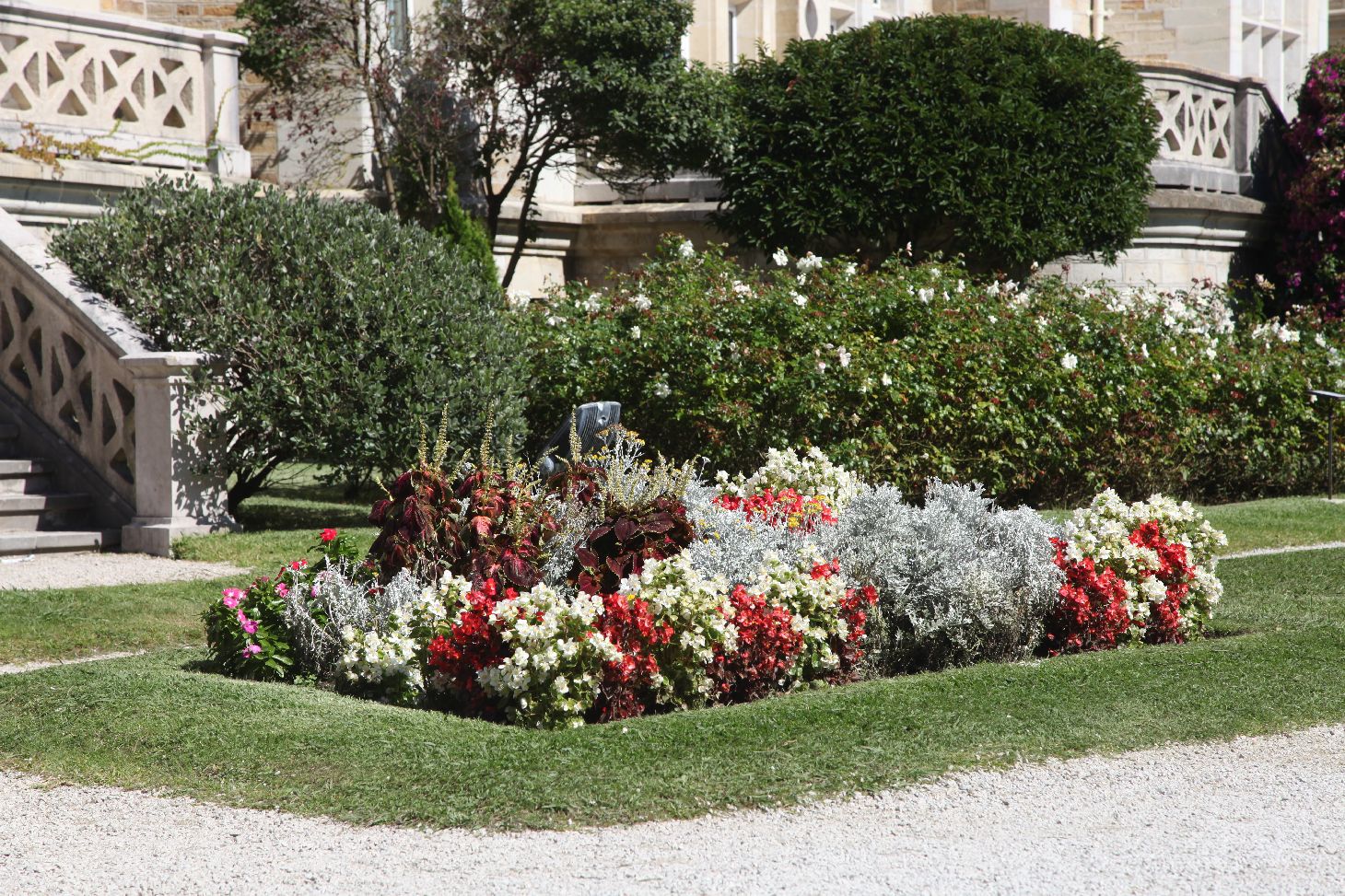
At the furthest and highest point stands the Palacio de la Magdalena, built as a holiday home for the Spanish royal family. It was put up between 1908 and 1912 as a gift from the City Council to King Alfonso XIII and Queen Victoria Eugenia. The Queen was apparently fond of her English roots (she was one of Queen Victoria’s granddaughters), and nostalgic for the Isle of Wight, which explains the architecture of both the house and the stable block. To me it’s actually more Scottish Baronial on steroids but given Queen Victoria’s fondness for all things Scottish, that makes a lot of sense. It’s open for guided tours but was fully booked when we looked so we settled for wandering round the outside instead. The gardens are beautifully laid out and despite the fierce wind you can see why it’s a popular venue for weddings and such like.
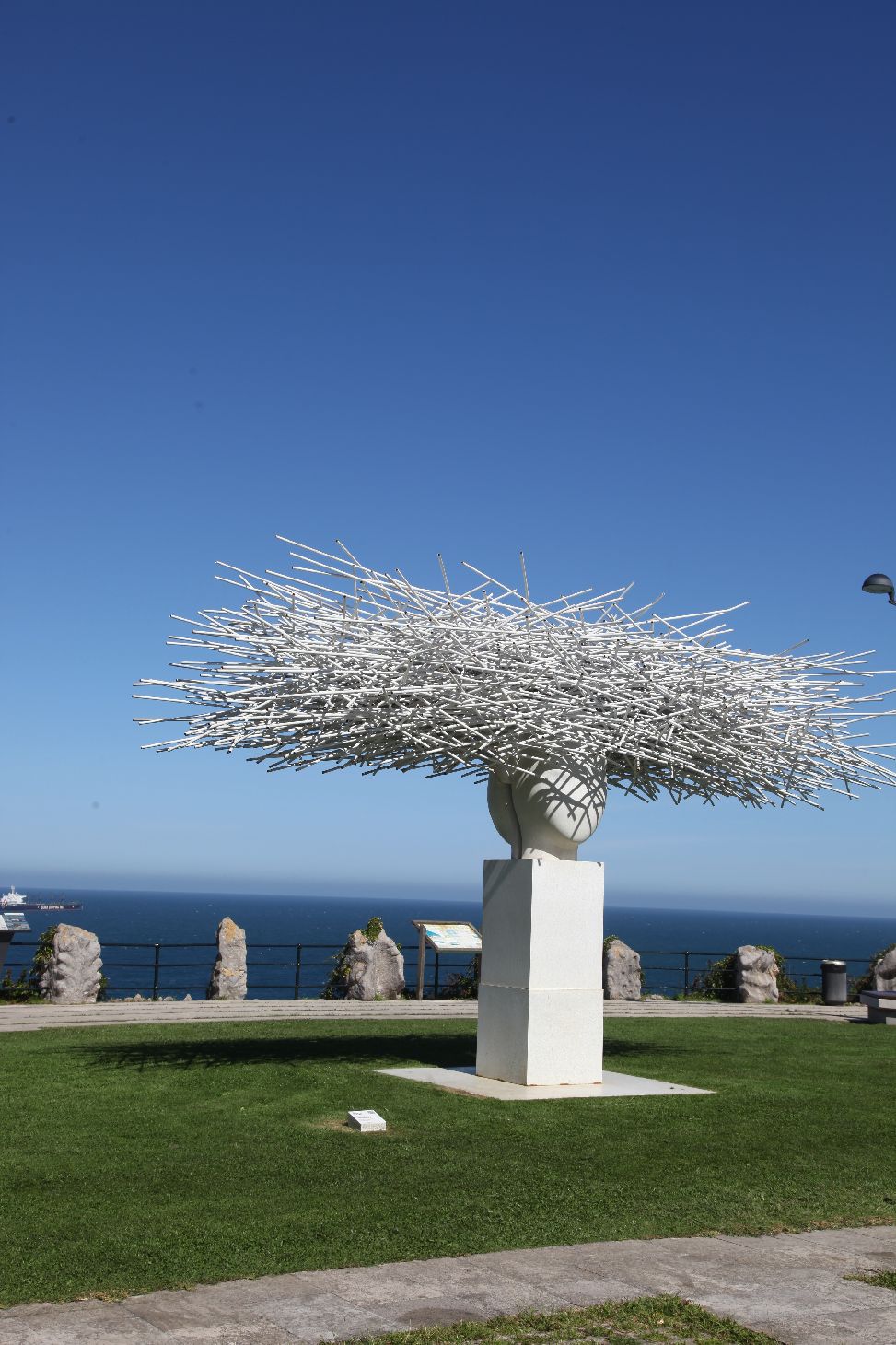
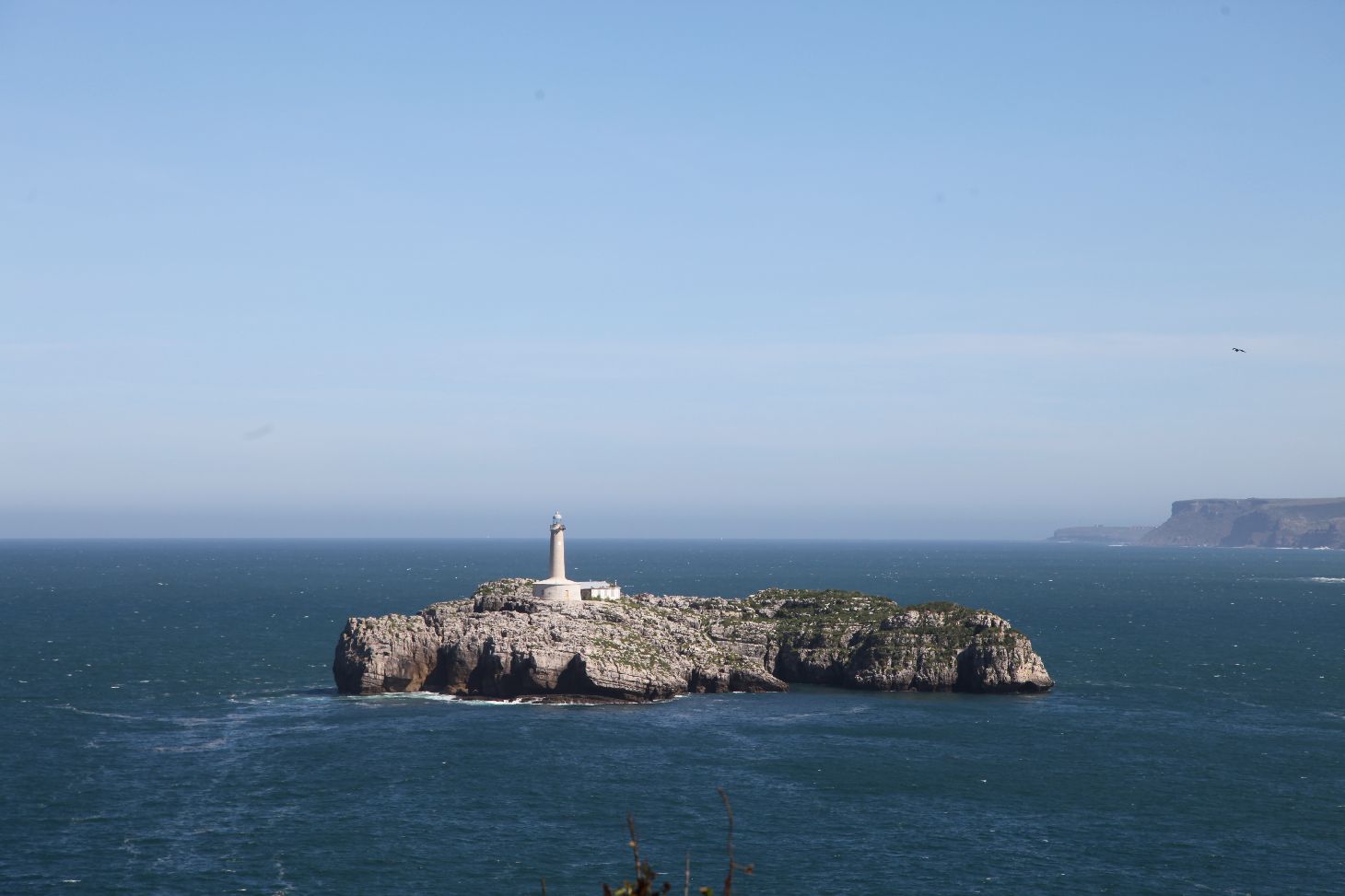
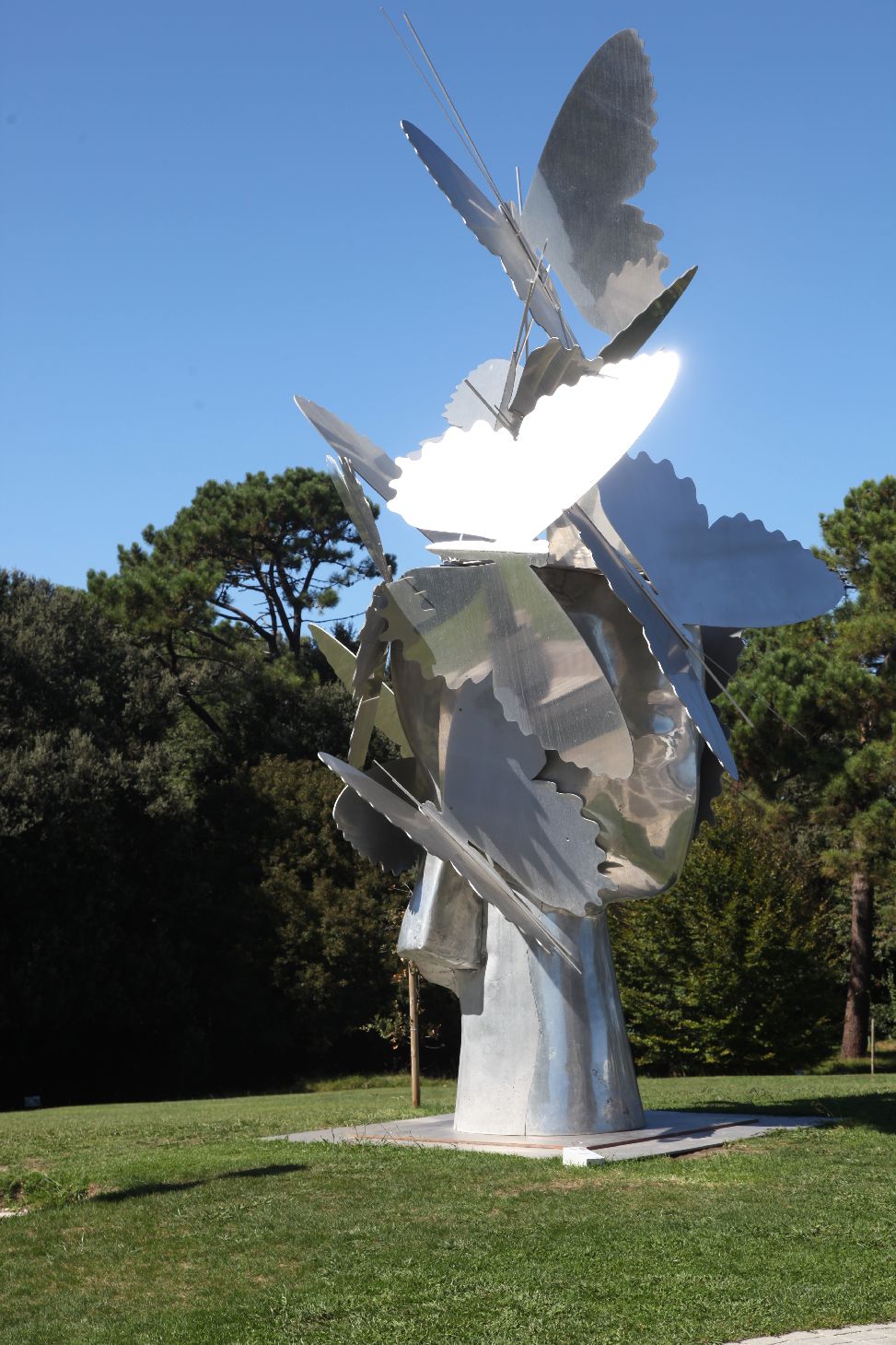
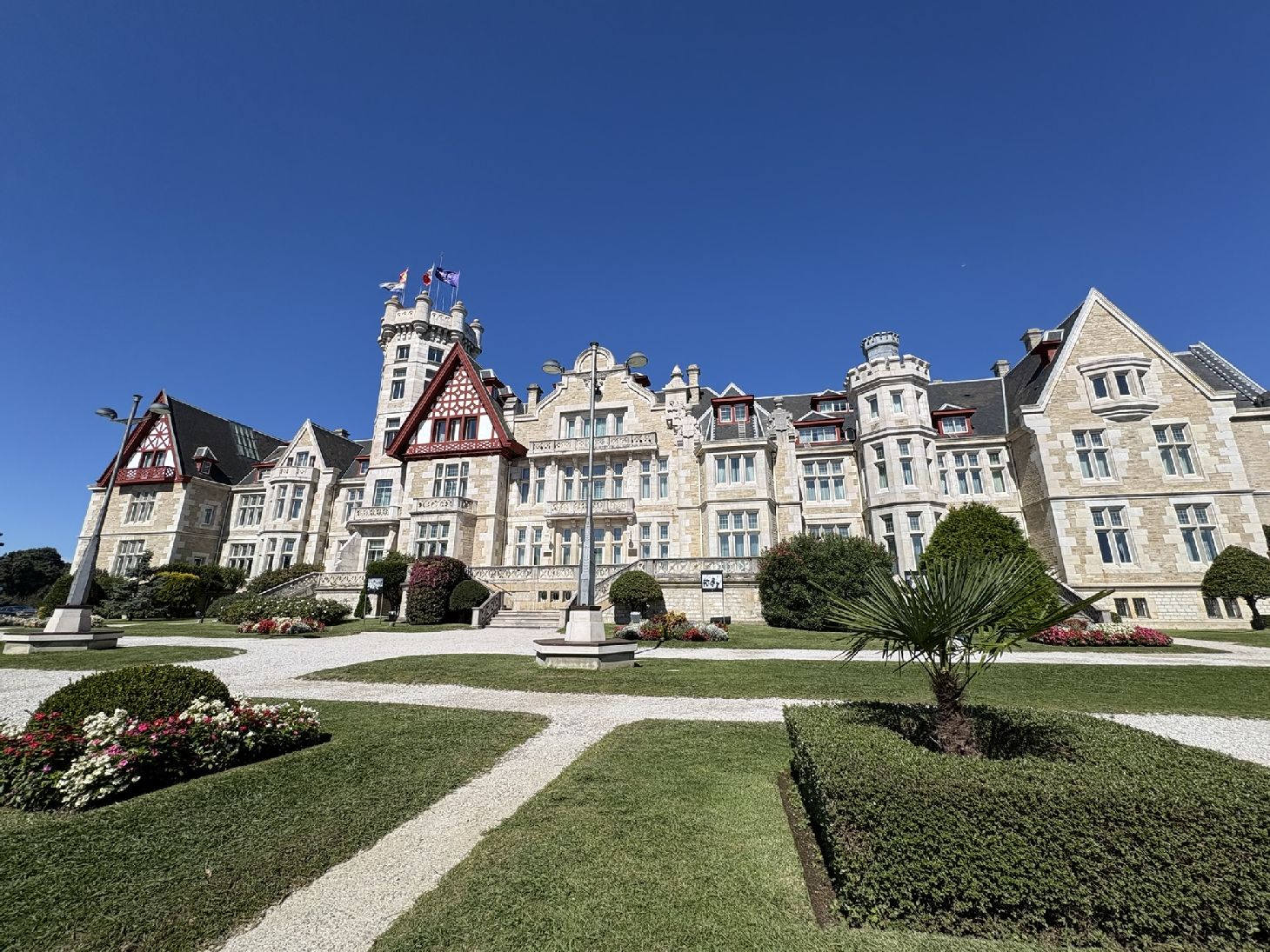
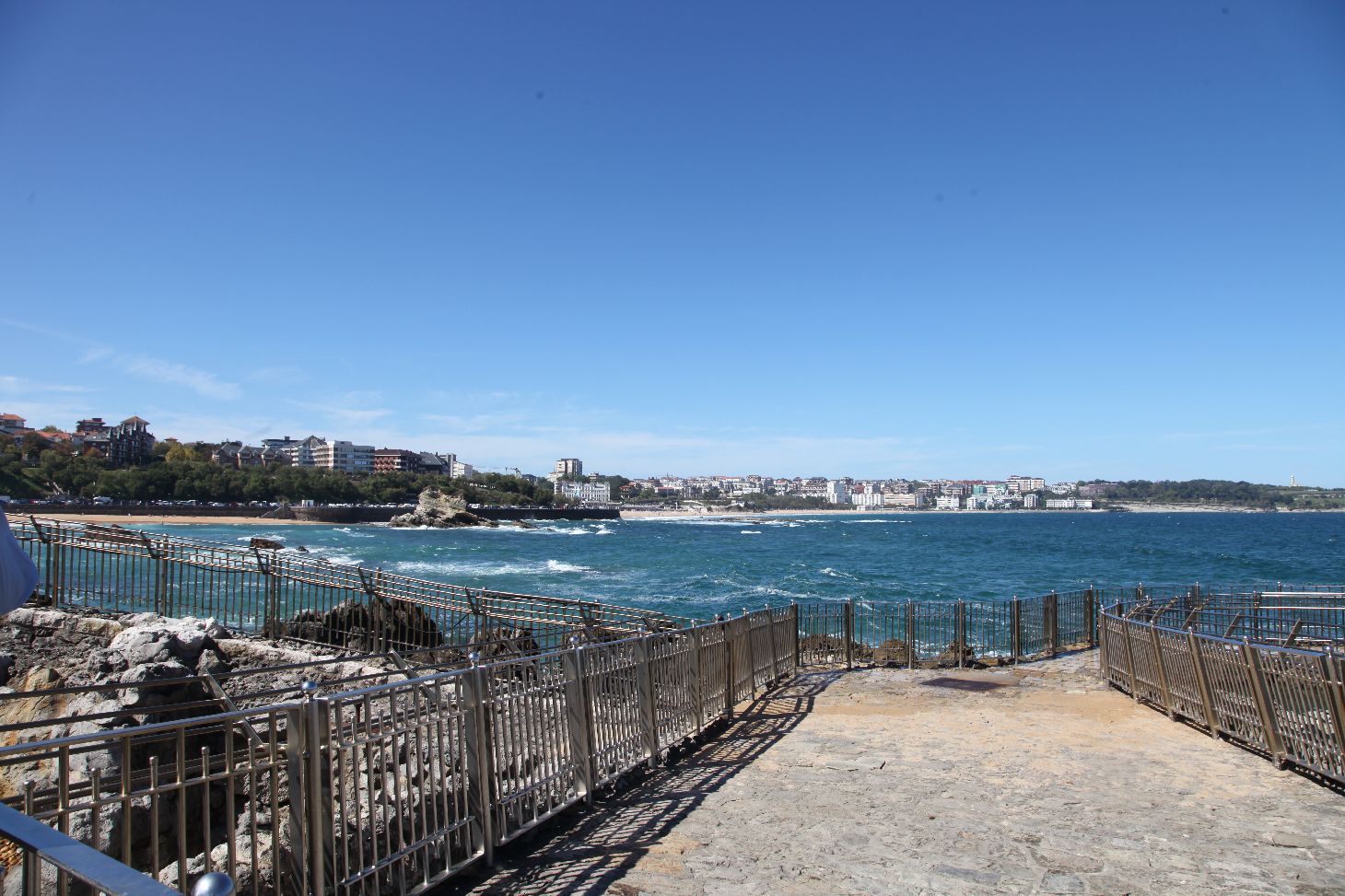
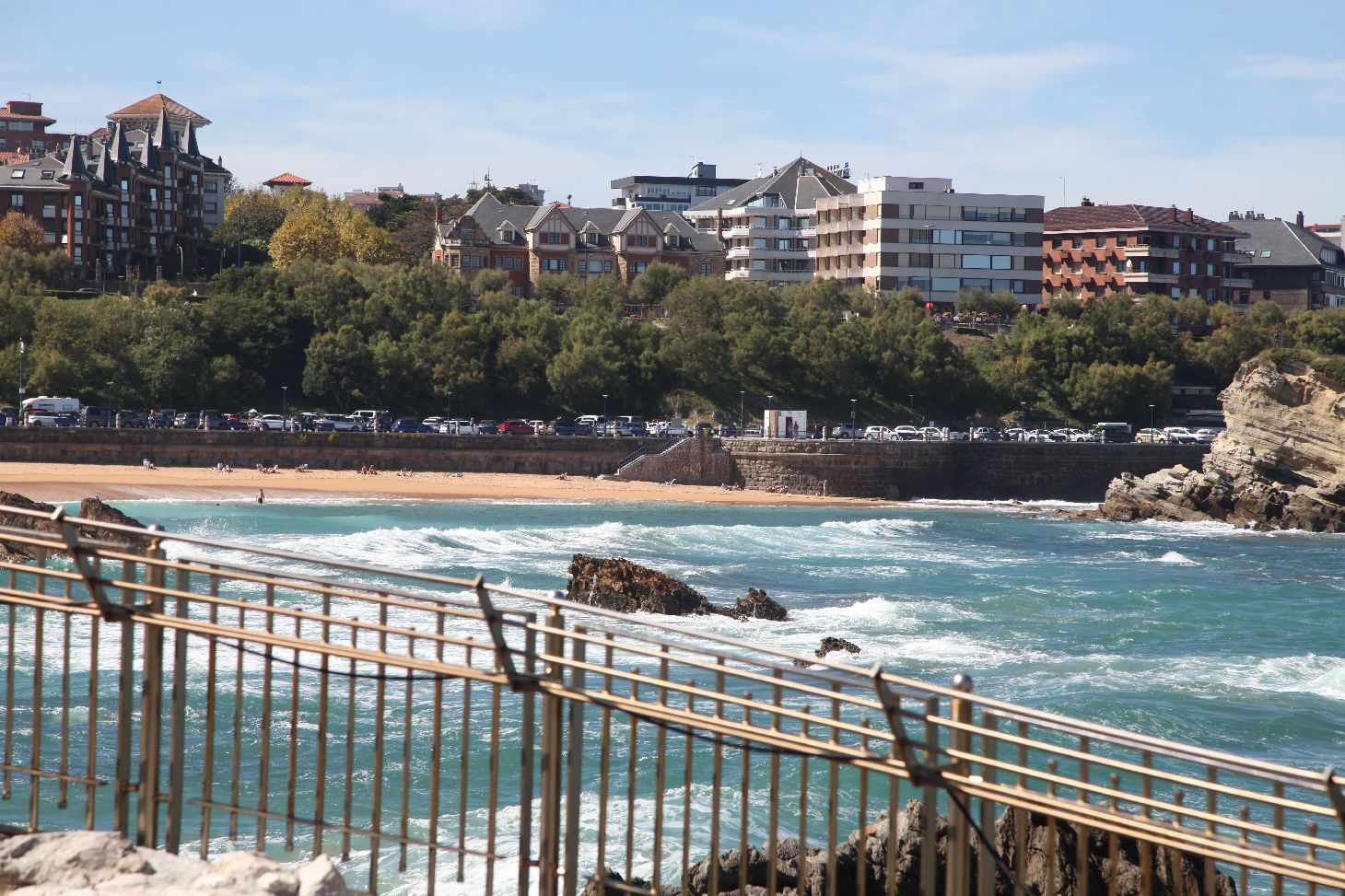
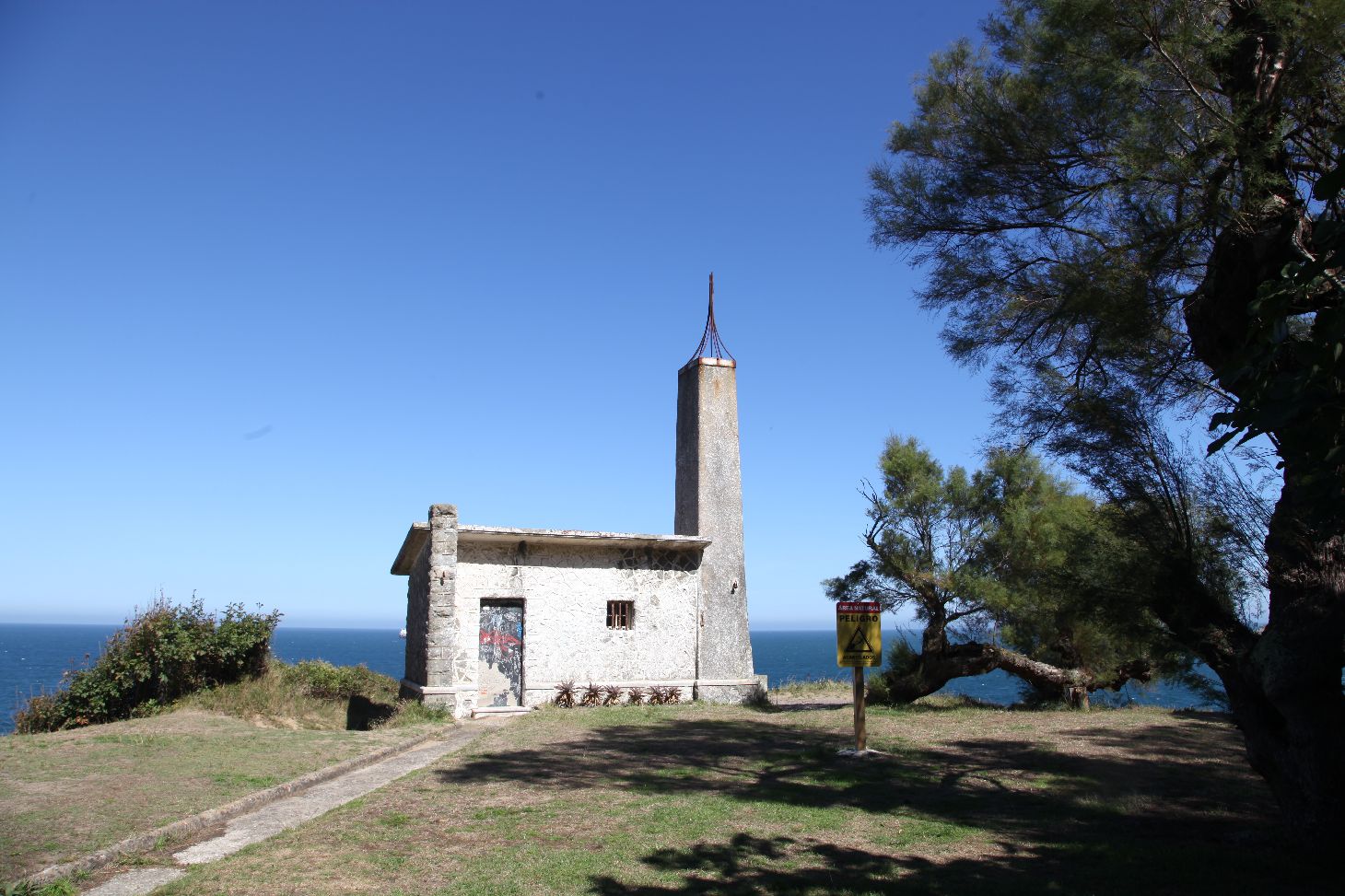
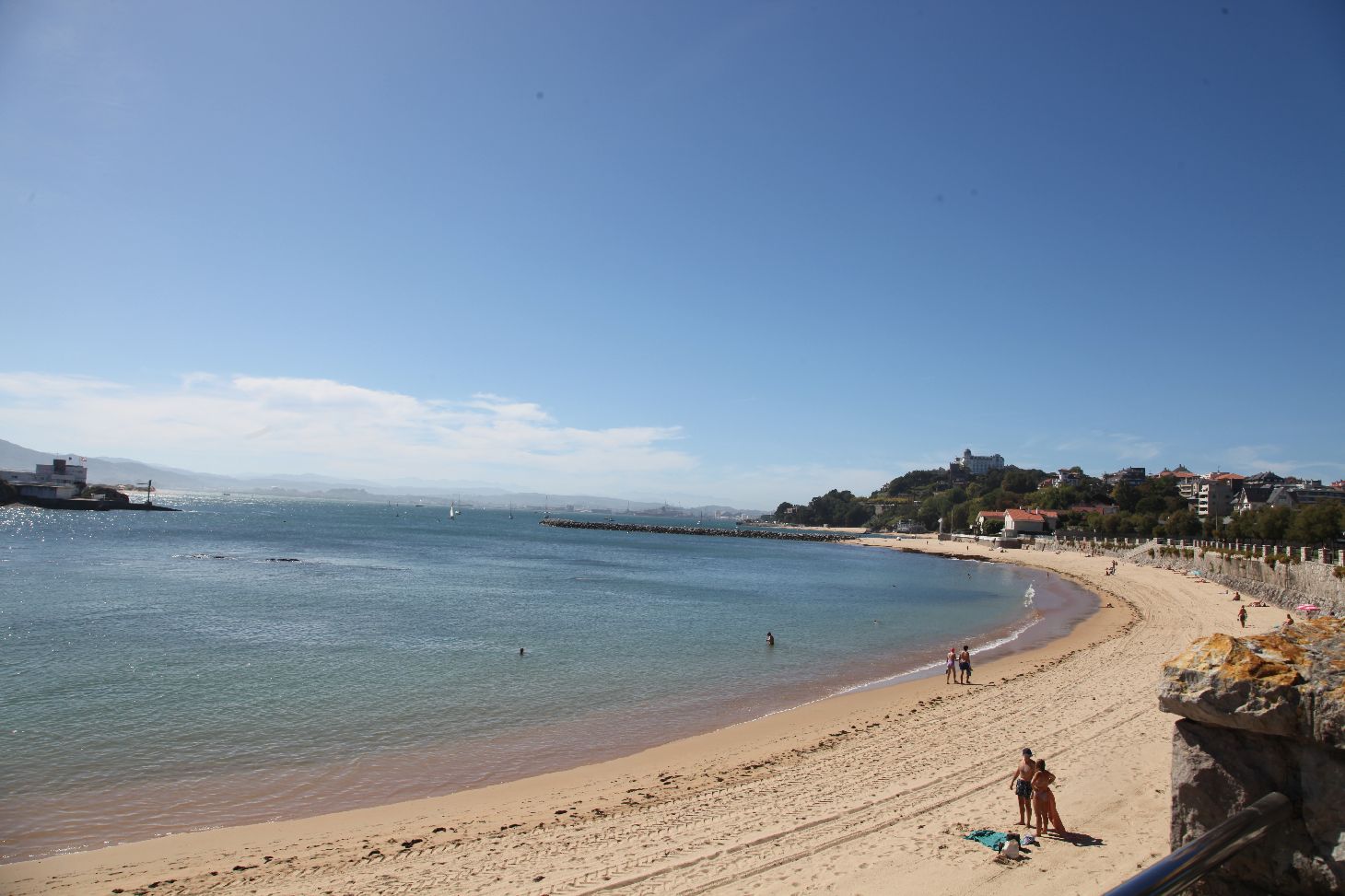
We walked back down the southern slope of the peninsula which also provides magnificent panoramic views, this time of the Bay of Santander, with the inland landscape of the regions as a beautiful backdrop. There are also two long sandy beaches, La Magdalena, to the west and Bikini beach, named at the end of the nineteen fifties when it became the first place where bikinis could be seen being worn by students and foreign tourists. You can also see the Isla de la Torre with its sailing school. What there most noticeably isn’t, in contrast to many similar parks around the world, is anywhere to get a drink or a snack. It seems remiss of the locals. A cold drink on a terrace would have been a fine thing, given how warm the day was. We briefly toyed with trying to get into the tennis club, but in the end walked back to the bus stop and caught a bus back down towards the Centro Botin.
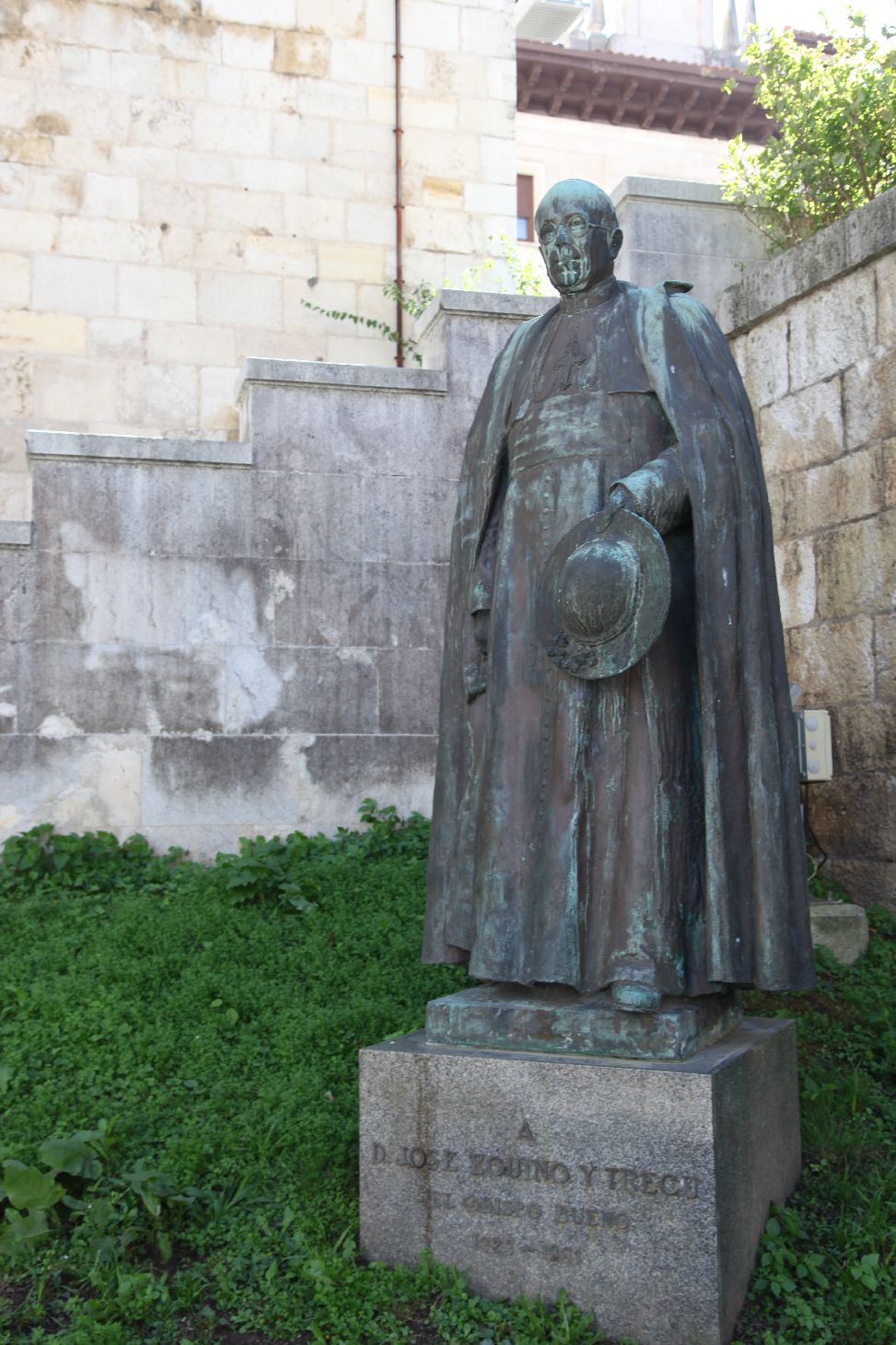
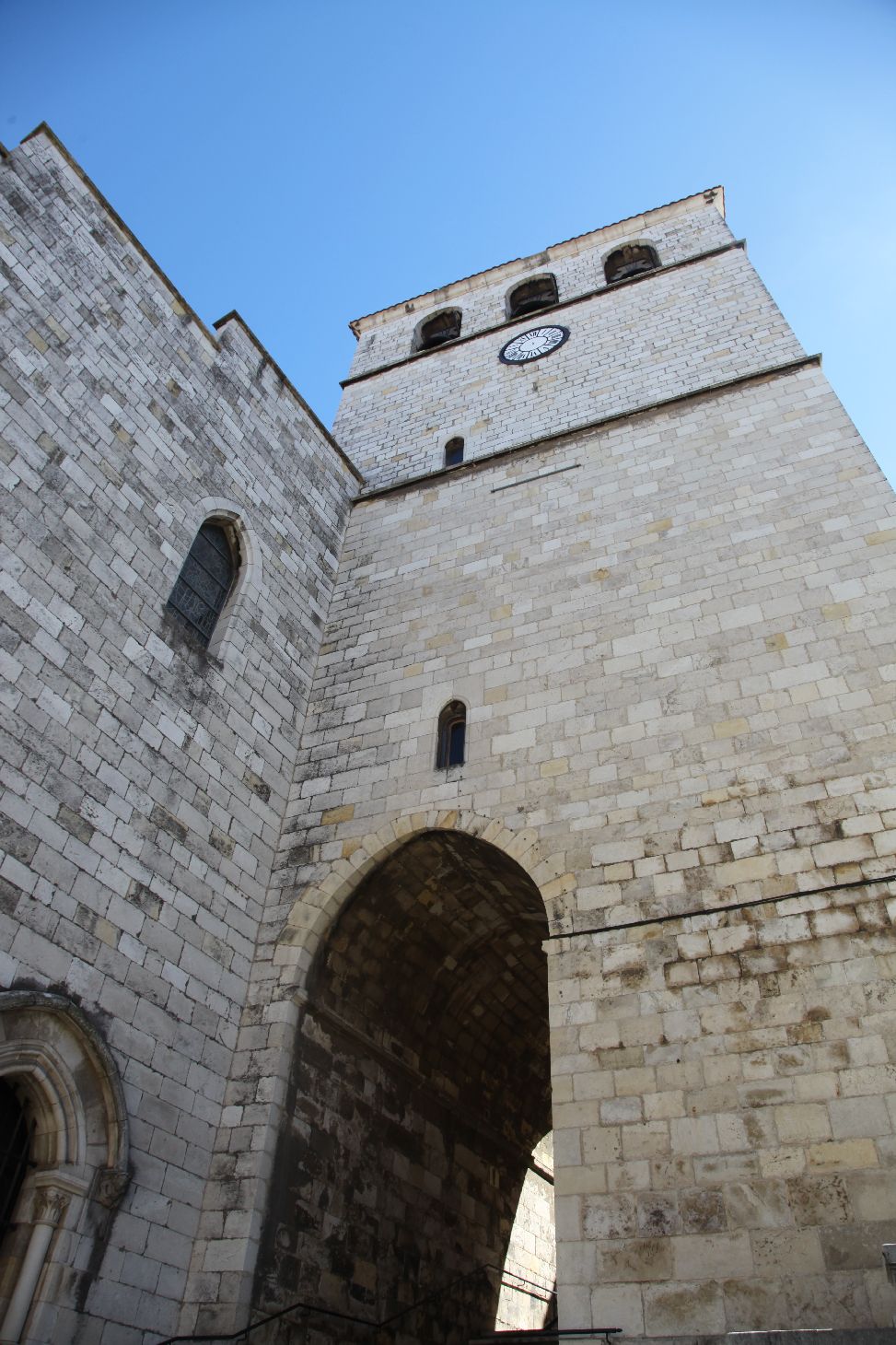
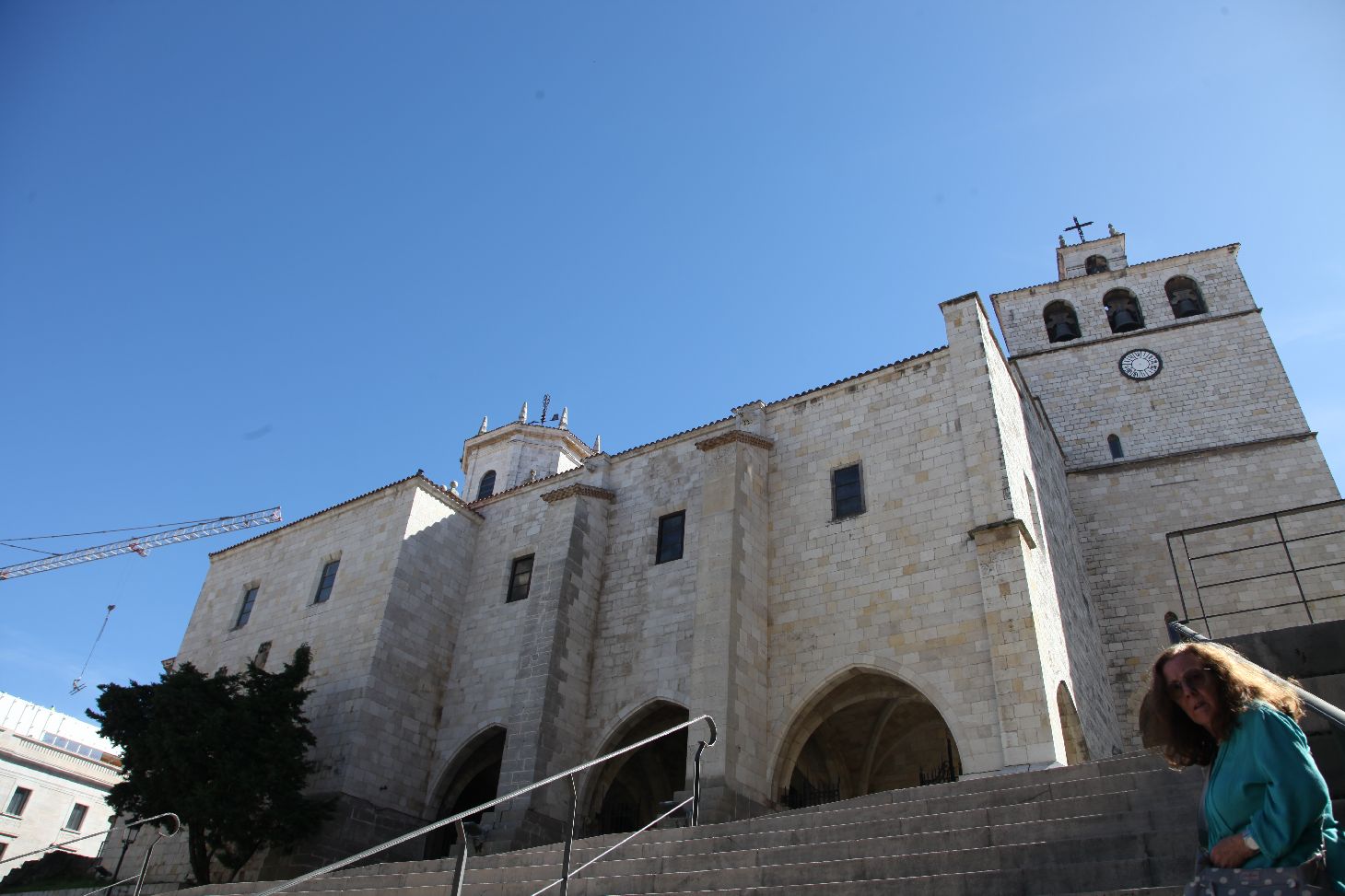
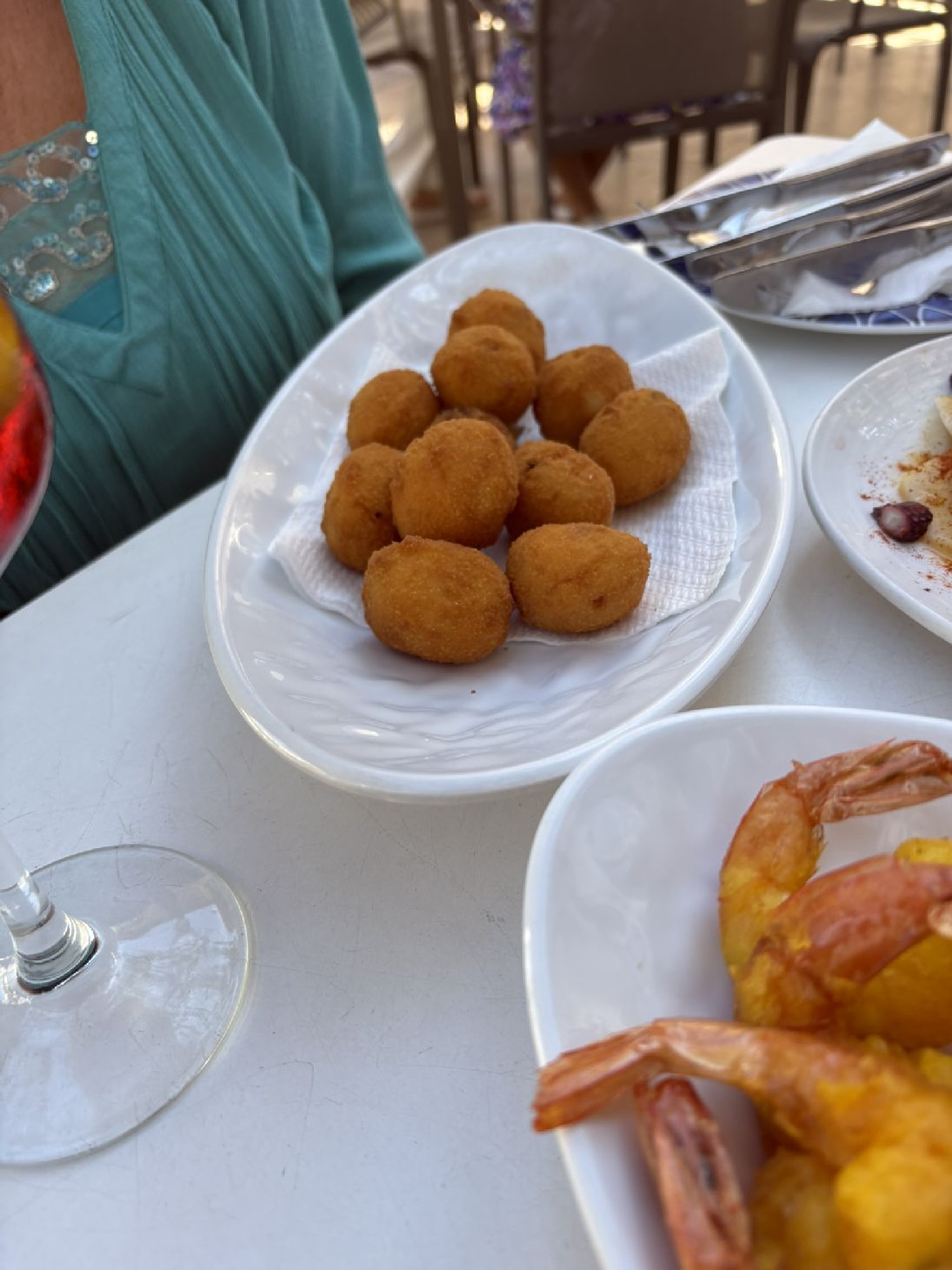
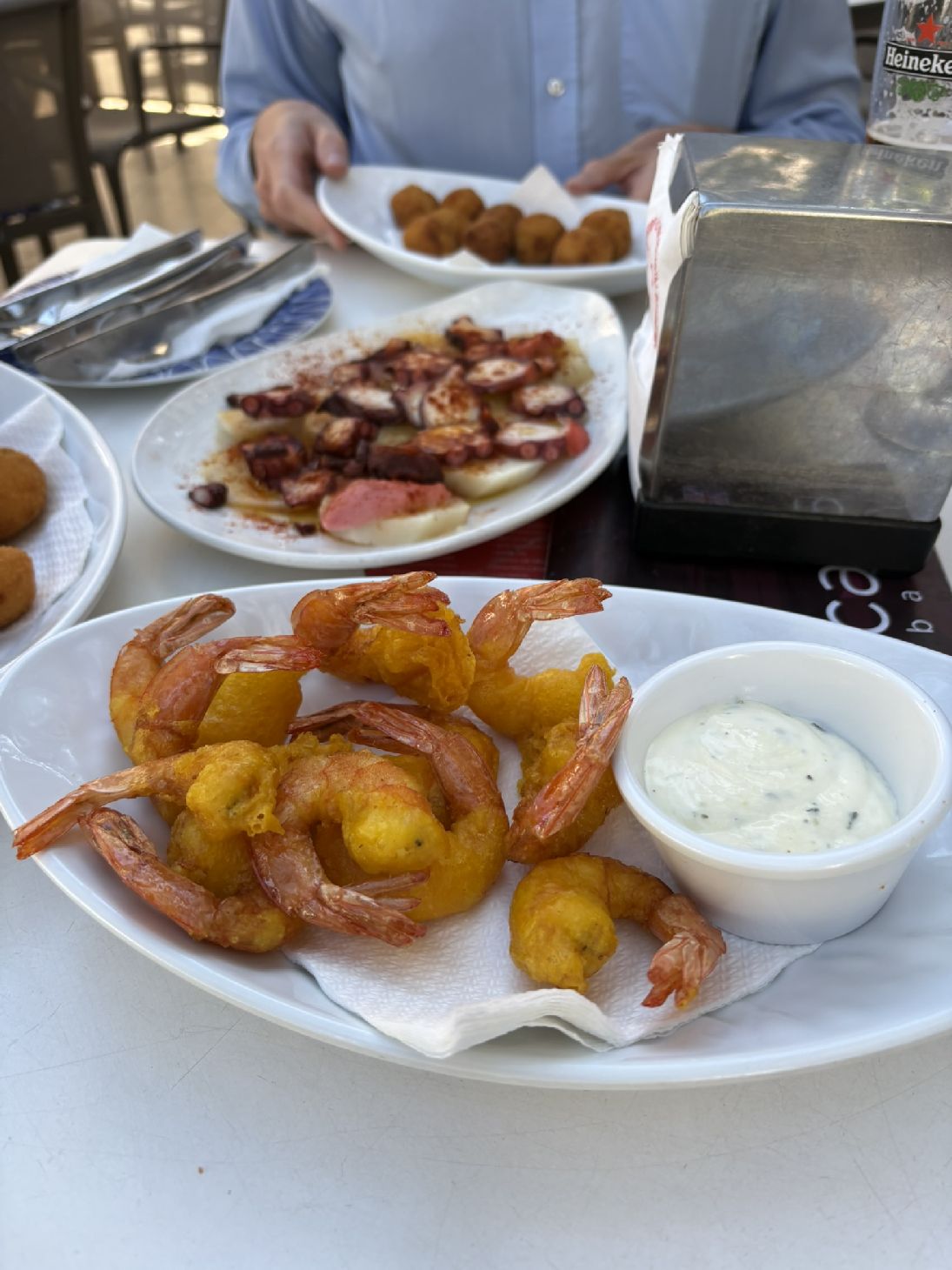
We were slightly too early for the cathedral so we stopped at a nearby establishment for lunch (which we were almost too late for). The kitchen at Cafe la Catedral was about to close so we were slightly restricted as to what we could have. Croquettes, prawns, and octopus did the job just fine.
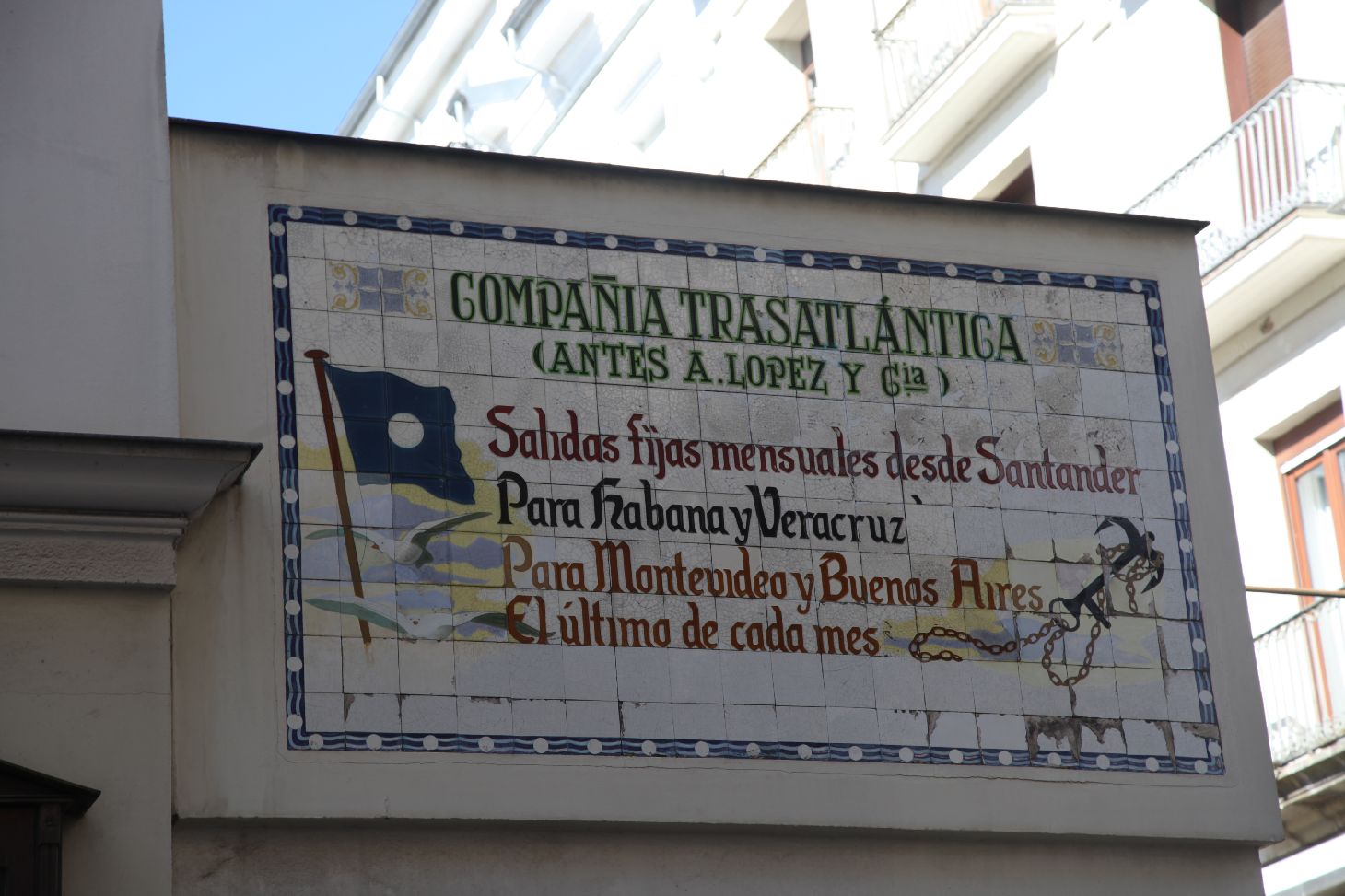
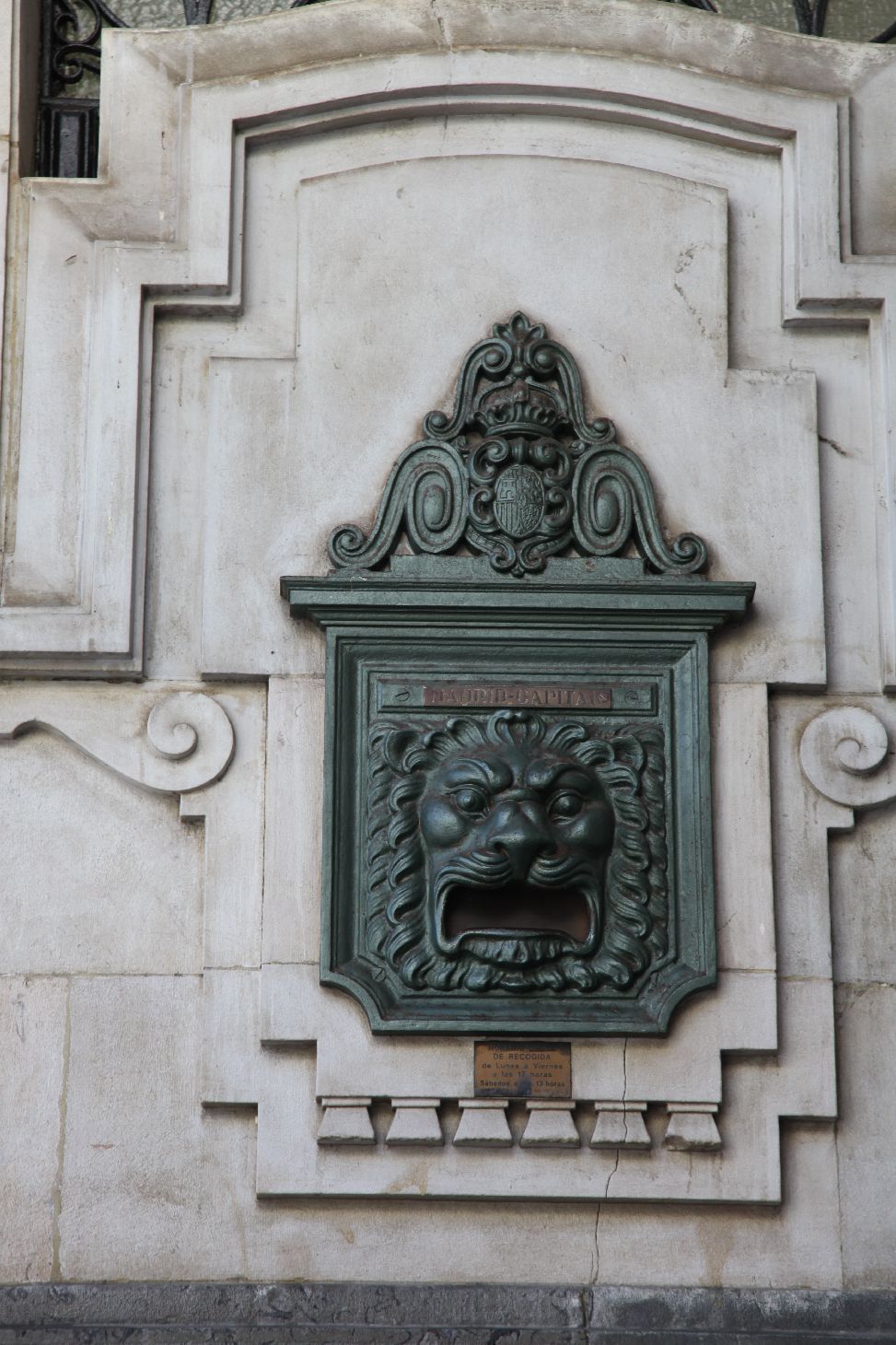
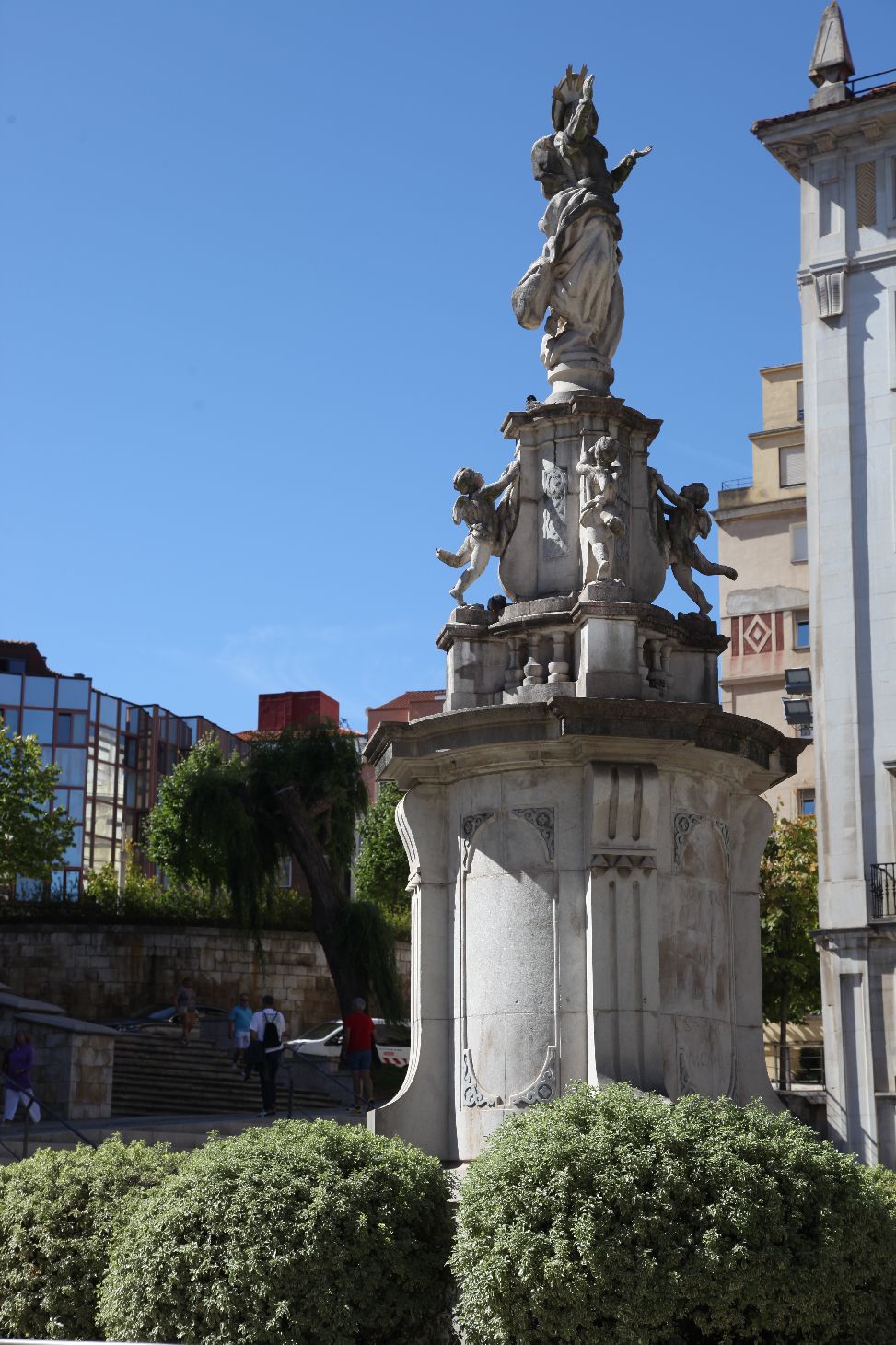
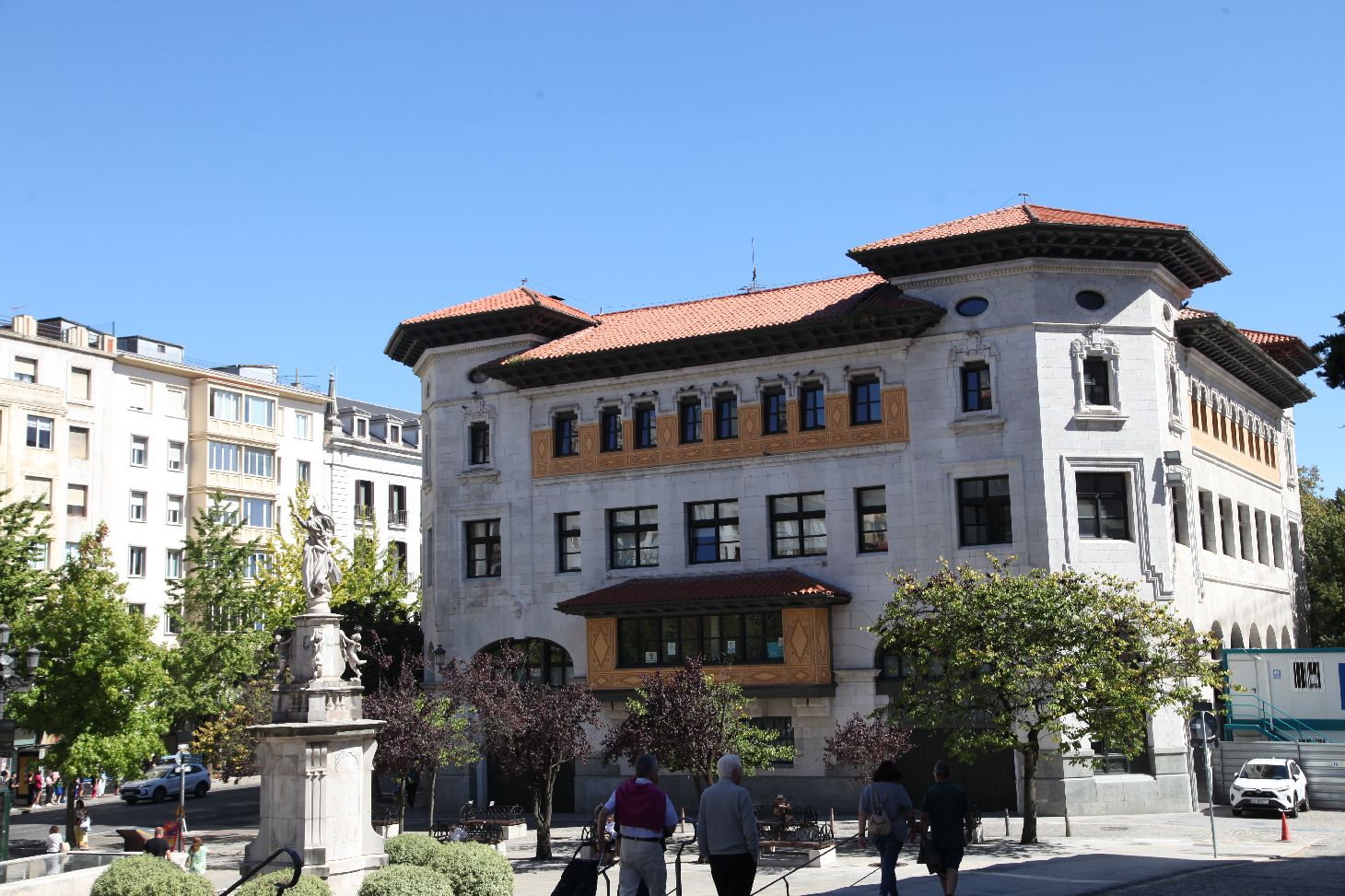
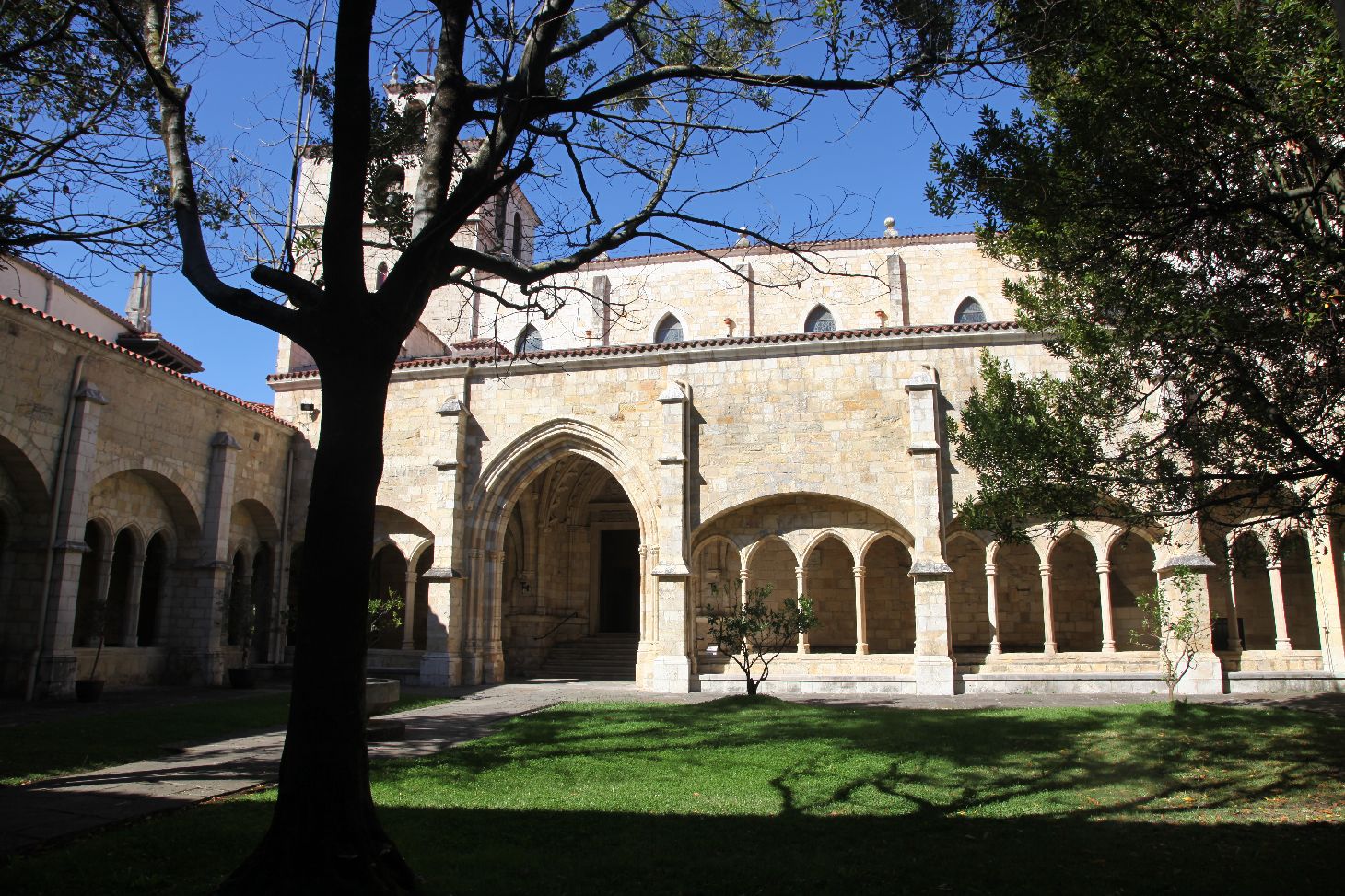
Entrance to the Santander Cathedral (la Catedral de Nuestra Señora de la Asunción de Santander) was another ticket bargain for the over 65s (all of us) although we weren’t sure whether or not to be offended to be offered the discount without needing to ask for it! The church was built from the 8th century on the Cerro de Somorrostro hill, surrounded by water, where the Roman settlement of Portus Victoriae Iuliobrigensium was previously. It’s purpose was to keep safe the relics of saints martyred in Calahorra five centuries before, their skulls brought to Santander by those escaping the Muslim invasion of the Iberian Peninsula.
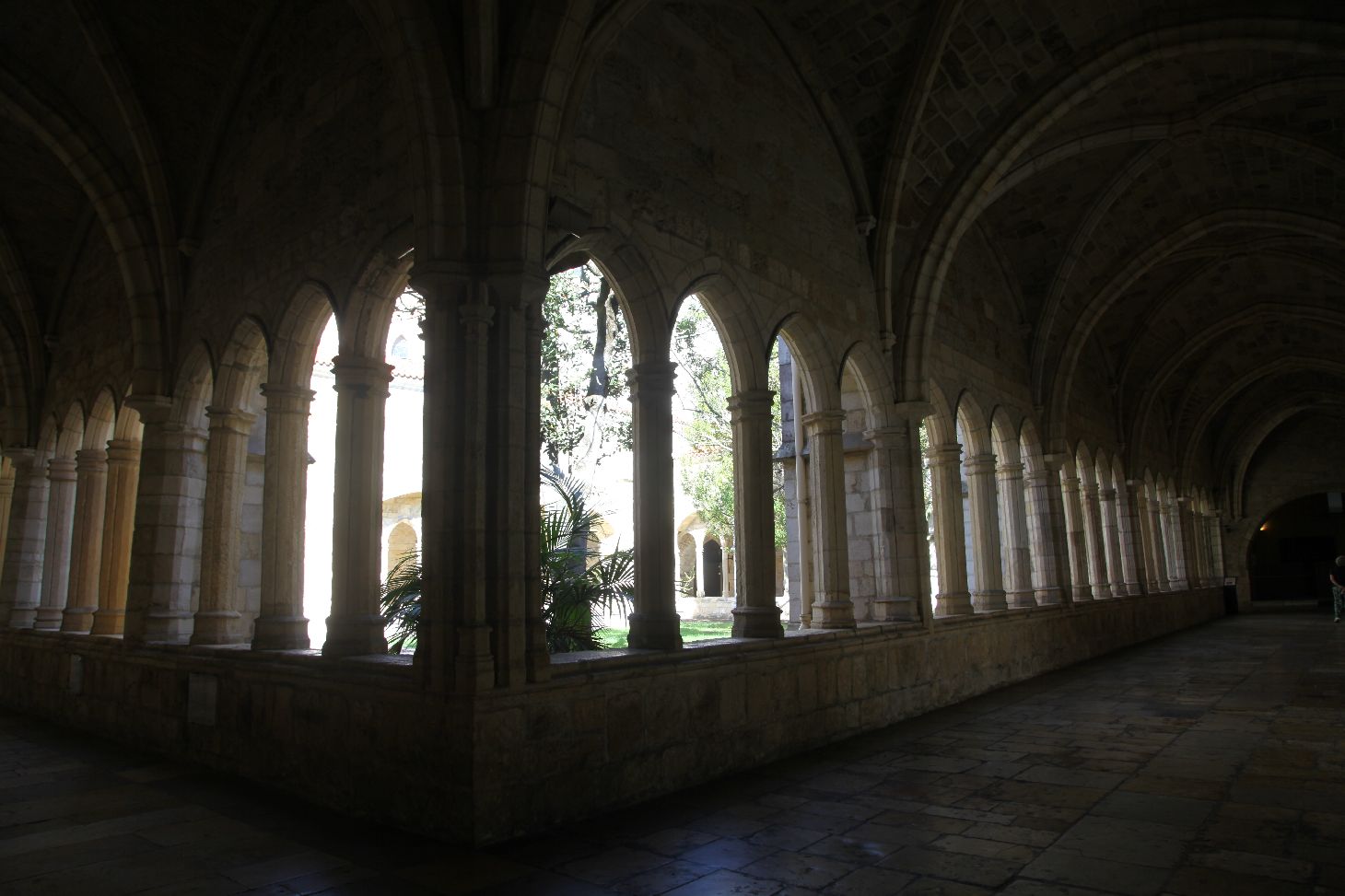
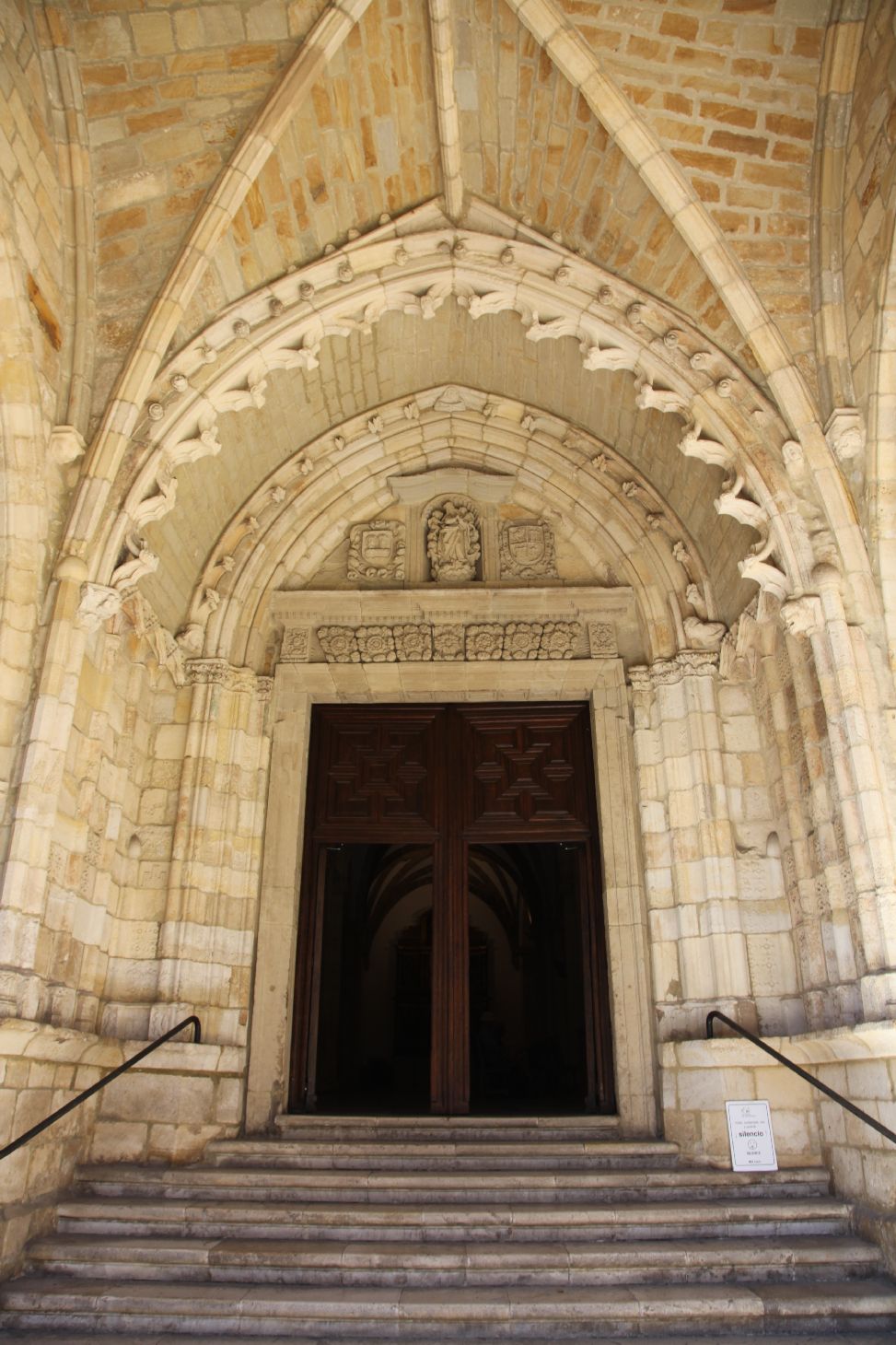
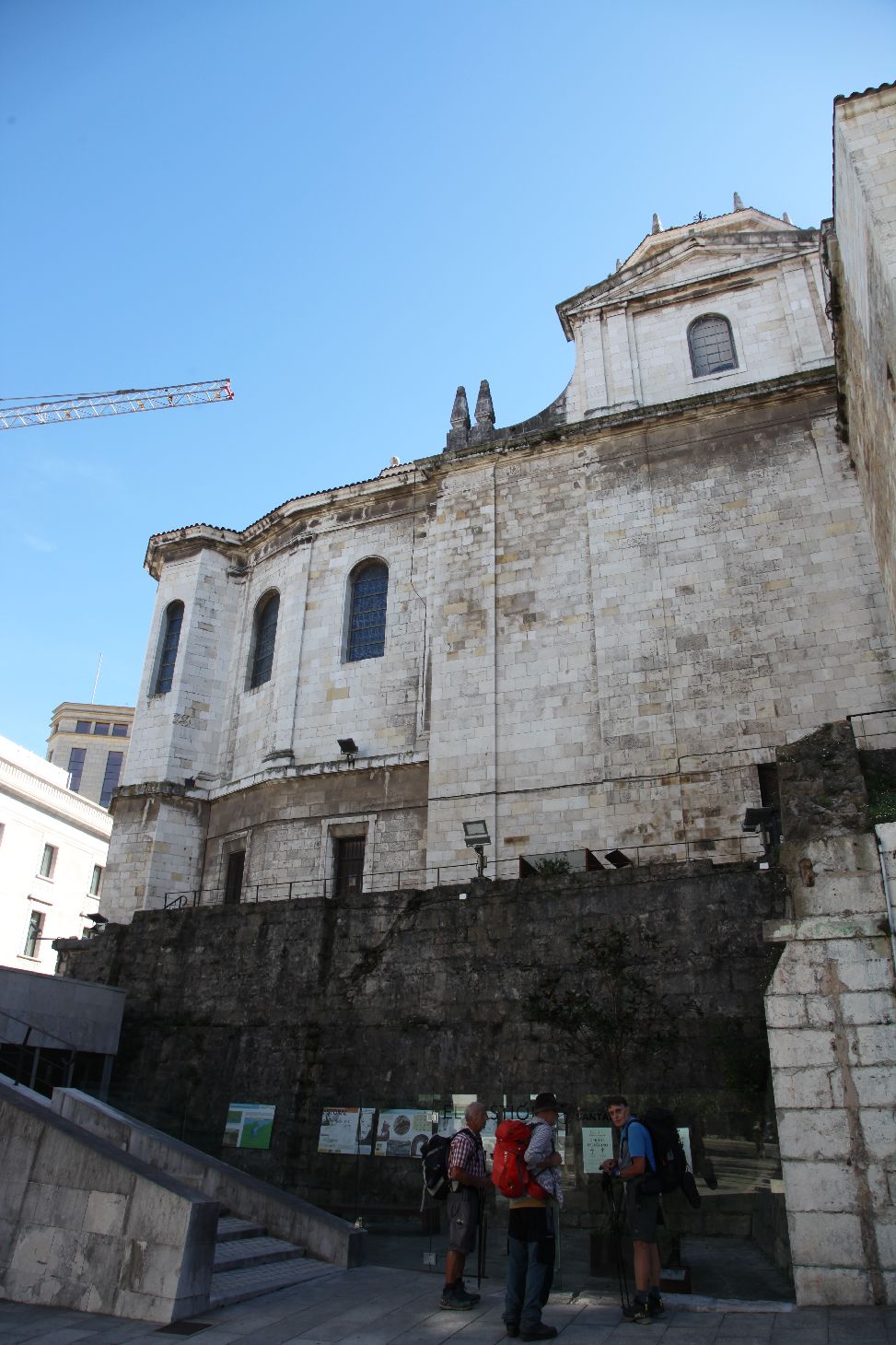
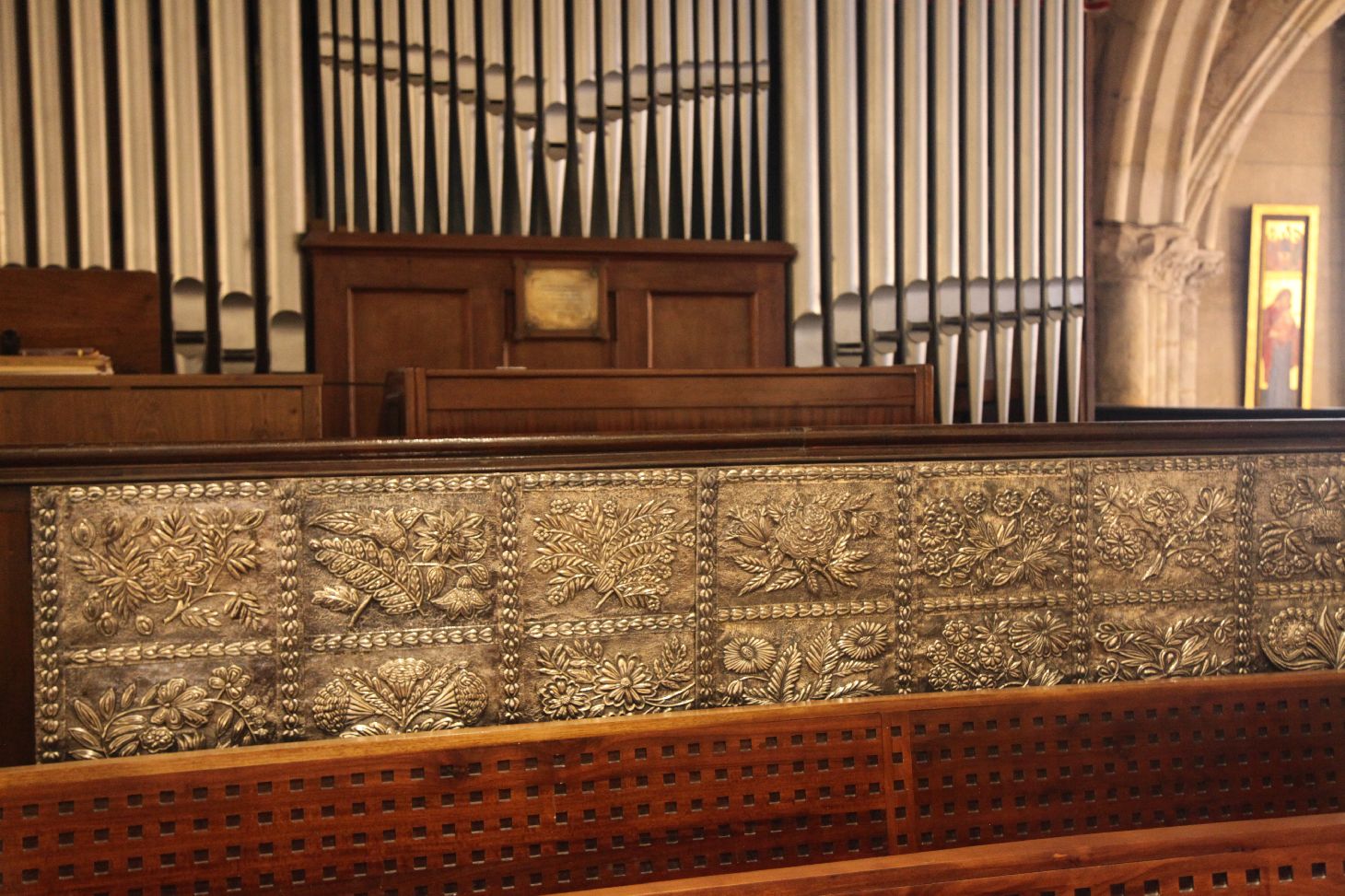
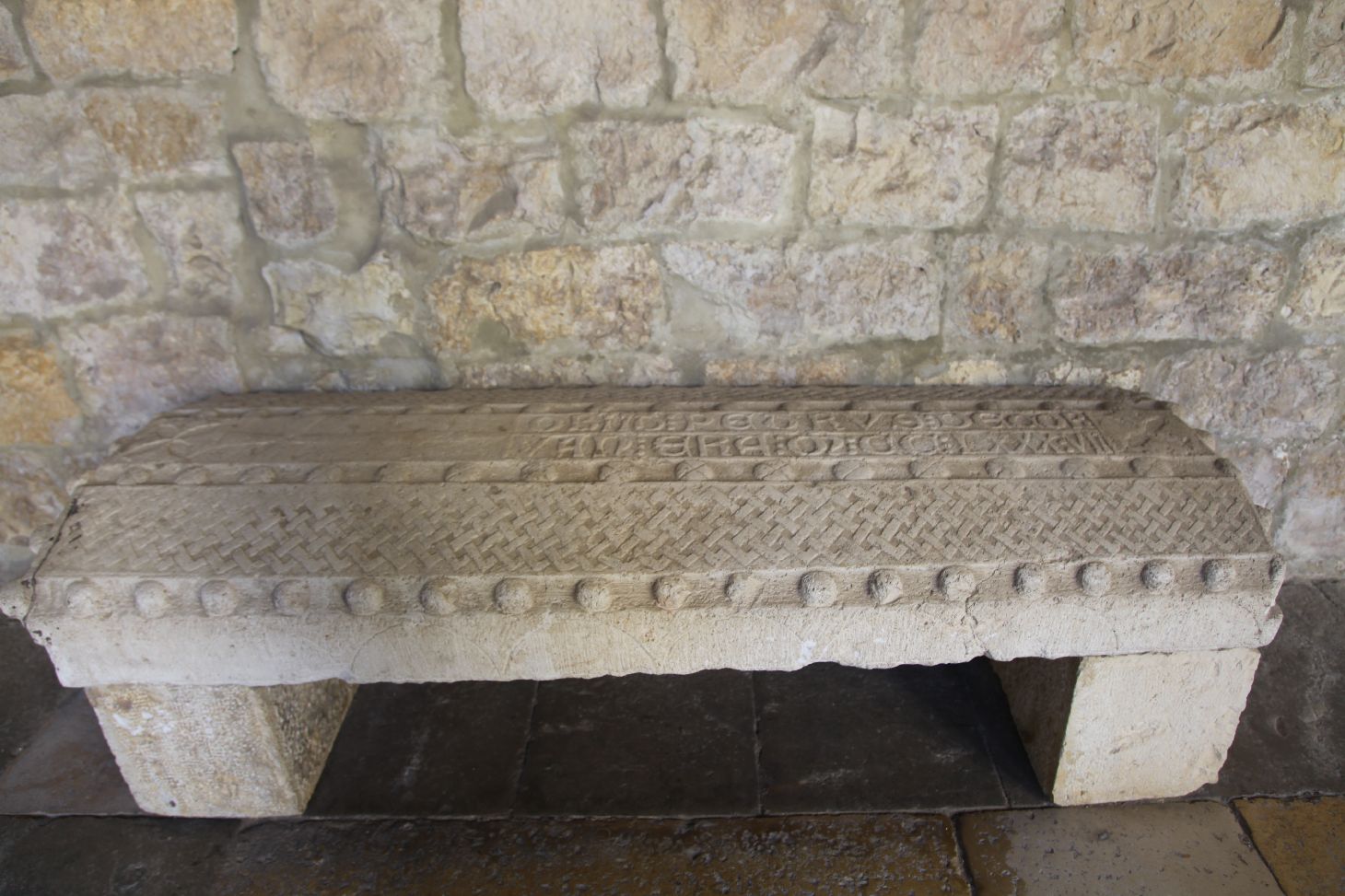
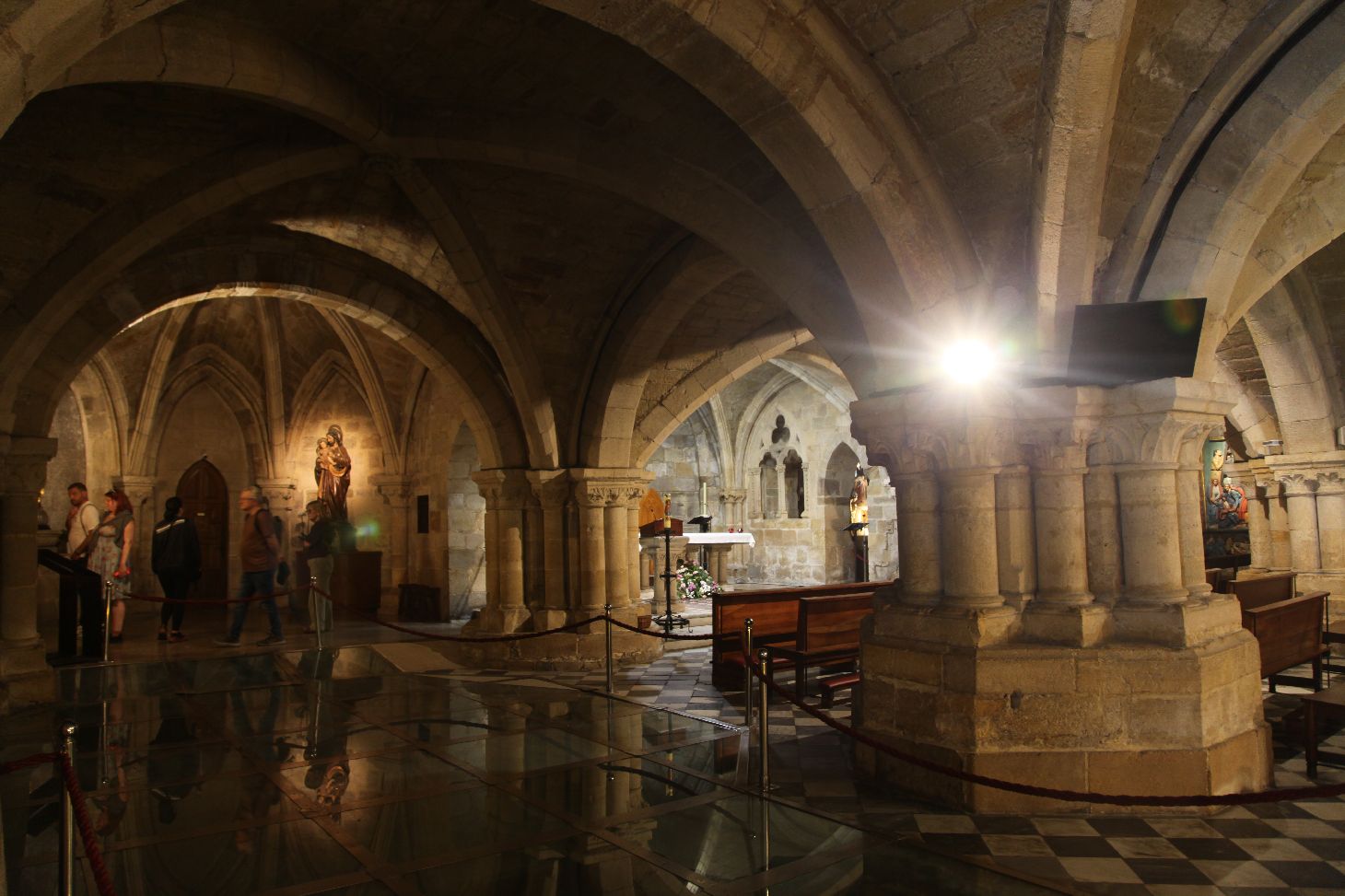
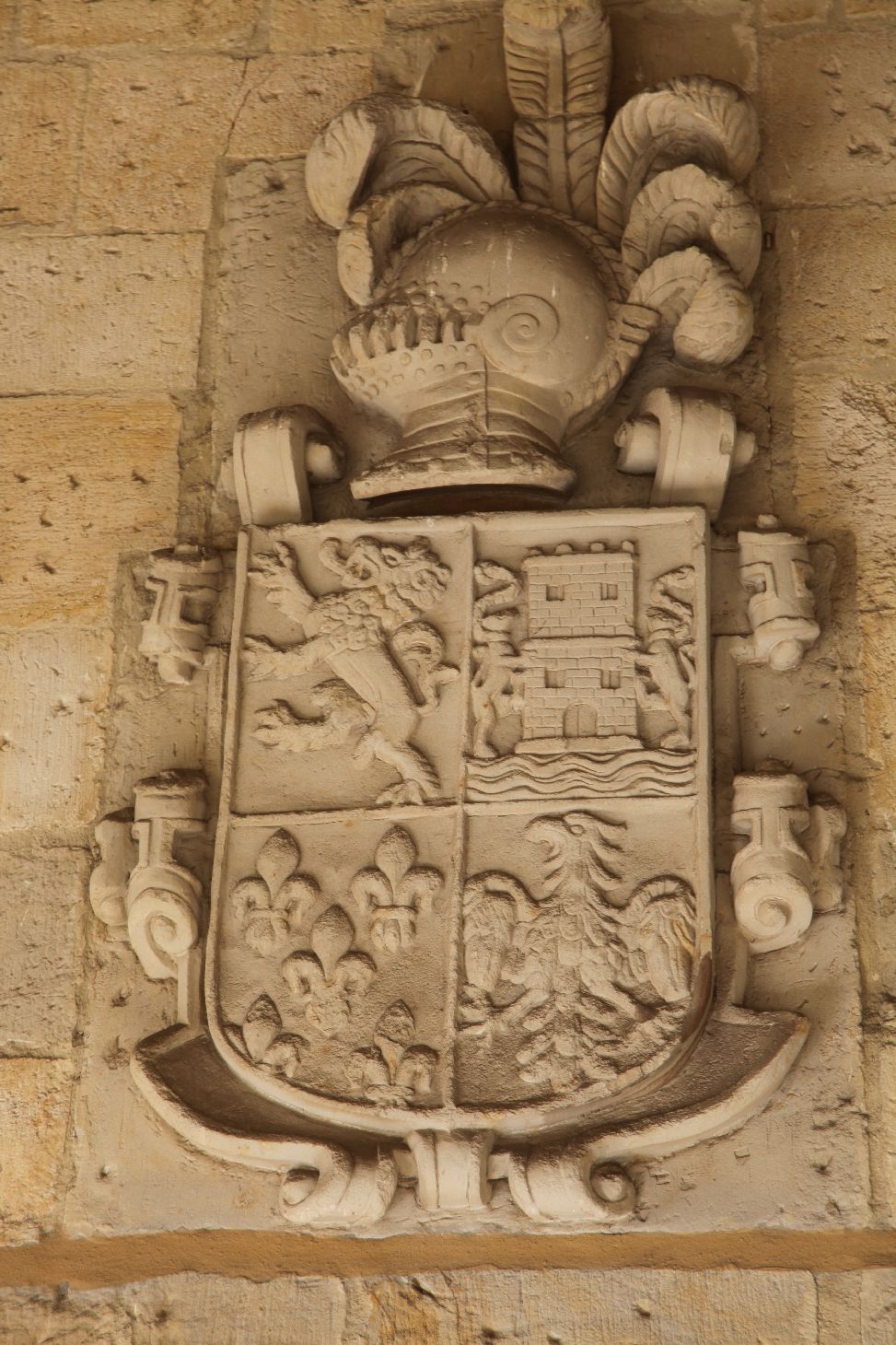
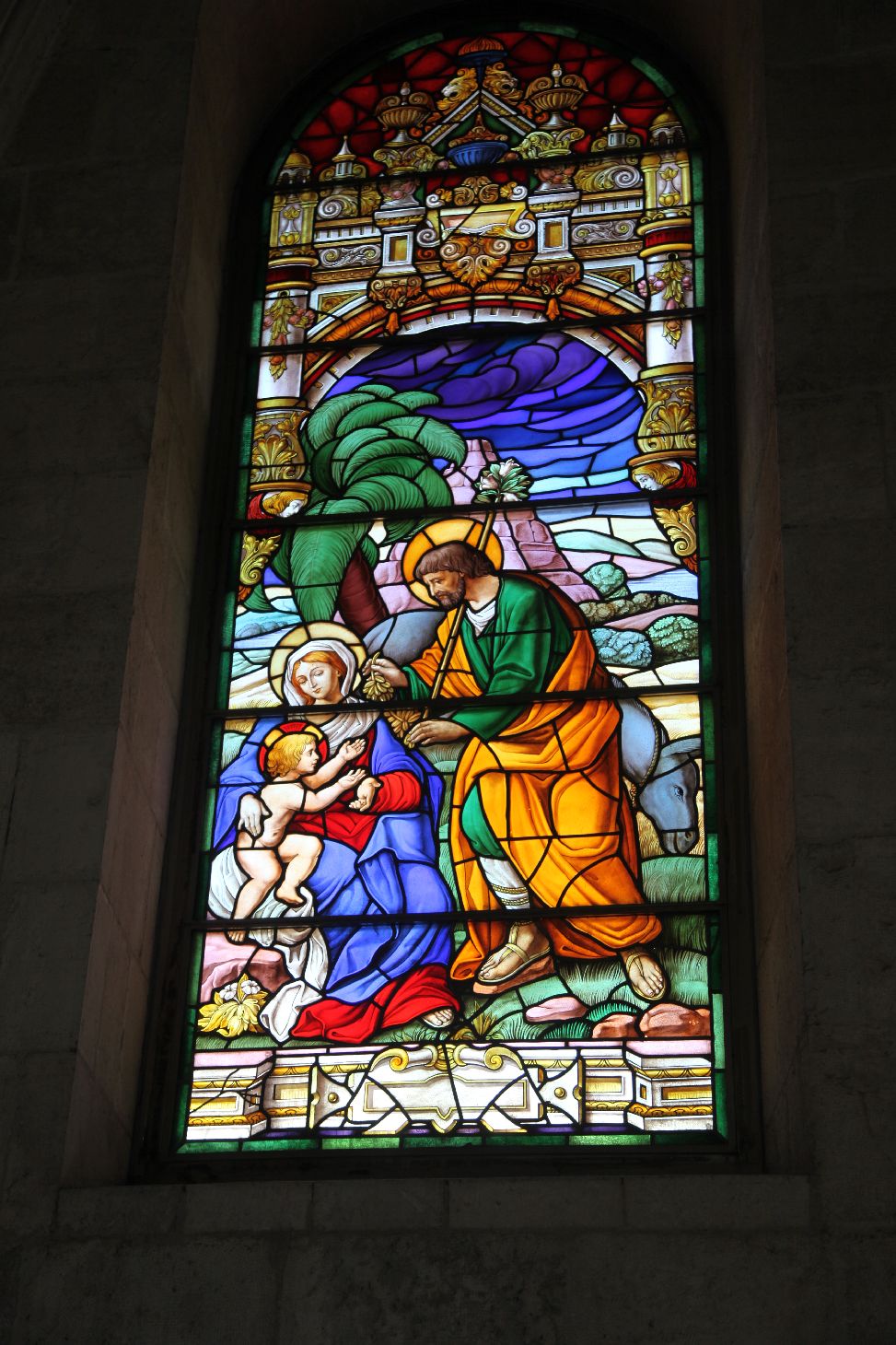
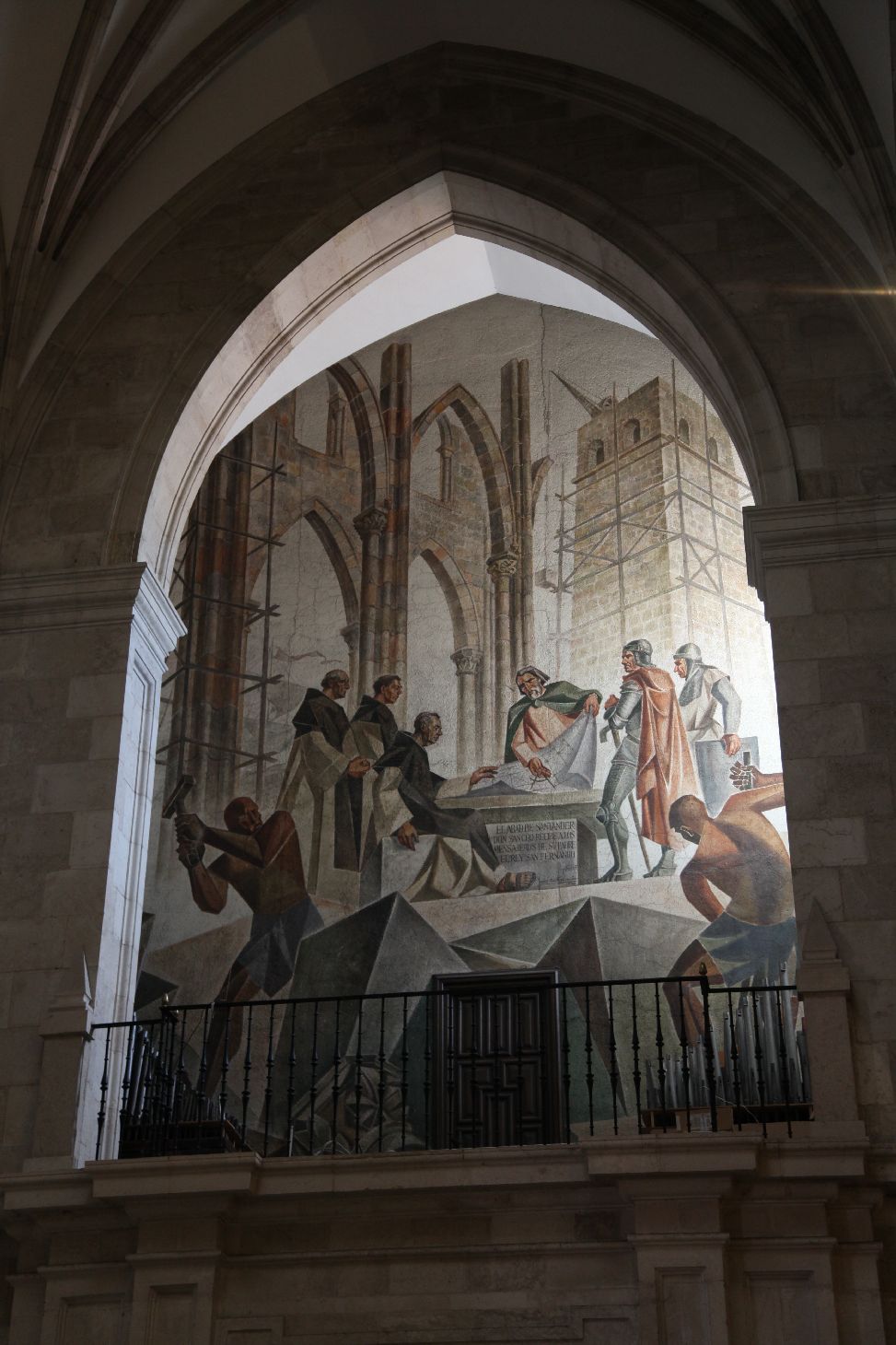
The lower level section, which we’d managed to look at earlier, dates from the 12th century and began life as an abbey church. In 1131 it was upgraded to a collegiate church by King Alfonso VII. It was rebuilt by Alfonso VIII after the “fuero” of Santander was granted in 1187. The upper level of the church, the main cathedral, was built between the end of the 12th century and the start of the 14th, and the Gothic cloister was added last. The main entrance (1230) contains the first known carved coat of arms showing lions and castles together, after the unification of Castile and León. The whole complex was badly damaged when the SS Cabo Machichaco exploded in the harbour in 1893, and then again in the 1941 Santander fire. Extensive reconstruction was carried out between 1942 and 1953 though you’d be hard-pressed to tell what’s new, and what isn’t. The only obviously modern fixtures are the stained glass windows.
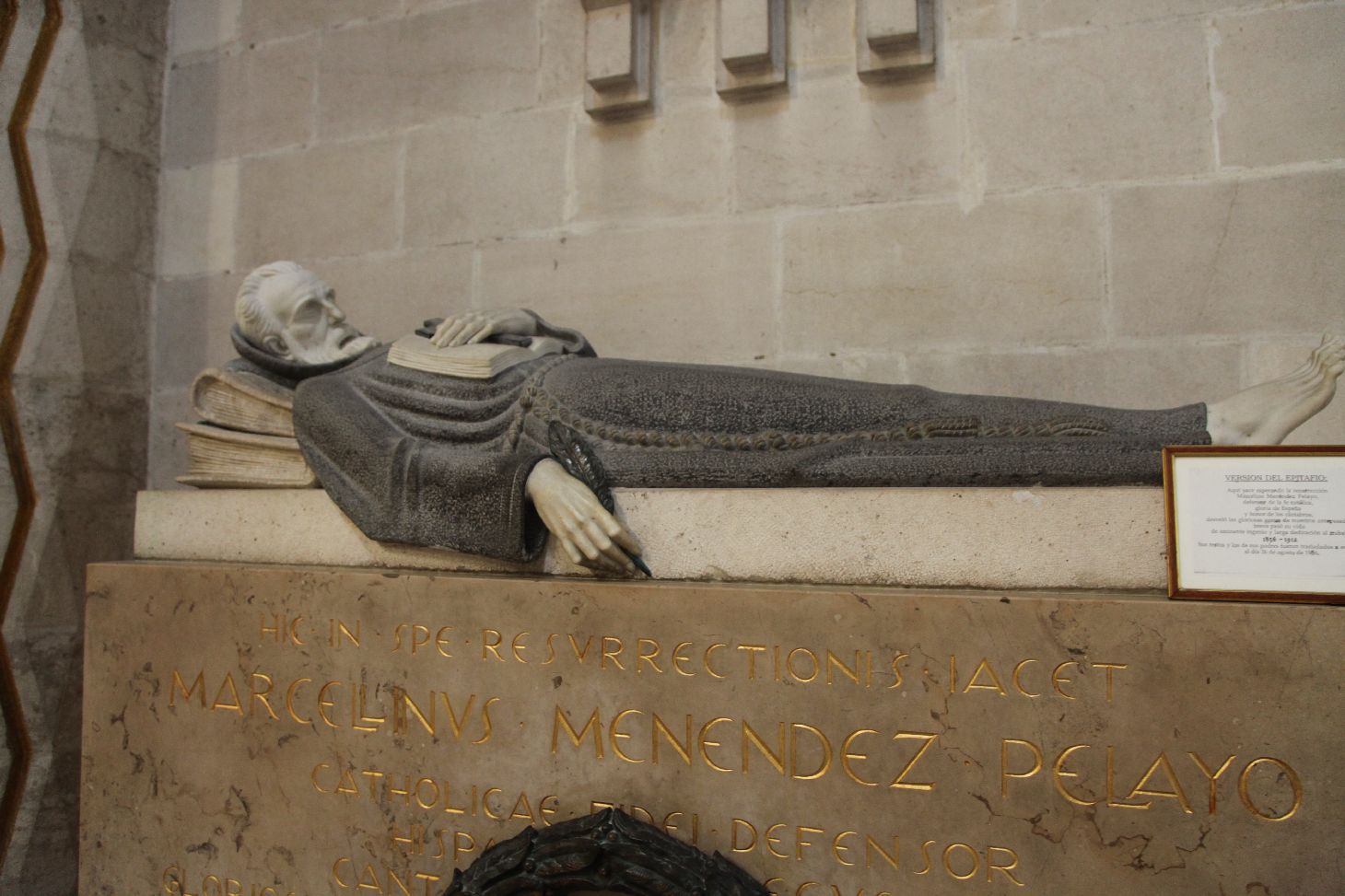
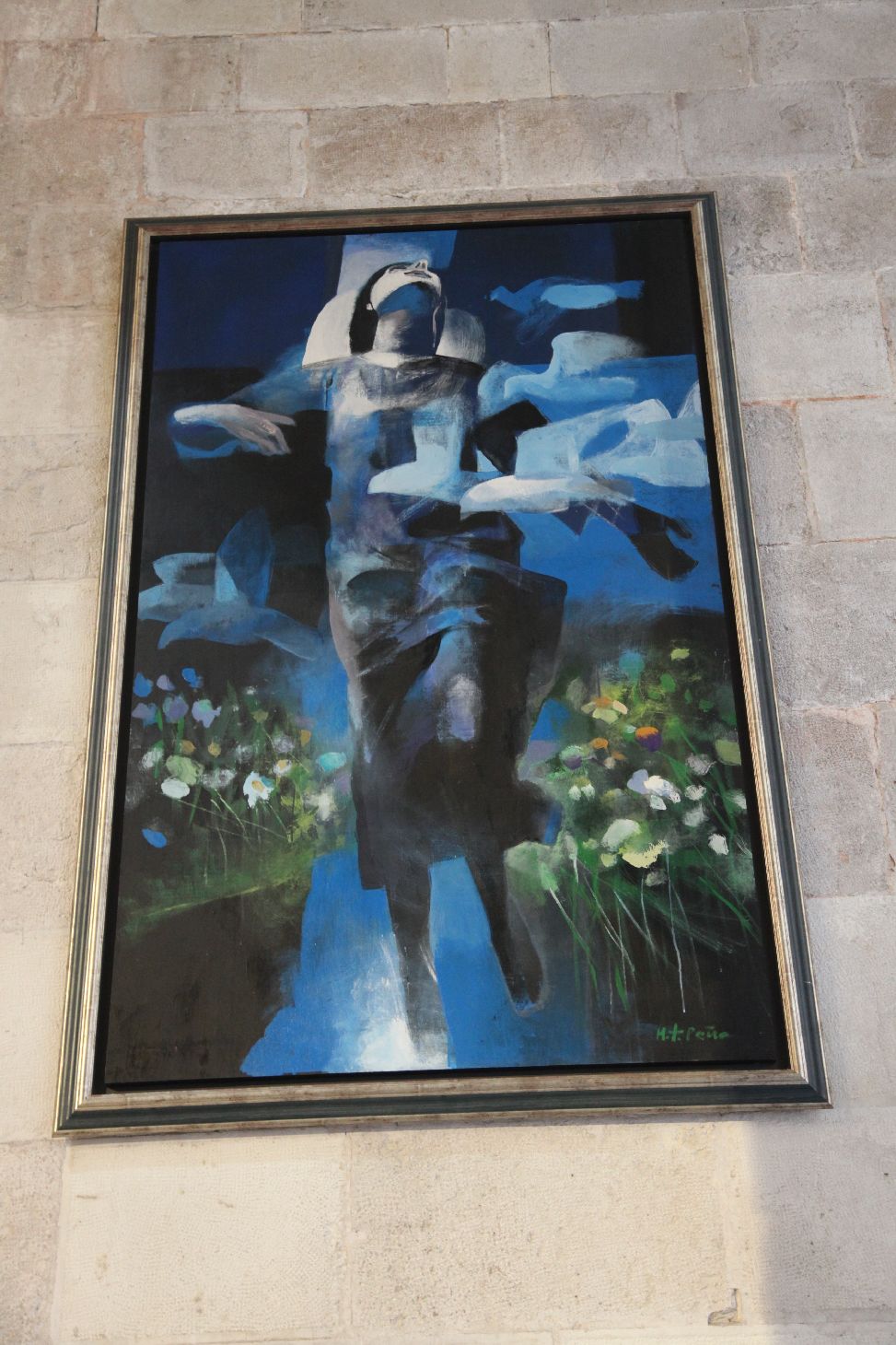
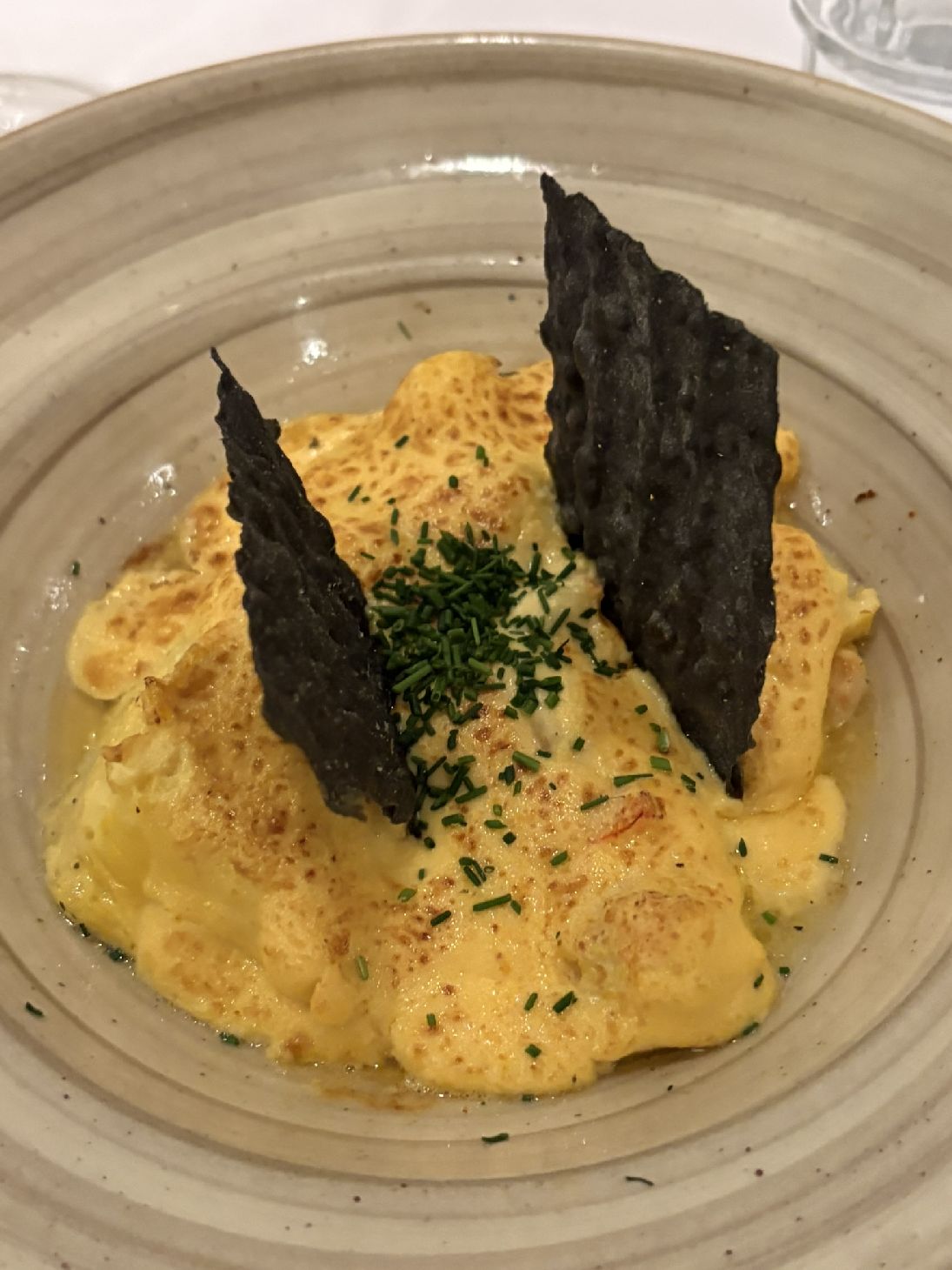
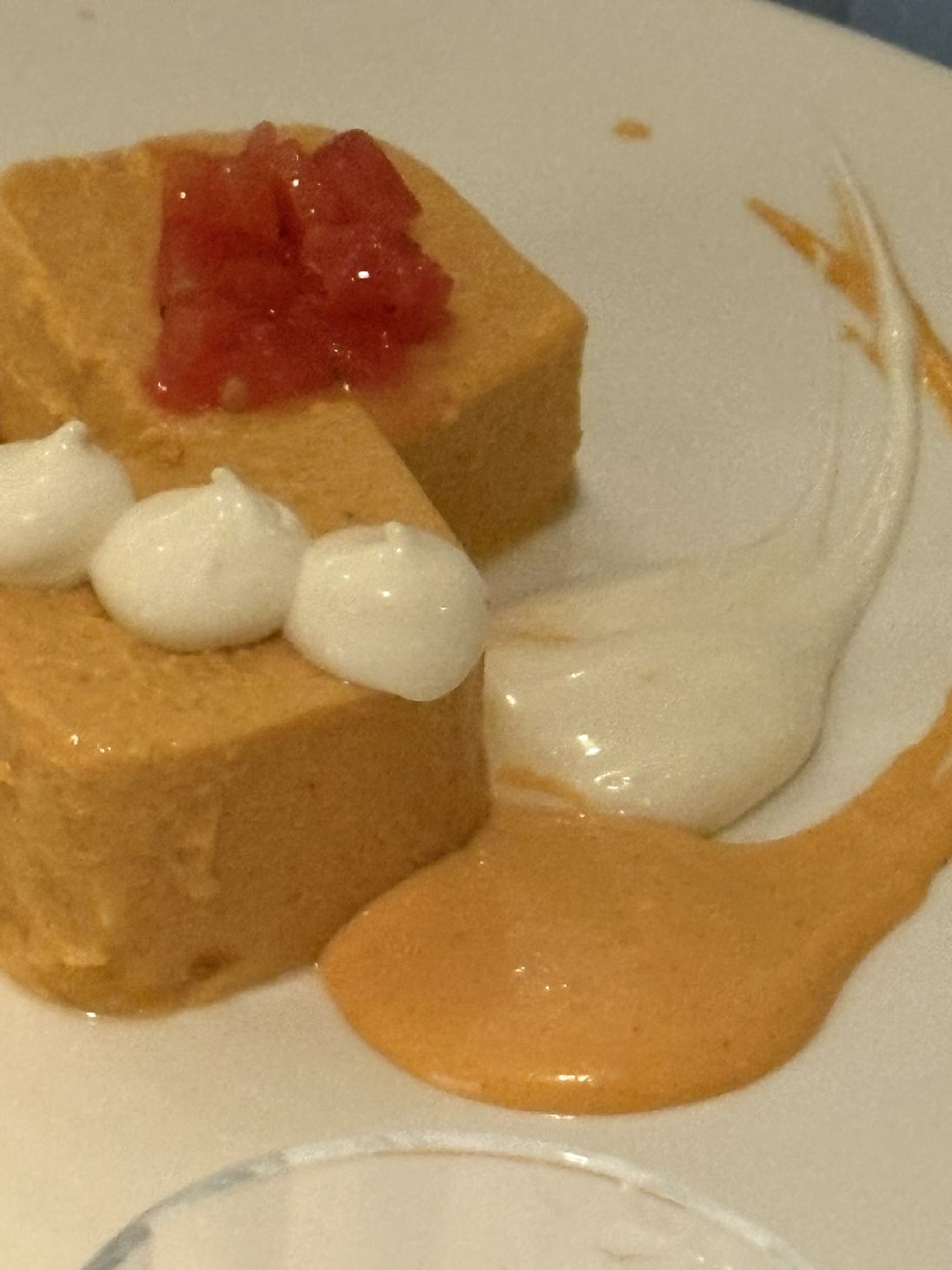
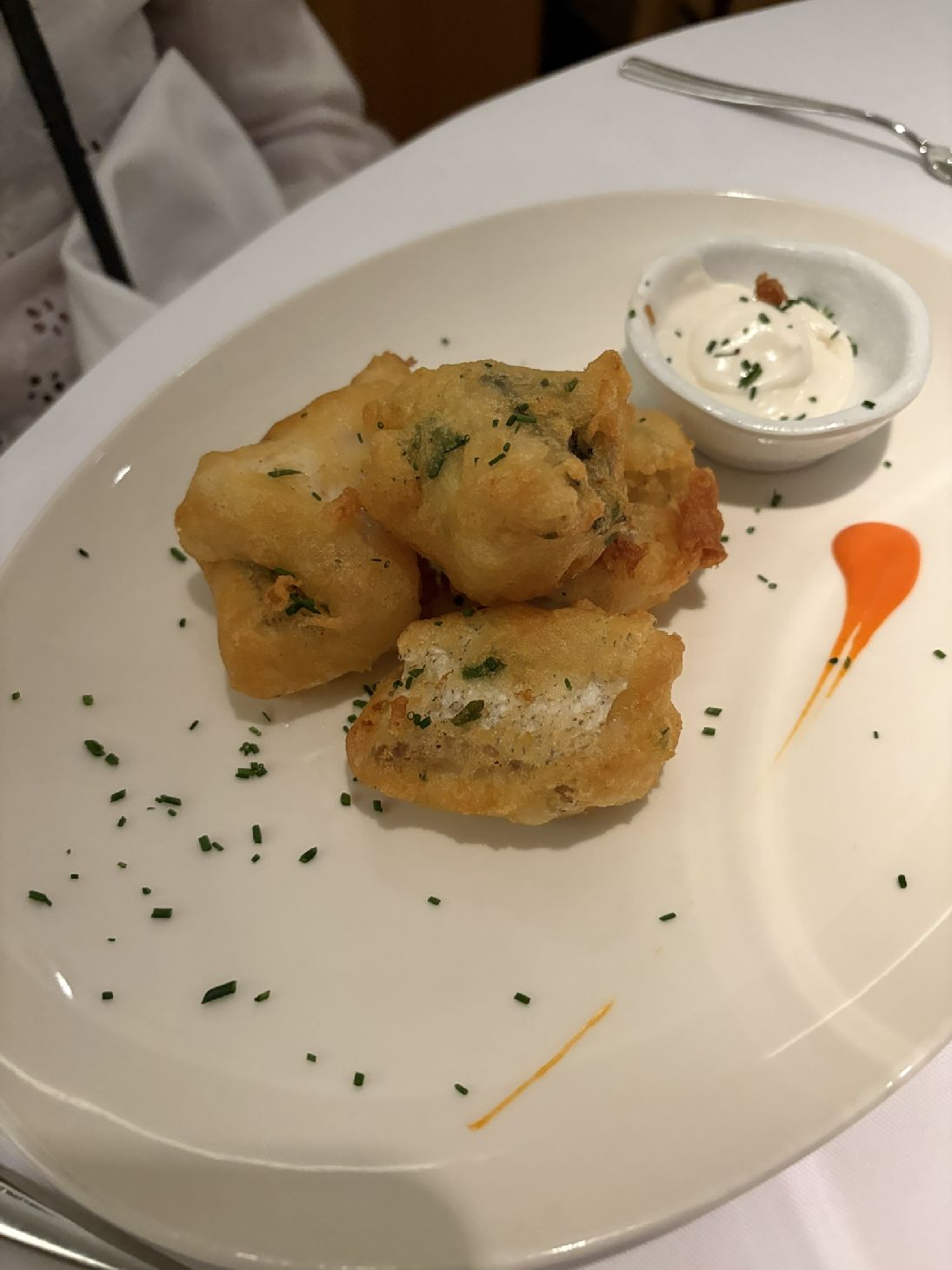
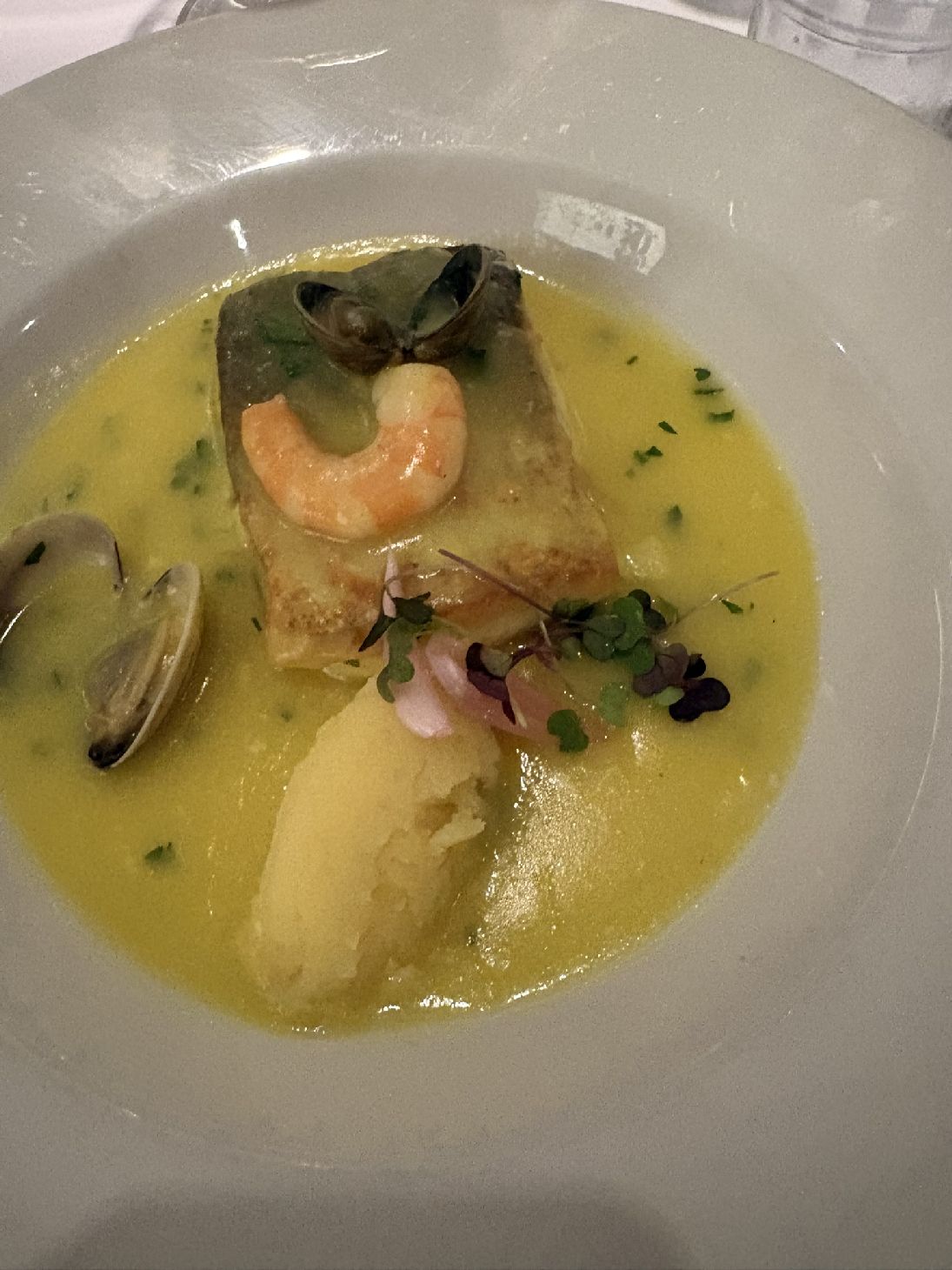
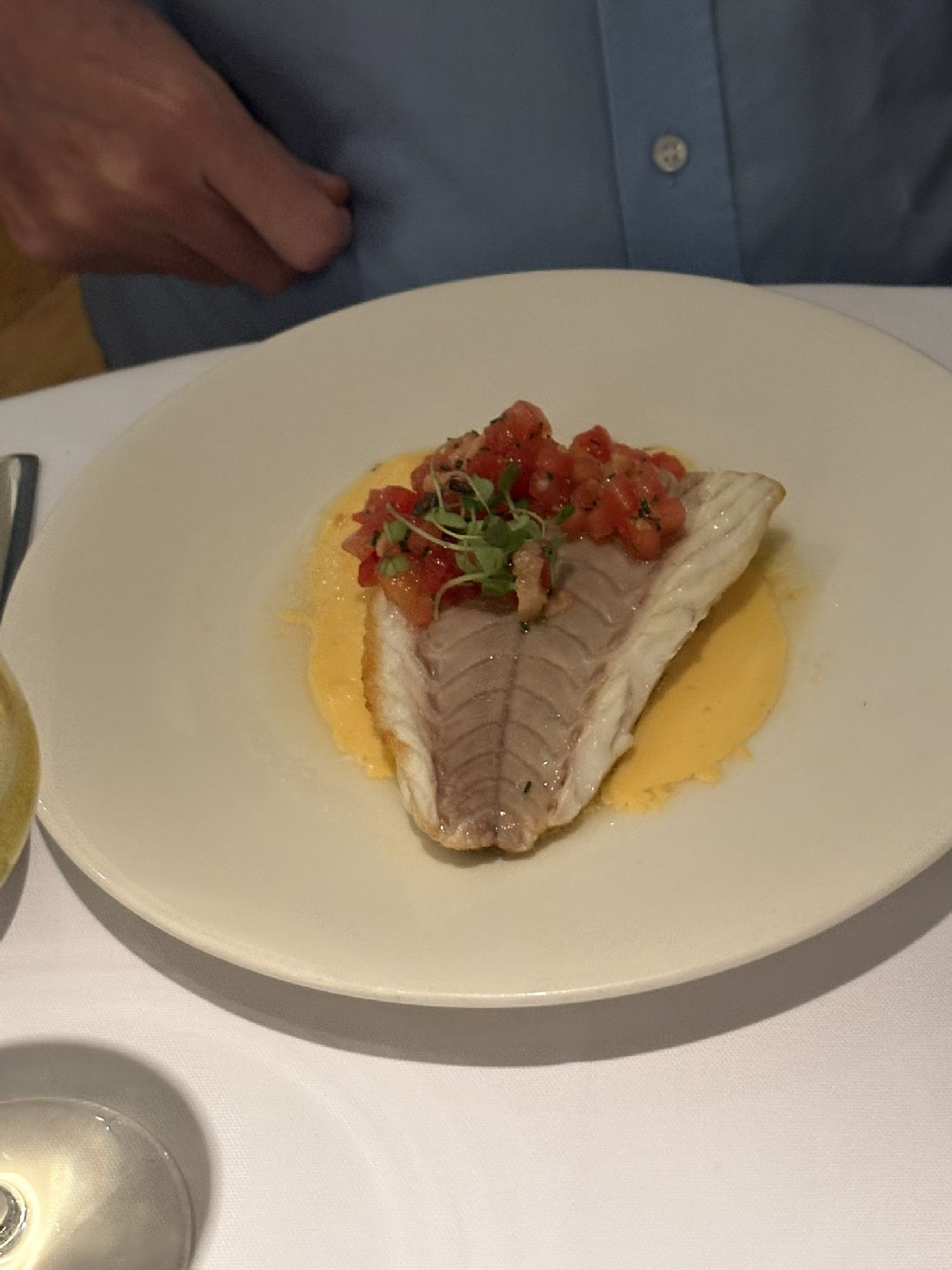
And by then we felt we’d seen enough for one day. It was time to go and get ready for dinner. We were all hungry. And my restaurant choice for the night, Cañadío, didn’t let us down. Michelin says: “Very few people who know Santander well are not familiar with Cañadío, a true institution in Cantabrian hospitality. The restaurant, which boasts two attractively arranged dining rooms (one with a bar and the open kitchen at its centre), has built its reputation on carefully selected ingredients as well as unpretentious yet honest cooking. Dishes you won’t want to pass up include the traditional fried squid (rabas), cuttlefish (cachón) in its own ink with a creamy risotto-style rice, and the spectacular hake fillet. The “Cañadío” lemon tart provides a fitting climax.”