Tuesday 22nd October, 2026 – Santander
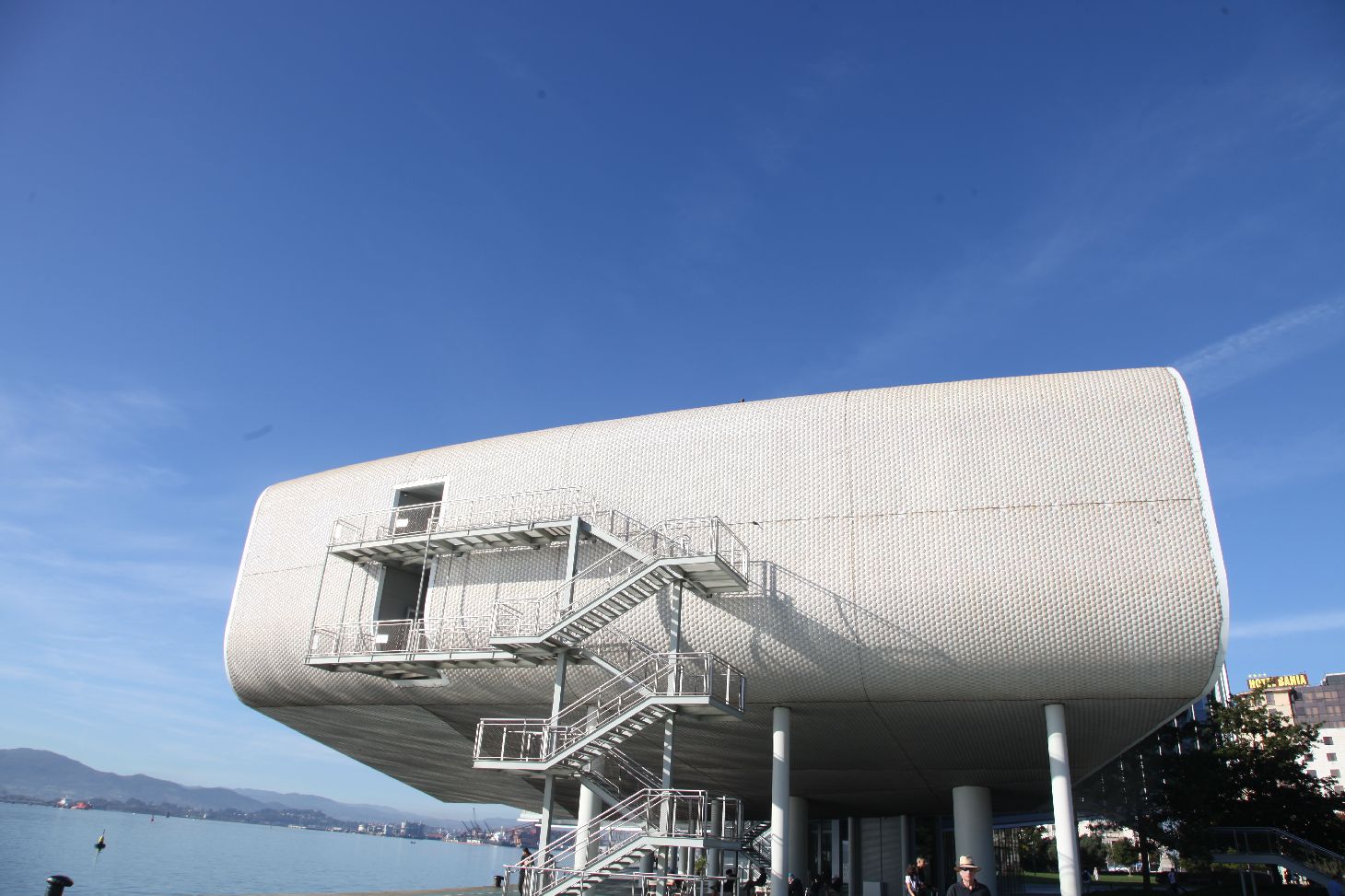
Tuesday morning in Santander saw Lynne and I going off to investigate the Centro Botin, while R and A declined to deal with any more “modern art nonsense”, and instead headed off to walk along the bay. Their loss. The two of us were keen to see what was on offer in what is now a Santander institution that pairs beautifully with the Faro Santander and a soon to open offshoot of Madrid’s Reina Sofia Museum which will house the Archivo Lafuente, with paintings, sculptures and manuscripts, including major collections on dadaism and the Spanish civil war, as well as art from Spain, North America and Latin America. An excuse to return I’d say – especially as Brittany Ferries offer the possibility of day trips to the city from the UK!
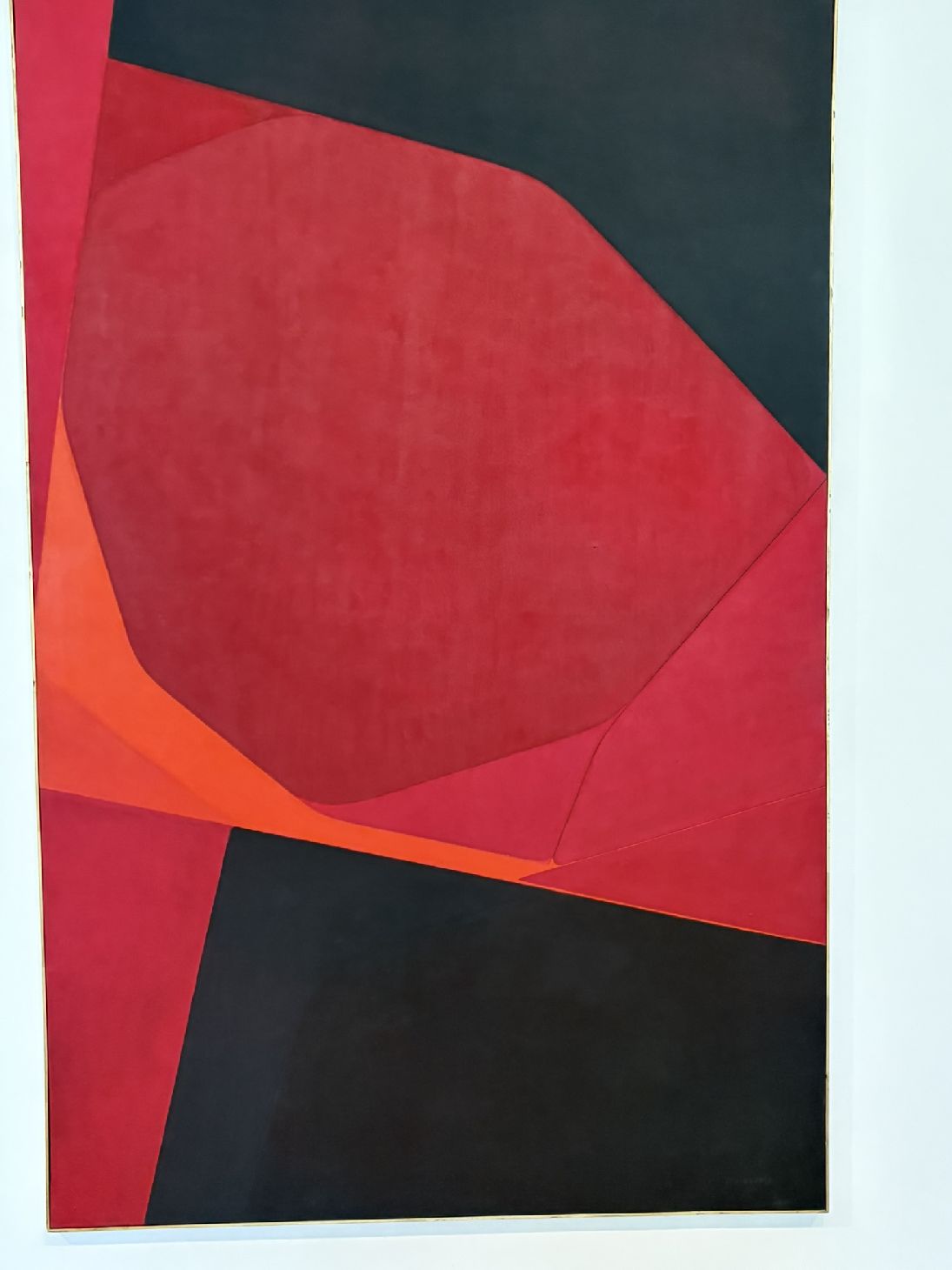
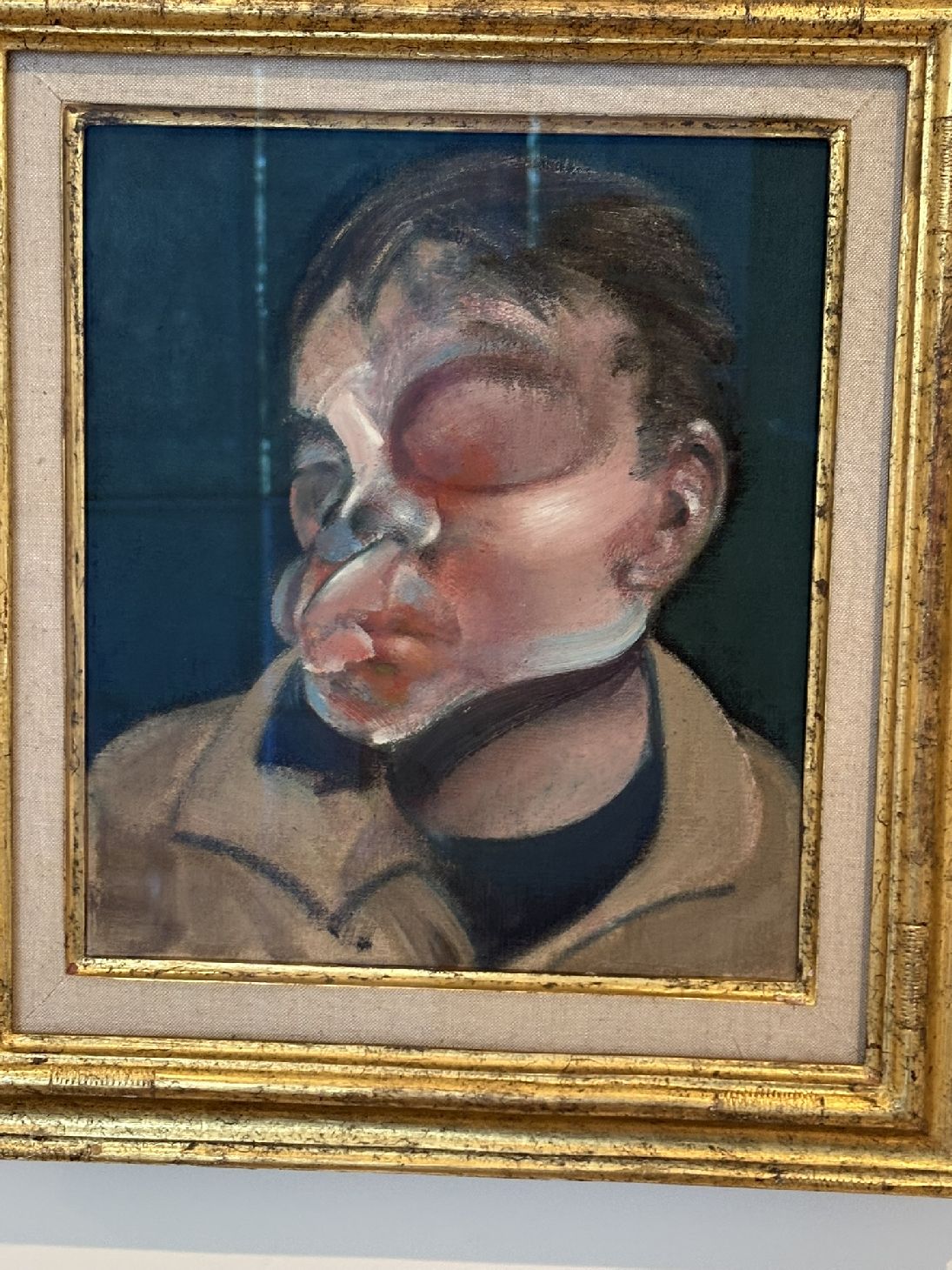
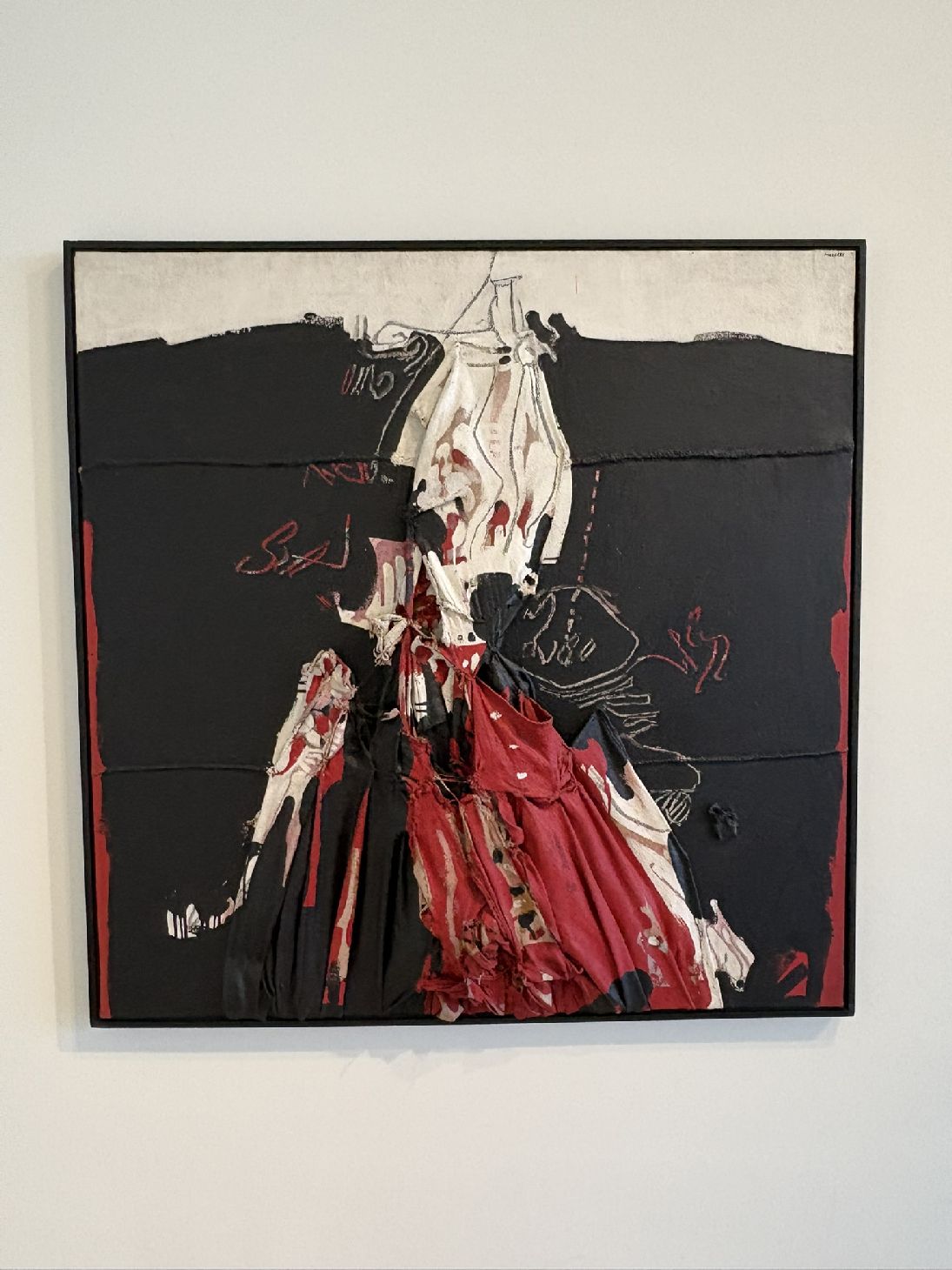
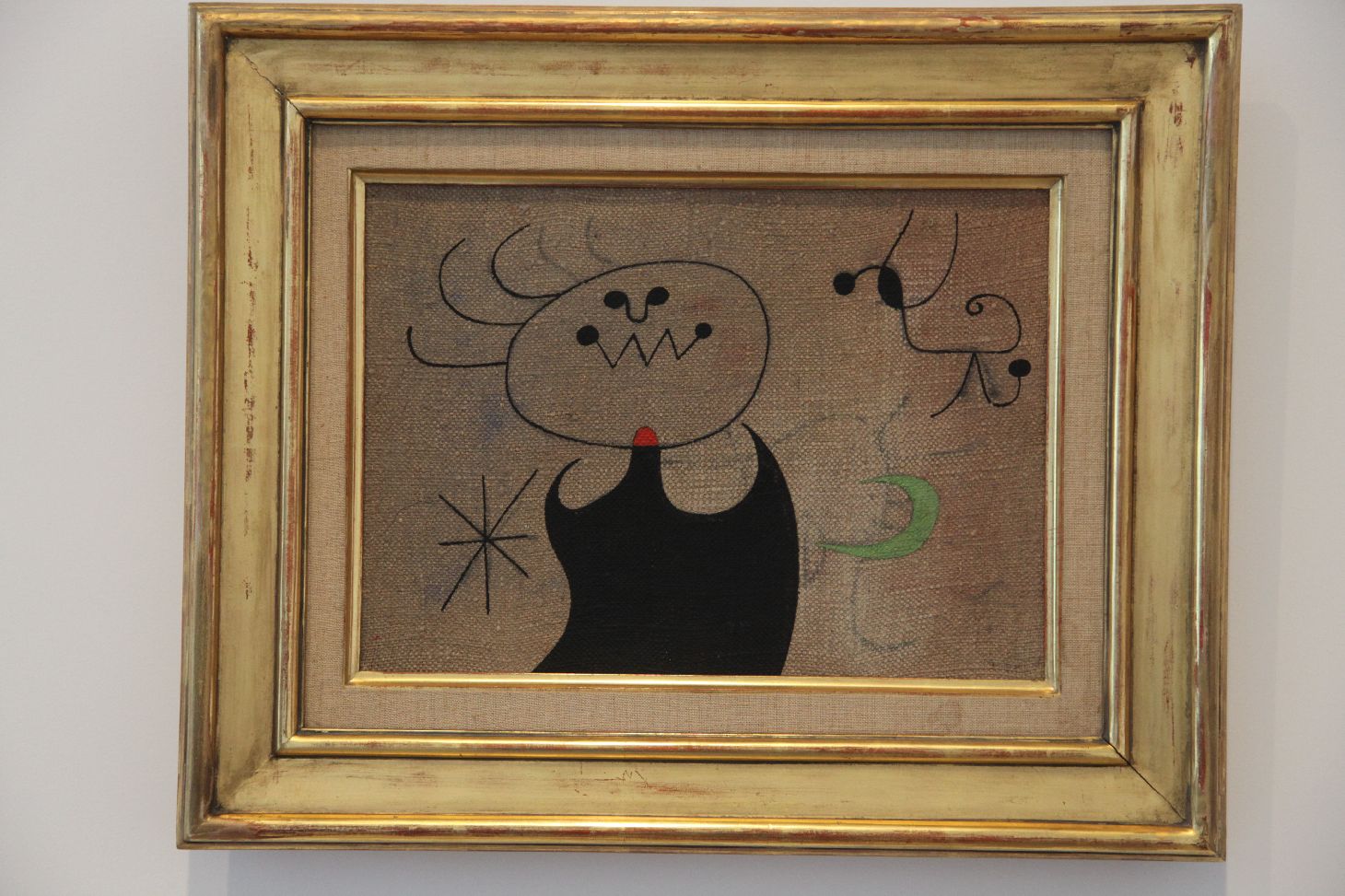
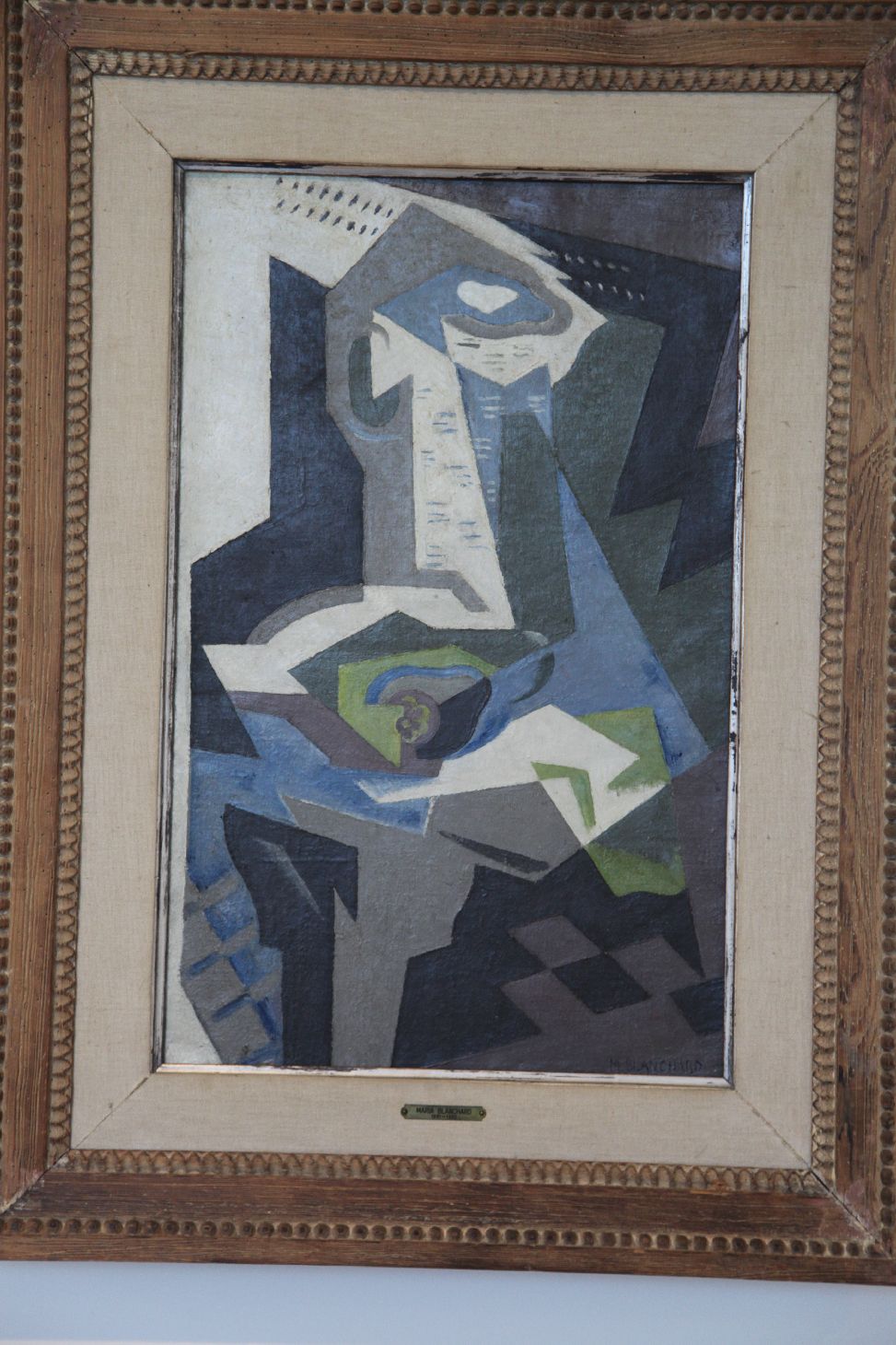
Meanwhile we would have to settle for the “Point and Counterpoint” permanent exhibition which sets out a selection of works from Jaime Botín’s personal collection. Its aim is to show the work of 14 important 20th-century artists that “interact in their contrasting tones, textures and styles, in a reflective visual dialogue, expressing deep feelings despite their heterogeneous aesthetics, which intensifies their unity and cohesion with the viewer”. The exhibition includes Manolo Millares, Pablo Palazuelo, Antoni Tàpies, Joaquín Sorolla, María Blanchard, and Juan Gris, none of whom I knew much about apart from what I’d learned the day before. There is also work by Joan Miró who I had heard of, alongside more mysteries to me in the shapes of Pancho Cossío, José Gutiérrez Solana, Isidre Nonell, and Daniel Vázquez Díaz. It does also cover non-Spanish art in work by Francis Bacon, Henri Matisse, and Mark Rothko, the first of whose work I find fascinating in its warts and all ugliness, and the latter who I remain convinced pulled off a massive con job on the whole world – no matter how forgiving I’m feeling I cannot see the artistic merit in painting a solid block of colour. Whatever I think of Rothko, the rest of the collection was giving us more exposure to cubism, and more especially surrealism, which was an odd case of synchronicity as they seem to keep coming up in our lives at the moment.
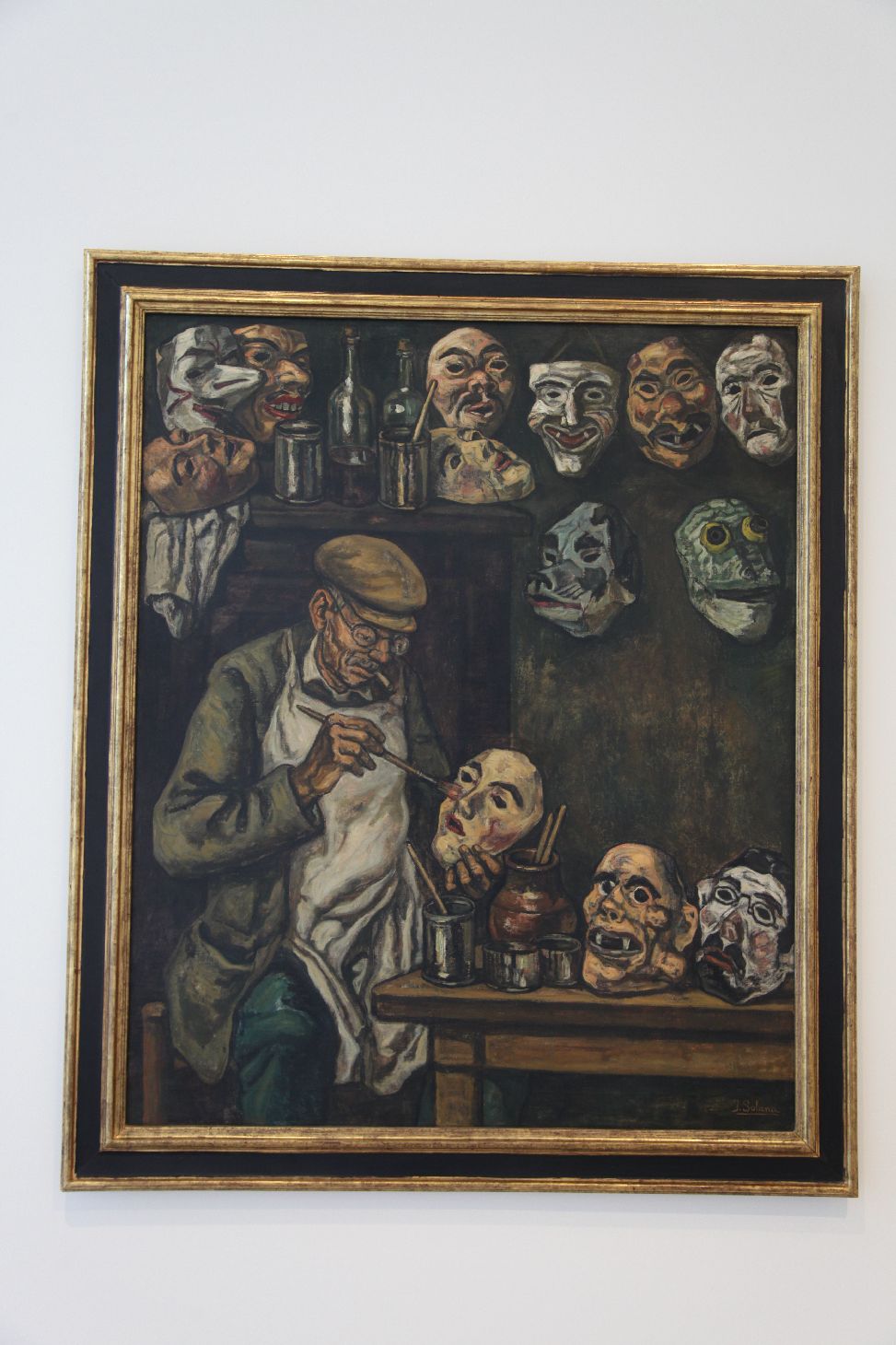
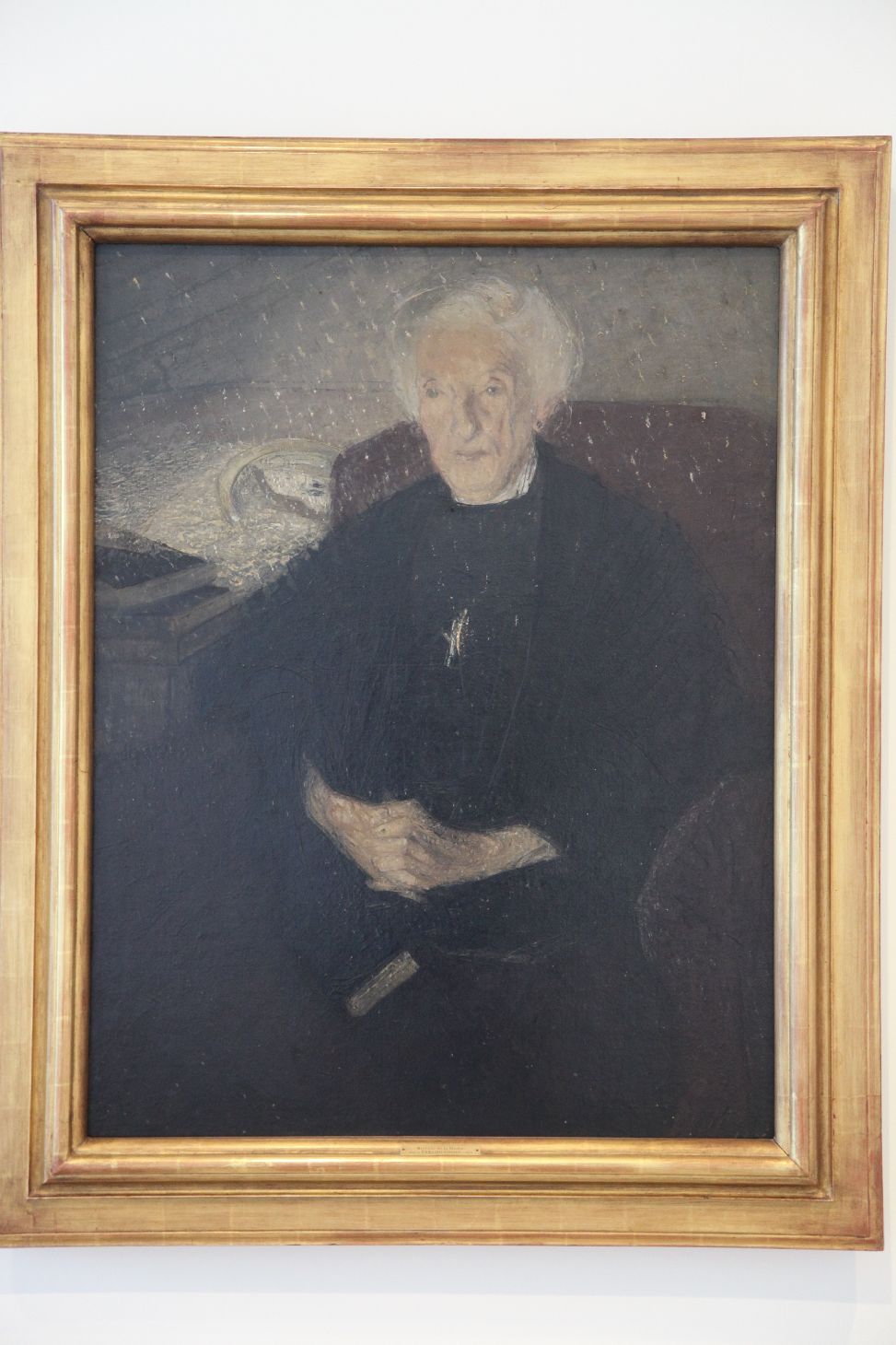
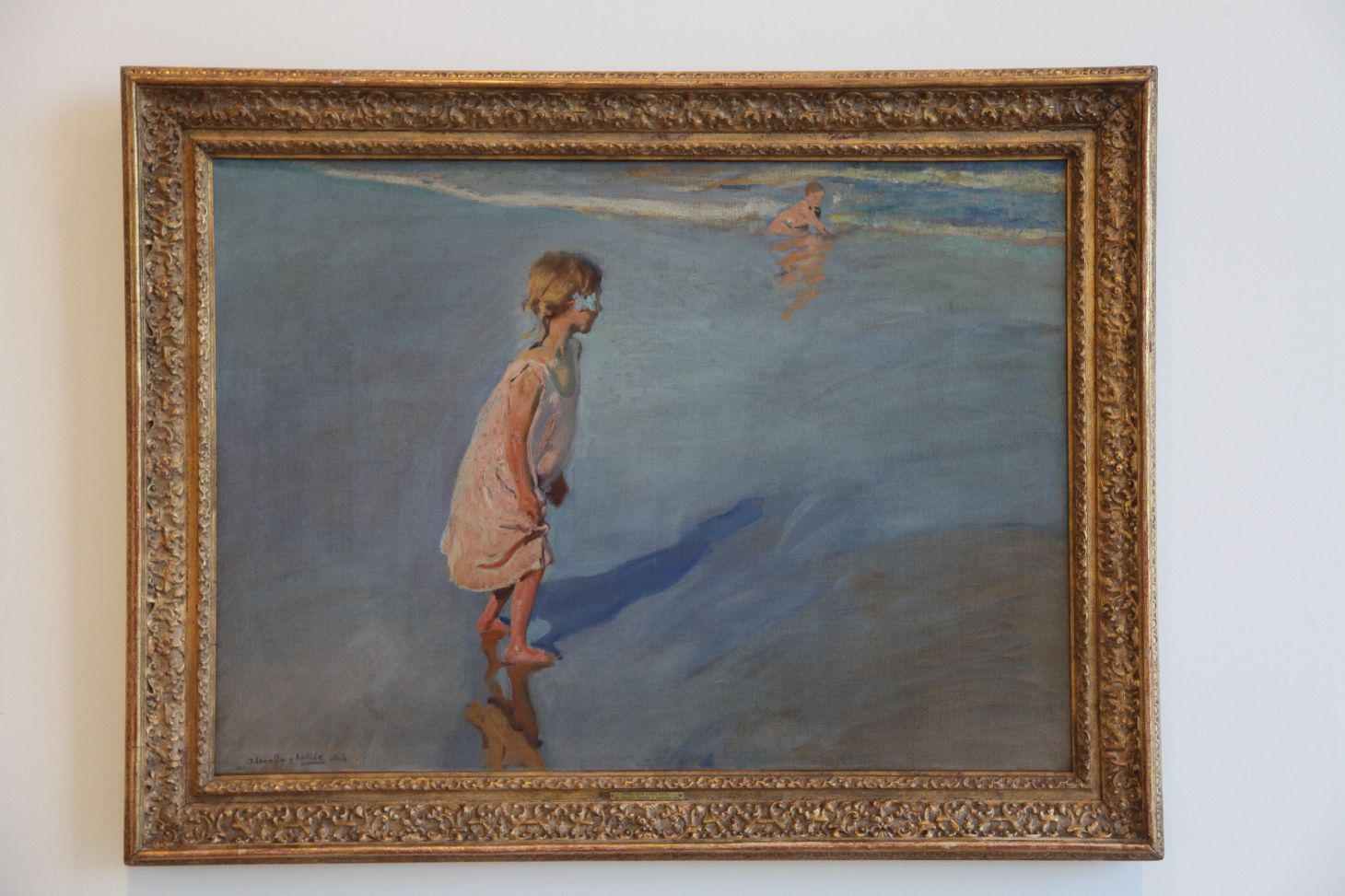
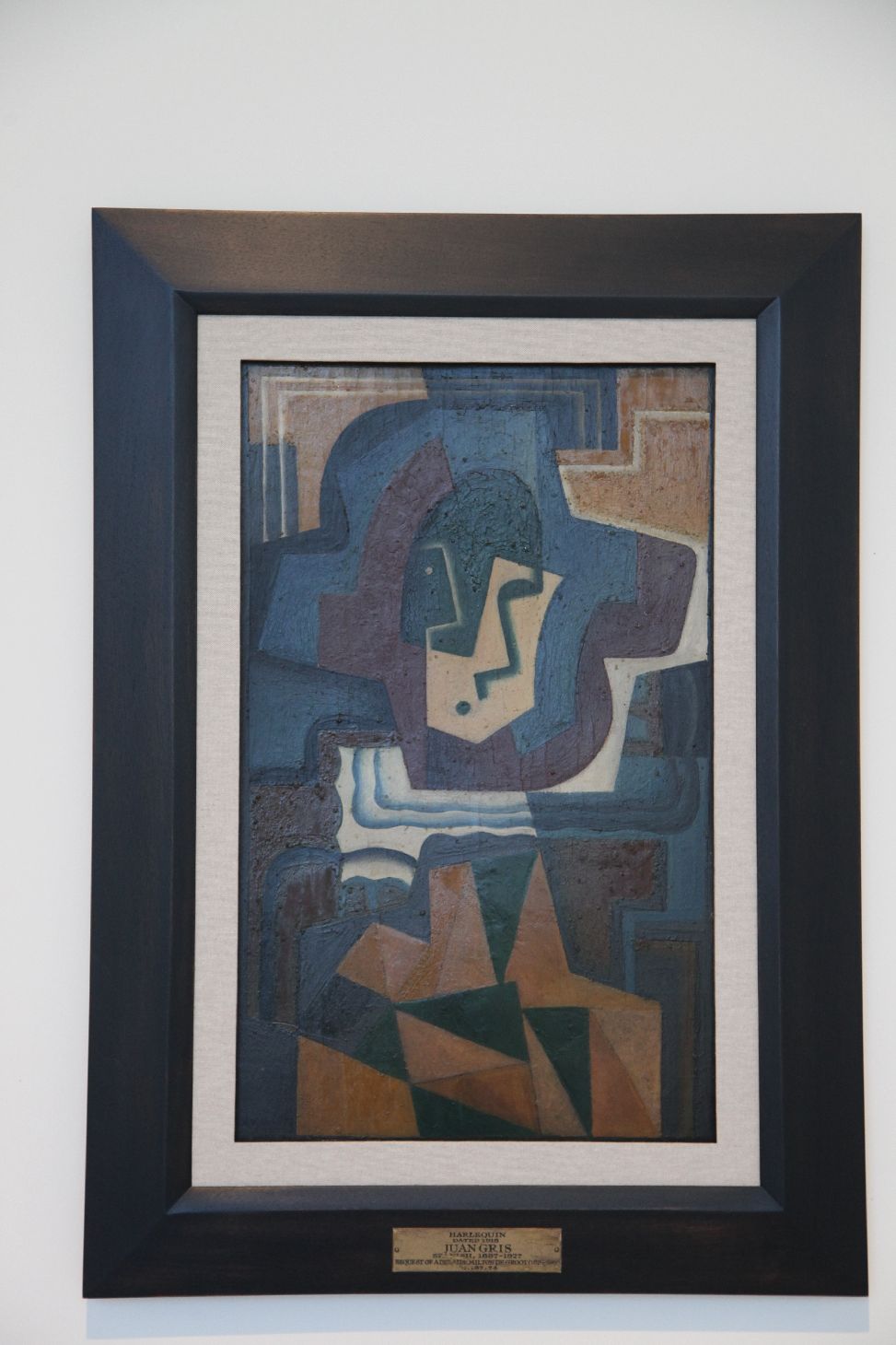
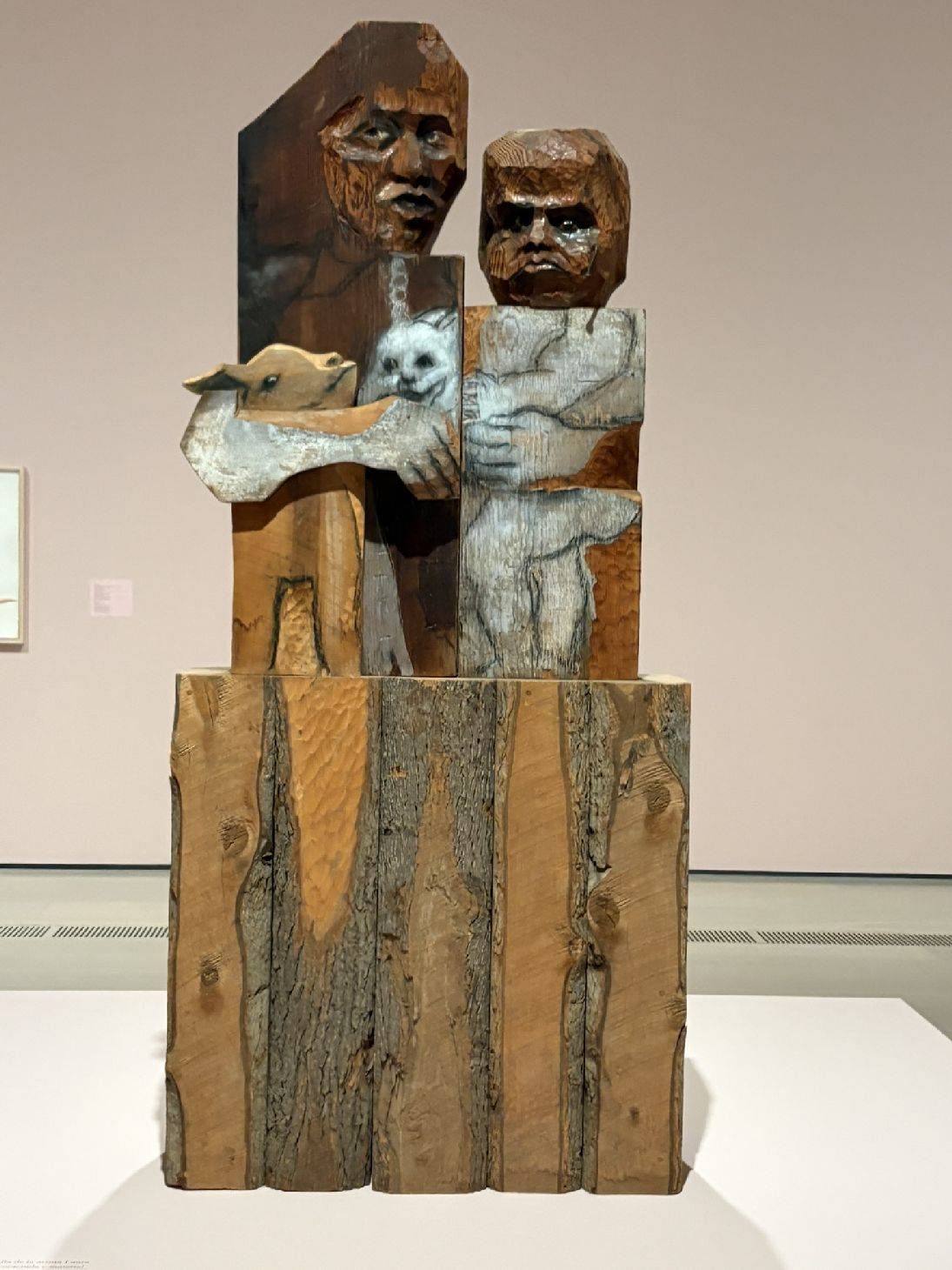
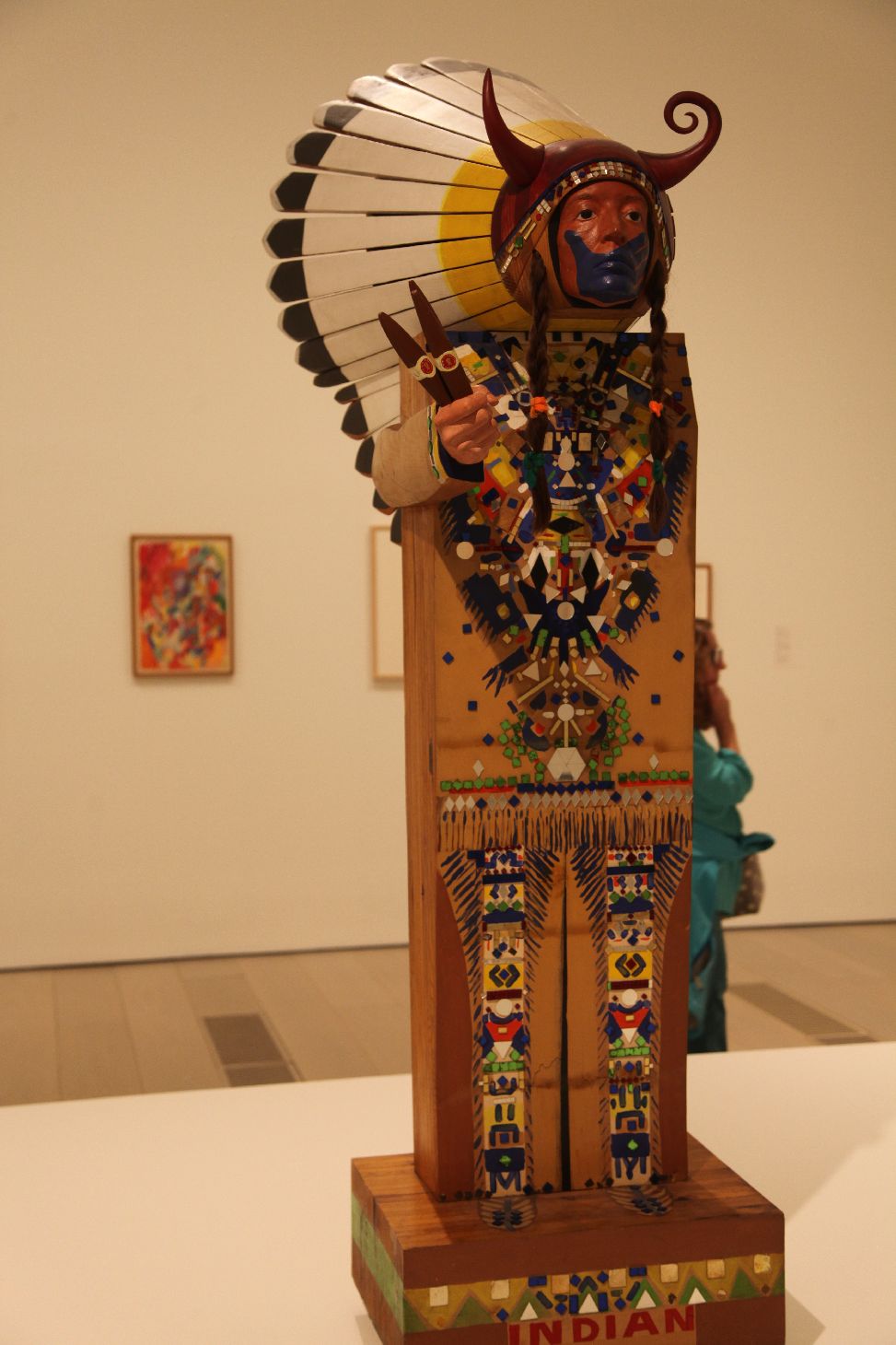
The non-permanent exhibition – which was what we were really interested in – was entitled MARISOL: When Things Are Just Beginning. This was an extensive show, being the first retrospective of Marisol’s drawings, featuring more than 100 works spanning from the 1950s to her death, presented alongside a selection of sculptures, and several Andy Warhol films in which she starred. The selection highlights drawing as the most consistent thread throughout her career, and it was so interesting to see the development of her work, all the way through to her final years when, despite suffering the effects of dementia, she continued to draw.
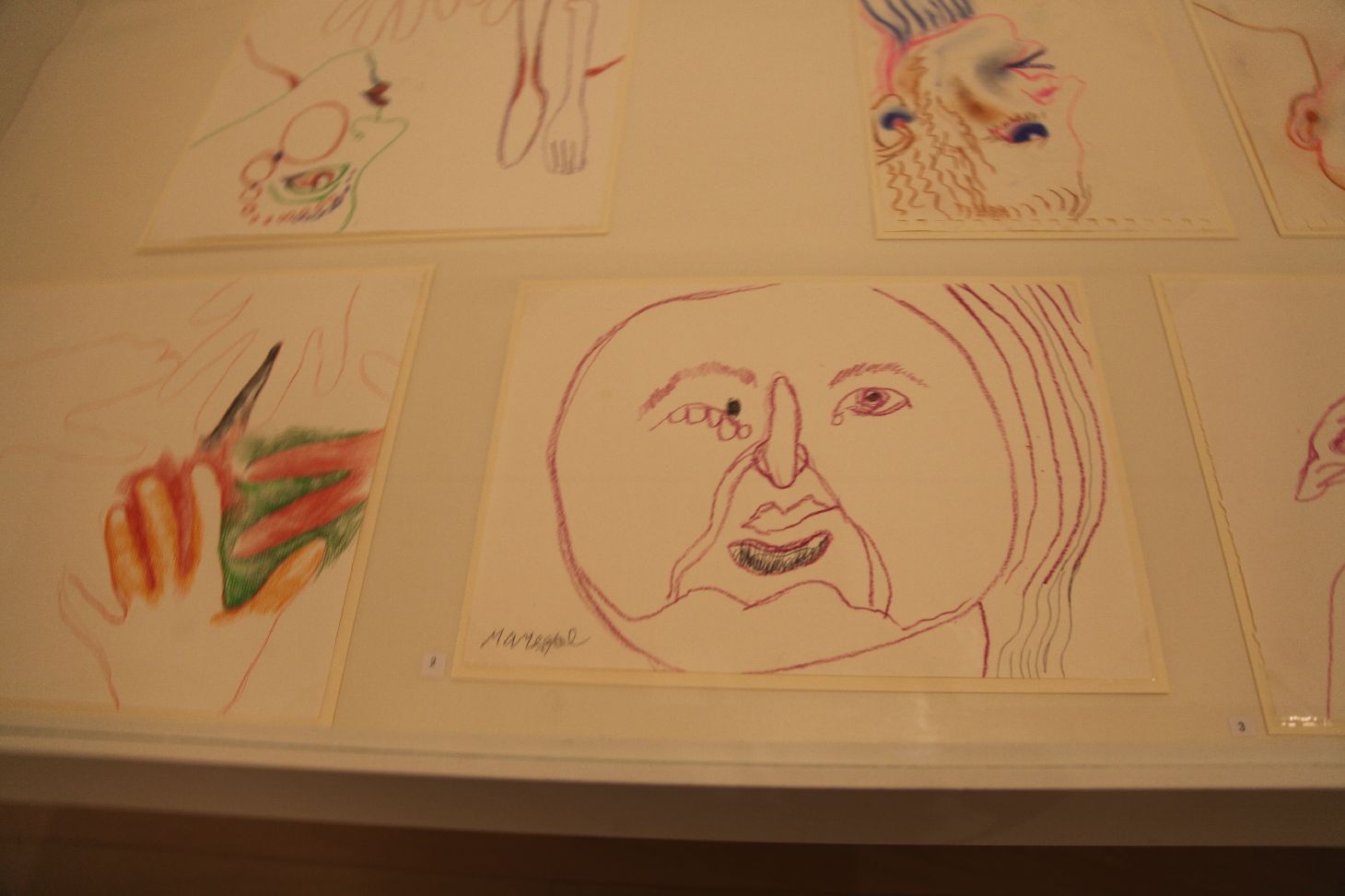
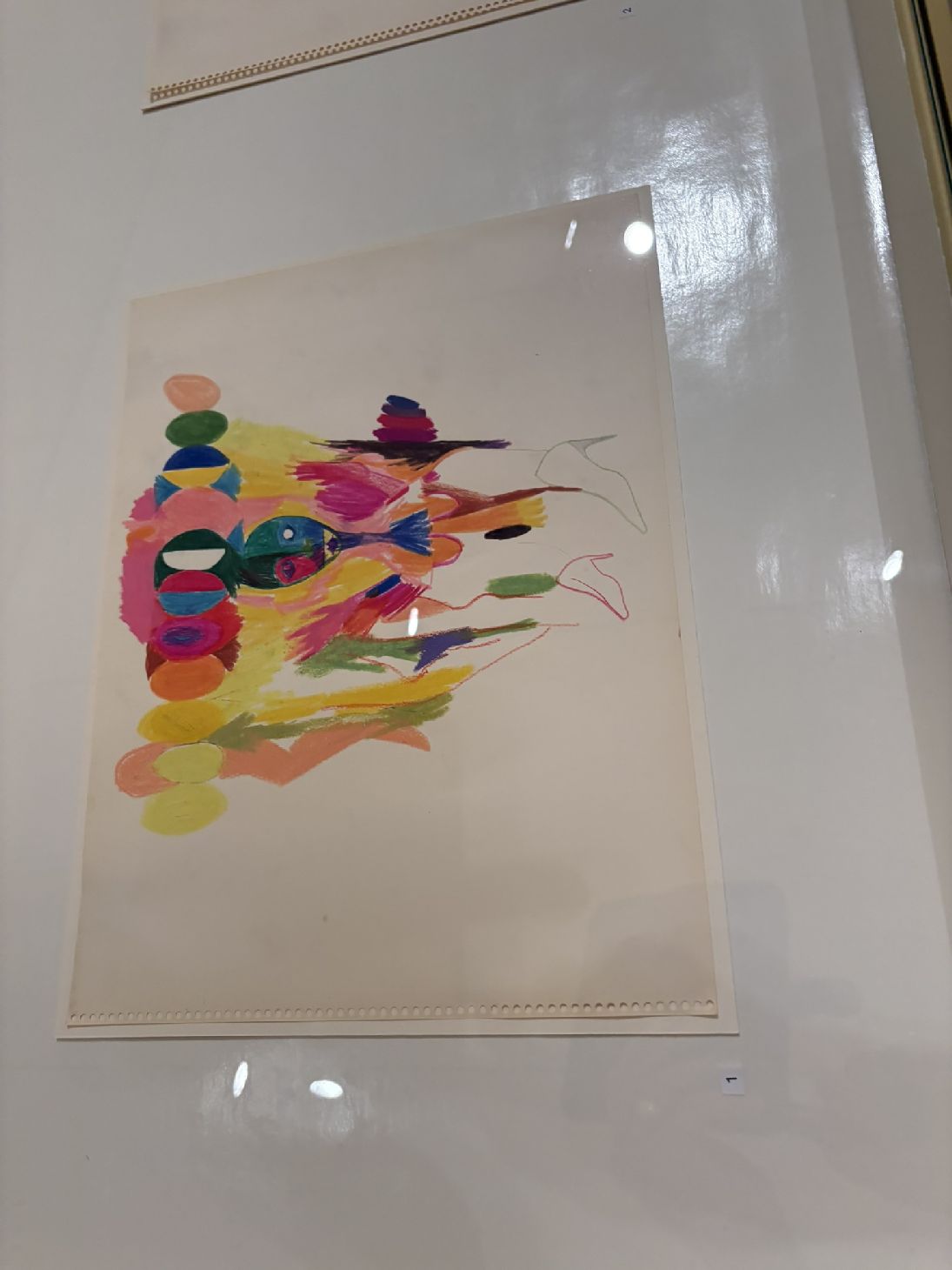
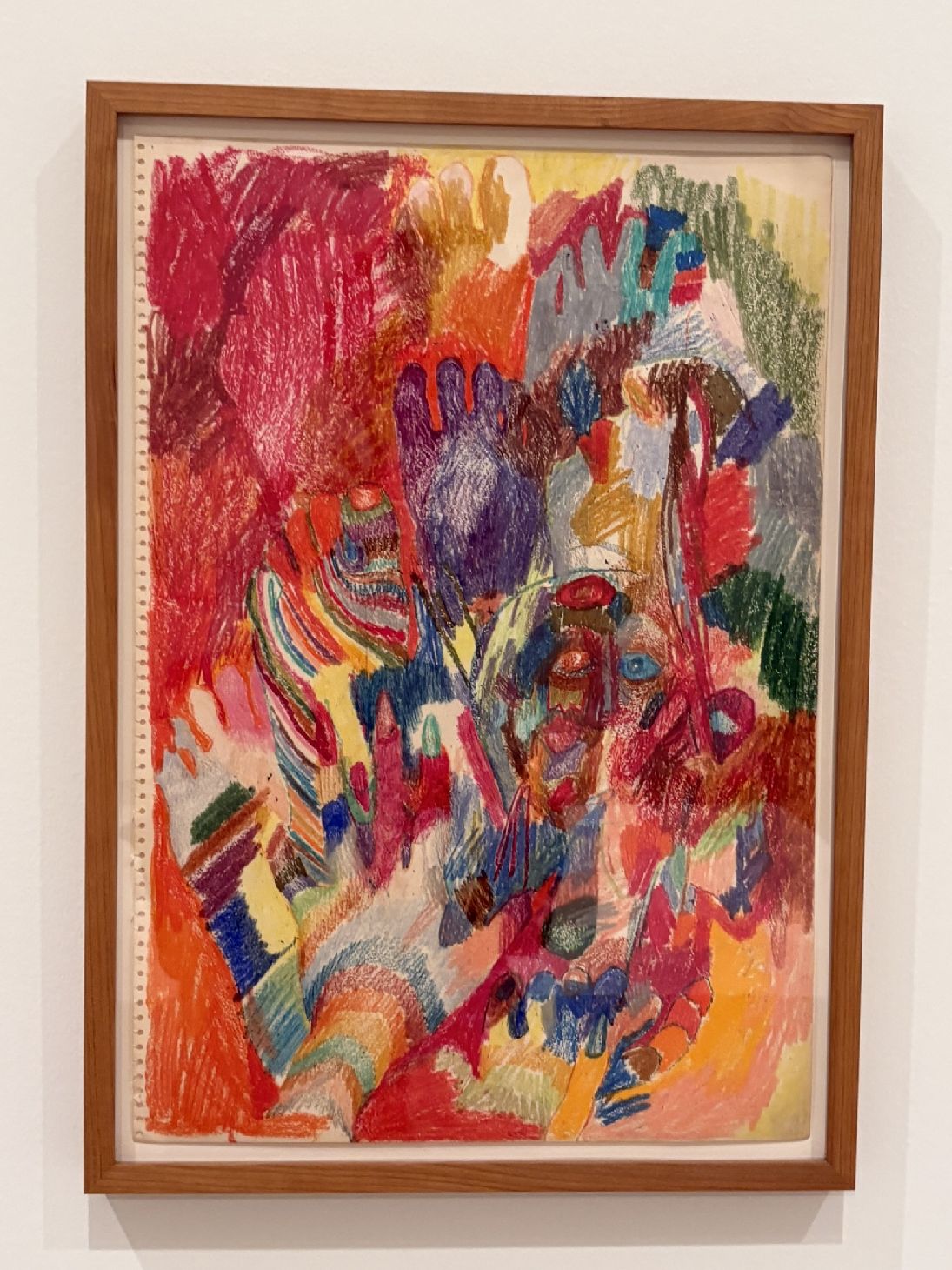
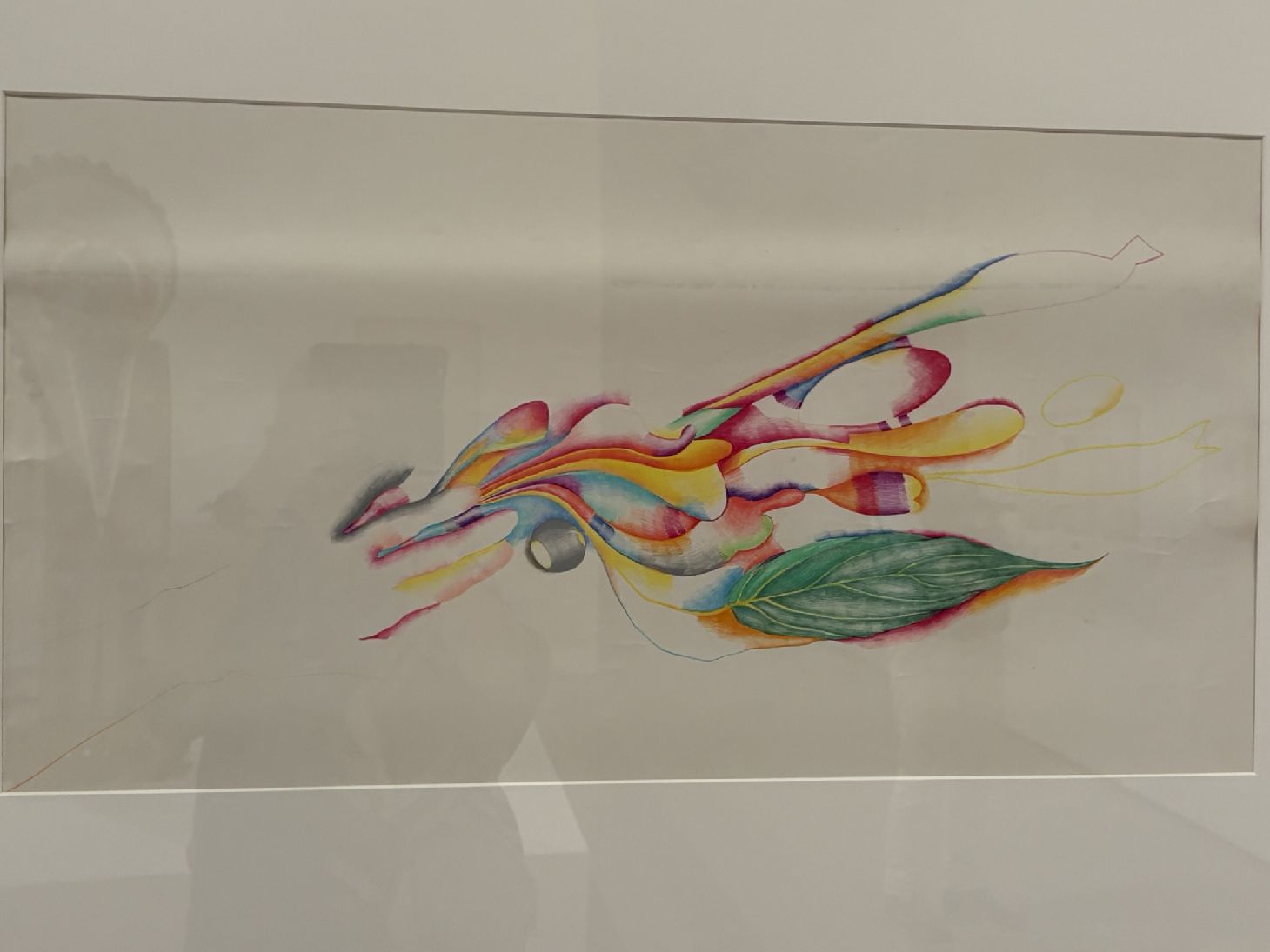
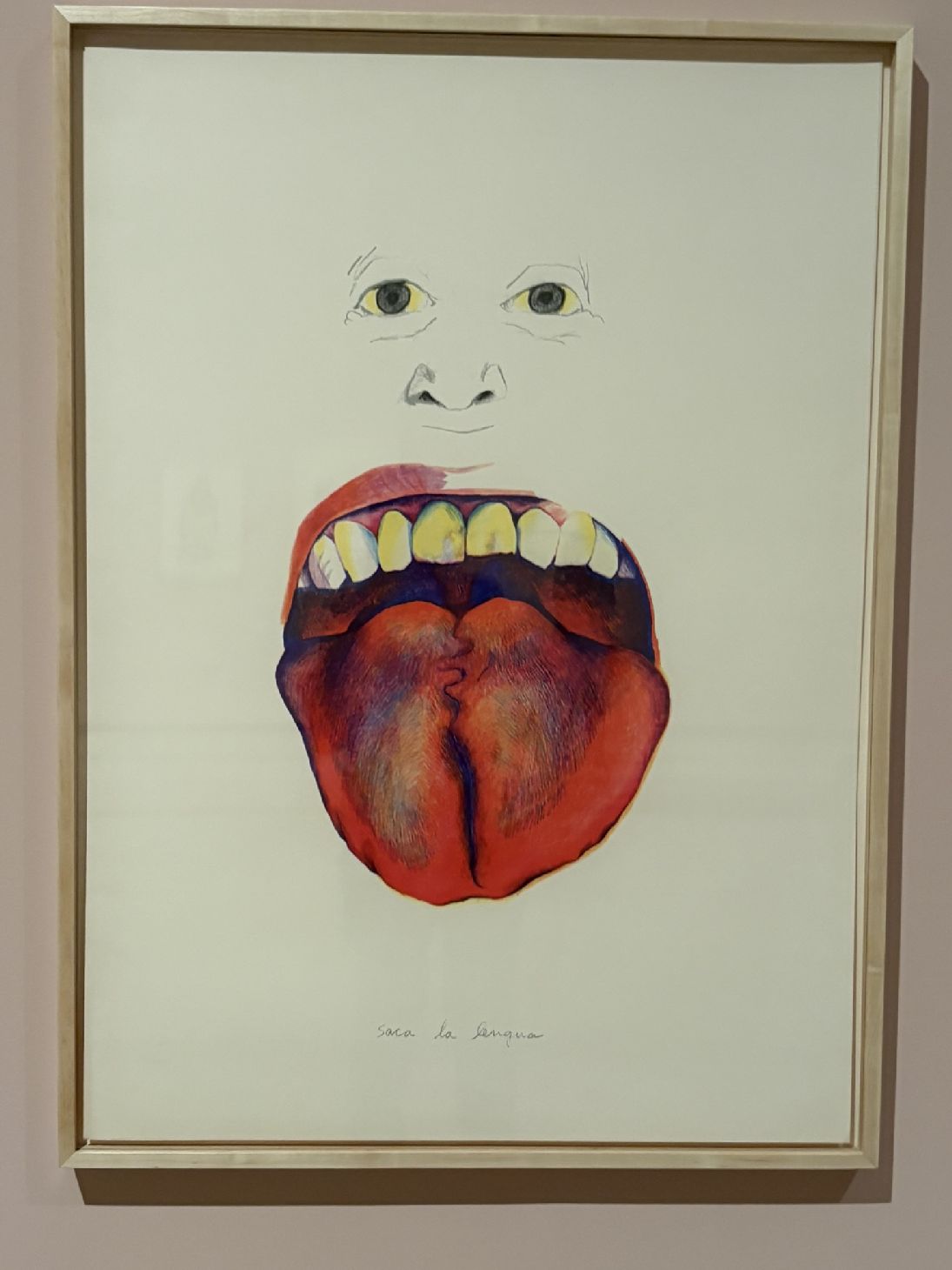
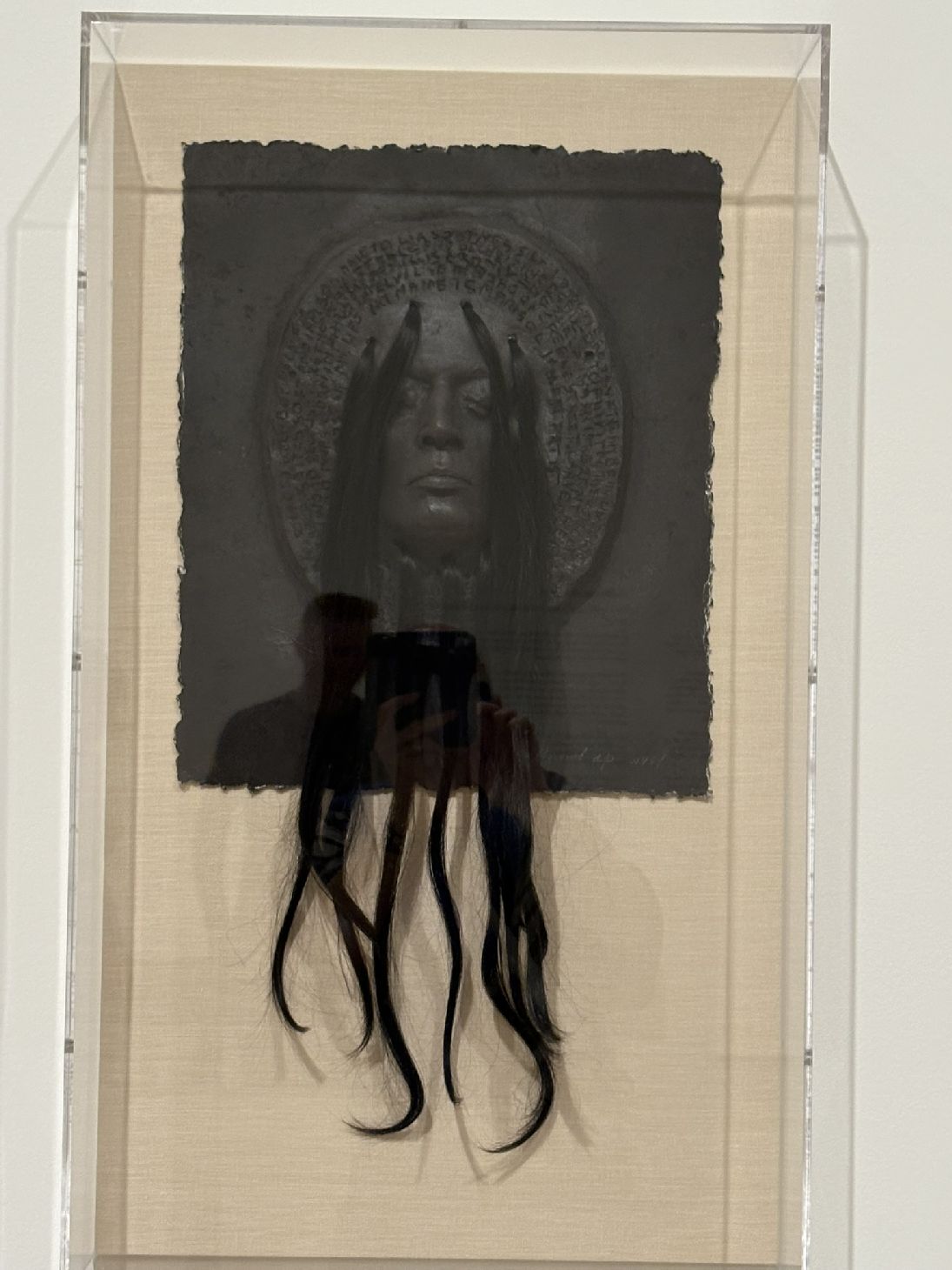
“The title recalls dealer Leo Castelli’s remark to Marisol in the late 1950s when she left the United States following her successful presentation at his New York gallery: “How can you leave when things are just beginning?” The phrase also resonates with her subsequent decisions to withdraw from the centre of the art world at key moments in her career, after which her work would re-emerge profoundly transformed.”
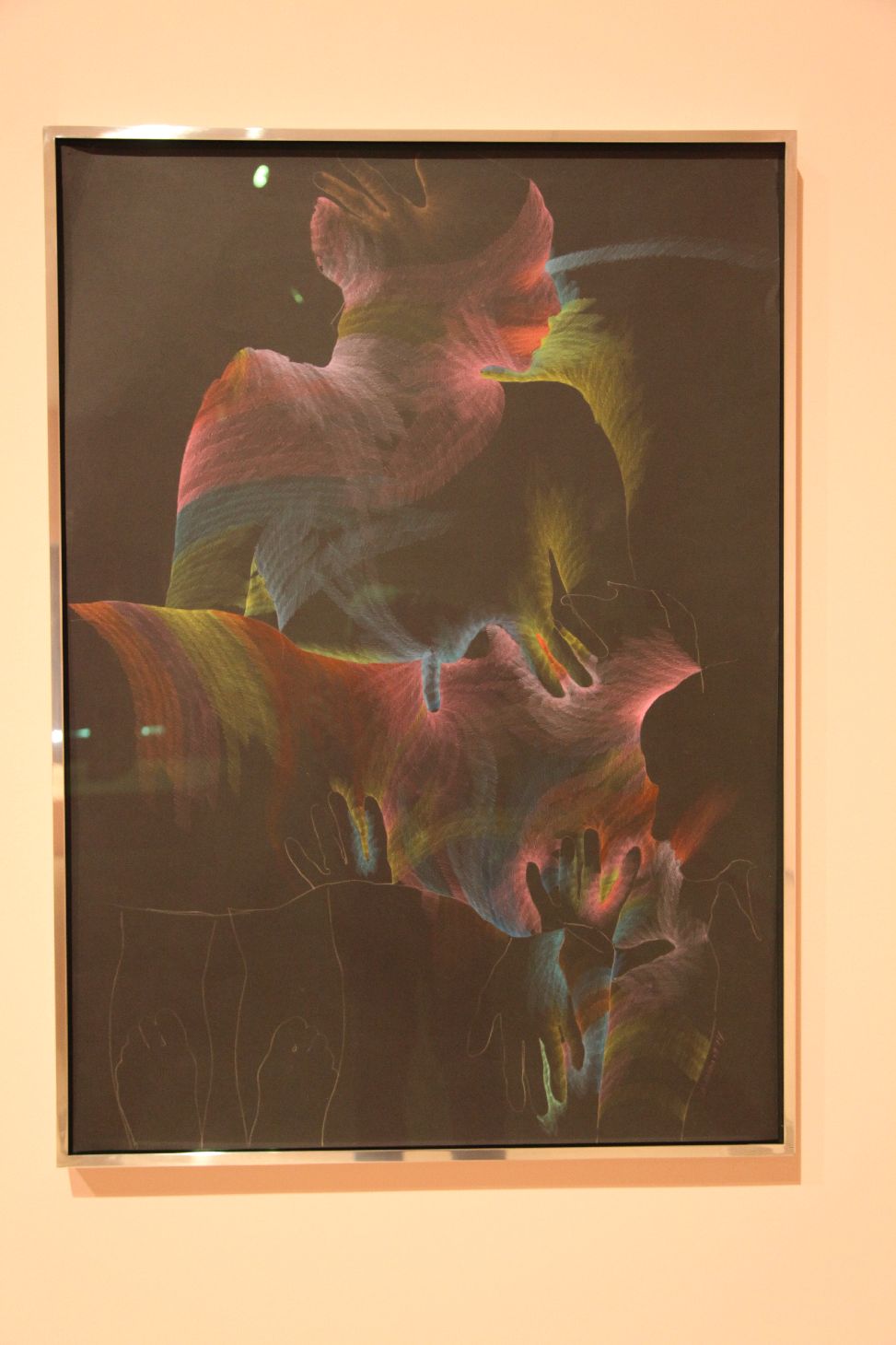
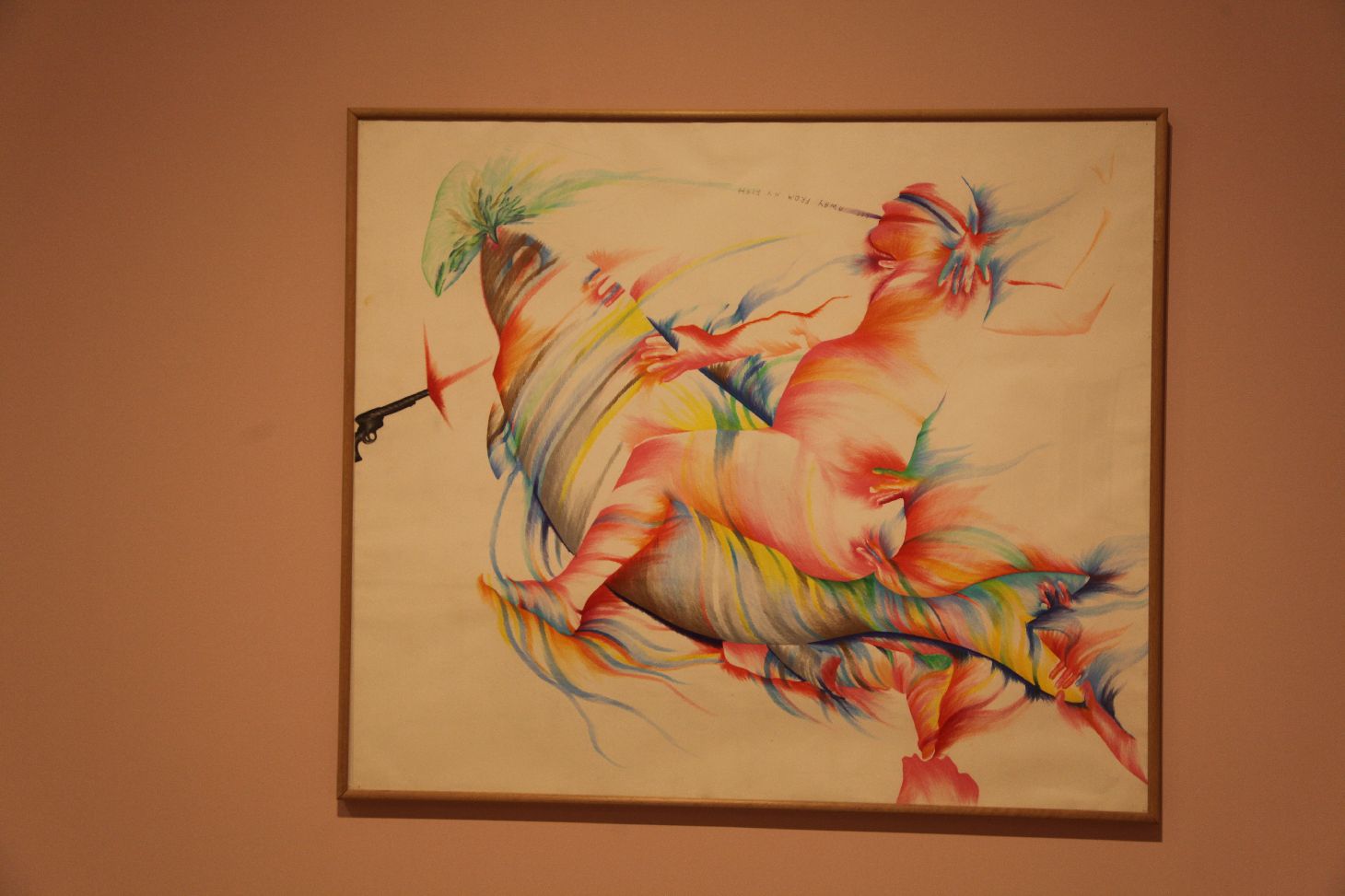
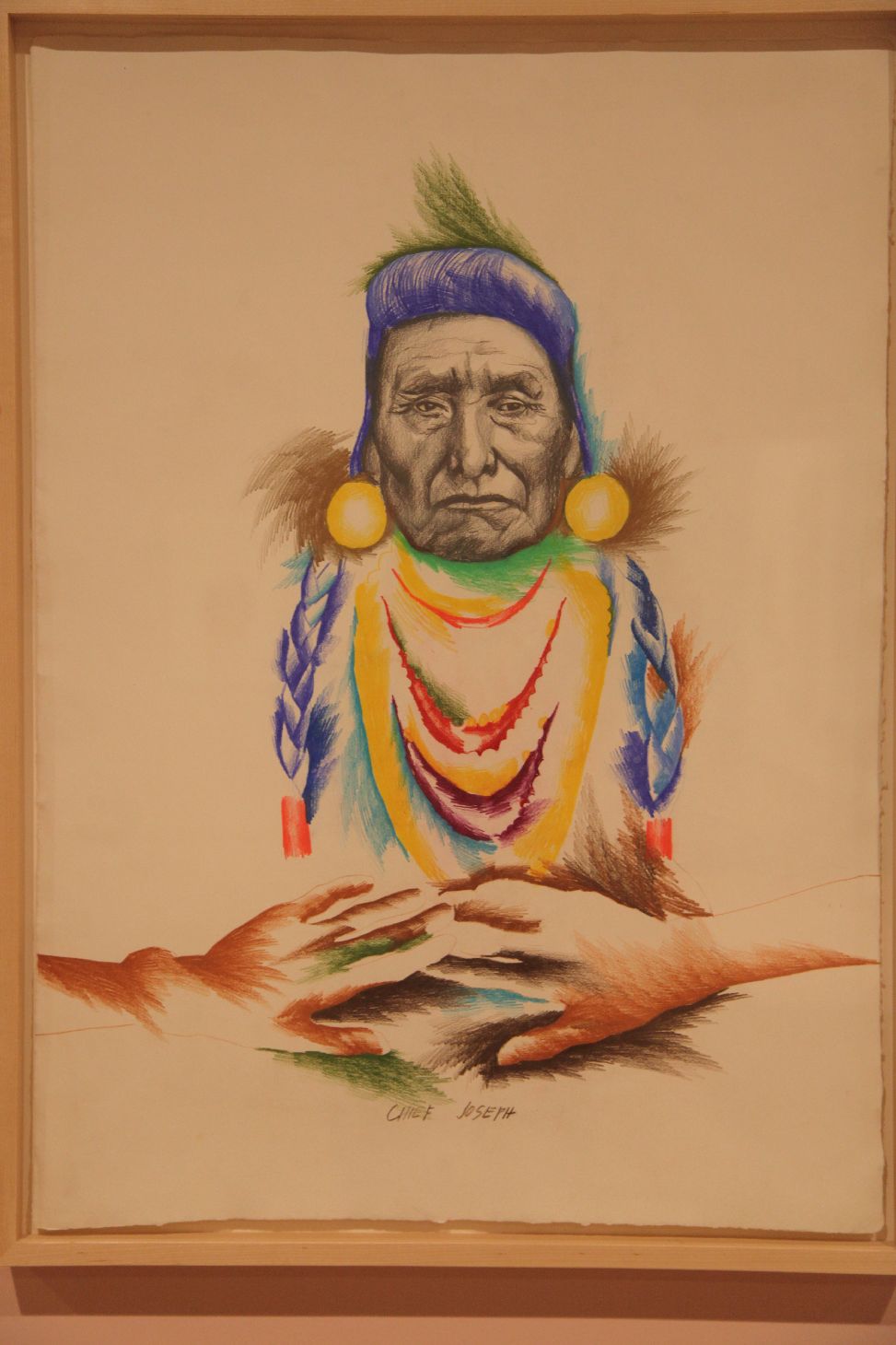
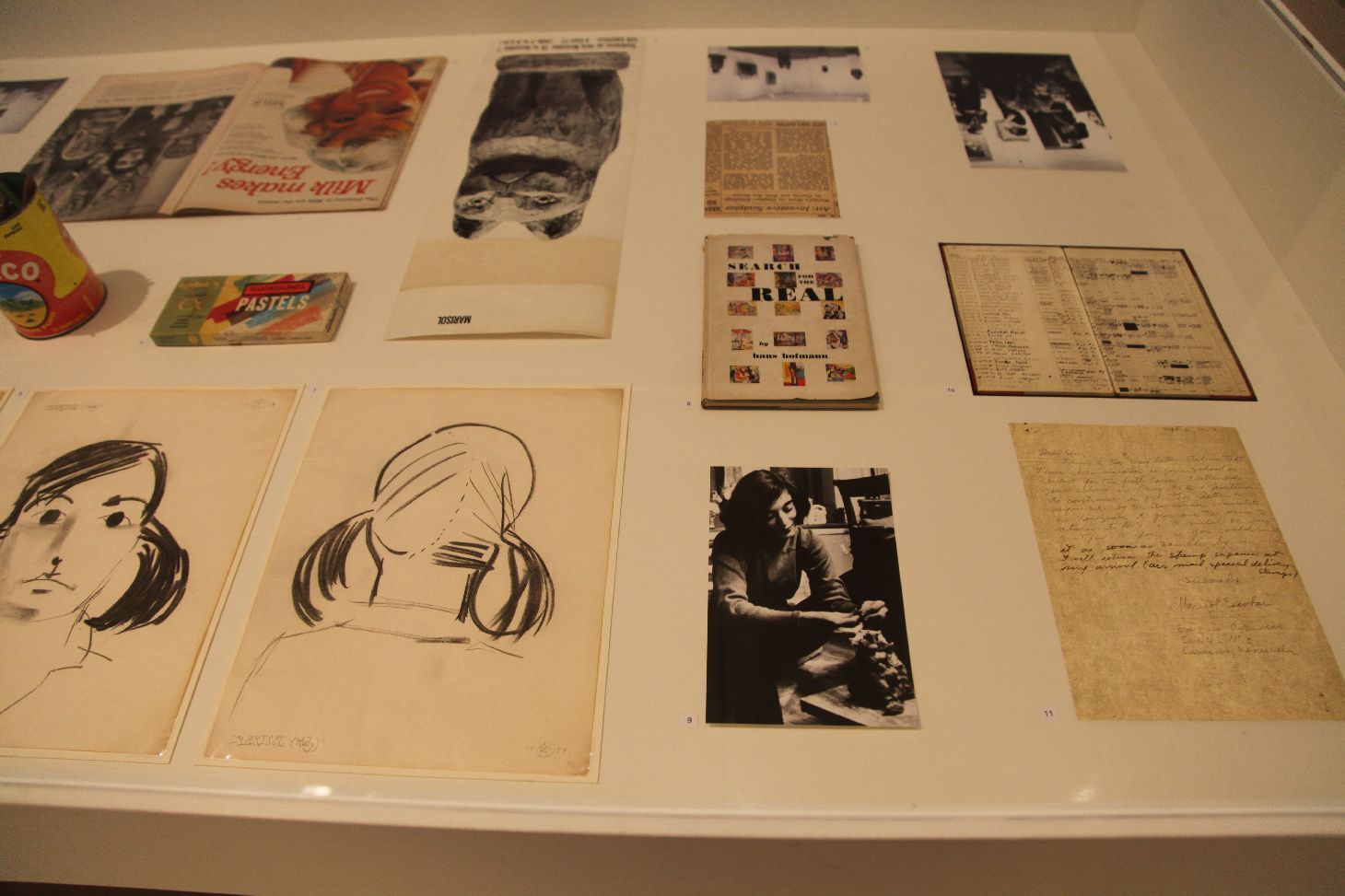
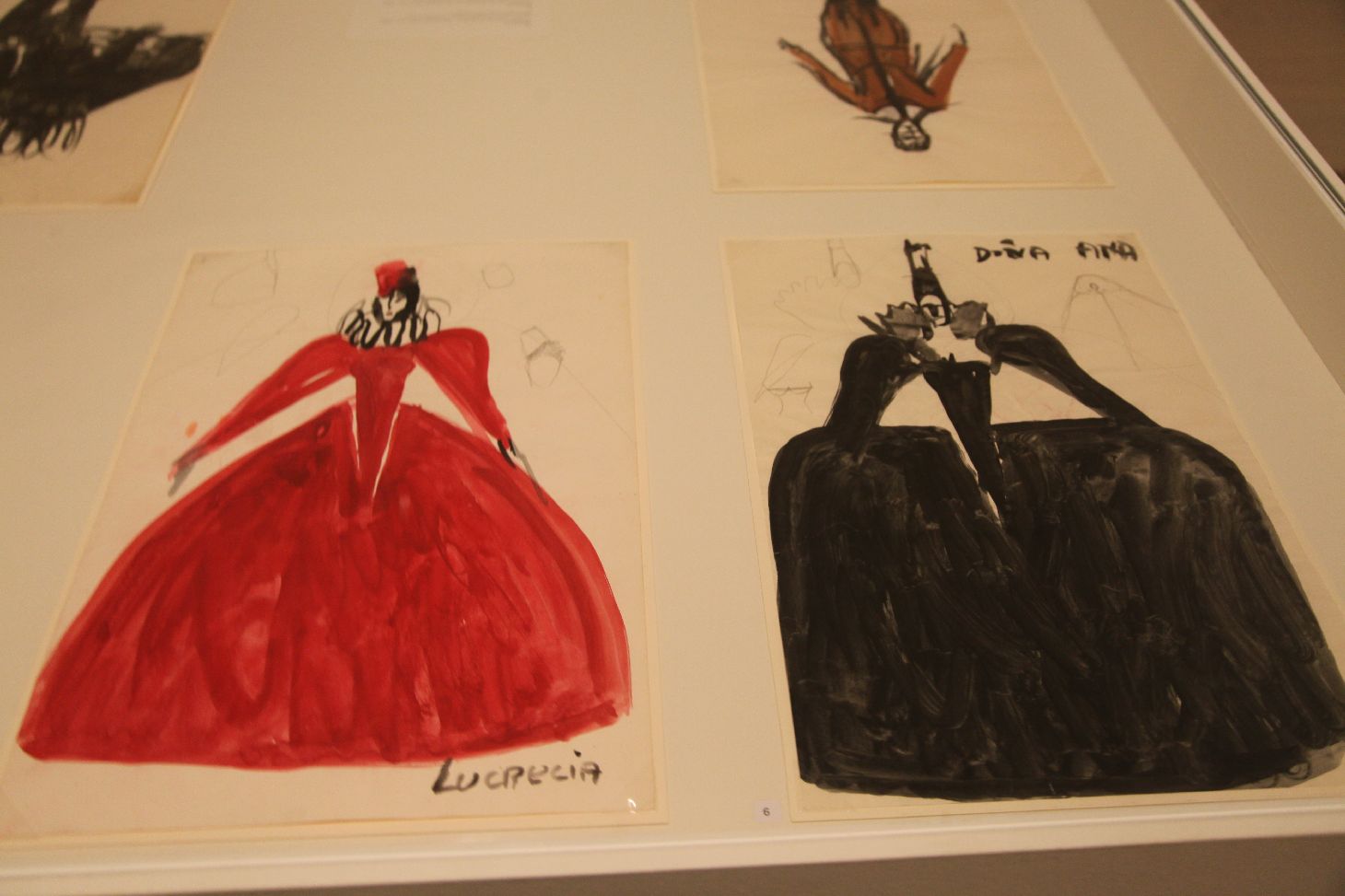
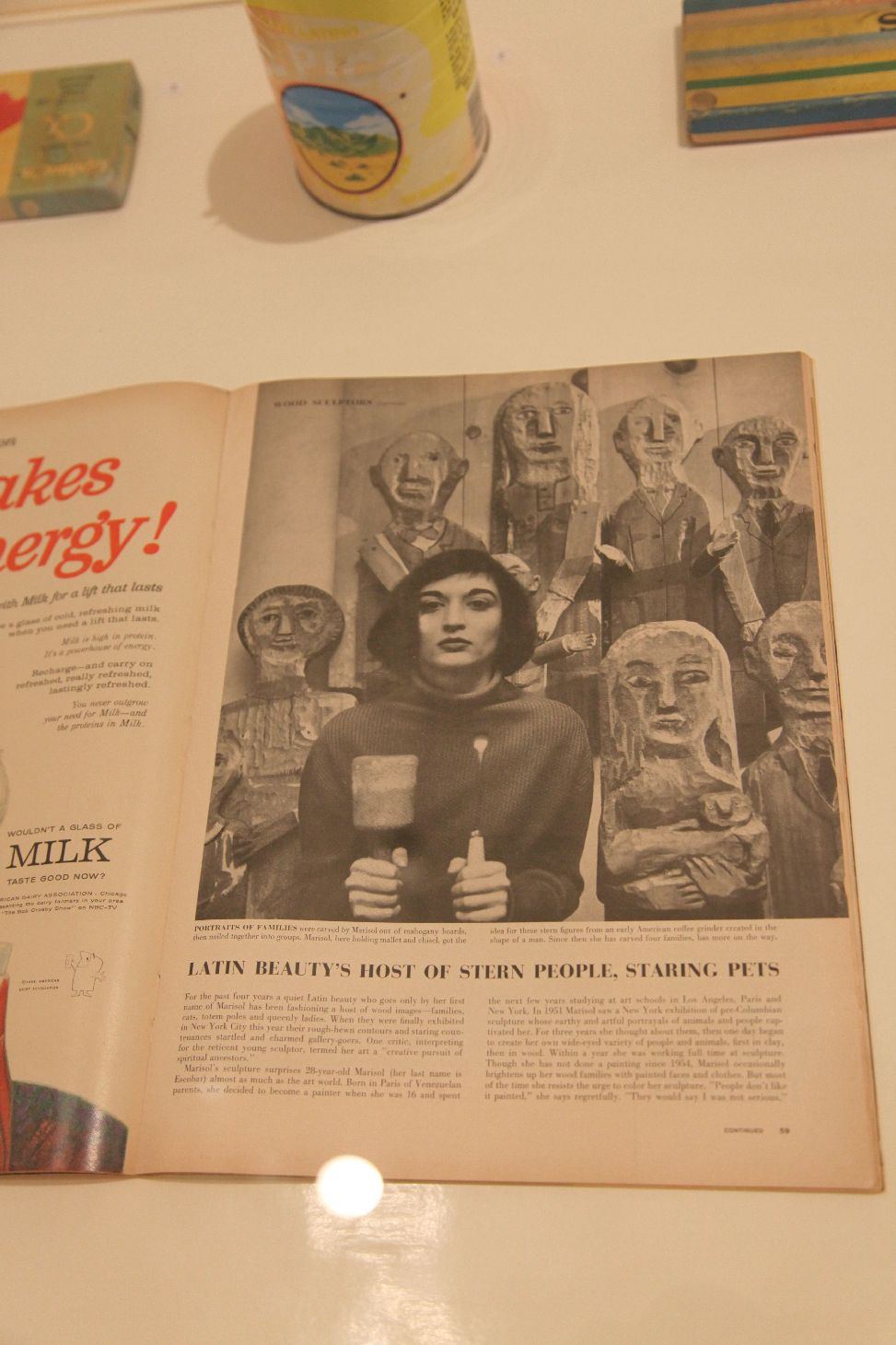
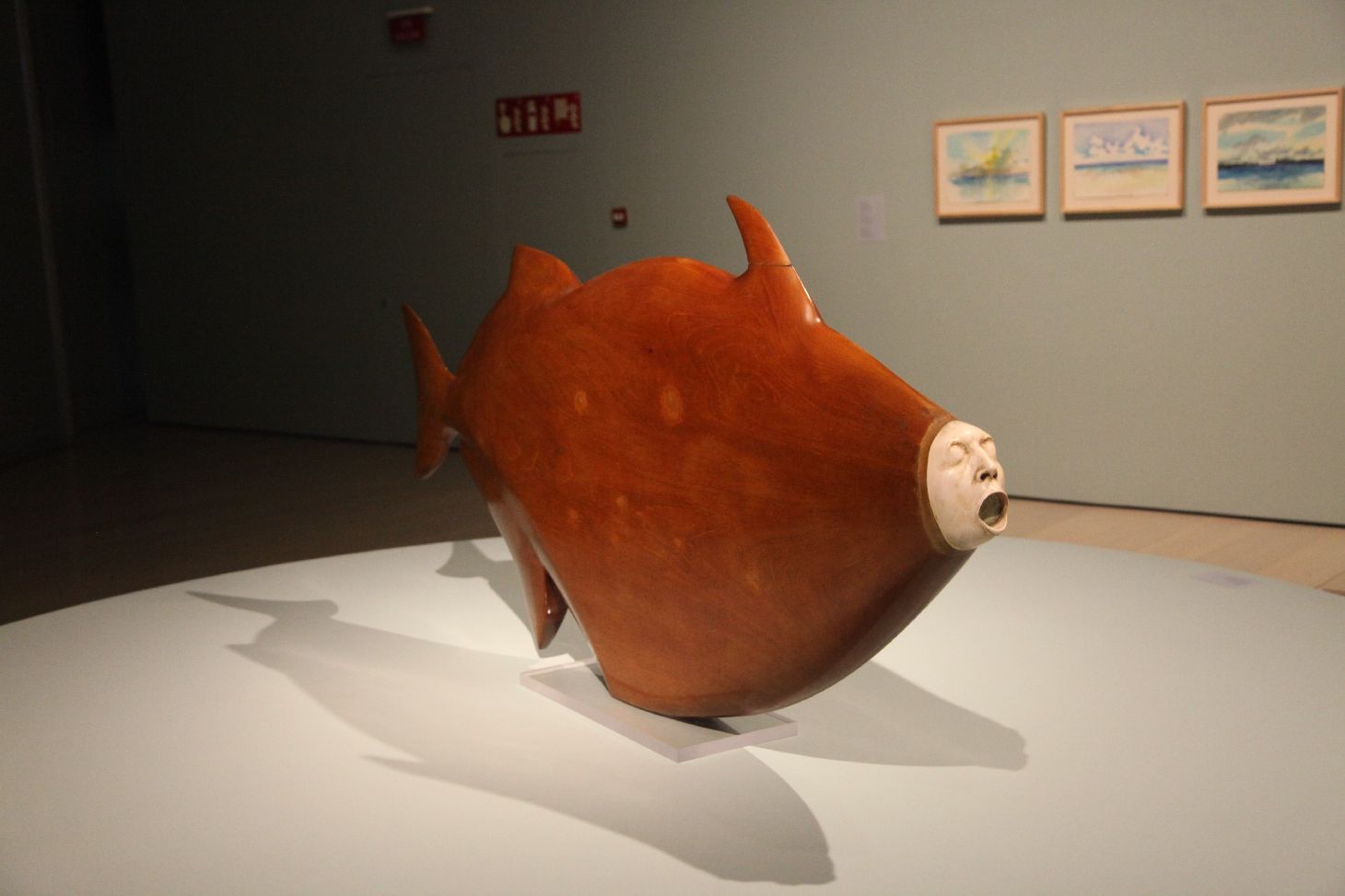
There are also other items such as costume designs, some very odd “fish” sculptures, and an article that understandably enraged her for focussing on her looks and not her work.
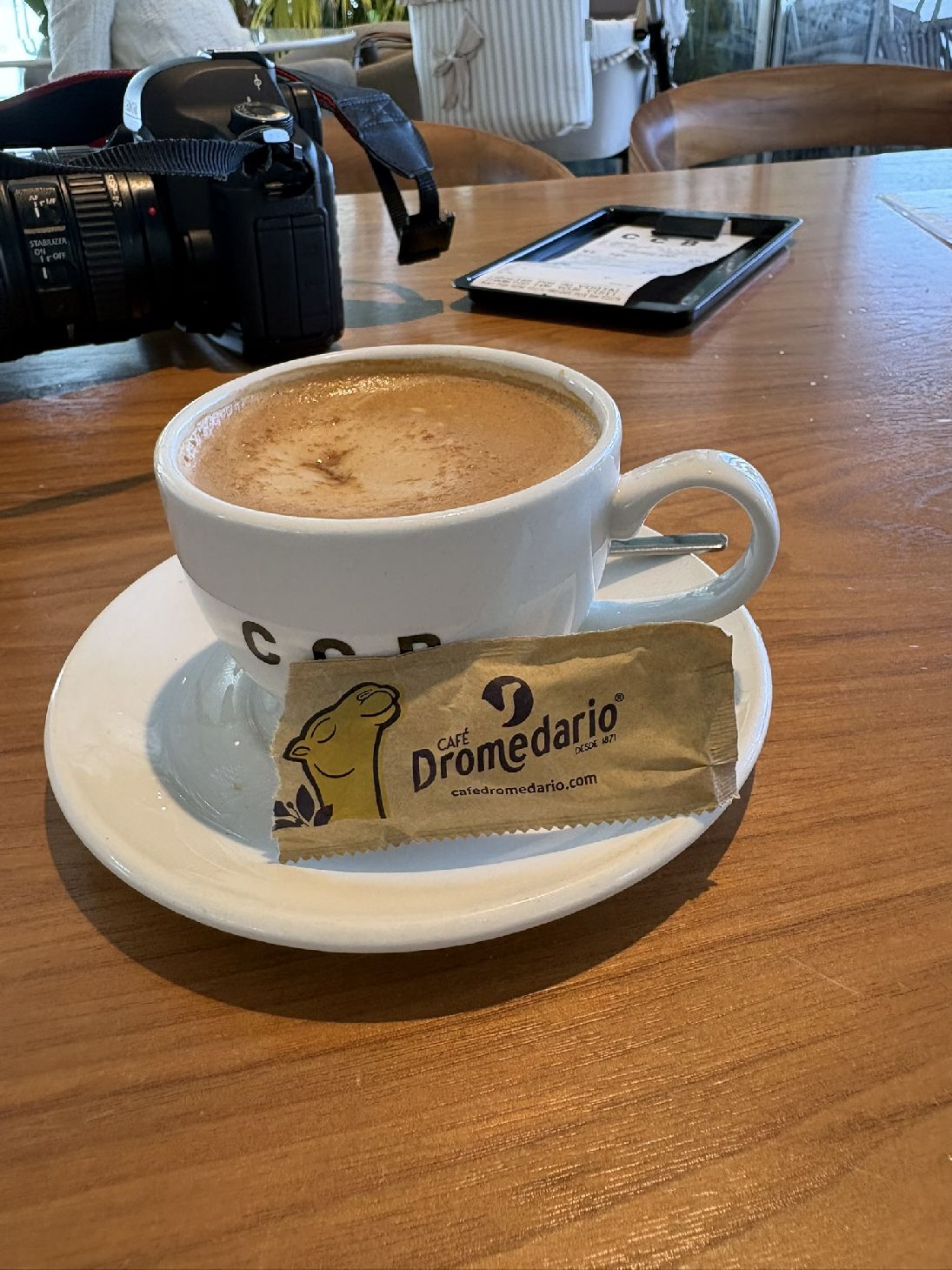
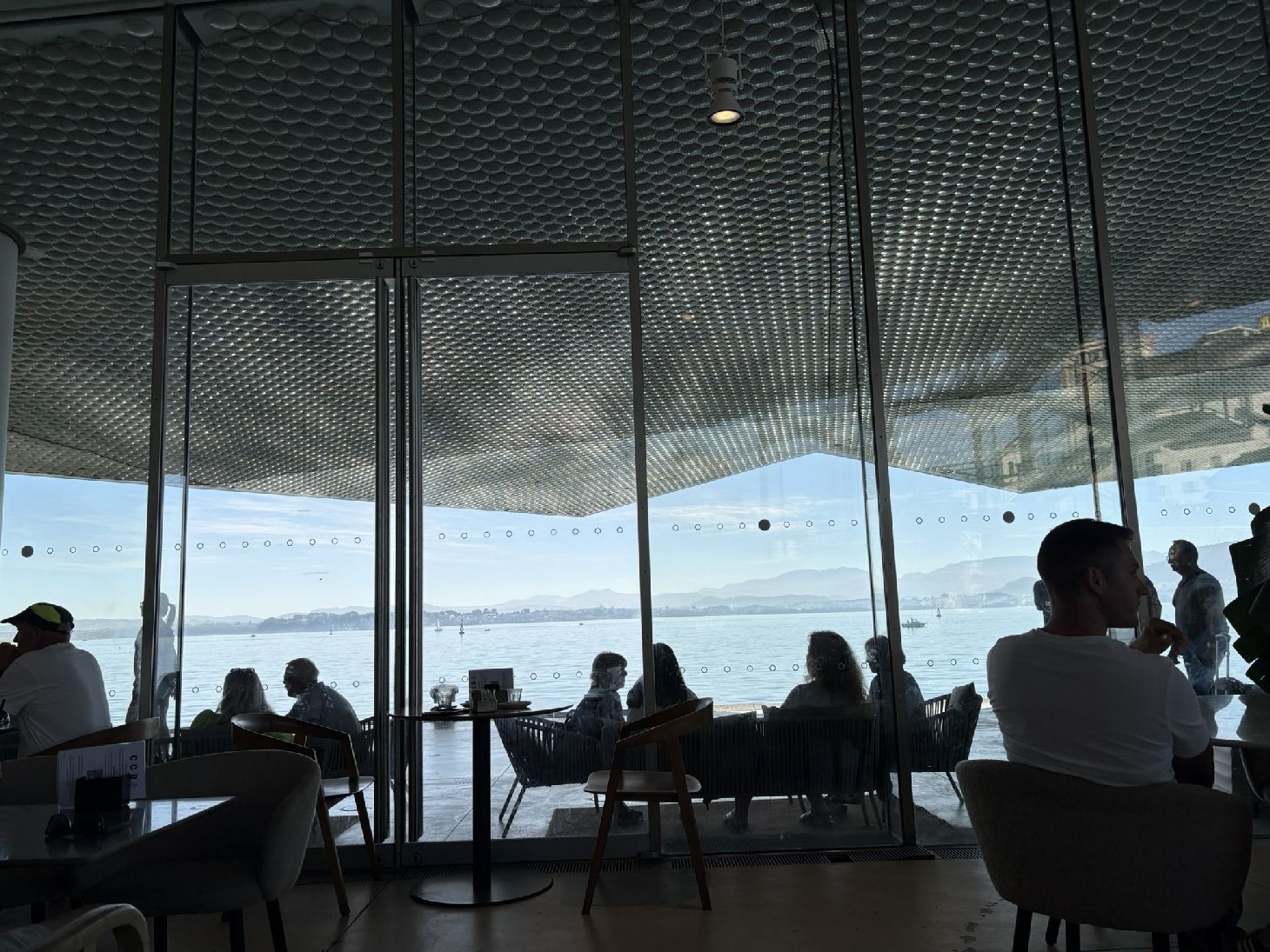
After we’d seen the whole exhibition we had a little time to spare so first we hit the museum shop, then we stopped at the cafe overlooking the bay for coffee. Dropping off our purchases (no one wants to drag a museum catalogue or two – or three – around all day), we then met R and A at the starting point for a tourist boat trip around the bay.
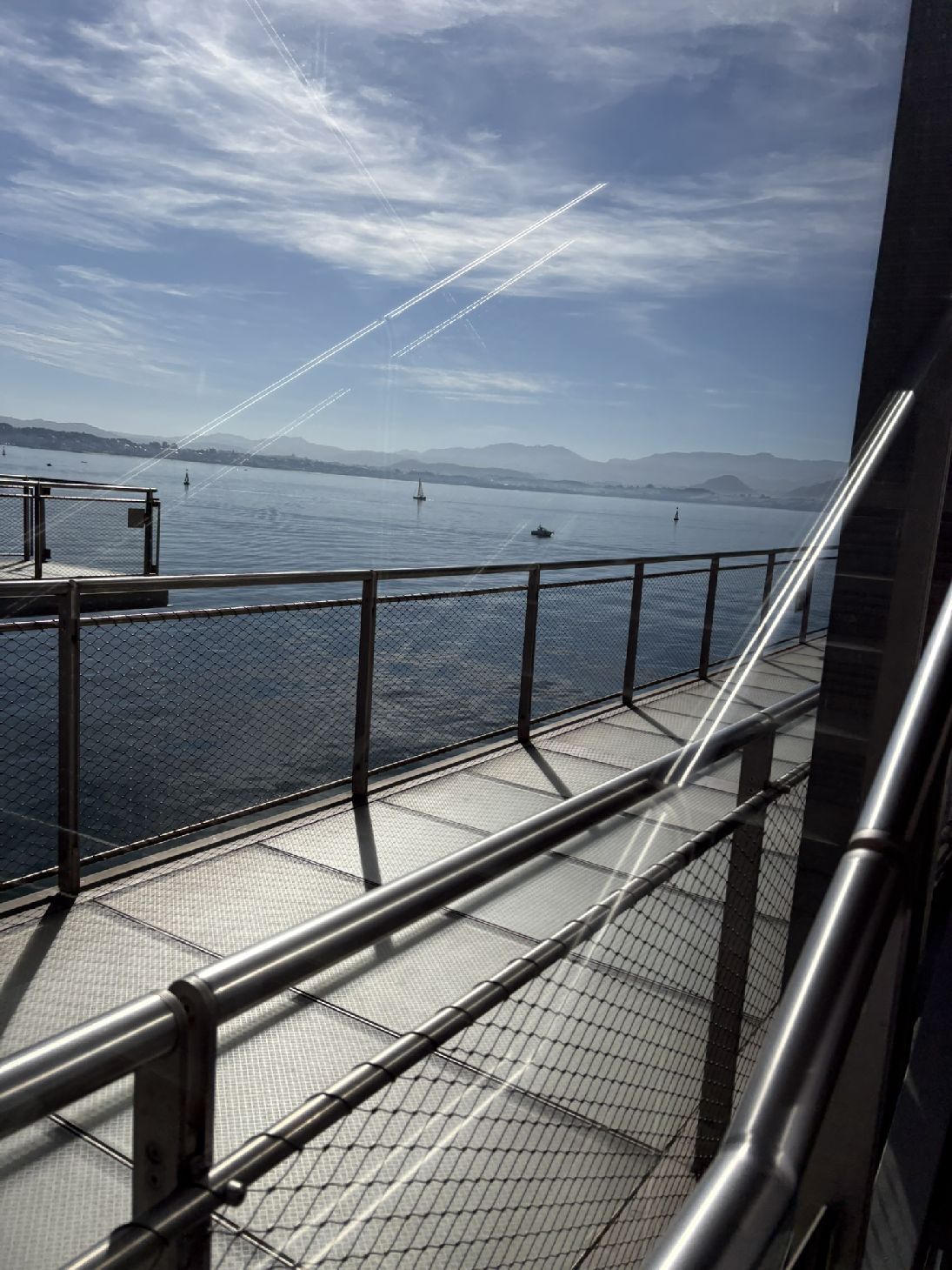
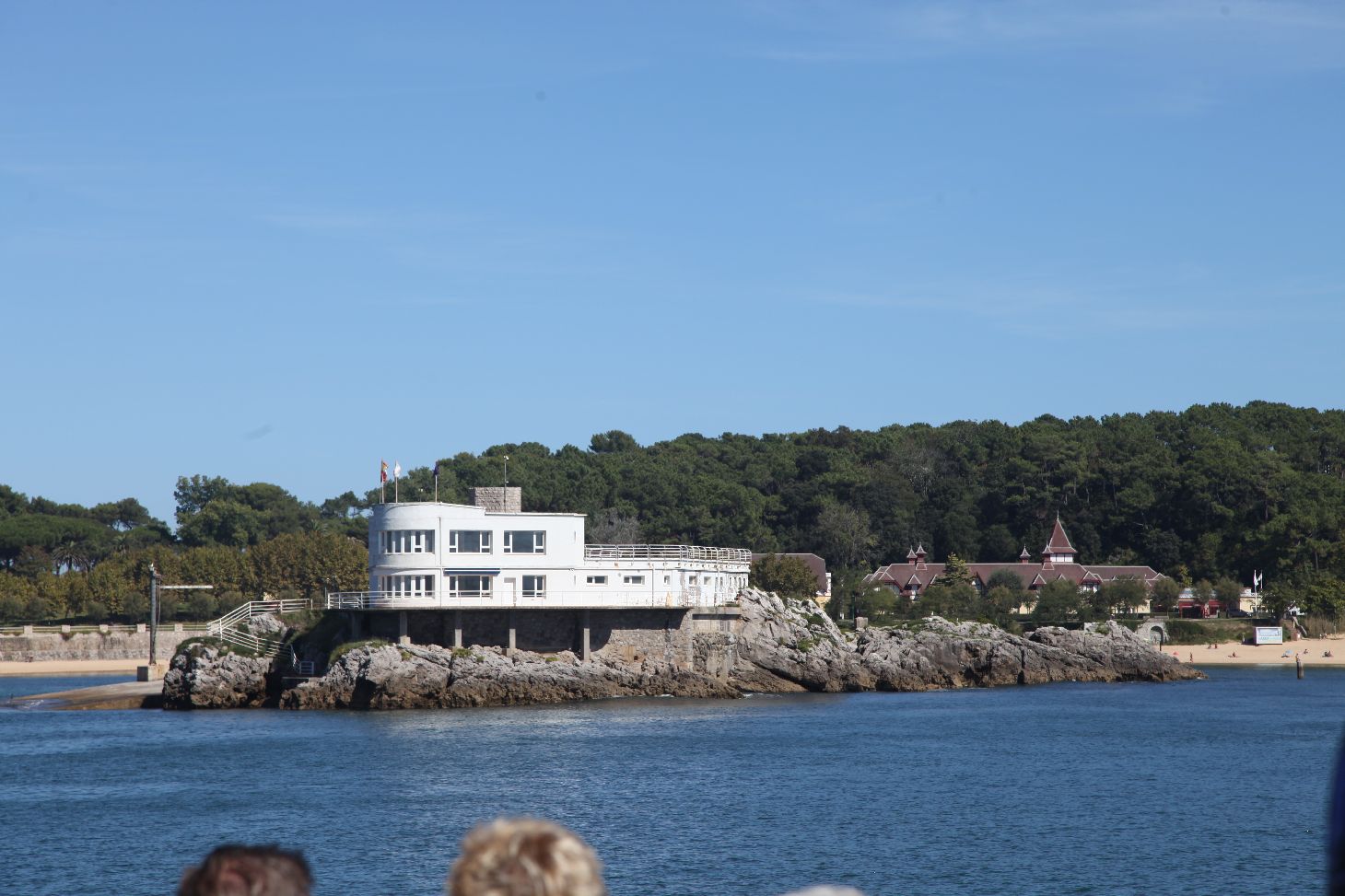
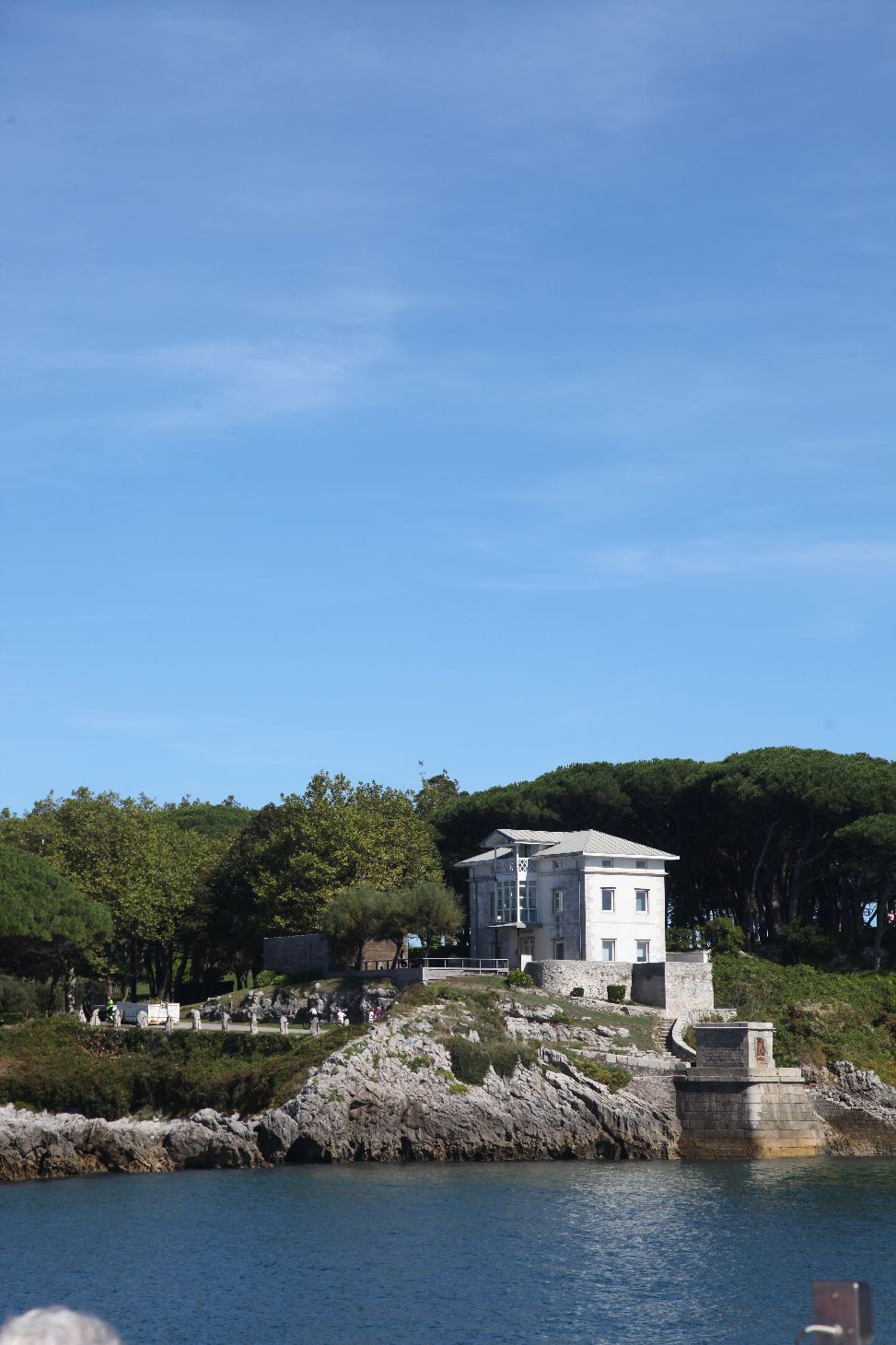
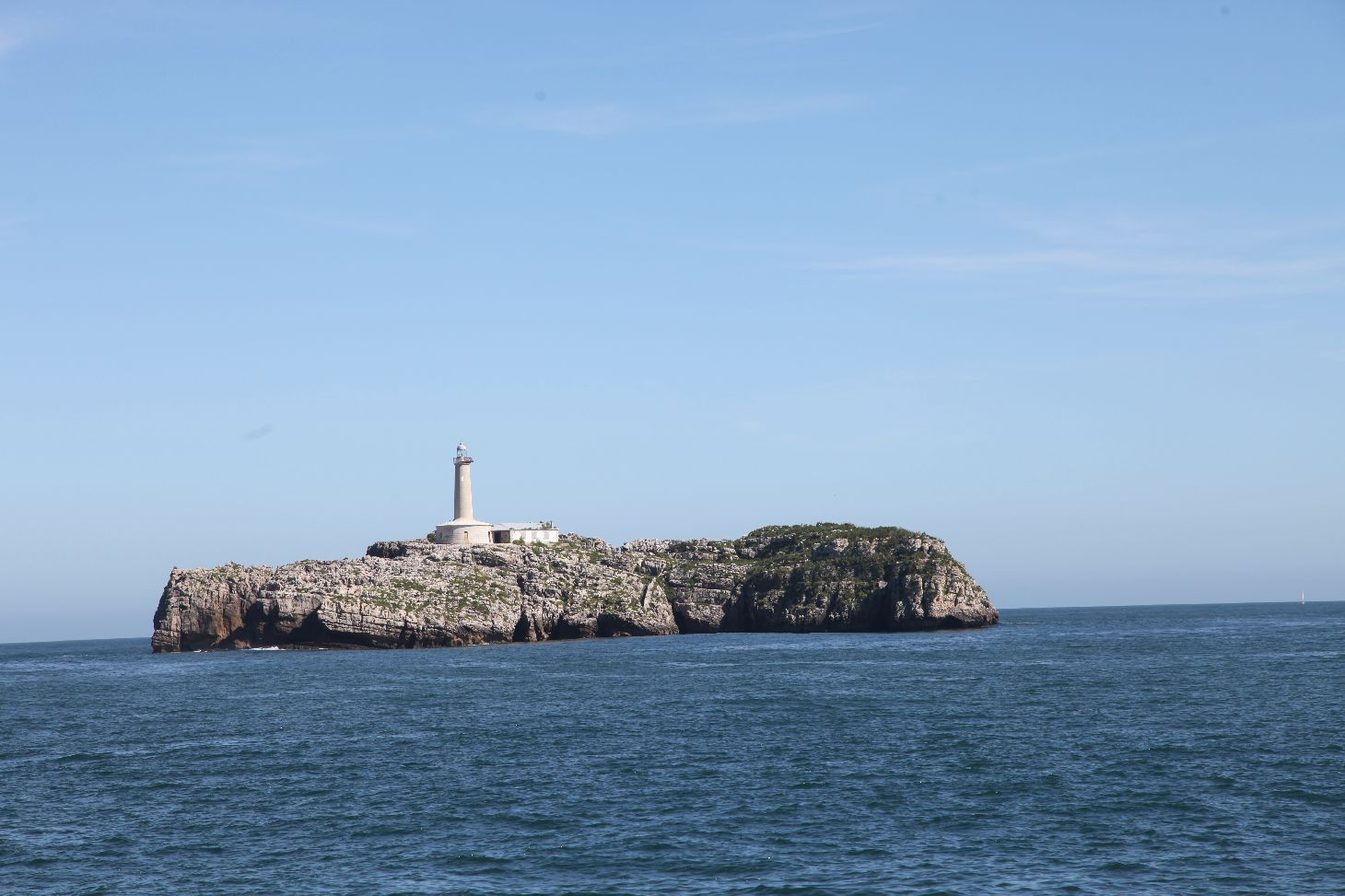
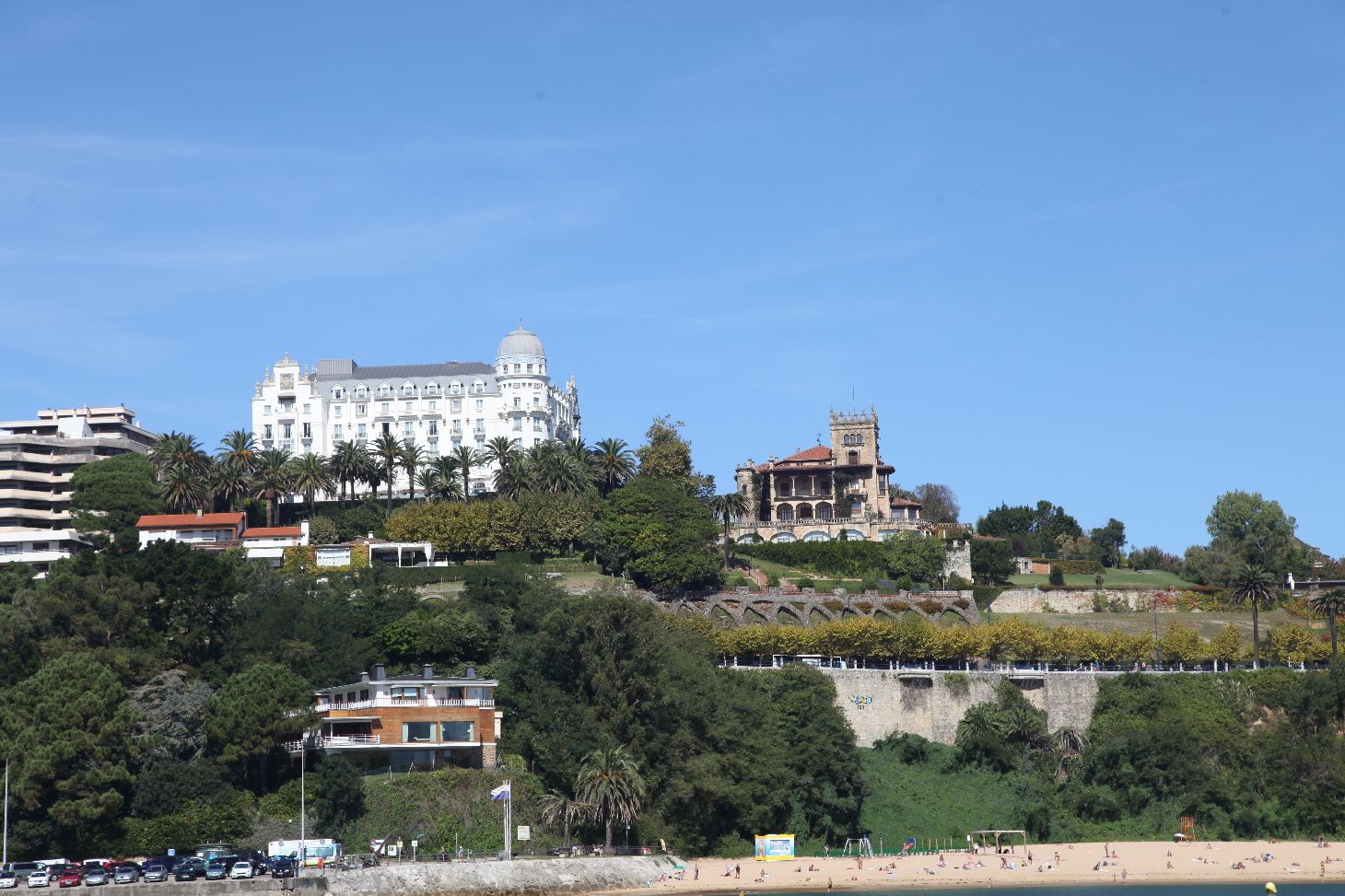
The trip was something A was very keen to do, and we were nicely to the front of the queue to get on so were able to choose our seats on top to best effect to see what was out there. Commentary was offered but only in Spanish, but that was also fine. The views from the boat as it sails out into the wilder reaches of the Bay of Biscay were glorious in the sunshine. OK, it got a tad choppy once we got out beyond the Faro de la Isla de Mouro (in fact it was hard to stand up) but it was well worth it for the views of the promenade that runs all the way to the Magdalena peninsula, and the peninsula itself.
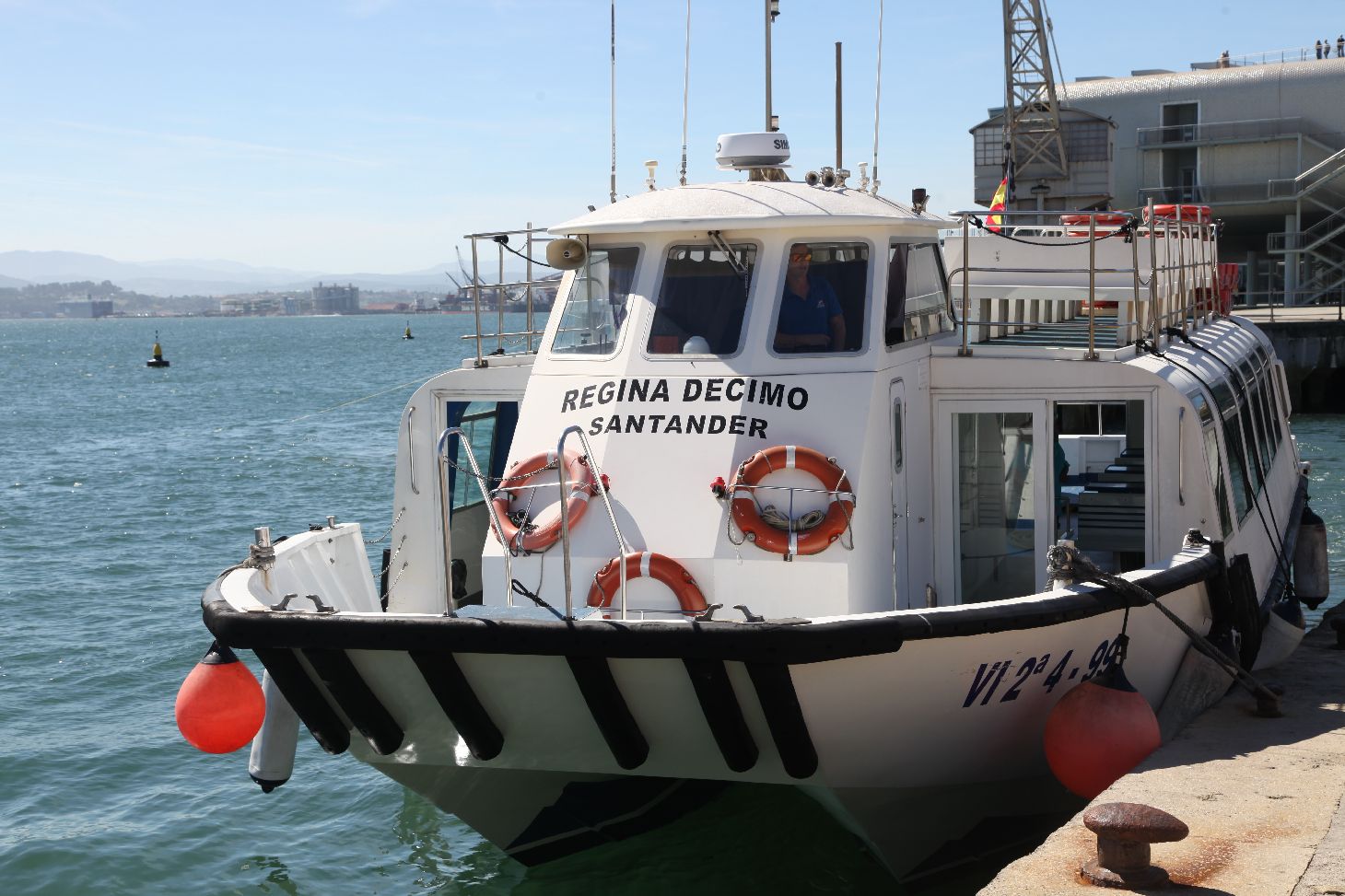
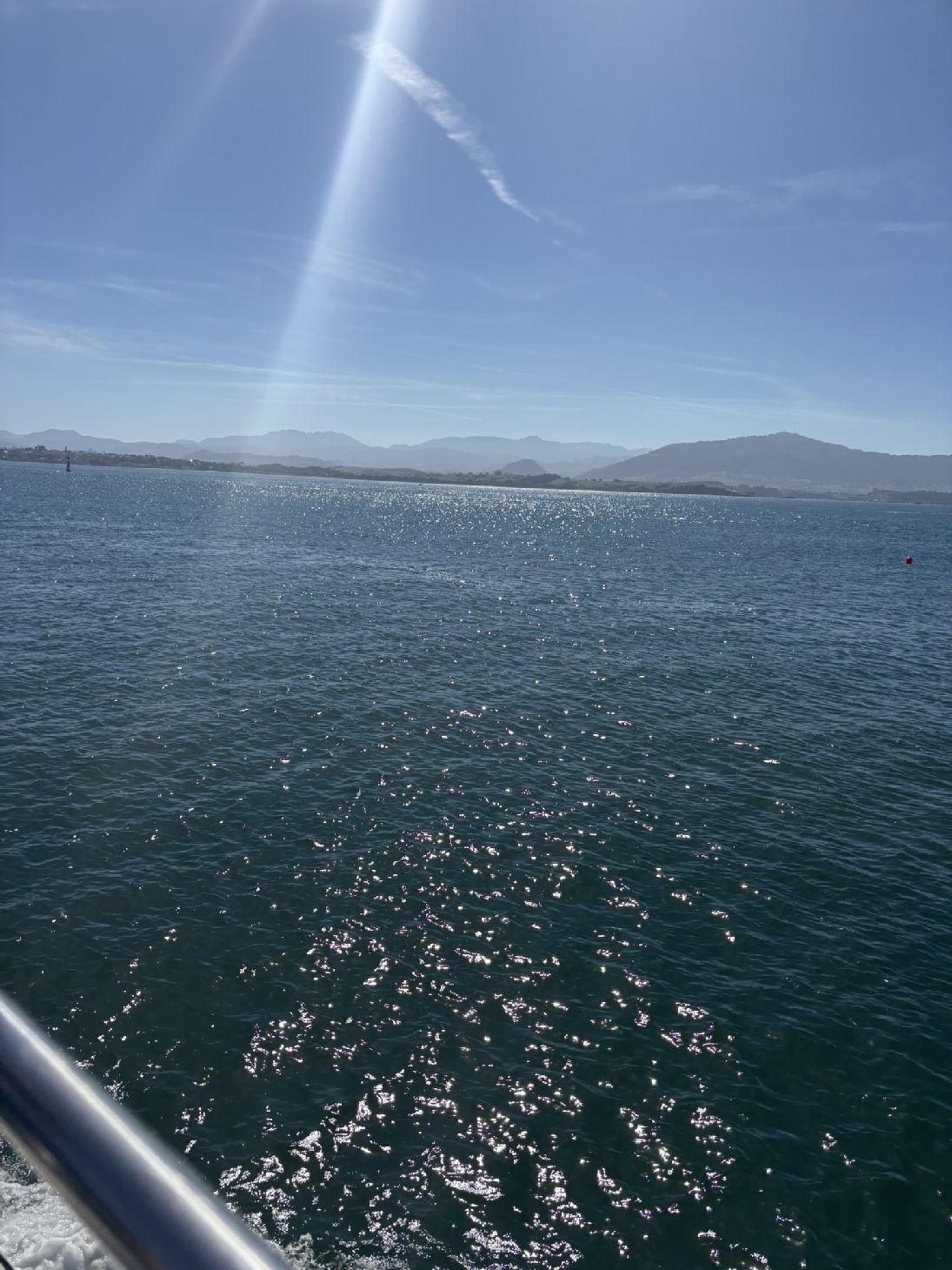
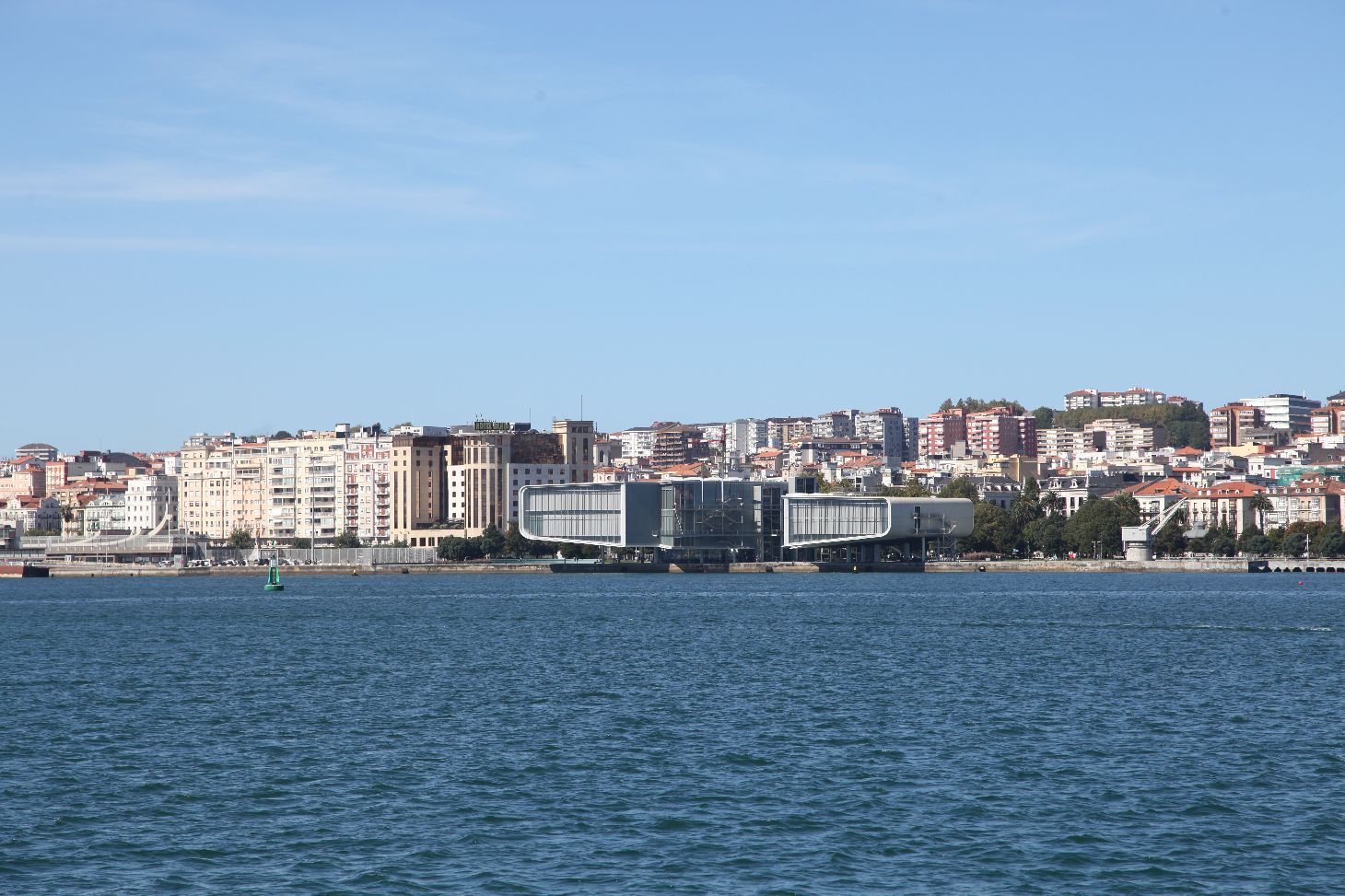
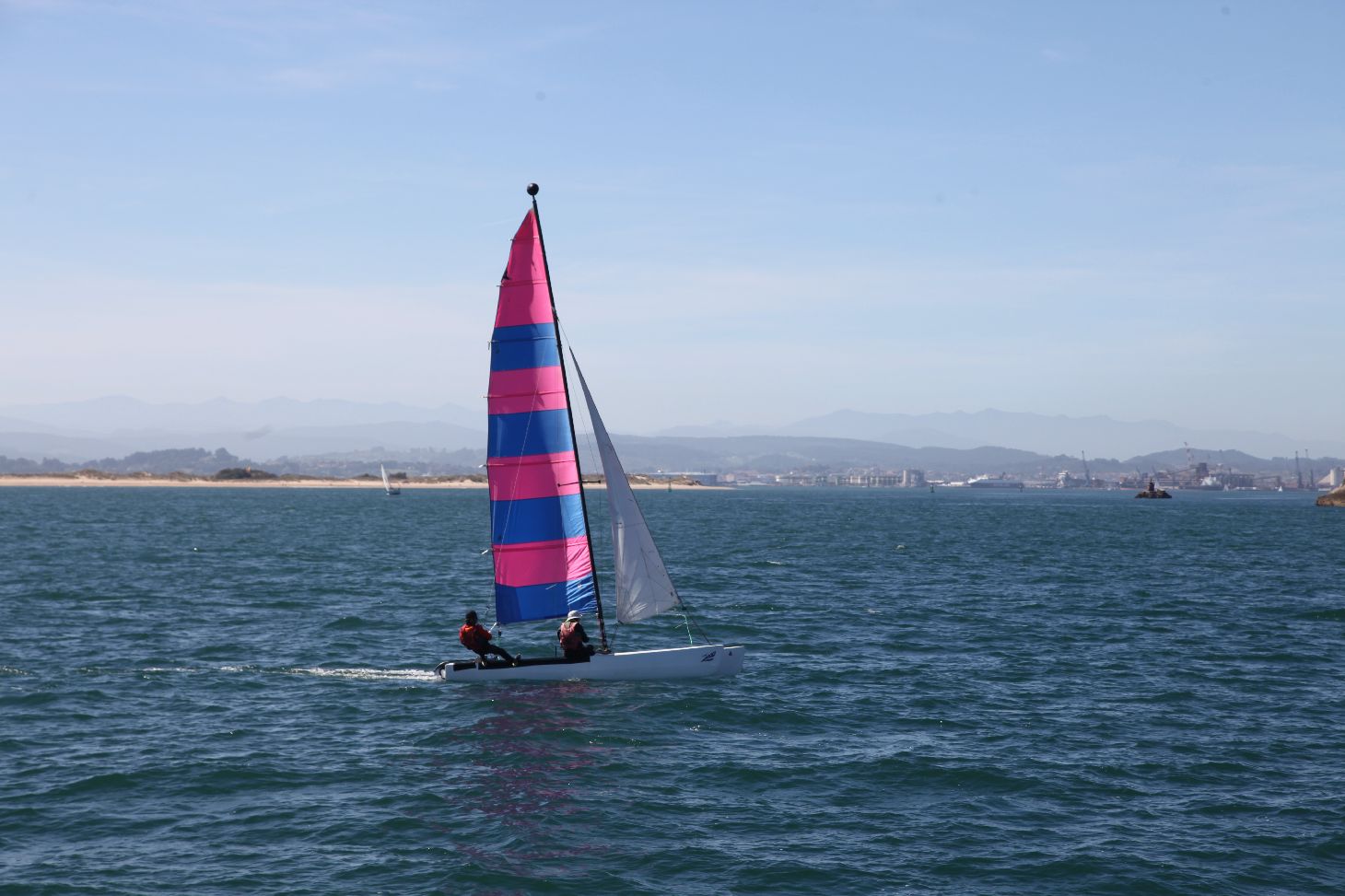
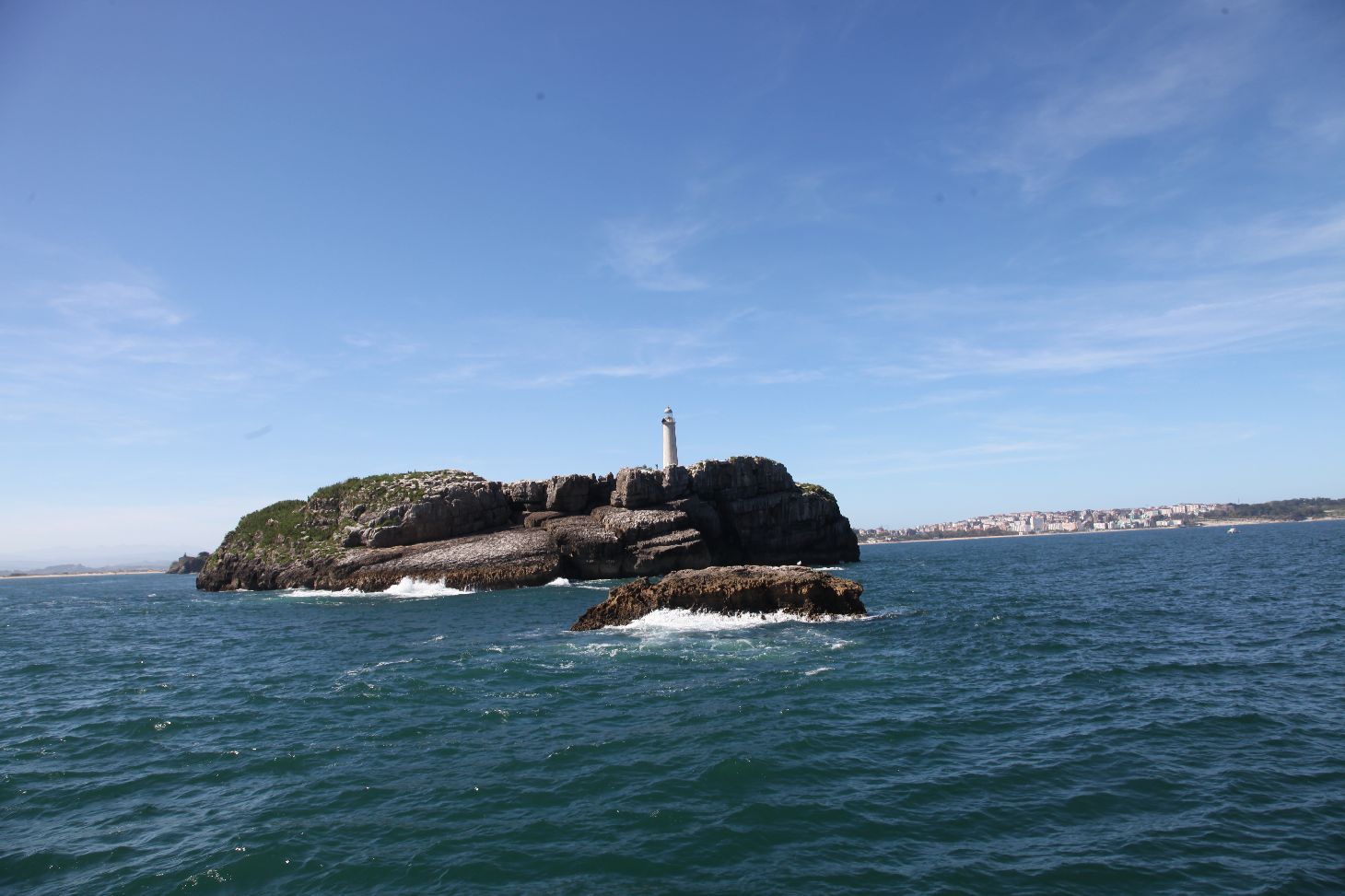
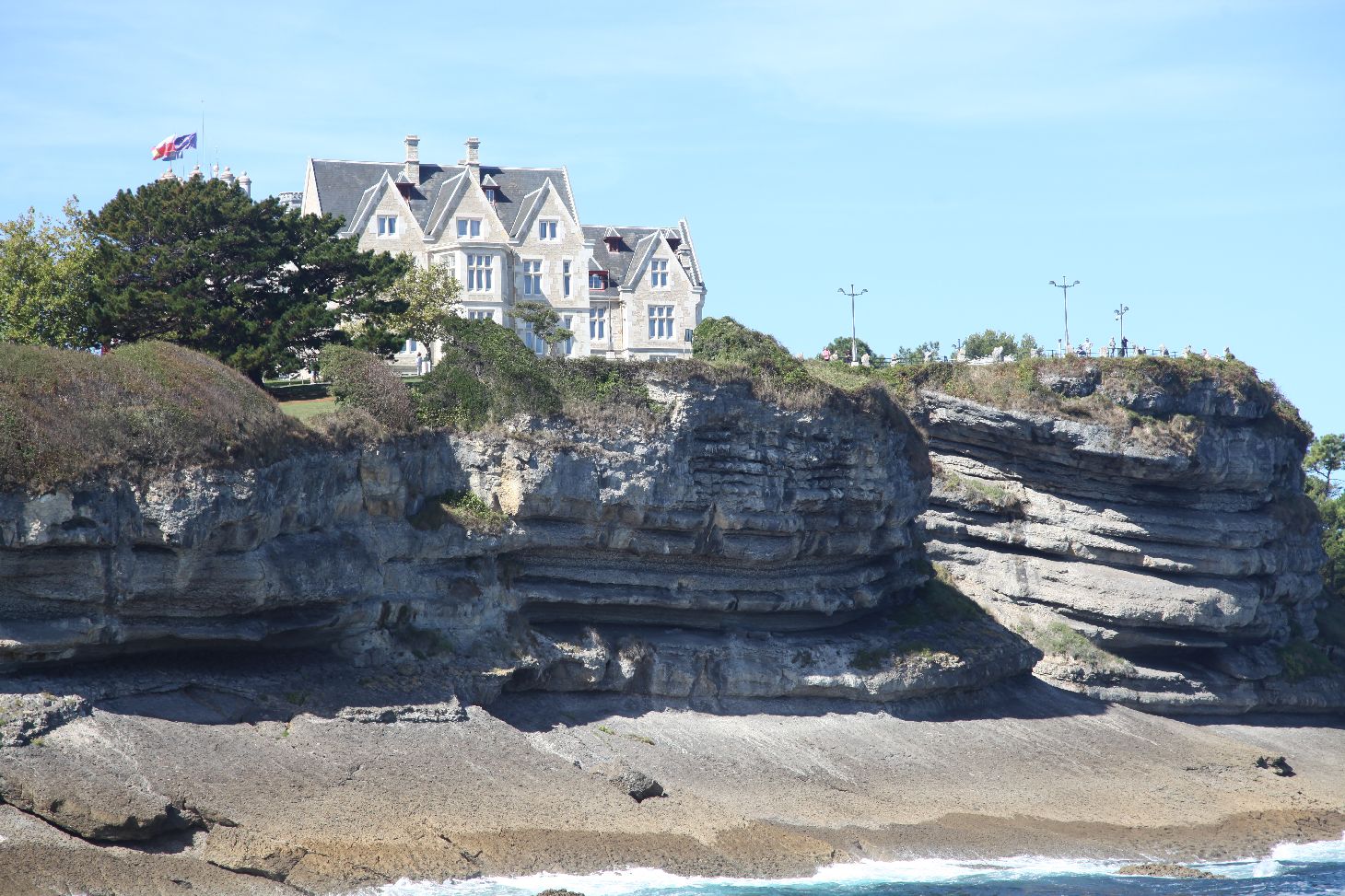
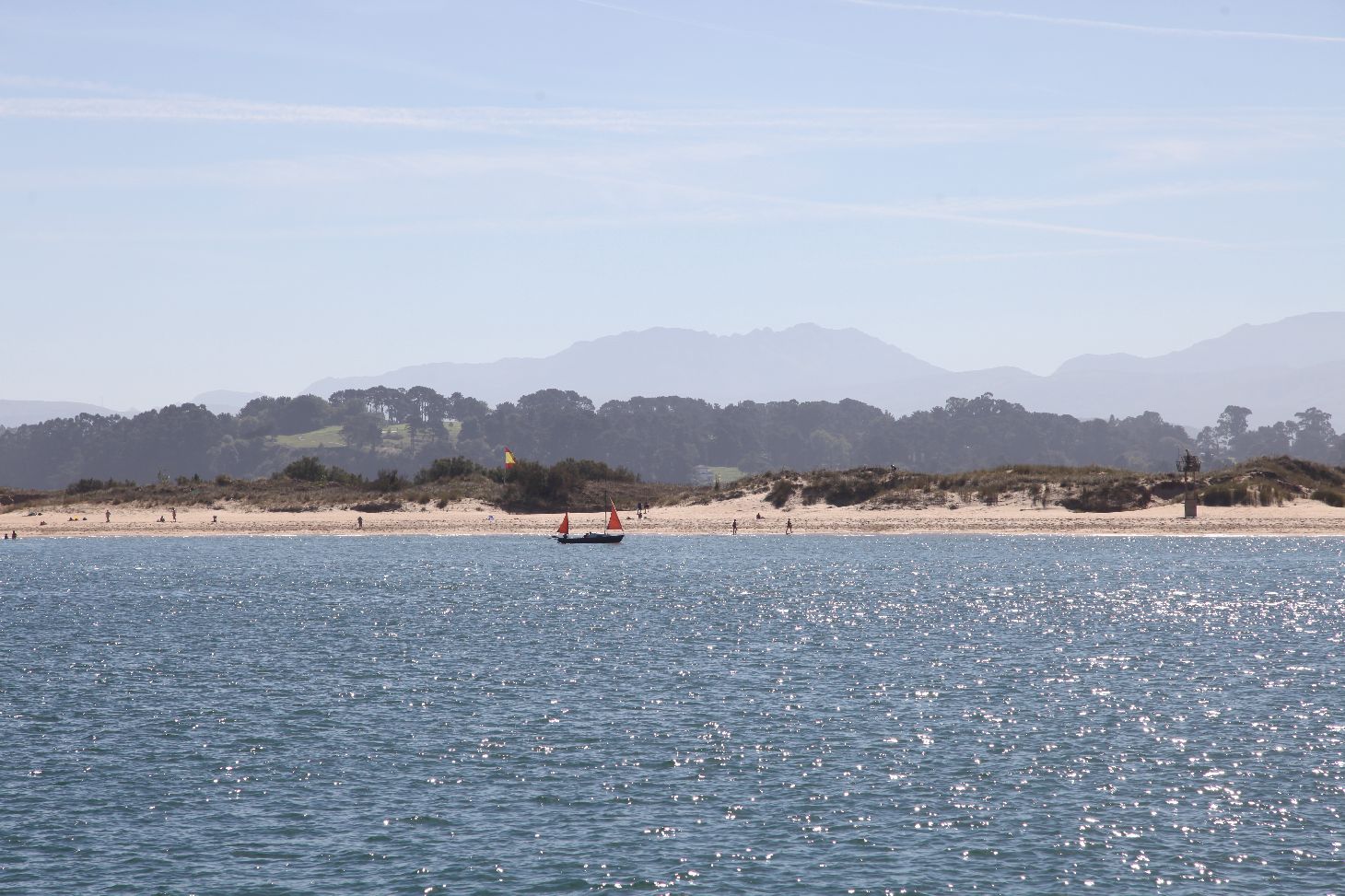
The boat then swings around along the edge of the main tourist beach of El Sardinero, then turns back providing views of El Puntal beach as well. Eventually it pulls back in alongside the Centro Botin. It was a thoroughly enjoyable hour of allowing ourselves to be moved under someone else’s steam and well worth the fee of around €15.00. I’d happily do it again, though Lynne would have preferred calmer waters.
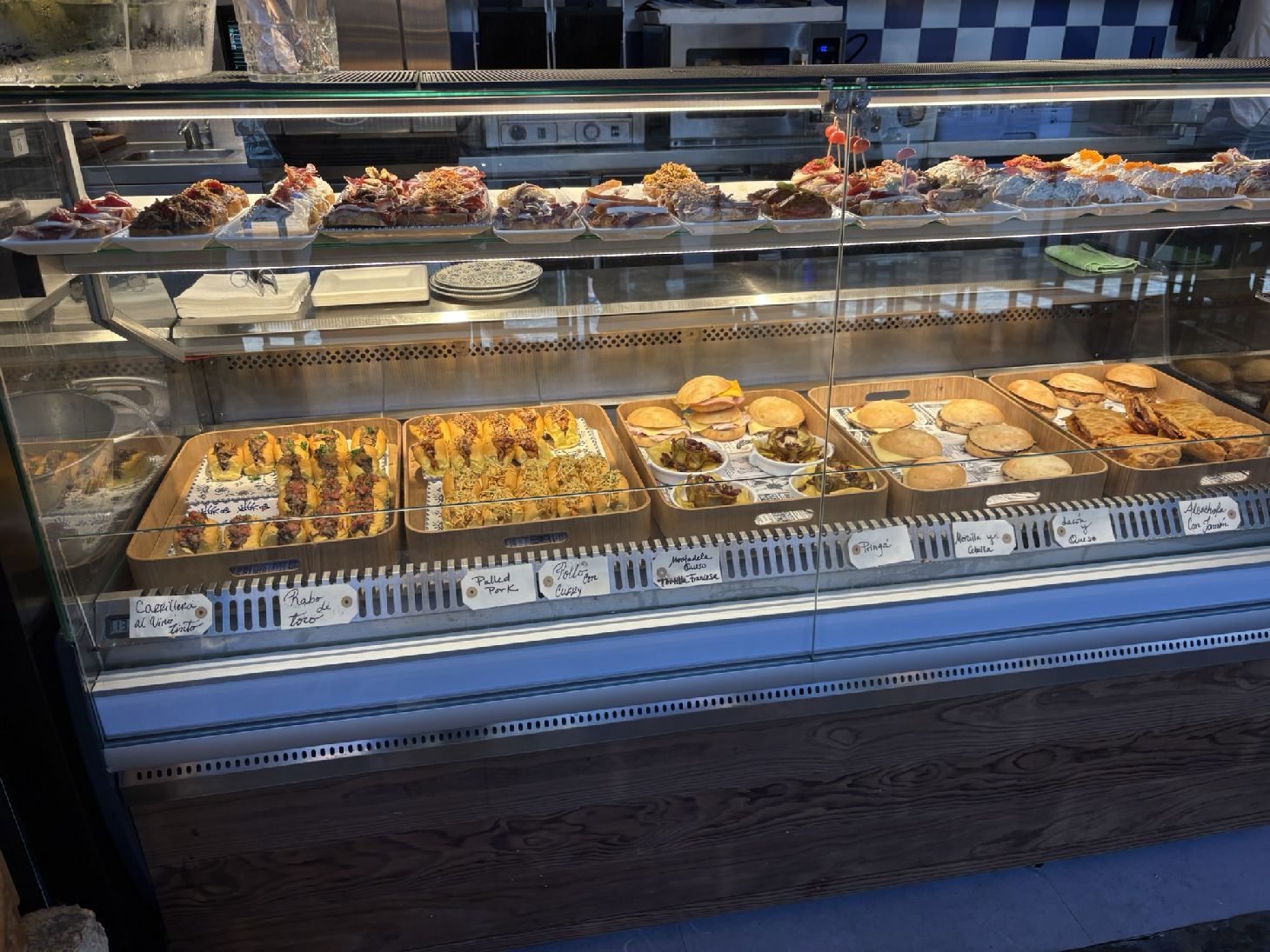
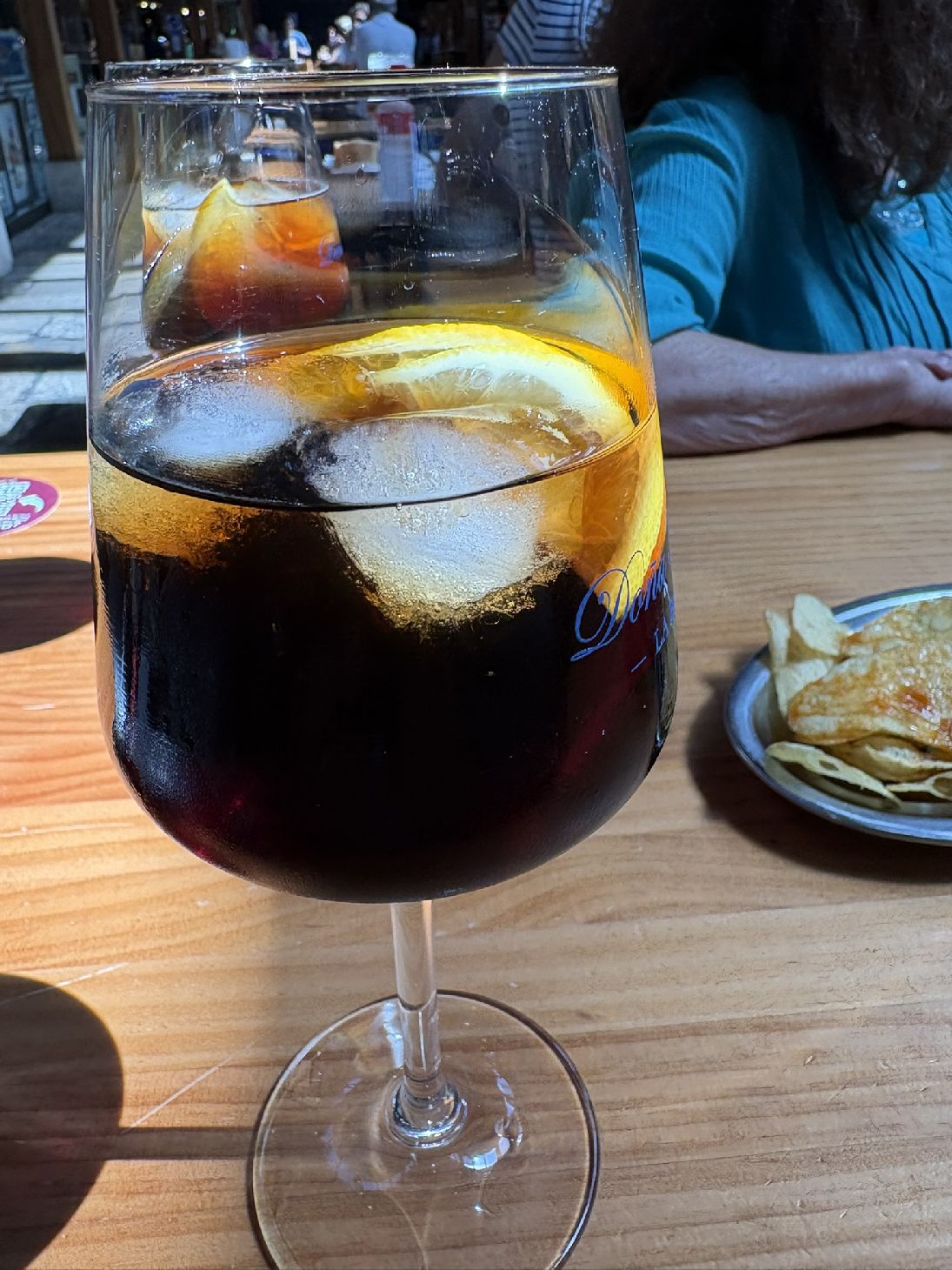
Our afternoon plan was to go to the Maritime Museum, keeping things nautical, but first we wanted to get some lunch. It seemed like a good reason to call in at the Mercado del Este, a covered market building just across from our hotel. It’s a find building dating from the 1840s, in the Ensanche neighbourhood, from a design by the architect Antonio de Zabaleta. In 1986, it was declared a cultural asset, and then restored starting in 2000. It was this restoration that allowed for the construction of an underground level which currently contains the Museo de Prehistoria y Arqueología. As a dining destination, the ground floor is full of tables where you can sit to eat, and there are numerous different shops offering pintxos, raciones, and vermut (among other things). We sat under the splendid wooden roof and had a couple of drinks and several pintxos before we were ready to go out and see more of what was proving to be a town that deserves more attention from international tourists than it currently seems to get.
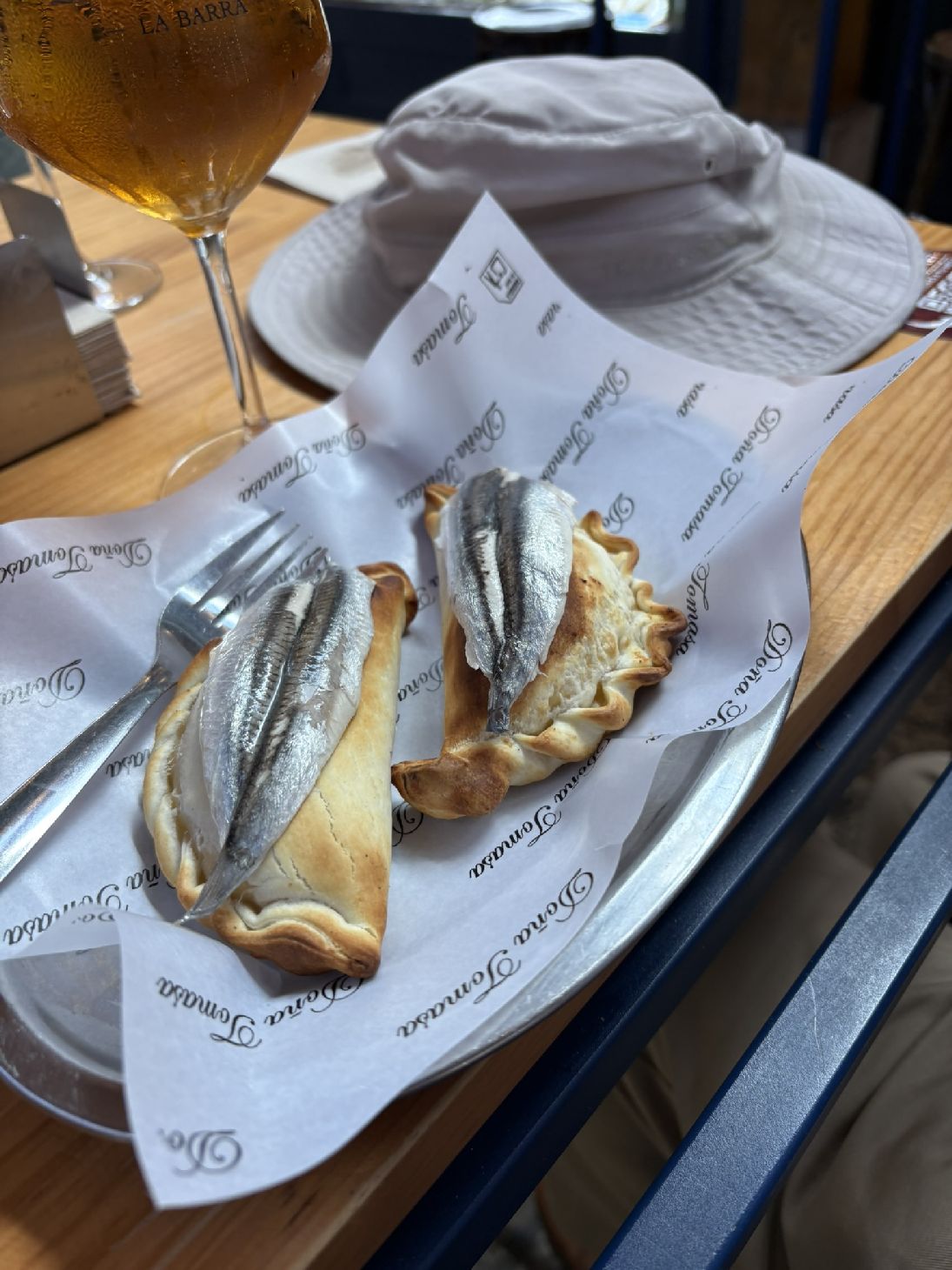
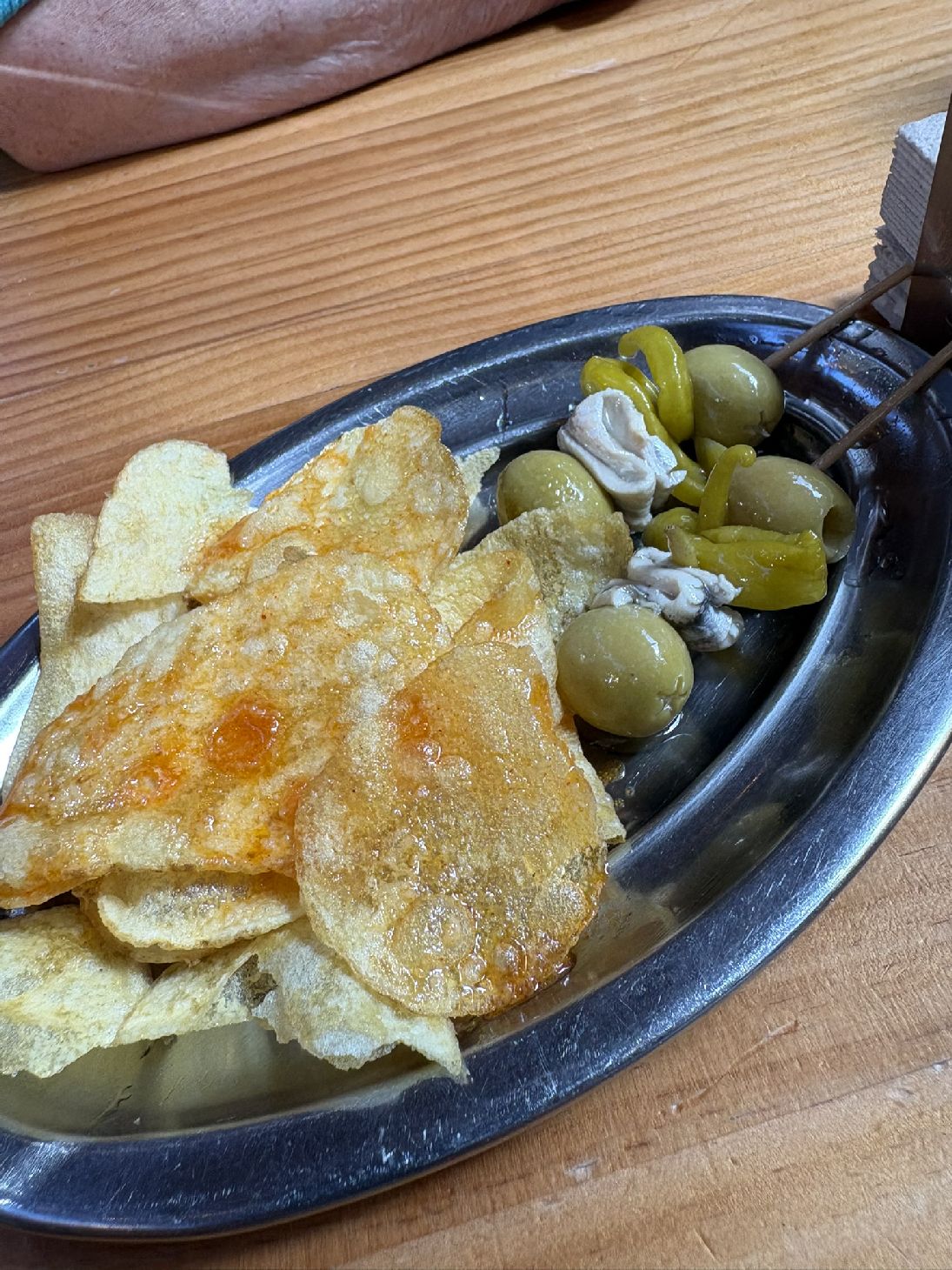
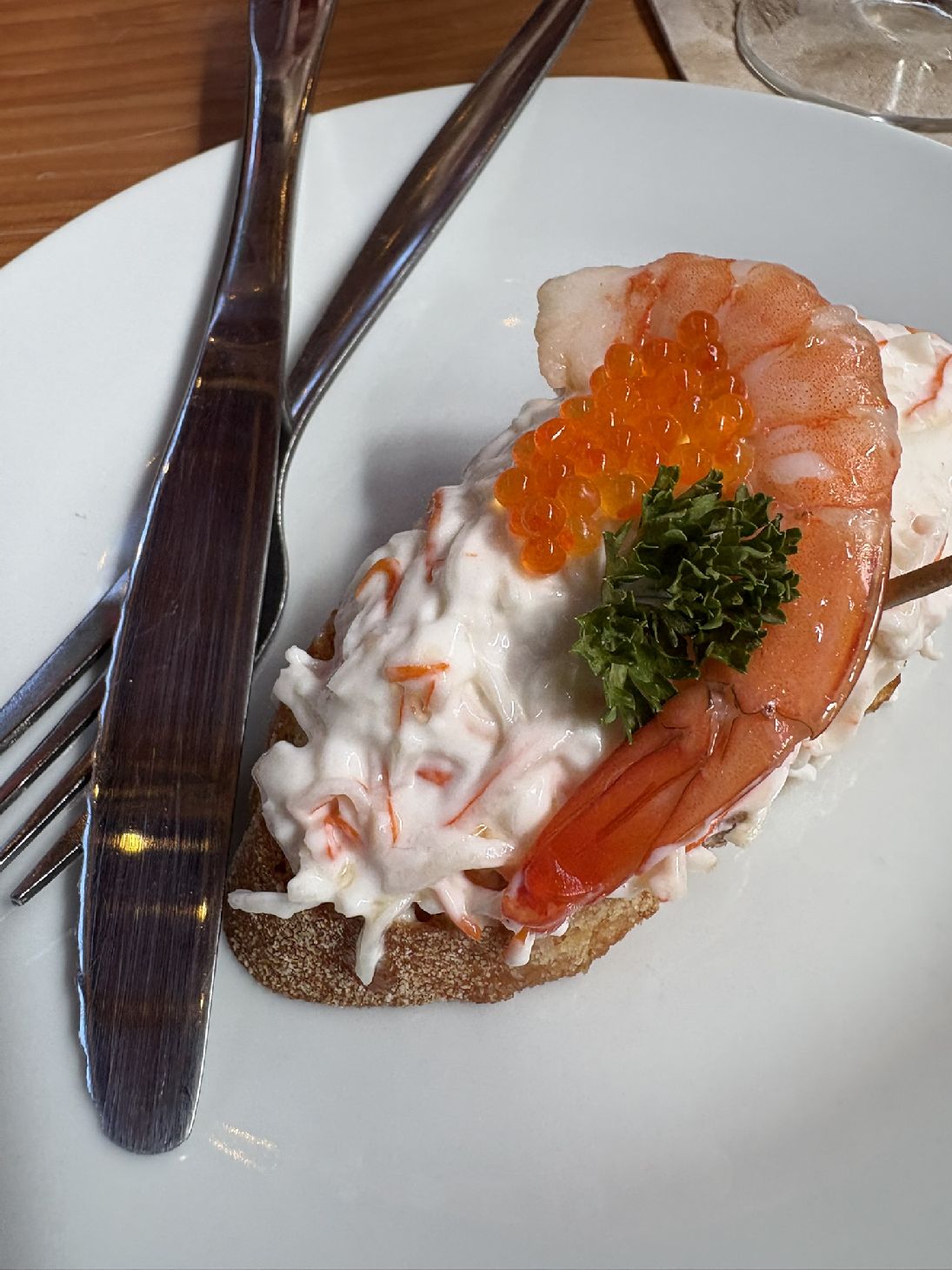
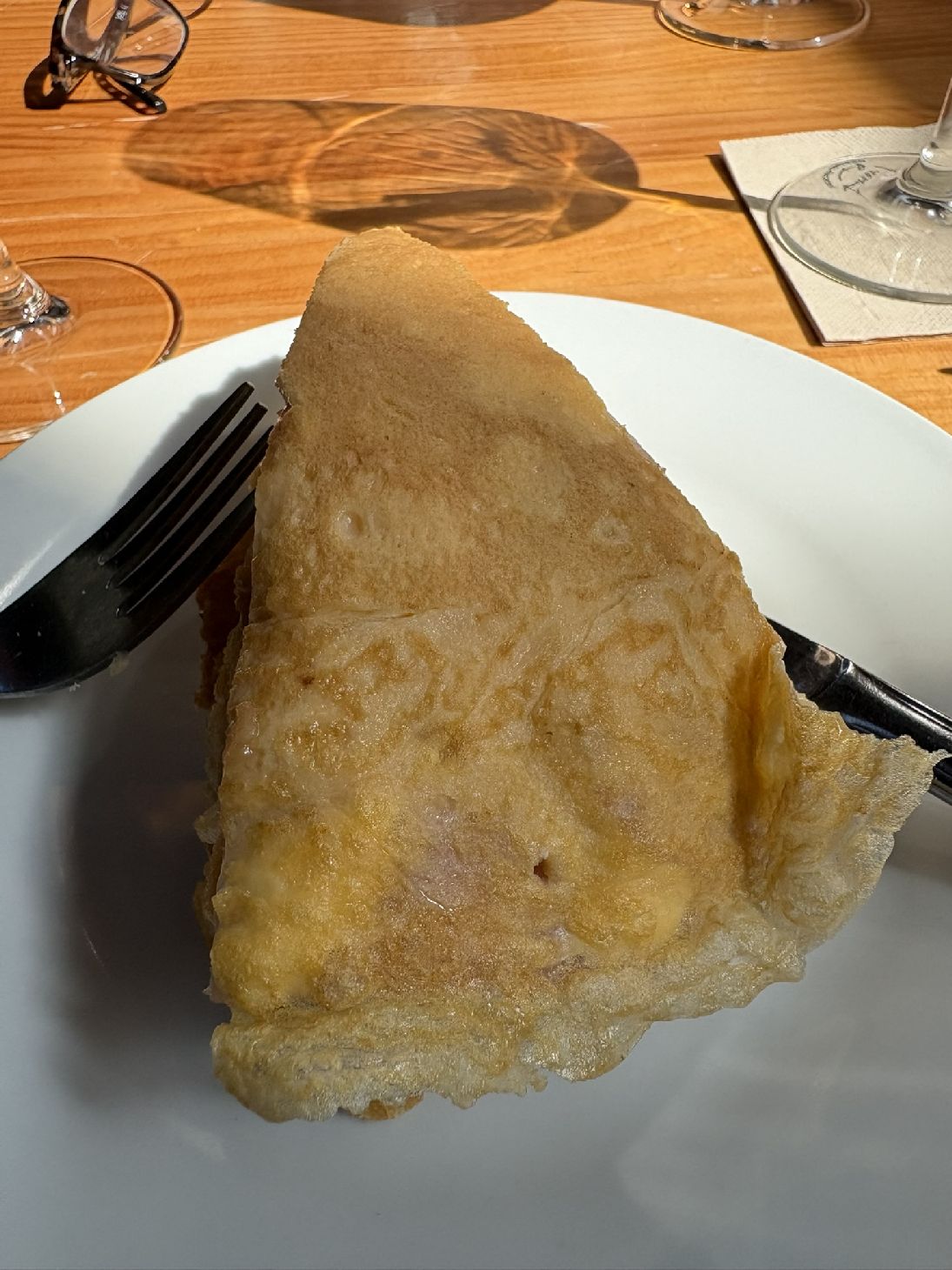
Lunch over with we hopped on a bus to the Museo Marítimo del Cantábrico only to find that we couldn’t get in. We’d not pre-booked, a massive school party had just gone in, and there were no tickets left… I was beginning to think that maybe we should have gone to the Museum of Prehistory and Archaeology instead but we were now at the wrong end of town. Rather than catch another bus we walked back along the promenade, stopping off at the intriguing dry dock partway along to try and figure out what exactly we were looking at.
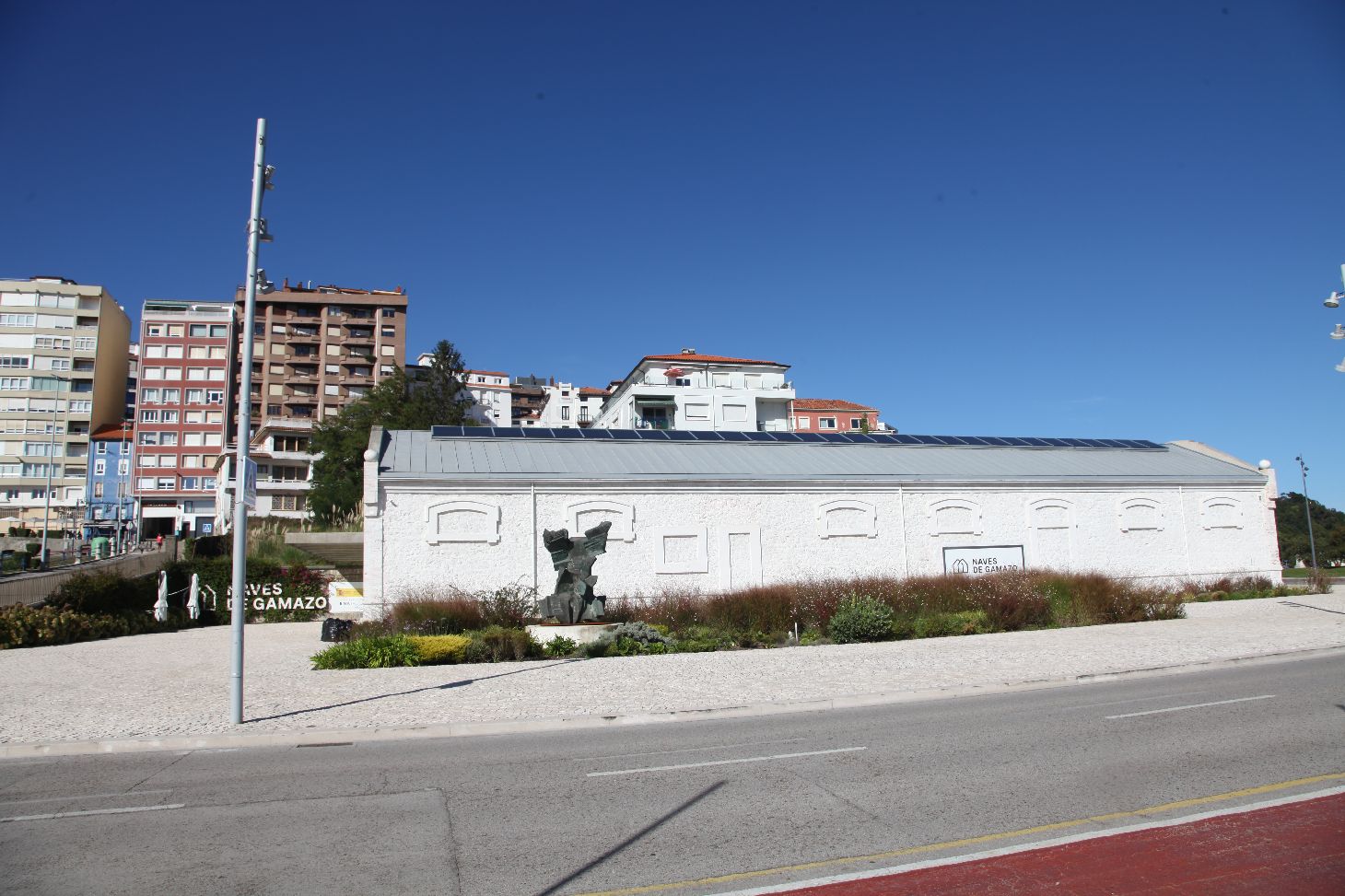
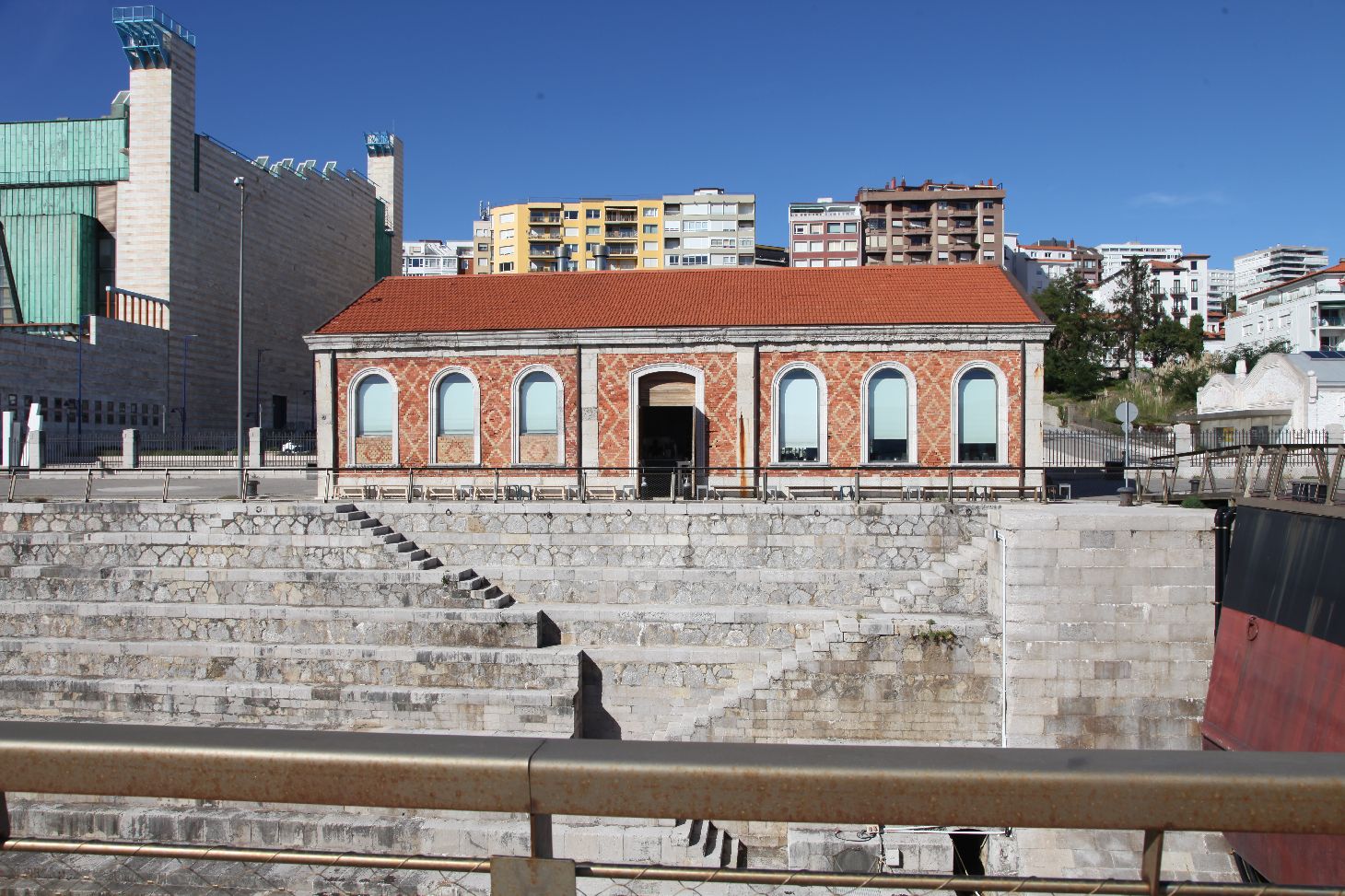
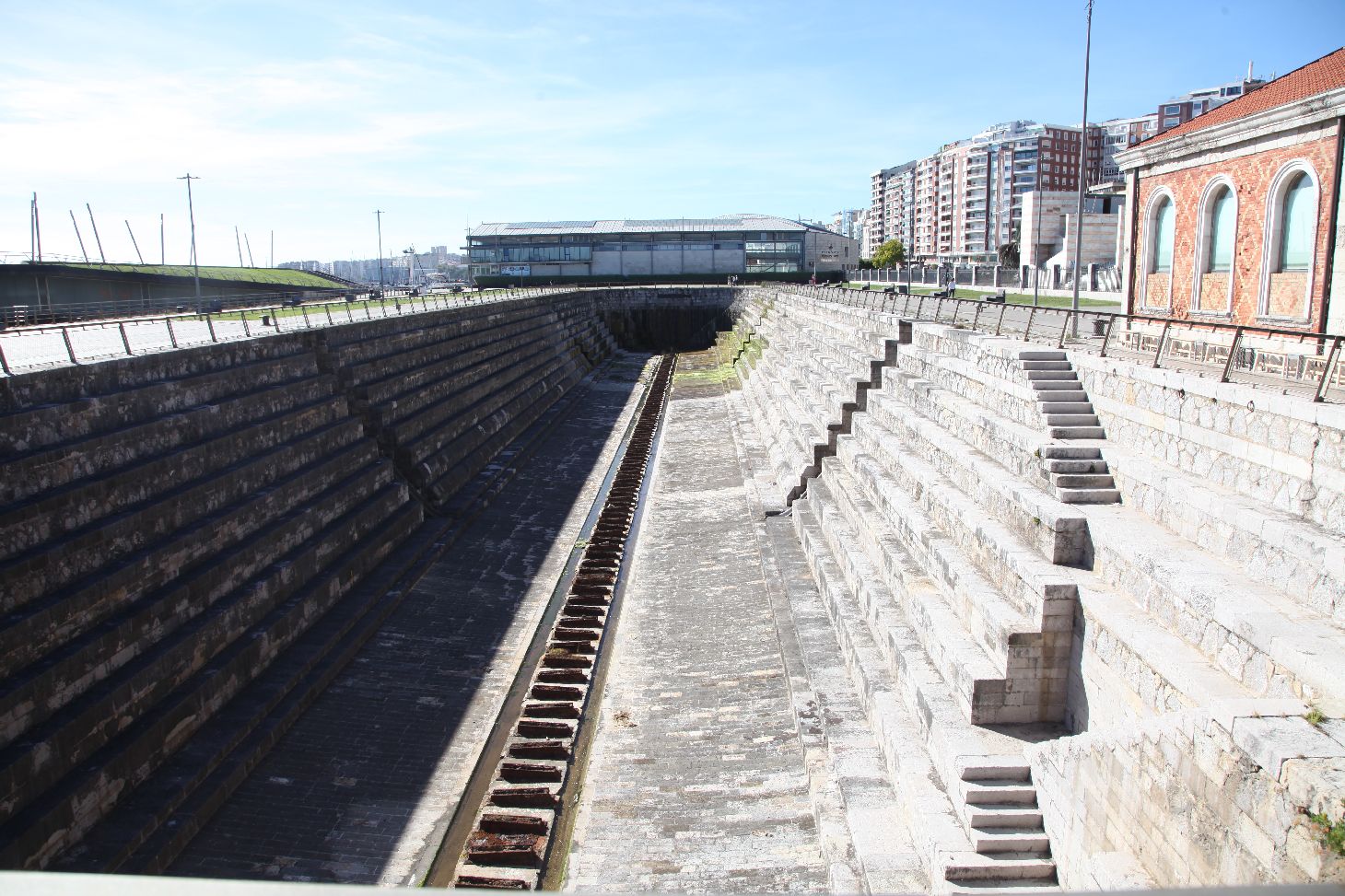
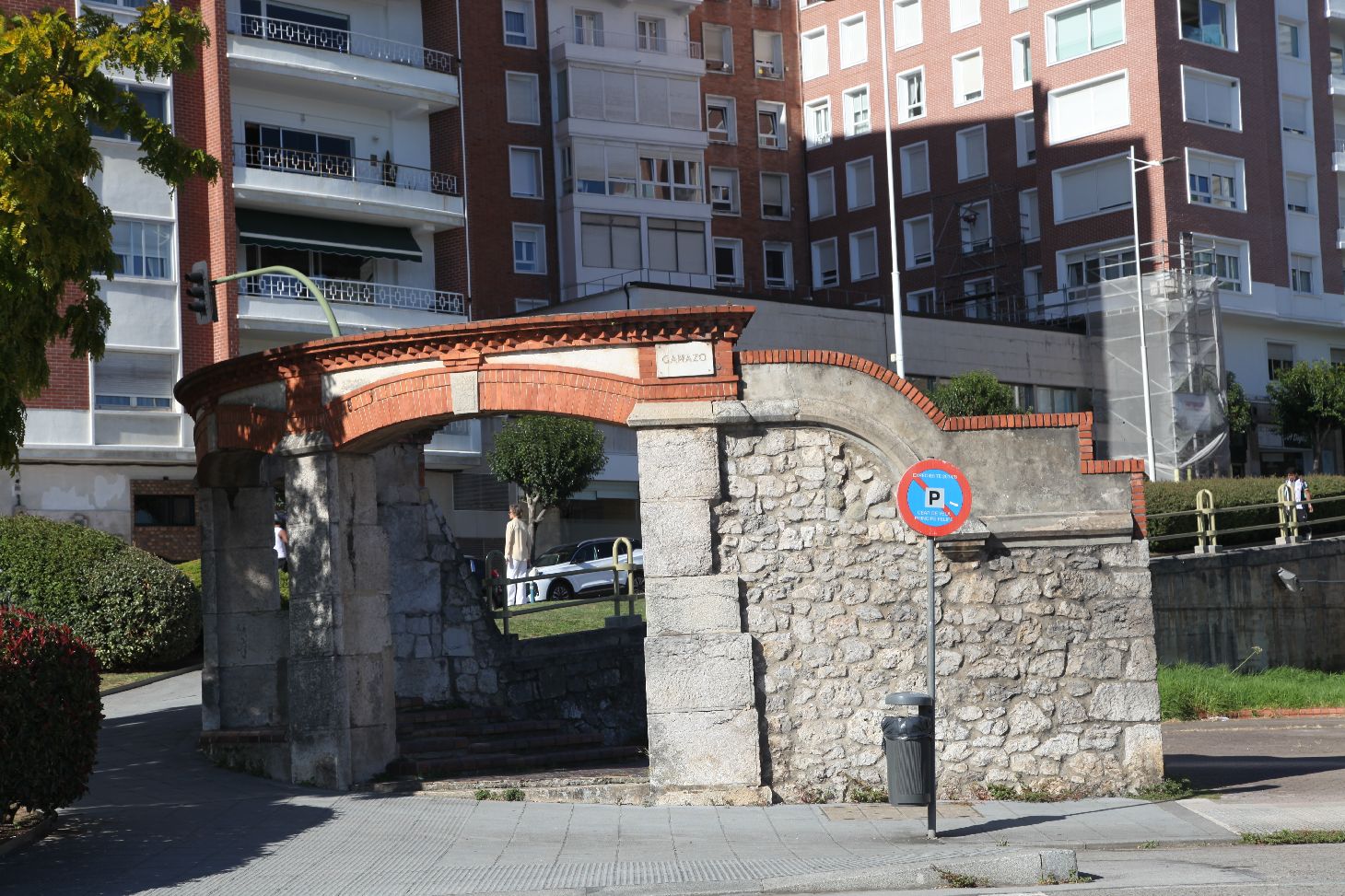
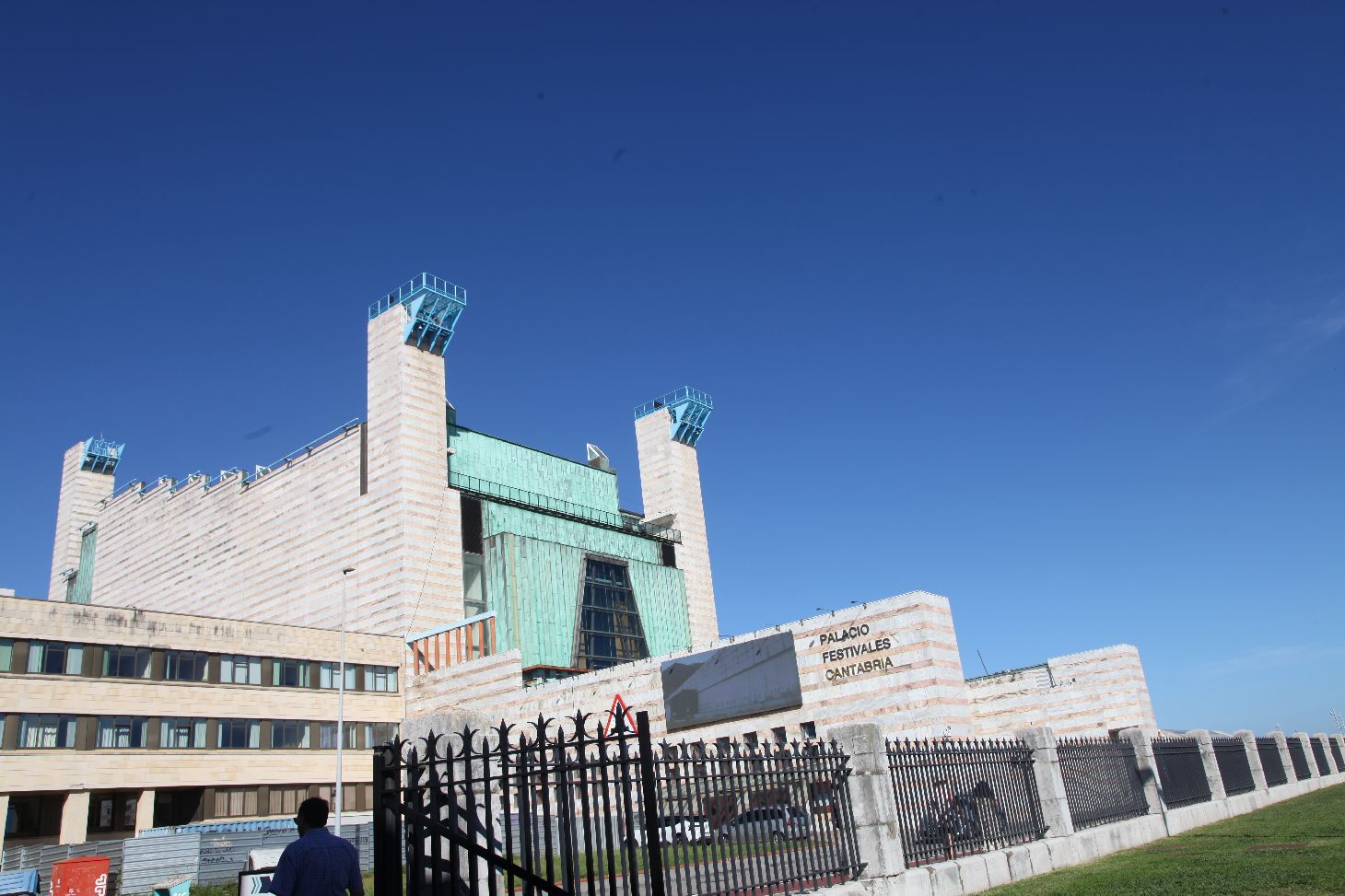
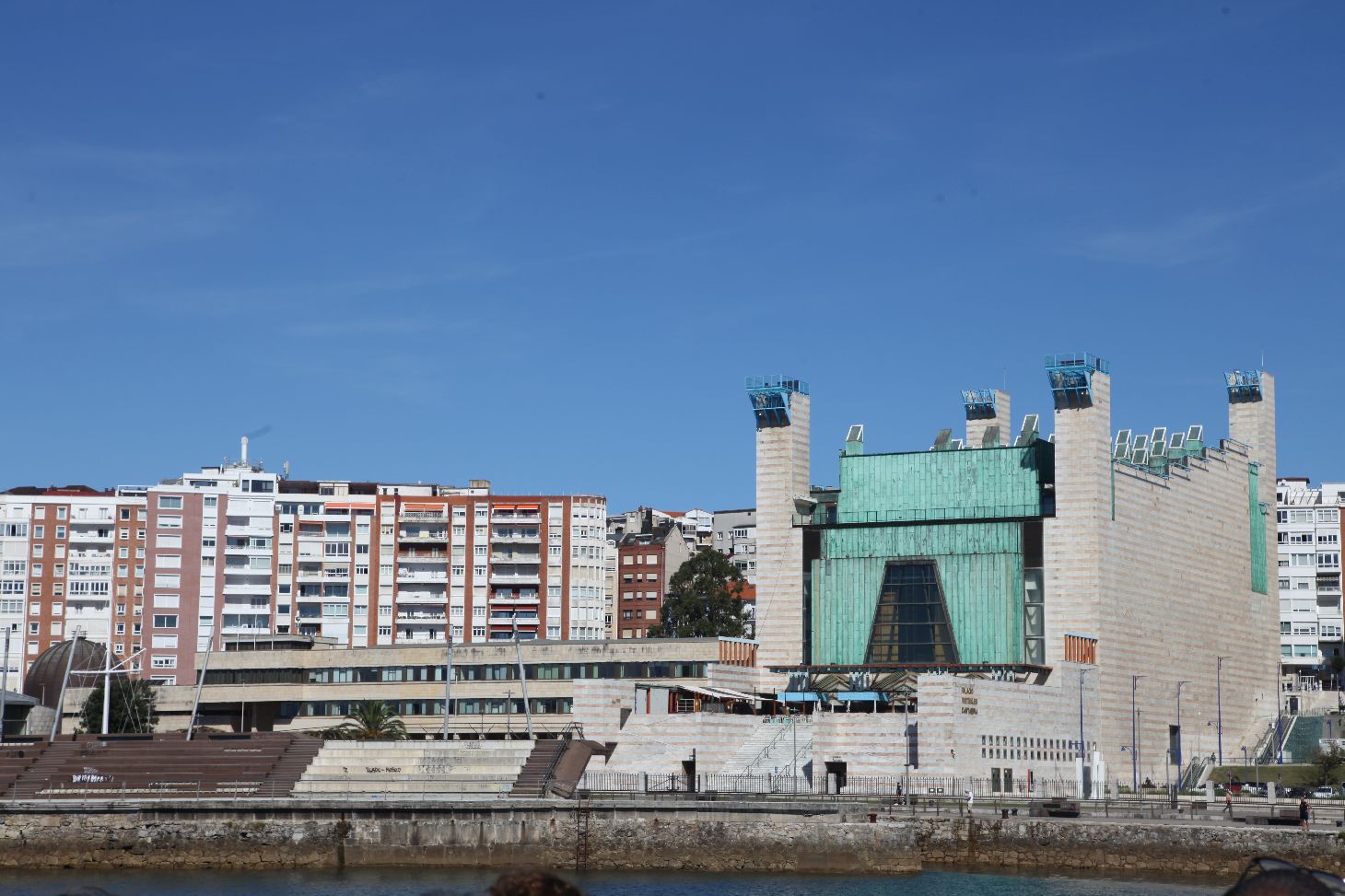
This turned out, on further investigation, to be the historic Gamazo dock and pump house (which controlled the flow of water when ships were in for repairs). It opened in 1908, and was thus just in time for a German submarine to call in for work in 1918 and end up staying until the end of World War I. It’s very near the strikingly modern Palacio Festivales, built in the 1980s and site of the Festival Internacional de Música y Danza de Santander every year along with all kinds of cultural activity. I can’t decide if I like it or hate it but it certainly makes an impression. Oh and the remaining archway that was an entrance to the gas works once is also a striking sight.
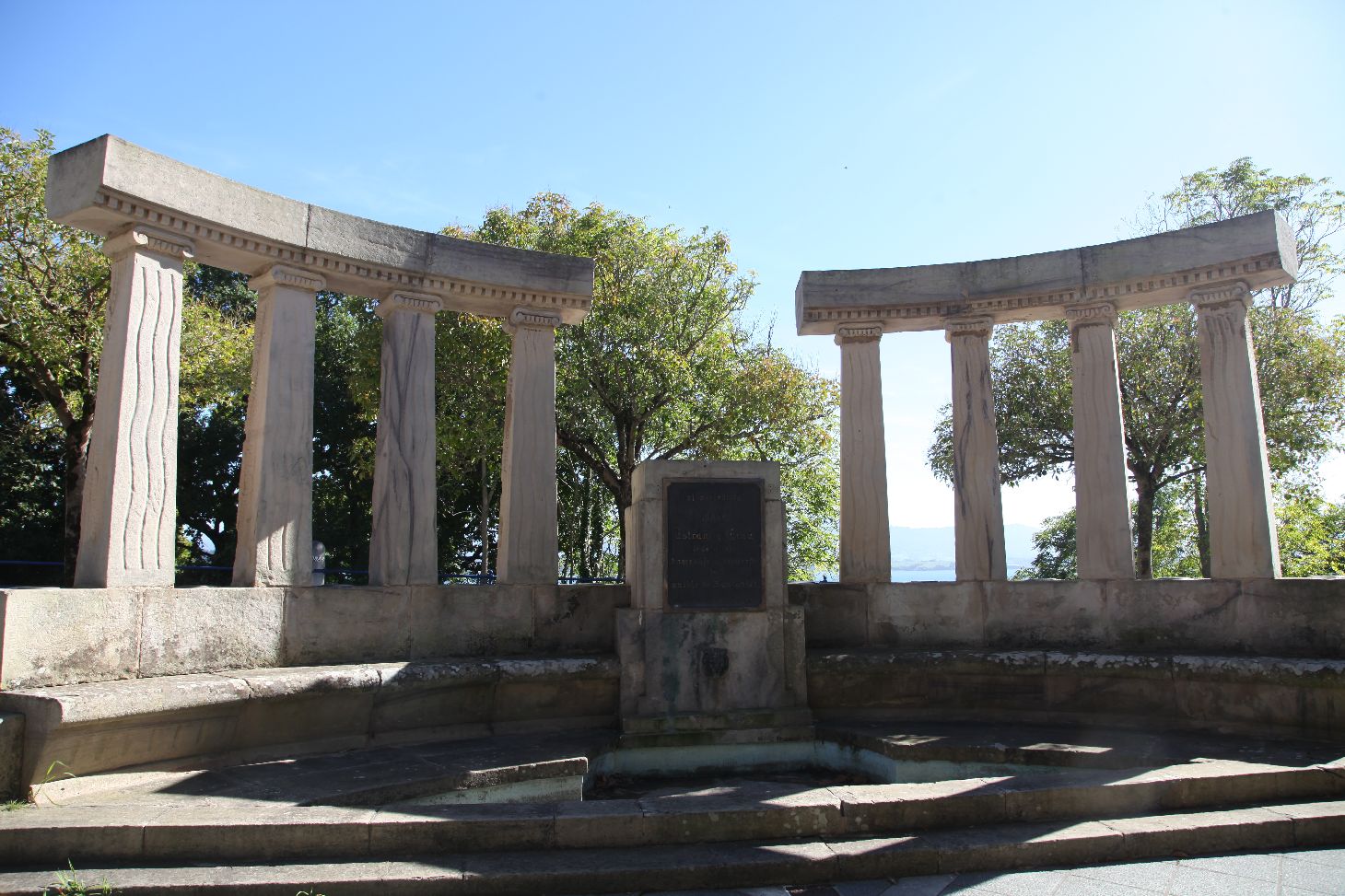
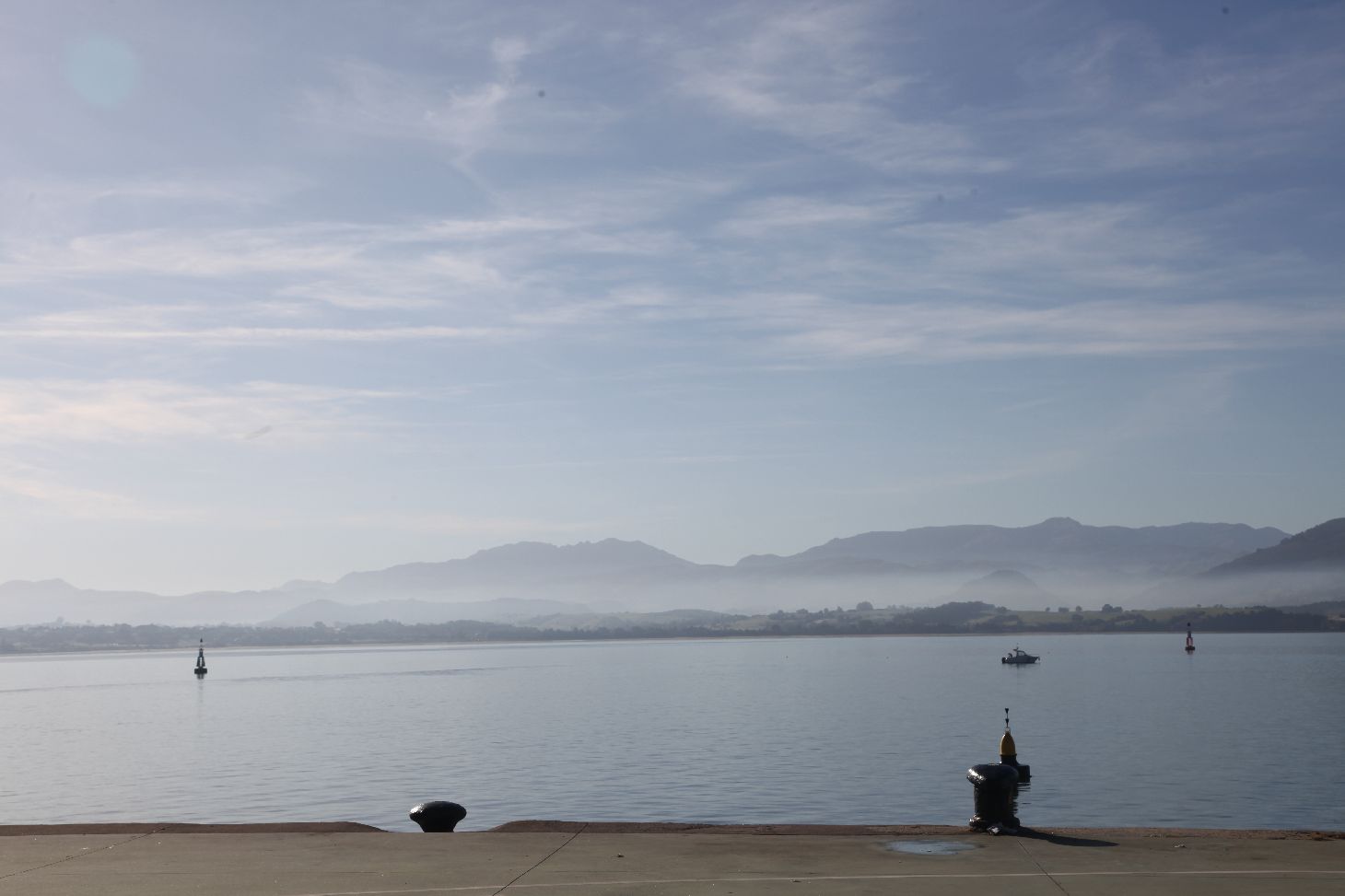
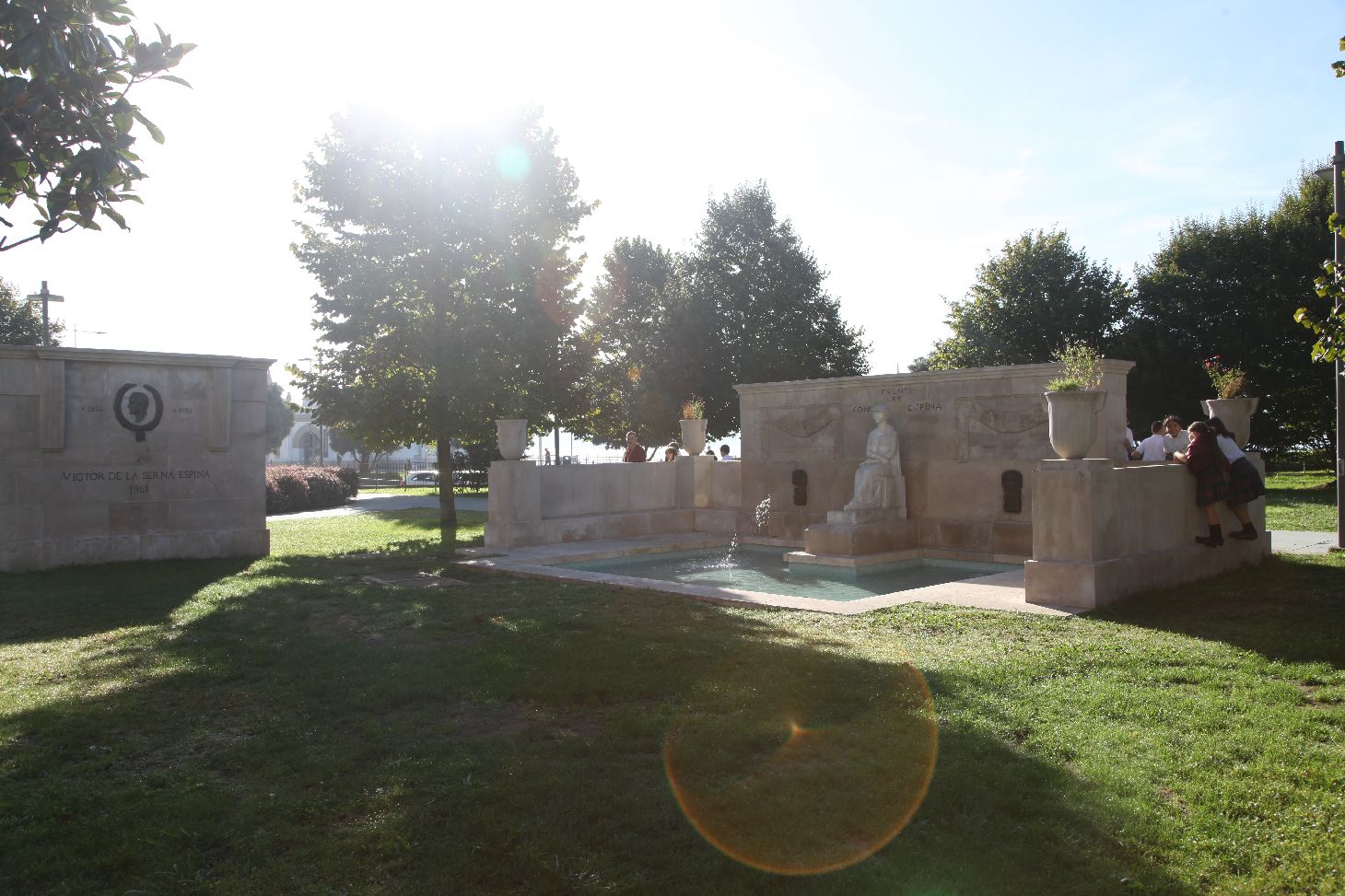
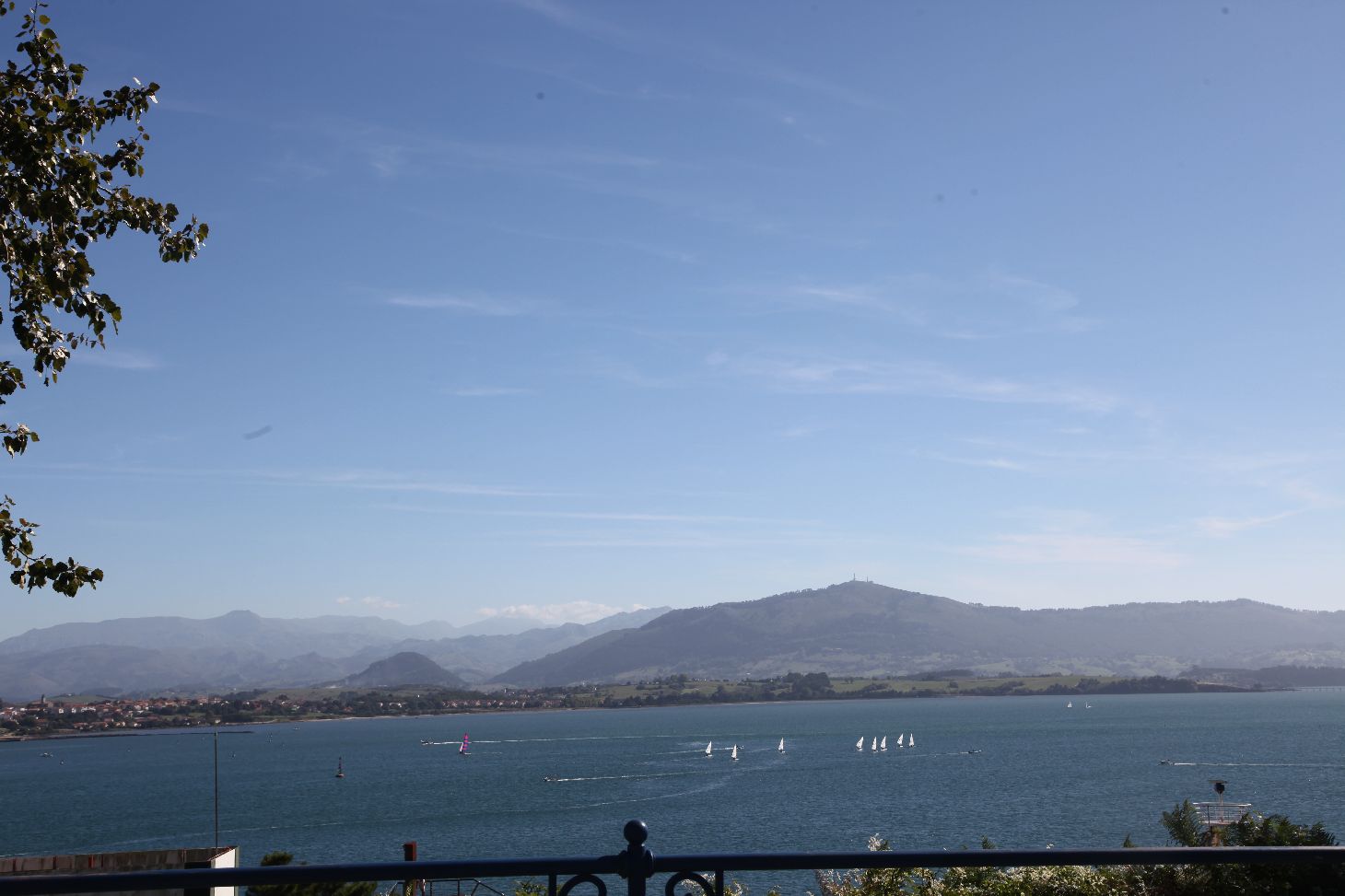
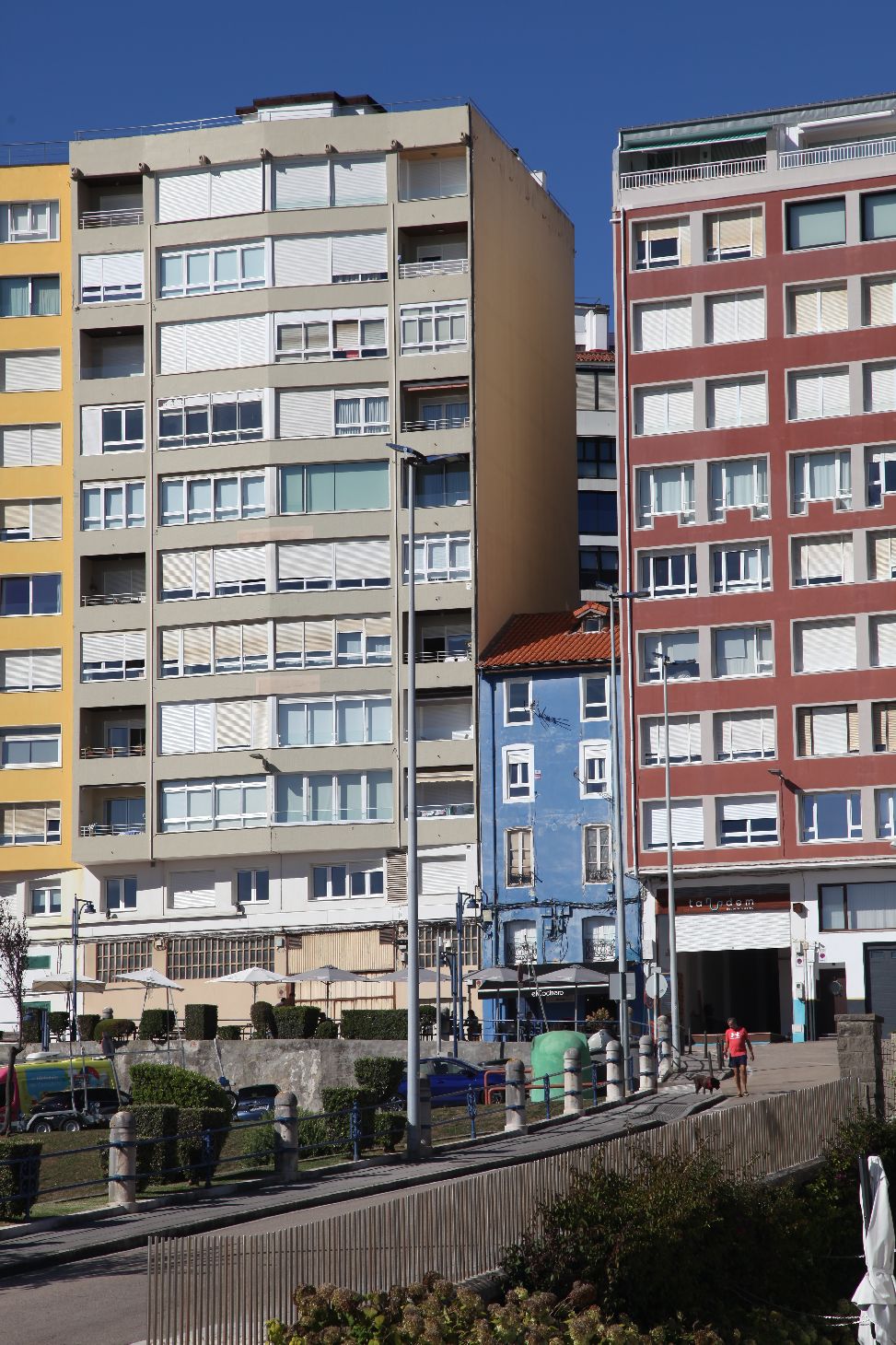
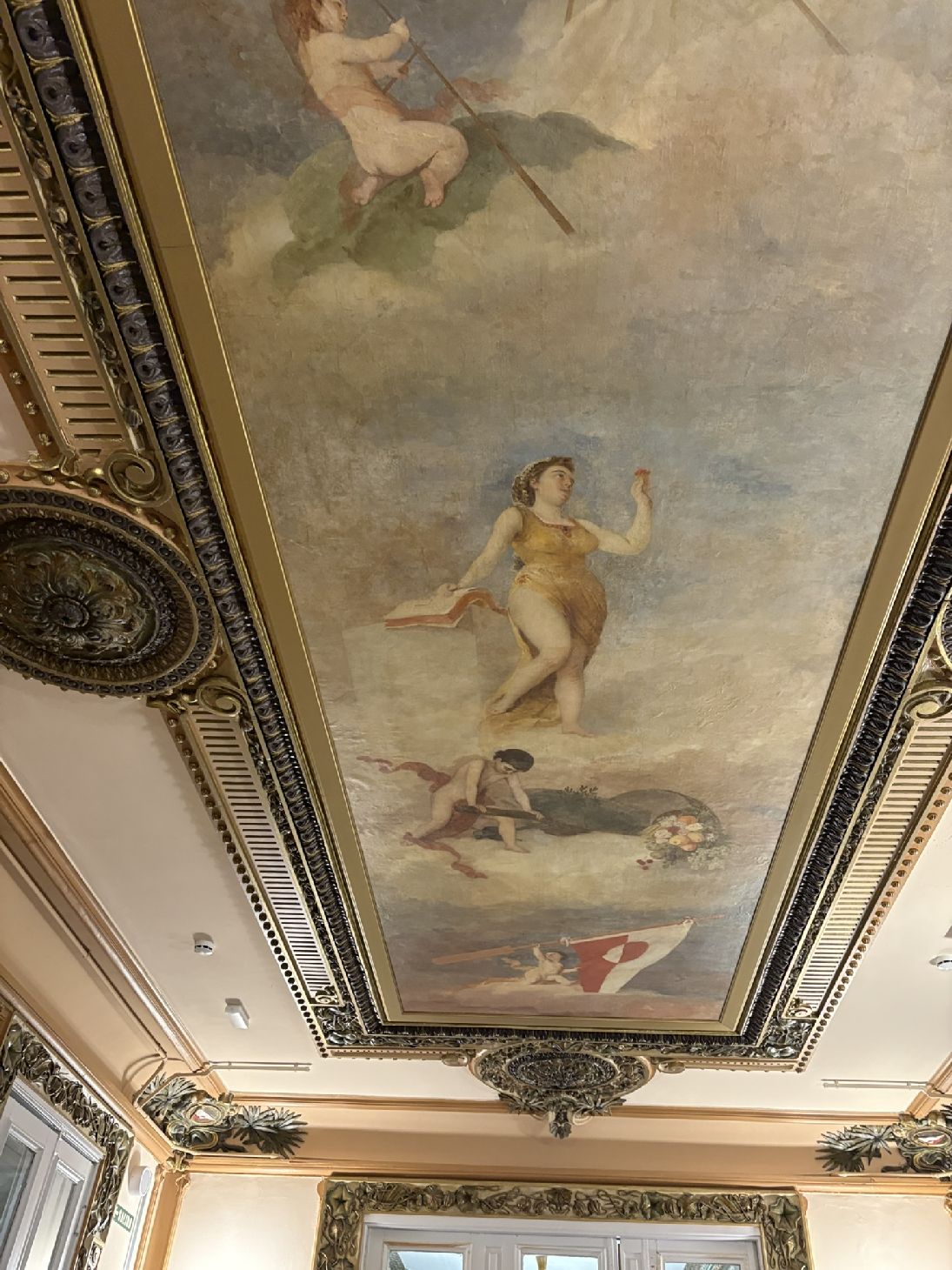
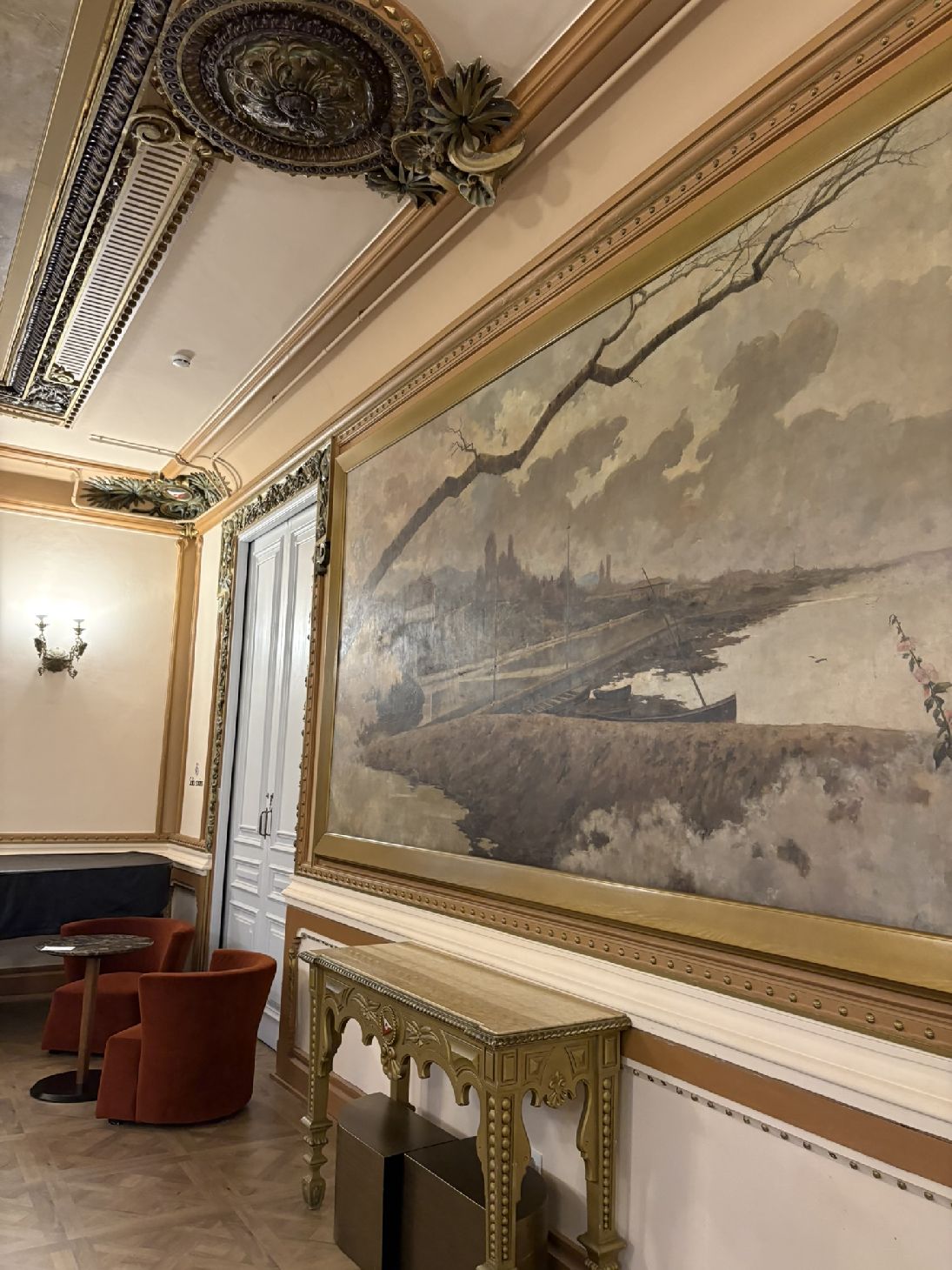
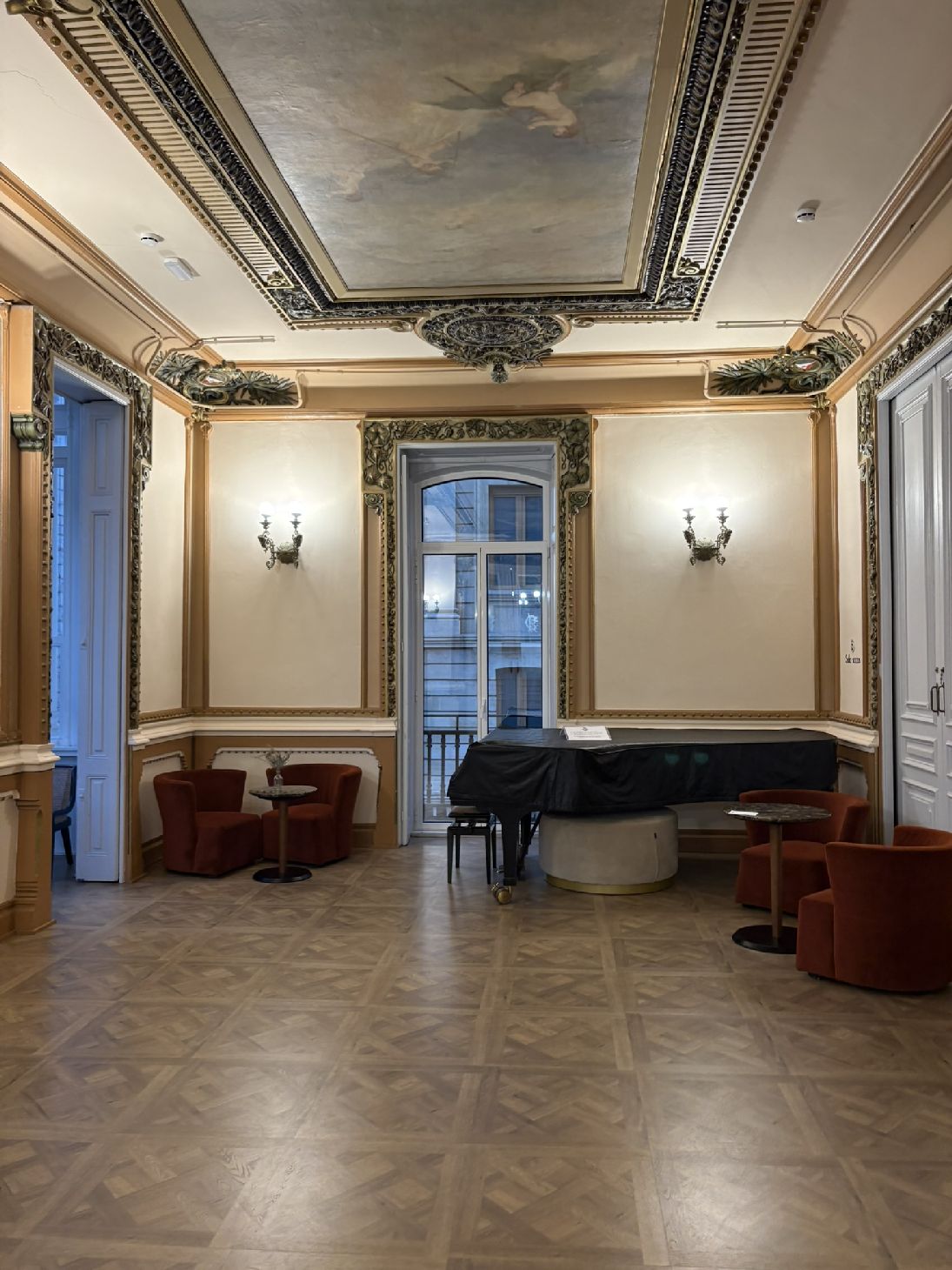
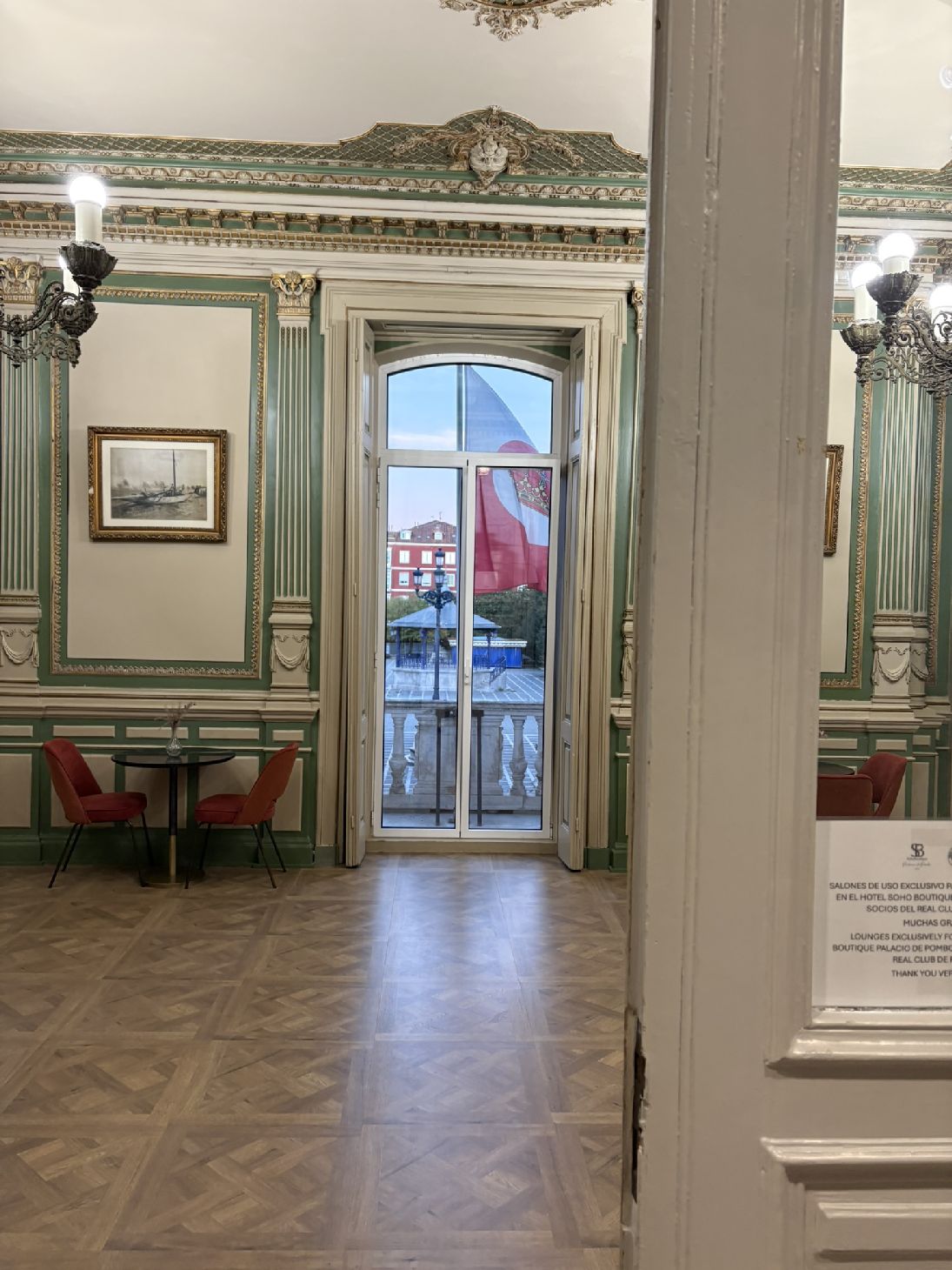
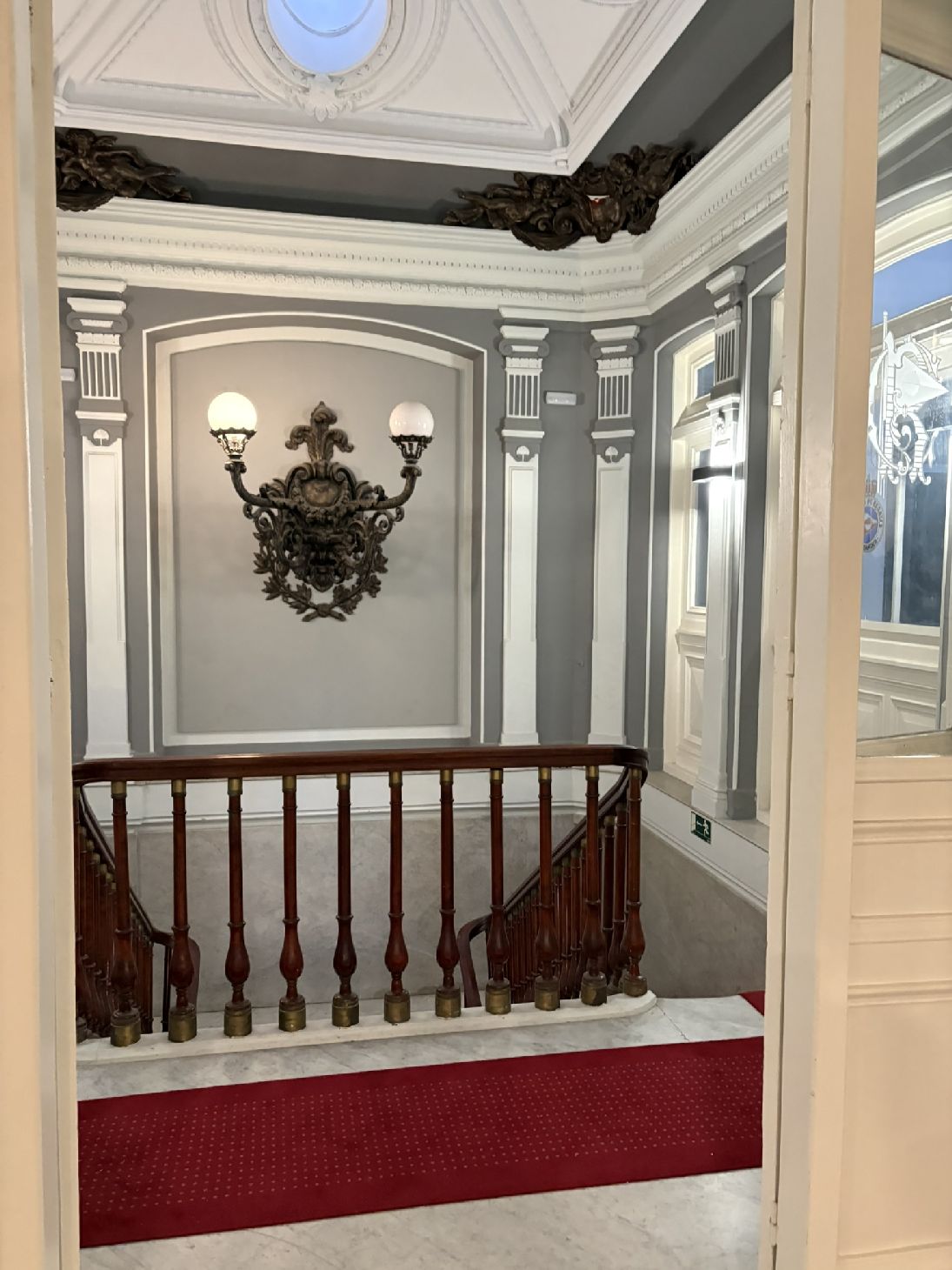
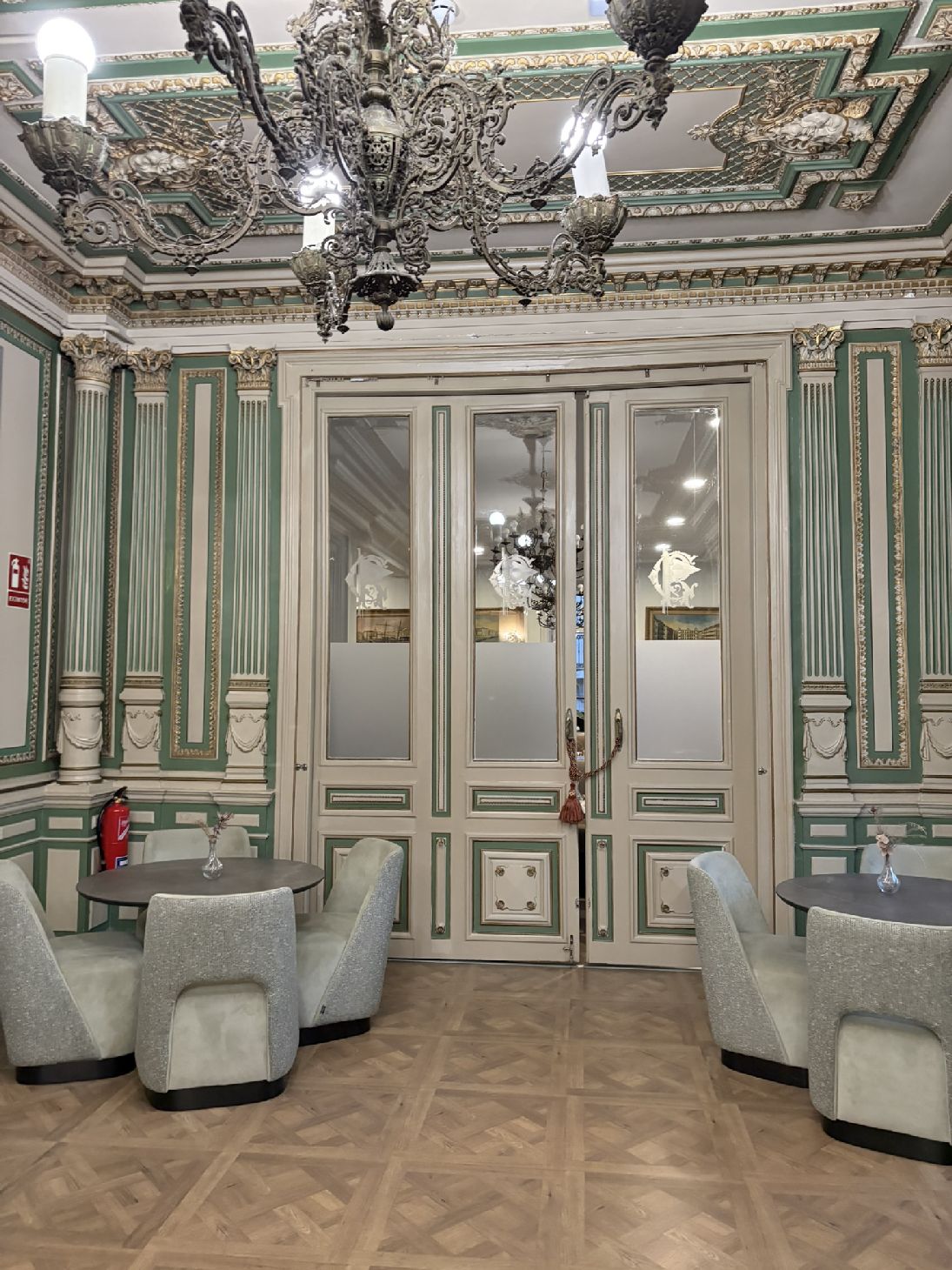
By now we were starting to feel a tad weary so no one was too keen to do anything else. It was simply a case of walking back to our hotel (the Hotel Soho Boutique Palacio de Pombo), getting cleaned up, and hitting the hotel bar – and also nosing into the other rooms on the first floor.
Dinner was in the splendidly historic Bodega del Riojana, a matter of a couple of hundred metres from the hotel, about which Michelin says; “A restaurant with an abundance of character, history and authenticity, plus a unique museum (Museo Redondo) teeming with works of art. This business, which first started out in the 1930s selling agricultural items and wines, is nowadays a classic address in the city. The traditional menu features dishes such as the popular Rioja-style braised snails, as well as hake with a velouté cream and peppers. We recommend booking a table in advance and enjoying an aperitif in the bar before moving on to the dining room.” They weren’t wrong about the character and authenticity and the food was stunningly good.
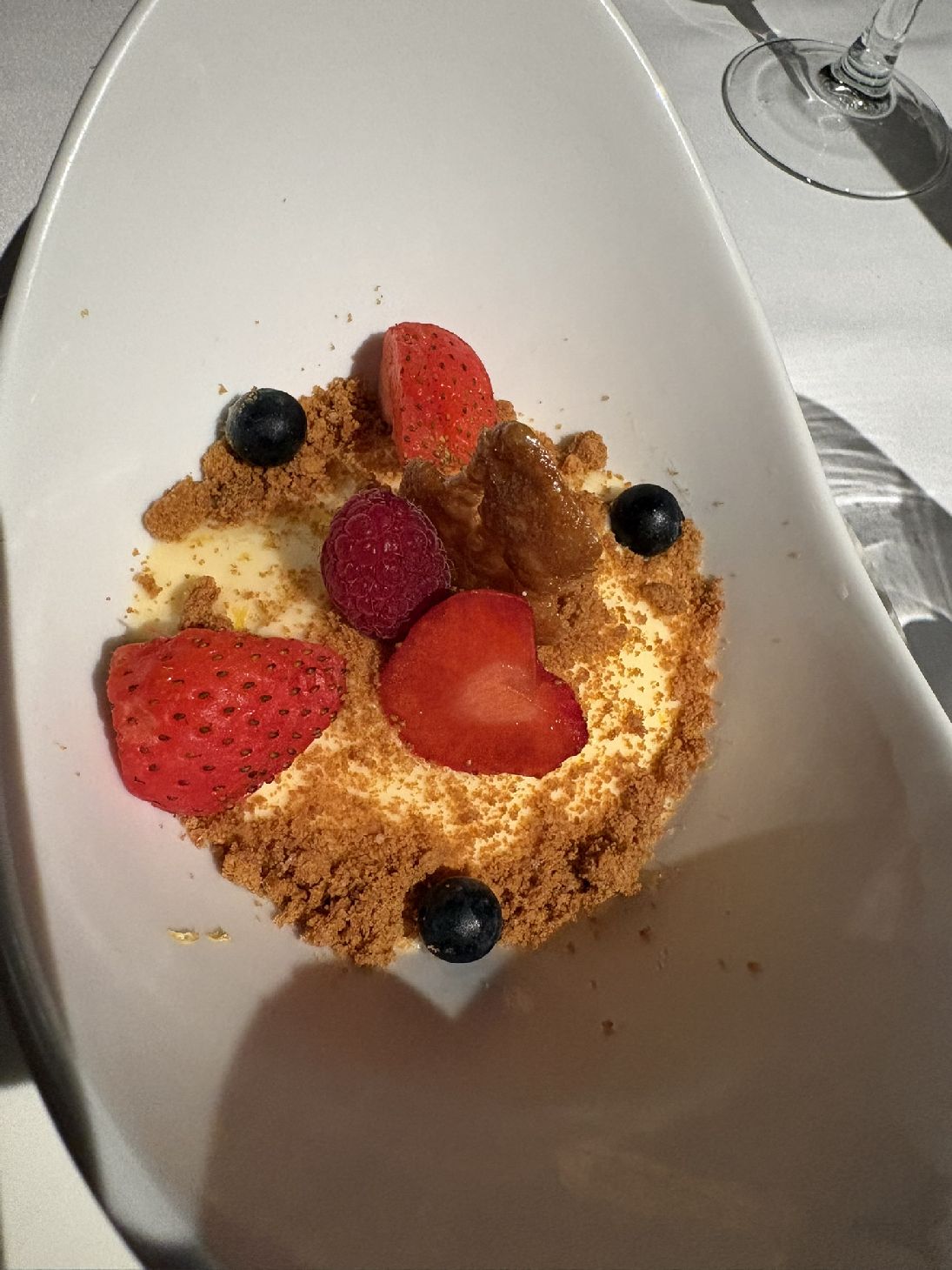
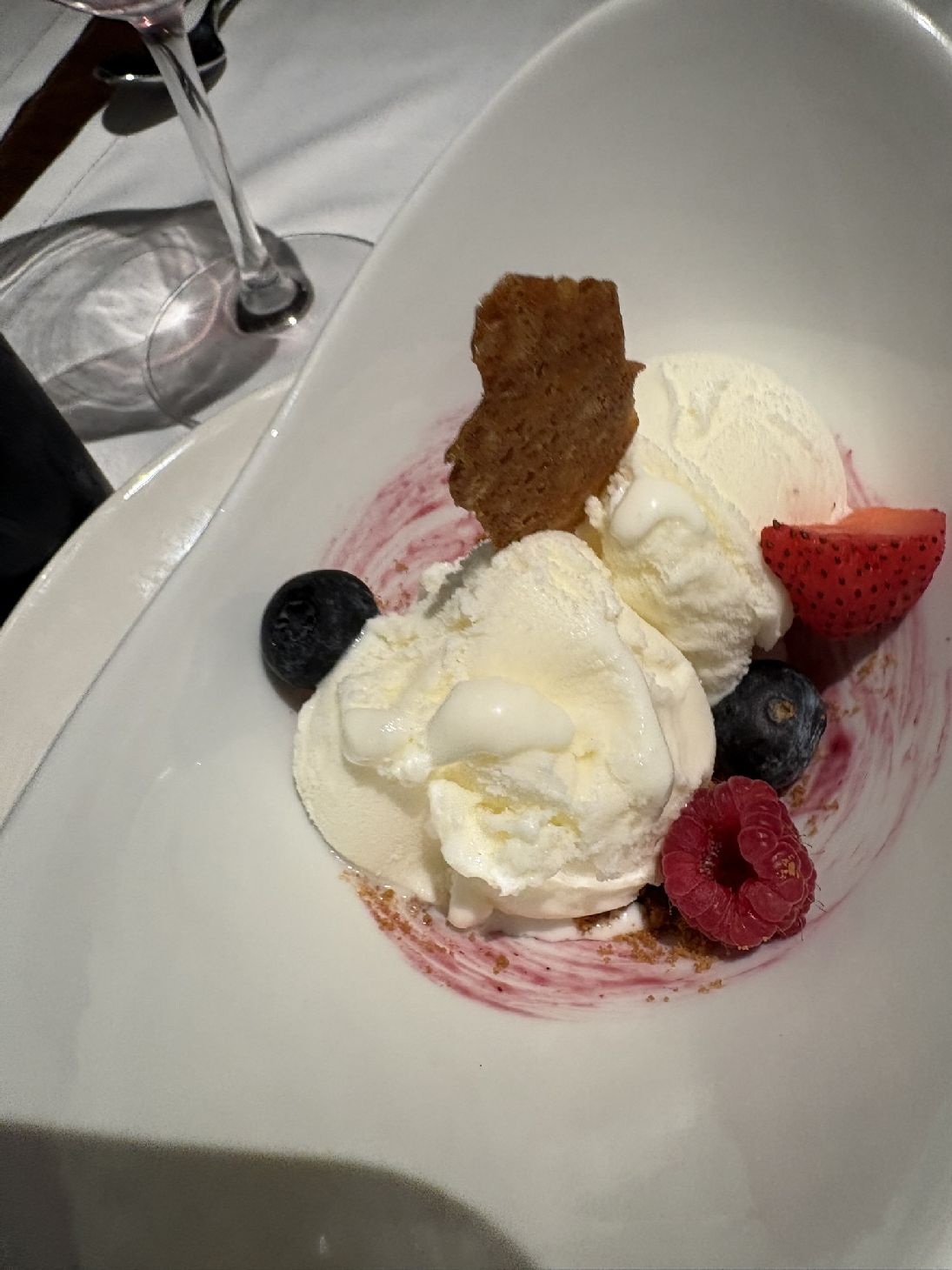
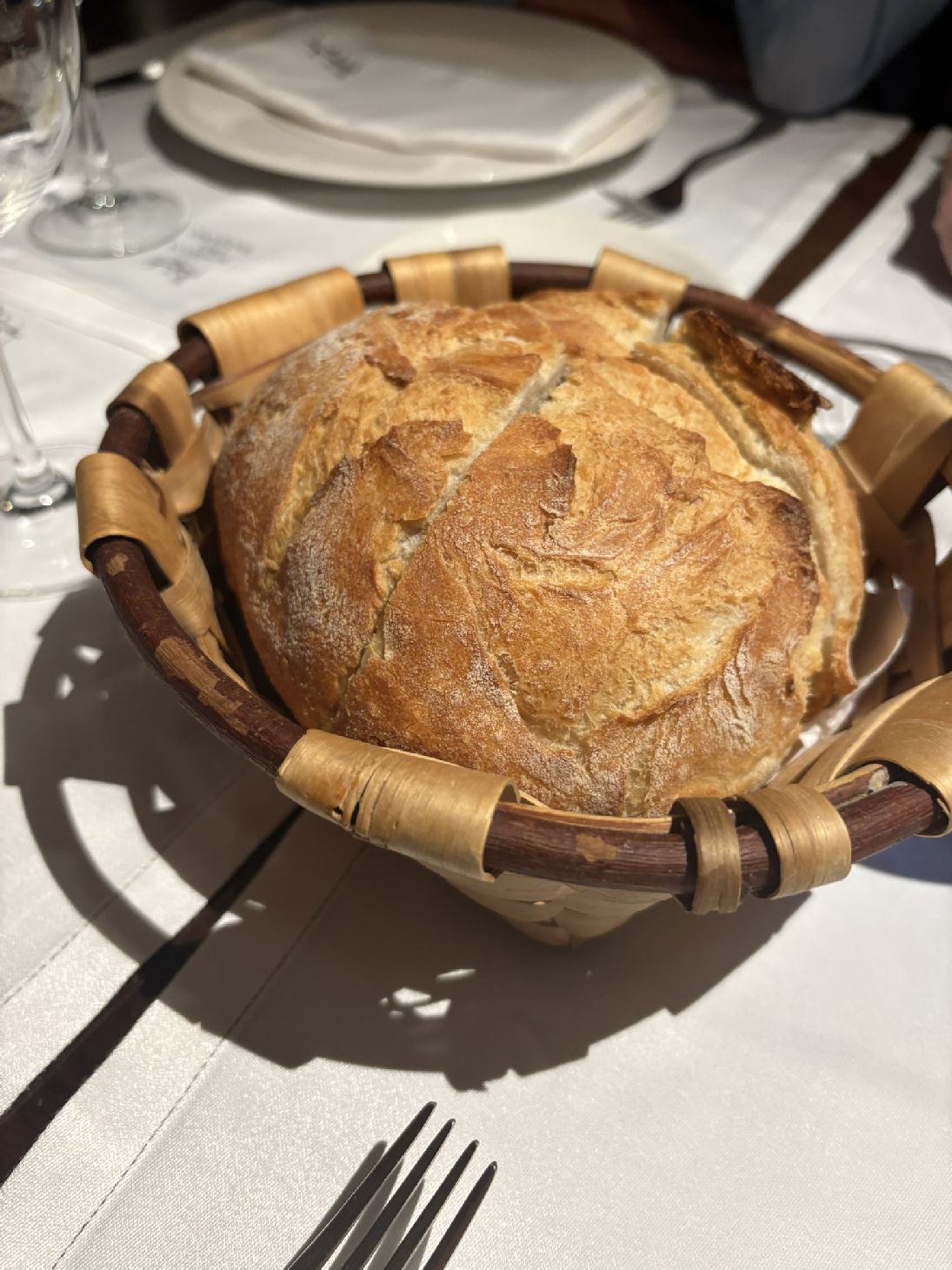
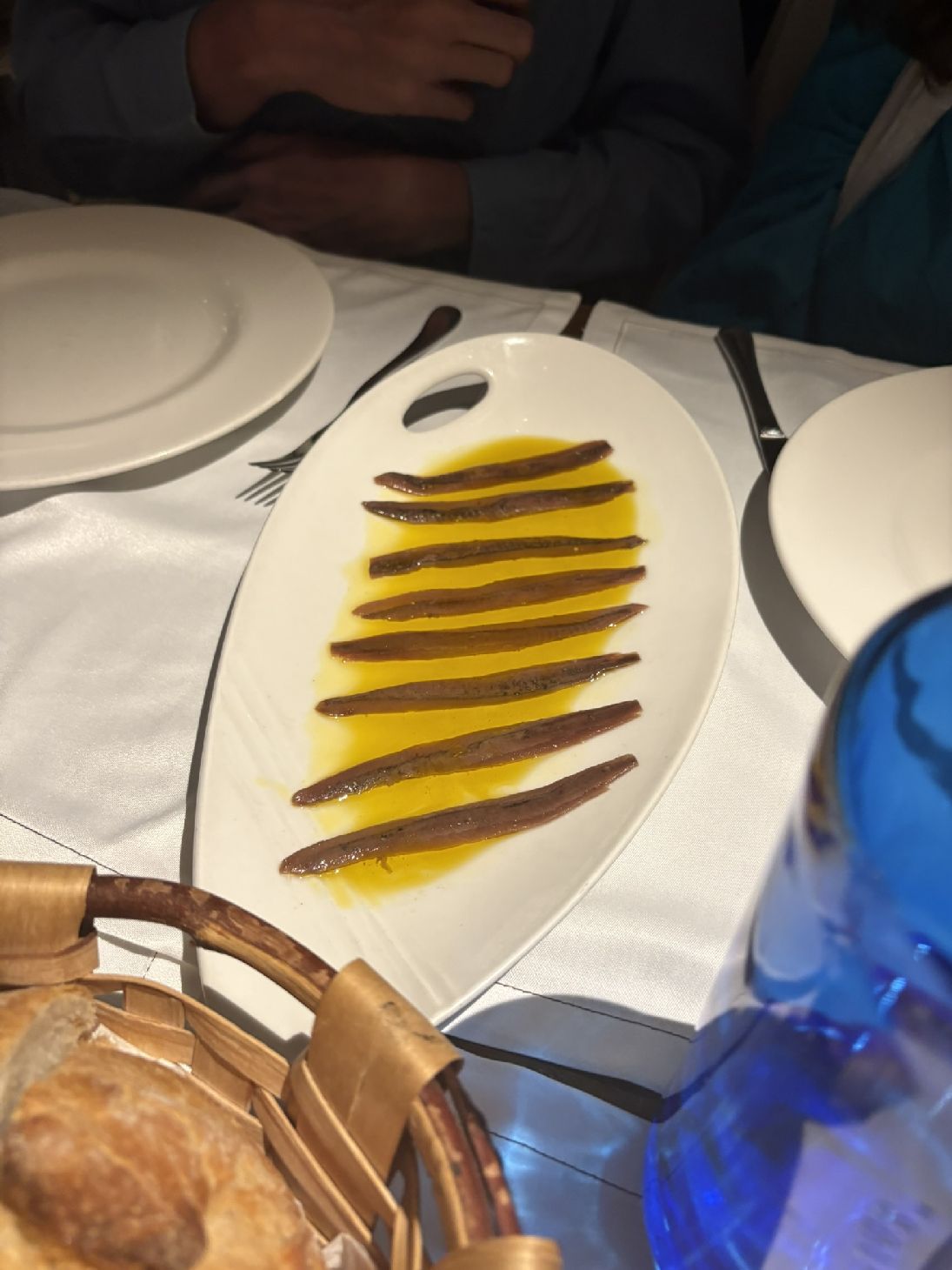
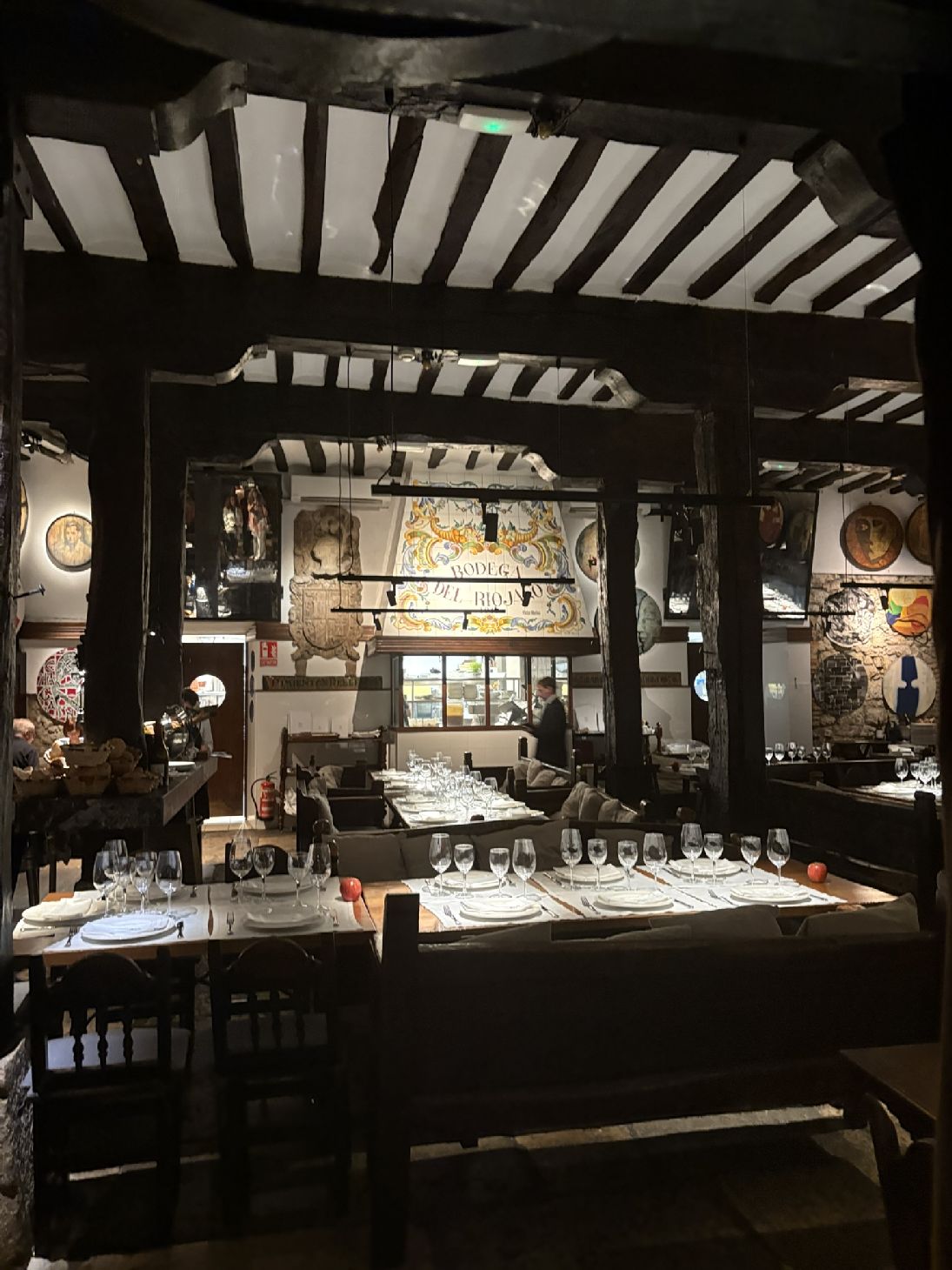
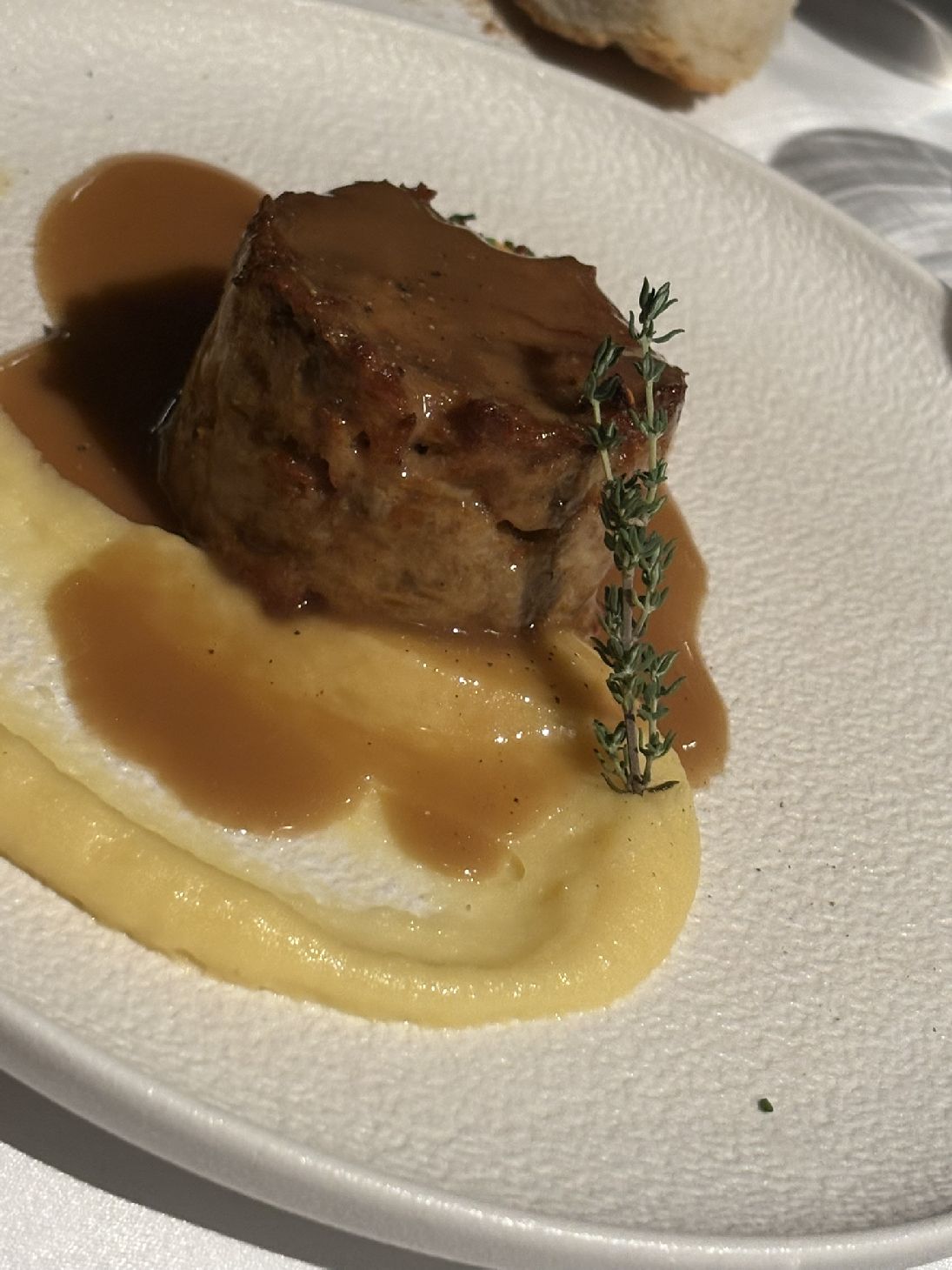
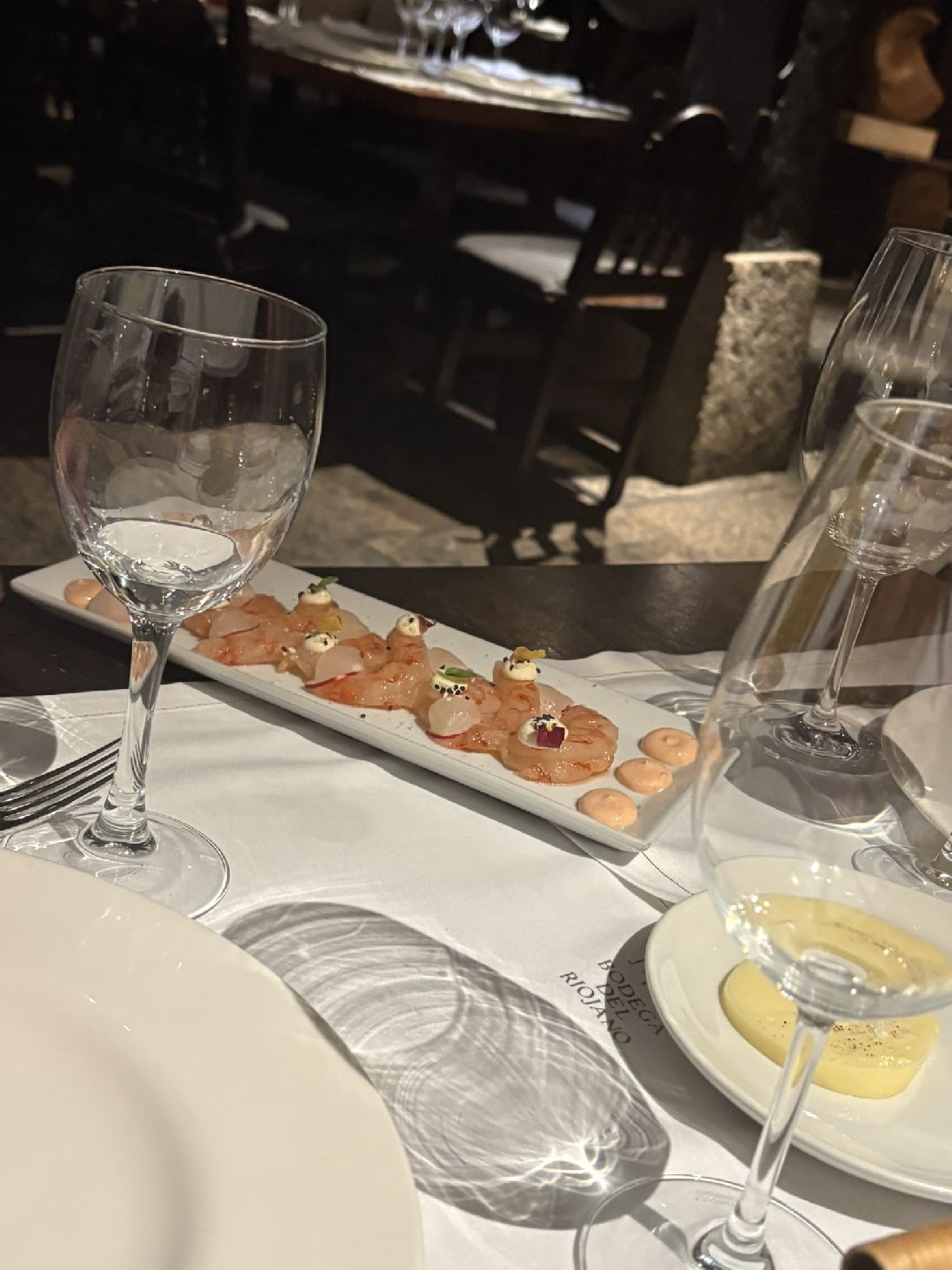
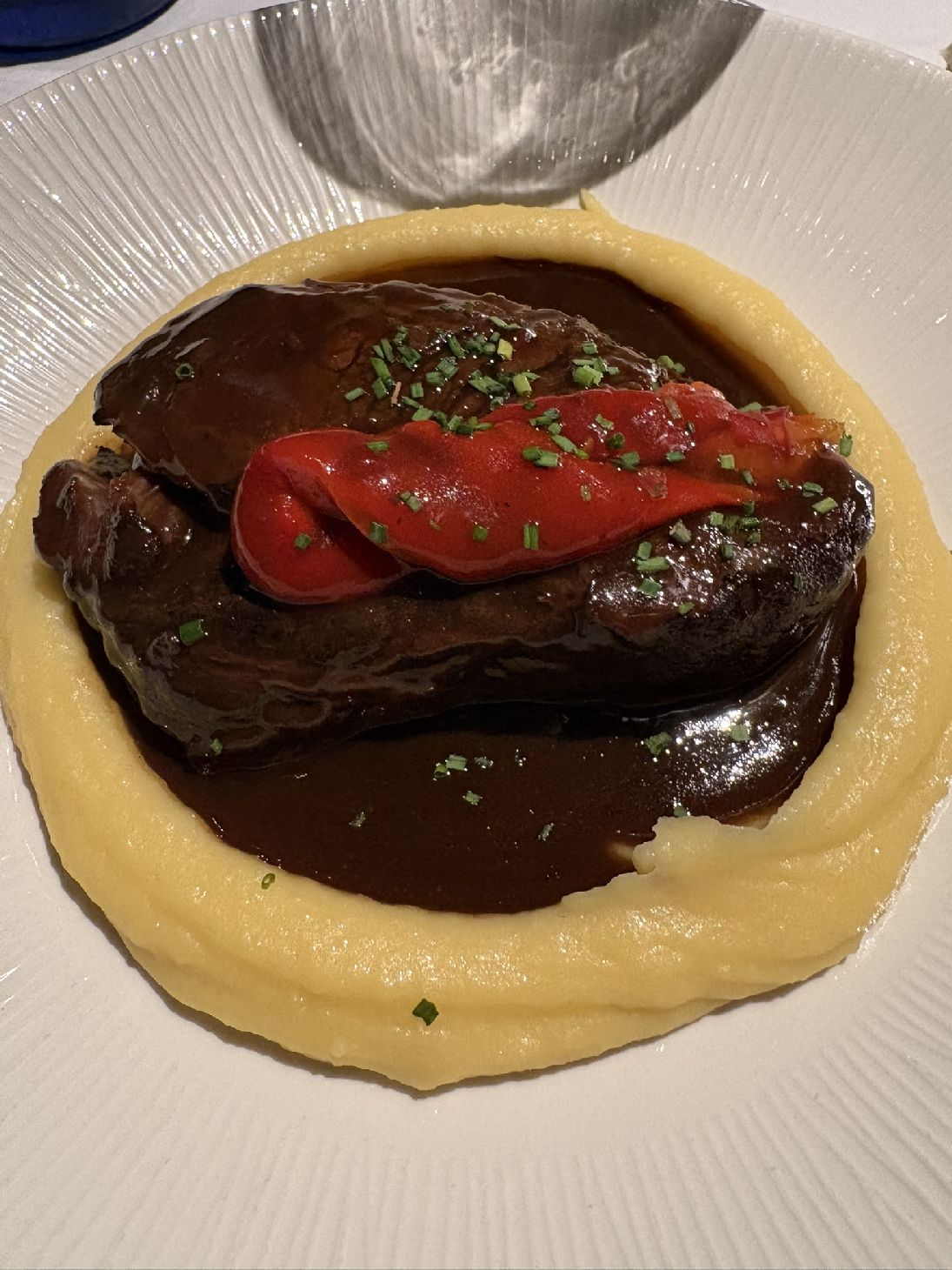
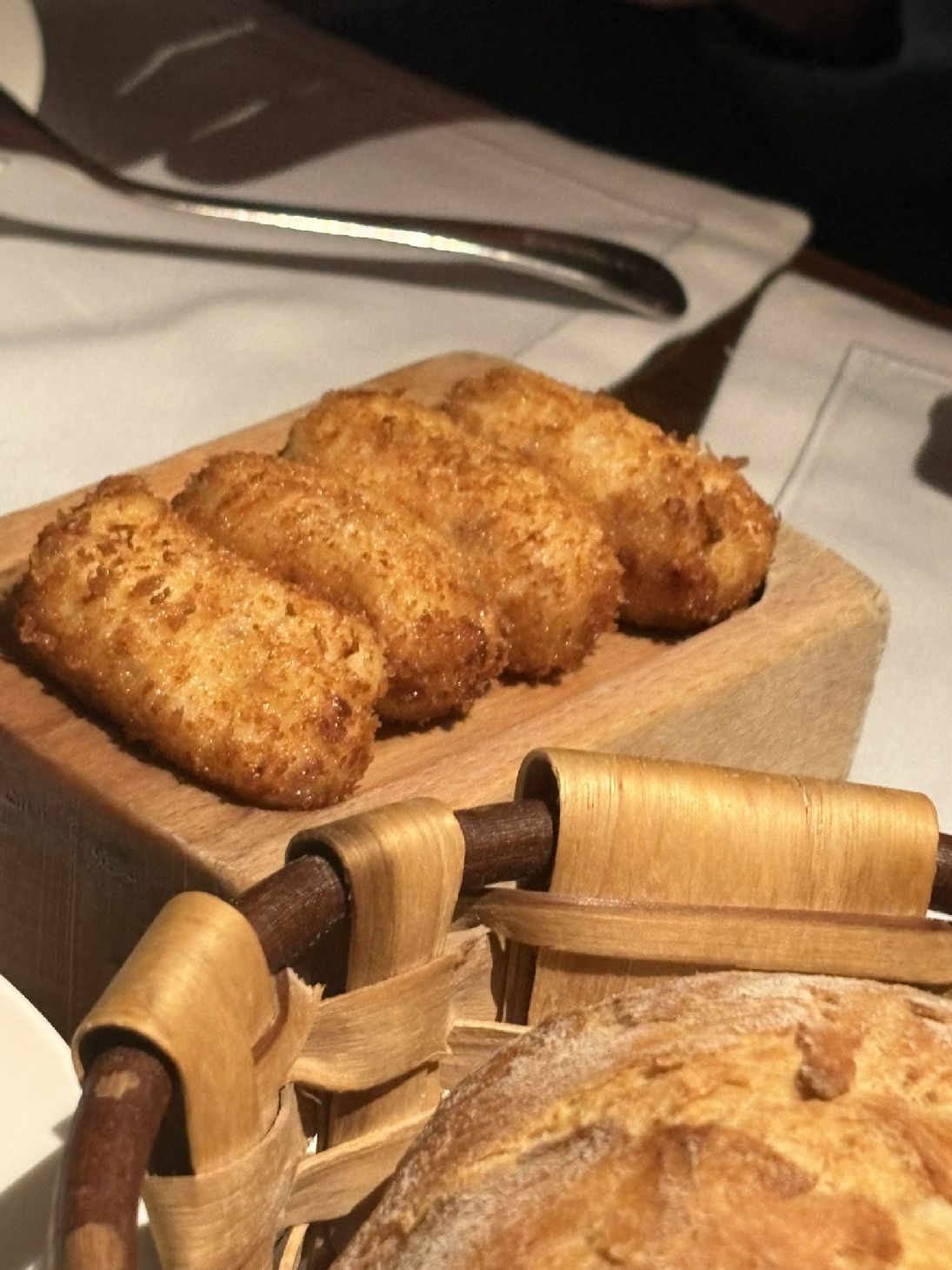
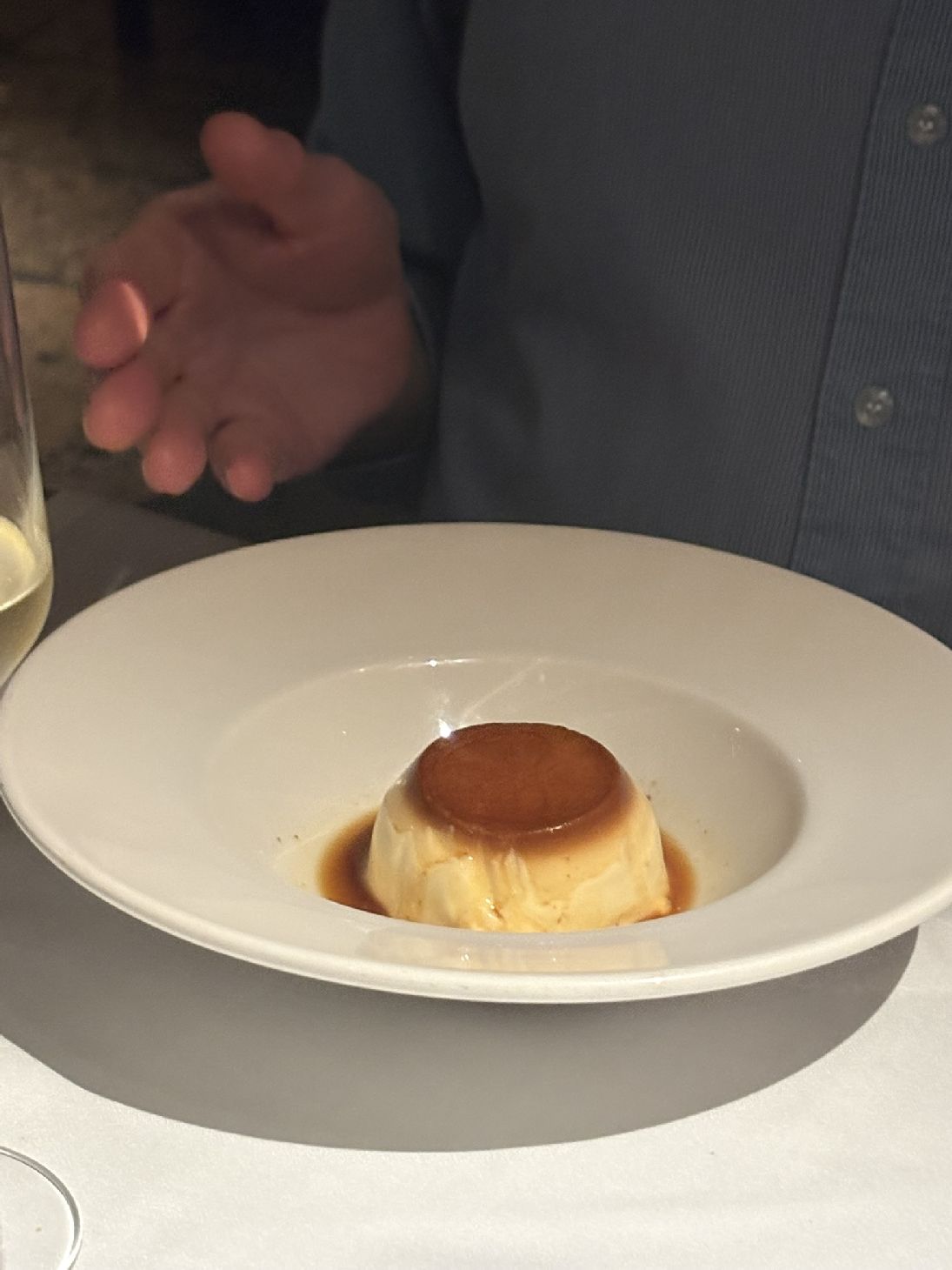
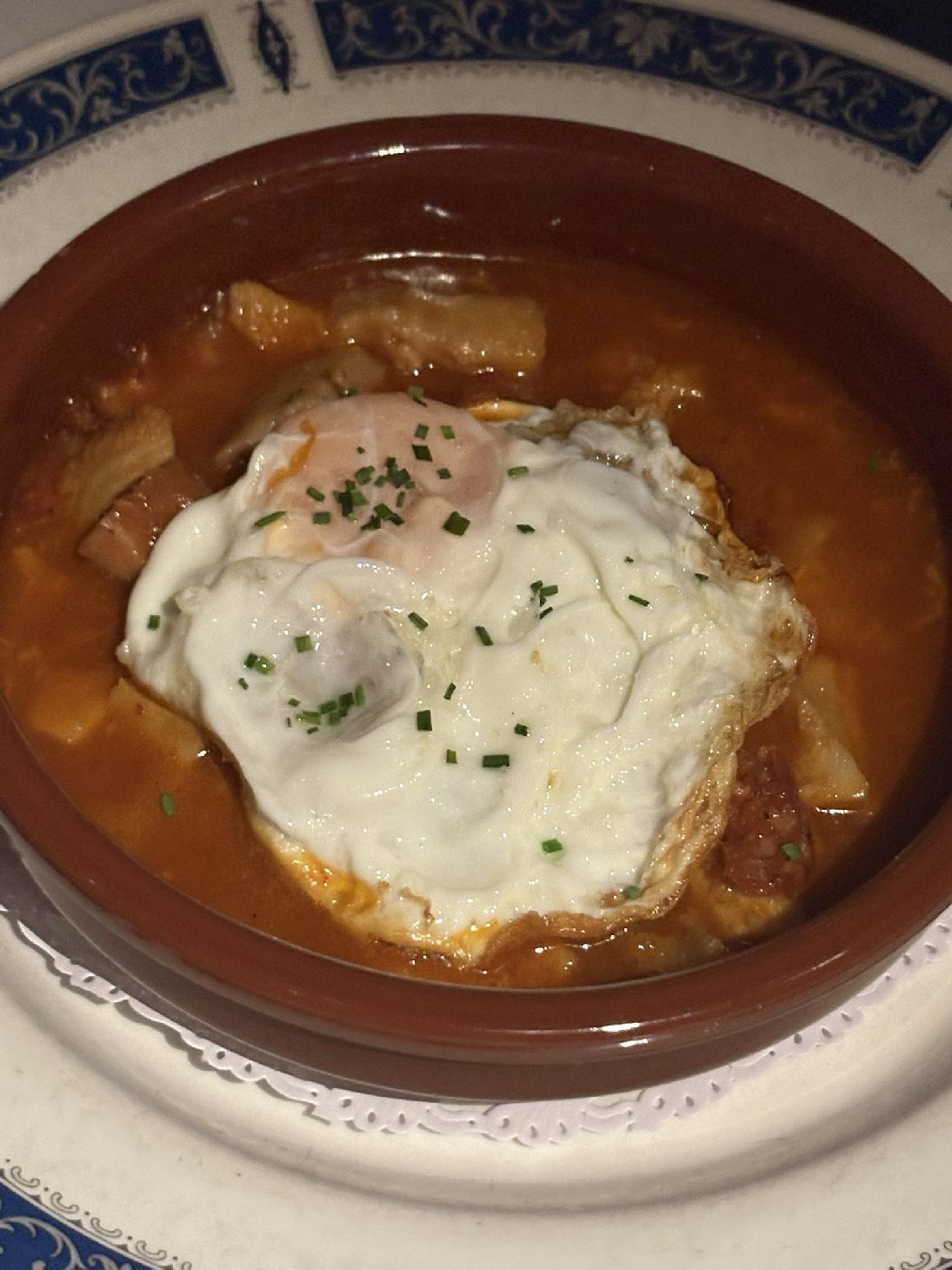
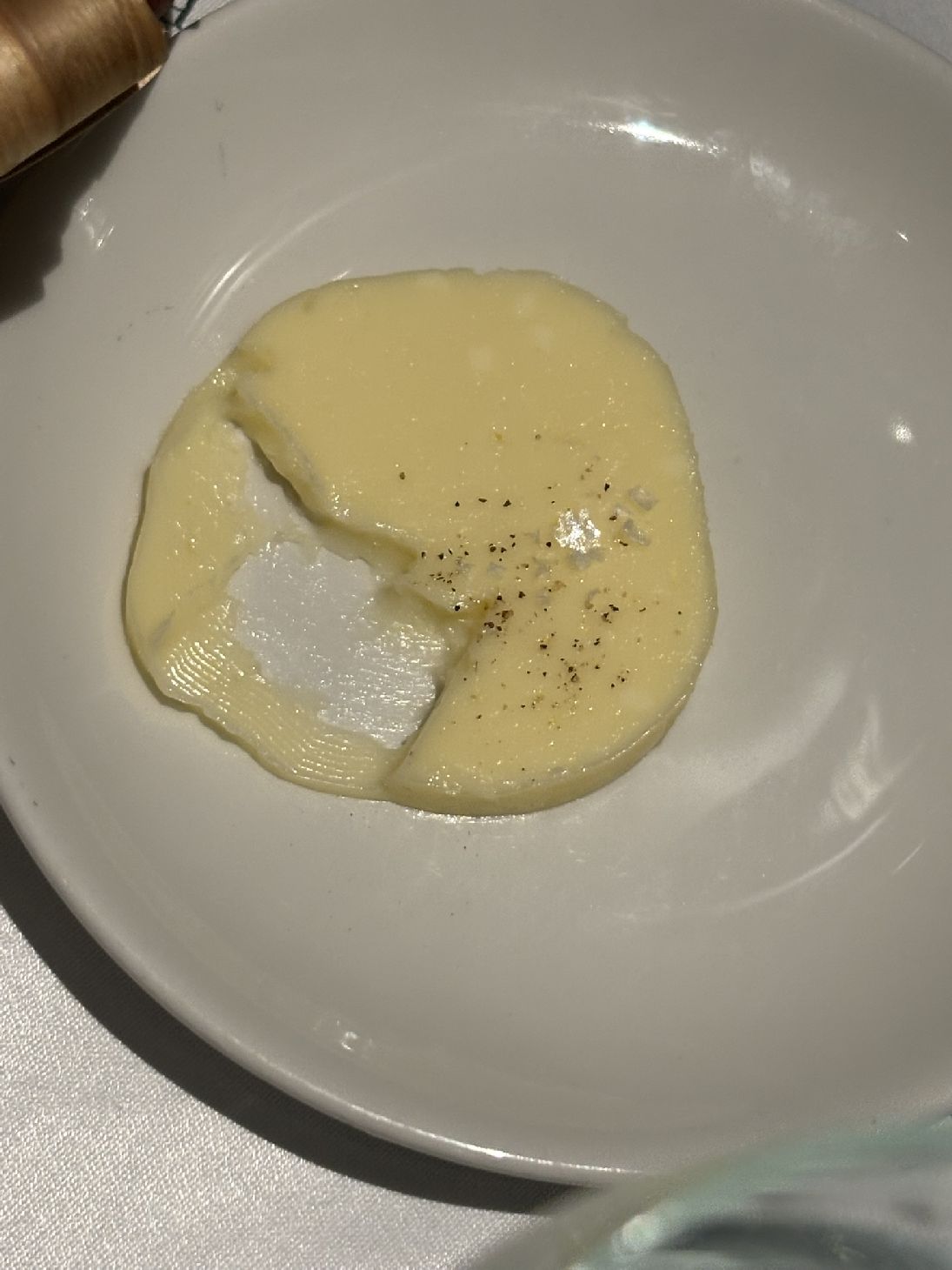
The museum mostly consists of over 100 wine barrels, painted by a variety of artists over the years, and in fact the dining room can probably be considered a work of art in its own right, decorated as it is with photographs, antique tools, and other objects that chronicle the evolution of the restaurant. And after that it was time to return to the hotel and collapse in a heap, nursing a considerable food baby.


