Thursday 24th September, 2026 – Bilbao, Elciego, Laguardia
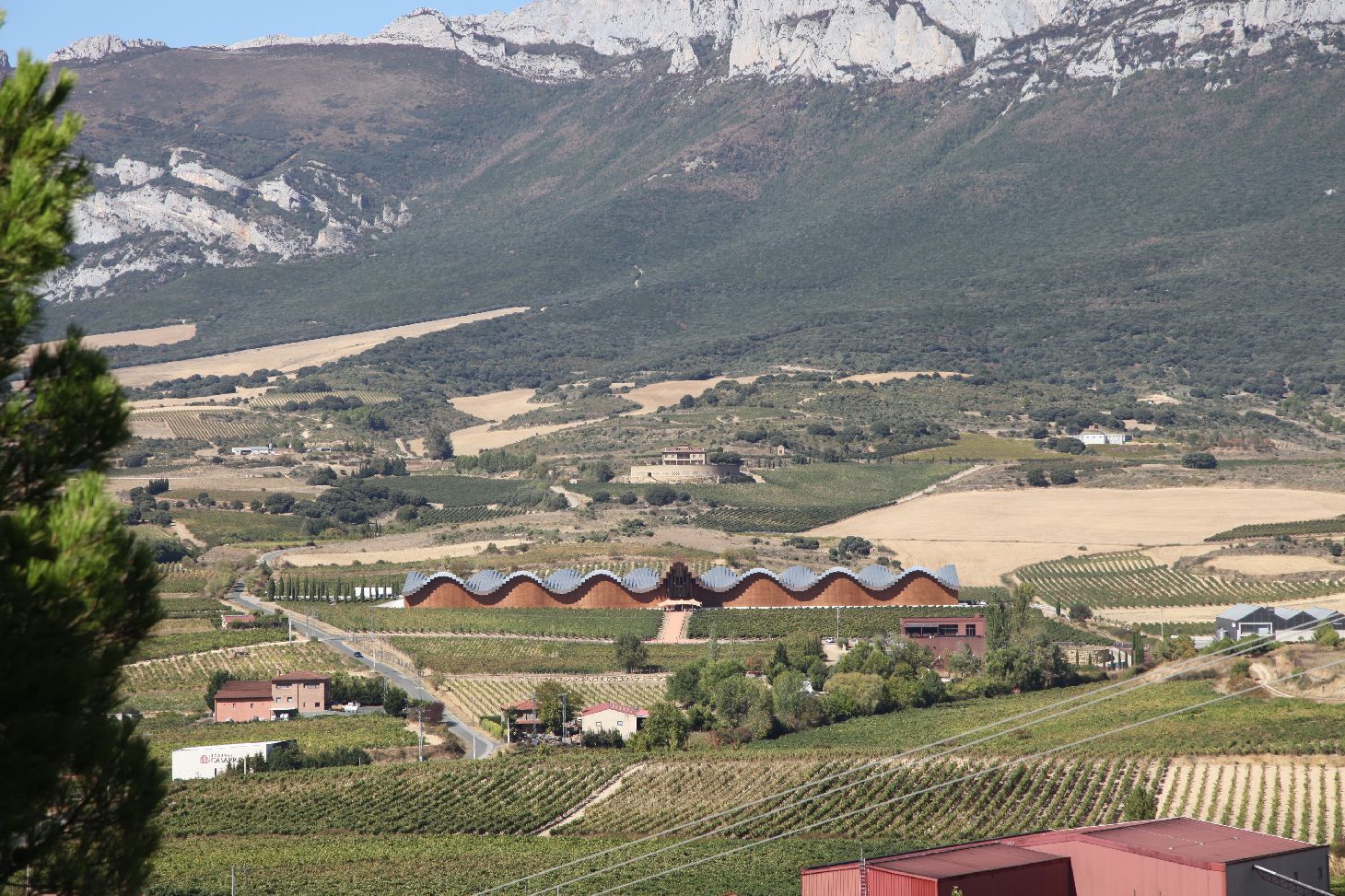
Our first day in Bilbao was mostly not spent in Bilbao because we had an appointment to do a wine tour out in Rioja. We were off to Elciego (Eltziego) in the province of Álava, where wine has been made since at least Roman times, and we were scheduled to visit the impressive Marqués de Riscal winery with it’s stunning modern hotel designed by Frank Gehry. It’s around a two-hour drive from the centre of Bilbao, but it offers tours at sensible prices (provided you don’t decide to include lunch at the hotel’s one-Michelin star restaurant), and there are different levels of tastings available to round off your tour. If it had just been the two of us, we would probably have opted for a tour with Winerist and taken in more than one winery, but as I had to take into account R and A, and their requirements too, it came down to a choice between Marqués de Riscal, and Bodegas Ysios where the architectural highlight is Santiago Calatrava’s futuristic winery with stunning views of the Cantabrian Mountains. In the end Riscal won out because on the dates I was looking at they had tours available in English and Ysios did not. With the tour booked, all we had to do was get ourselves there! Which proved to be slightly more difficult than we’d hoped. A series of annoying roadworks on the way meant that our arrival time according to my SatNav kept pushing itself further back and in the end we screeched into the car park at Marques de Riscal with around two minutes to spare.
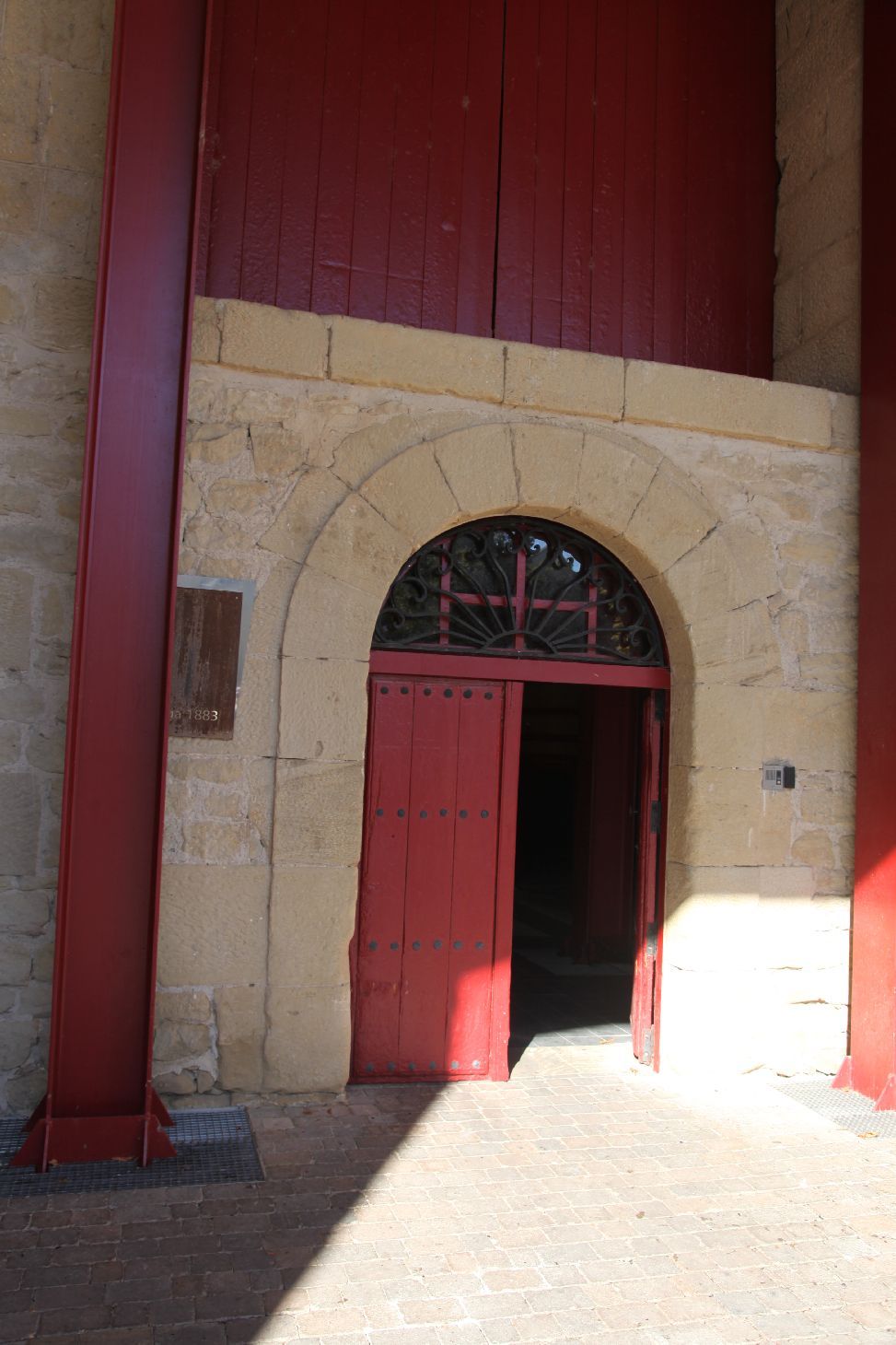
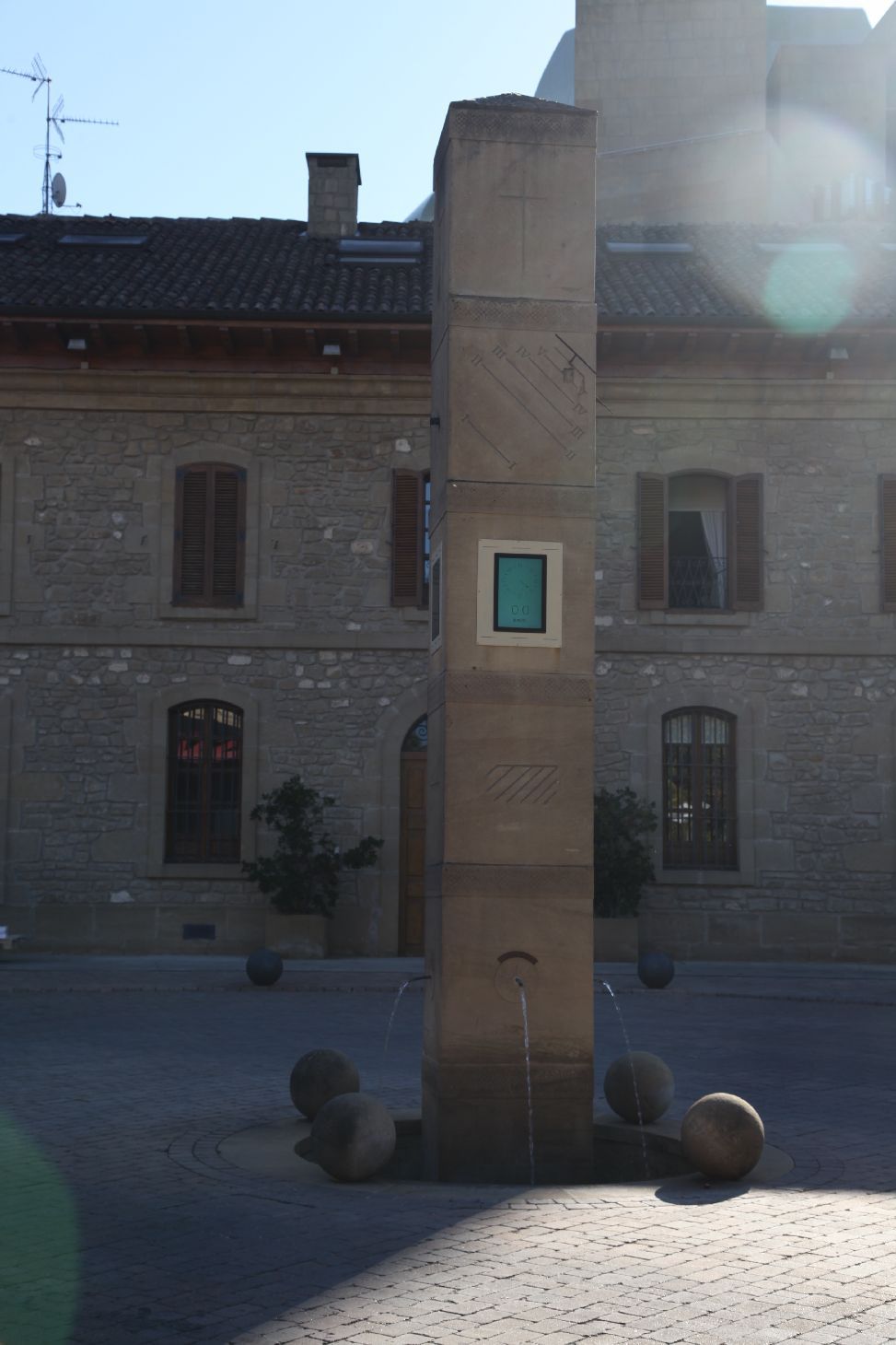
Wine has been made here since 1858 and the “Marqués de Riscal City of Wine” tours take you through the history of the bodega since that time. In their own words, visitors “make their way to the heart of this complex, the Plaza del Reloj (Square of the Sun Dial). From there, you will be able to see the Original Bodega, which was built in 1860, where the treasures of Marqués de Riscal are kept, the Bottle cellar for ancient wines.” So successful was this initial iteration that 30 years later a new building, El Palomar (the Dovecote), had to be built to house more production. This was in the Bordeaux-style as the region was very heavily influenced by wine makers from Bordeaux. There had always been a certain amount of to-and-fro between the regions with Manuel Quintano, a priest, being sent to tour the Bordeaux vineyards and returning to teach his neighbours about the French methods just at the point when Napoleon Bonaparte’s invasions made the mere idea of anything French highly unpopular. There were others, among them Don Rafael López de Heredia y Landeta, who founded the López de Heredia winery in the 1870s. Before that he’d been imprisoned by the French for his participation in the third Carlist War. He had written to his mother in Chile, asking for money to release him and she refused, leaving him stuck in Spain! However, the real turning point seems to have been the outbreak of phylloxera in 1863, just as the railways started to open up the region. Wine makers from Bordeaux arrived, desperate to find grapes they could still work with, even going so far as to try planting their own native varieties to see if they would thrive (Pinot Noir, unsurprisingly, didn’t). It didn’t take long before there was at least as much Rioja going into Bordeaux as there was Bordeaux being exported elsewhere, and the result was increased quality and better methods in Rioja. And I for one am very grateful.
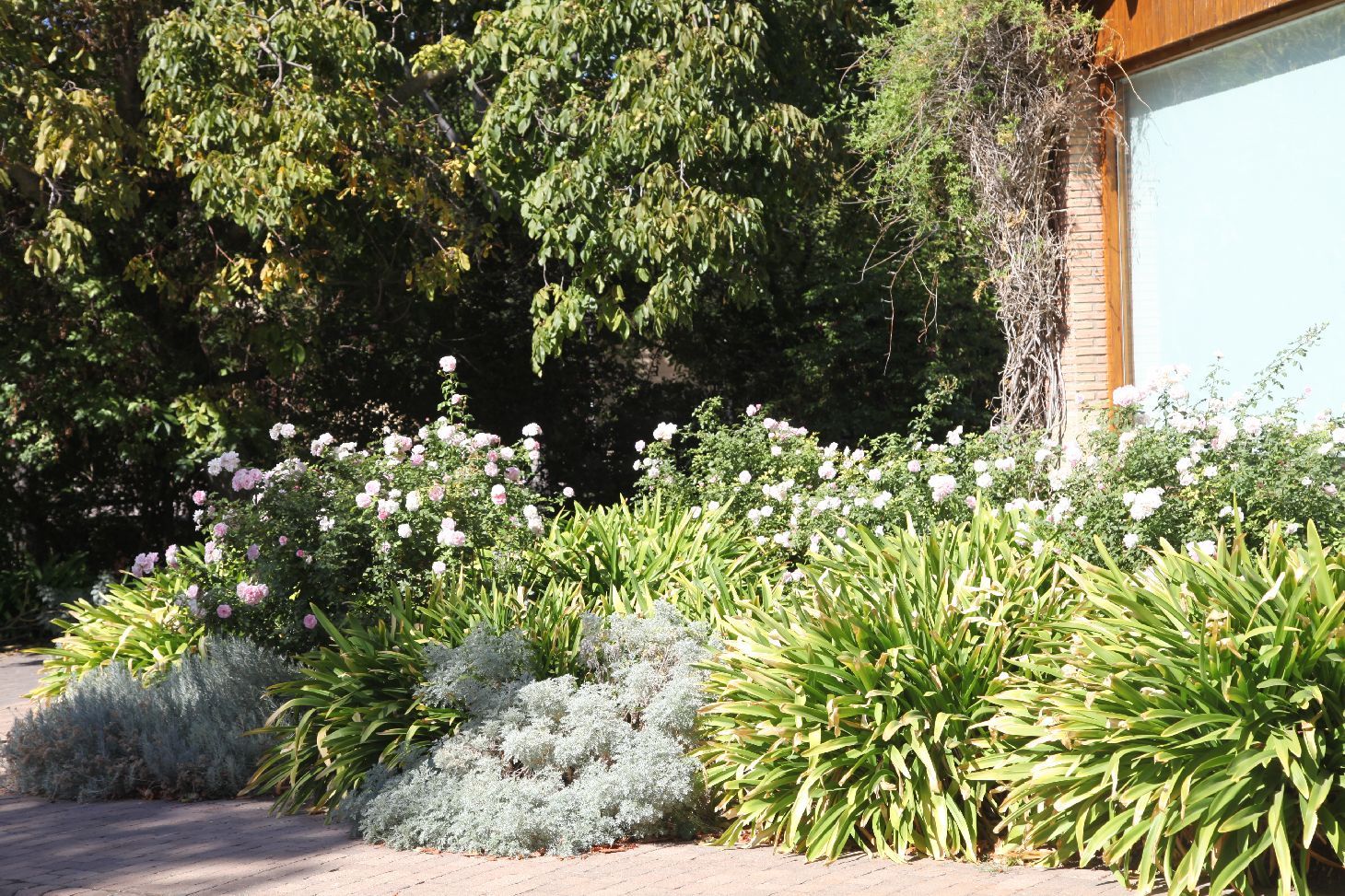
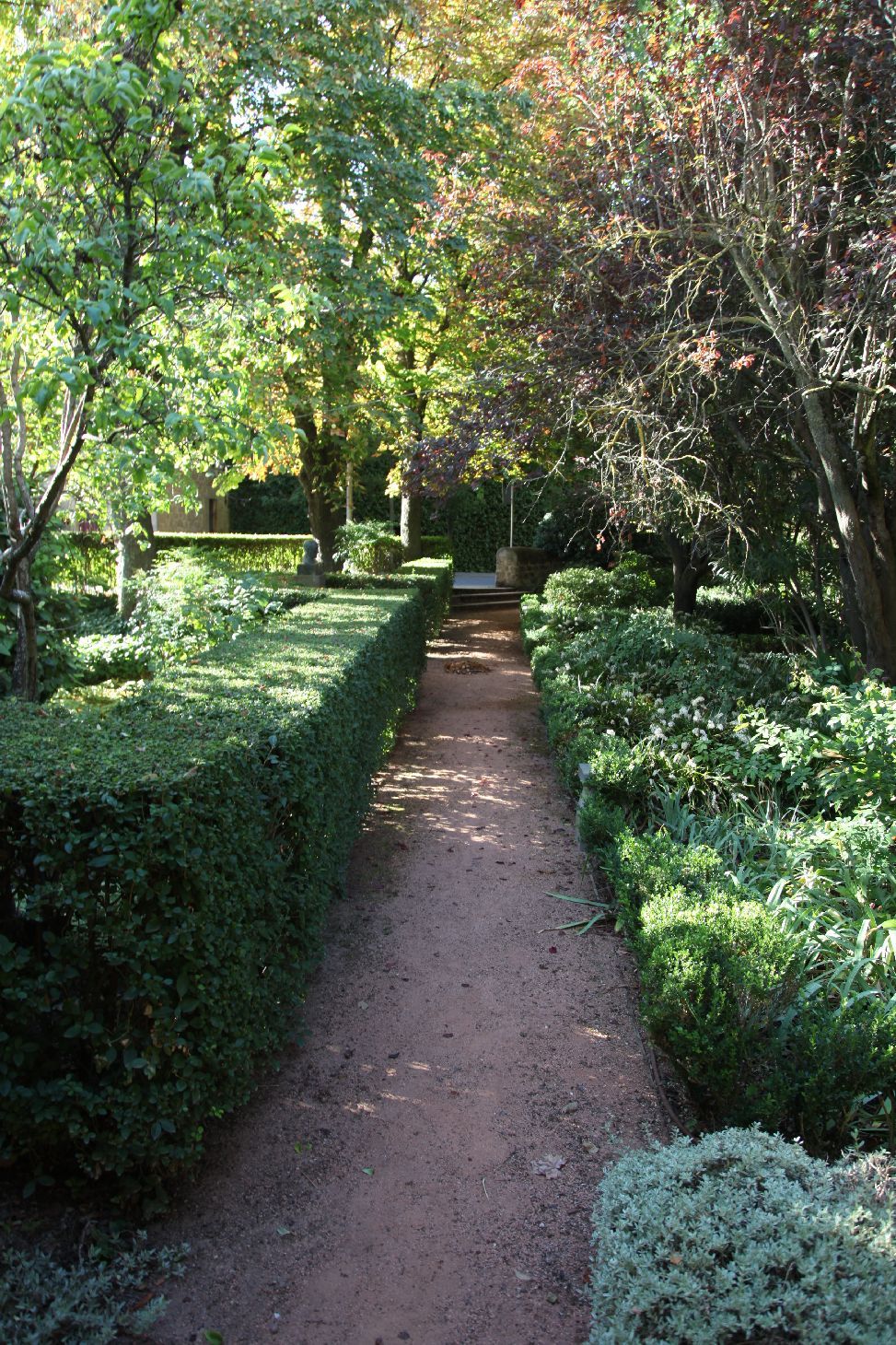
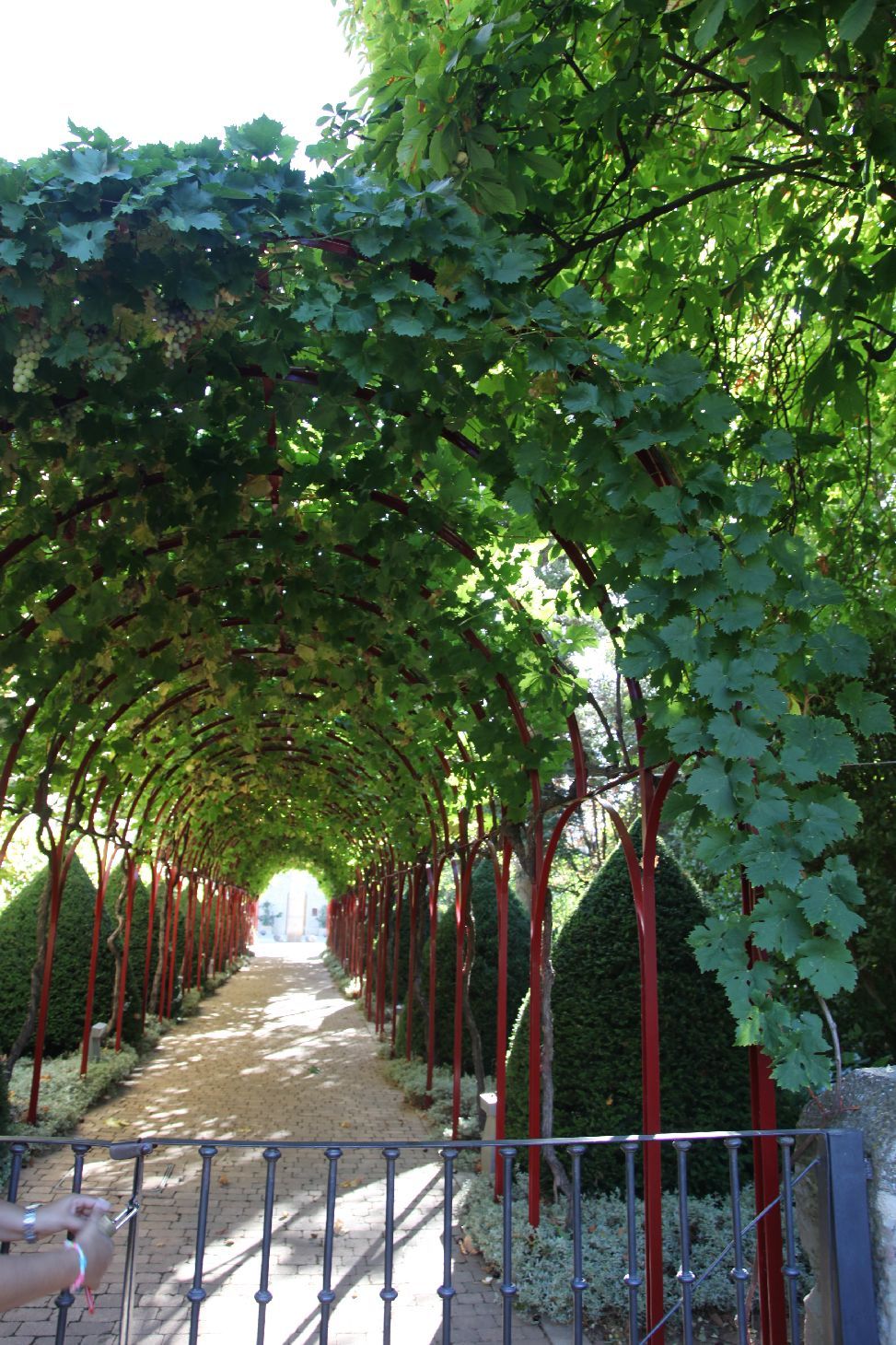
Before our guide, the lovely, and very knowledge Noemie, took us in there though, she walked us through the English Garden, across the Square of the Sun Dial, and through the earliest of the vines, to take a good look at the stunning hotel. I know it divides opinion – modern architecture always does – but this titanium-clad building strikes me as beautiful, with the colours shifting with the light but always reflect the wines with shades of pink (like red wine), gold like the braid on the Riscal bottles, and silver like the foil caps on the bottles. As a contrast, as you walk towards the hotel you can see over its terrace towards the Church of Santa María, a 14th century Gothic church, and the surrounding houses of the small town of Elciego. It’s a really lovely spot and if I ever get back there I want to at least stop for lunch, if not an overnight stay!
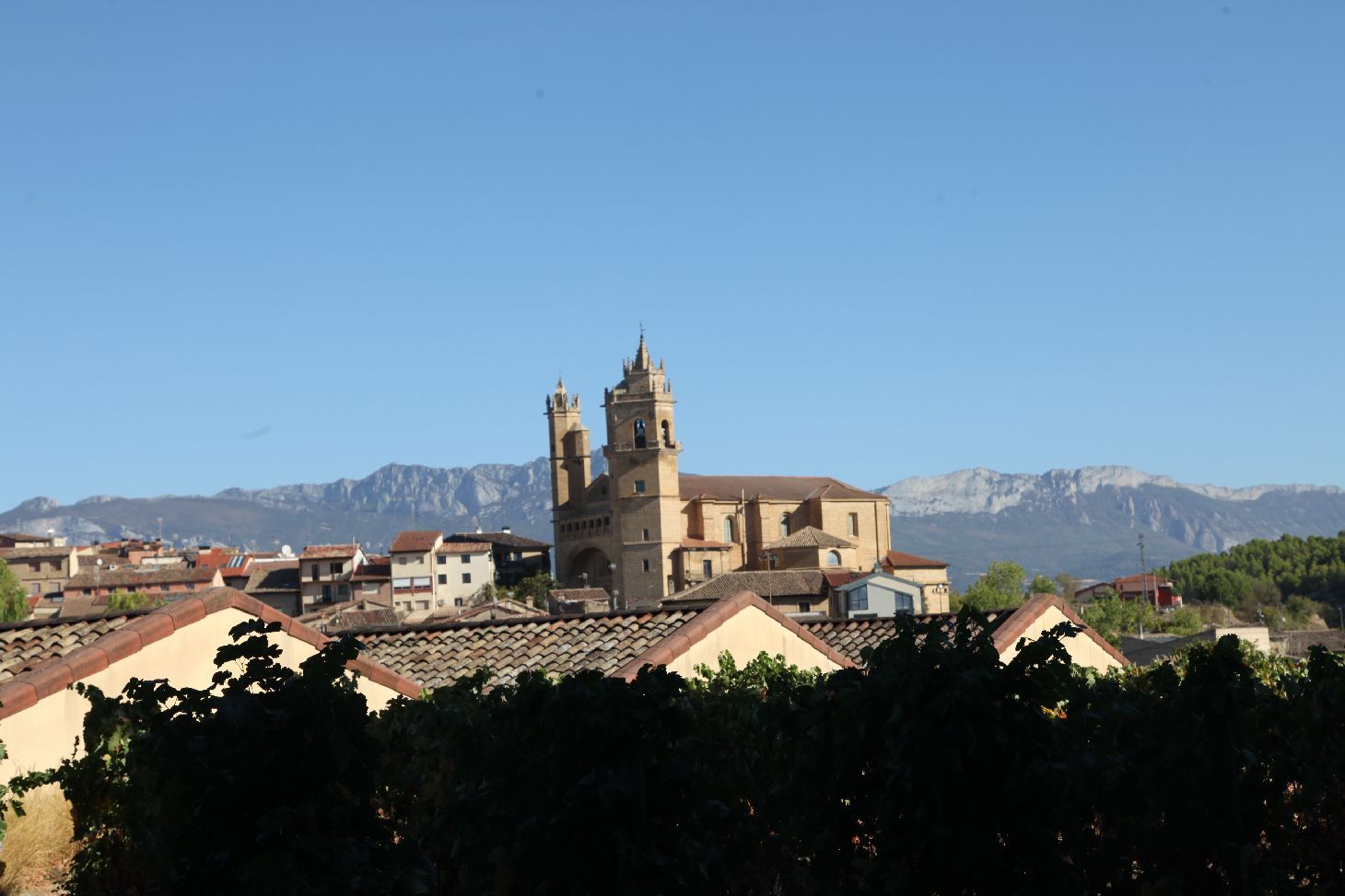
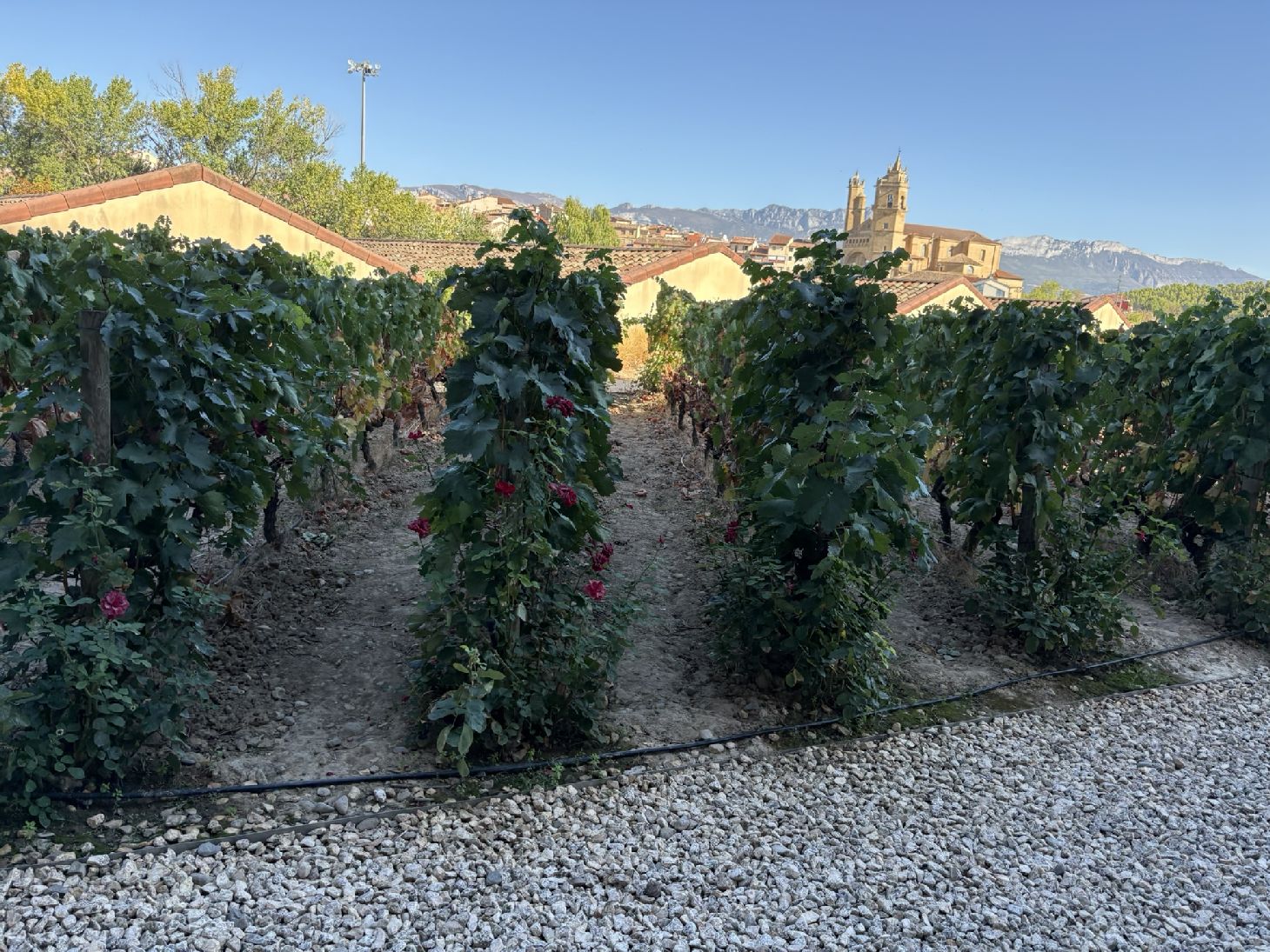
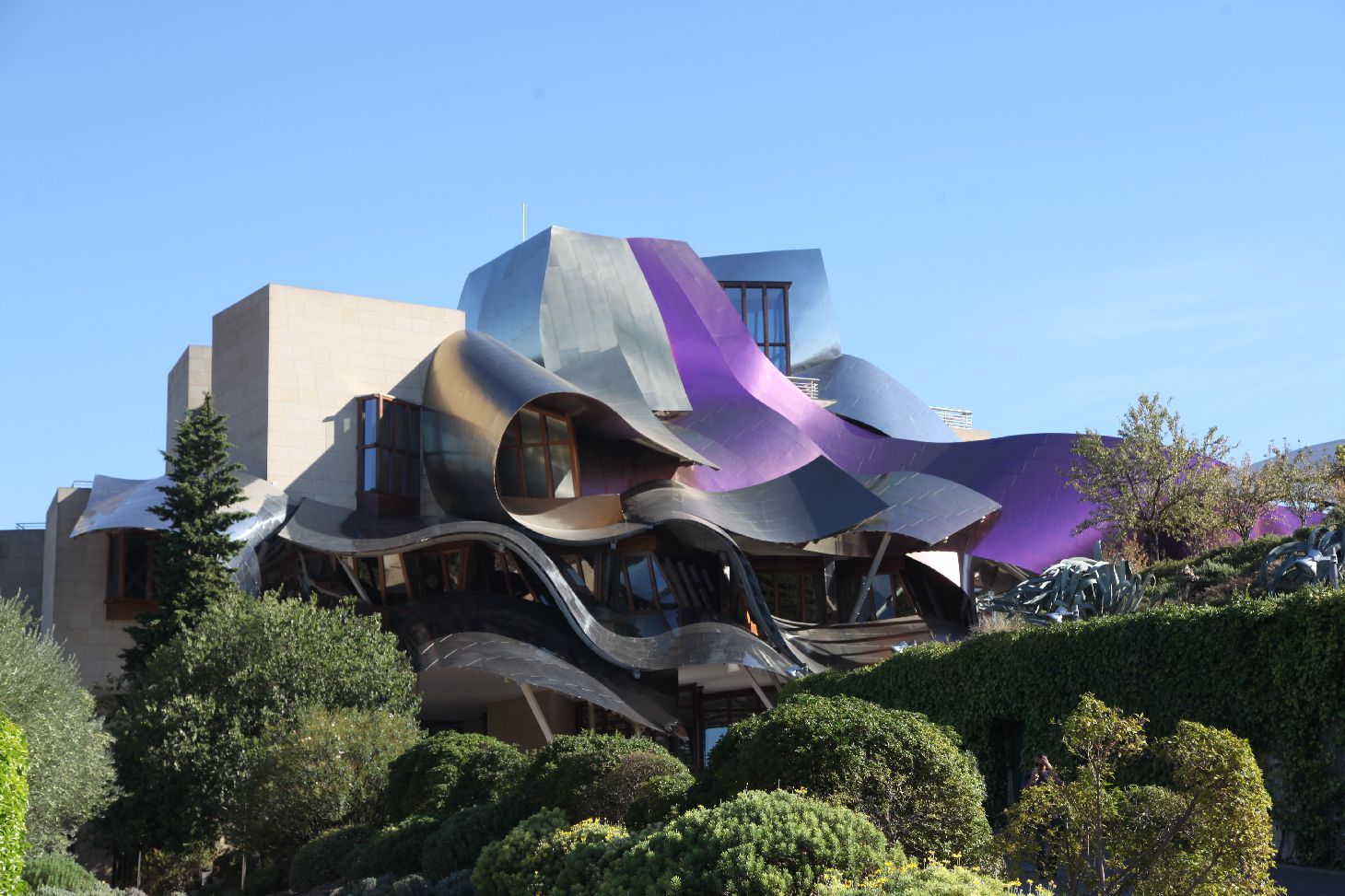
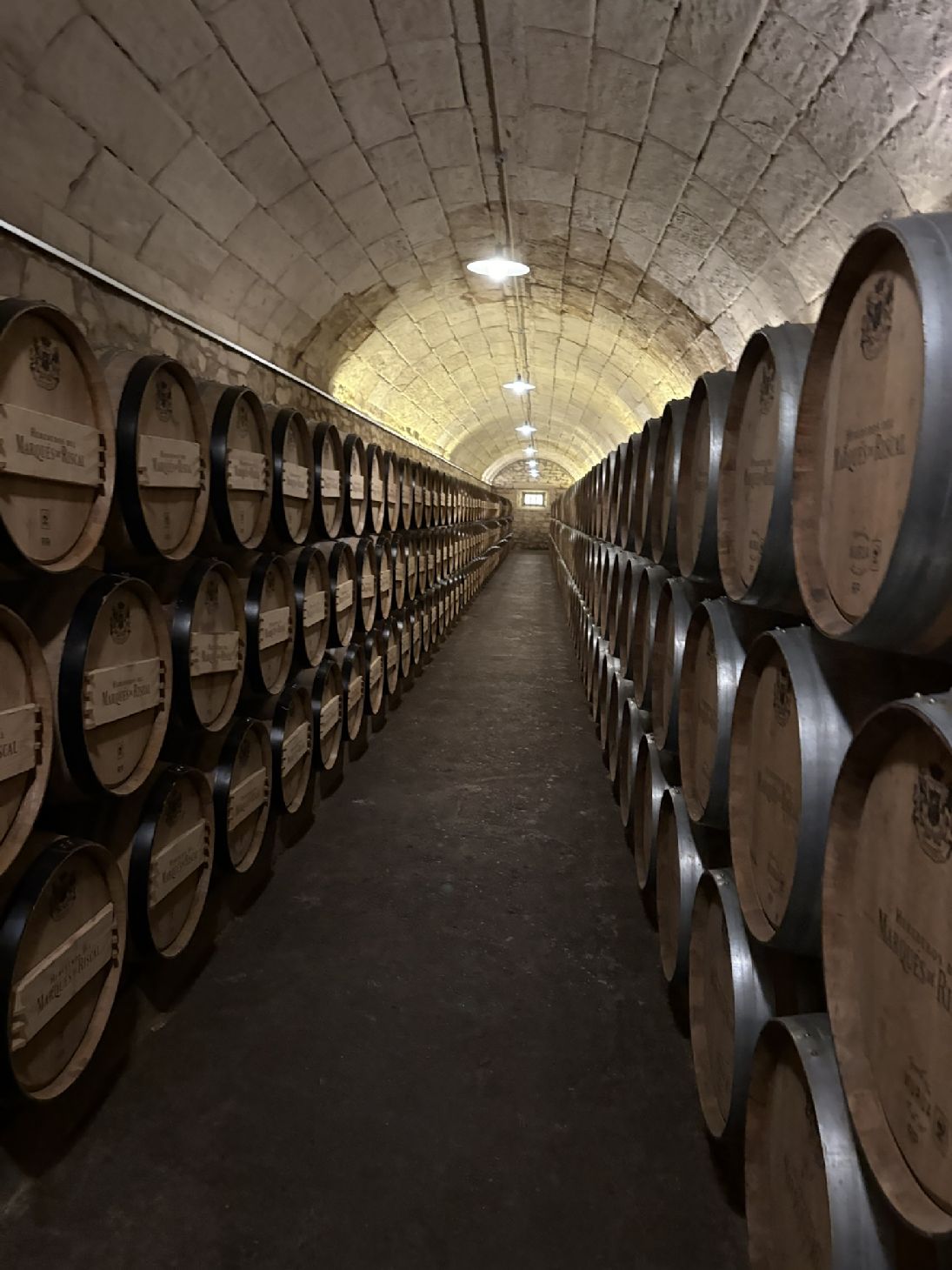
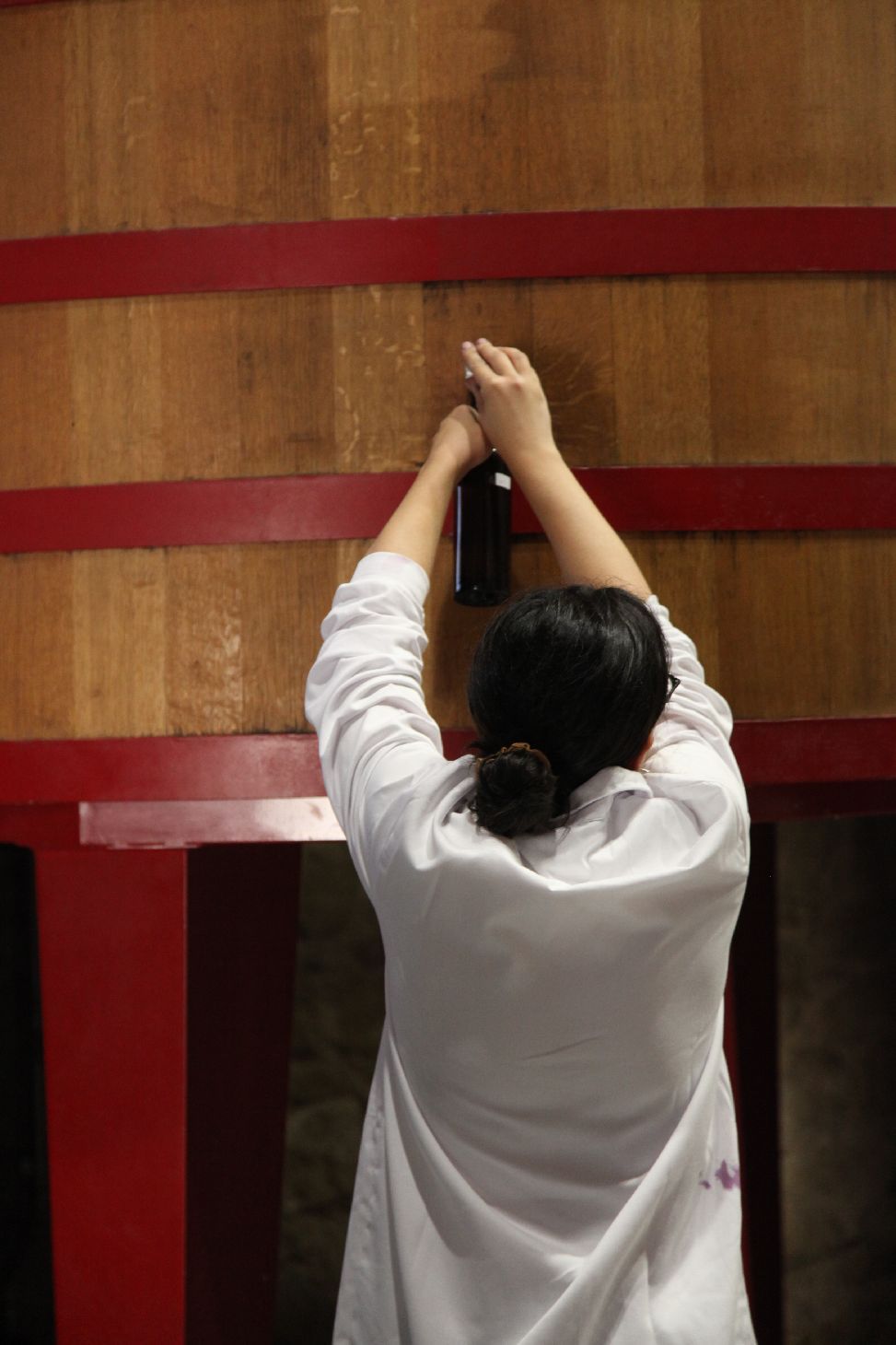
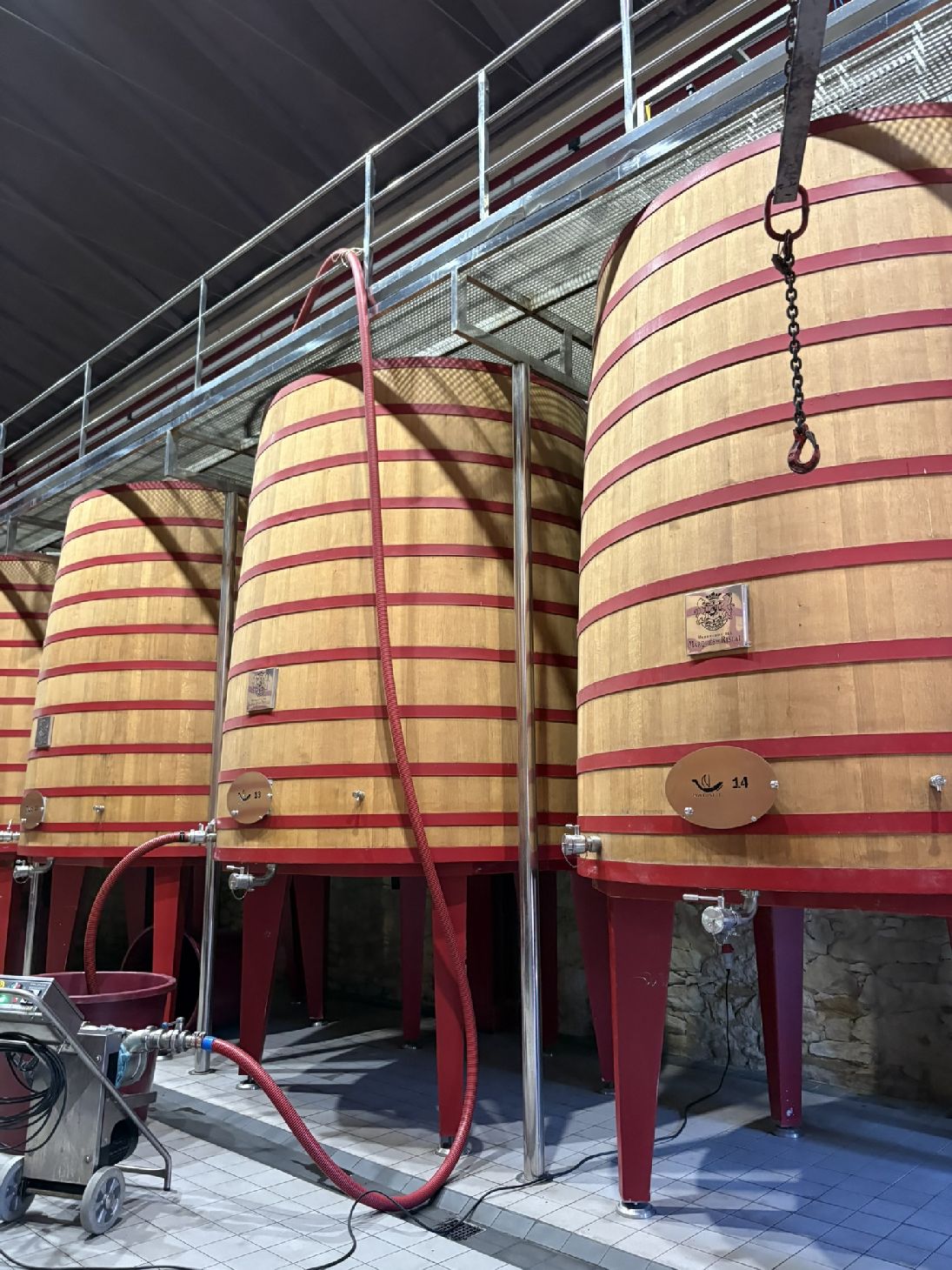
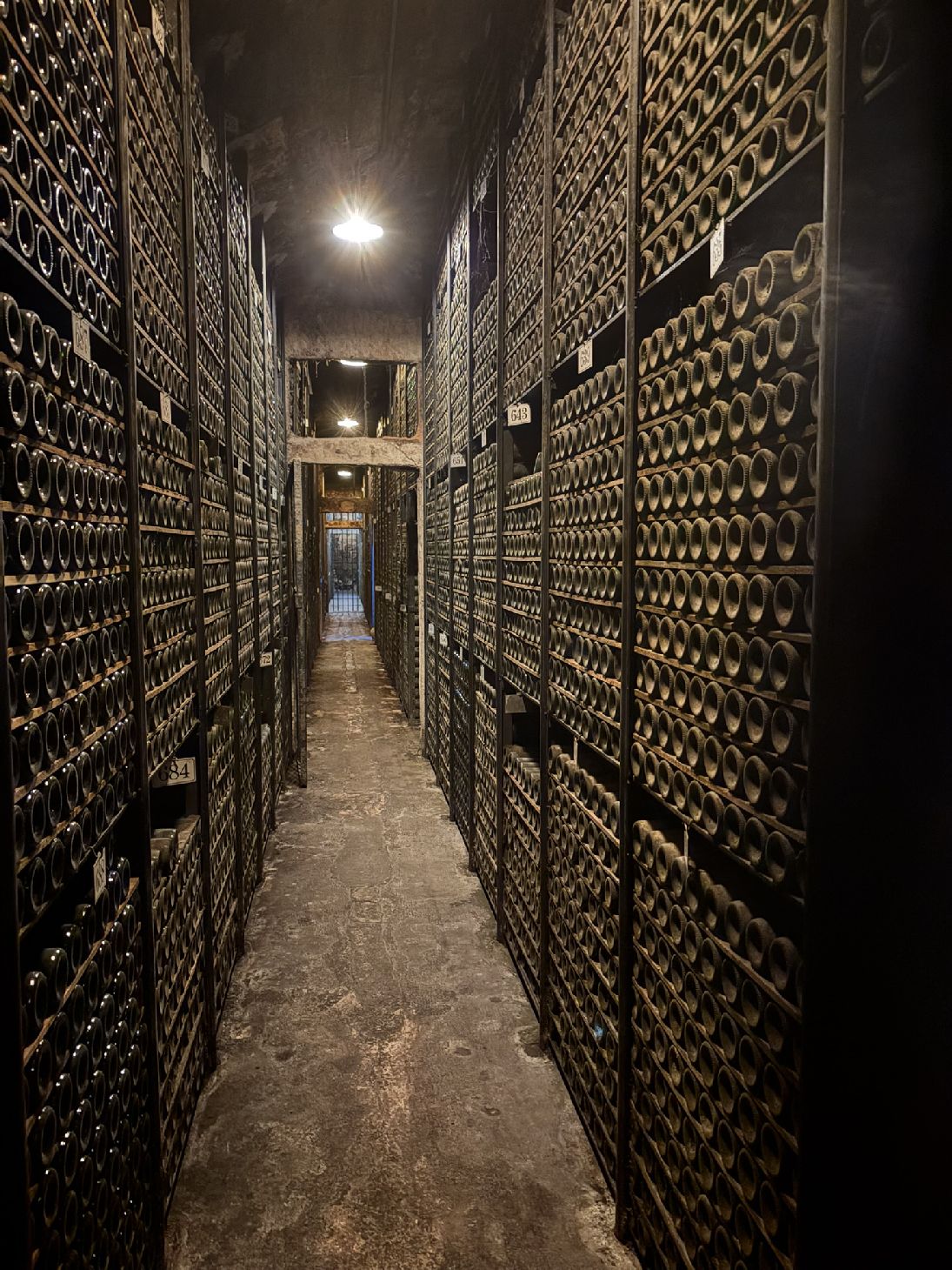
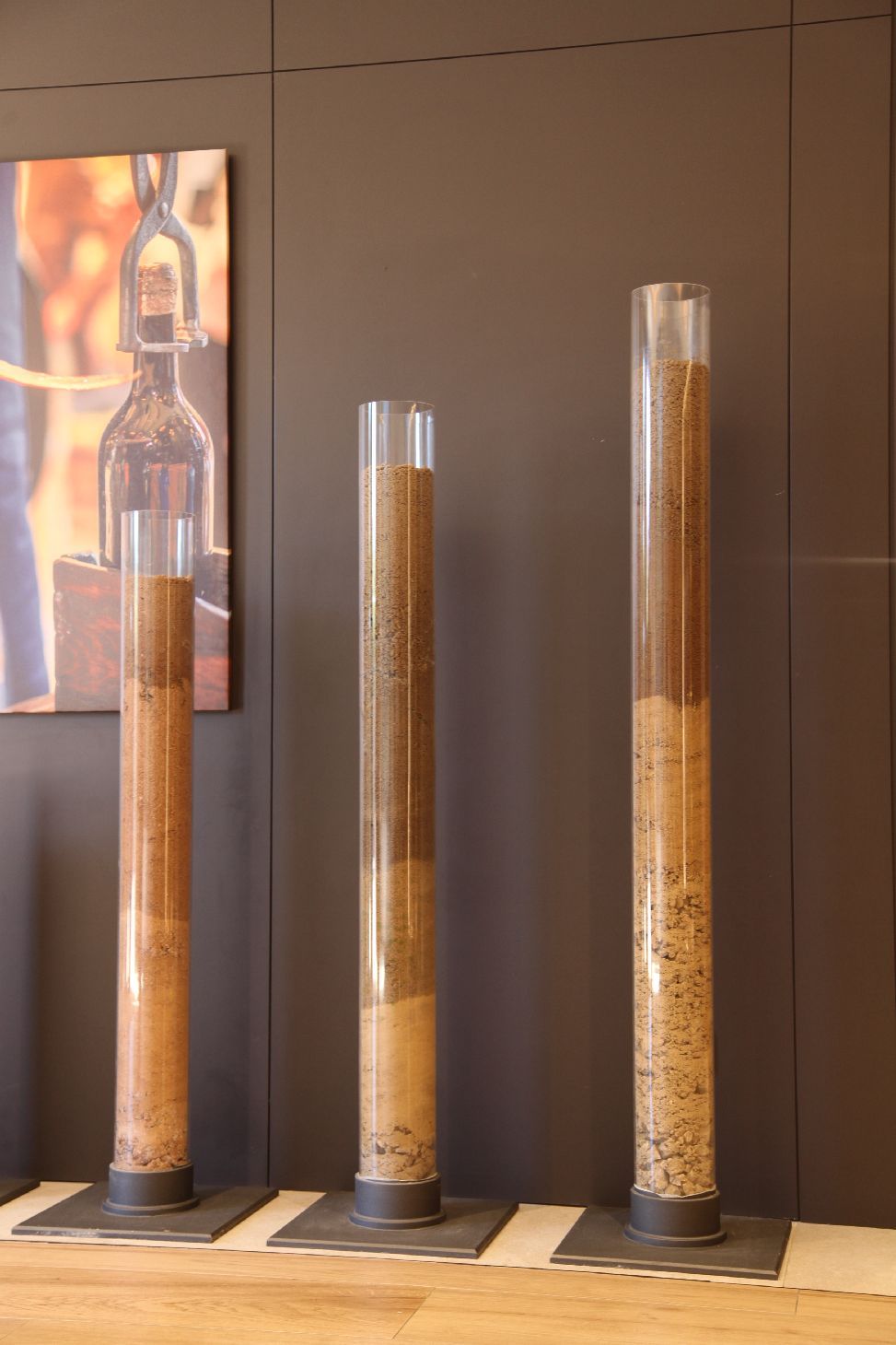
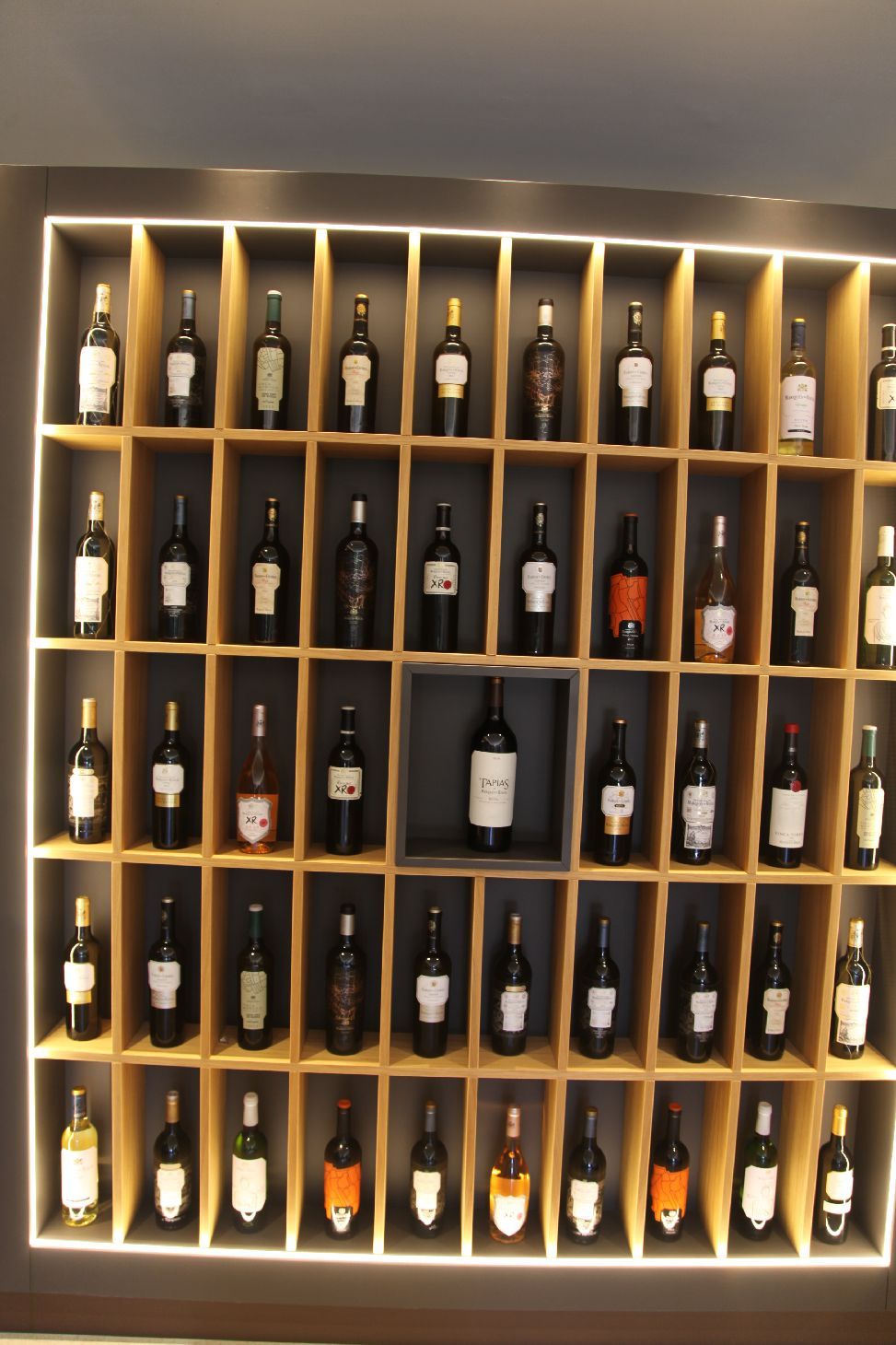
The tour itself was very thorough, taking in everything from the massive oak barrels where the wine is created, to the bottling plant, where we watched countless bottles being labelled and packed, to the store where they keep samples of every vintage ever produced in quantities that made me think they wouldn’t miss a couple! They weren’t letting any of us the other side of the locked gates though, probably very sensibly.
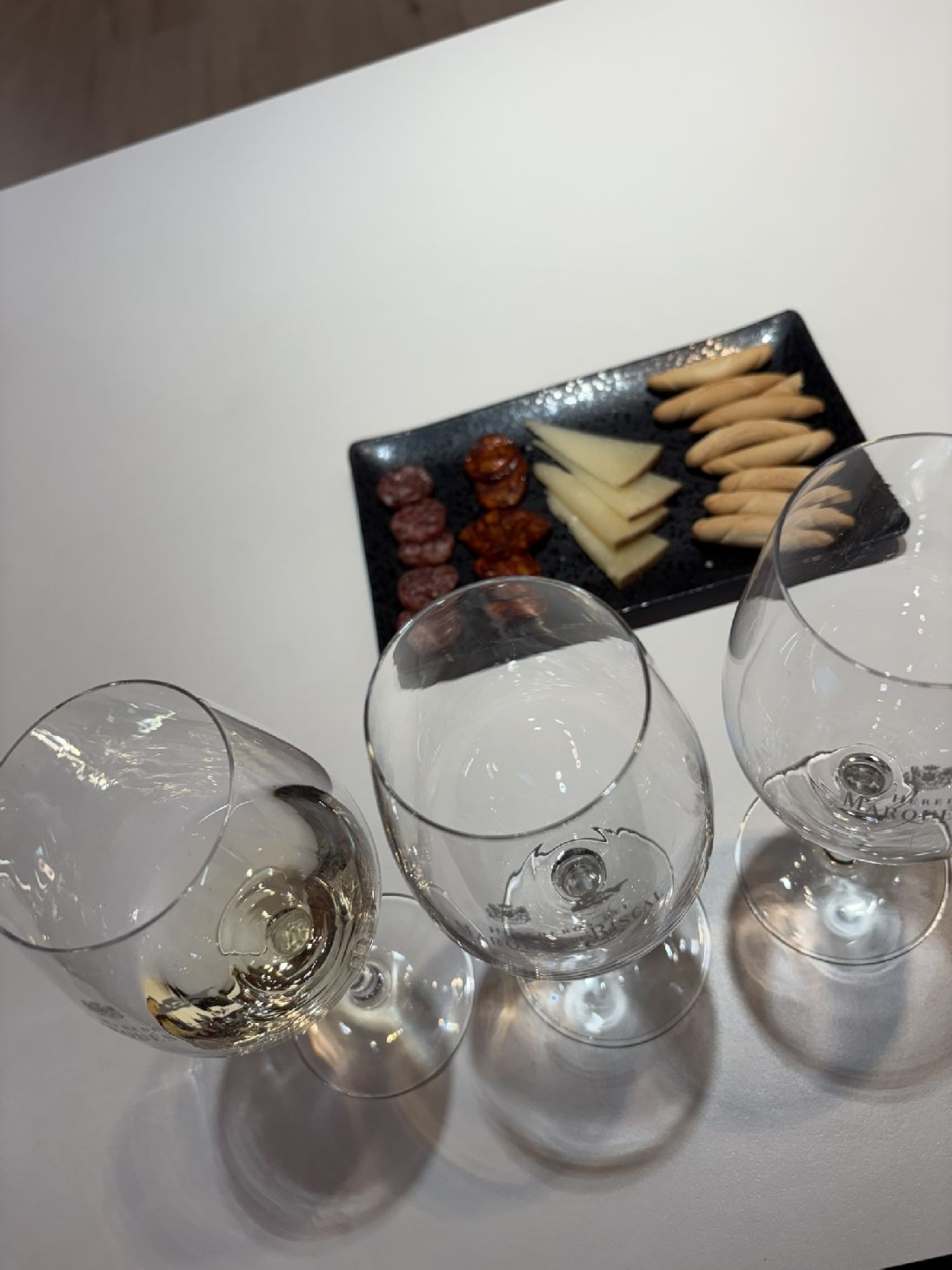
At the end we were taken to one of the elegant tasting rooms, where we were talked through three wines, alongside snacks of charcuterie and cheese – and a supply of water, which was just as well given the generous nature of the pours, the lack of spitoons, and the fact that I needed to drive later on. We would inevitably end up in the shop afterwards, though given the heat of the day – it was up to an unseasonably hot 36C (97F) – we decided that we would not buy wine until we were ready to leave the area.
First, post the tour, it was time for some lunch to try and soak up the wine. On the premises, as well as the hotel which we know A would never agree to, there is the Asador Torrea, a very pleasant restaurant with a beautiful shaded terrace set in the kitchen garden. There is a set menu at lunchtime and no other options, but after some discussion we persuaded the waiting staff that we really only wanted to order three mains between four of us. We didn’t mind paying for four, but we didn’t want to waste food, and we were due out for dinner in the evening.
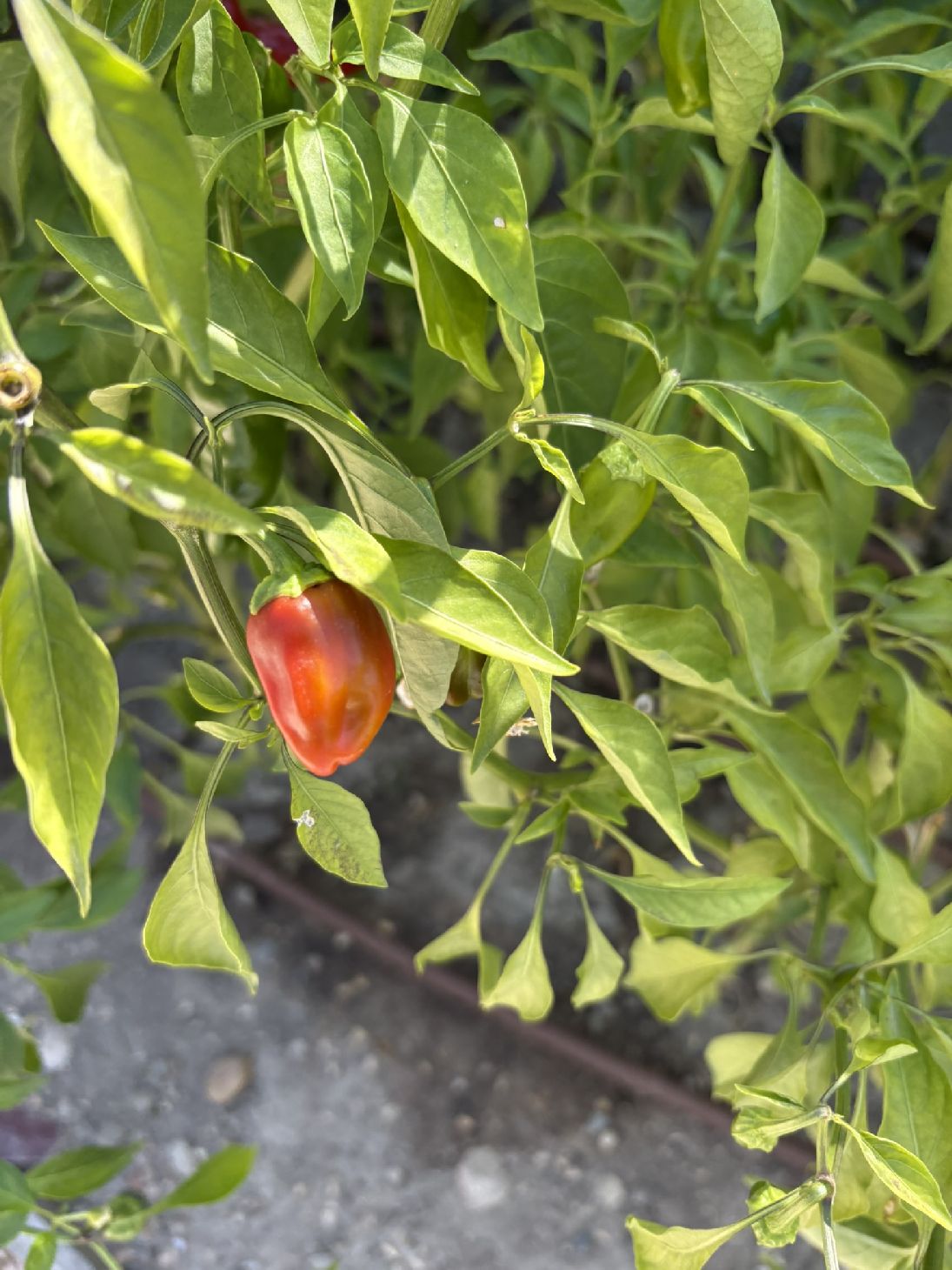
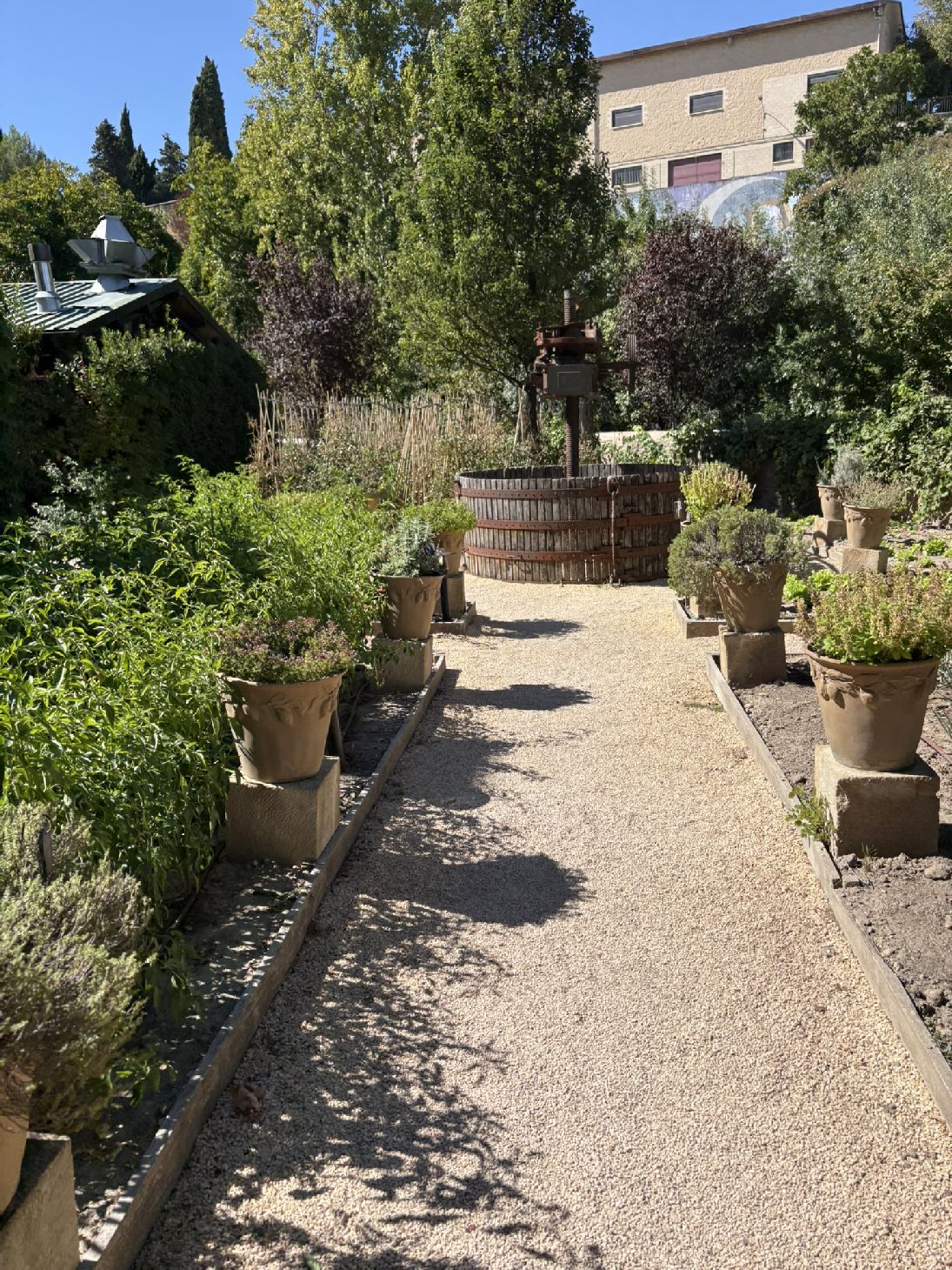
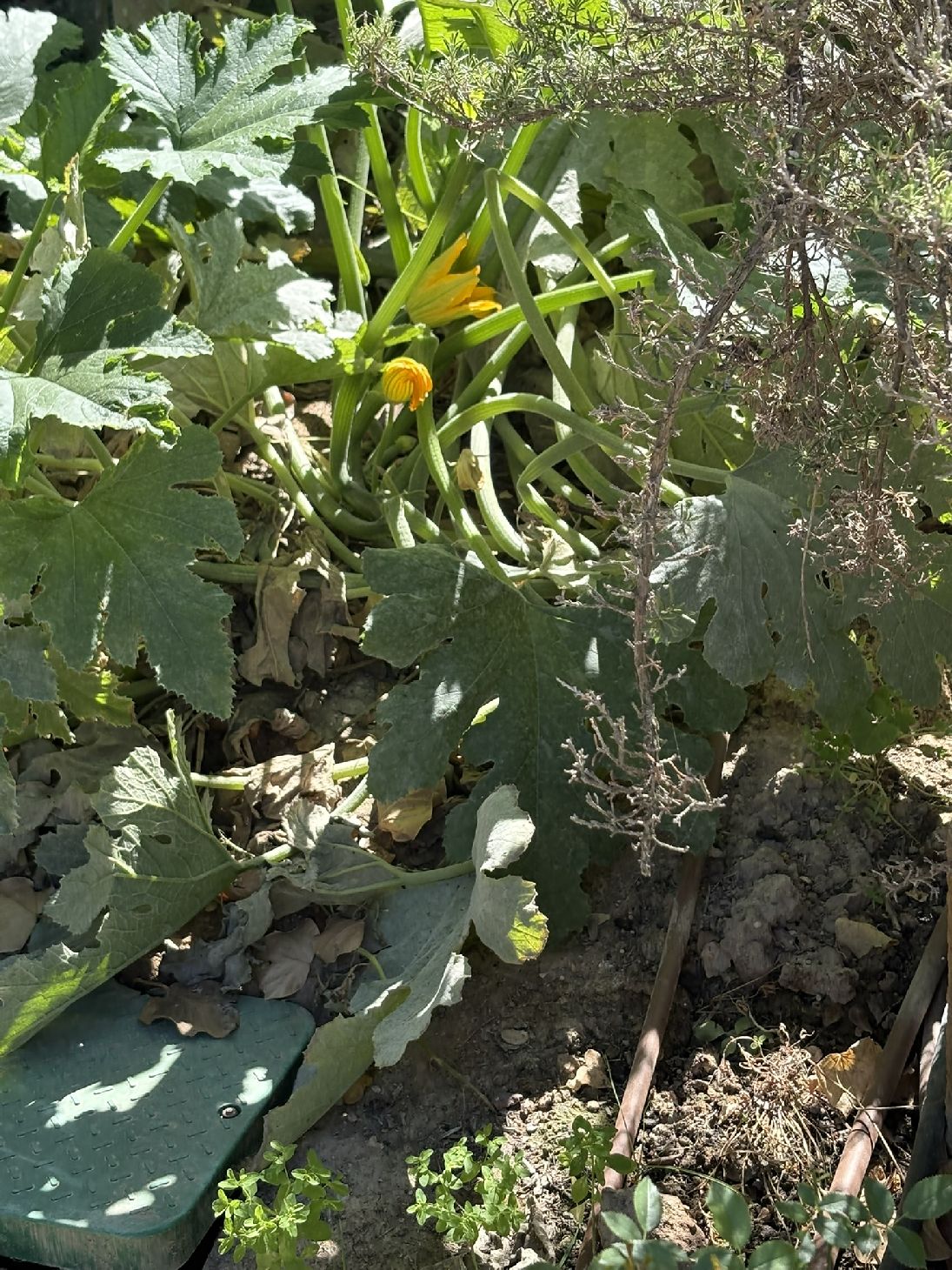
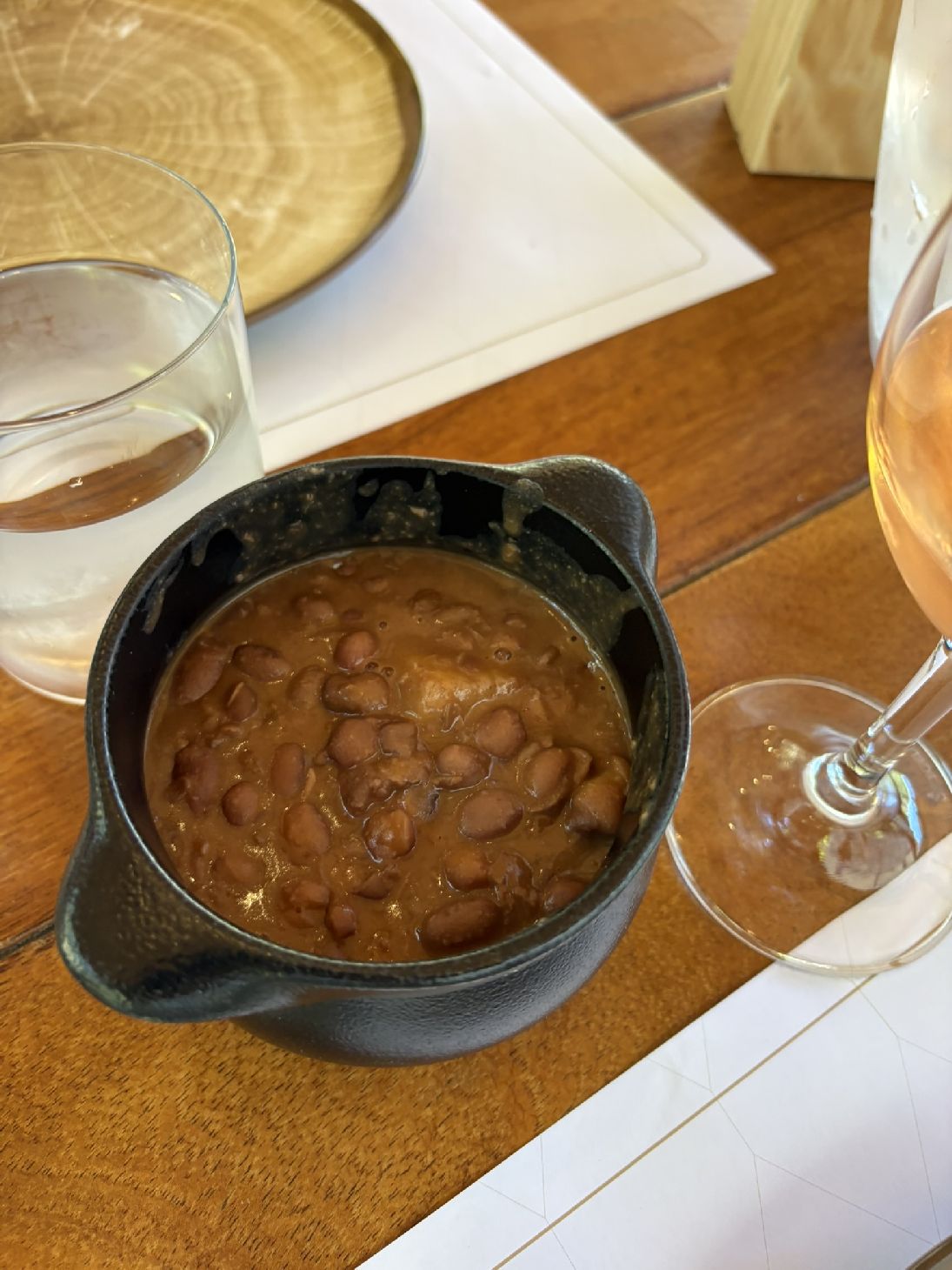
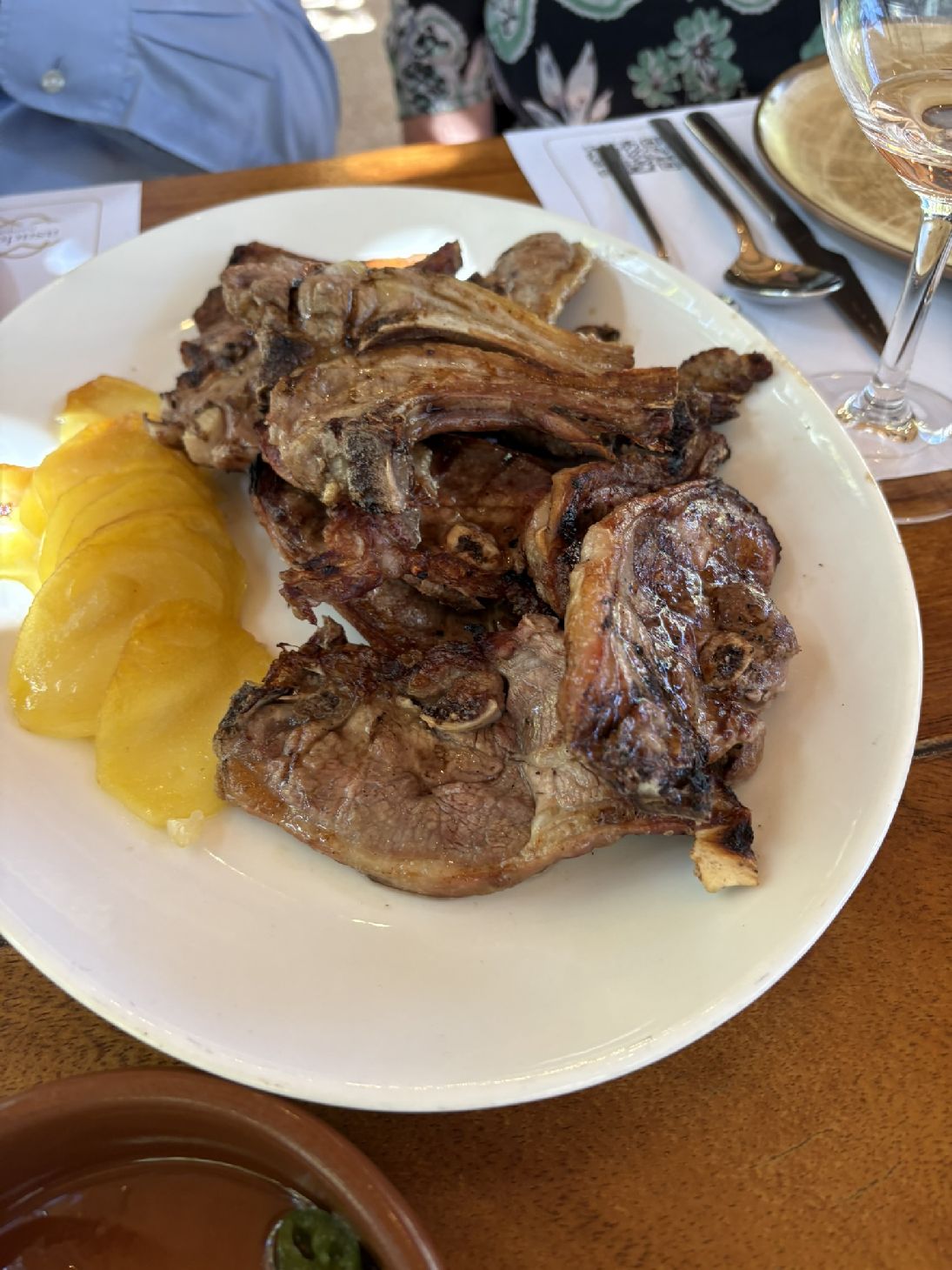
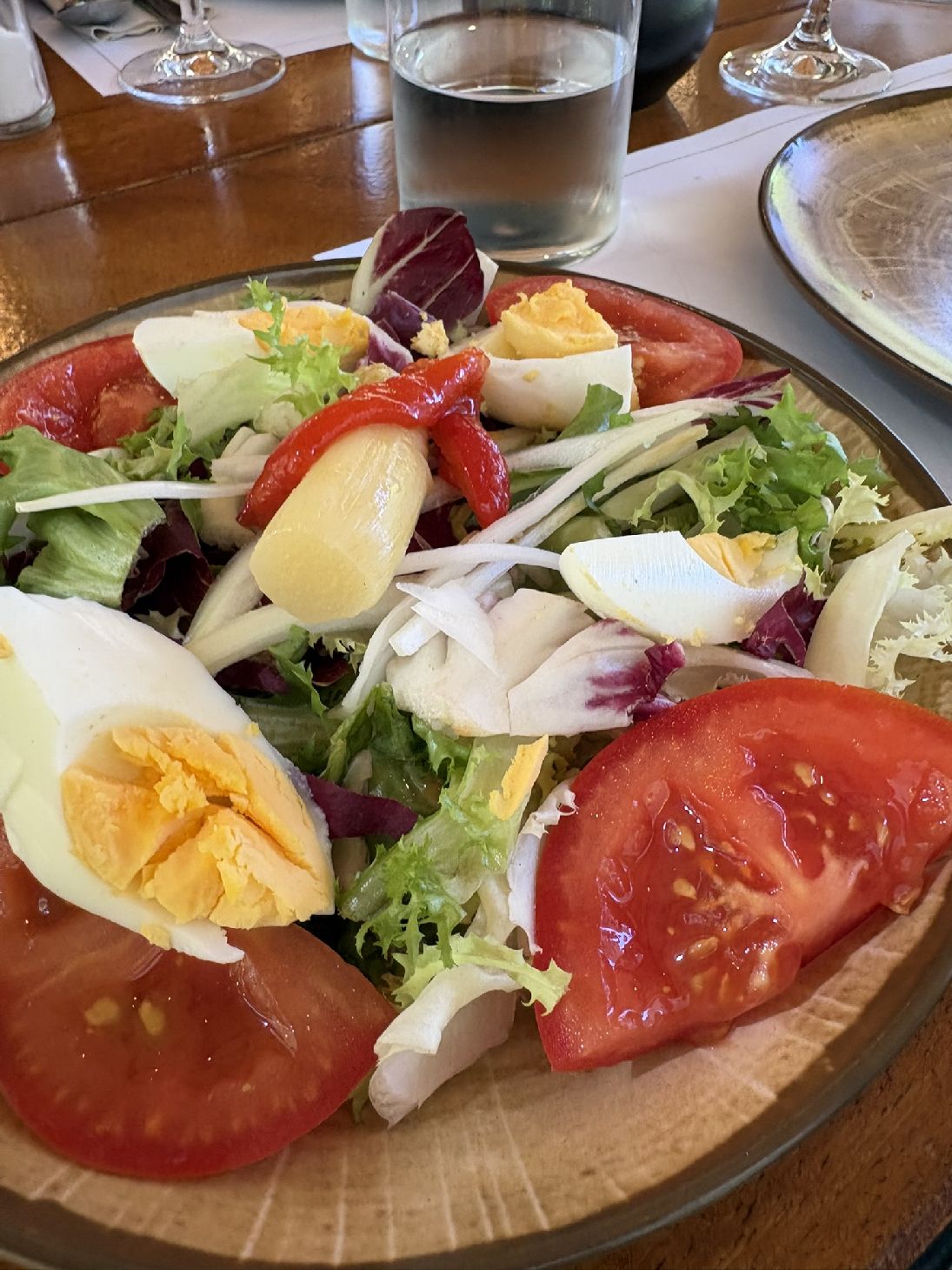
The result was a fresh, verdant salad, and a fabada (the local bean stew) that was unctuous, rich in flavour, but thankfully not stupidly big, followed by a vast platter of some of the best flame-cooked lamb chops I have ever tasted. We left nothing but the bones!
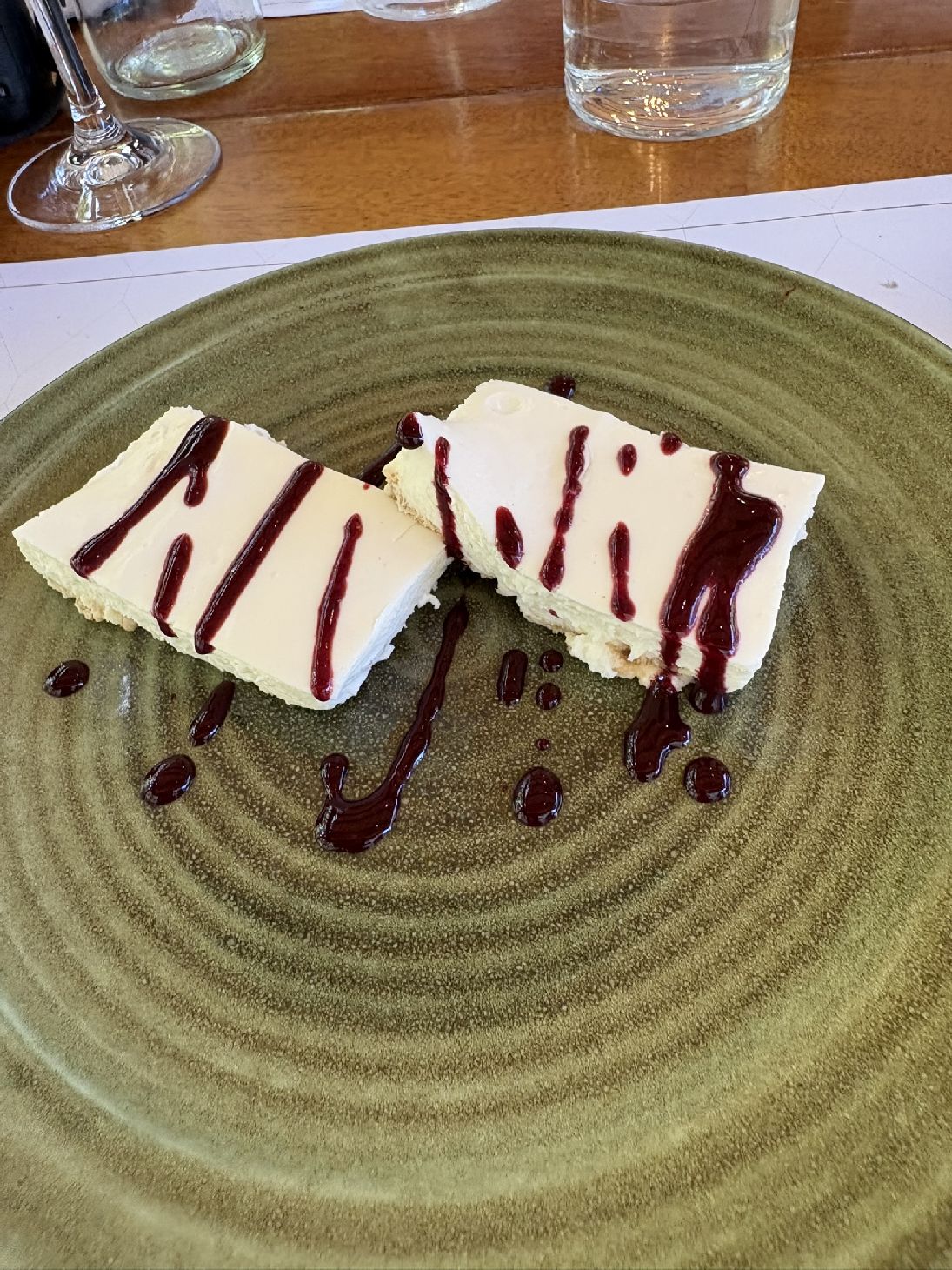
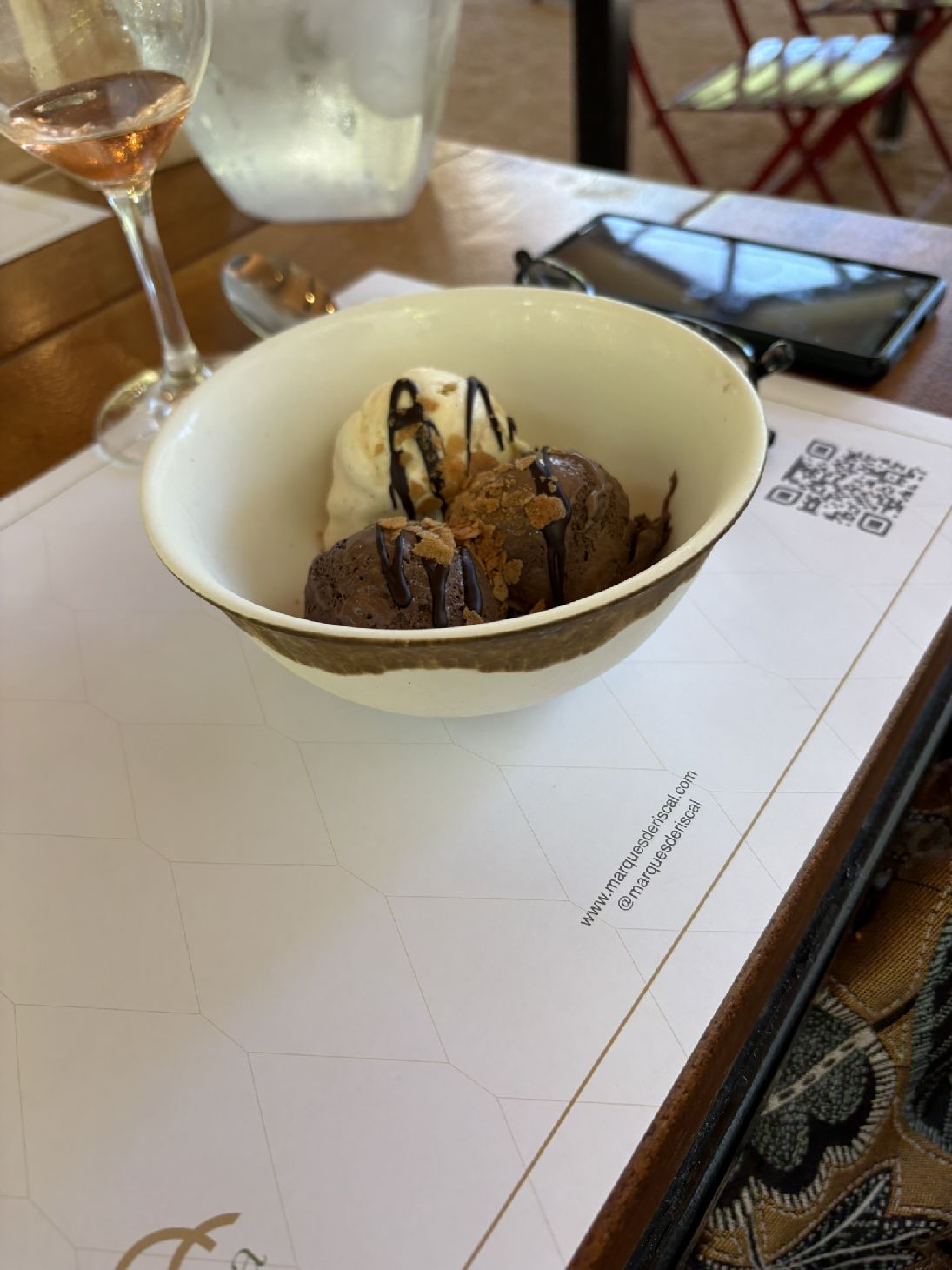
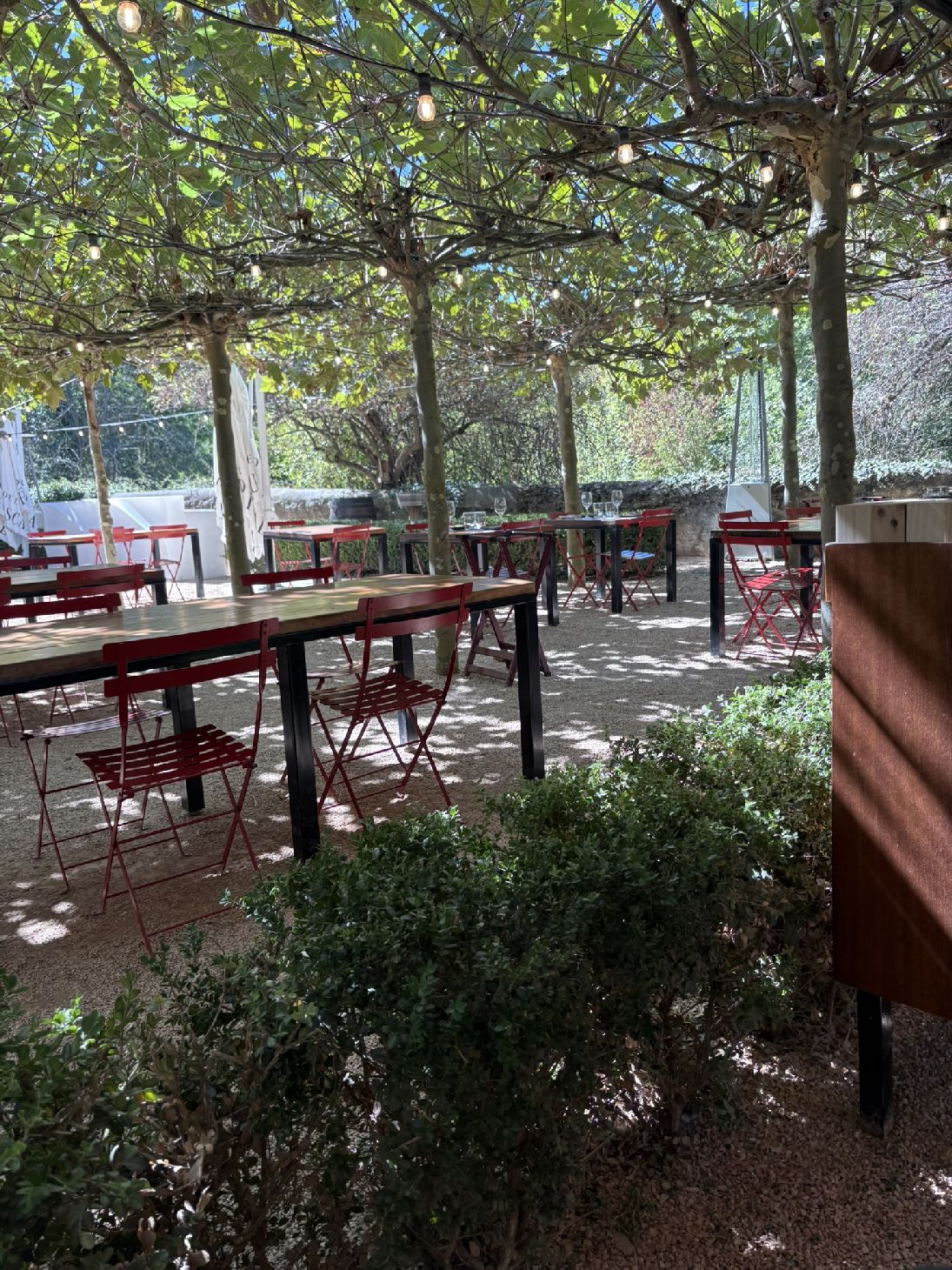
Finishing off with ice cream, we debated whether to spend a couple of hours nosing around Elciego, or whether to head up to Laguardia, which looked like it might be the more interesting of the two options. Narrow medieval streets and an amount of altitude seemed like the sensible option in the afternoon heat.
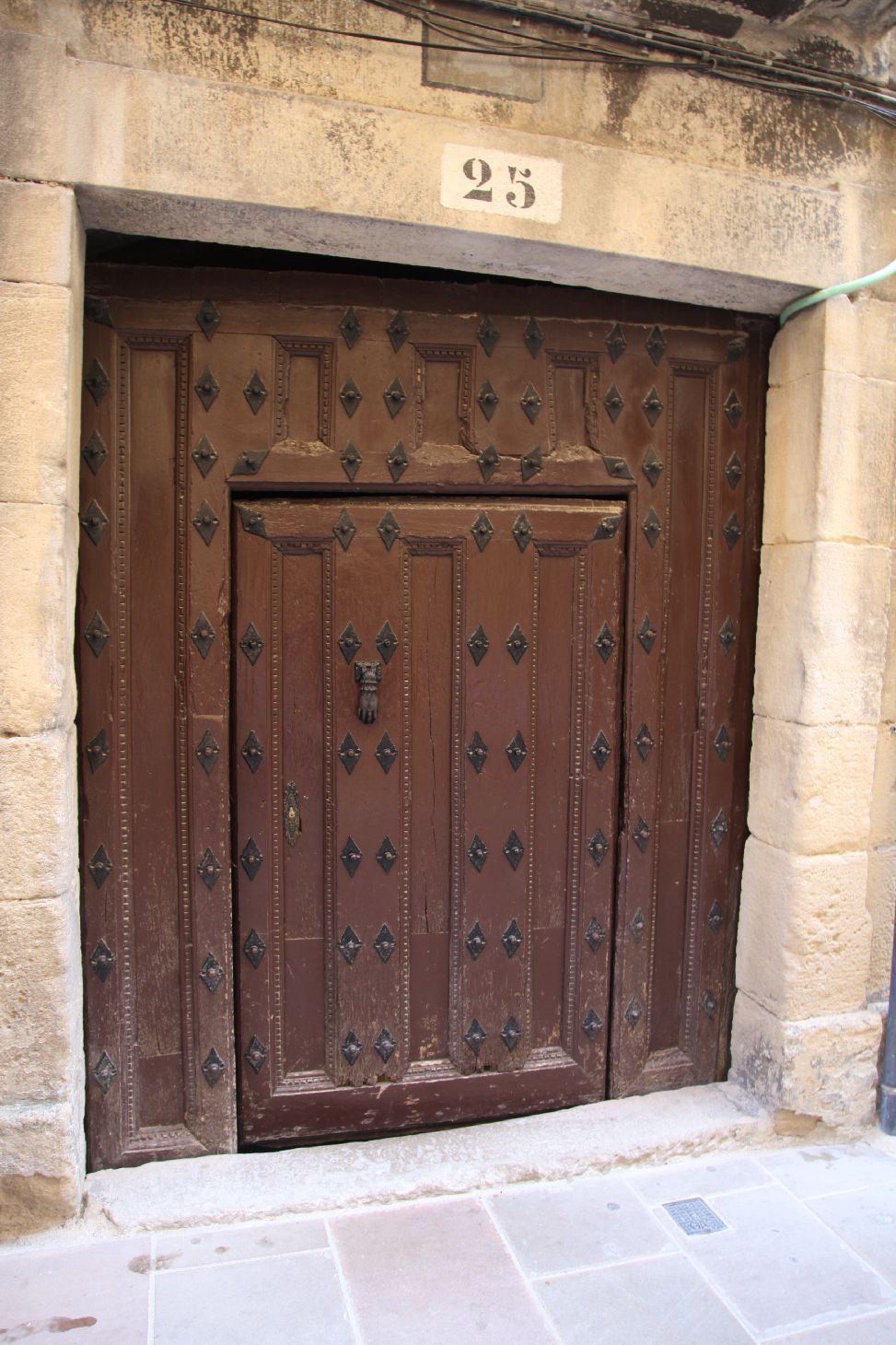
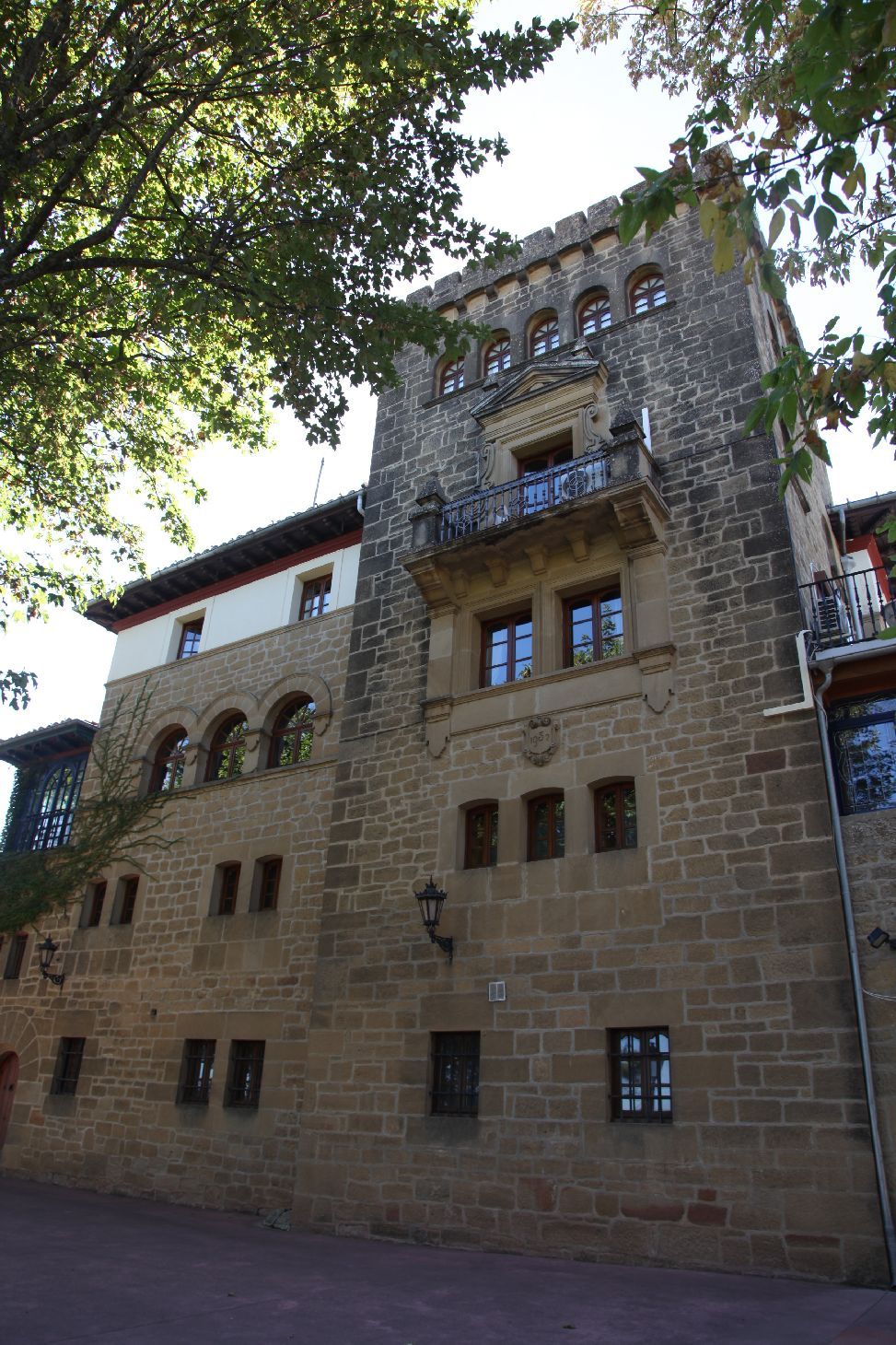
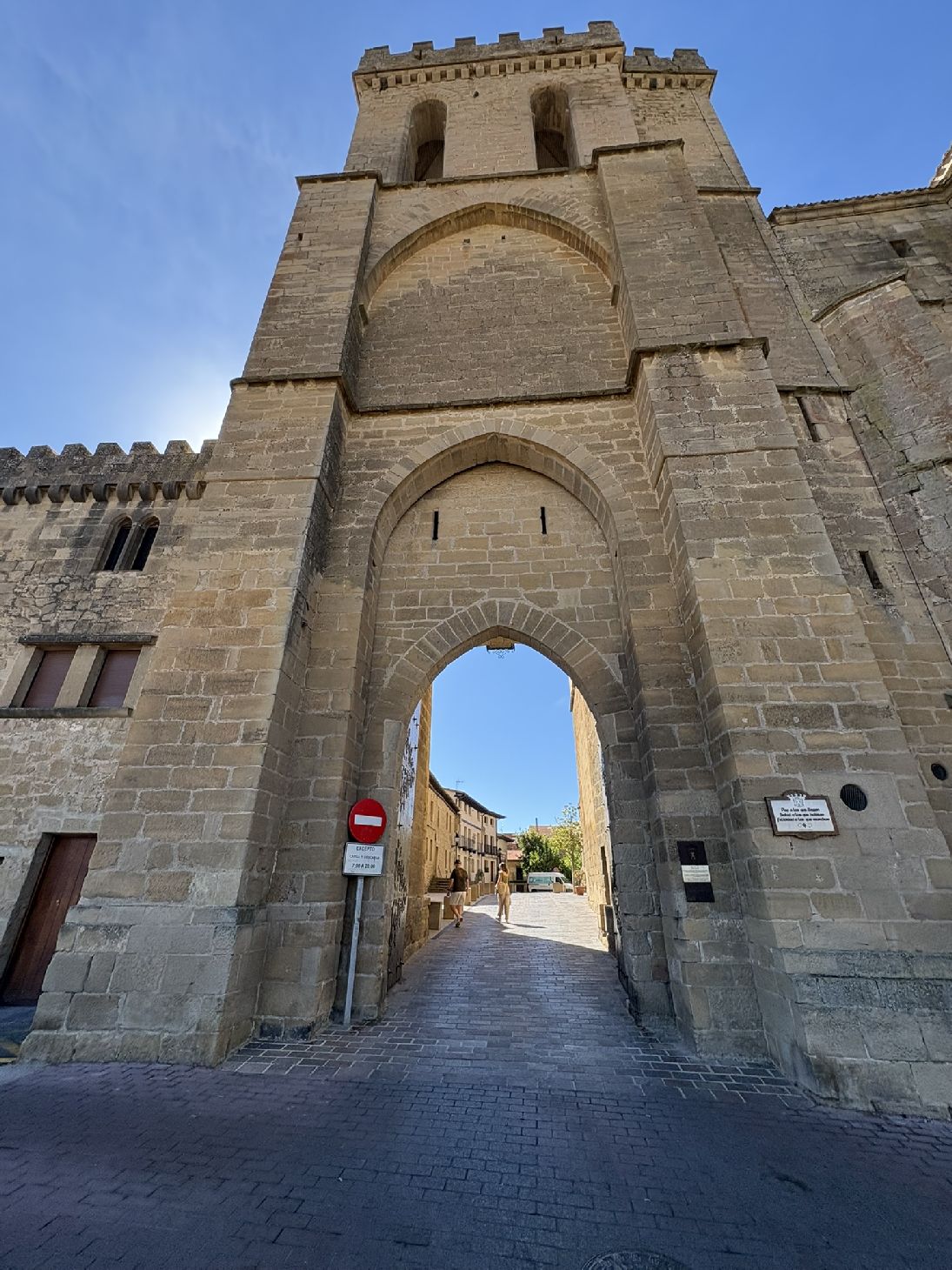
Laguardia (Guardia) with its population of around 1500, sits on top of a hill, surrounded by walls built by King Sancho the Strong, and with its five gates (Mercadal, Carnicerías, Páganos, San Juan, and Santa Engracia) still very much in tact if not fully functional! Surrounded by wine country, the town felt sleepy when we arrived. Given its geographical prominence, it’s no surprise that there has been a settlement here for a very long time, since at least the 12th century BCE, if the archaeological site at La Hoya is any indication. The town of Laguardia itself gas a history going back to at least 1164 when it was granted certain privileges by the king of Navarre, Sancho VI “El Sabio”.
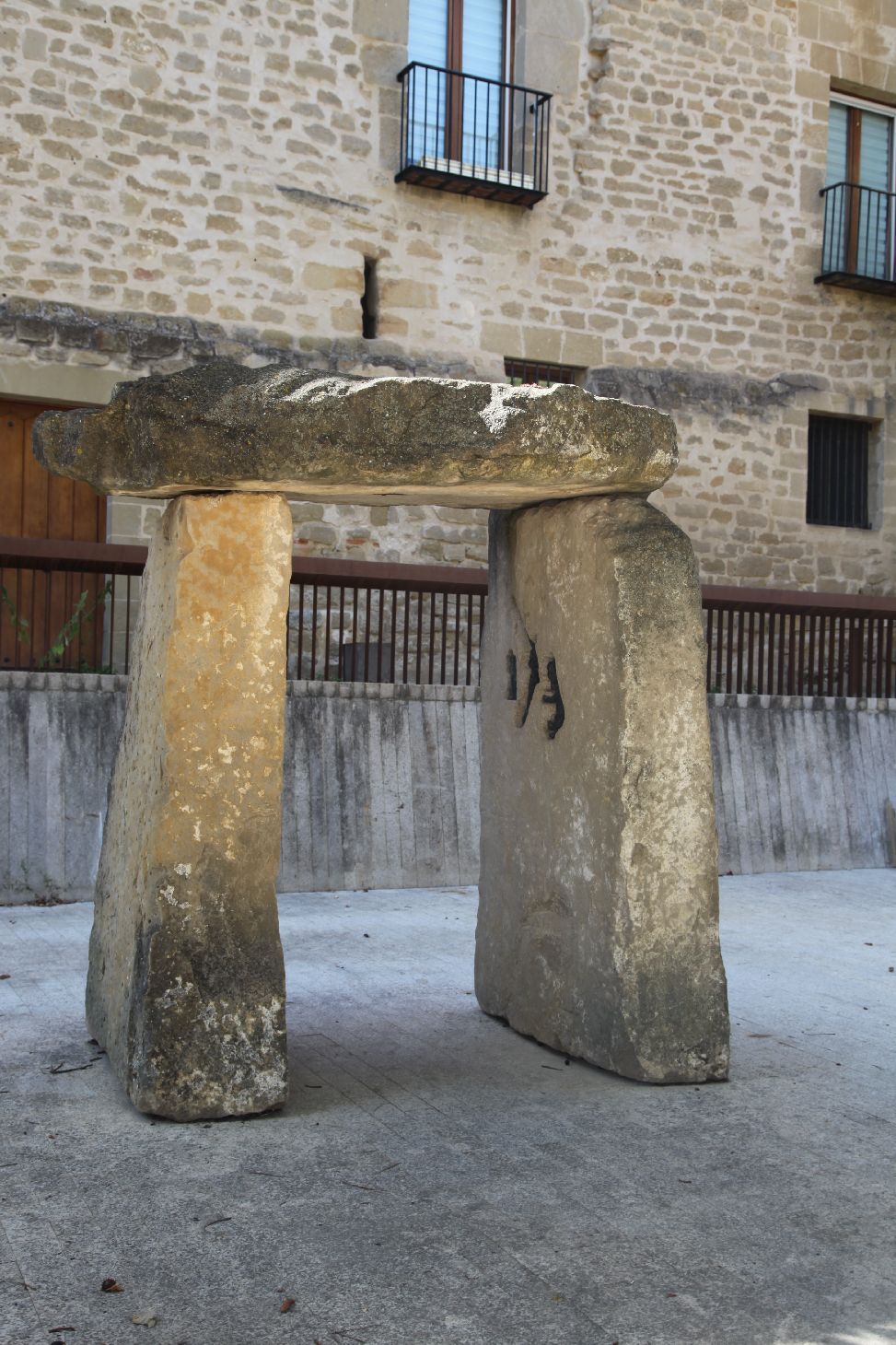
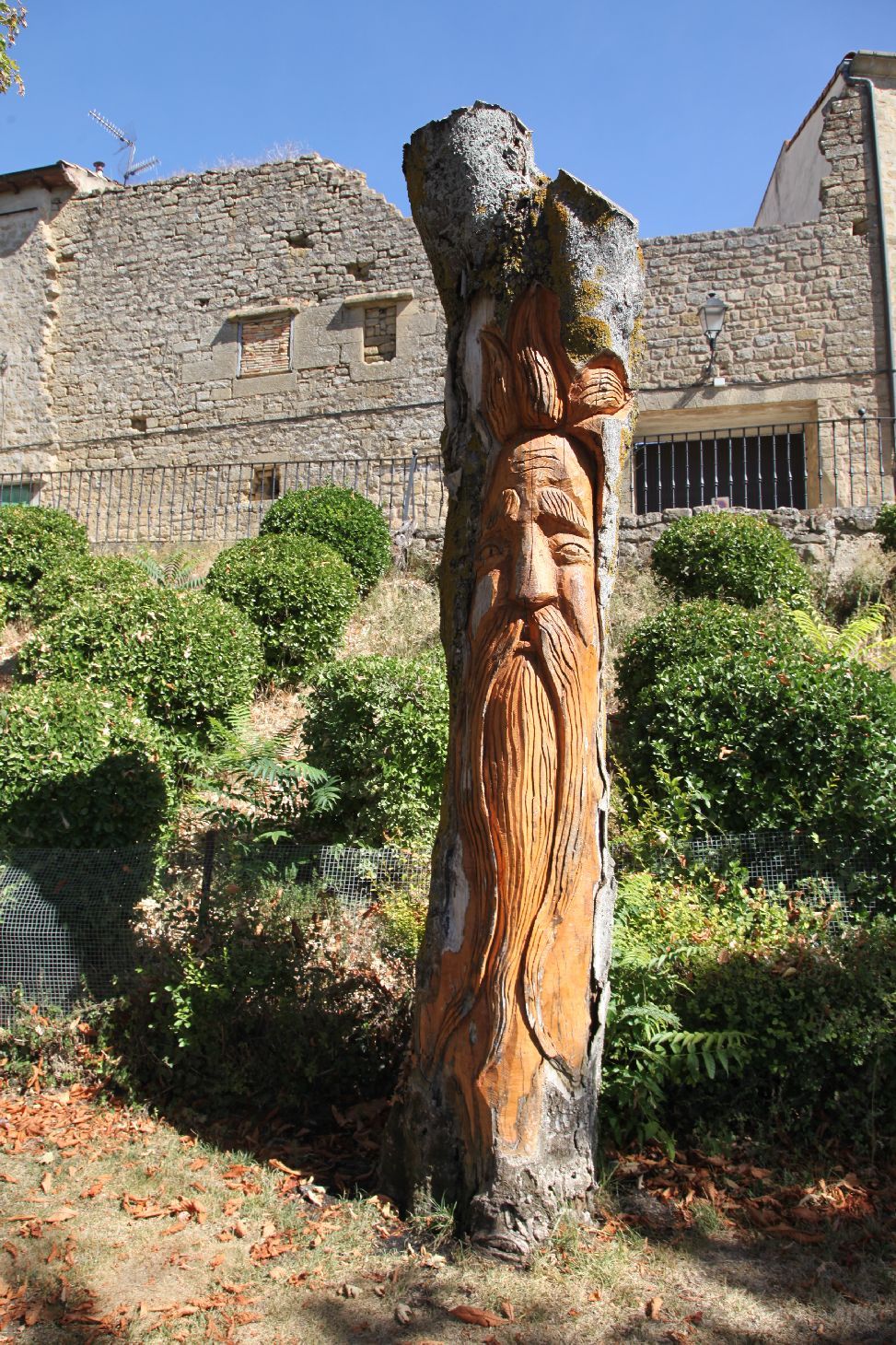
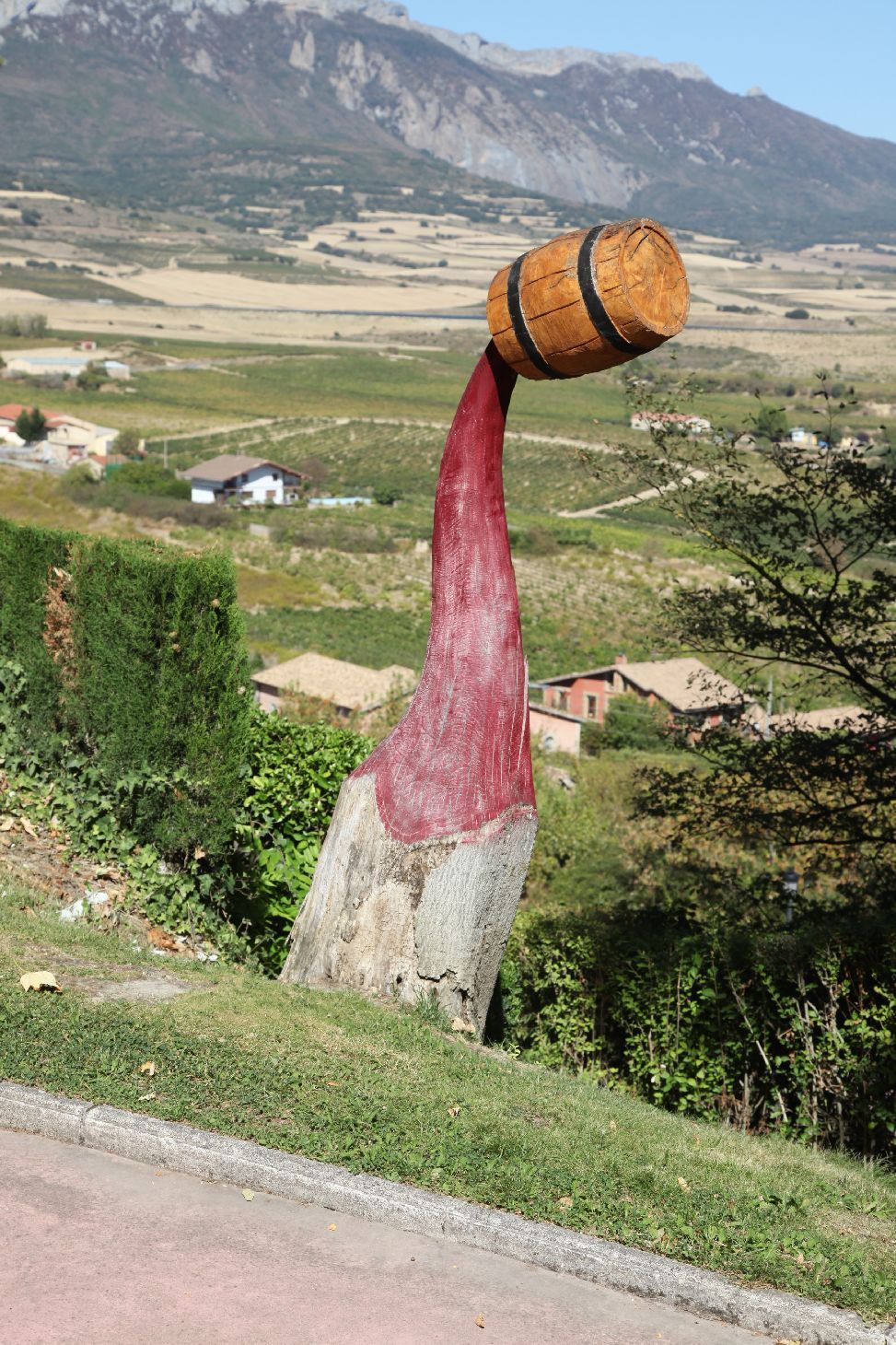
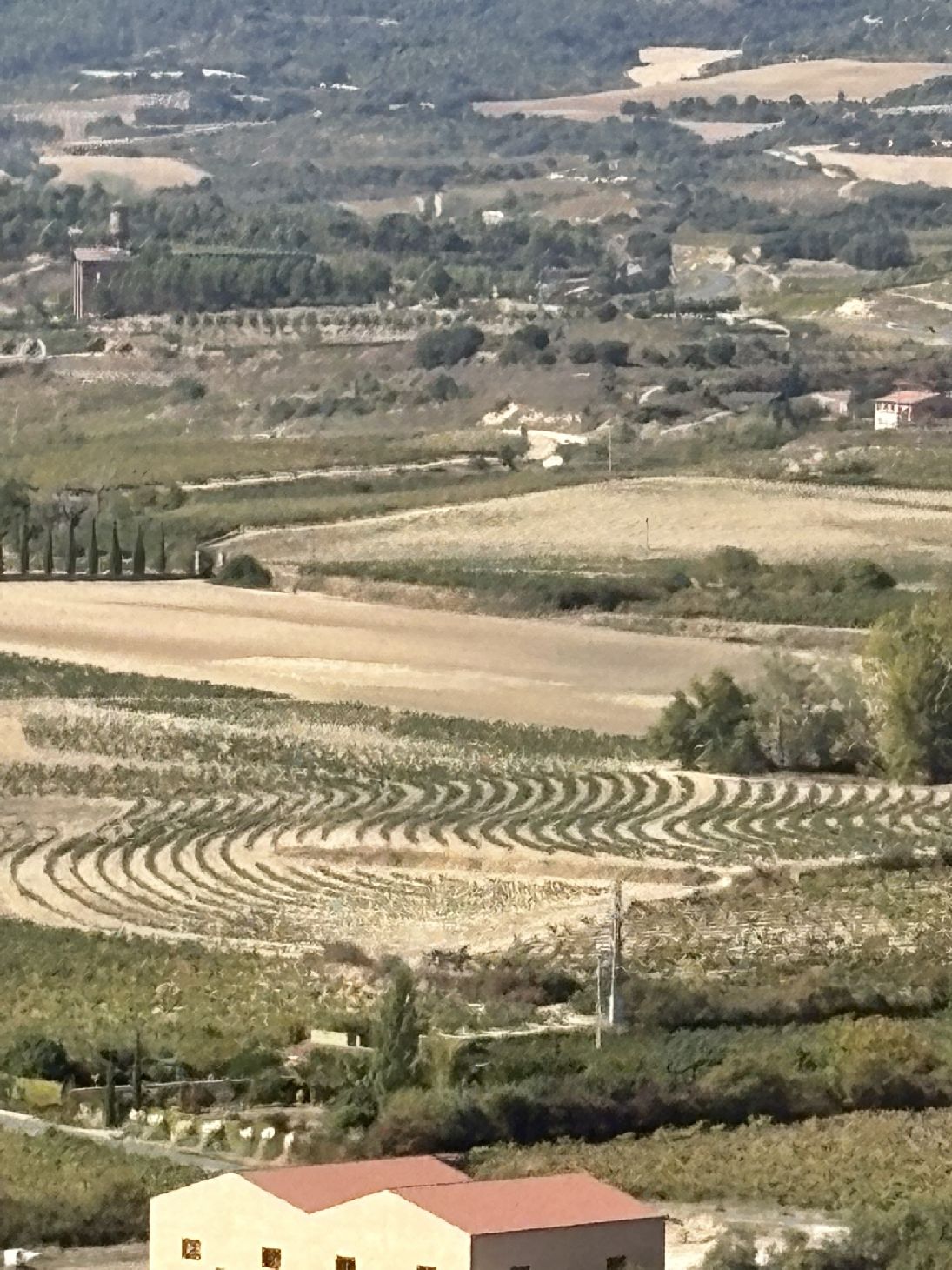
We started our investigation by walking the ramparts from where you have fabulous views out over the vineyards, with views of both Marques de Riscal and Ysios among others, all the way to the Sierra de Cantabria mountains to the north. A feature of the pleasant walkway laid out around the exterior of the walls was the carvings that had been made from what I assume were trees that had died either form storm damage or age. They were fancifully made, all sorts of creatures, faces, scenes of local life, preserved in wood for everyone to enjoy.
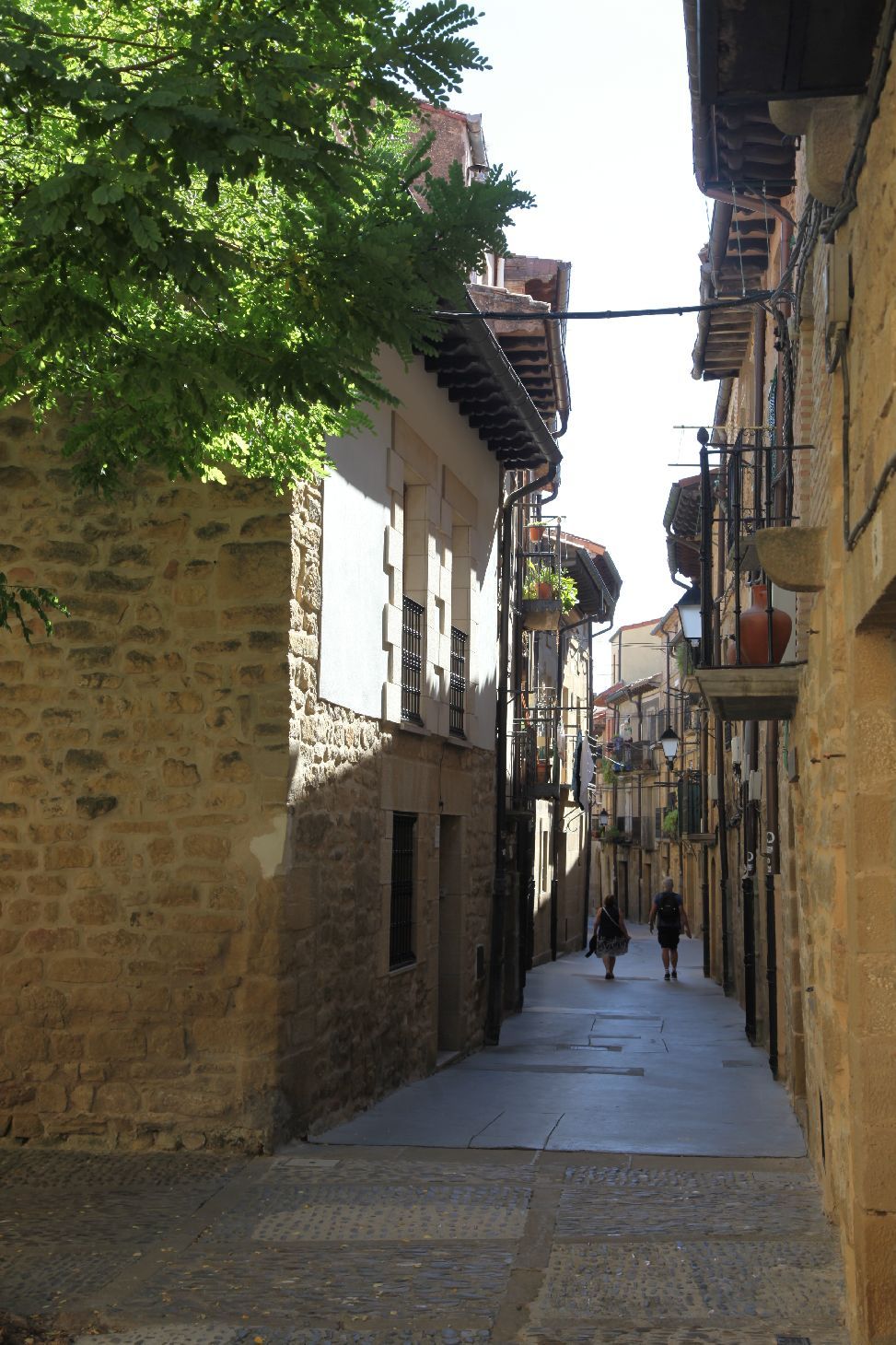
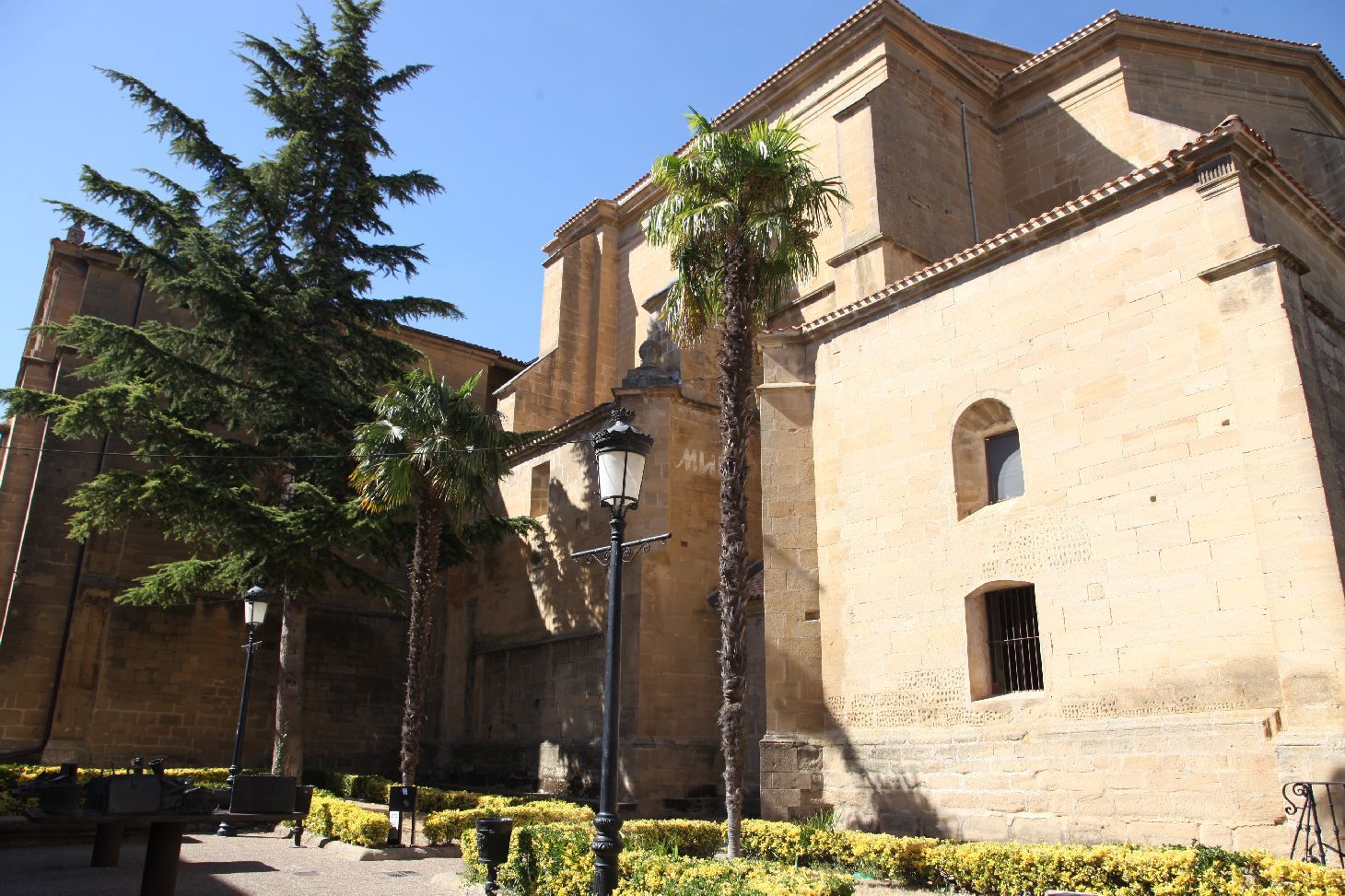
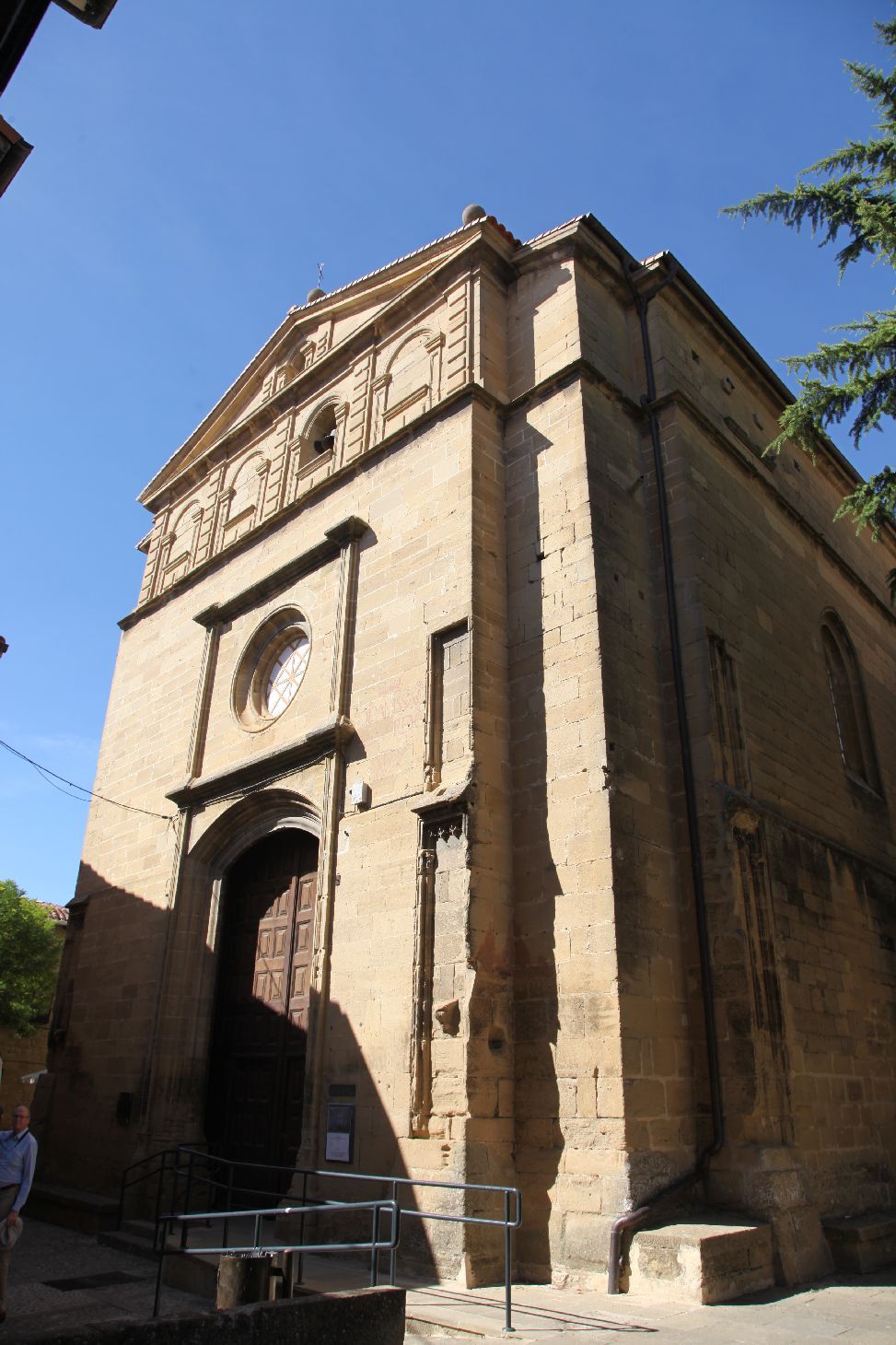
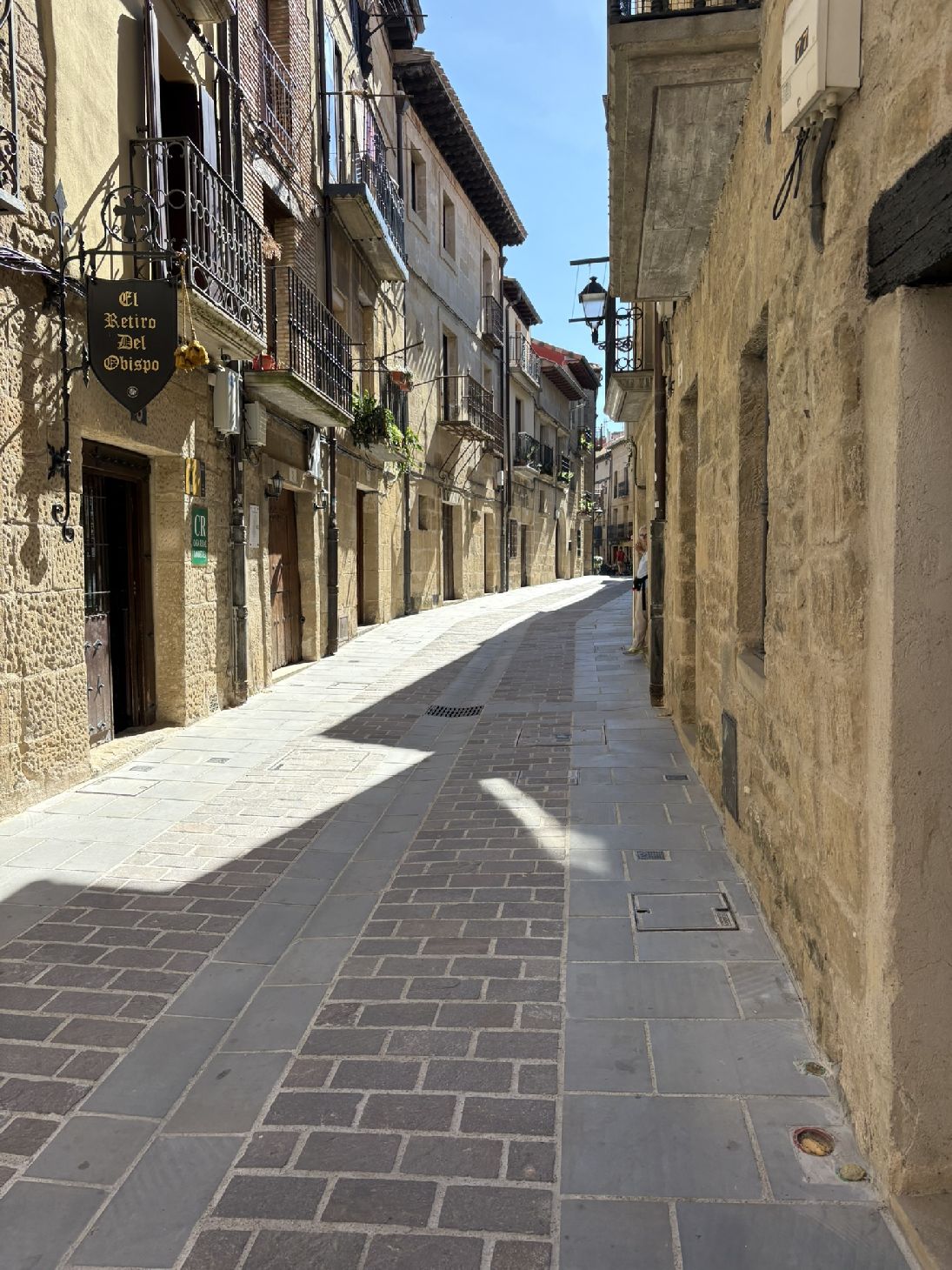
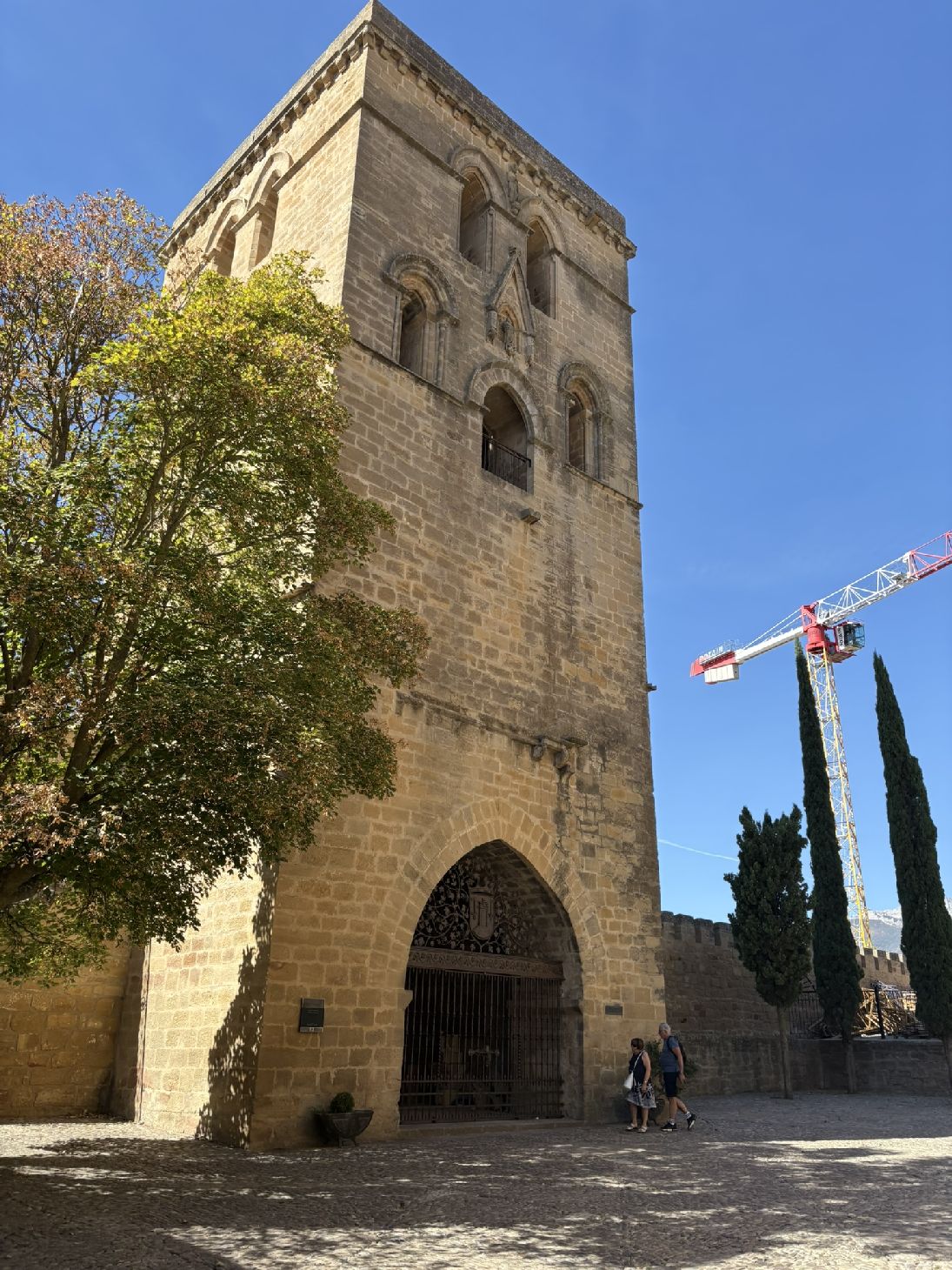
Once through the 2-metre thick walls, we found a series of narrow streets which every so often opened out into plazas in front of churches which were not open at the time we were thee. This was very much becoming a theme of the holiday. We had to settle for admiring them from the outside. The two main ones are the Church of Santa Maria de los Reyes, which may have started as Templar monastery and which is alongside the Tower of Santa Maria where it is believed the abbot lived, and the Church of San Juan, at the opposite end of the town, which started out Romanesque but was finally completed in the Gothic style and which has a bell tower repurposed from an earlier castle. You can also admire the Romanesque Hermitage of Santa María de Berberana, the new and old (Renaissance) town halls, and the Capuchin convent.
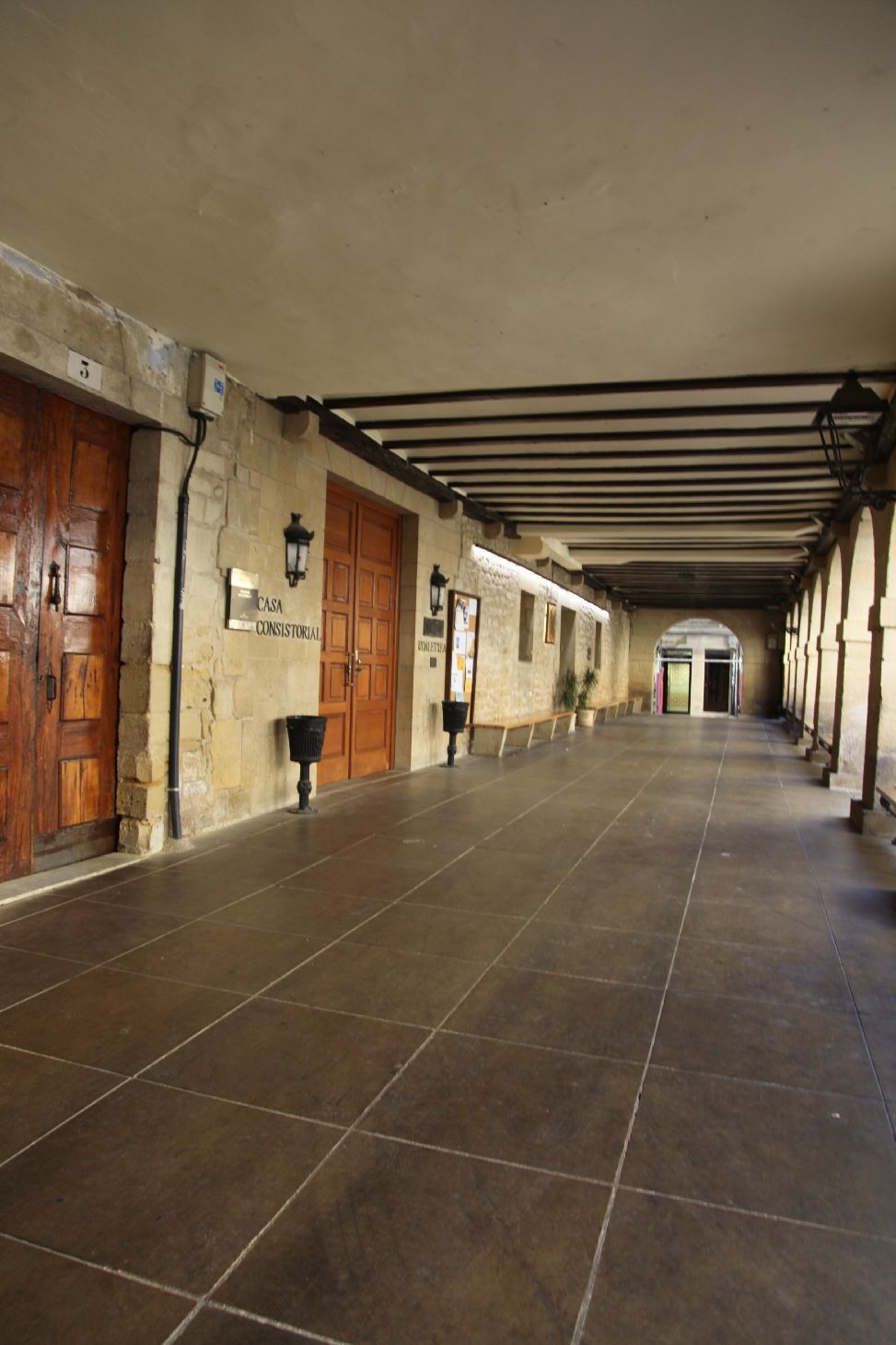
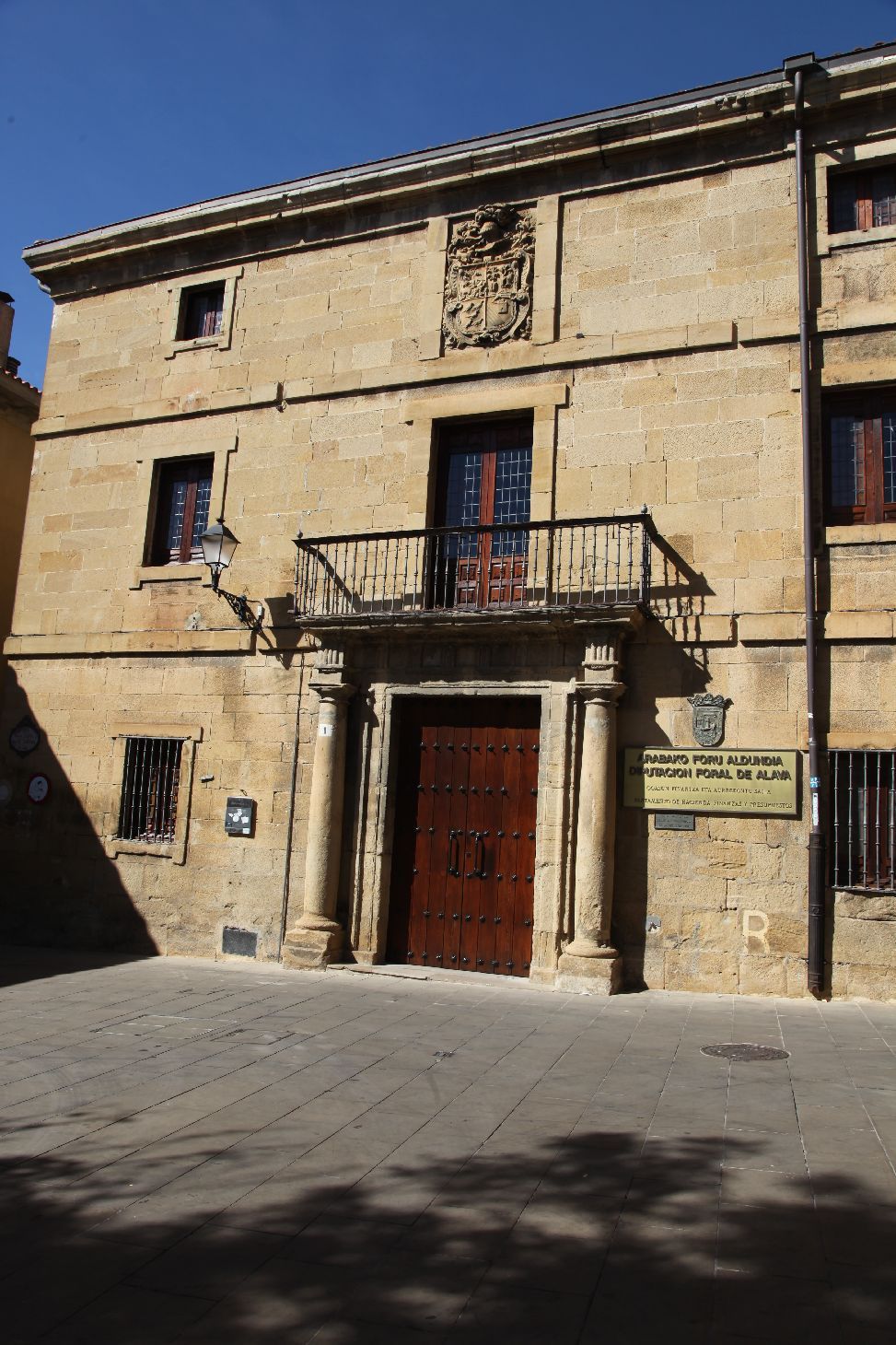
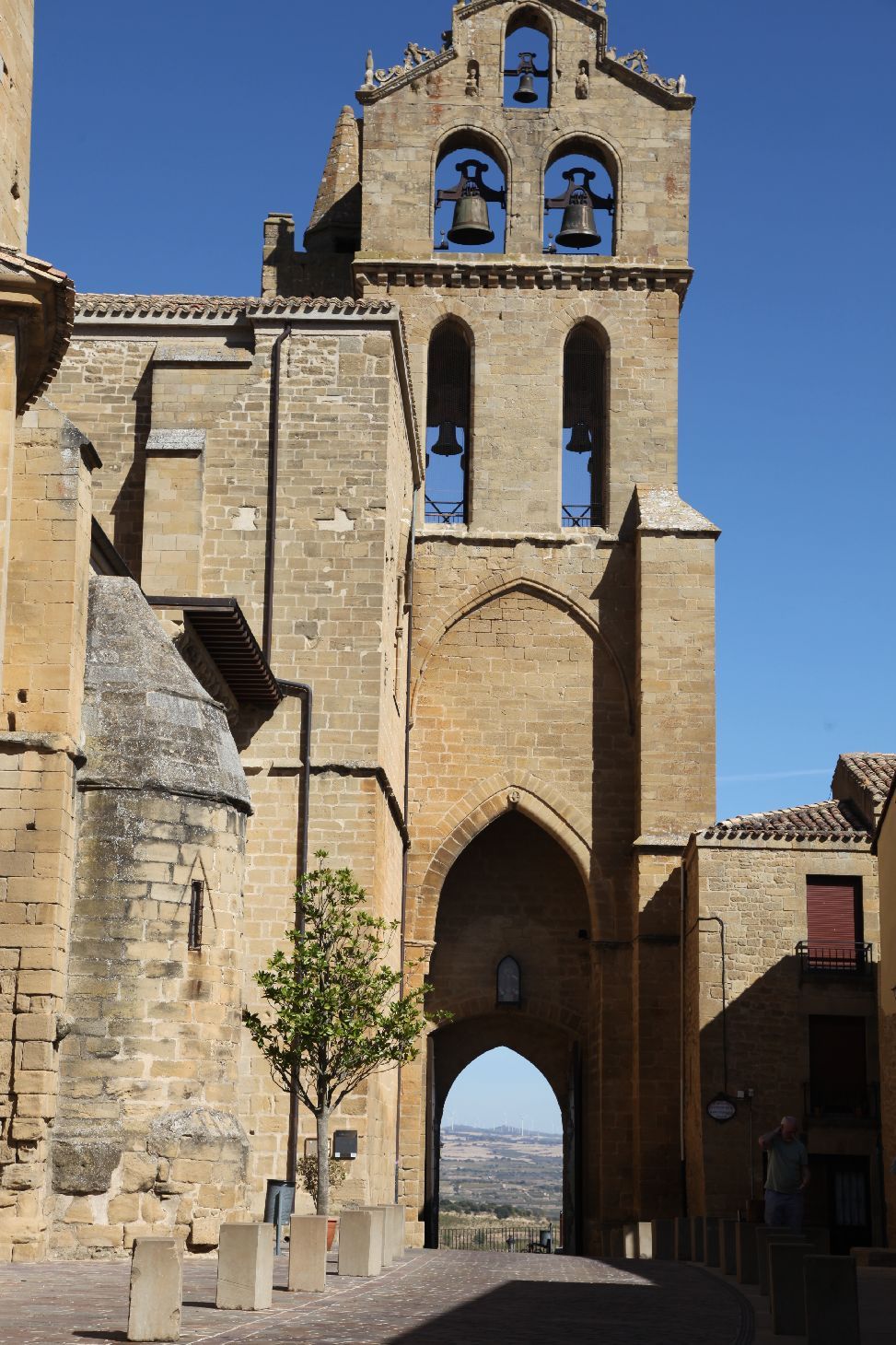
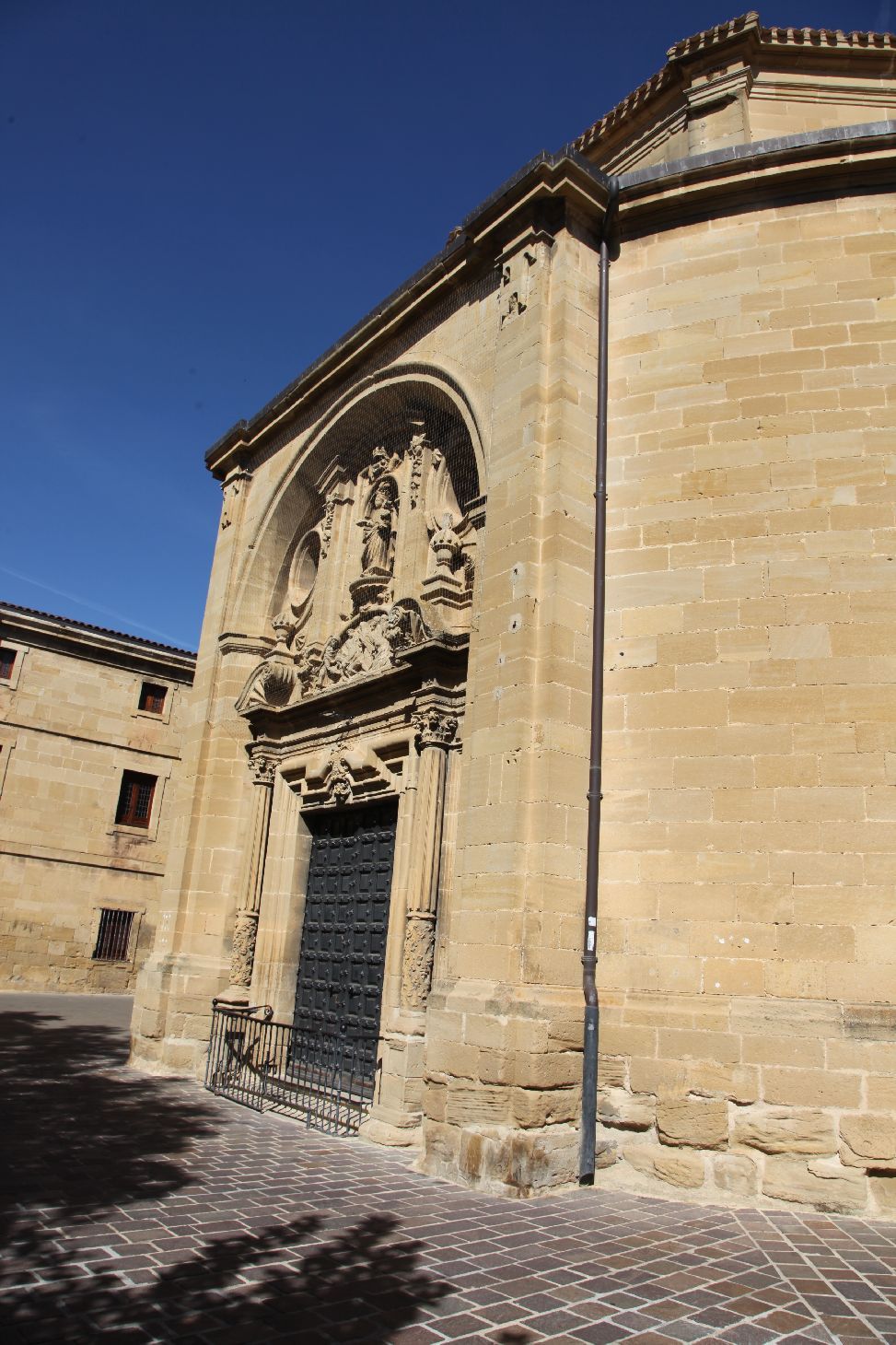
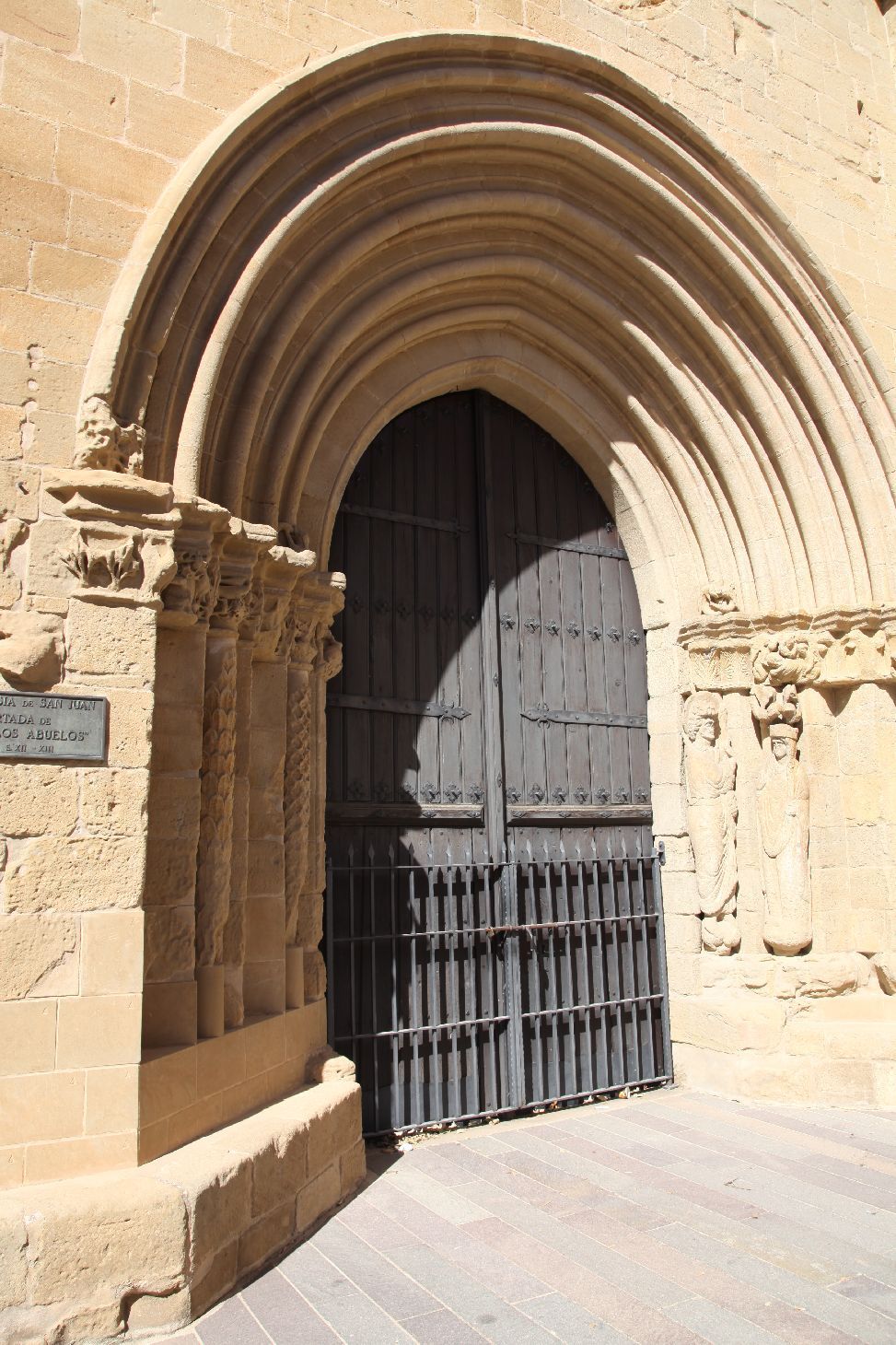
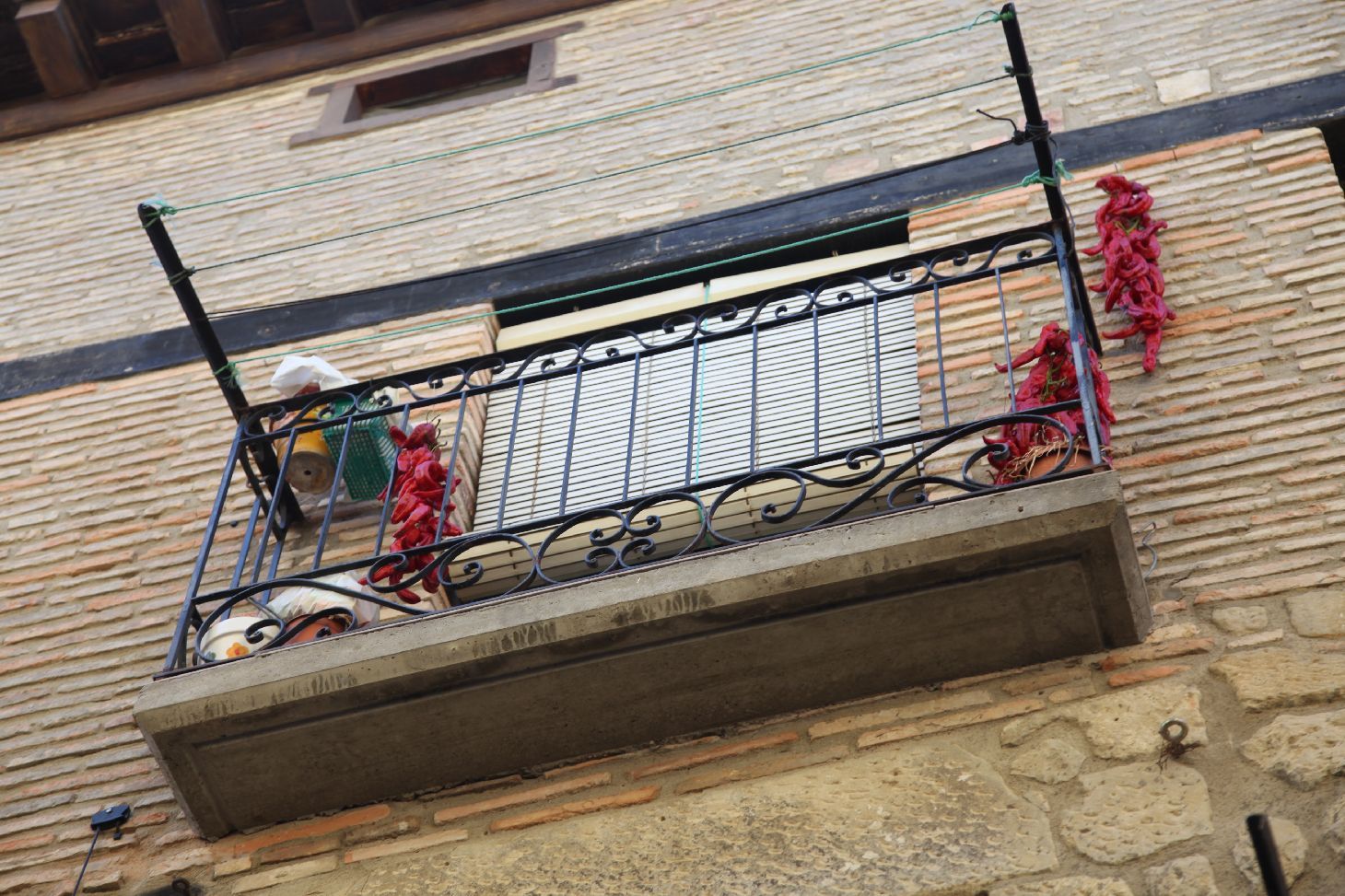
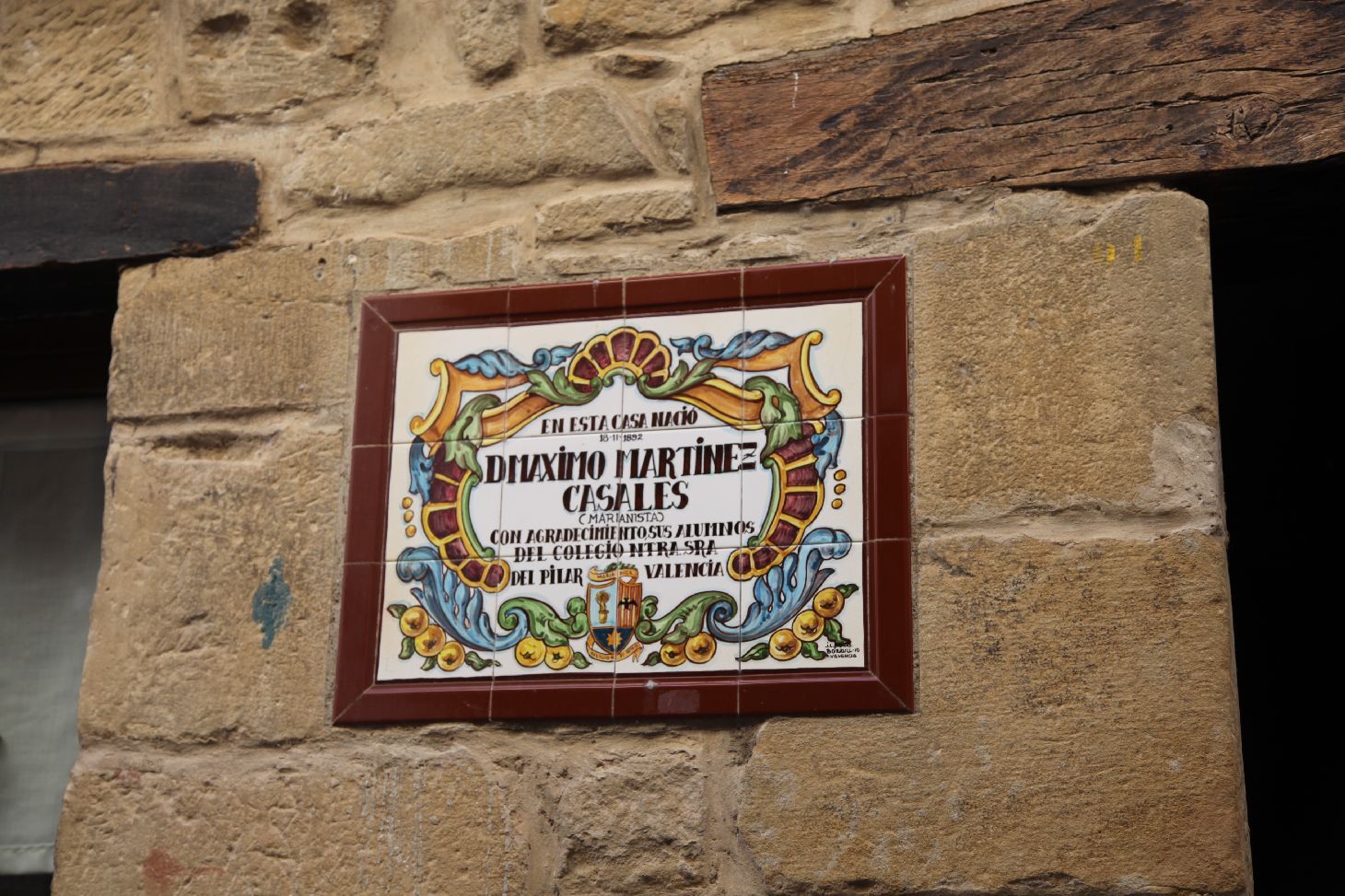
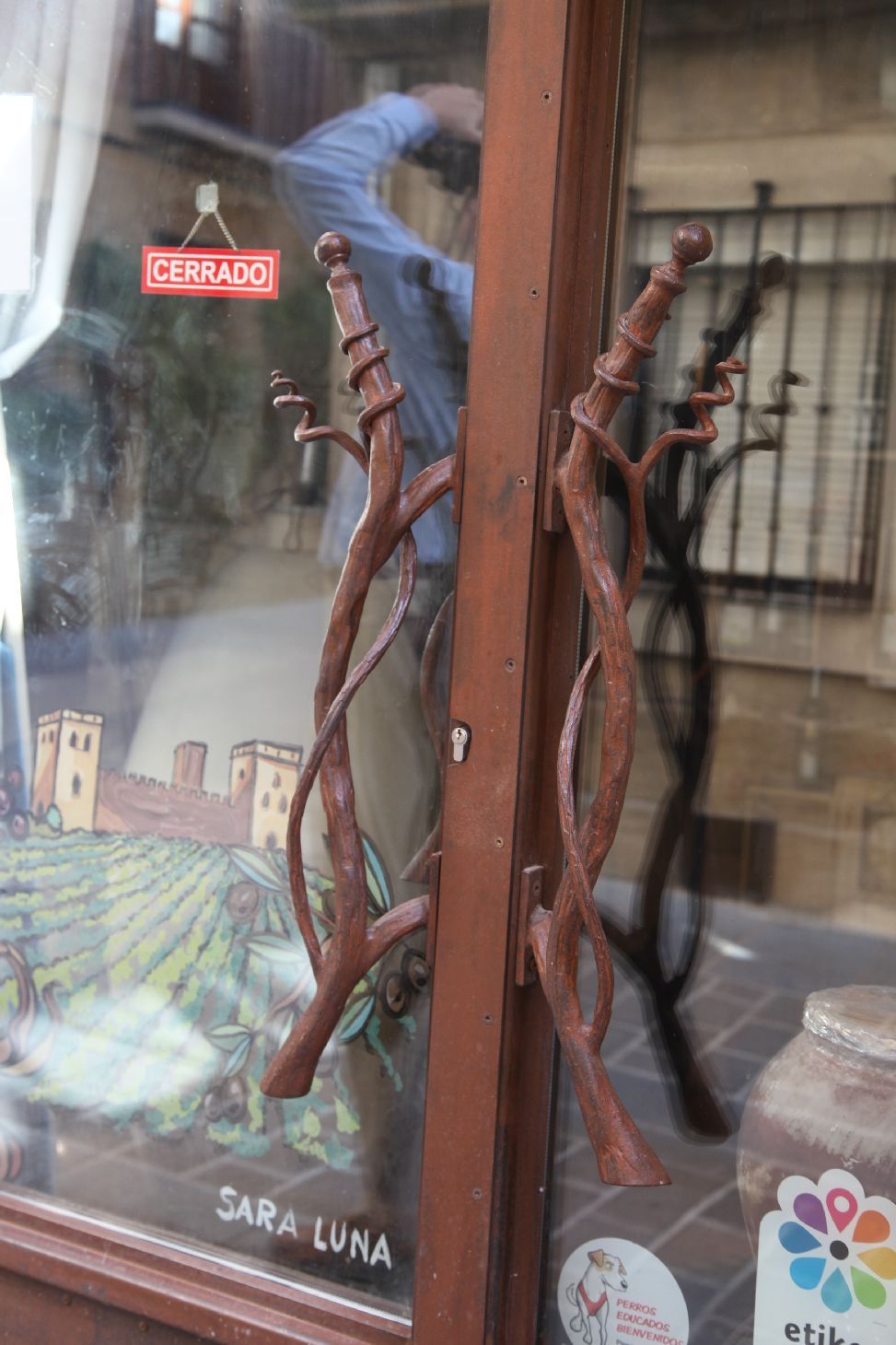
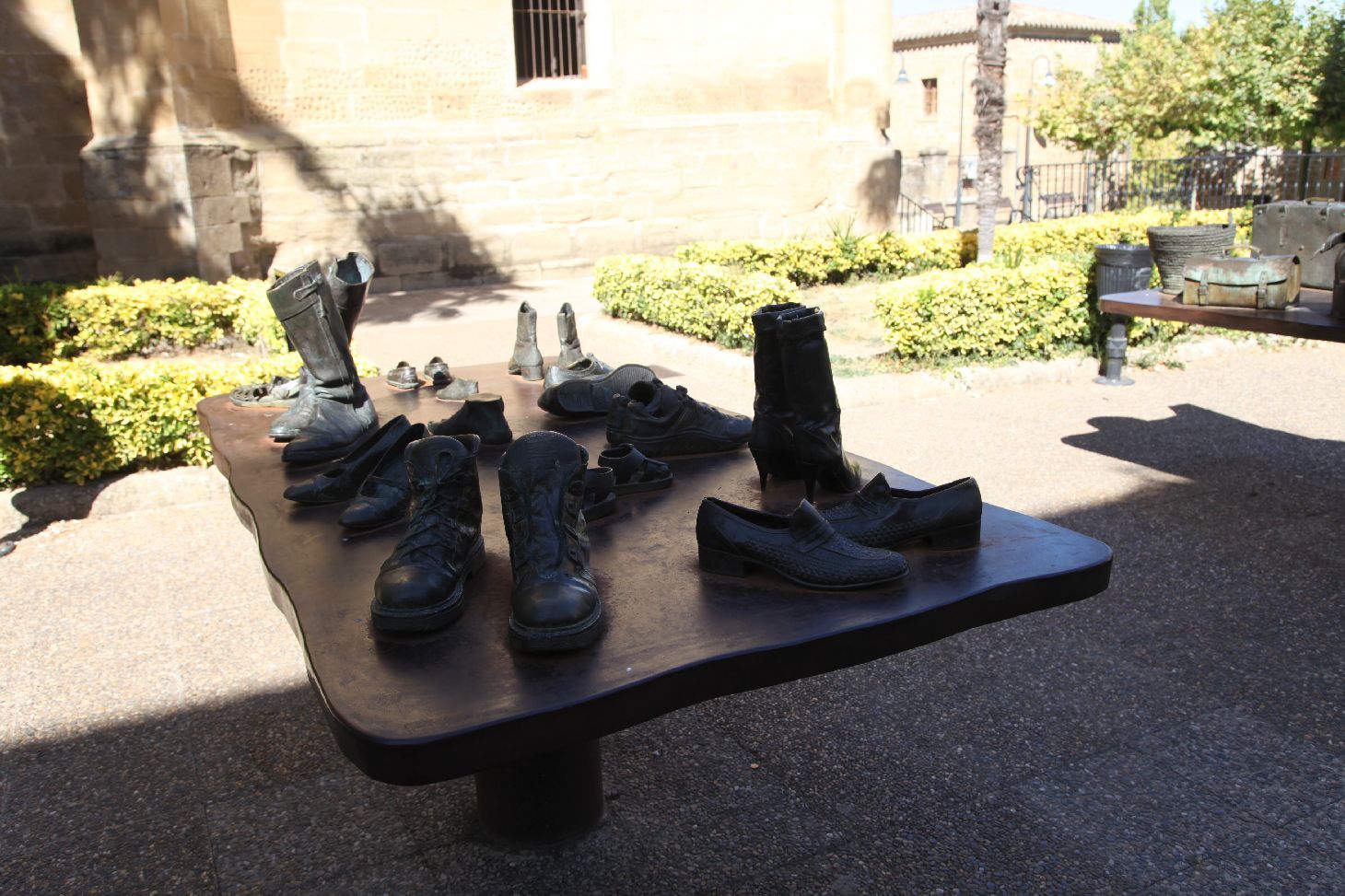
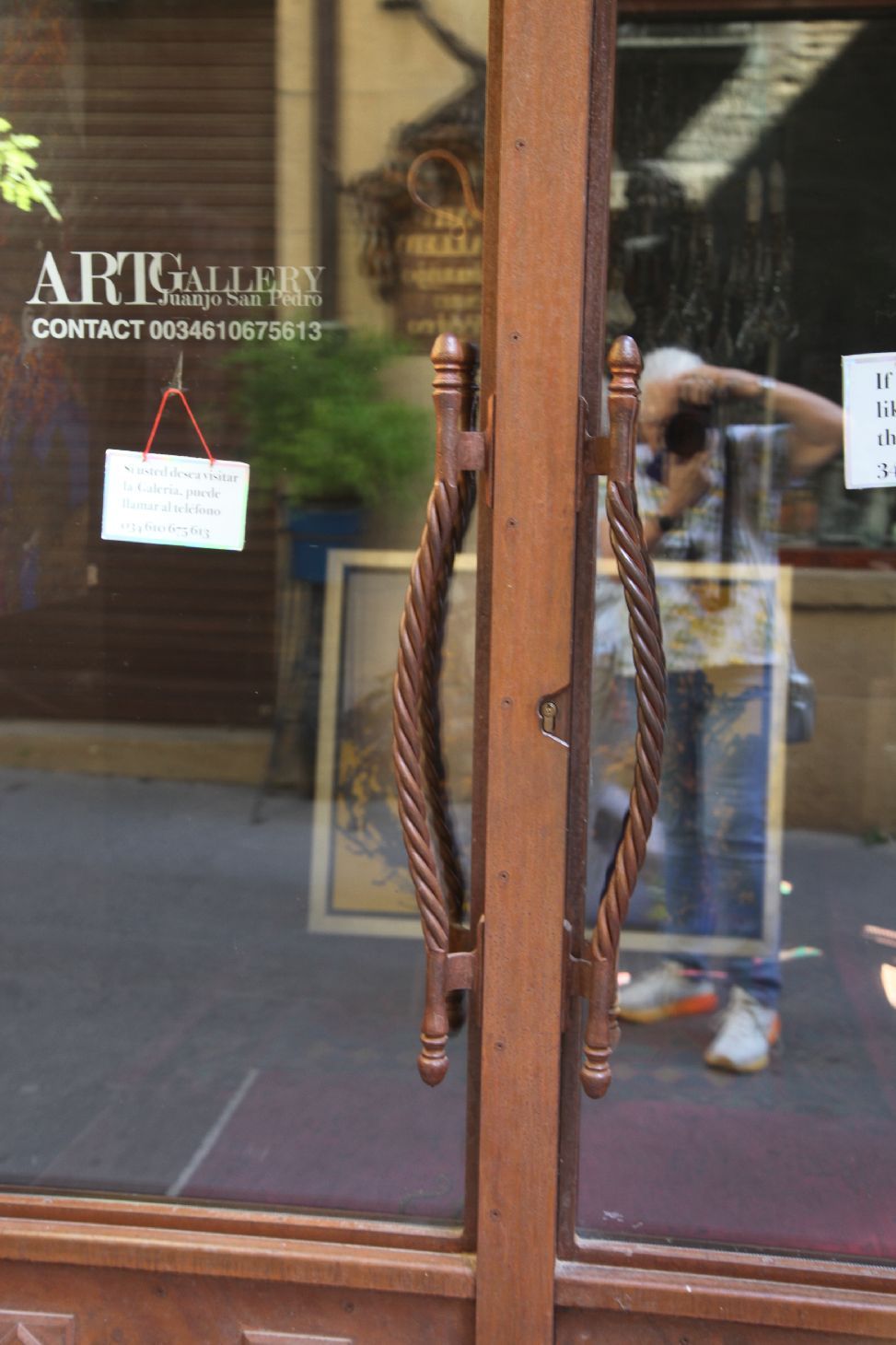
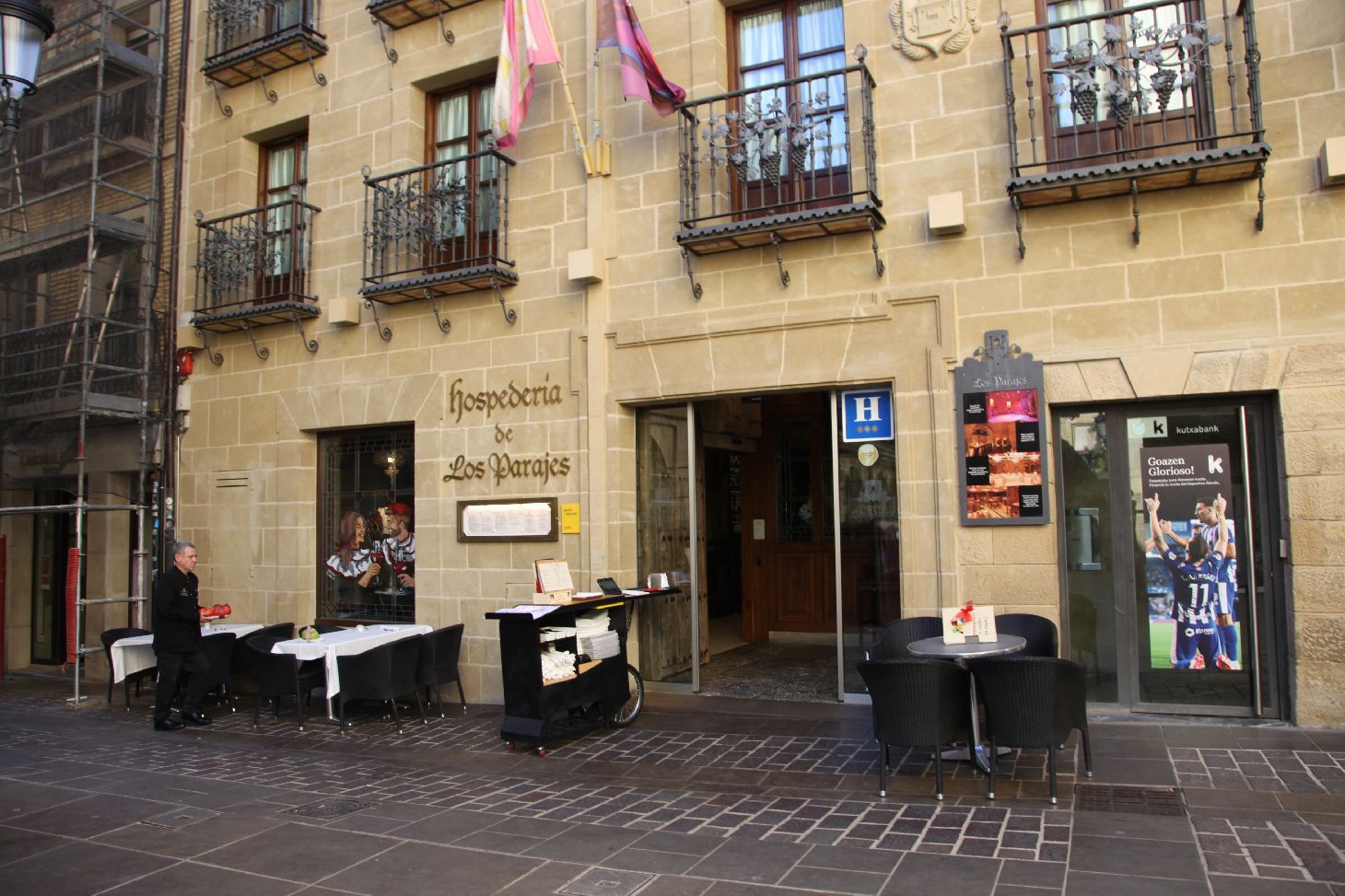
In this, the birthplace of Blanche of Navarre (1133–1156), Queen of Castile, you can also enjoy the smaller details like the fantastic door handles of carved wood, the balconies that sprout everywhere, peppers hung up to dry in the sun, the coats of arms on many buildings, and the memorial to the pilgrims of the Camino.
I was disappointed not to encounter any music though. Apparently, music has long been part of cultural life here, especially in the shape of the bagpipes. Several generations of bagpipers have contributed to the development to the Day of the Piper (on the second Sunday in May), one of the most important local festivals held in honour of pipers who reside in Laguardia and the surrounding area. I really would have liked to hear them.
With time running out we had to go and get back in the car (thank god for air-conditioning in cars) and head back to Bilbao, but not before a stop for wine shopping back at Marques de Riscal. We spent some time debating how much wine we could actually get in the car – answer, not as much as we would have liked – before making our purchases, loading up, and heading north.
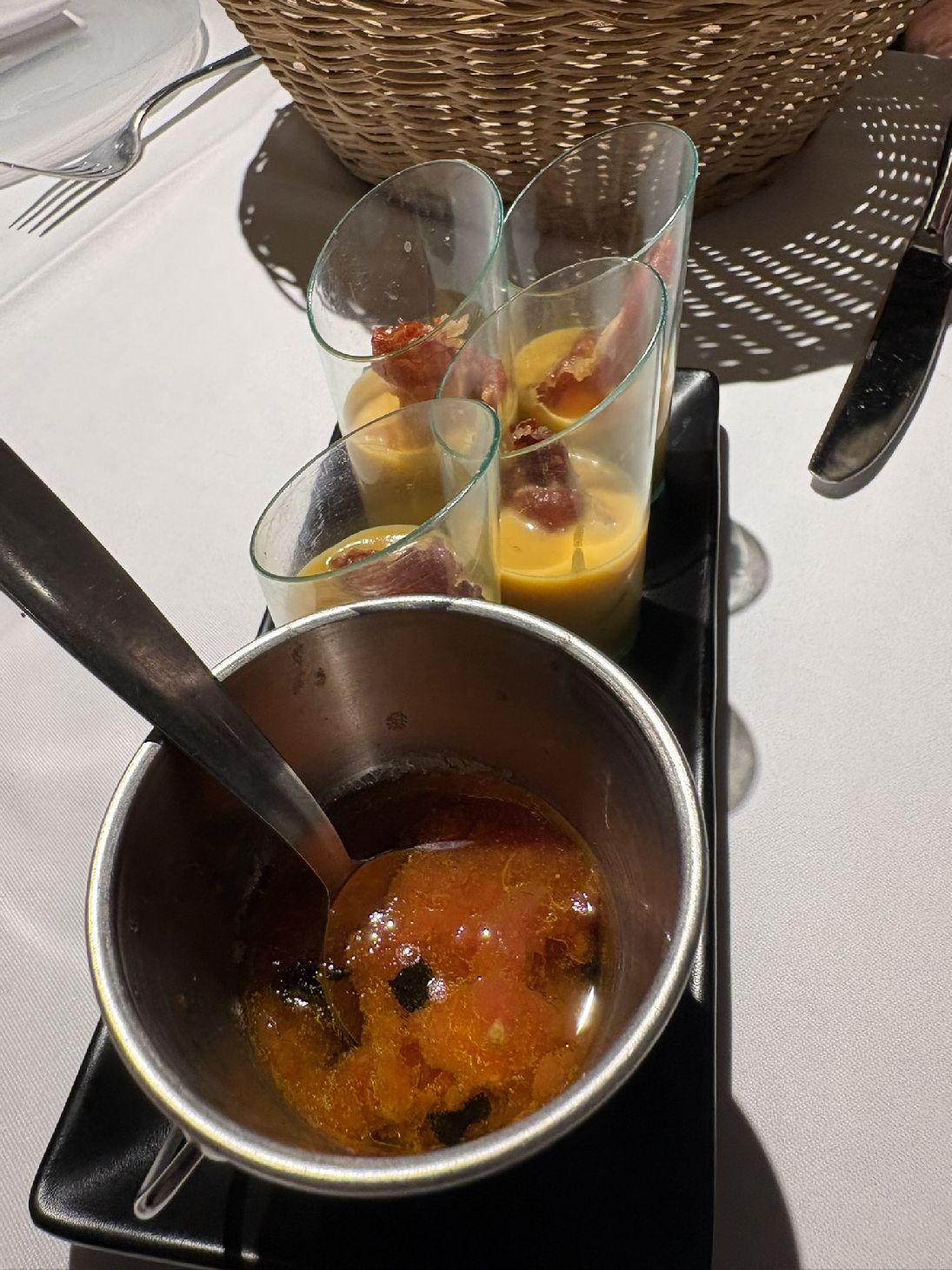
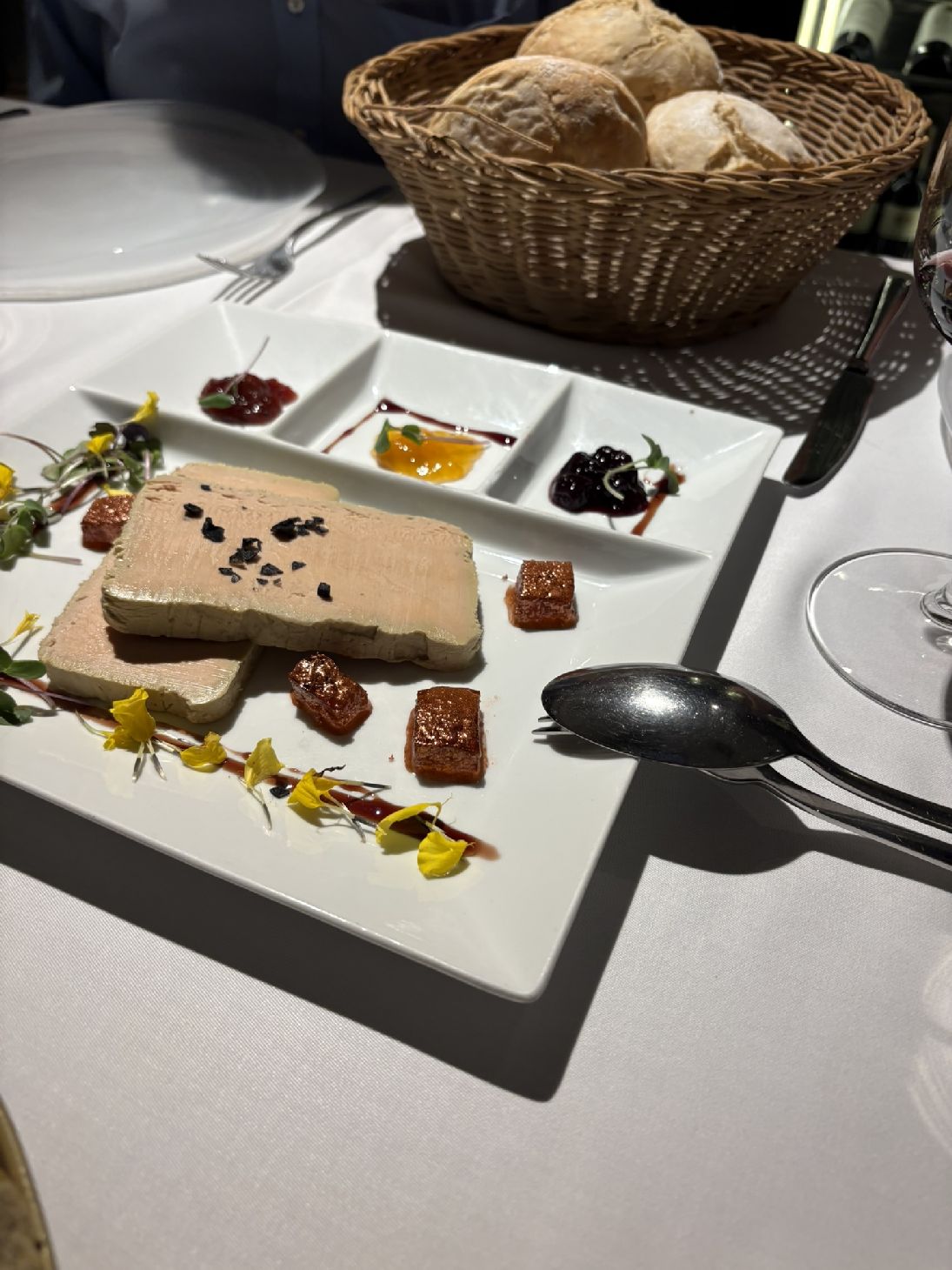
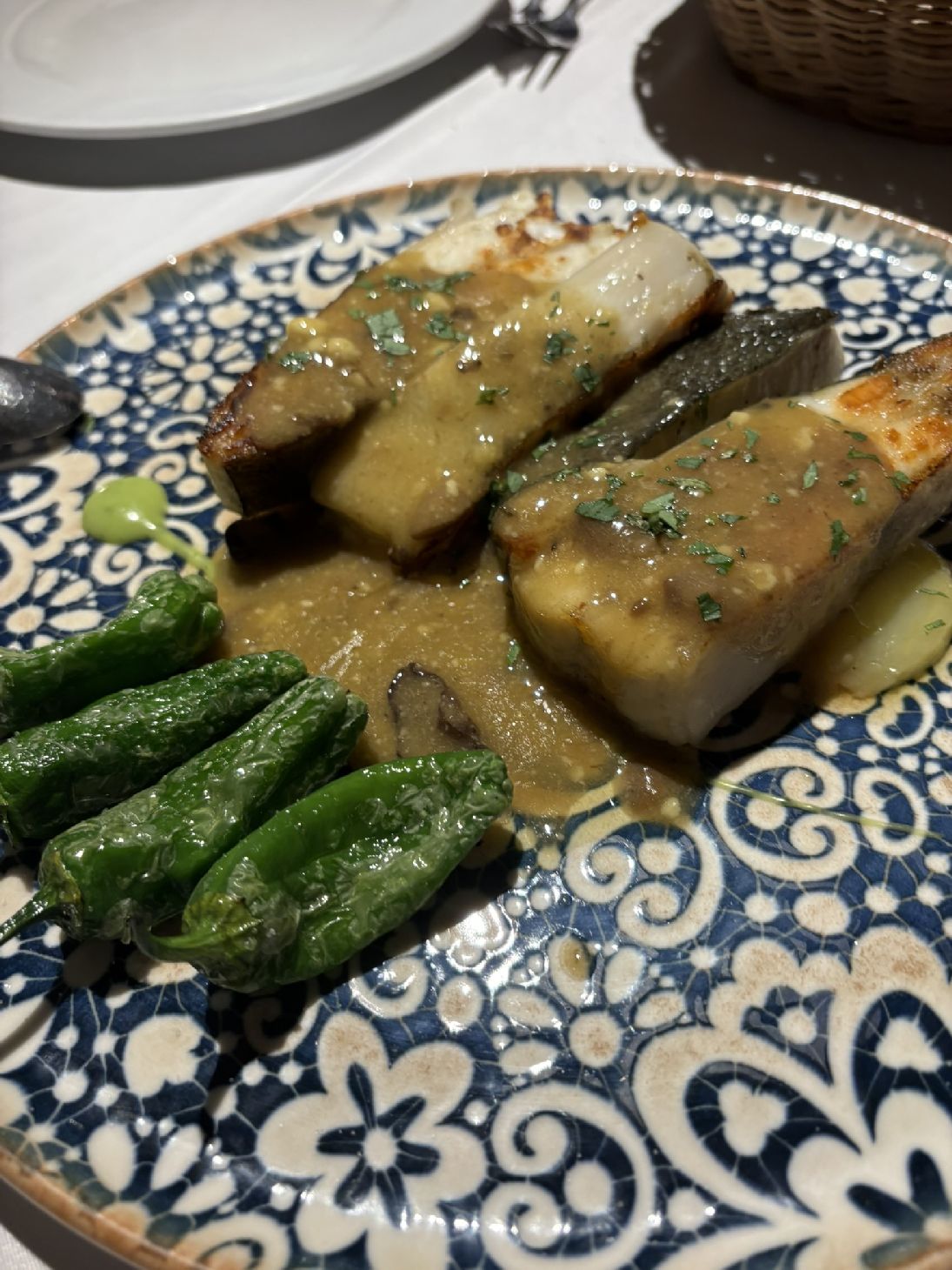
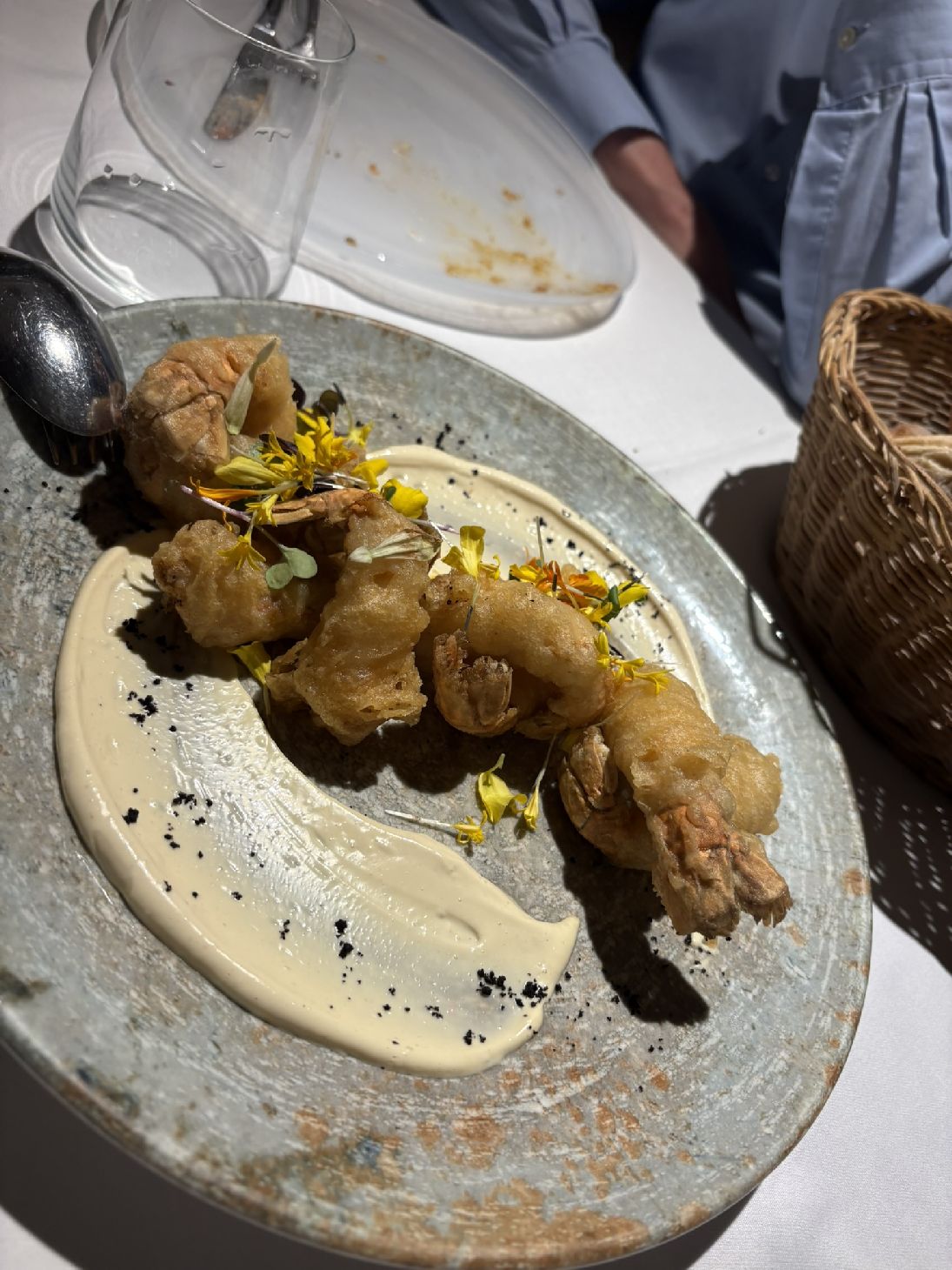
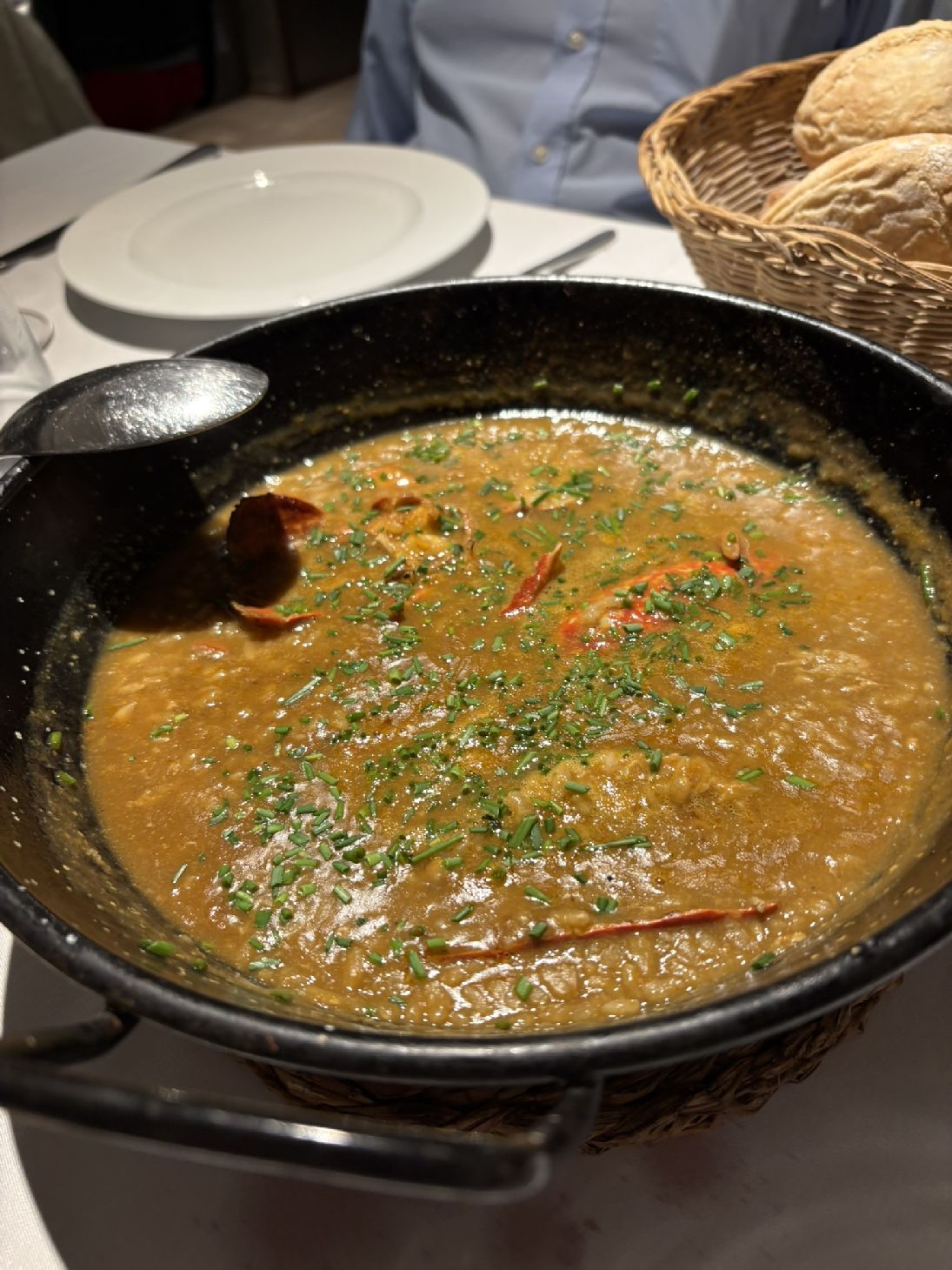
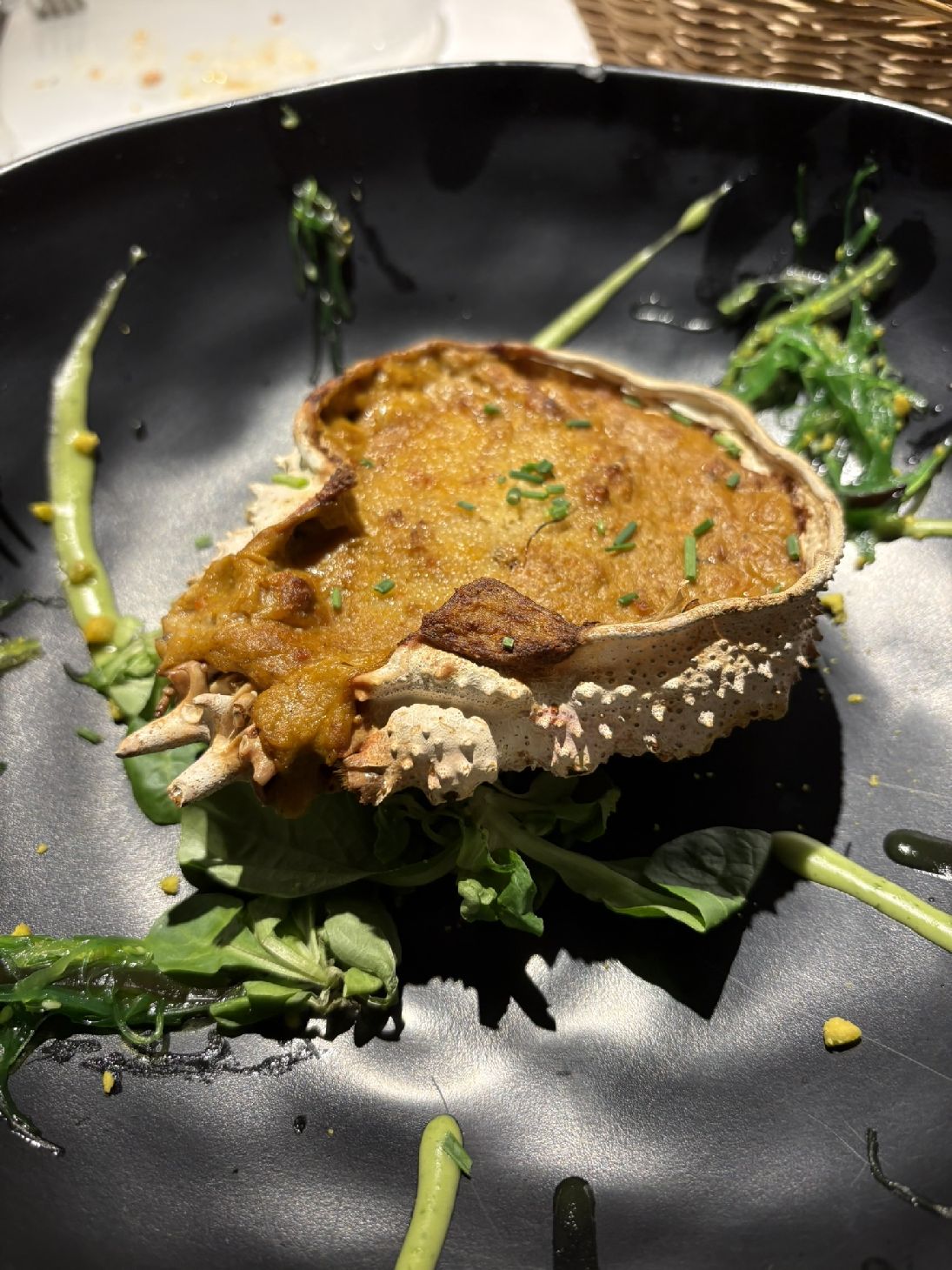
In the evening we made the inevitable vermut stop before dining at Txirene, of which Michelin say: “The name of this restaurant, which comes from a term specific to Bilbao that describes a person who is something of a joker, and is one of those places that locals like to keep to themselves! It is home to a busy “pintxos” bar, hidden behind which is a meticulous, contemporary dining room offering an extensive array of traditional-style cuisine. At Txirene, they are proud to boast that their food is 100% from Bilbao and that what they serve is dictated by the time of year. Despite this, you’ll always find superb seasonal fish dishes on the menu (don’t miss the Kokotxas of cod with pilpil or their grilled wild turbot with mushroom pilpil), wonderful rice dishes and incredibly tasty meats.” I have no argument with this as a description. The only downside on the night we were there was that there was an enormous, and very loud, party on the next table and we could barely hear each other speak. Once they’d finished and gone things were a lot better audio-wise. And the food can’t be faulted, especially the fabulous spider crab! Would highly recommend, although maybe take ear plugs just in case…