Friday 25th September, 2026 – Bilbao
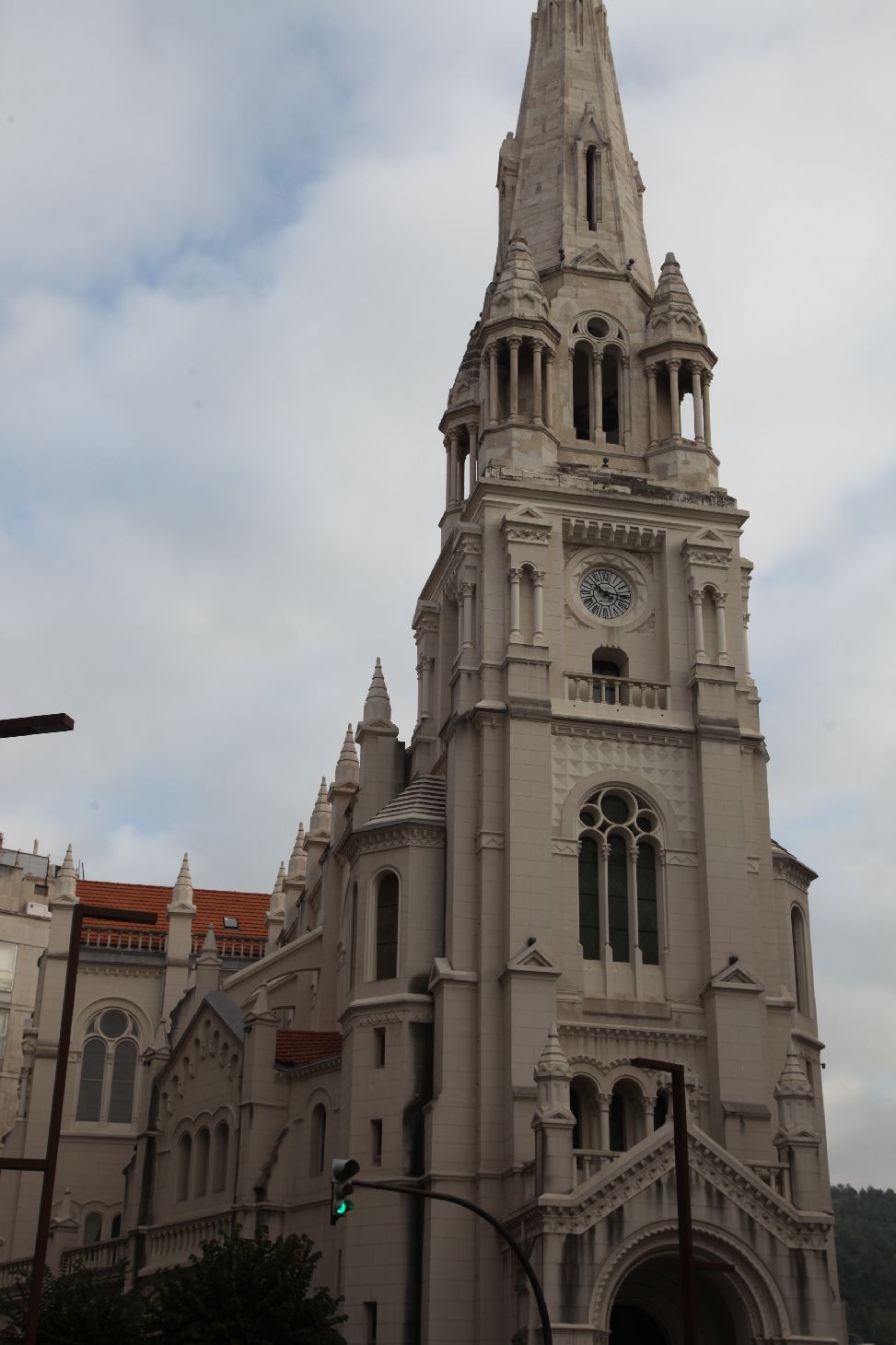
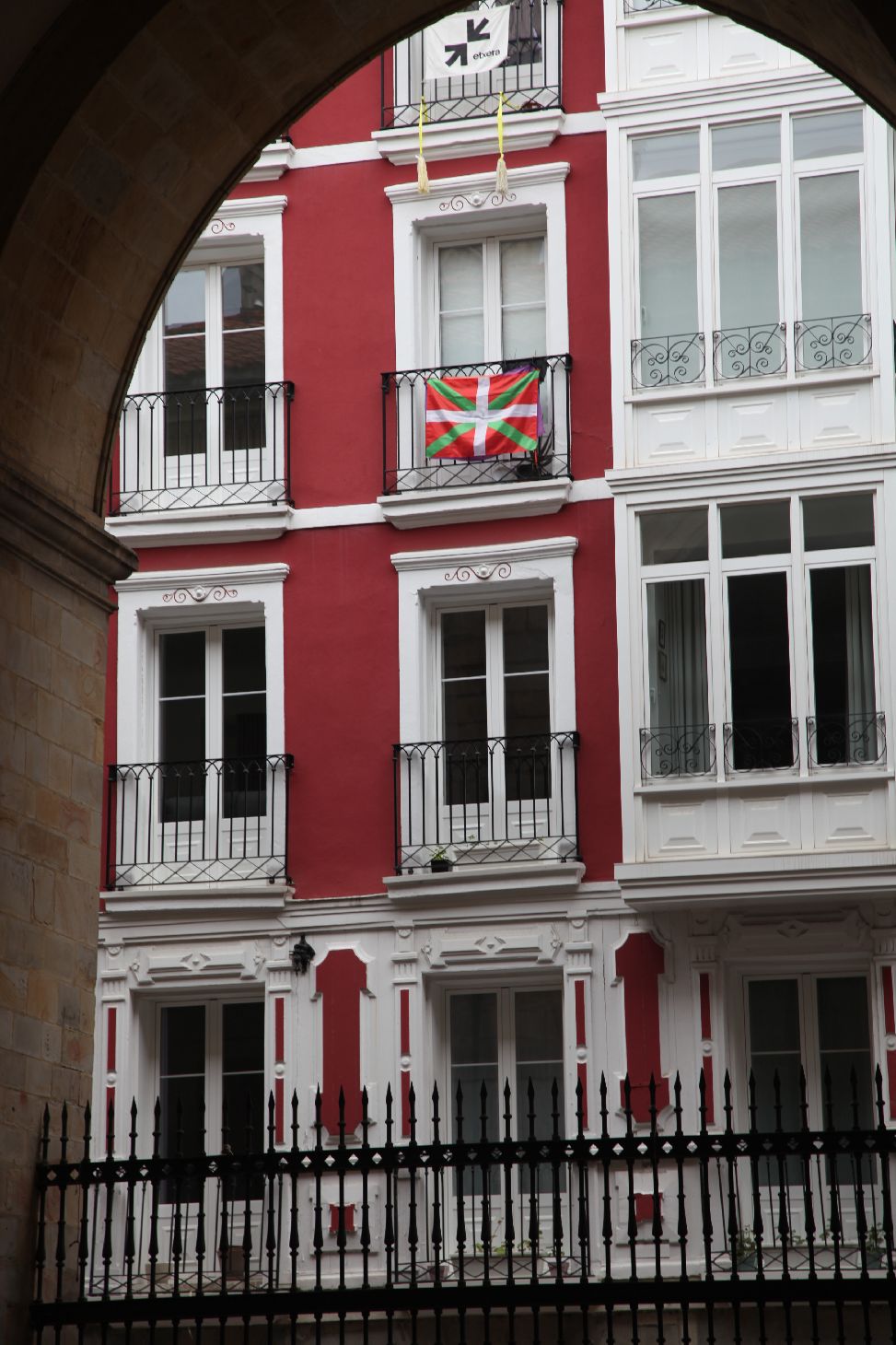
After a day where we needed the car, our final full day in Bilbao meant we could walk in the main – though there would be either public transport or a taxi for our lunch stop. A short walk (10 minutes) from our apartment took us back towards the river and through some very attractive streets.
Before, however, Lynne and I, plus R, were off to see what the Guggenheim Bilbao had to offer. A, who had been before, was happy to wander around the outside, but felt no inclination to go in.
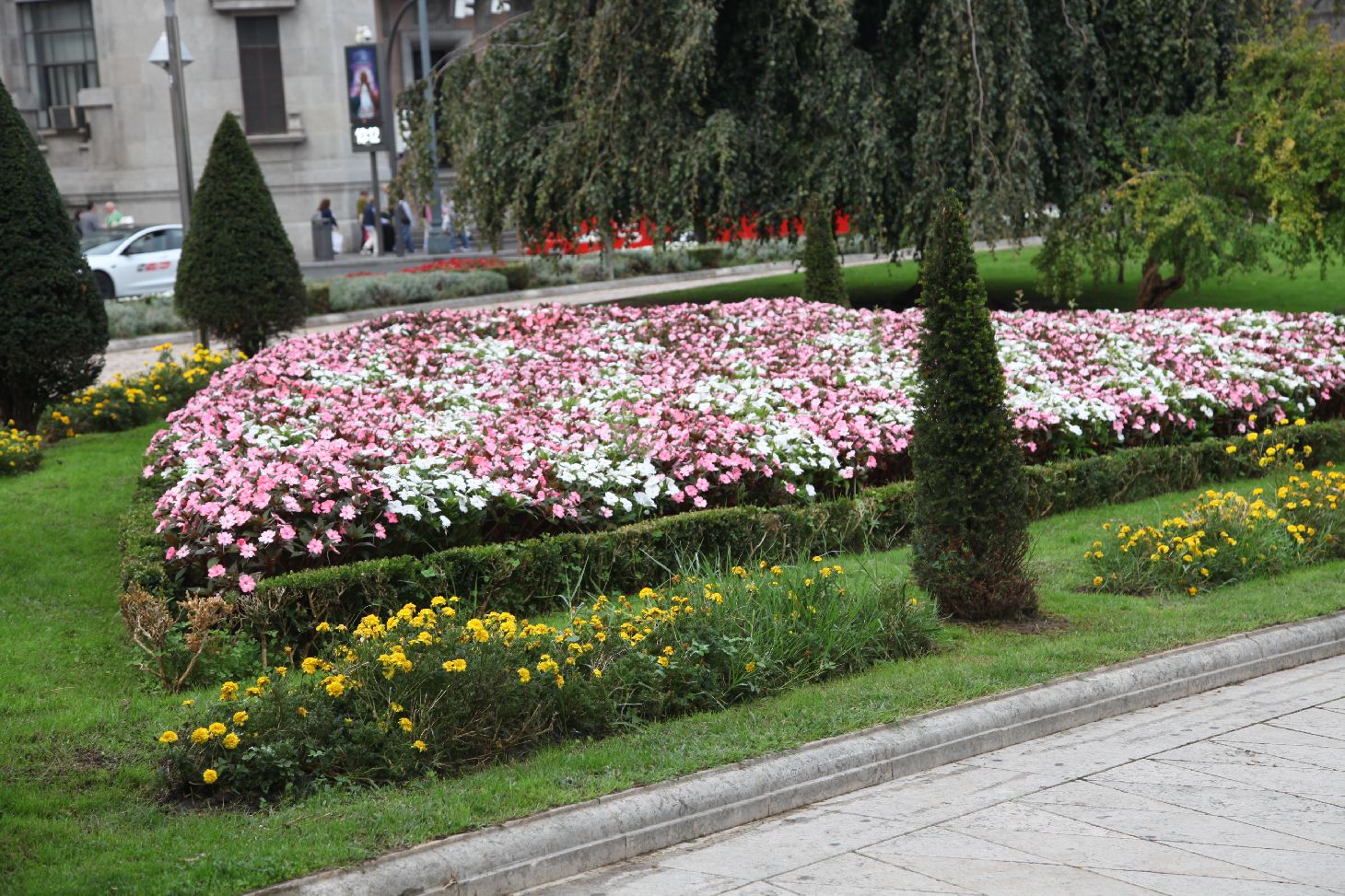
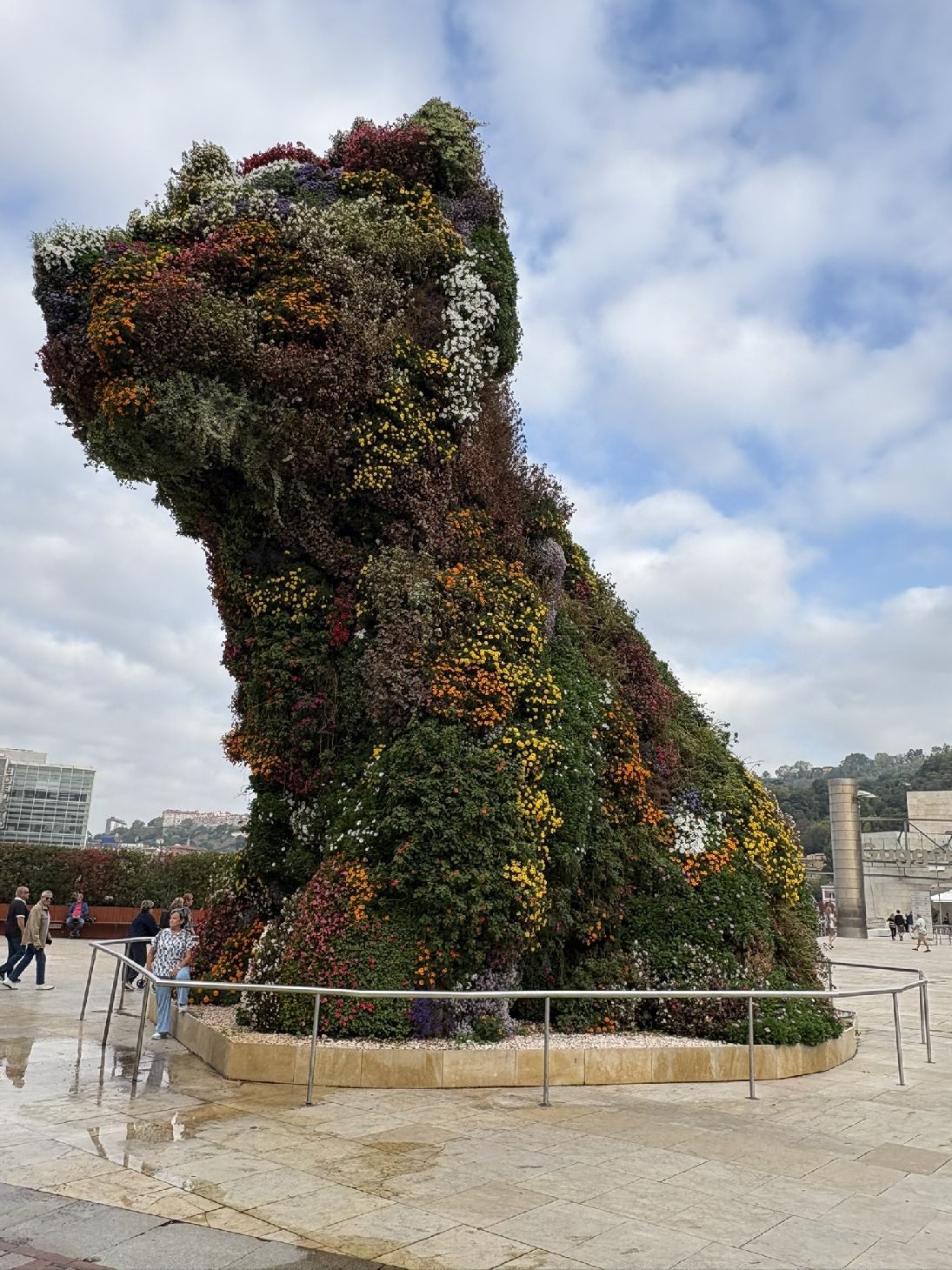
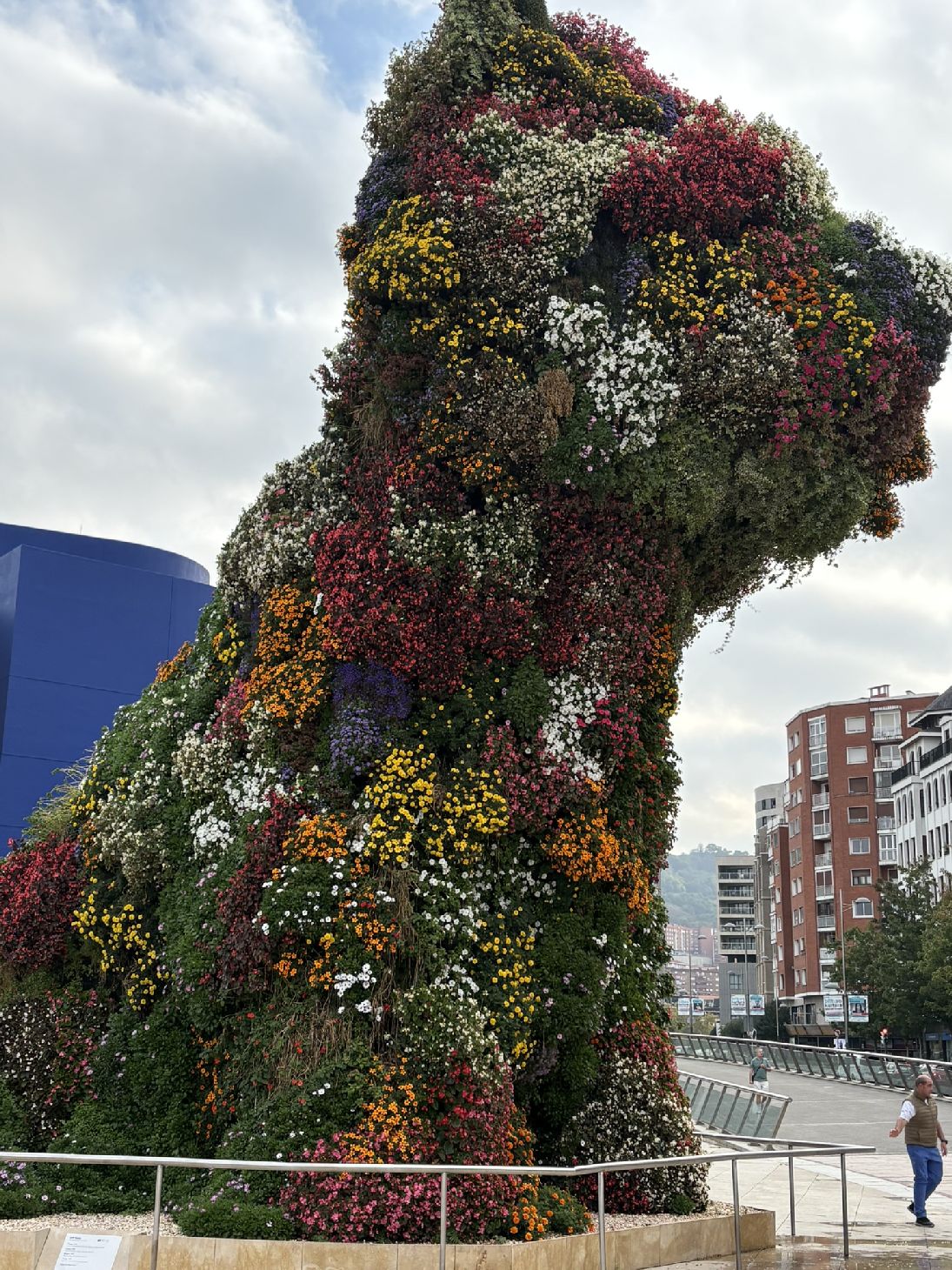
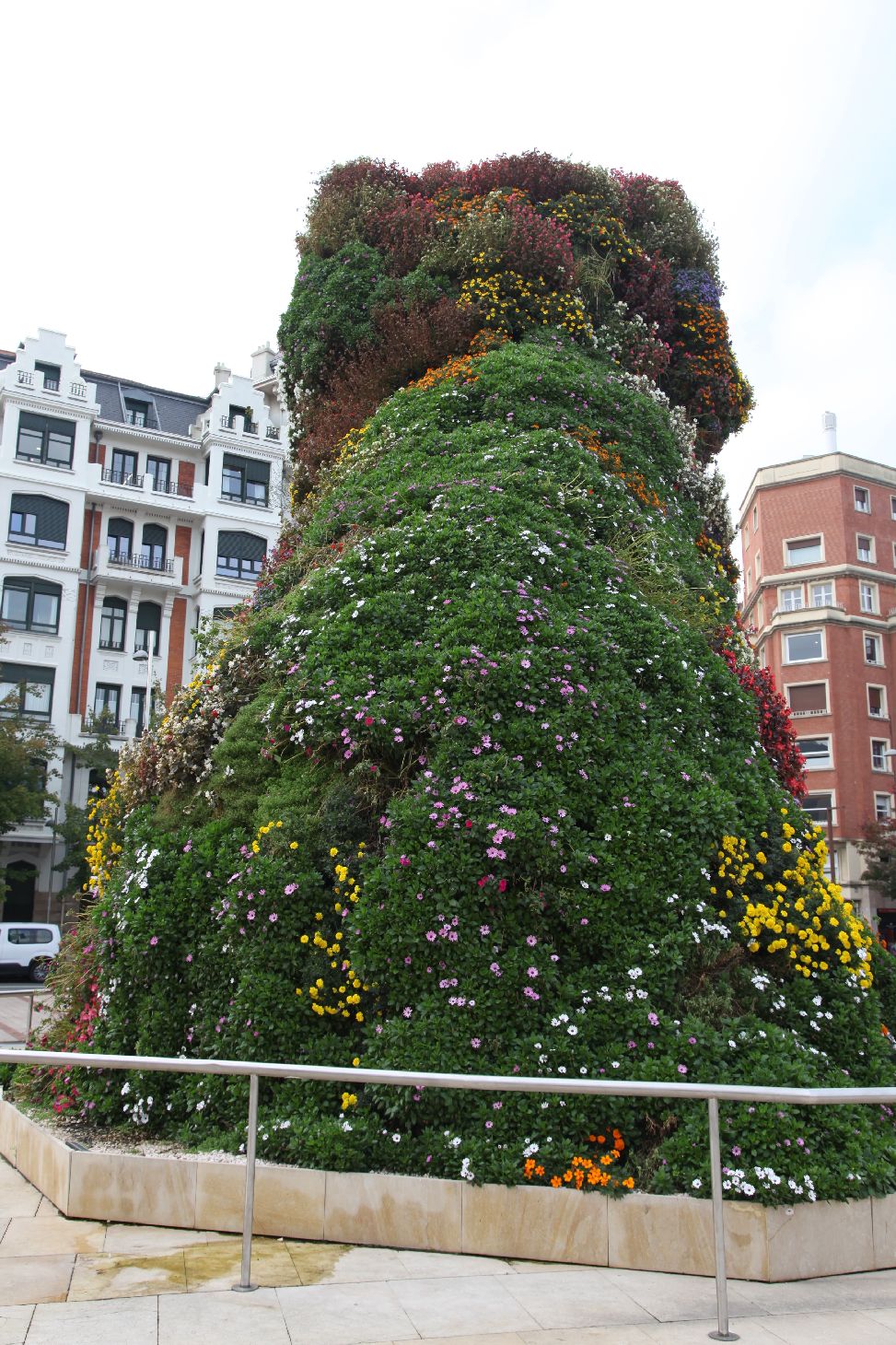
She planned to sit and people watch somewhere while we looked at art she couldn’t see the point of. She was happy – as were we – to see the iconic – and fun – “Puppy” (Jeff Koons) outside though. I’m sure everyone takes a photo of the world’s largest flower sculpture, so you have to take your chance and get your shot before it’s overrun by selfie-taking cruise ship passengers. It was relatively quiet at 10:00am but maybe we were just lucky. It’s even bigger than I expected and looms over the plaza in a friendly manner.
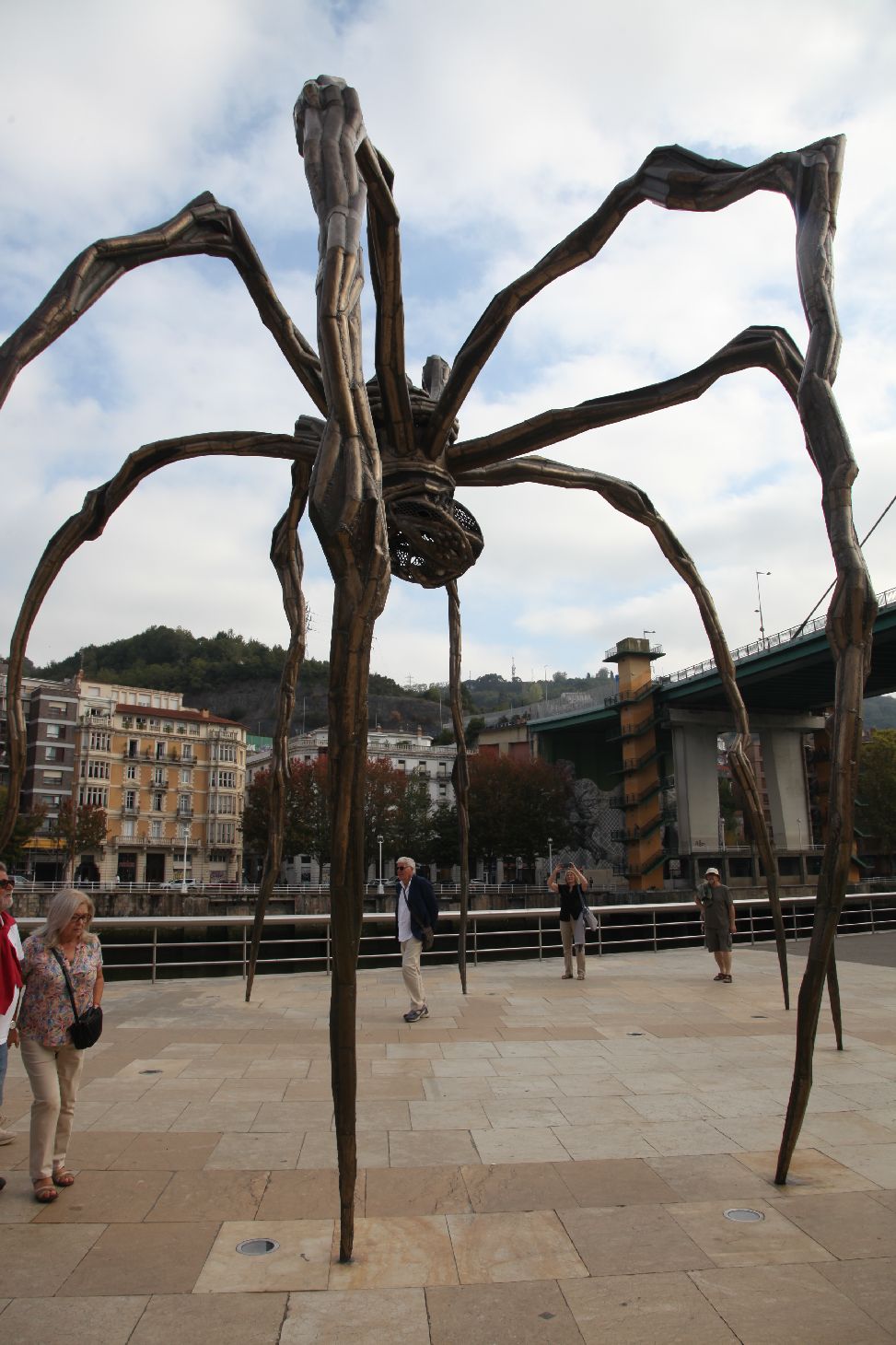
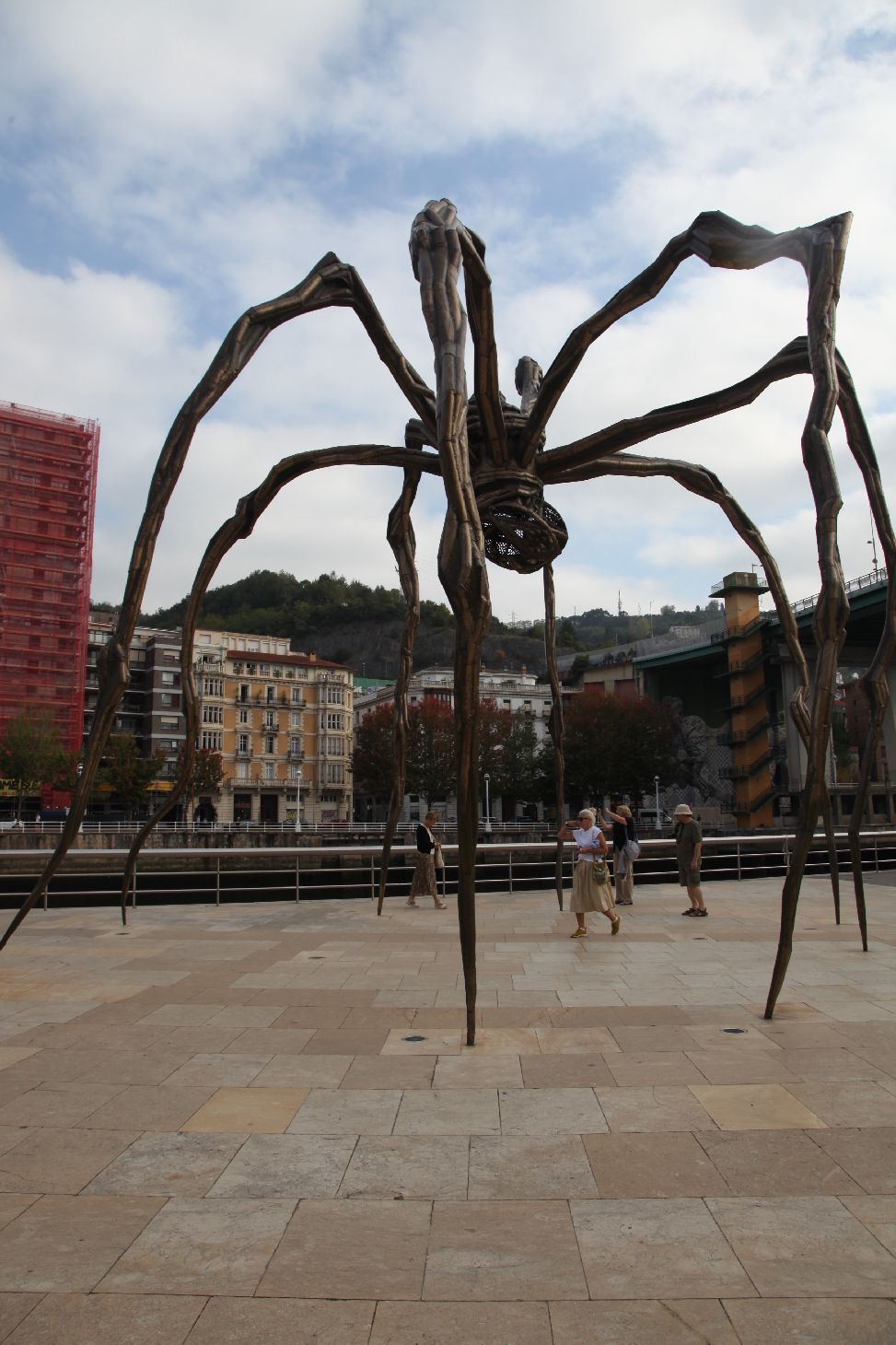
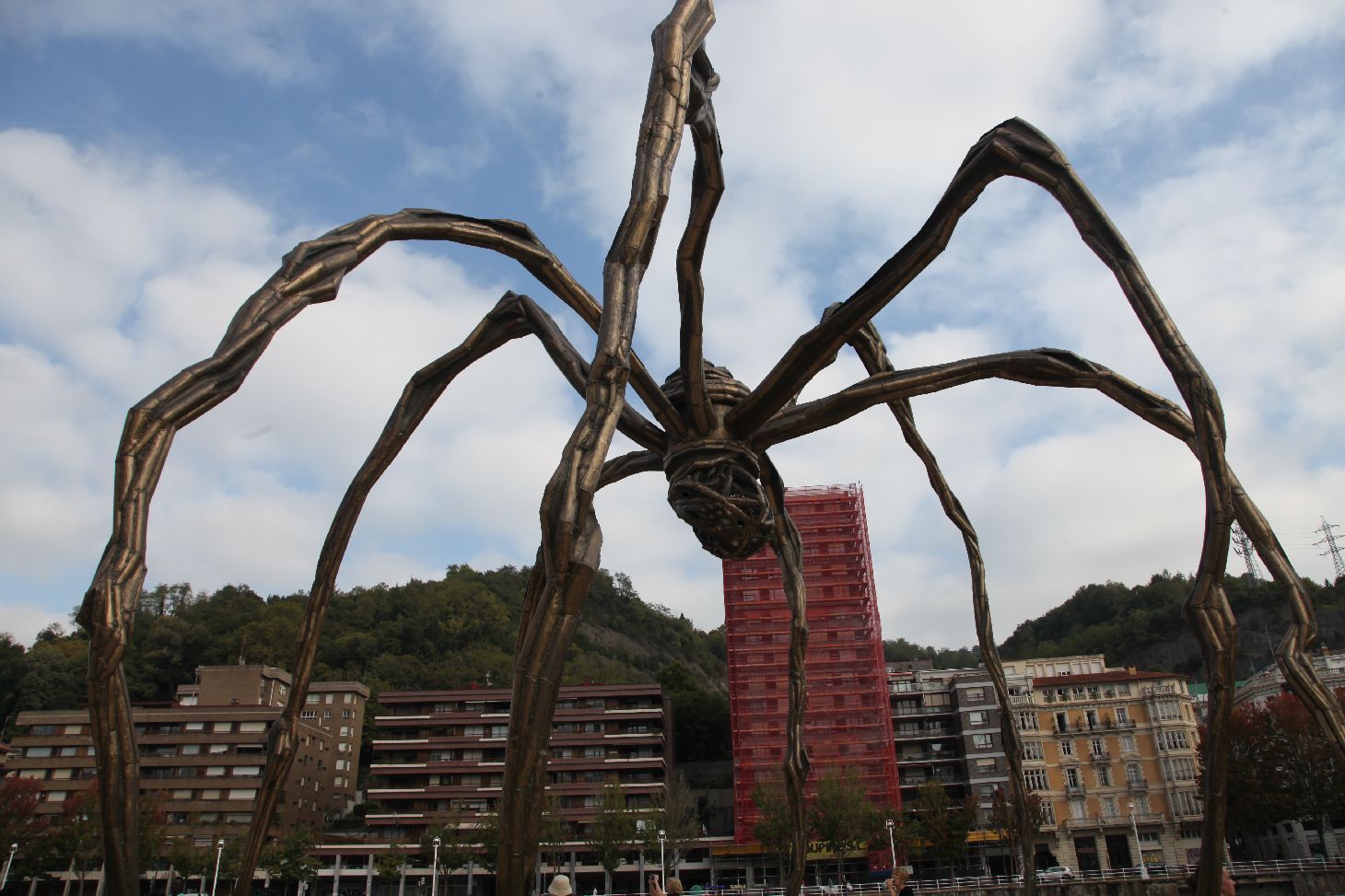
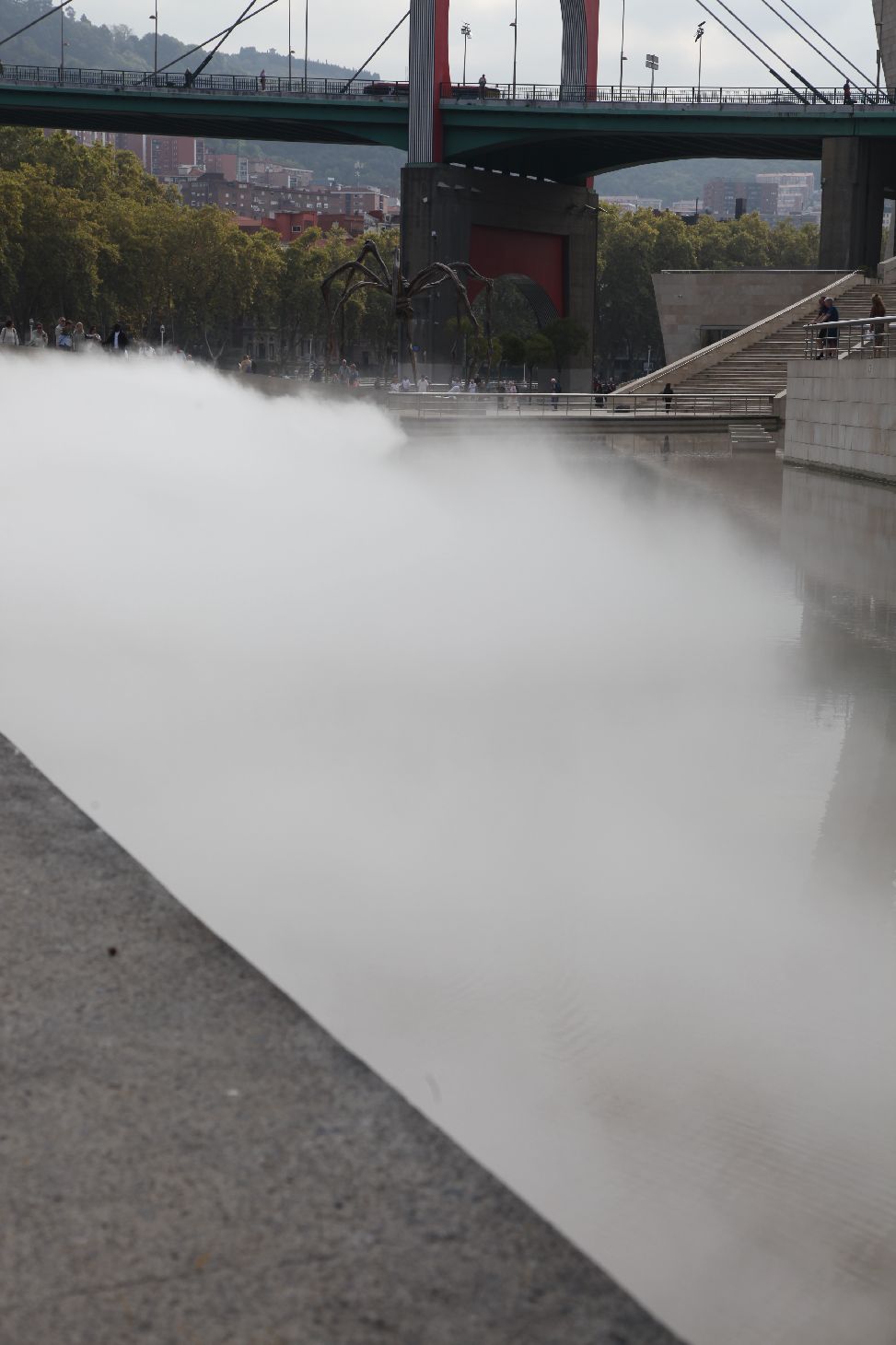
The same cannot be said for Louise Bourgeois’s “Maman“, which doesn’t strike me as friendly at all, and I’m not even an arachnophobe.
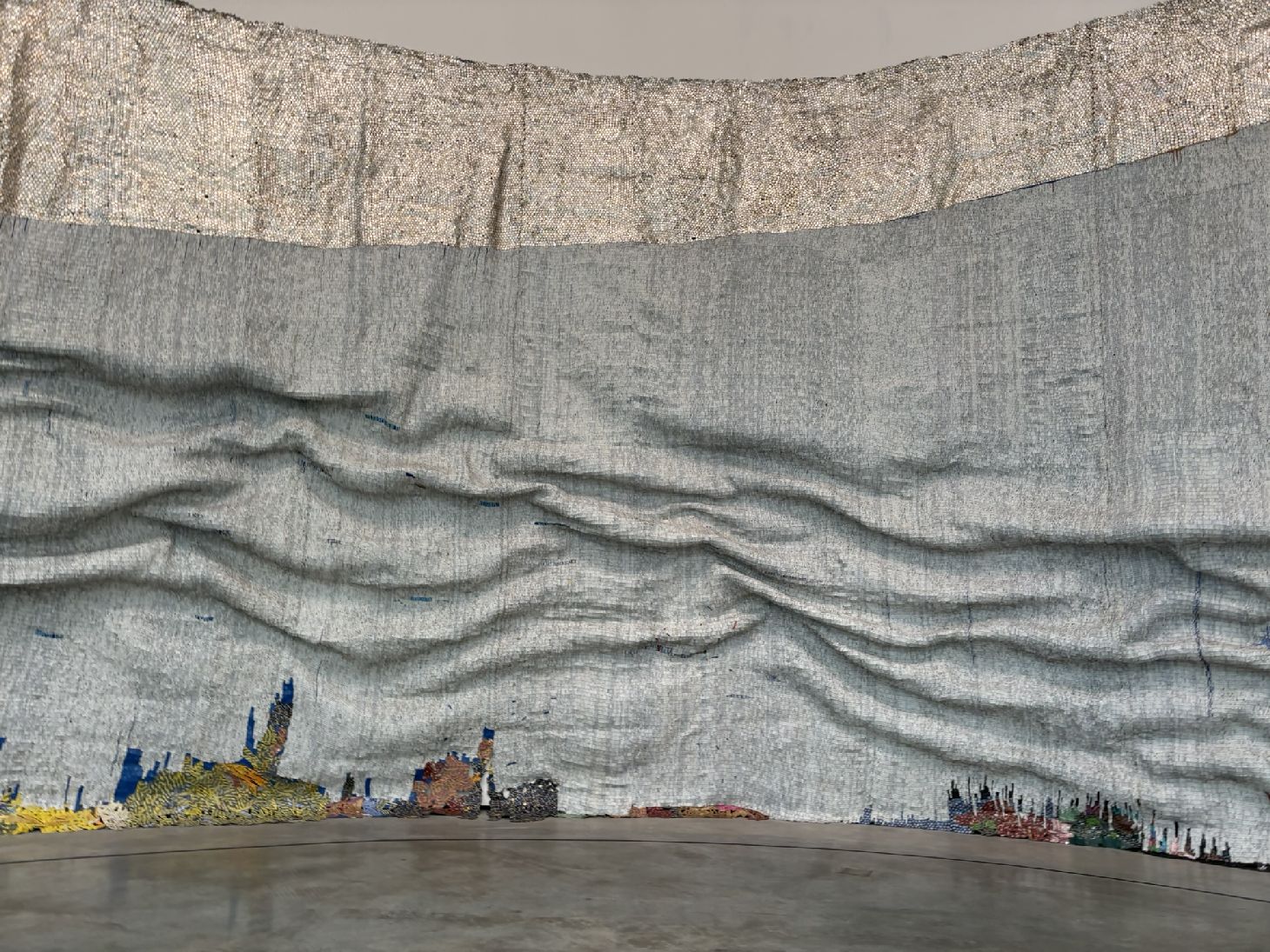
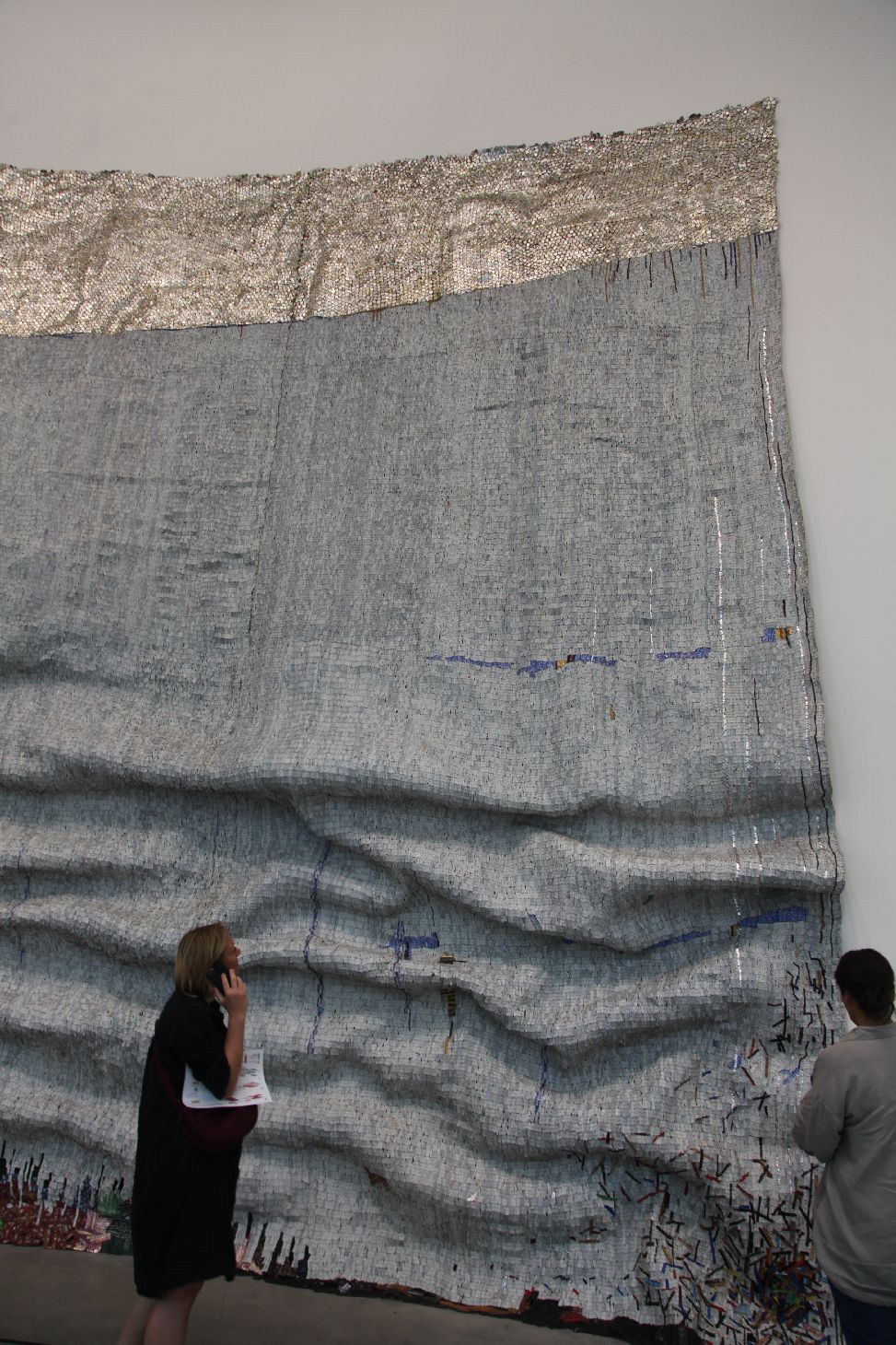
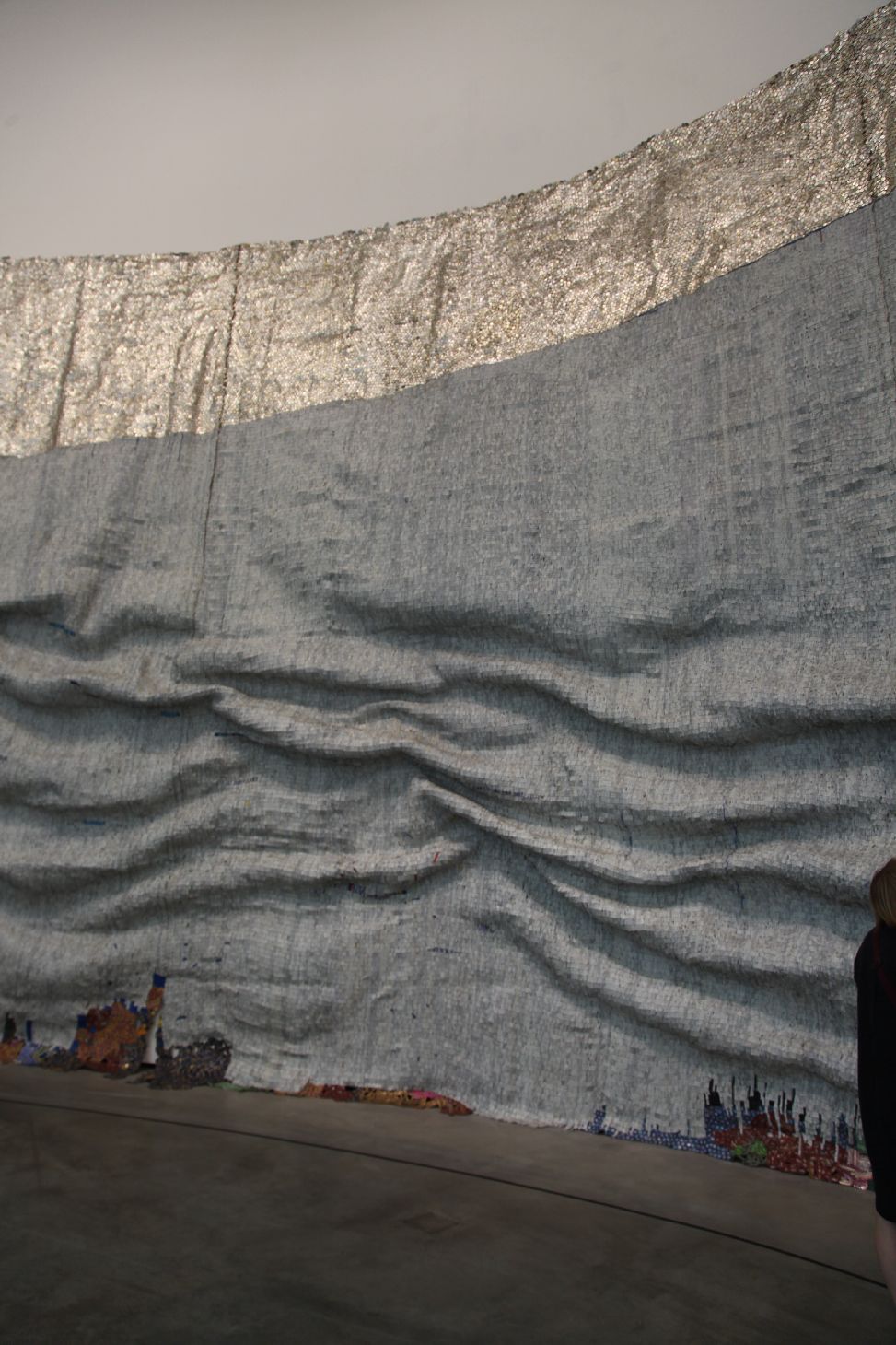
Also outside is a work by Ghanaian artist, El Anatsui and is called “Rising Sea“. It’s made from discarded bottle tops which are flattened, twisted, crushed, and then stitched together with copper wire, and which incorporates strips of bottle cap seals, evaporated milk tins, and printing plates.
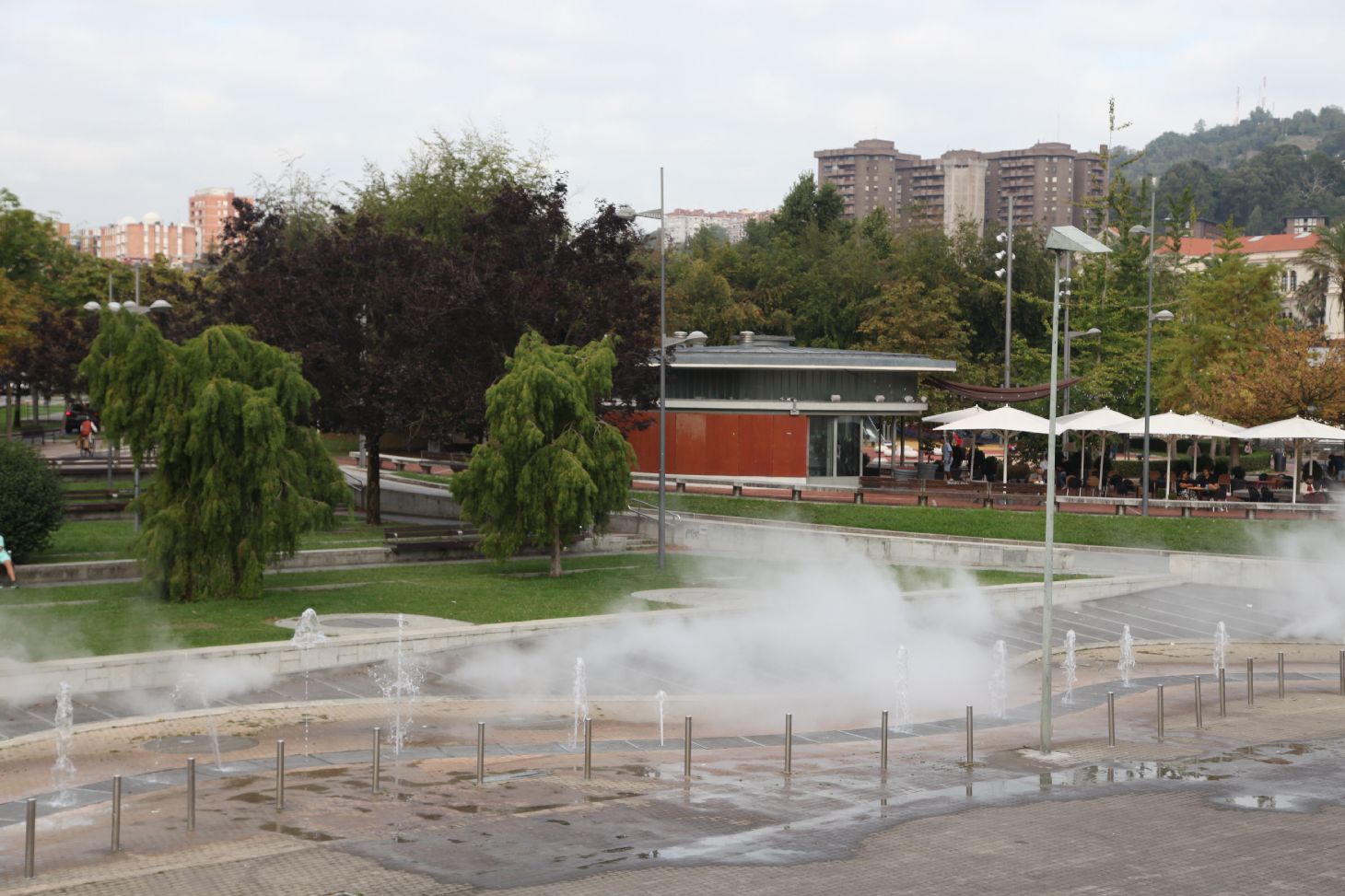
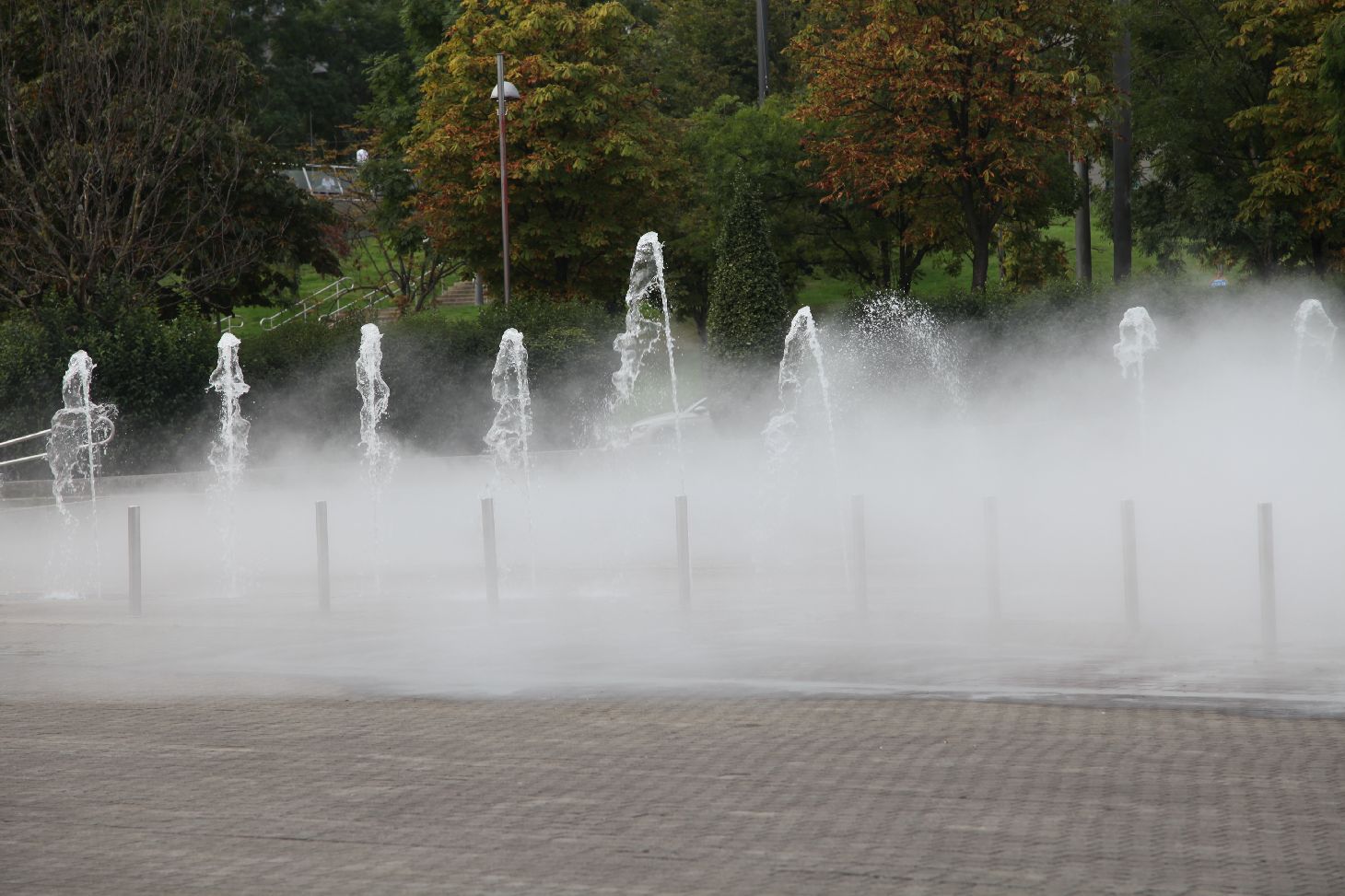
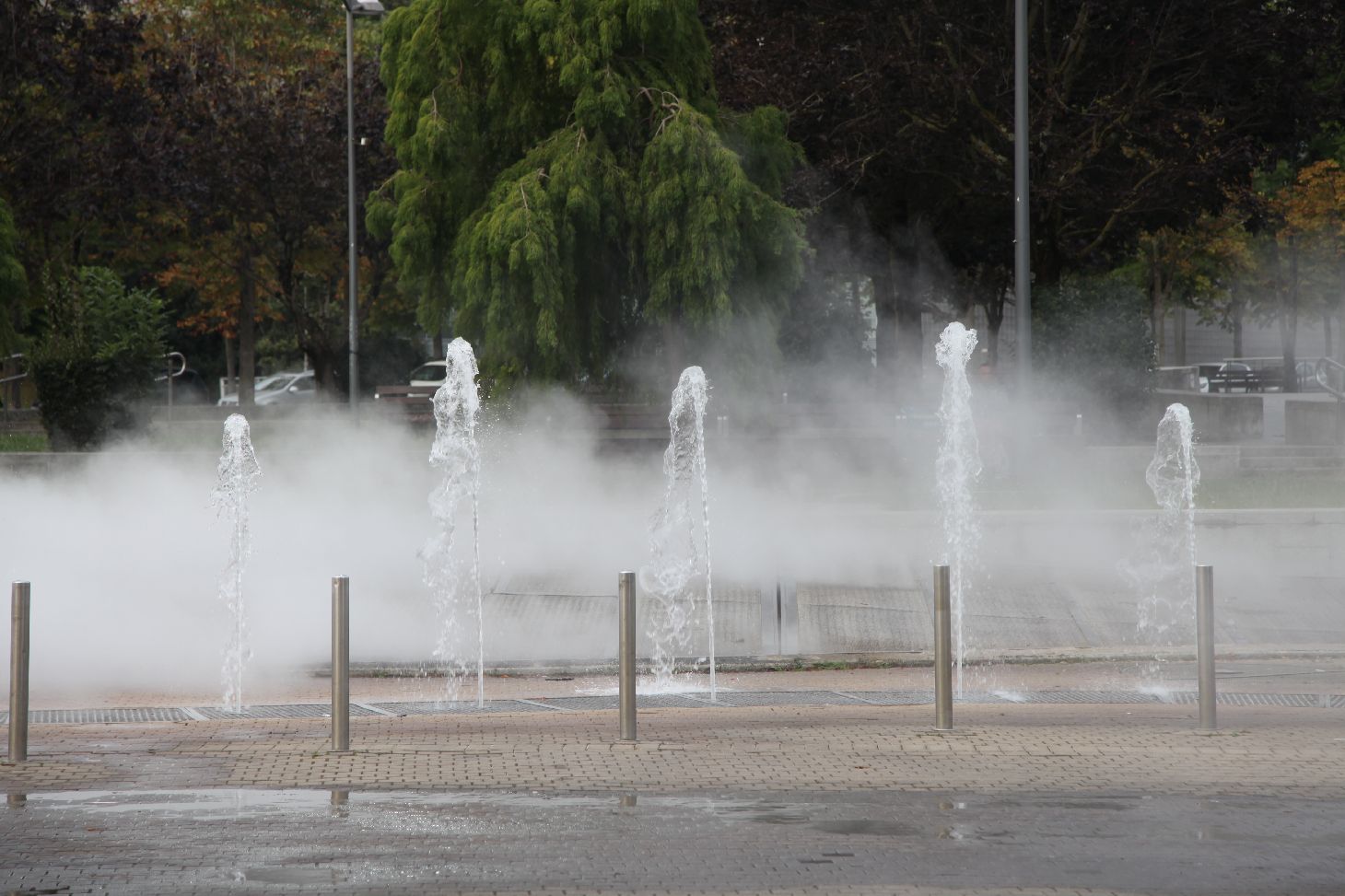
We stopped off to enjoy the rather fabulous “Fog Sculpture #08025 (F.O.G.)” by Fujiko Nakaya. The installation creates fog generated by 1,000 “fog nozzles” and a high-pressure pump/motor system. It’s a lot of fun and I imagine on a very hot day it would be a very pleasant stopping place, though the weather on our visit was less extreme than the day before.
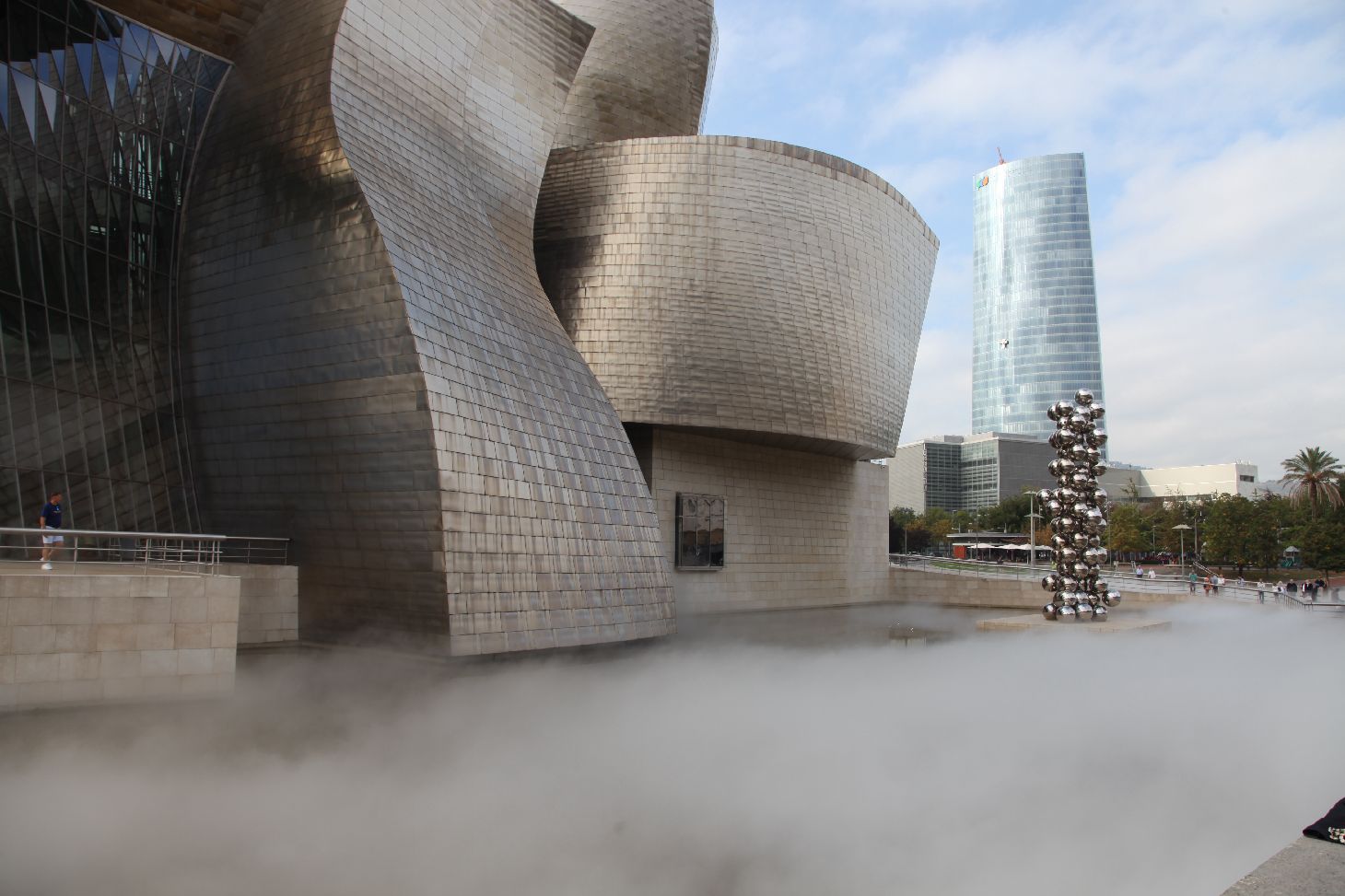
In the background you can also find Anish Kapoor’s “Tall Tree & The Eye” and the beginning of the monumental “The Matter of Time” by Richard Serra.
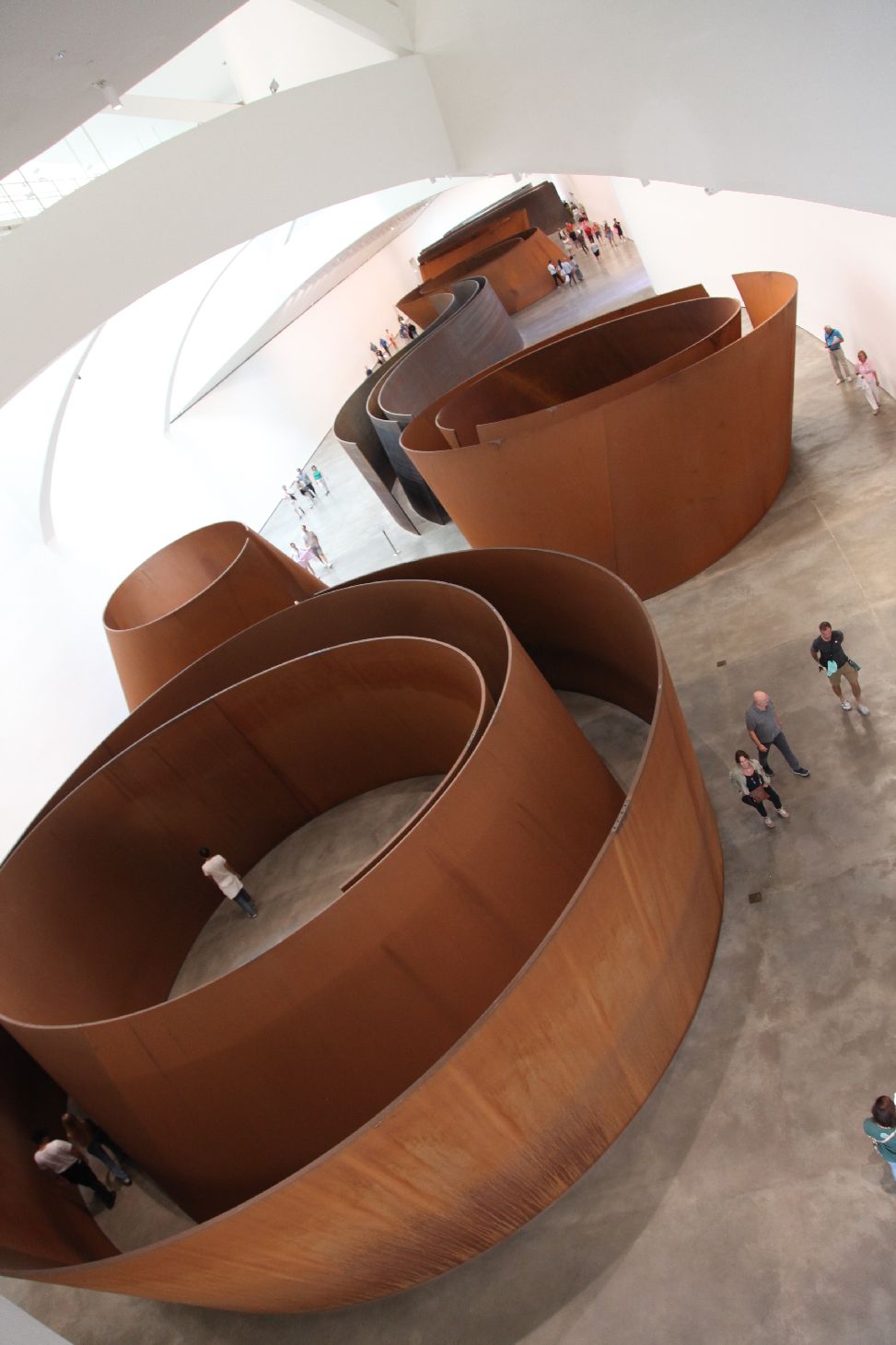
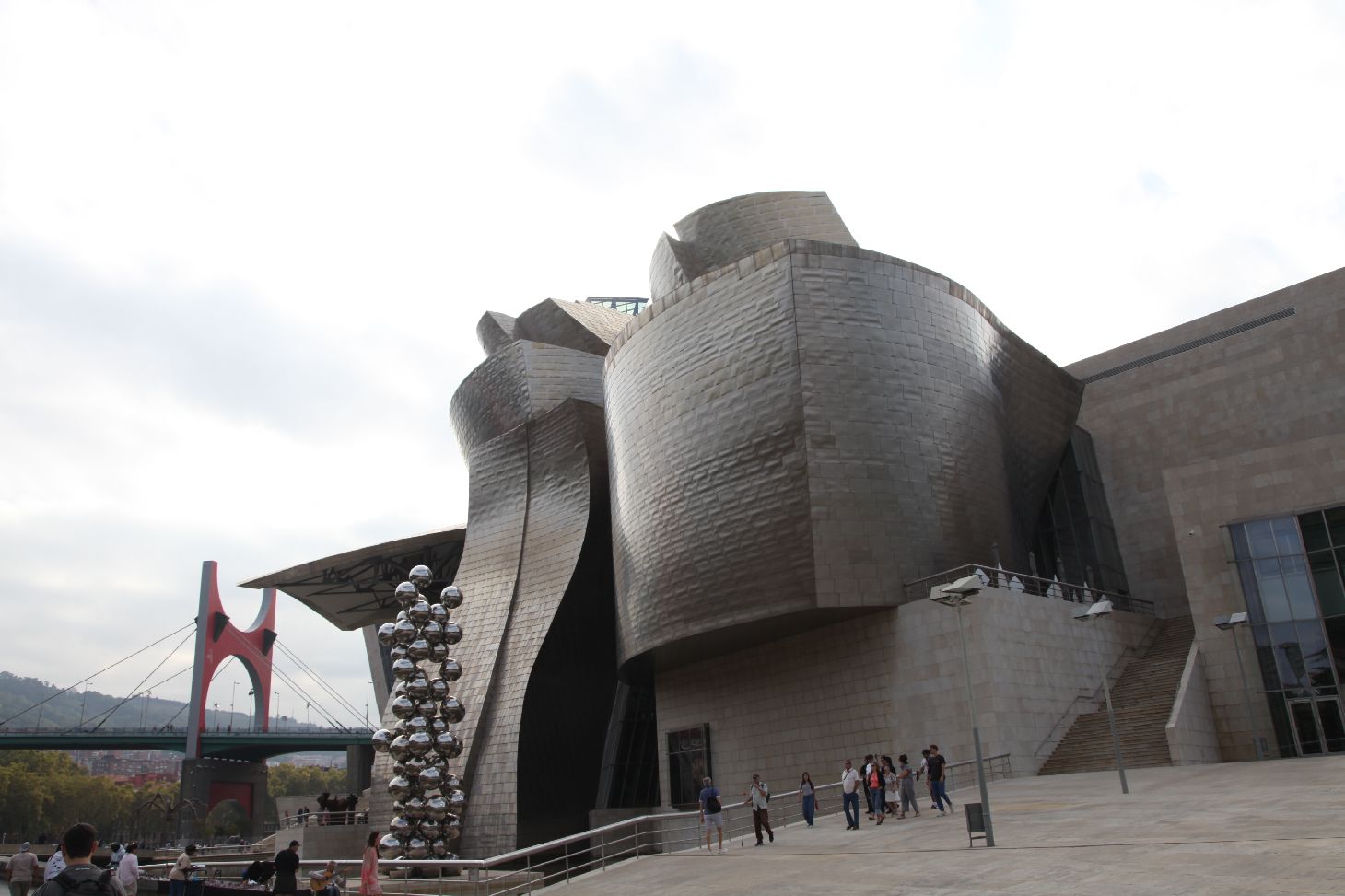
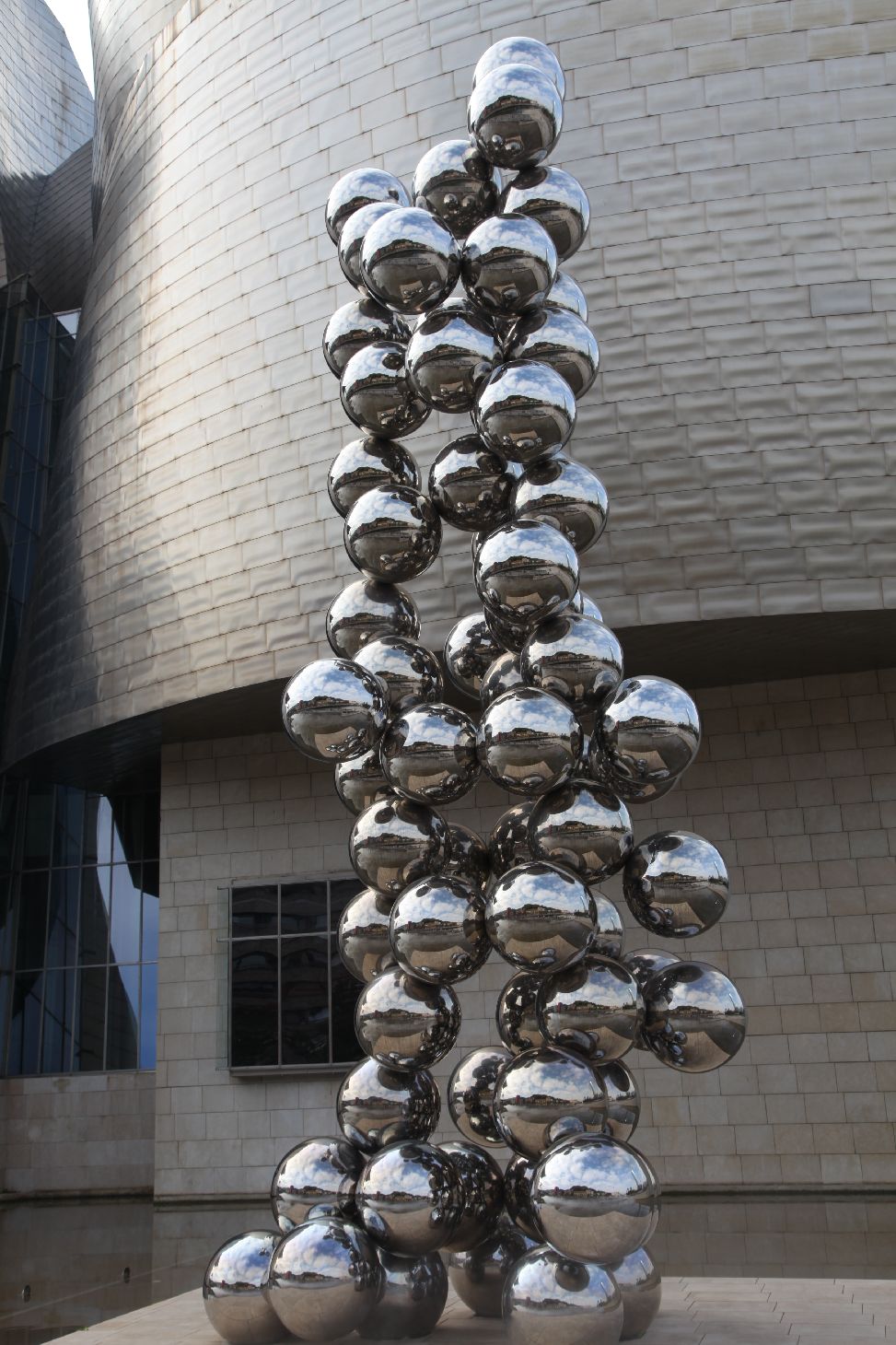
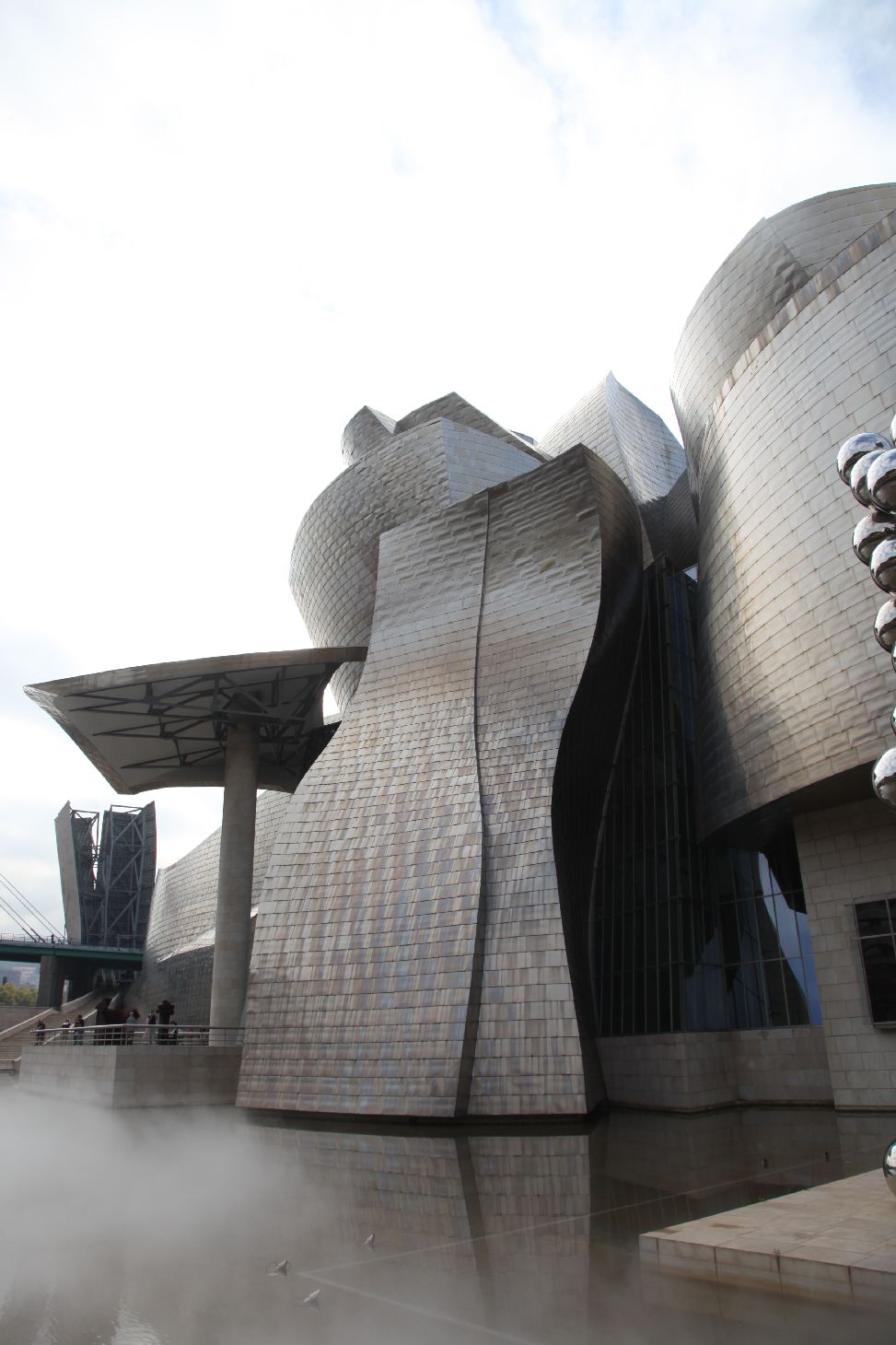
Of course the Frank Gehry building is an artwork in and of itself, though I must admit we did get a bit frustrated after we ended up walking all the way round the outside trying to find the main entrance!
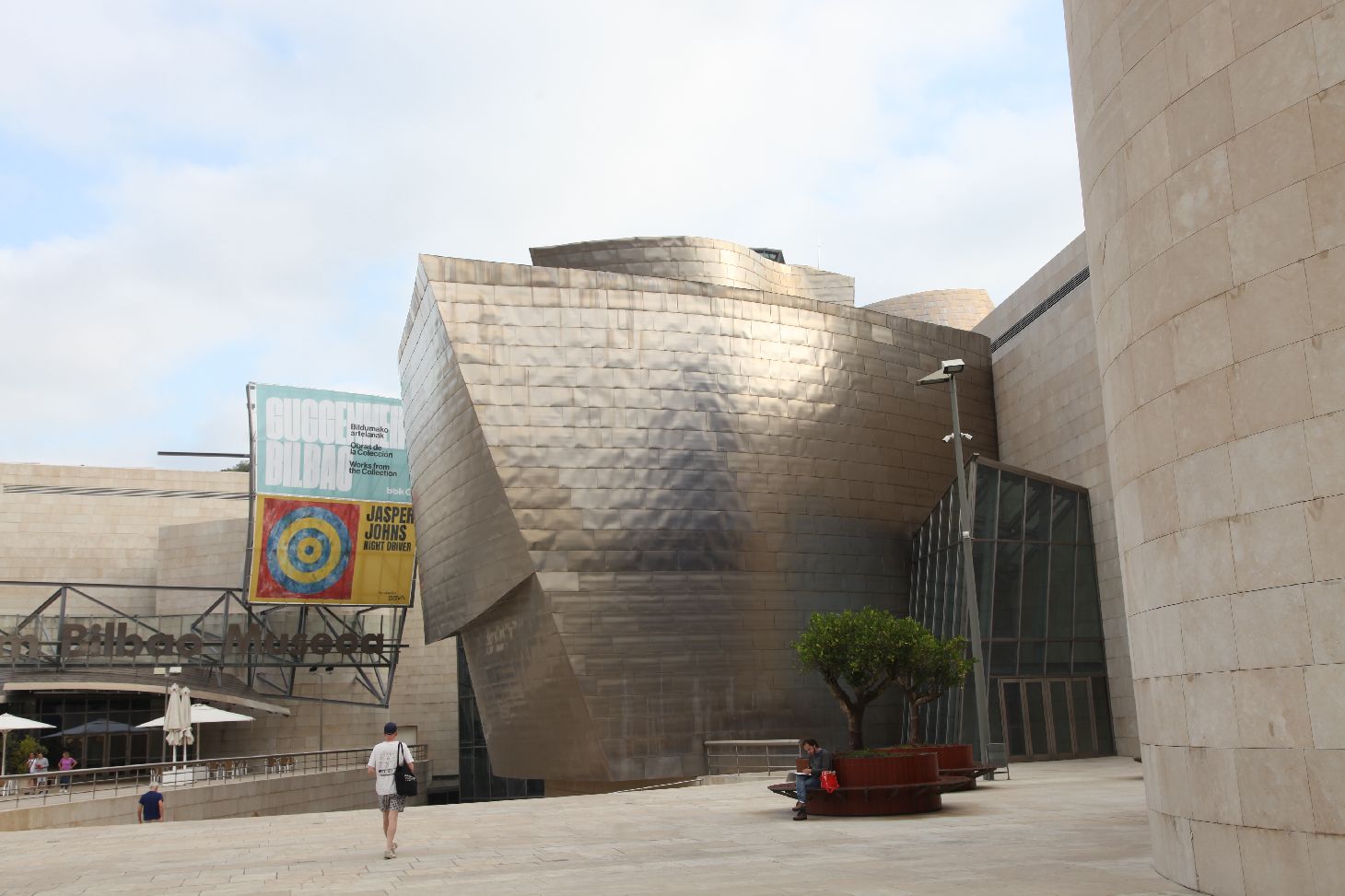
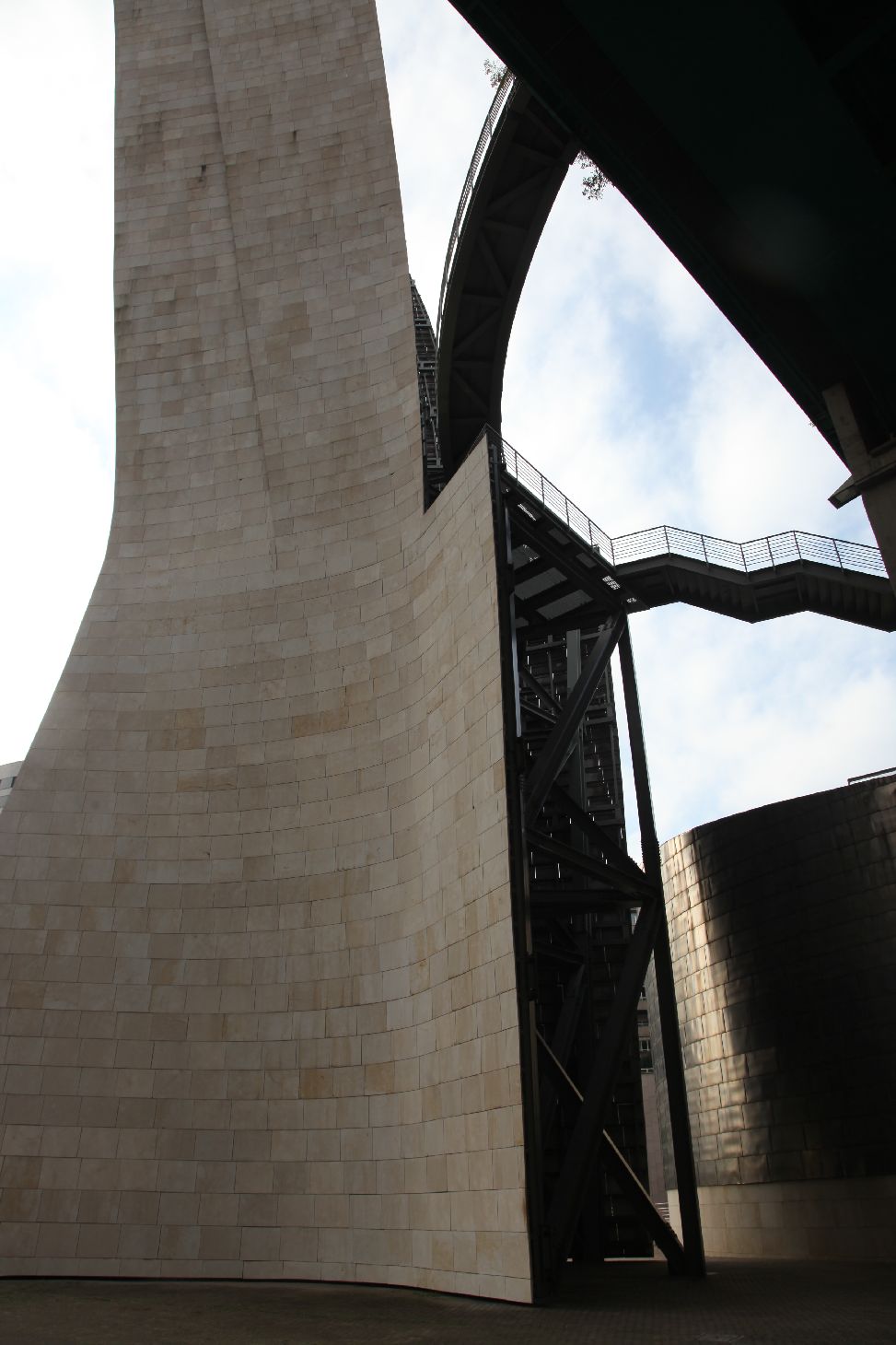
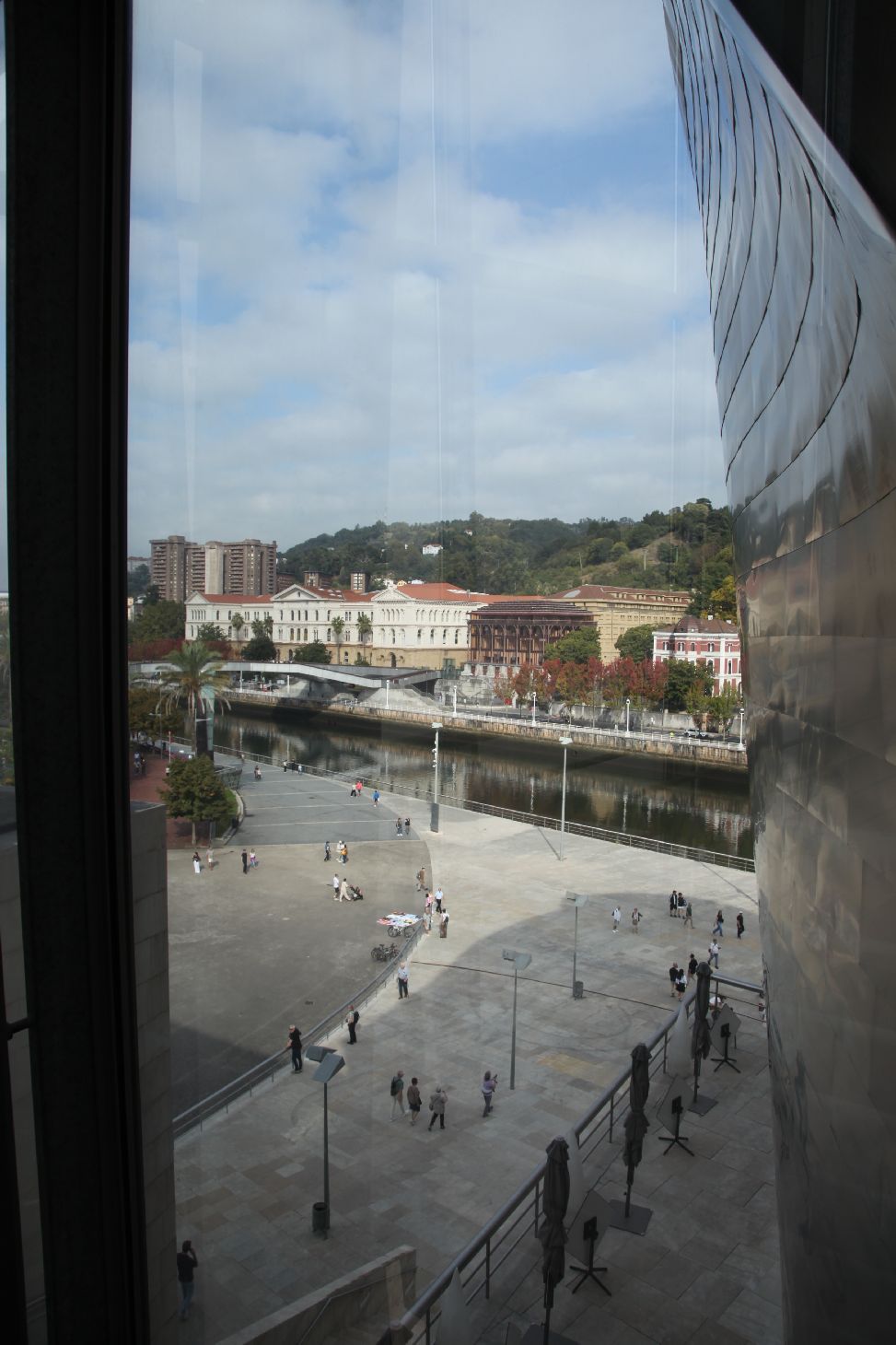
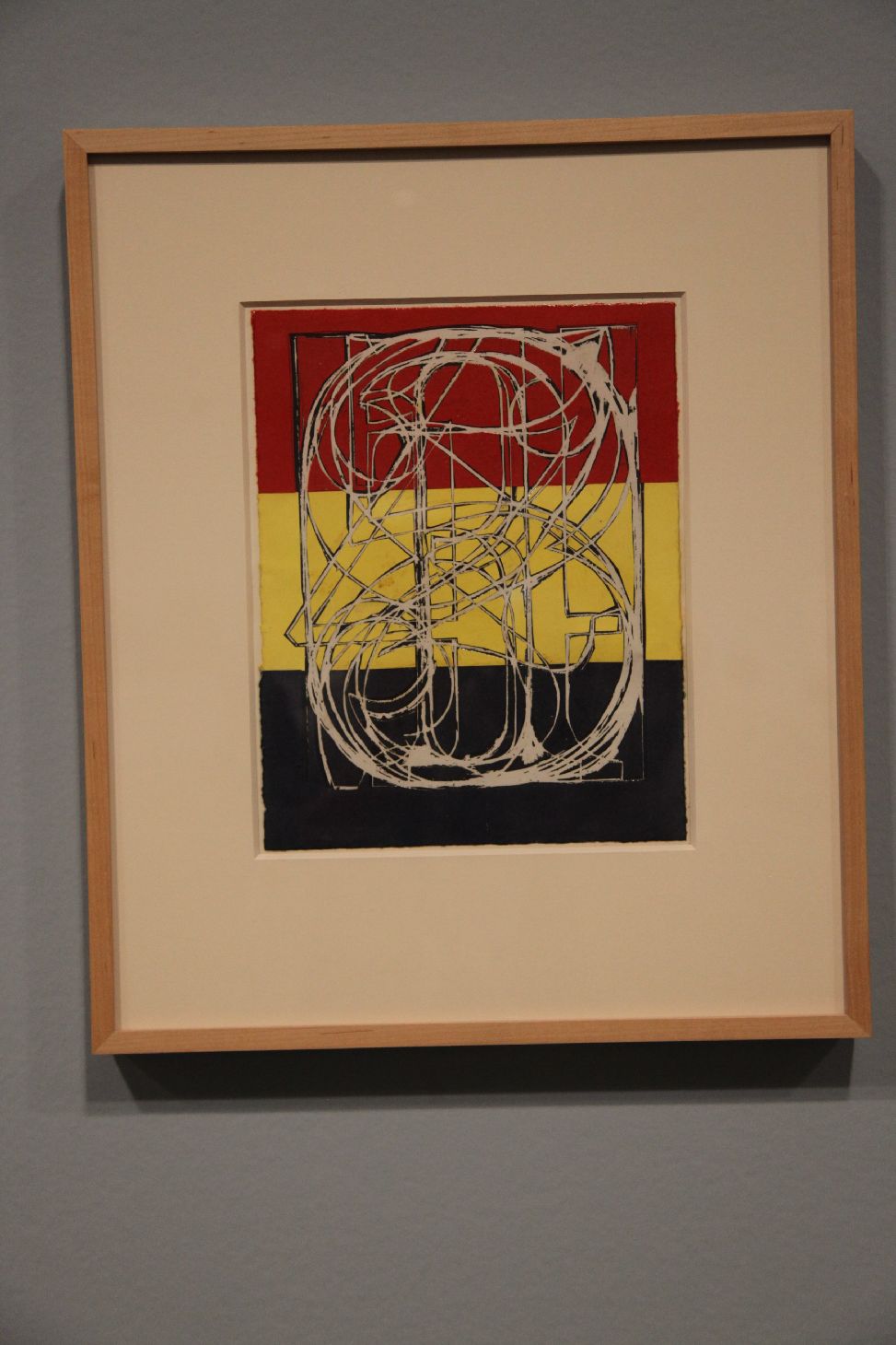
While we understood A’s decision to stay outside, we would have been very sorry to miss the interior. I know R said he found a lot of the works “interesting” but didn’t like them, Lynne and I found plenty to interest us from the sculptural to the representative, although I did find the special exhibition, Jasper Johns: Night Driver which ended on 12th October might have benefitted from being less completist. It was described as “spanning the extensive career of one of the most celebrated artists of our time, from his early works made in the 1950s to some of his most recent pieces produced in the 2000s”. Which would have been fine but with what felt like every single work he’d ever created on show, many of which seemed to be repeated copies of exactly the same subject, by the end it was getting very repetitive.
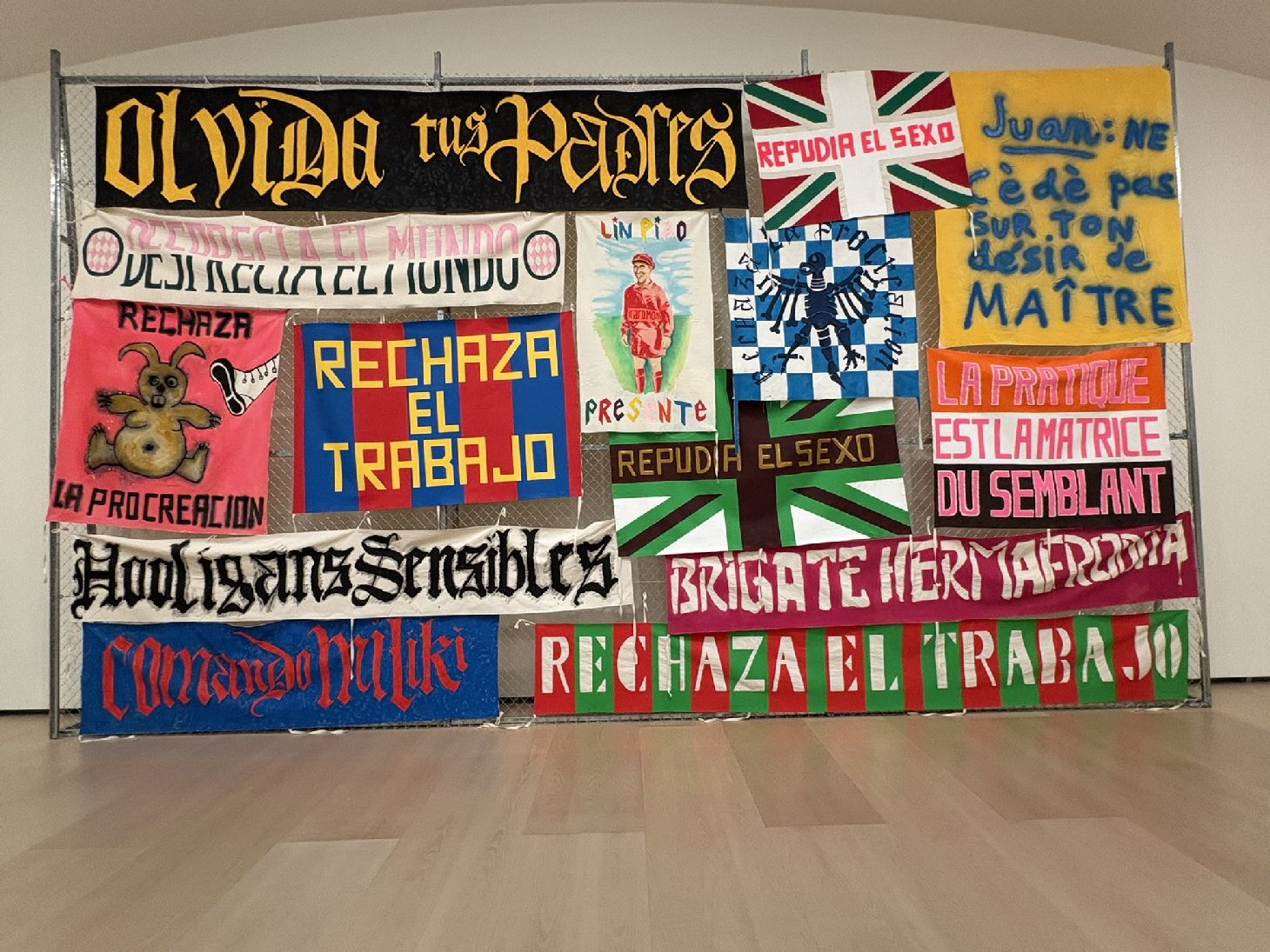
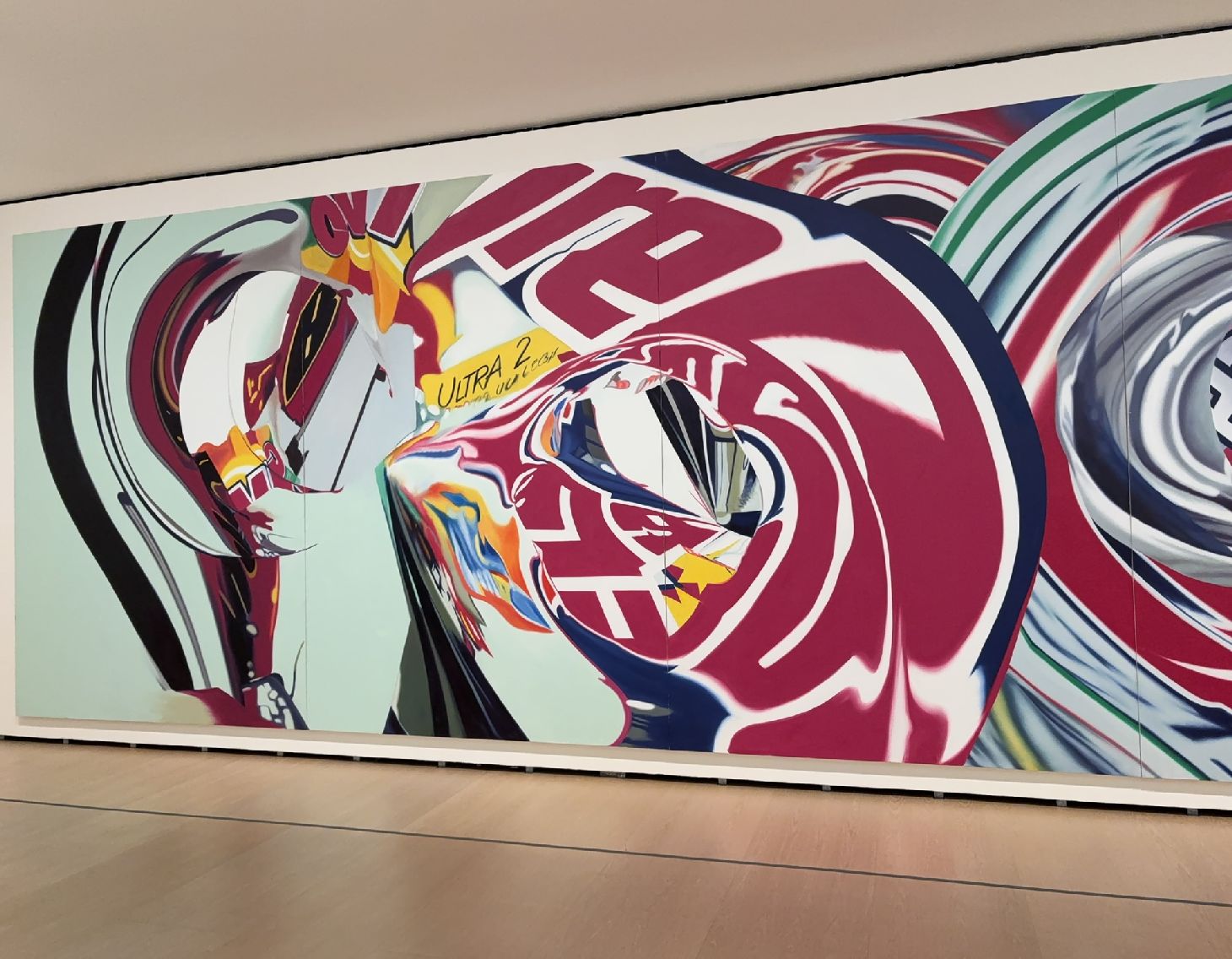
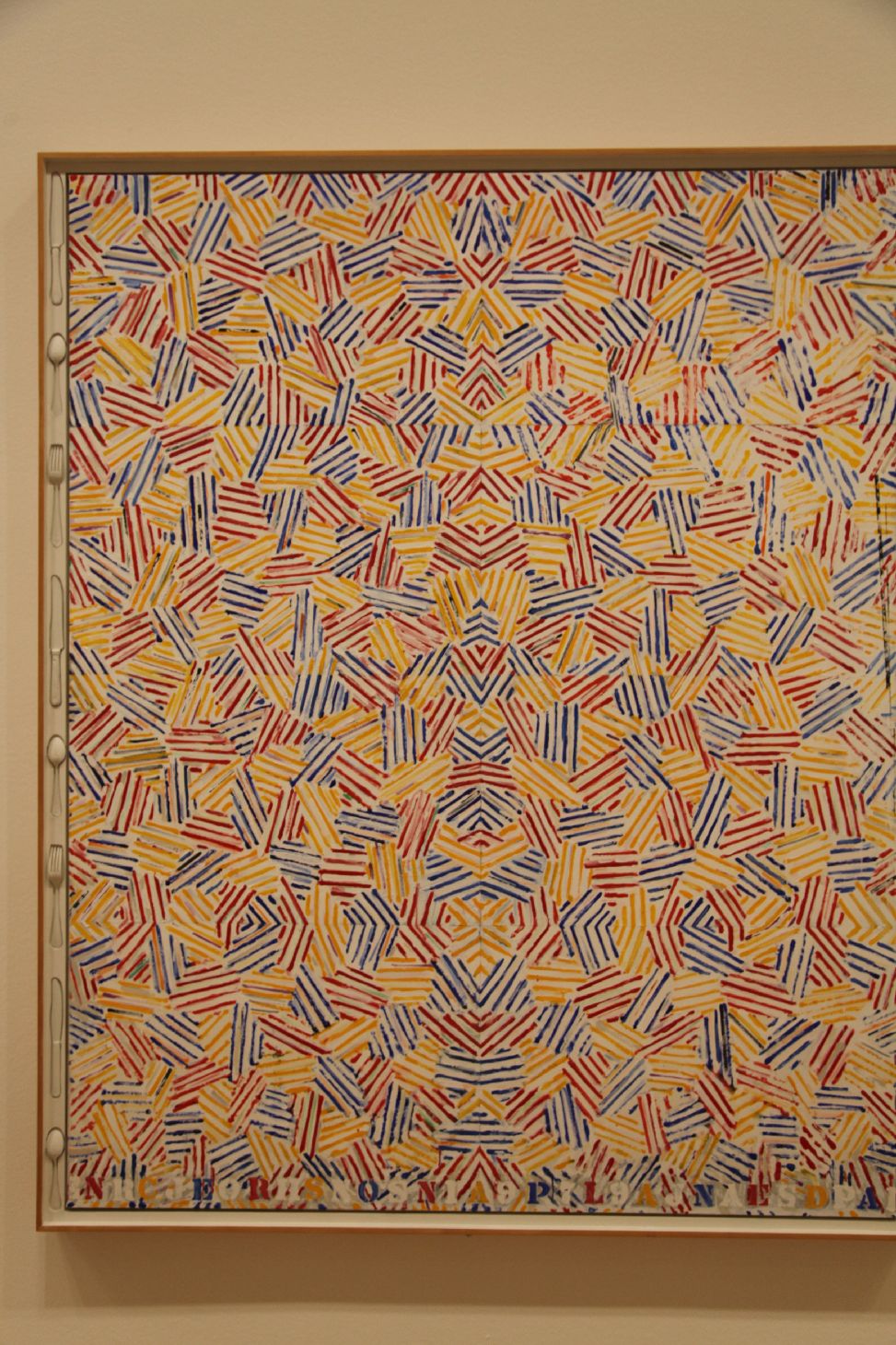
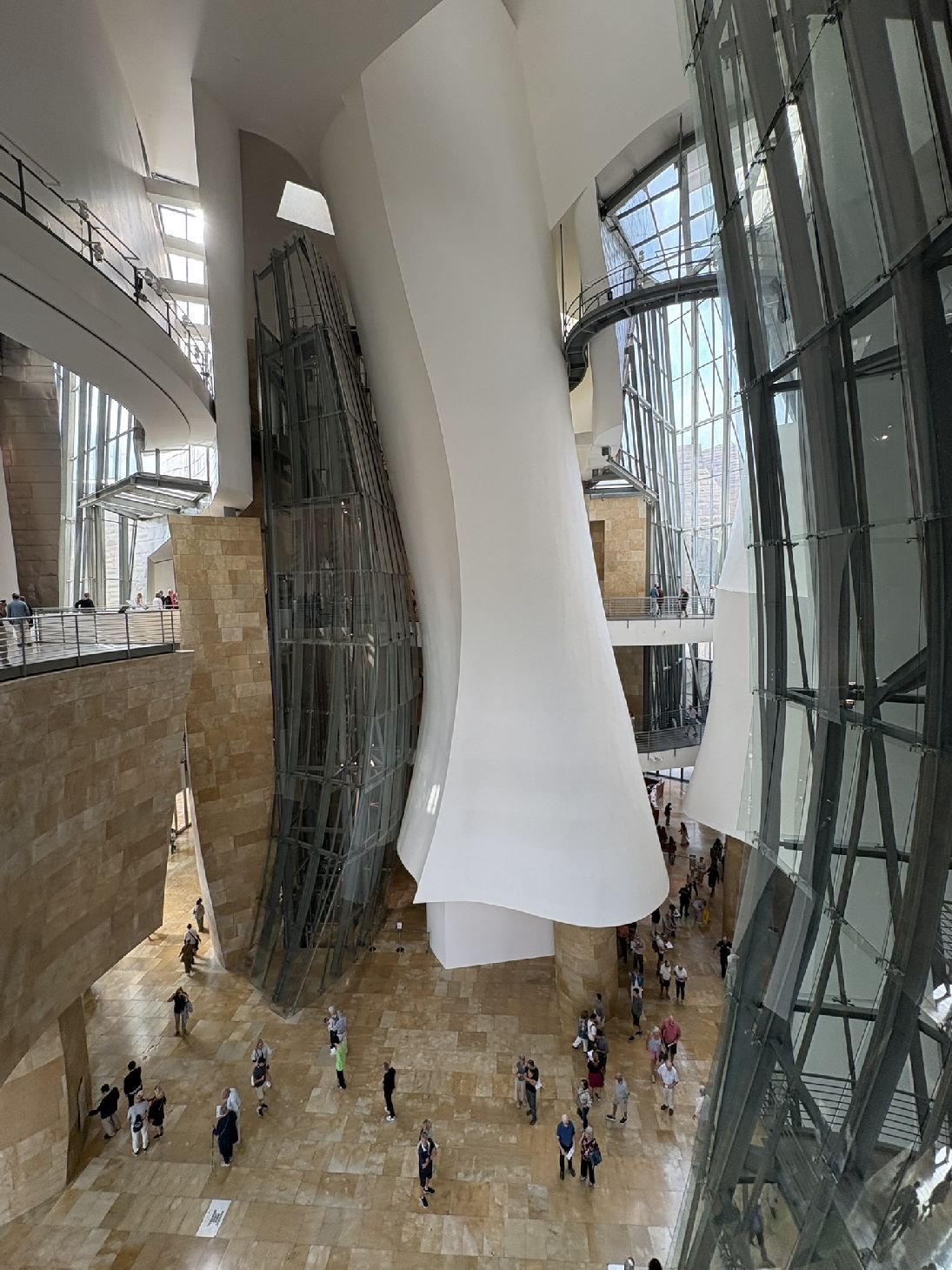
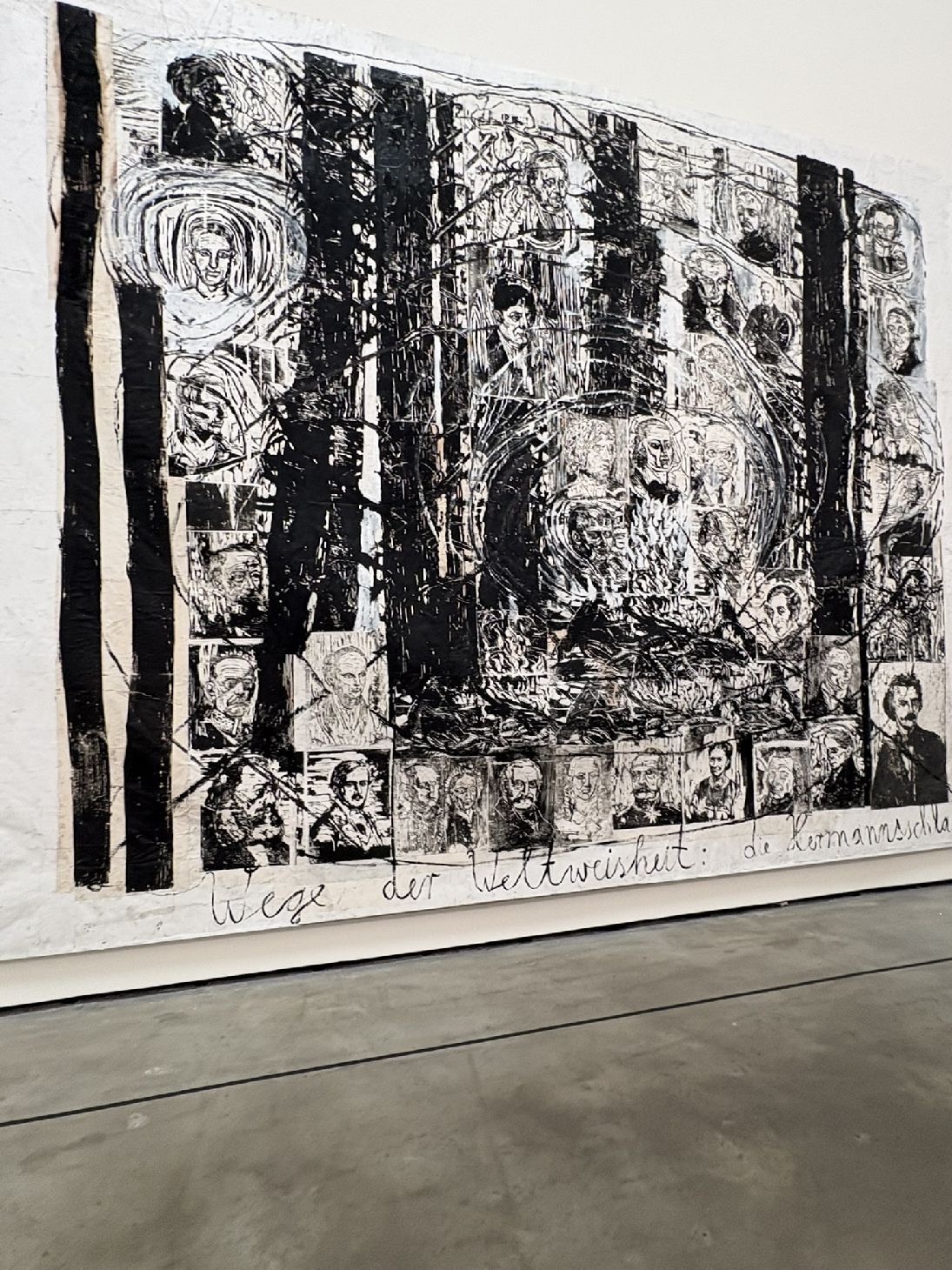
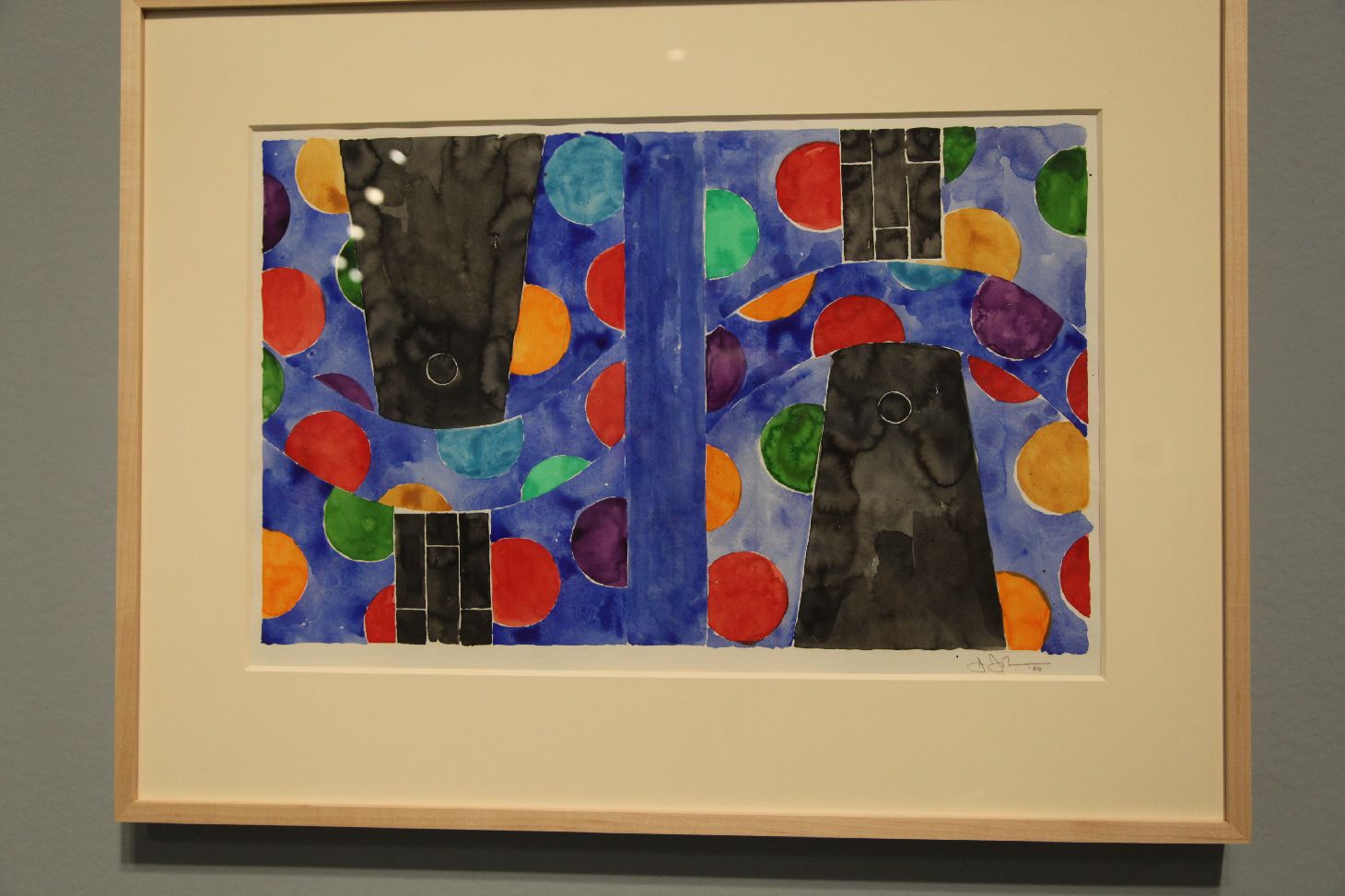
Of course there are a lot of well known works in there as well, many of them on permanent display. And the building’s interior is also interesting if occasionally frustrating when you realise not all of the lifts lead you to all of the different levels. But we coped and eventually I think we managed to see most, if not all, of what is on offer.
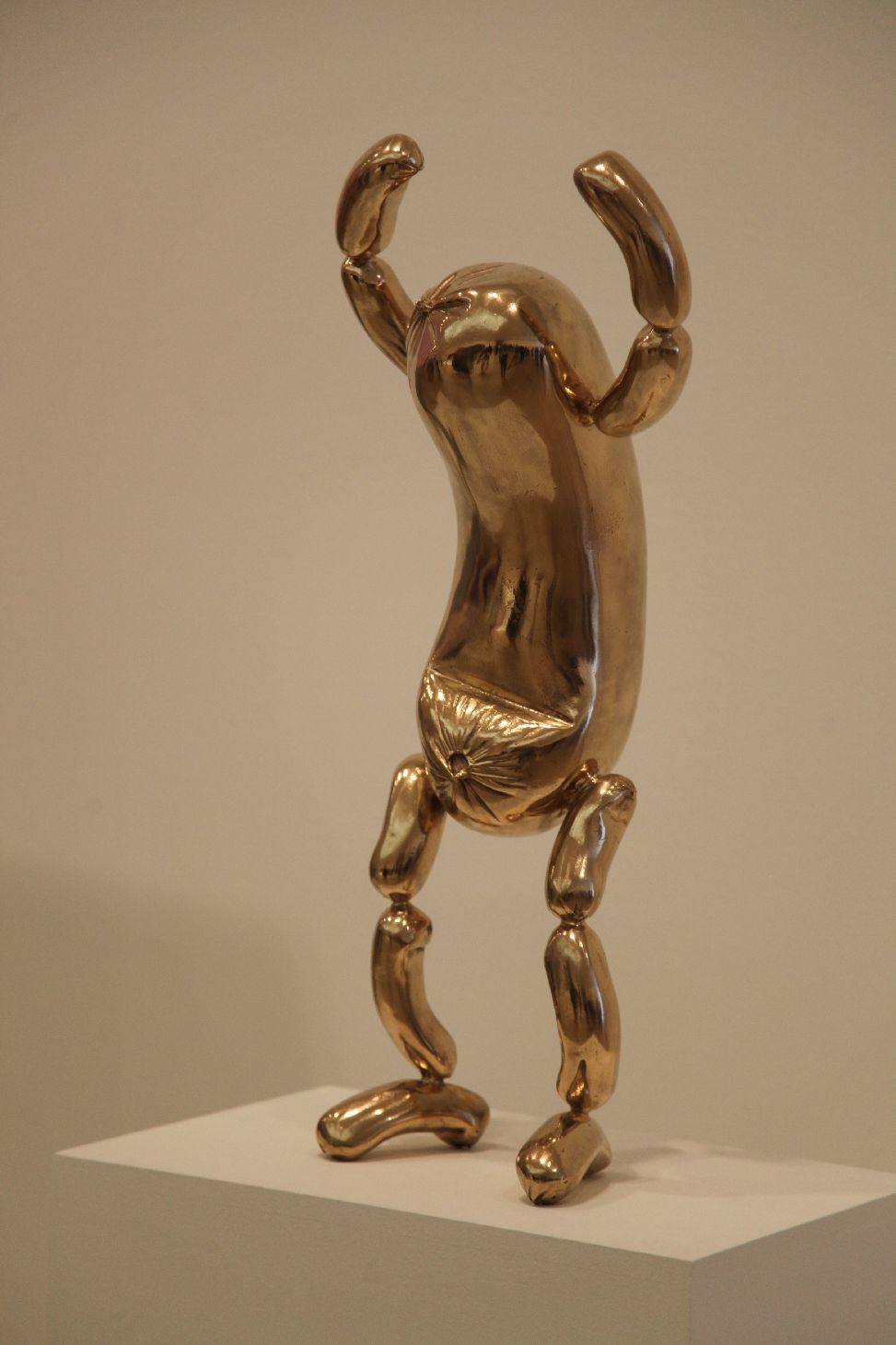
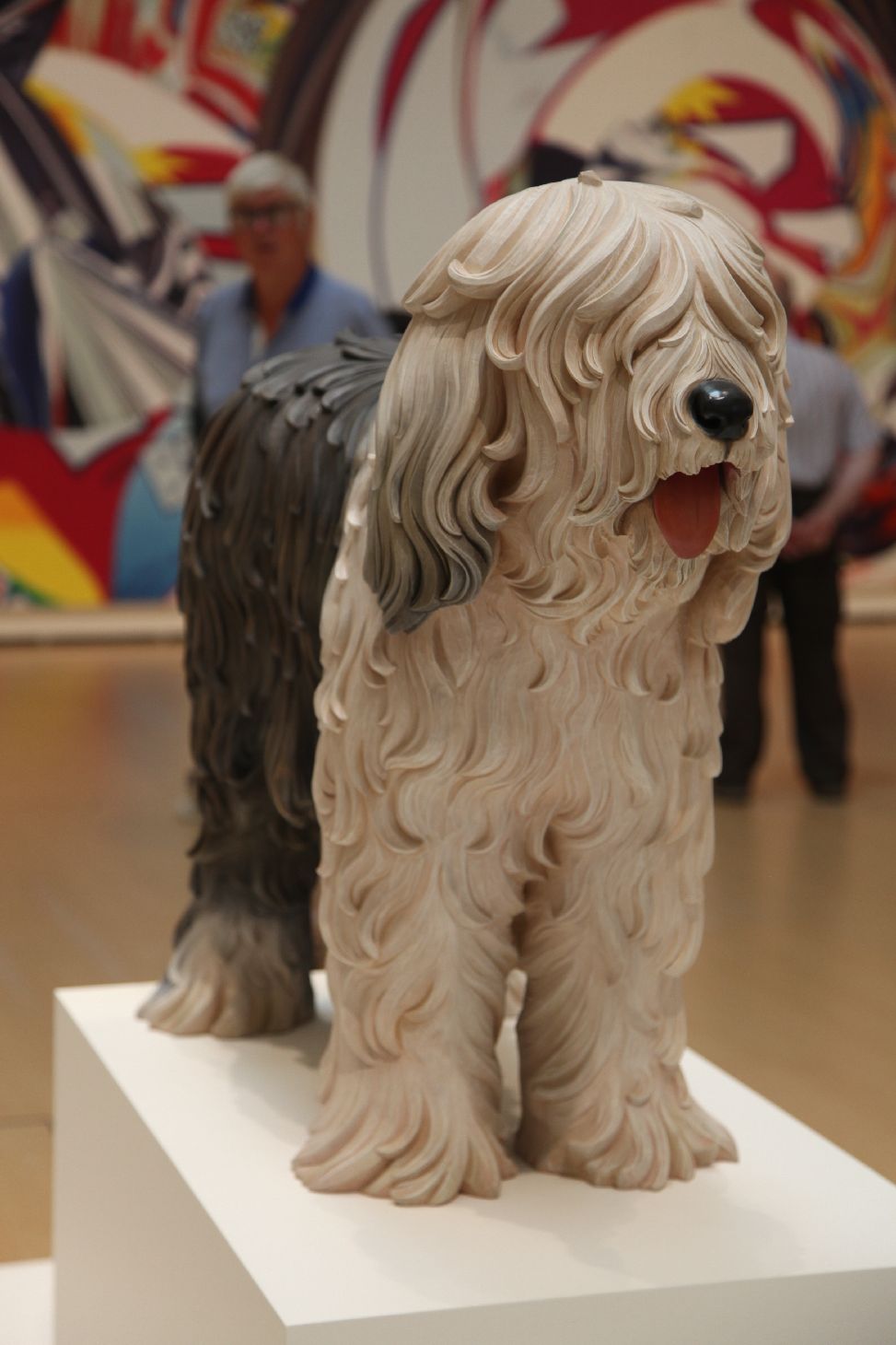
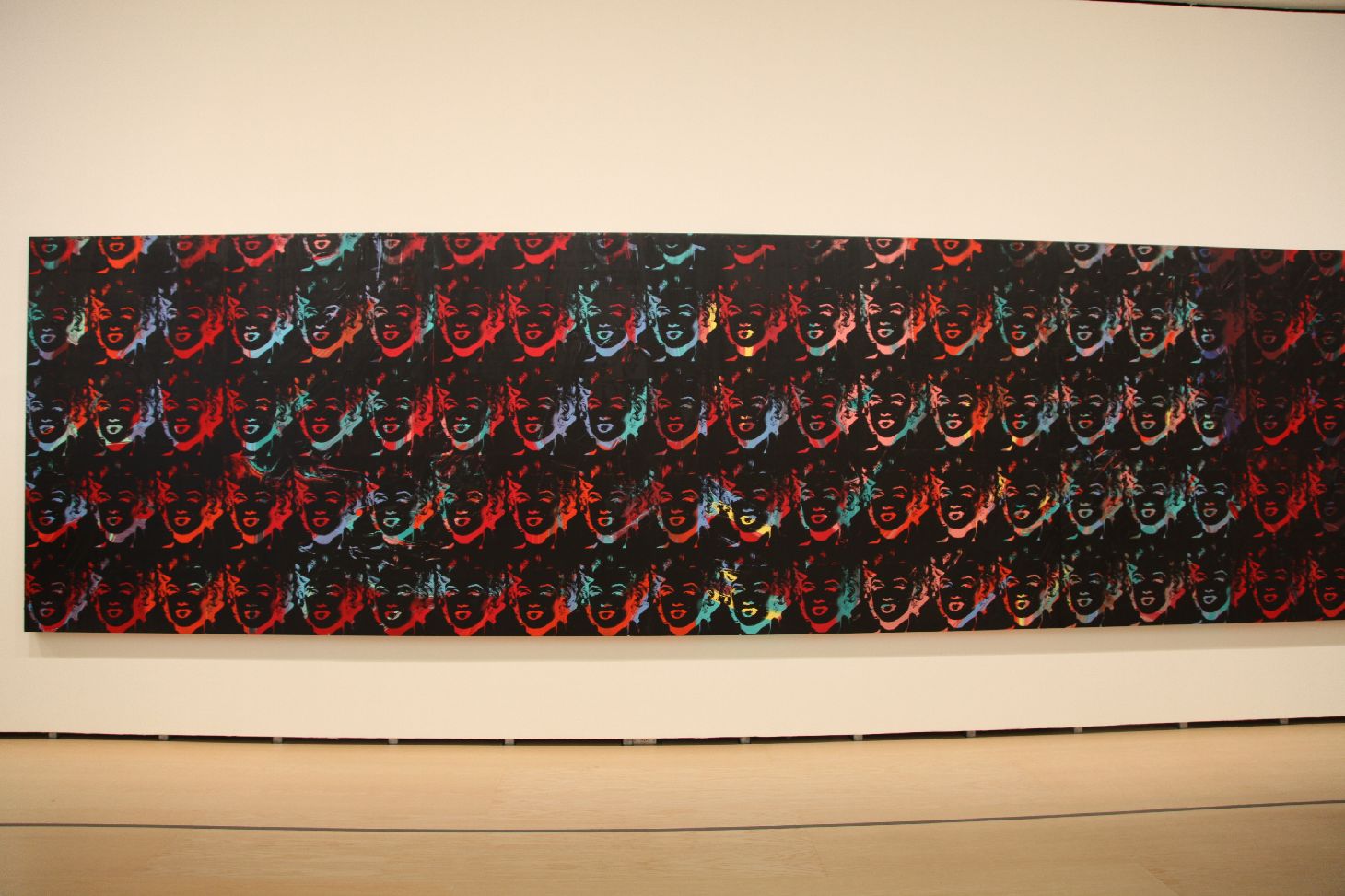
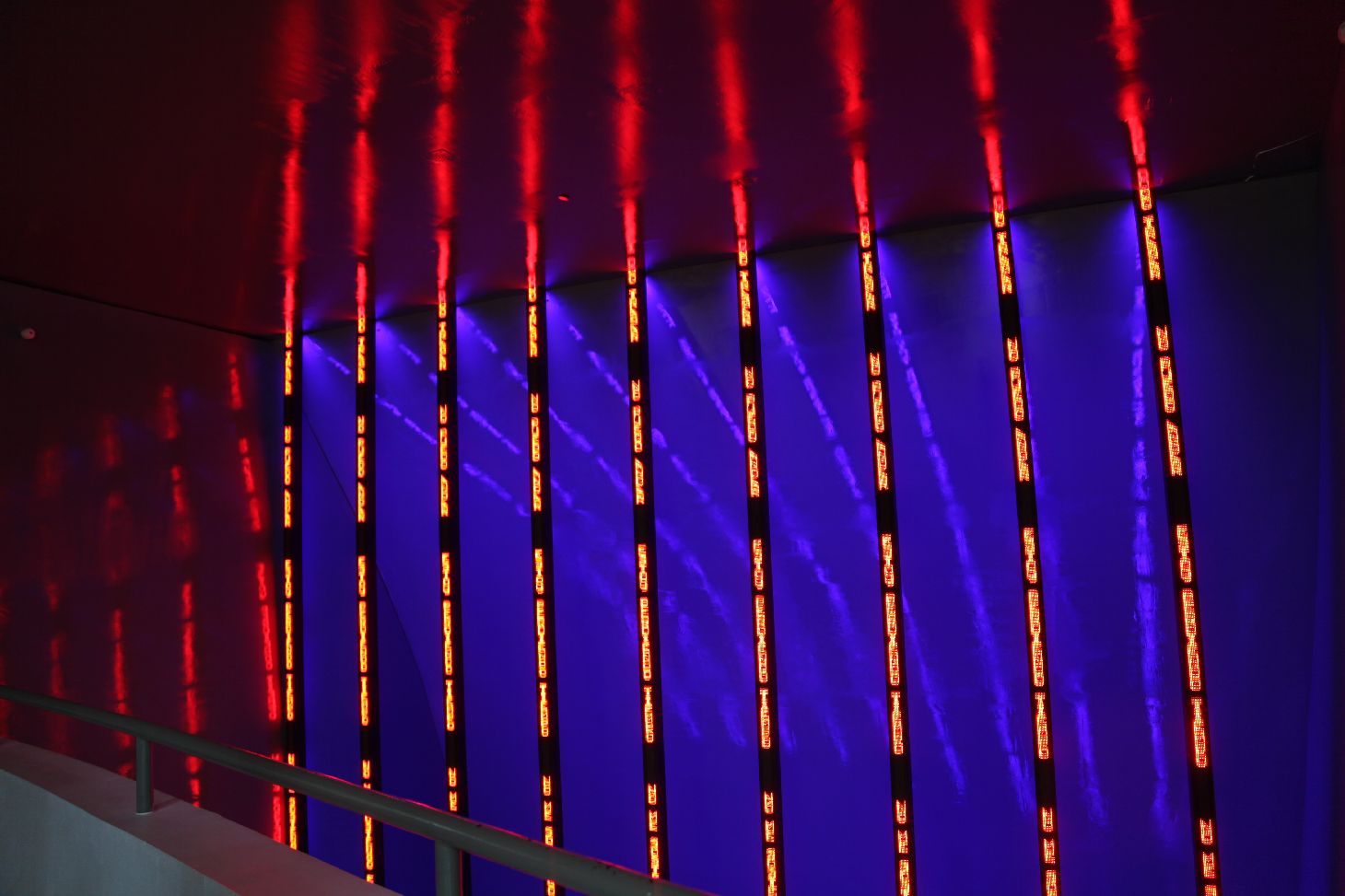

Afterwards we relocated A, and set about grabbing an Uber to our next destination – having realised that public transport was going to require two buses and a 20 minute walk, and that walking would have taken the best part of an hour and was uphill pretty much all the way. We were going for lunch at La Escuela Restaurant. This was something I’d stumbled upon accidentally, and is part of the Bilbao Higher School of Hospitality (Escuela Superior de Hostelería Bilbao). The school is apparently partly funded by some of the local high-end restaurants to ensure a supply of well-trained chefs for their establishments, and the restaurants lets the students (on a 4-year course) practice their skills on the public at lunchtimes Monday to Friday during term-time. We have some experience with college restaurants in the UK (Northampton and Milton Keynes both offer public dining sessions at ludicrously low prices because all you’re actually paying for are the raw materials and the power needed to cook them) and we also used to occasionally manage to get to Westminster College for dinner. This sounded like it would offer a similar experience – and at a similarly enticing price point – and we were keen to give it a try. The idea of “Traditional Basque cuisine infused with touches of modernity and innovation” was very appealing.
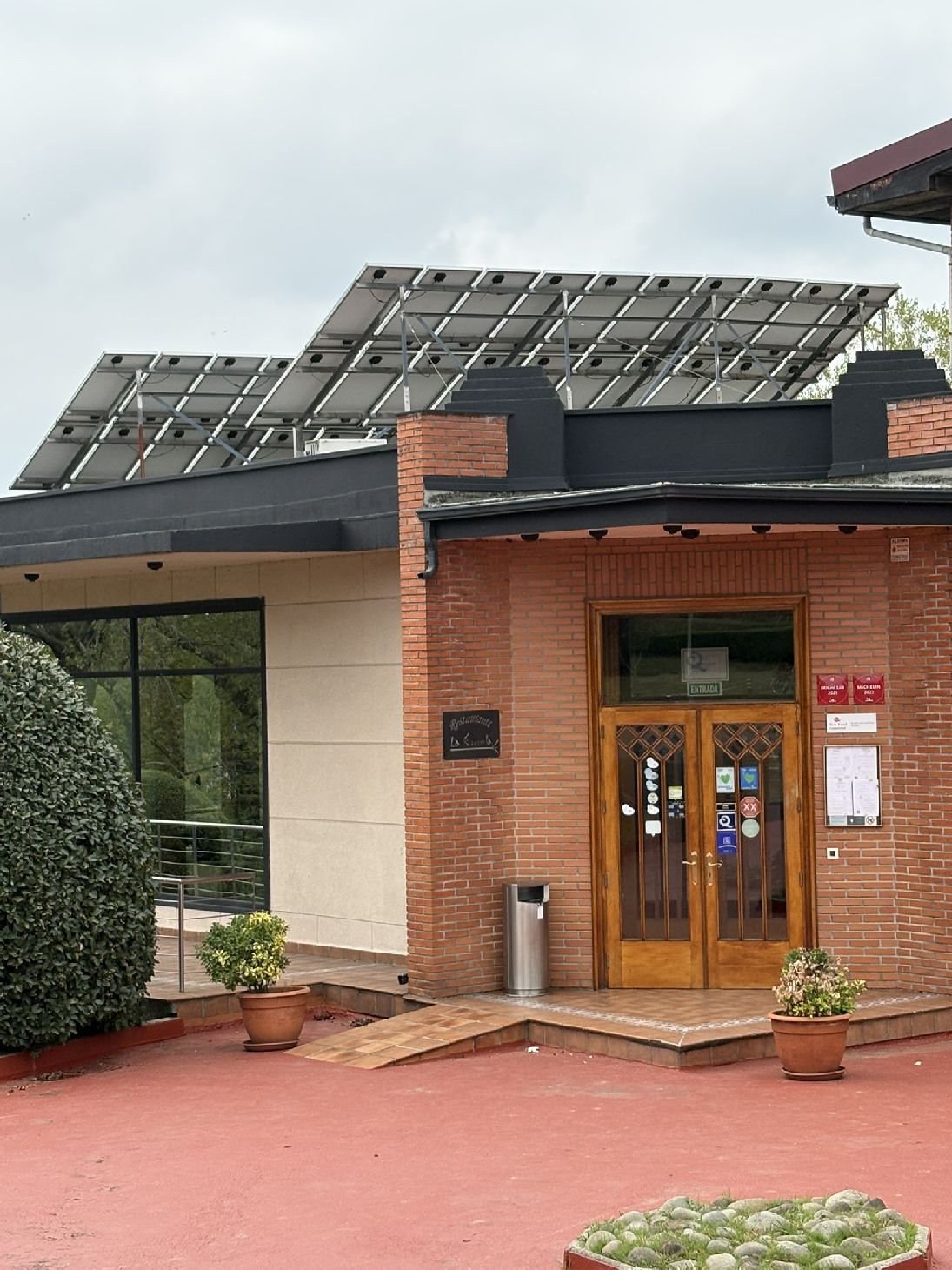
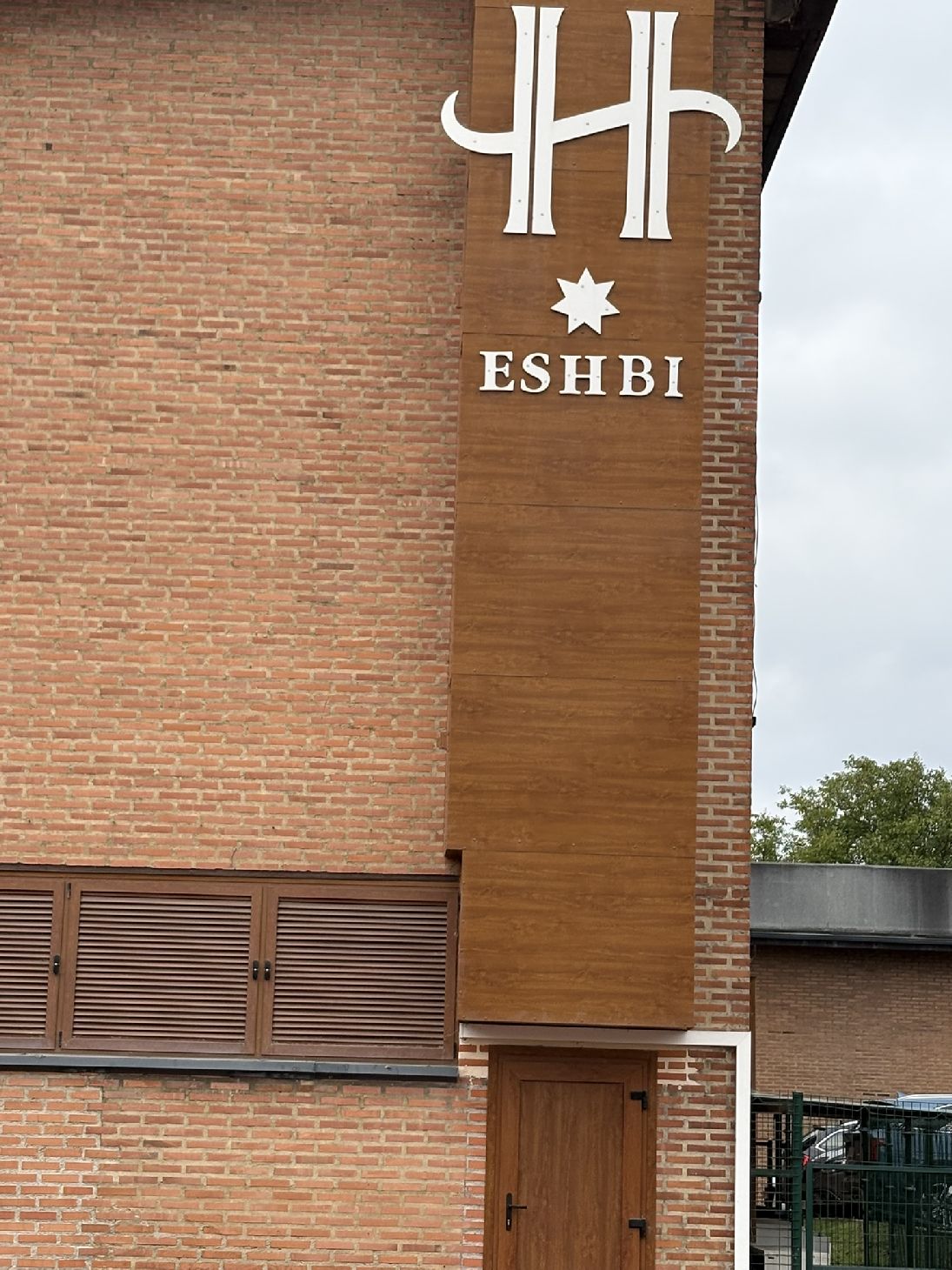
It’s technically in Artxanda with panoramic views of Bilbao, though from where we stood when we got out of the taxi it was very overcast and not clear. However, we were there for the food, not the views, no matter how stunning the latter might be on a sunny day.
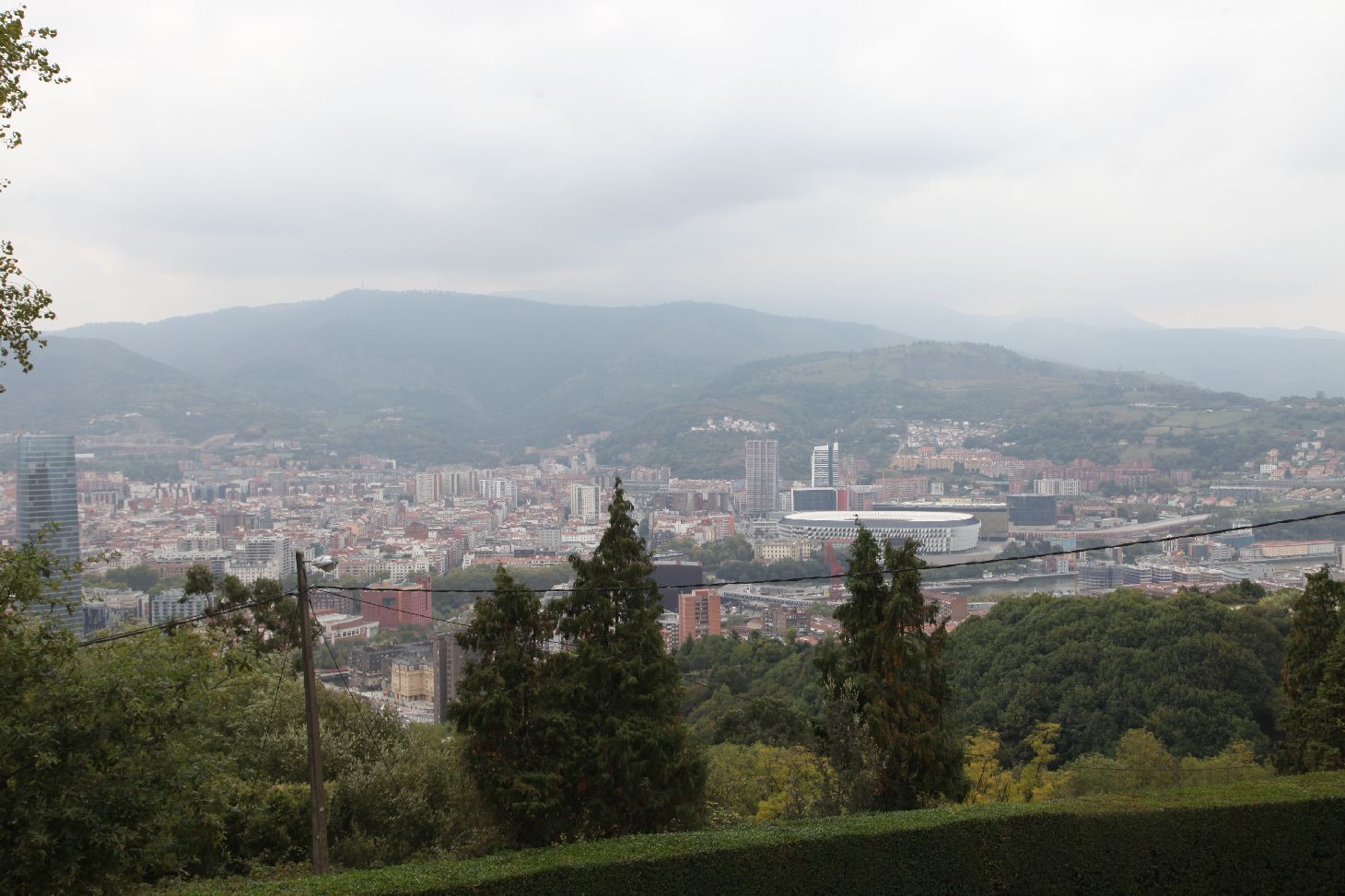
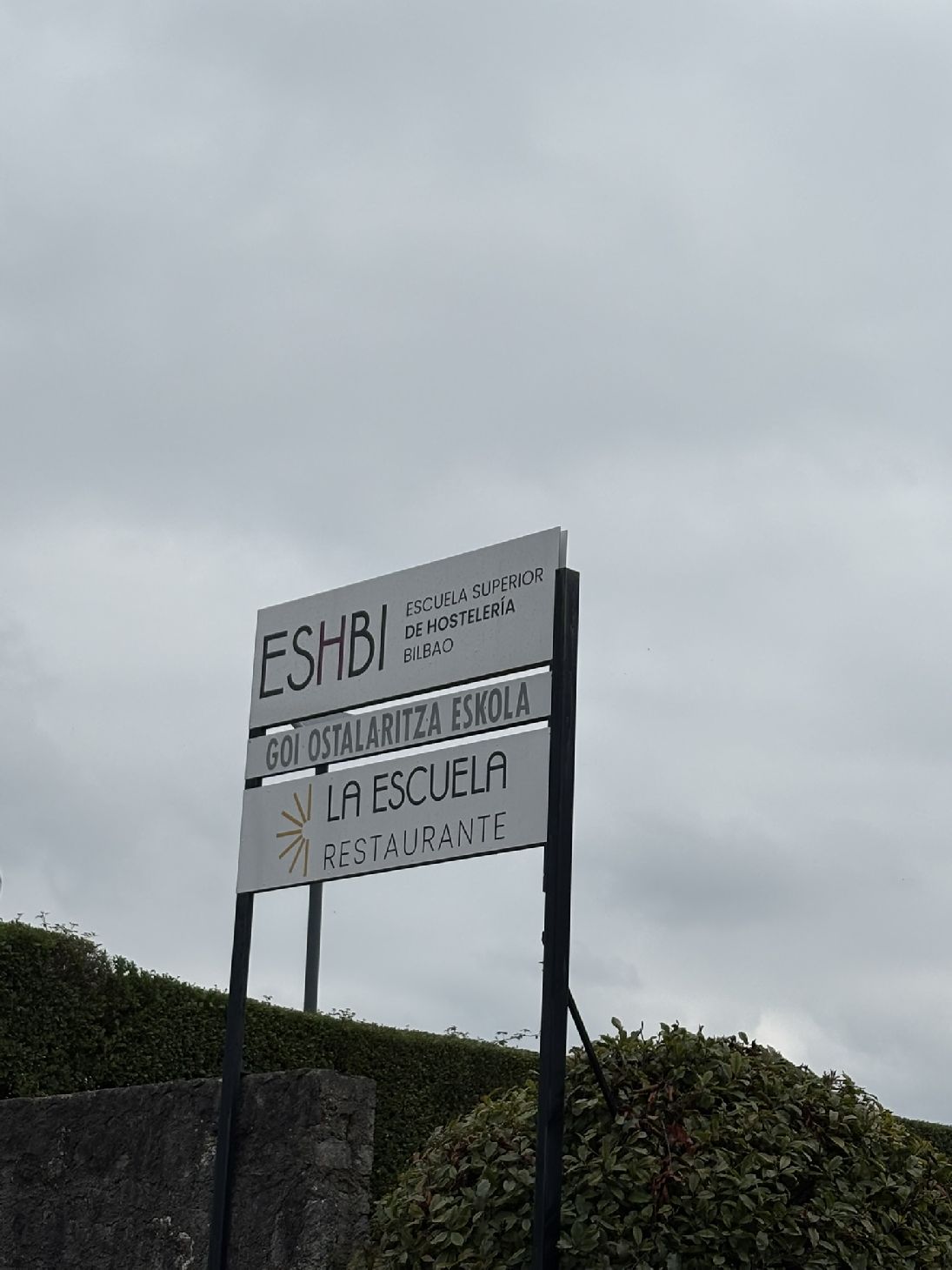
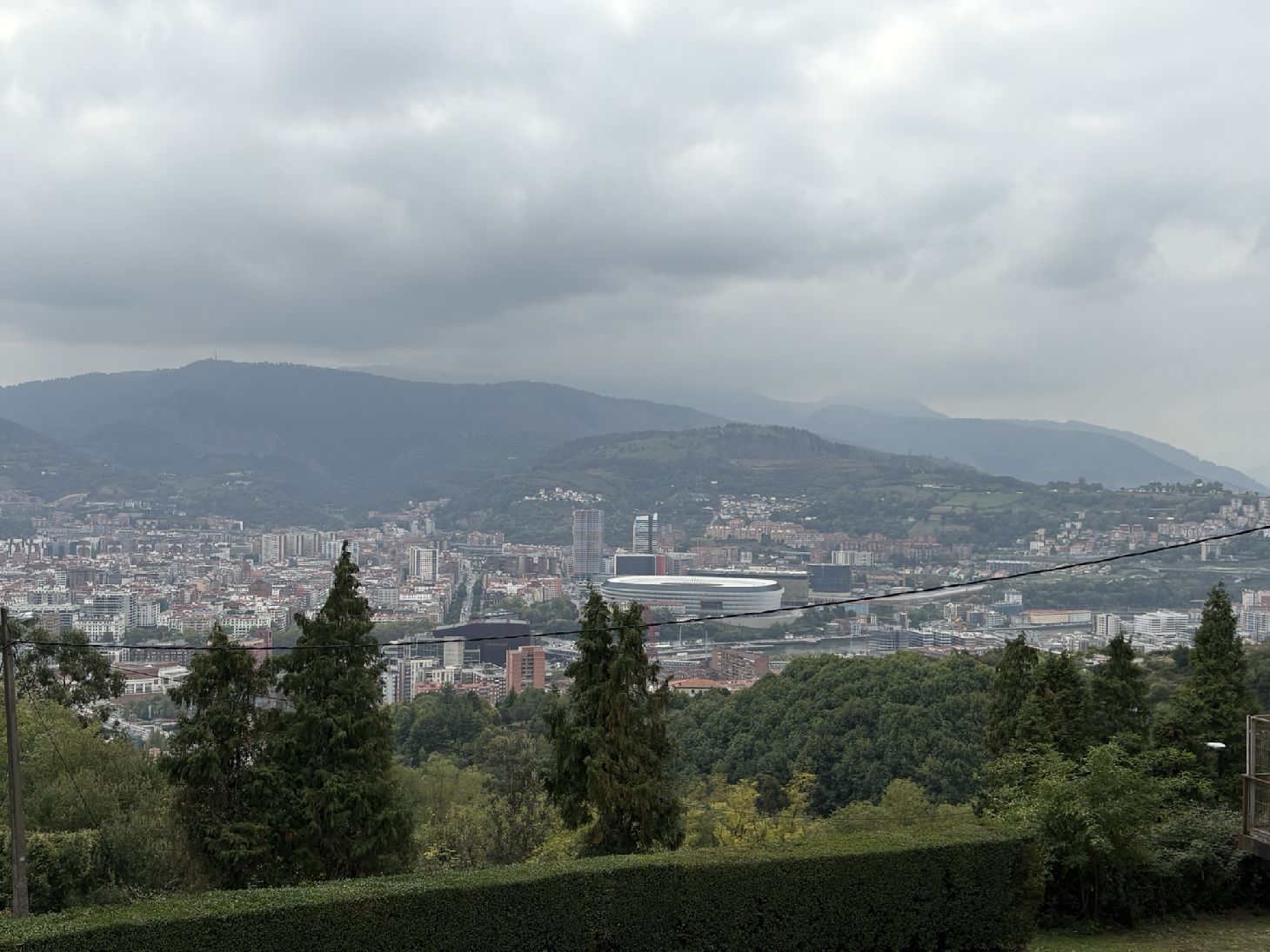
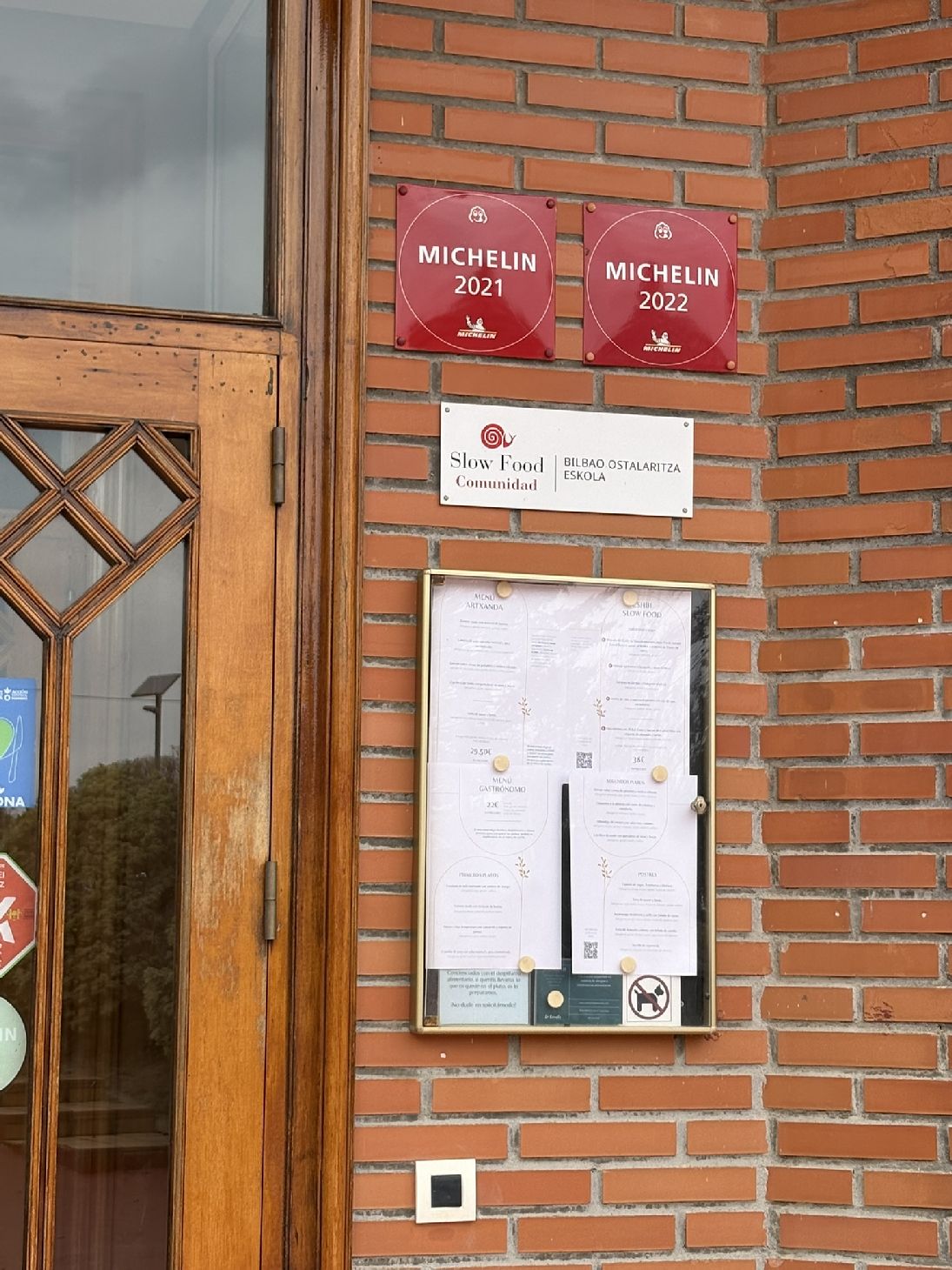
We’d arrived slightly ahead of their opening time, so we had to hand around outside. During that time a couple of people without reservations arrived, and were turned away so if you do choose to go I would strongly suggest booking well in advance. The website even lets you see all four menus that will be on during the academic year so you can look to see which option is most appealing from the Gastronomic Menu, the Artxanda Menu, or the ESHBI Slow Food Menu. Once inside we were seated in a lovely space, and soon had a very attentive student – keen to practice her English – looking after us.
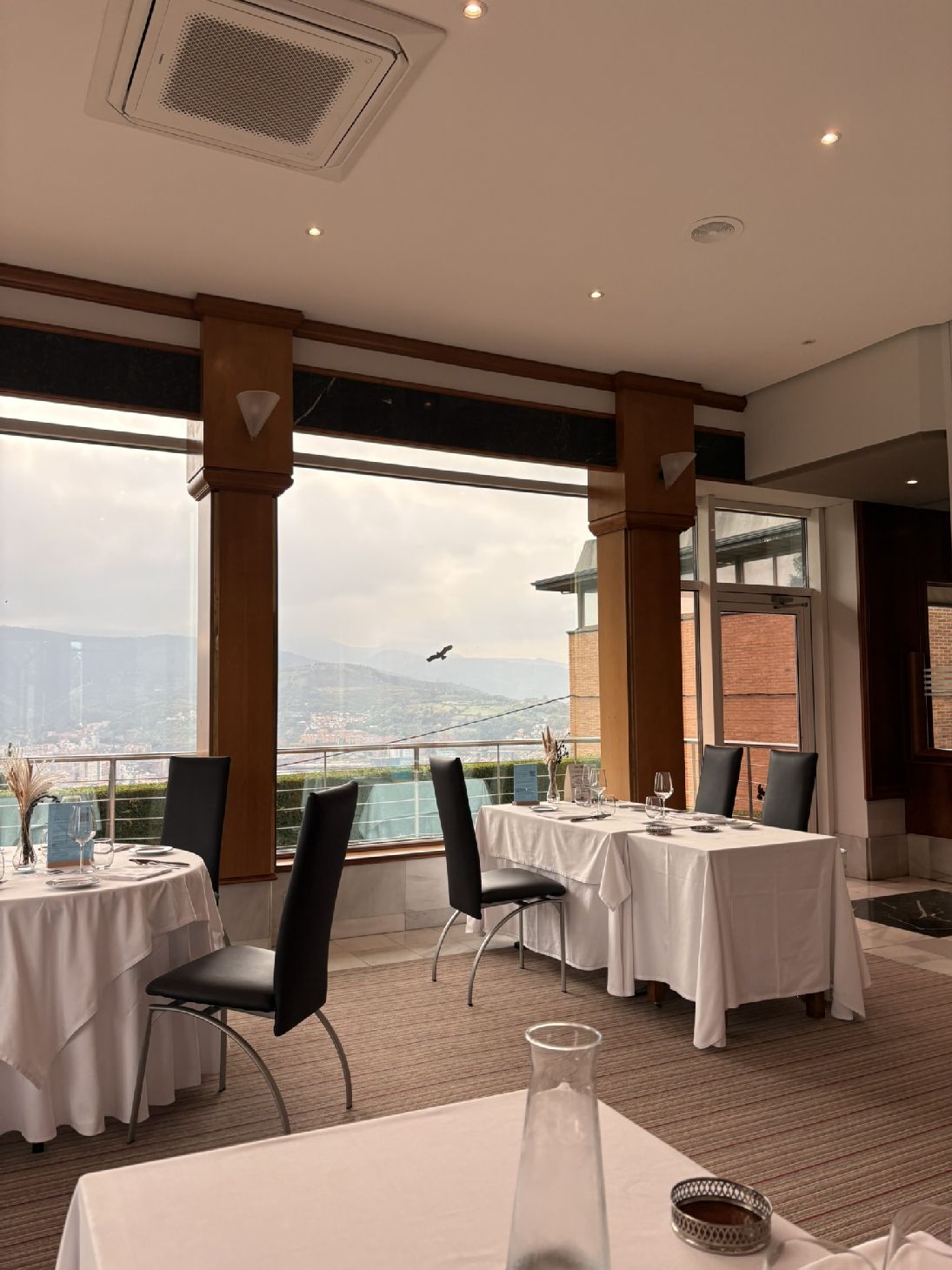
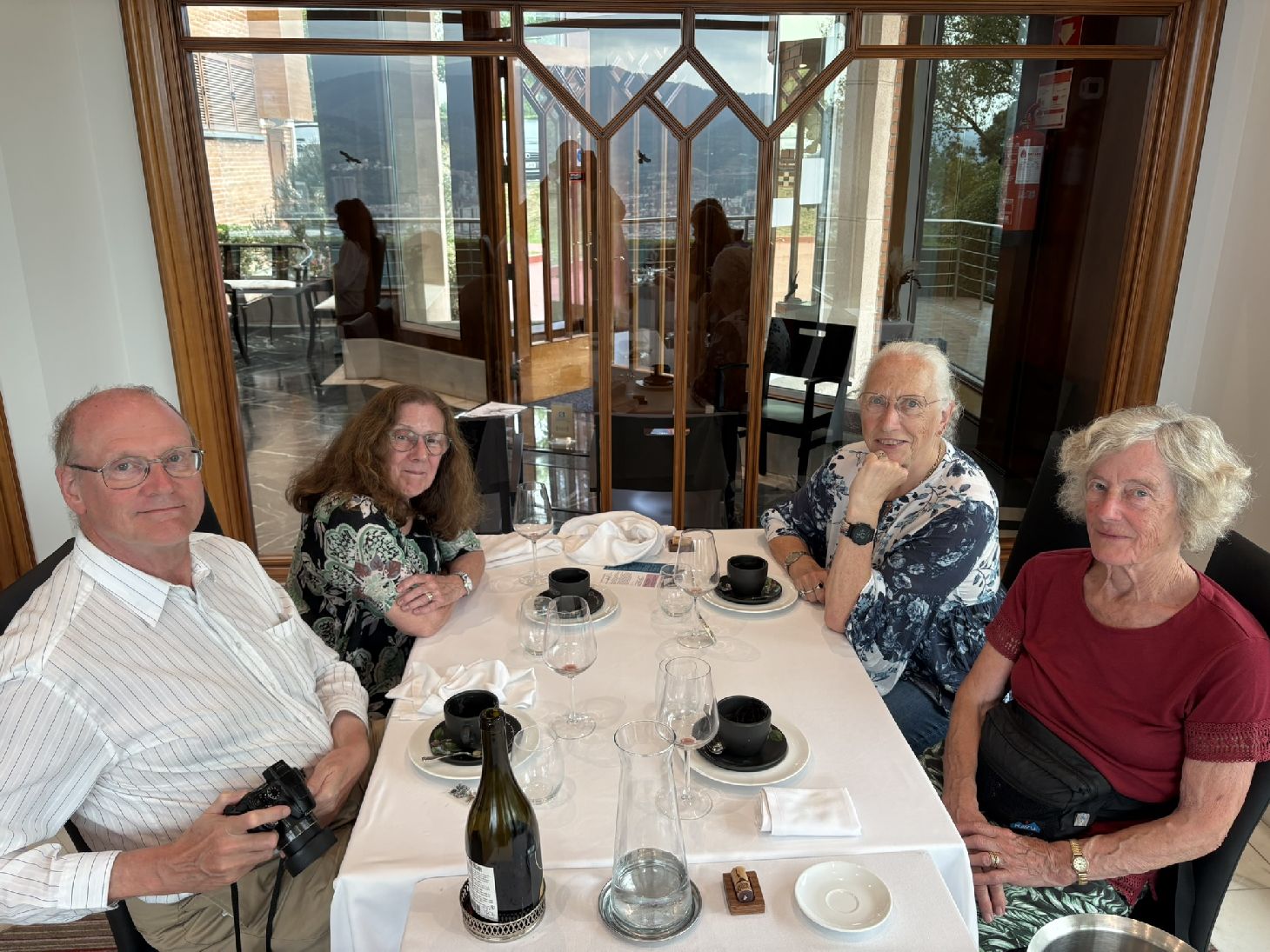
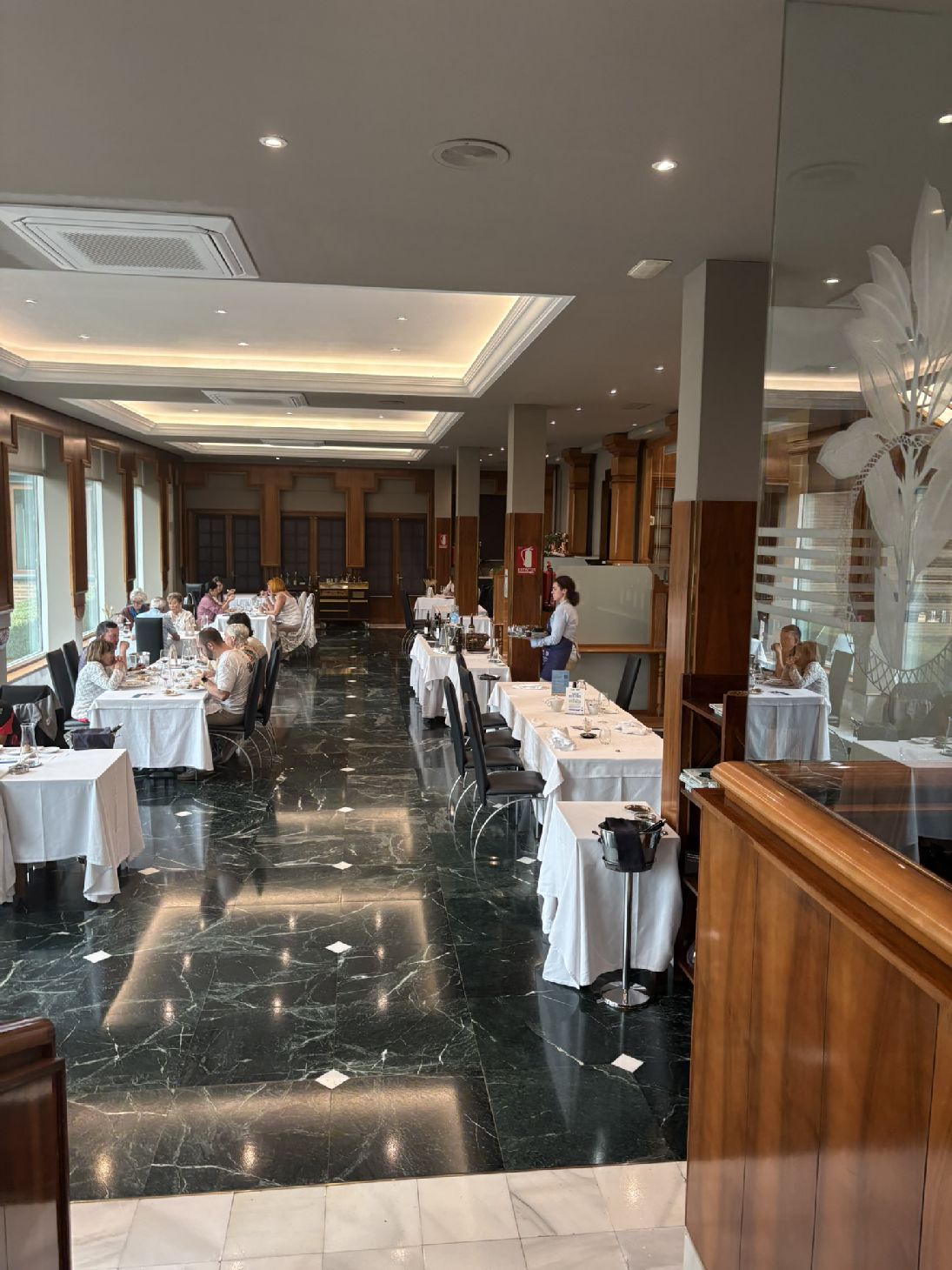
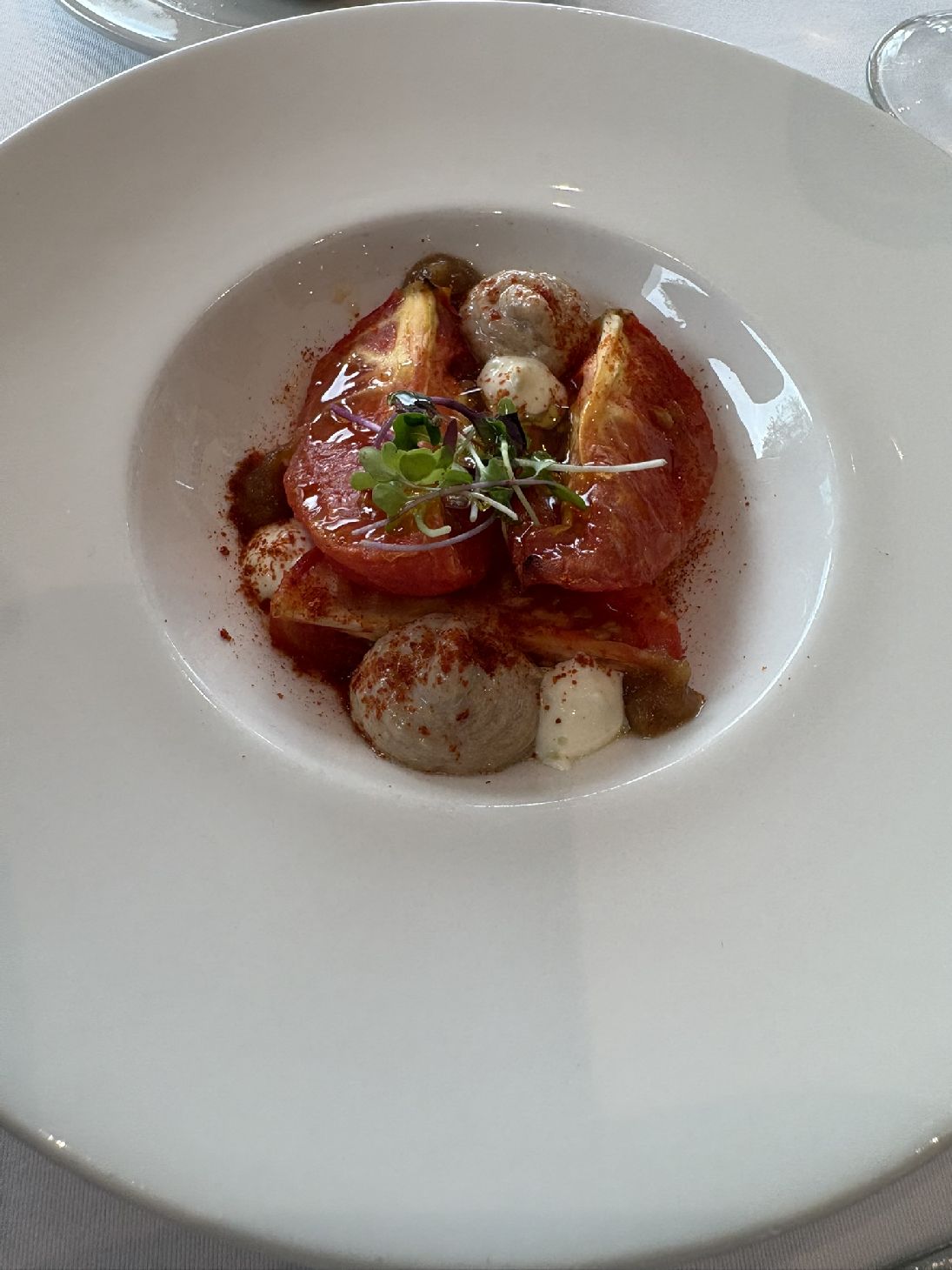
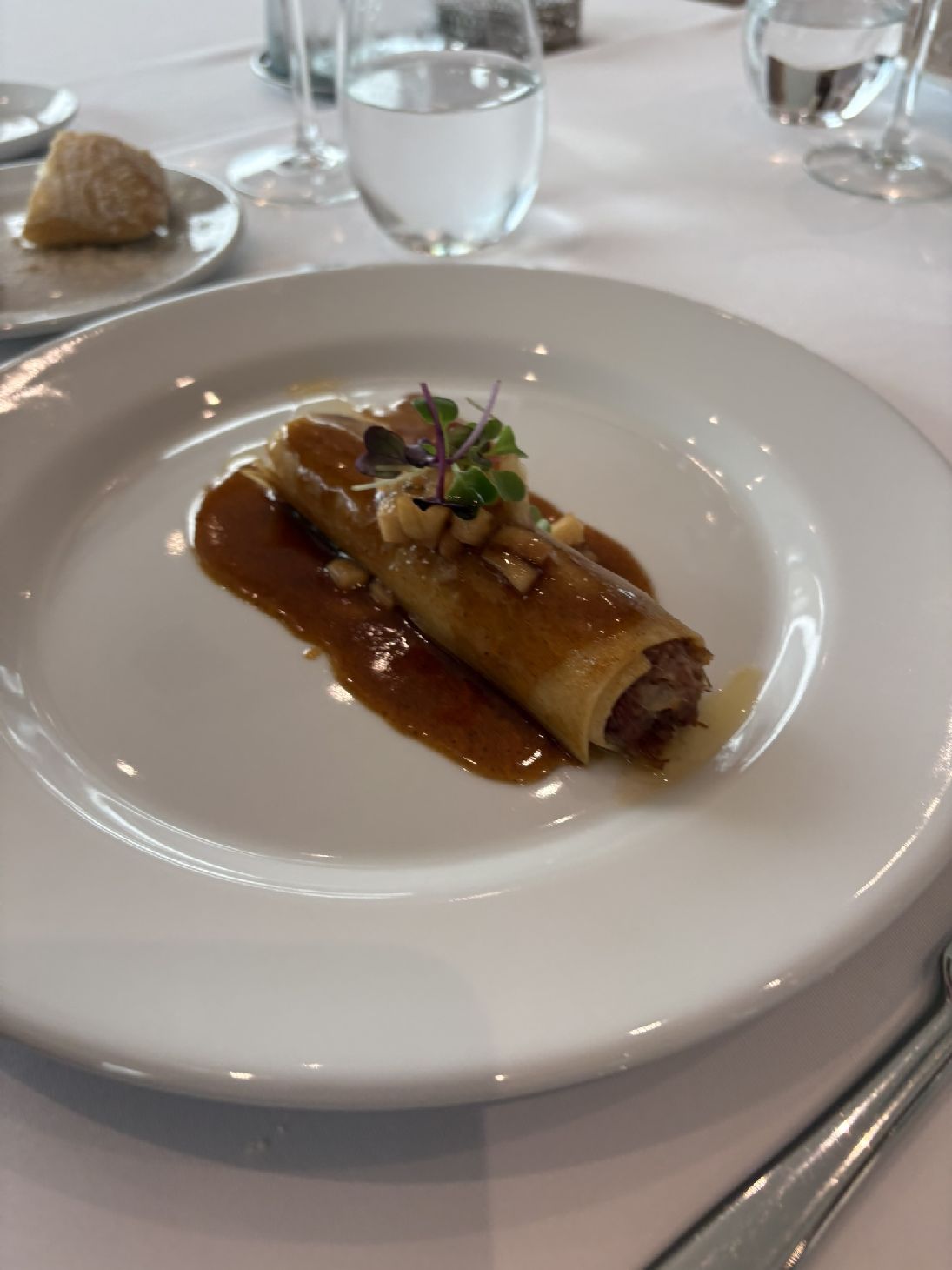
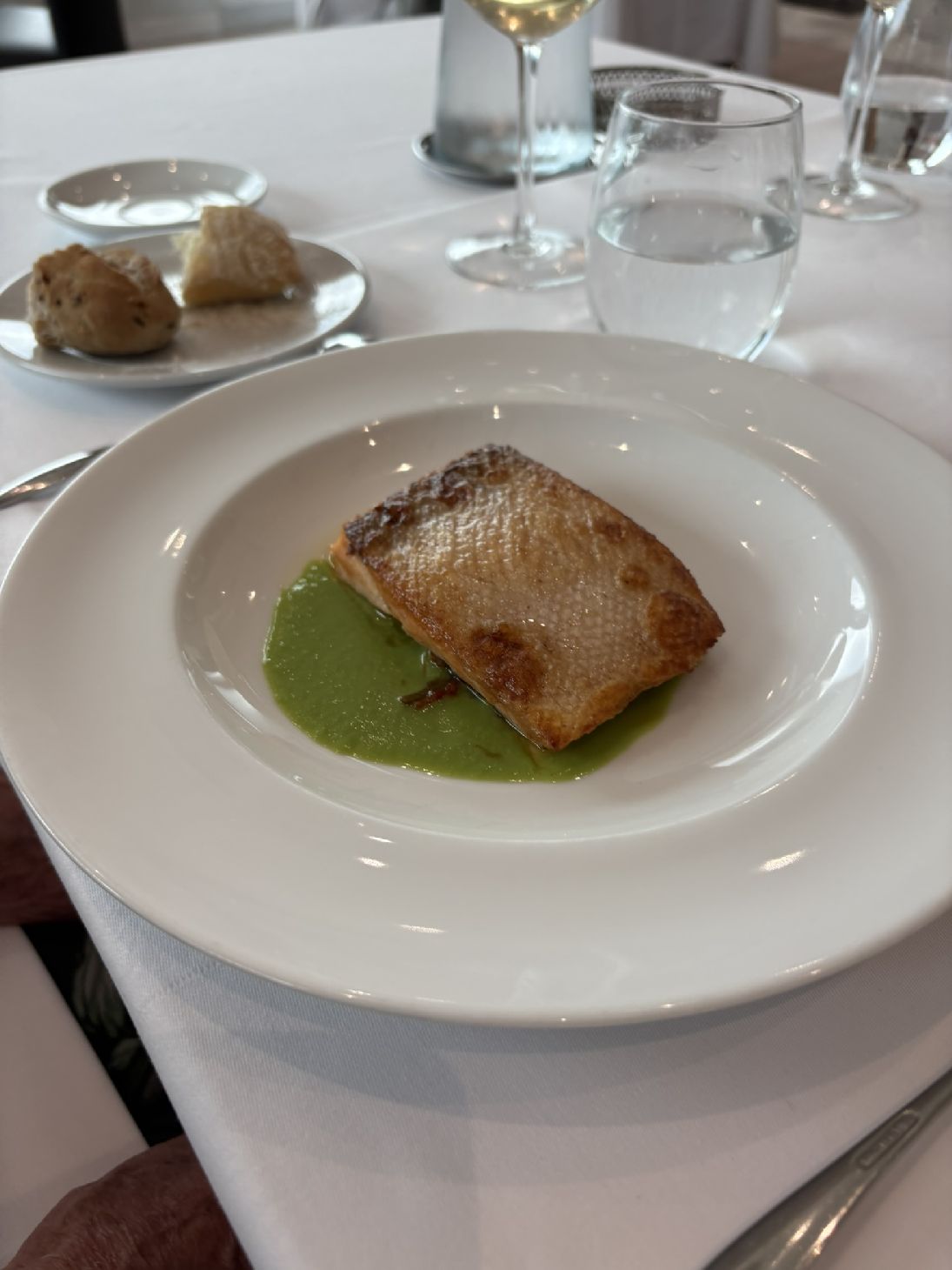
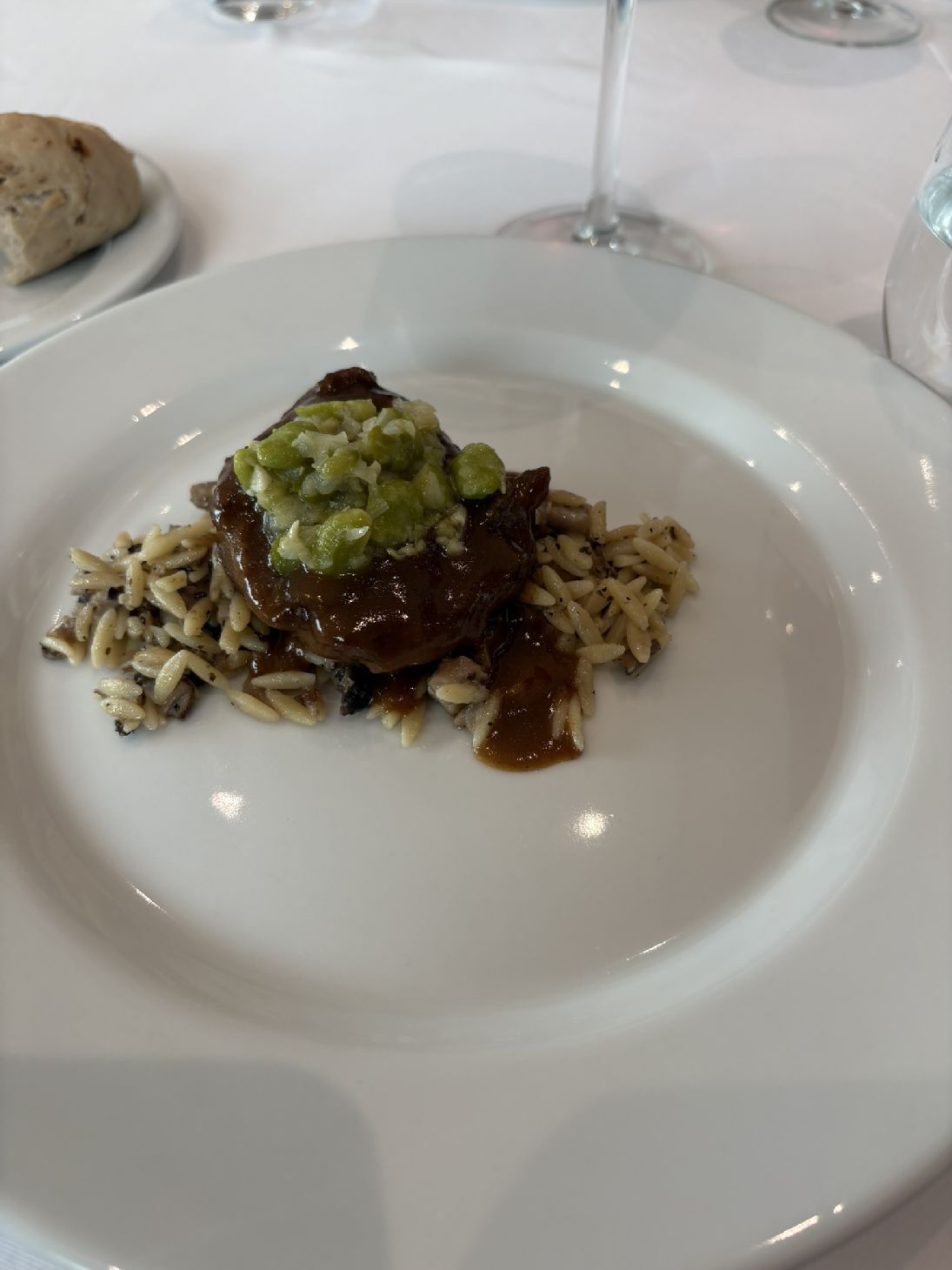
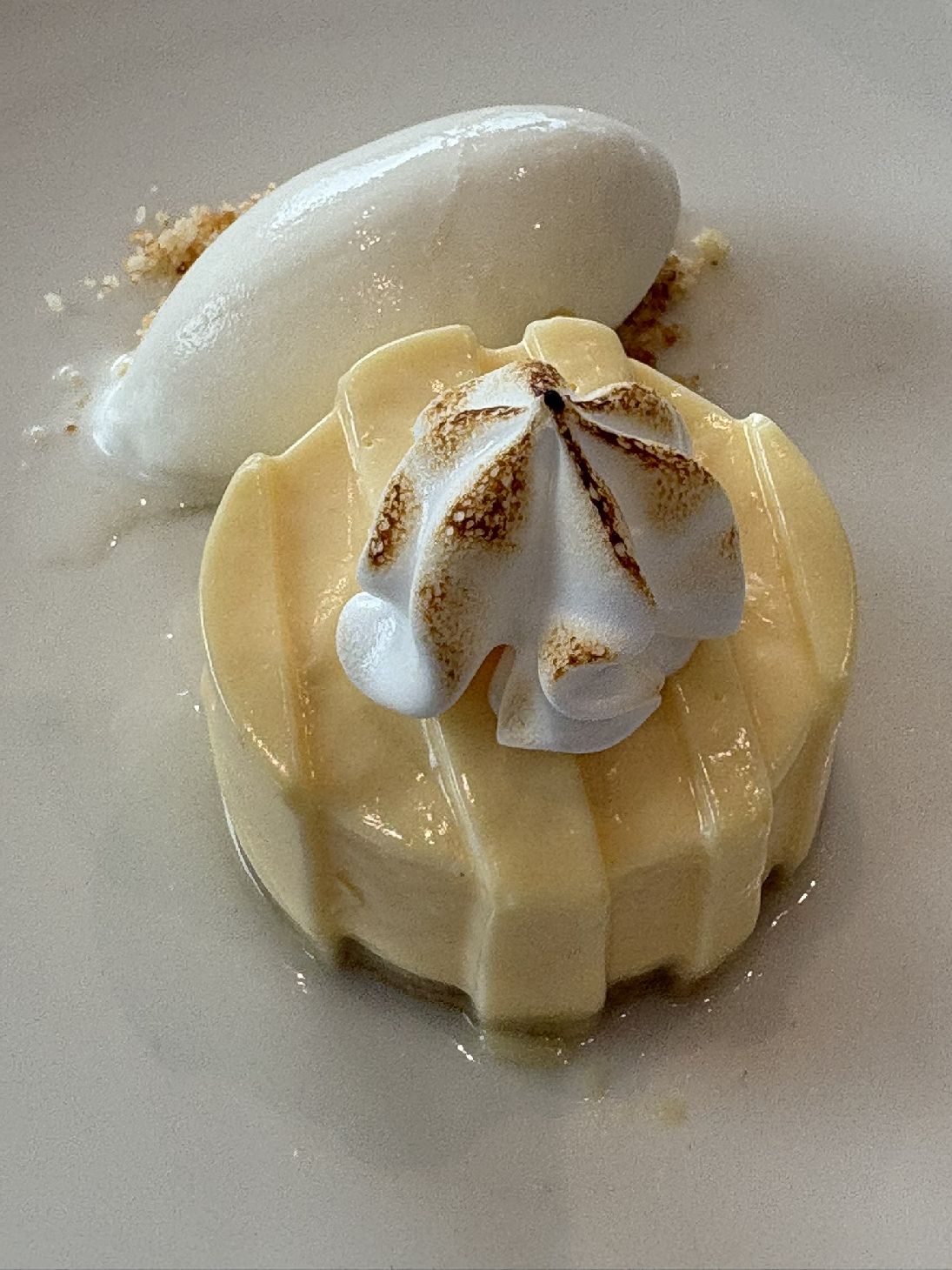
Despite indications that we all had to choose the same menu, that turned out not to be the case so we decided on two Menú Artxandas at €29.50 per person and two Menú ESHBI slow food at €38 each. Given what followed I’d call that an absolute stone-cold bargain. Our version of the menus were available from the start of term (7th September) until 30th October which meant everyone was in the third week of this rotation and the quality and flavours were superb. The cheaper of the two menus took us through roasted tomato with textures of bonito; duck cannelloni with an Asian-style sauce and caramelised pear; salmon served over a pea purée with sautéed vegetables; pork cheek with puntalette pasta, mushrooms, and bacon, and finished with a lemon cheesecake.
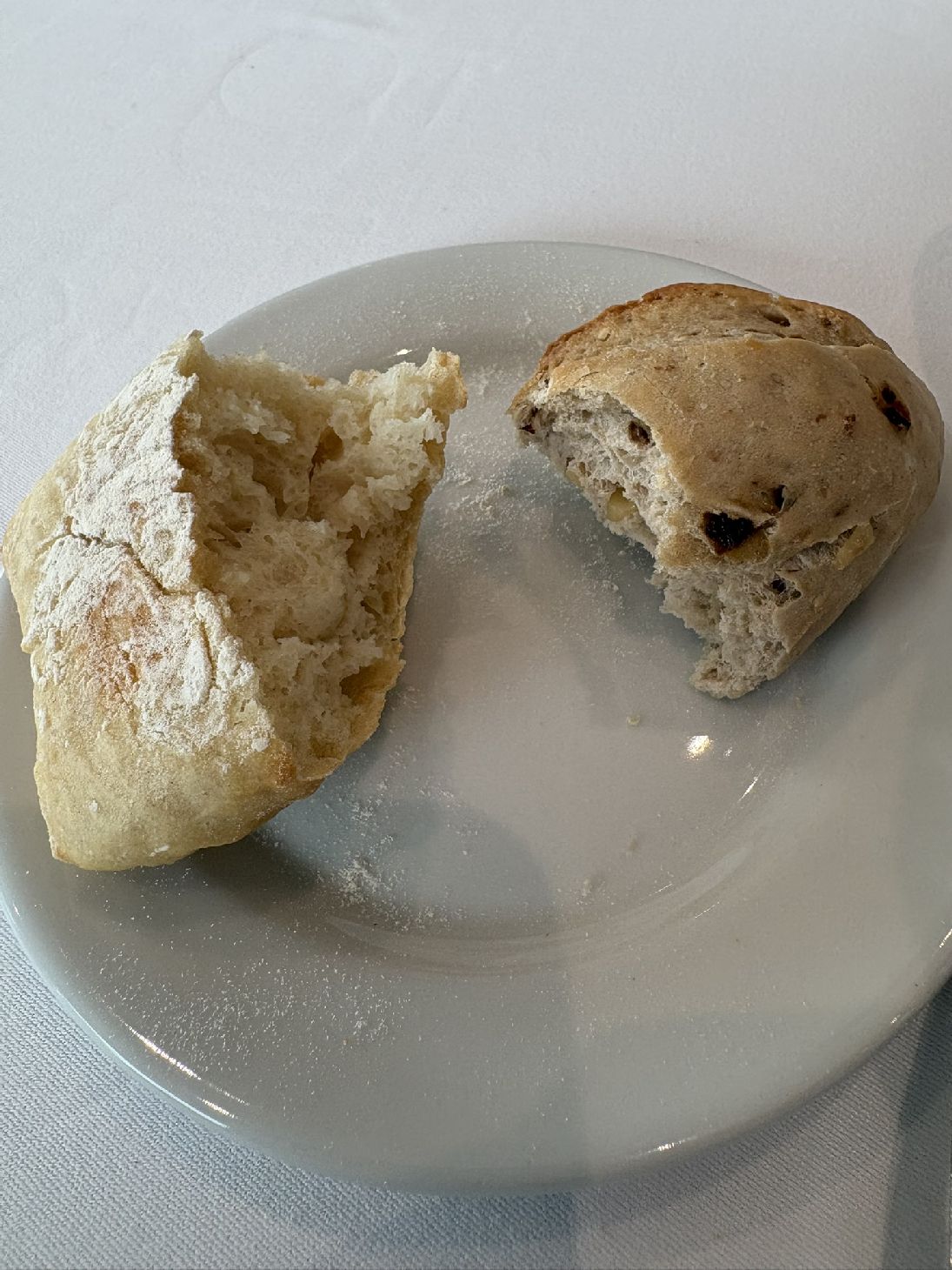
The slow food version was smoked fish from the Bay of Biscay, Euskal Baserri cold tomato soup, Aprora olive oil, and crispy Álava potato; grilled veal sweetbreads and Delika2 mushrooms; thinly sliced cod and txangurro (spider crab) in pil-pil sauce; Basatxerri oxtail and trotter terrine with celeriac in various textures and finally a creamy flan made with Bizkai Esnea (Biscay milk) and Euska Oiloa (Basque hen) eggs, topped with almond brittle and toffee.
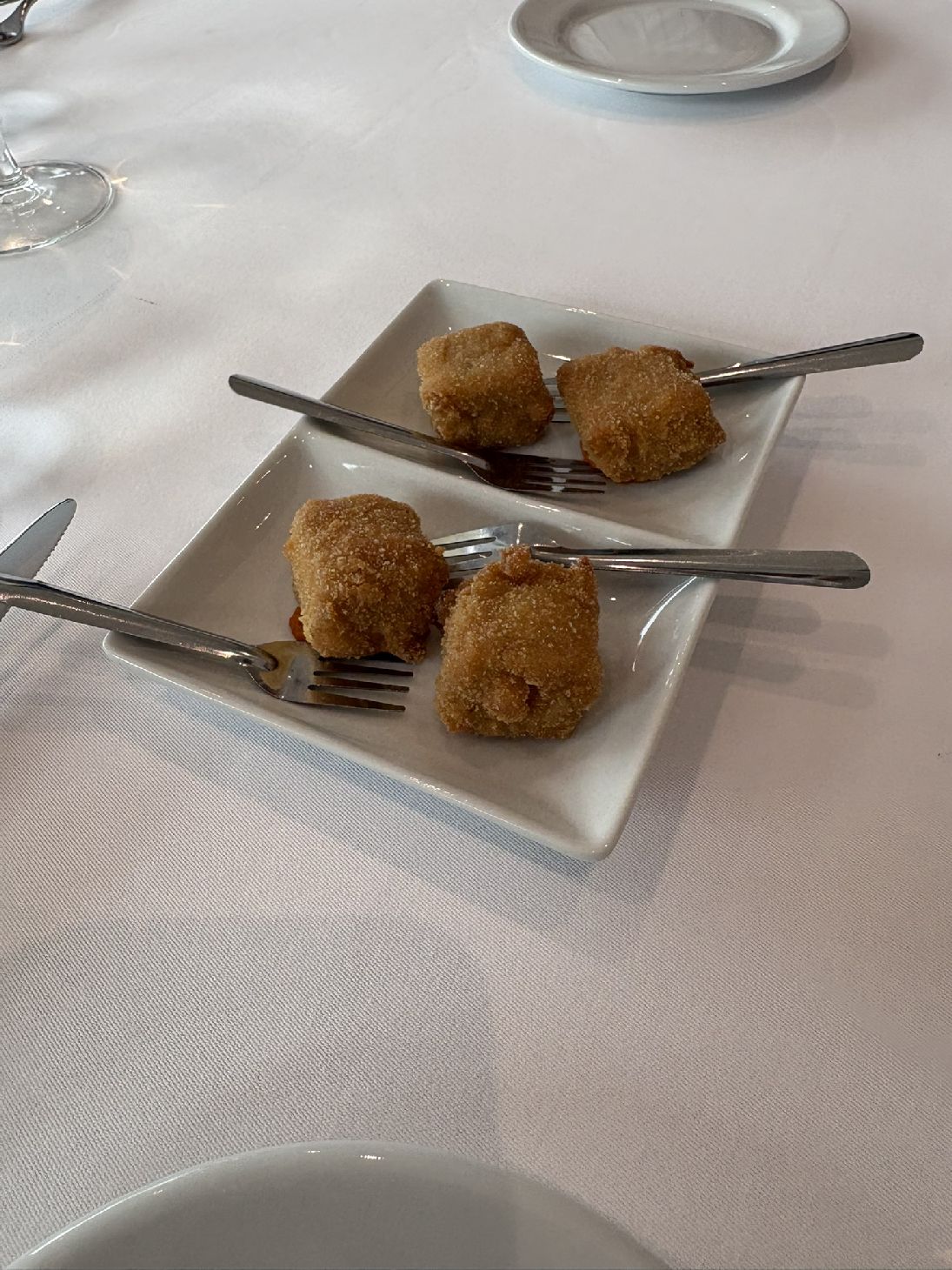
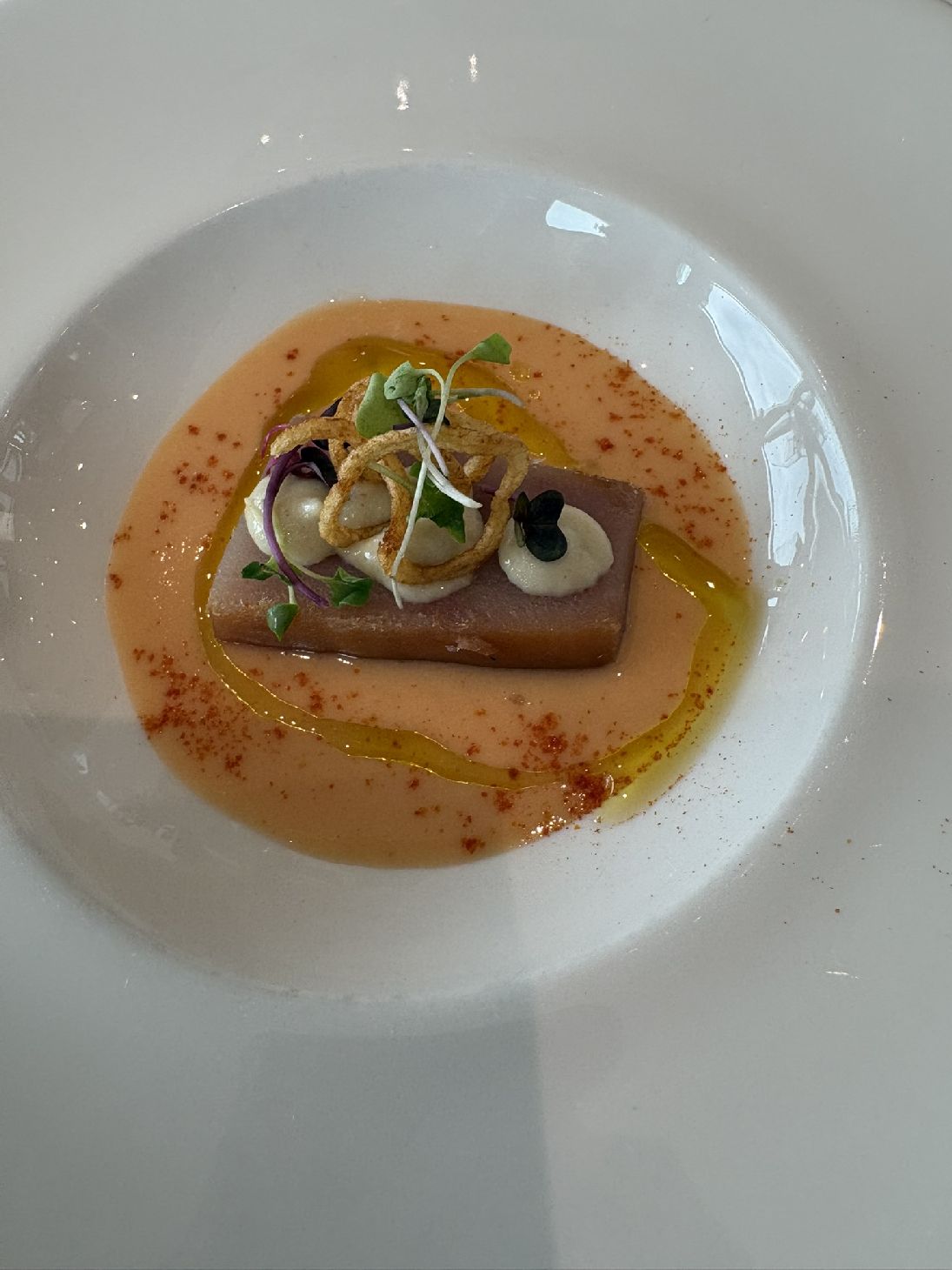
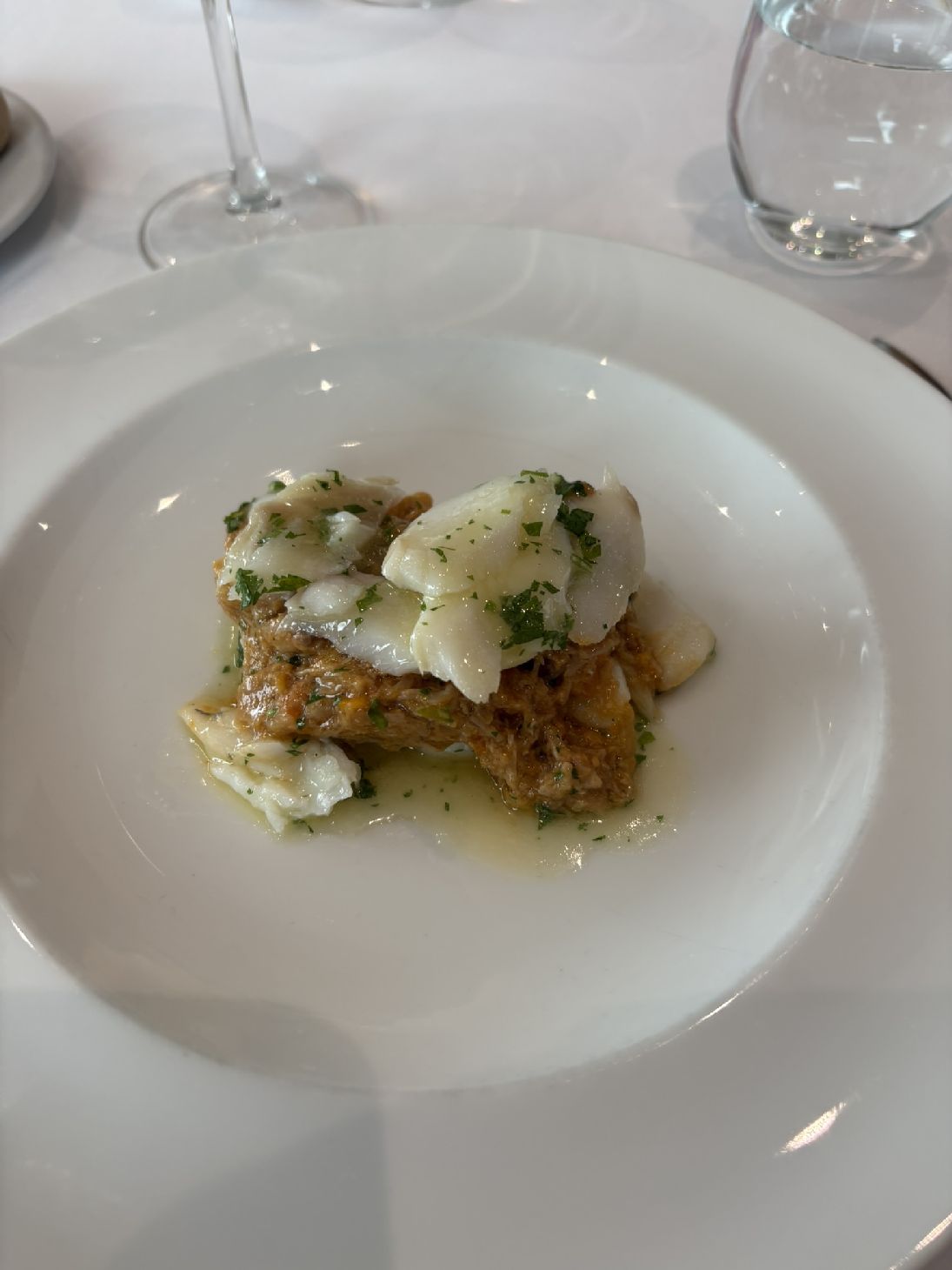
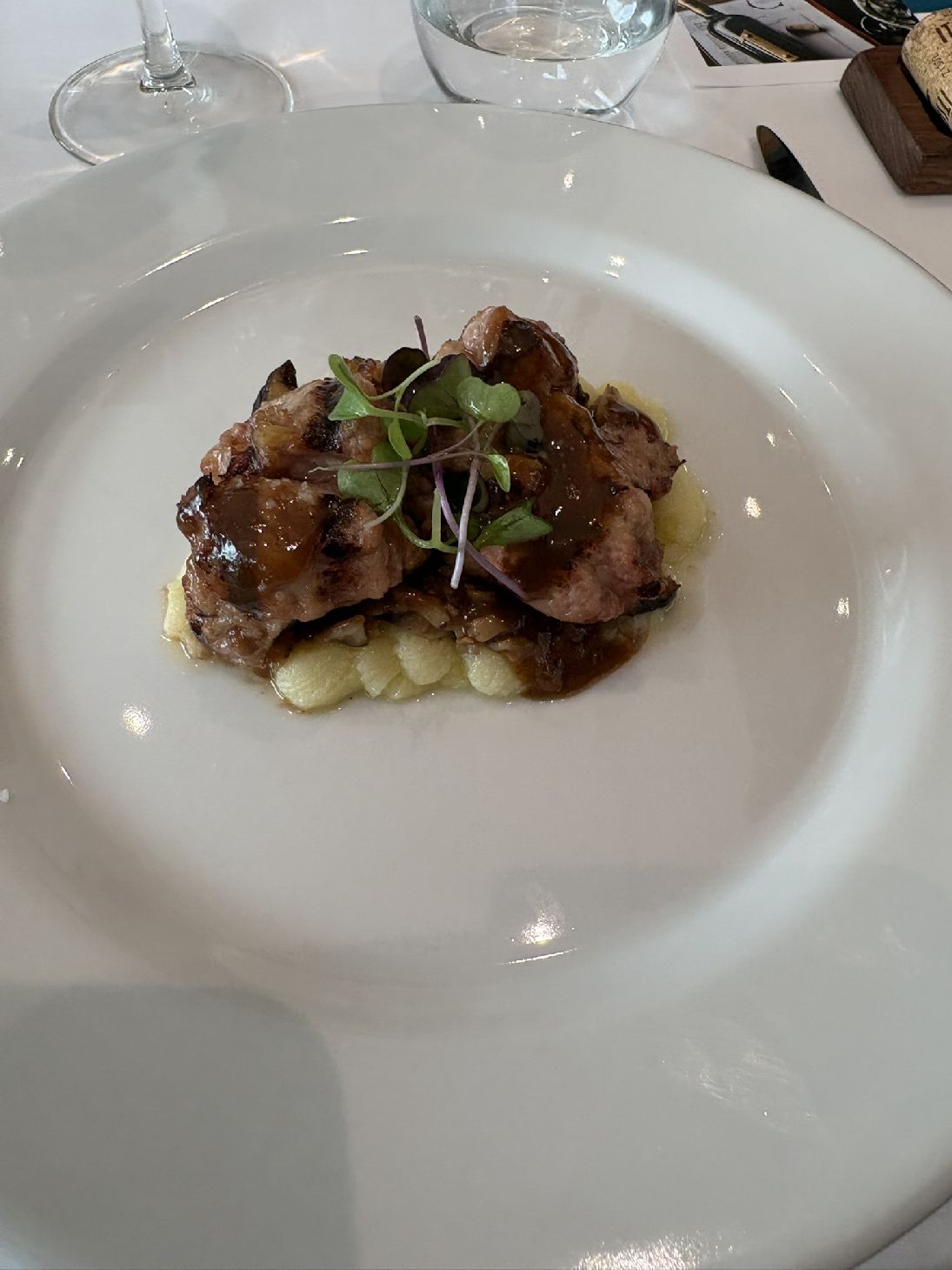
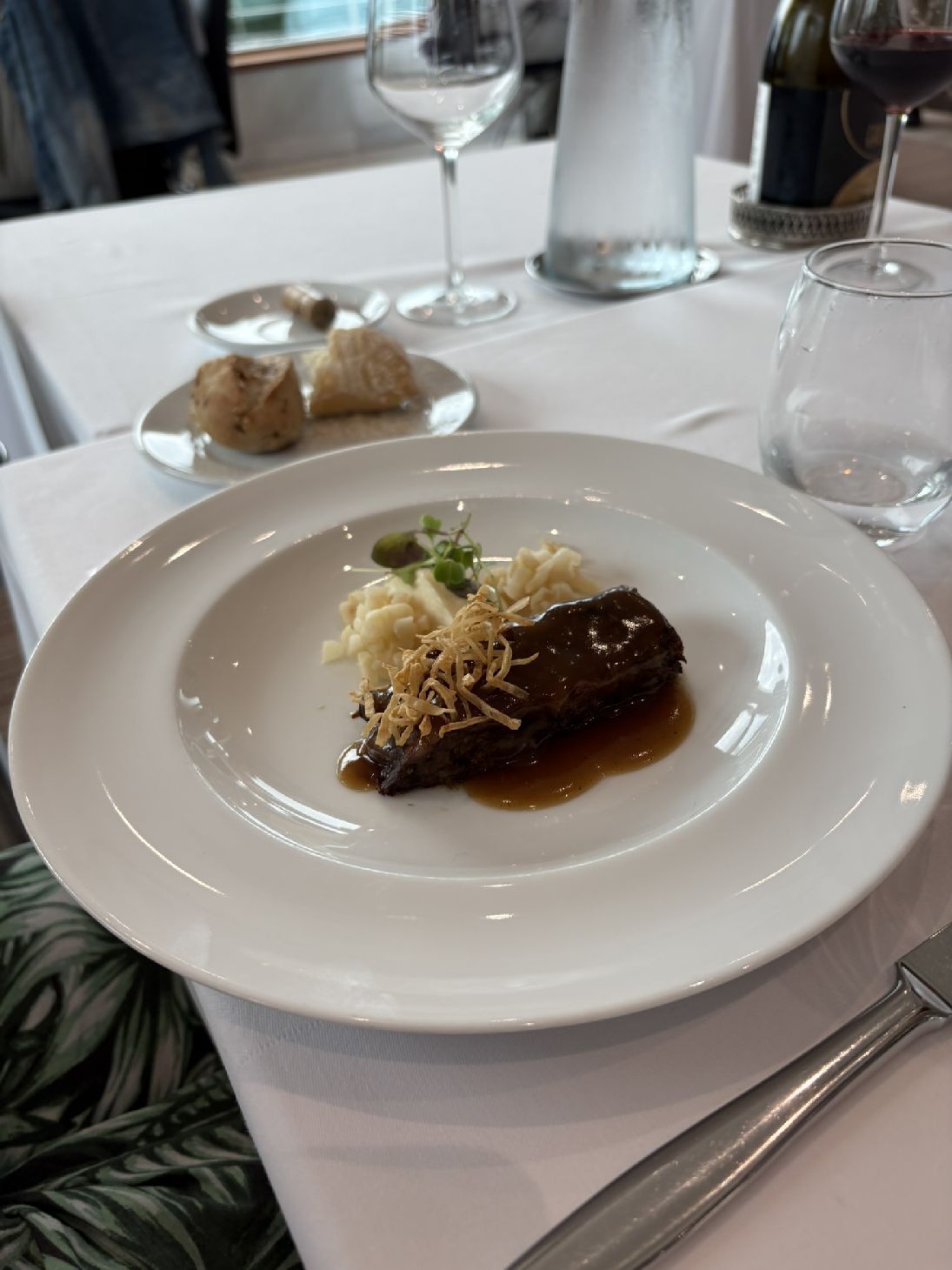
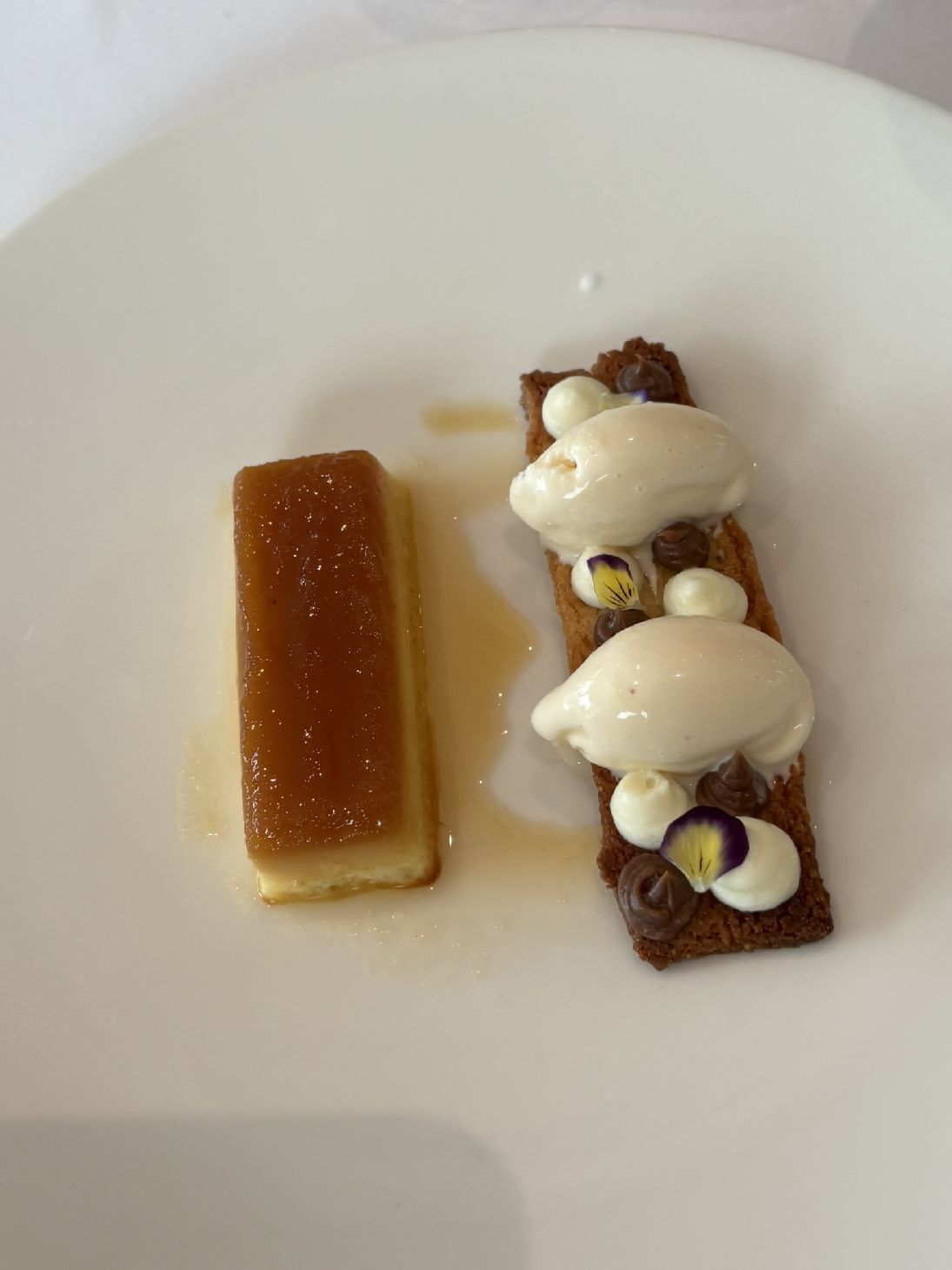
Oh, and if you really don’t want to push the boat out financially you can have three courses from the a la carte menu for a massive €22! Oh and all of the menus include bread, and bottled water. Beat that! The wine list is also competitively priced so we enjoyed some local produce (from Bodegas Itsasmendi over in Gernika) there too before finally paying the bill and hailing an Uber back to town, more than happy with the experience and very impressed indeed.
Our plan for the afternoon was to take a look at the old town and the cathedral. The driver couldn’t get all the way in, but dropped us close by and we were soon standing in front of the Basílica Catedral de Santiago (Done Jakue Basilika-Katedrala). The church is dedicated to the apostle James the Great, and is on the Northern Way of the Camino de Santiago, which won;t surprise anyone familiar with the region. It’s also a UNESCO World Heritage Site, and from what we found inside richly deserves to be so.
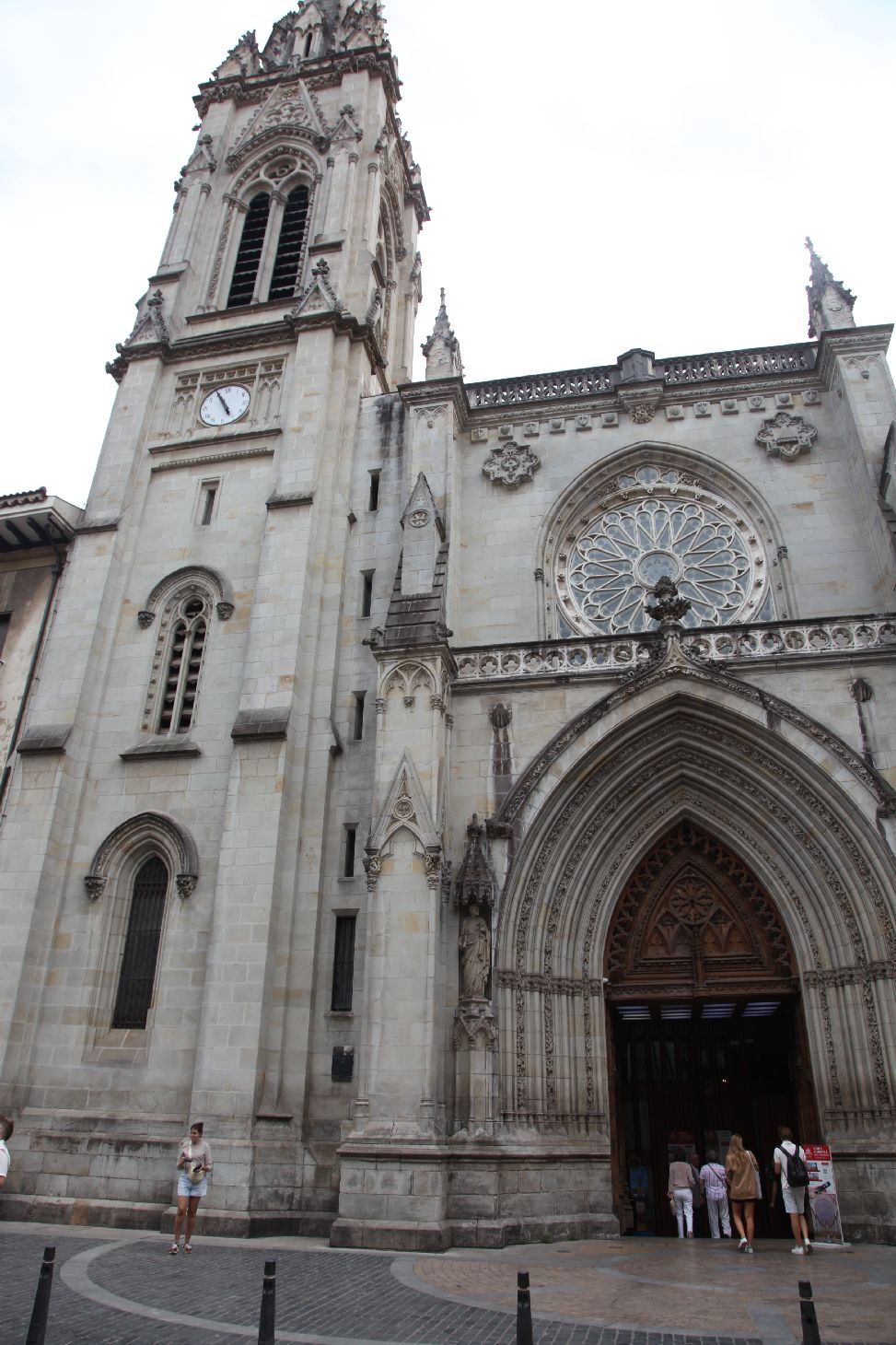
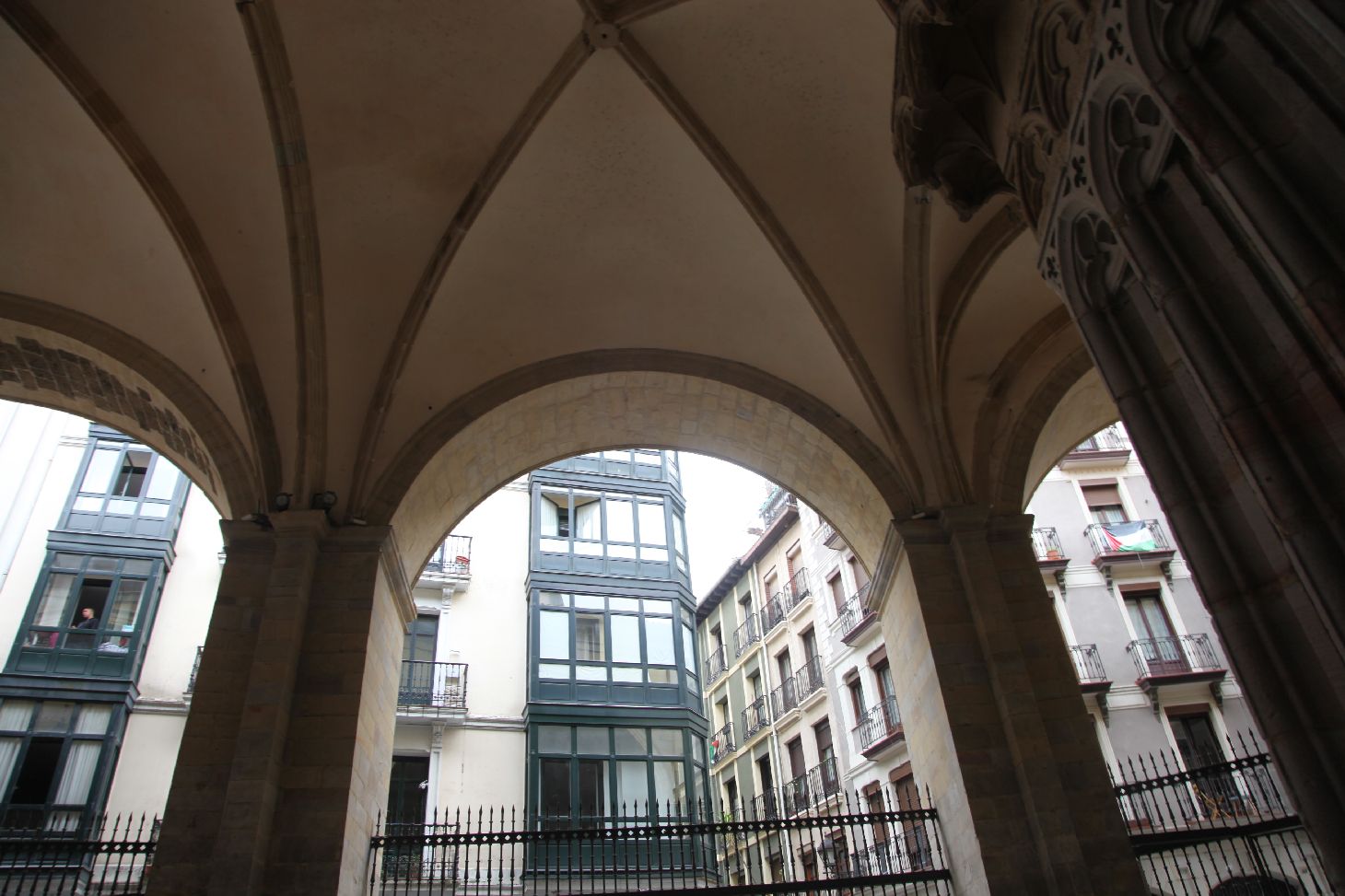
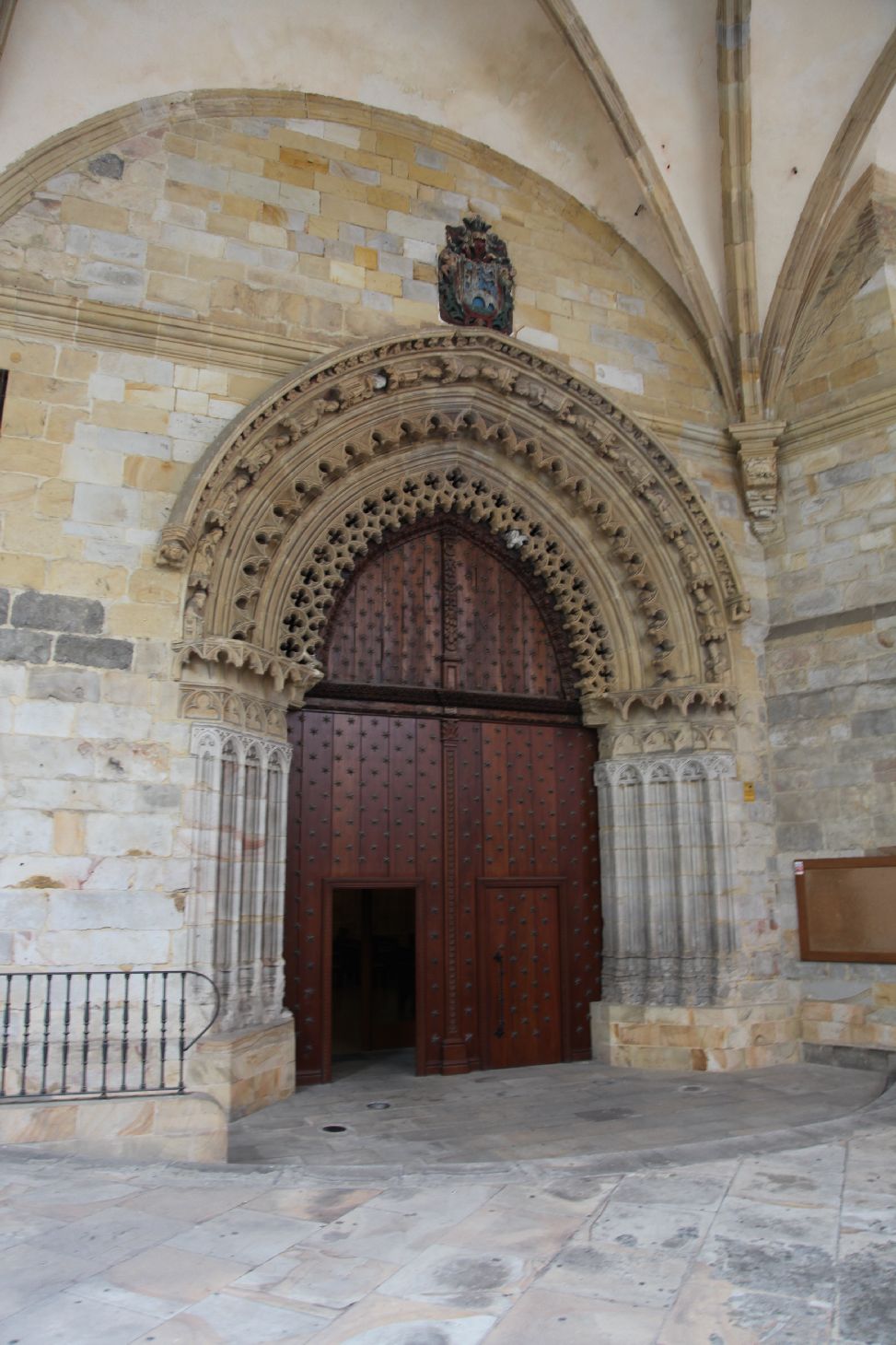
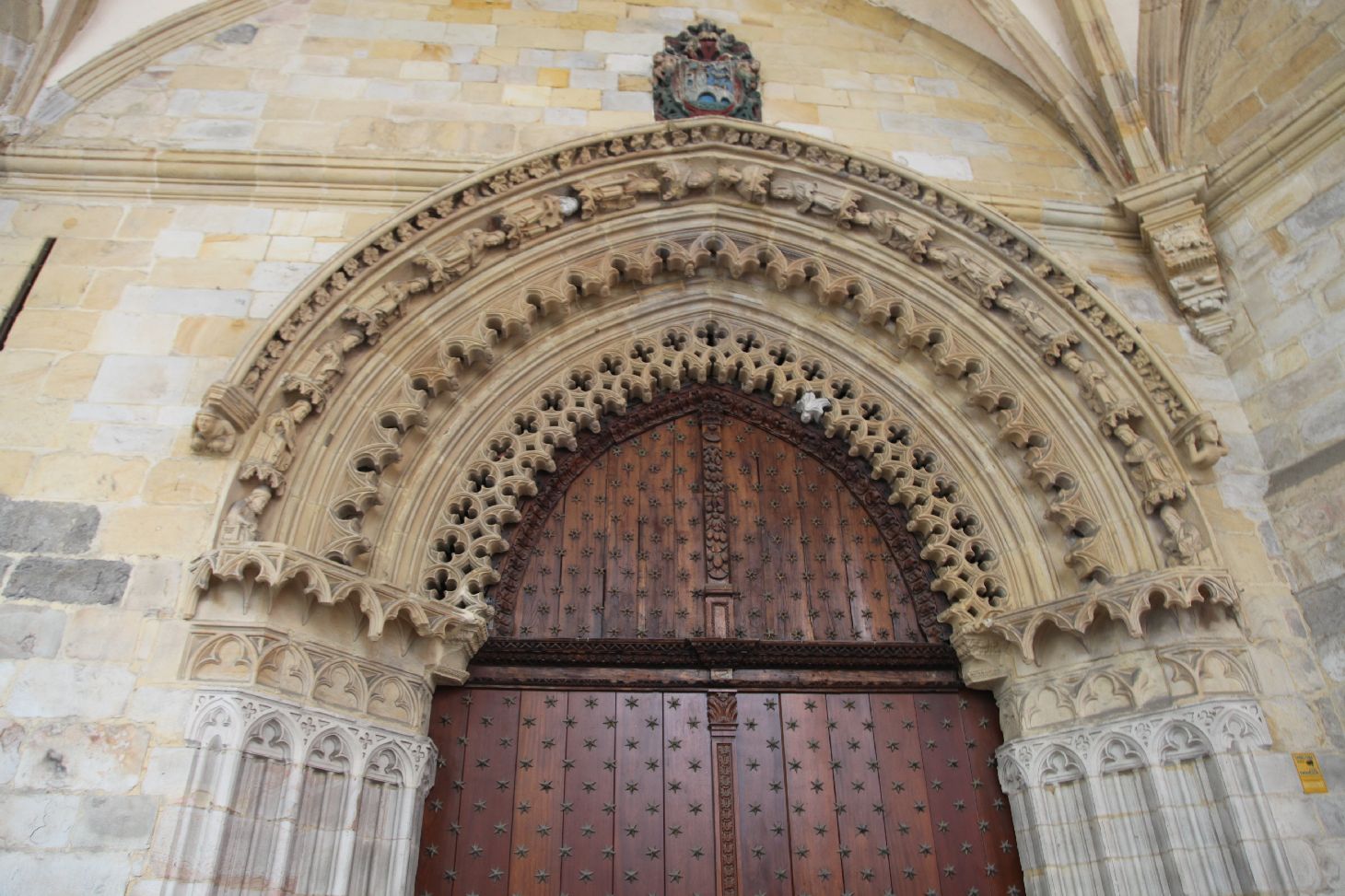
Outside is a bit less cohesive, with a mix of ashlar sandstone Basque Gothic and neo-Gothic styles, and the fantastic Florid Gothic (who knew there were so many different styles of Gothic architecture?) Puerta del Ángel (also known as the Pilgrims’ Door), which faces north and leads into the cloisters.
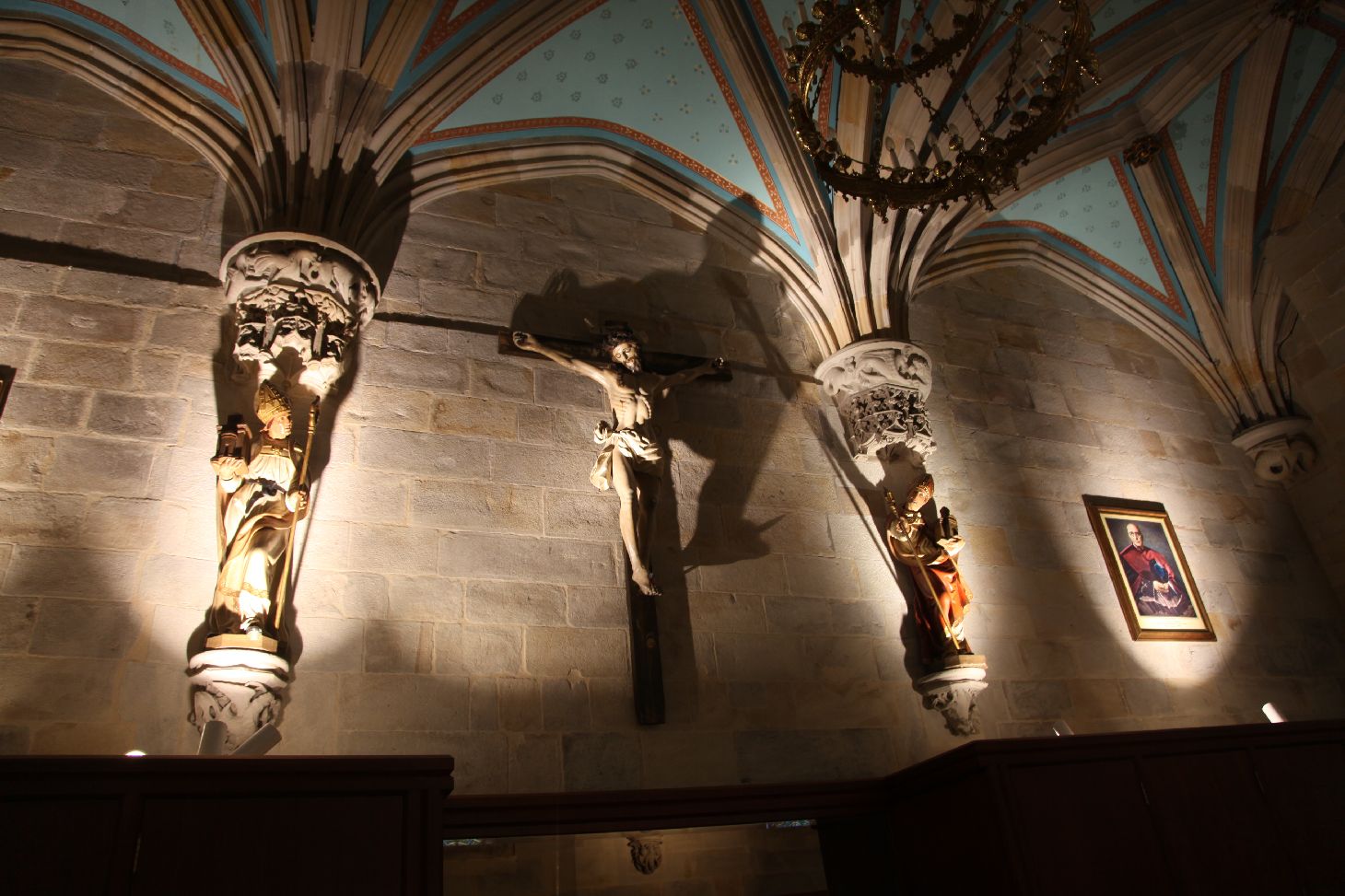
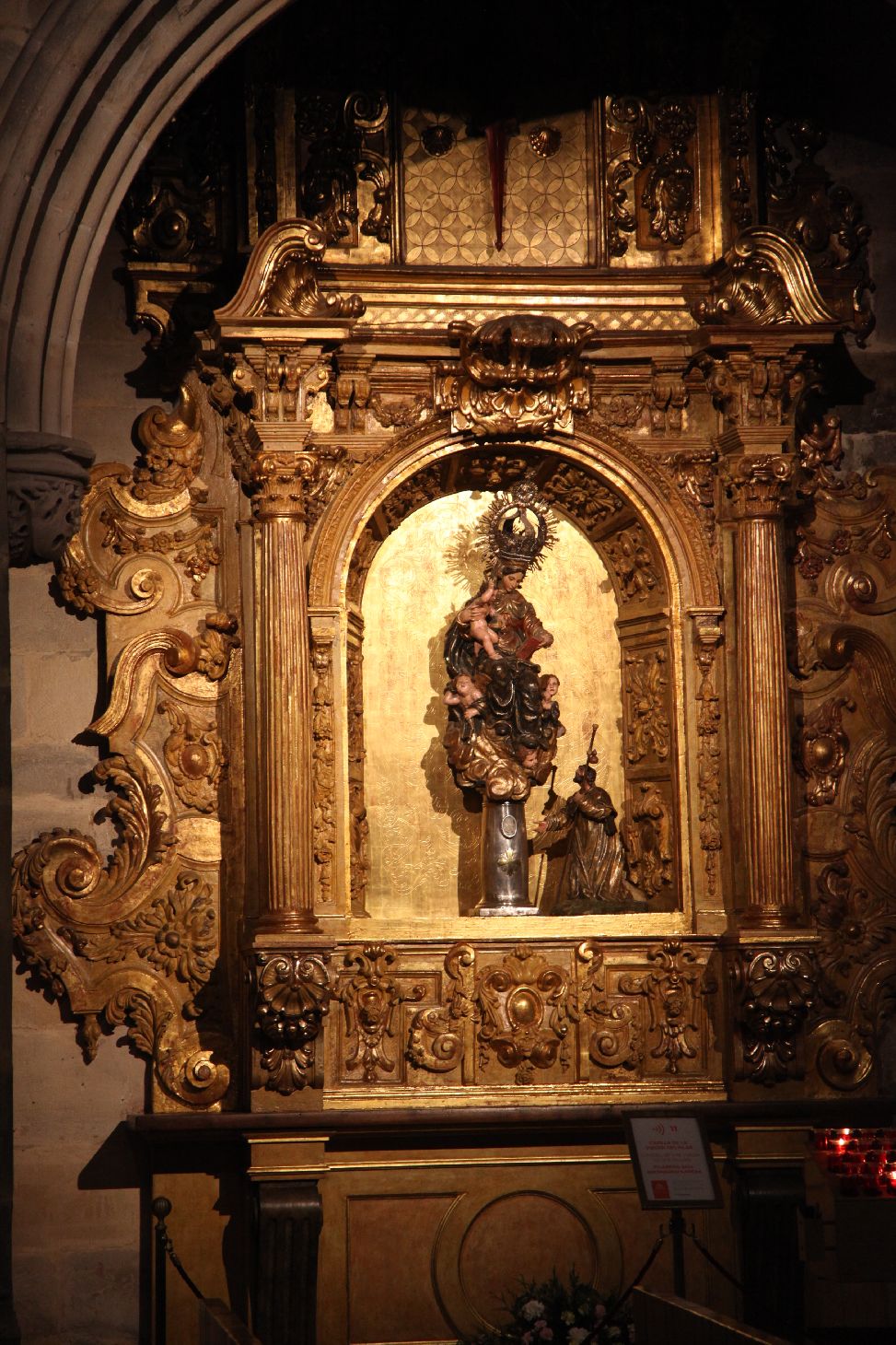
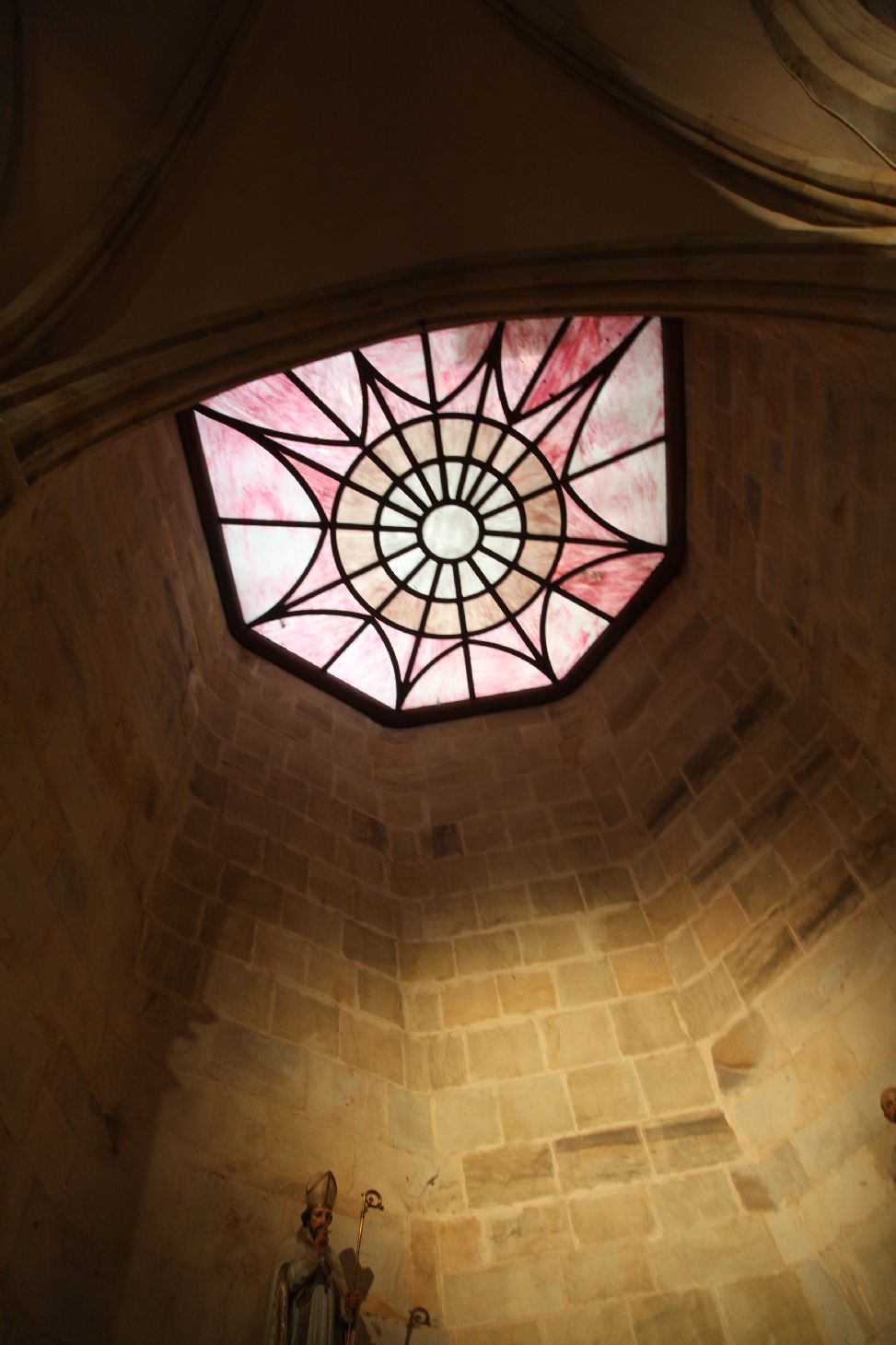
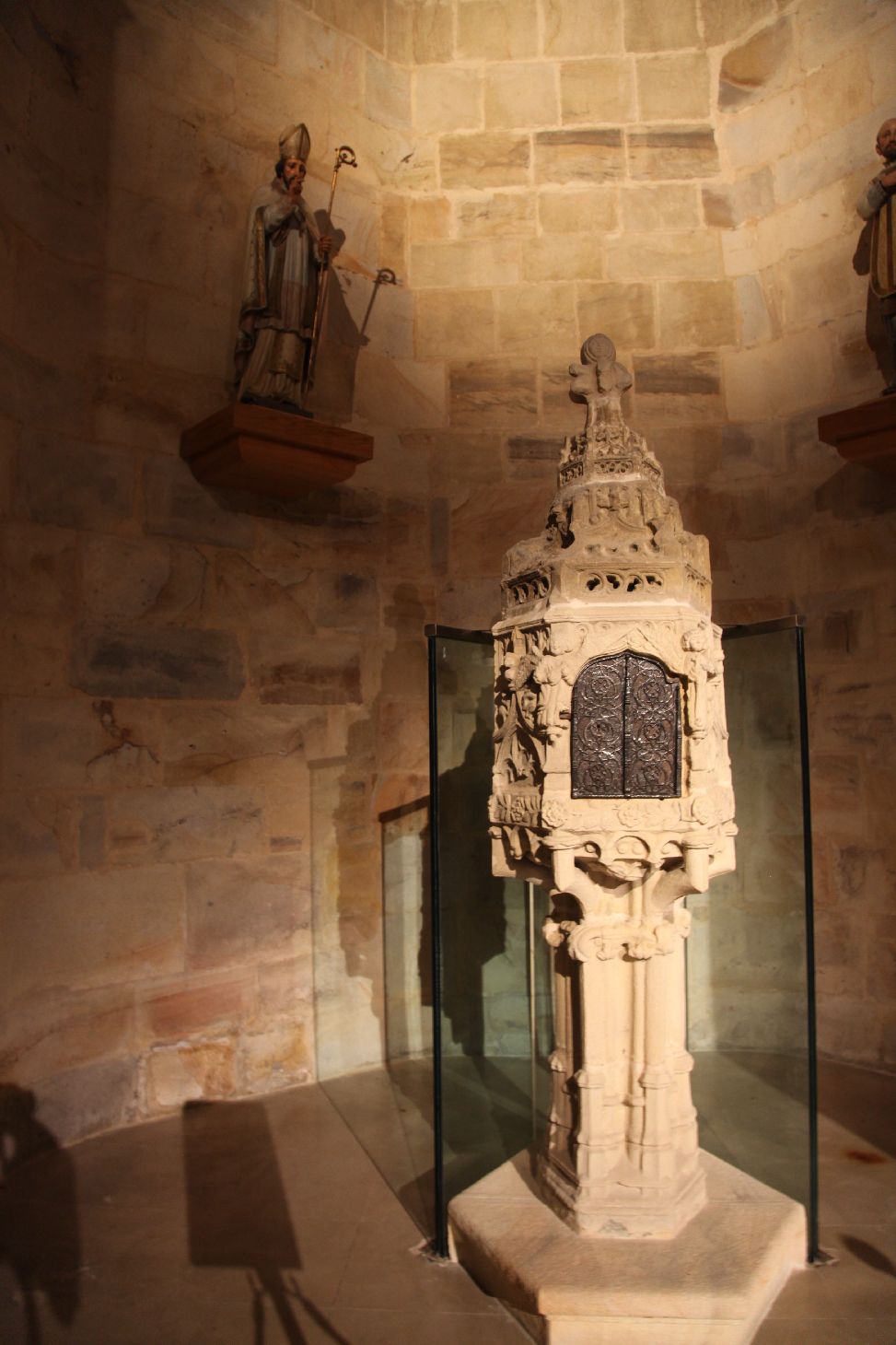
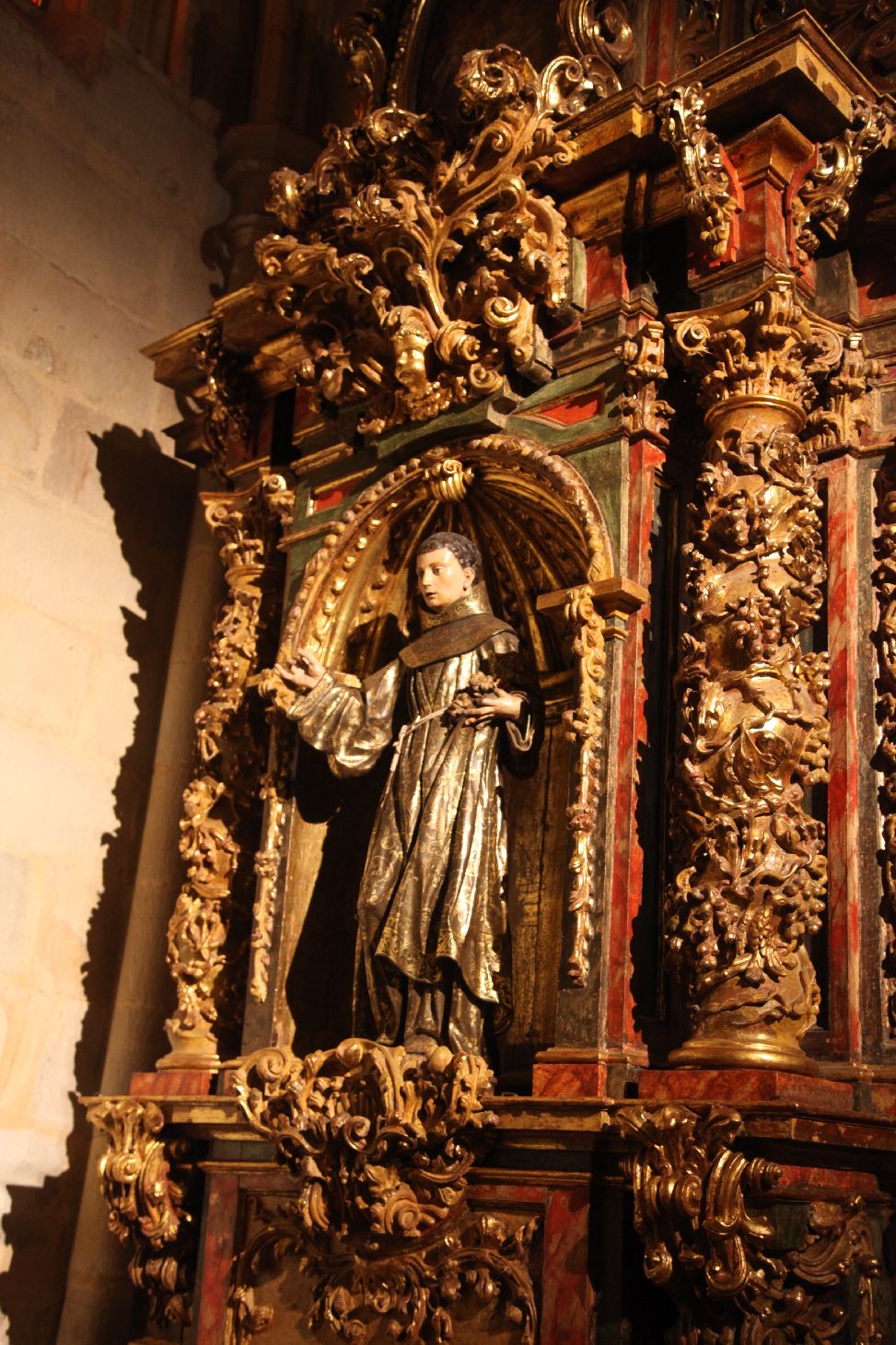
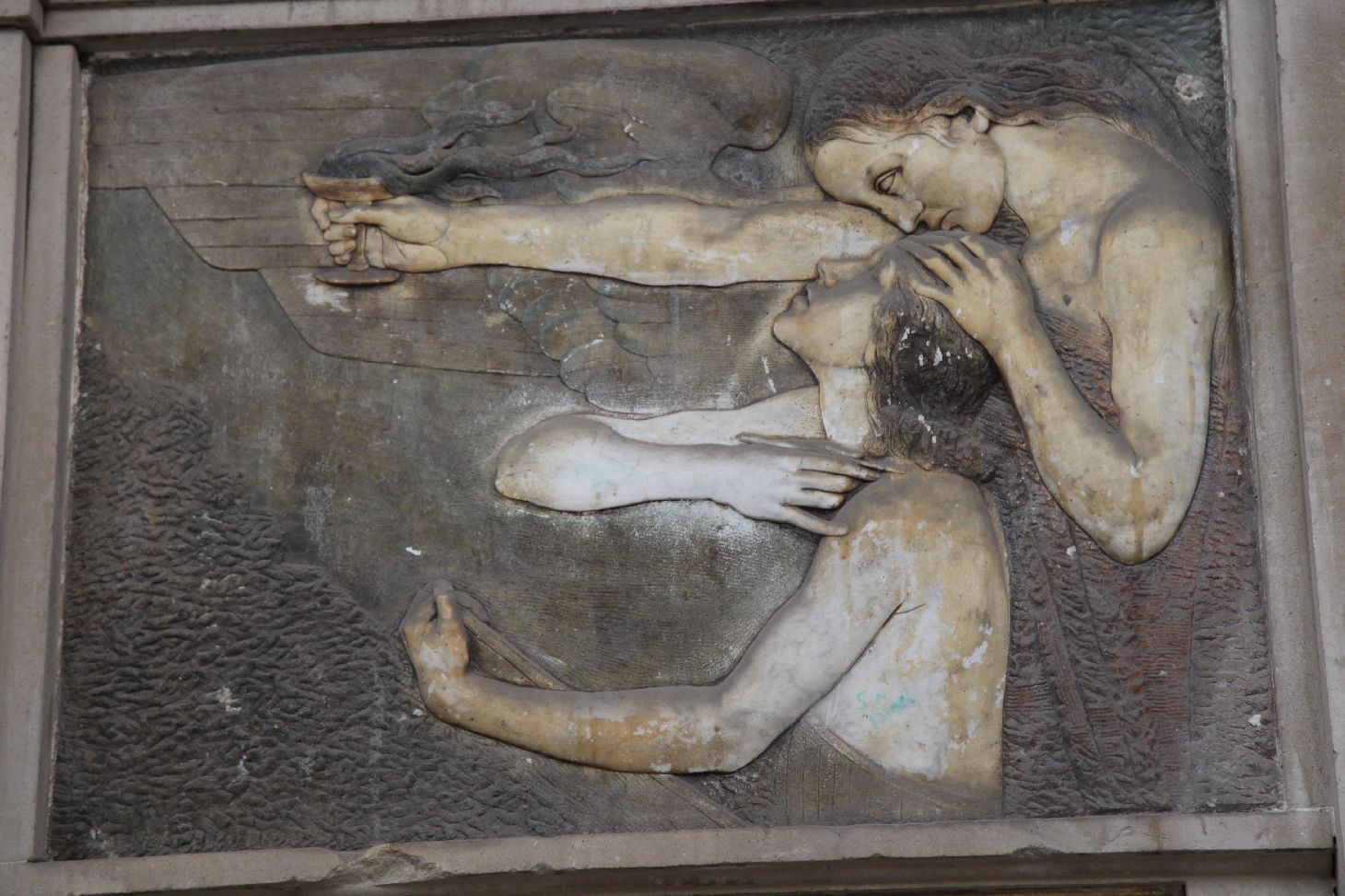
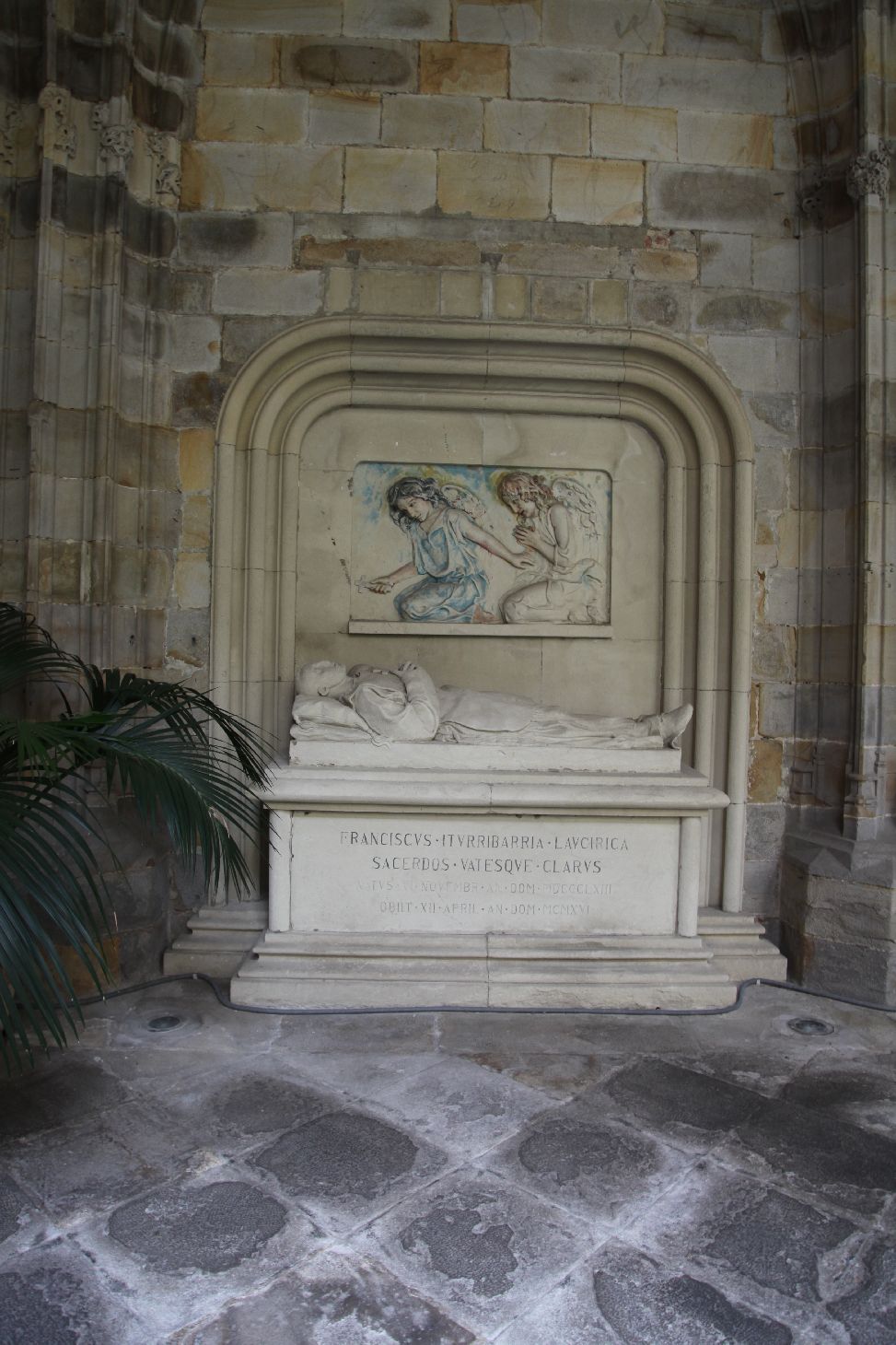
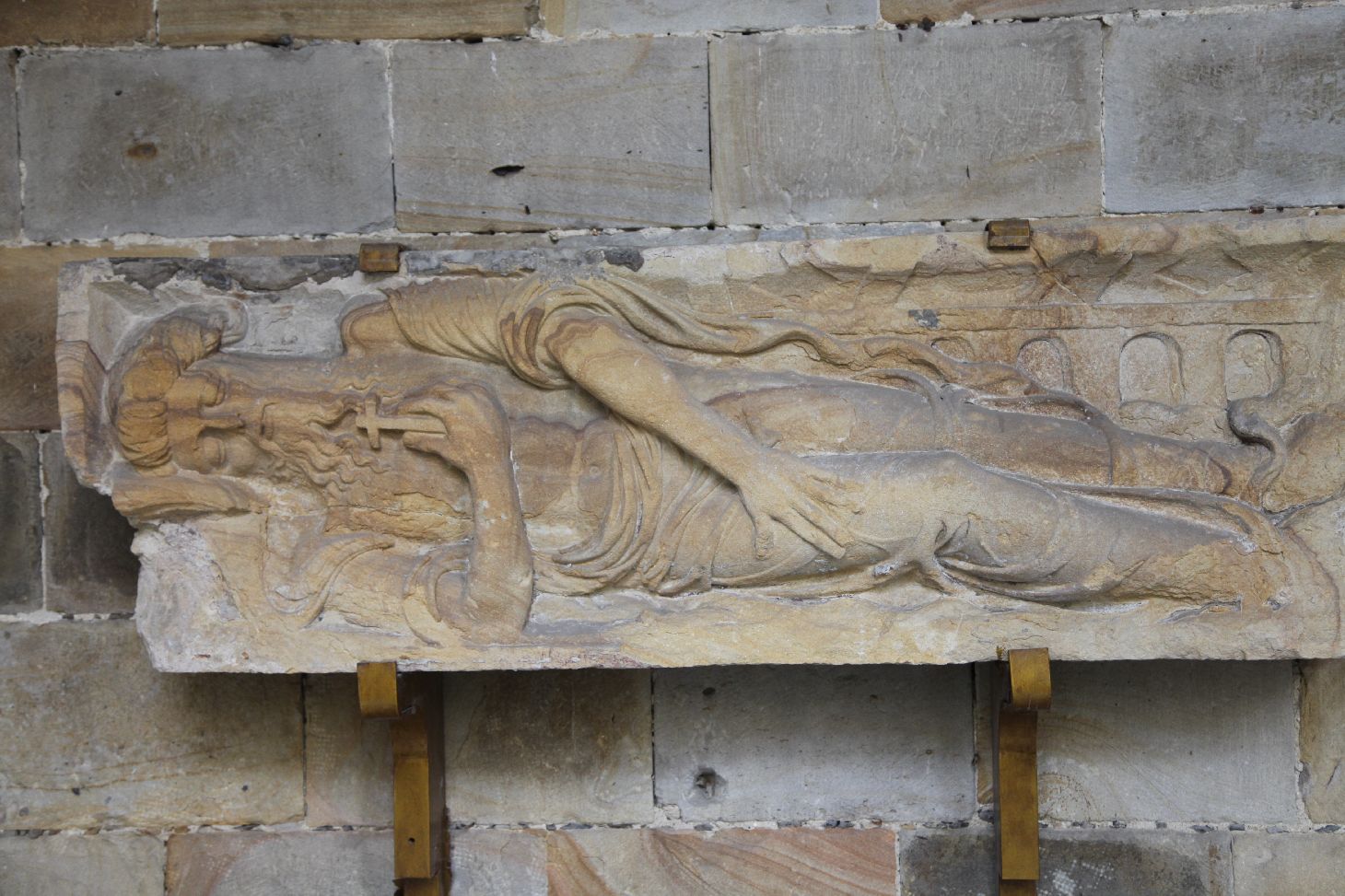
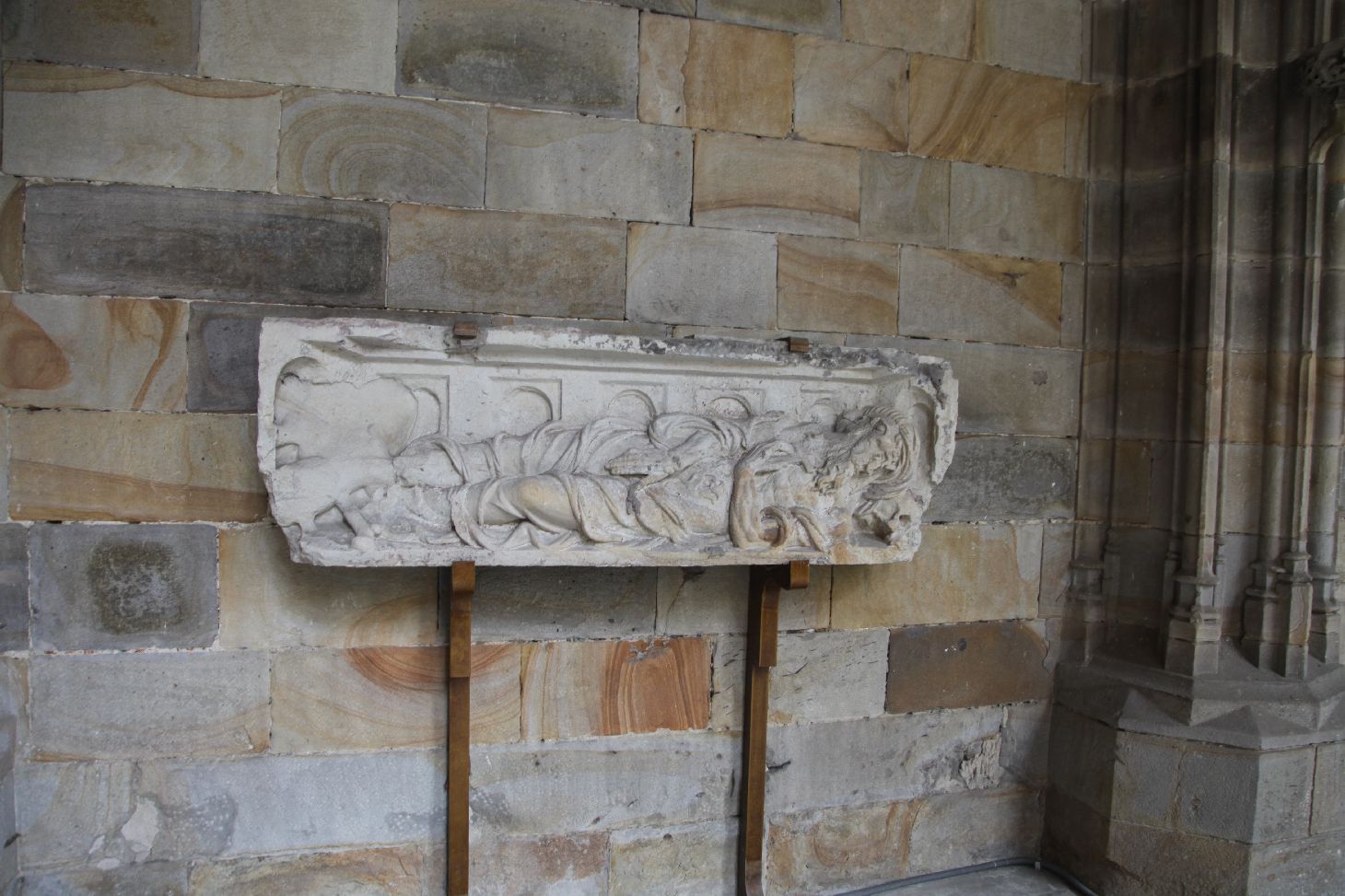
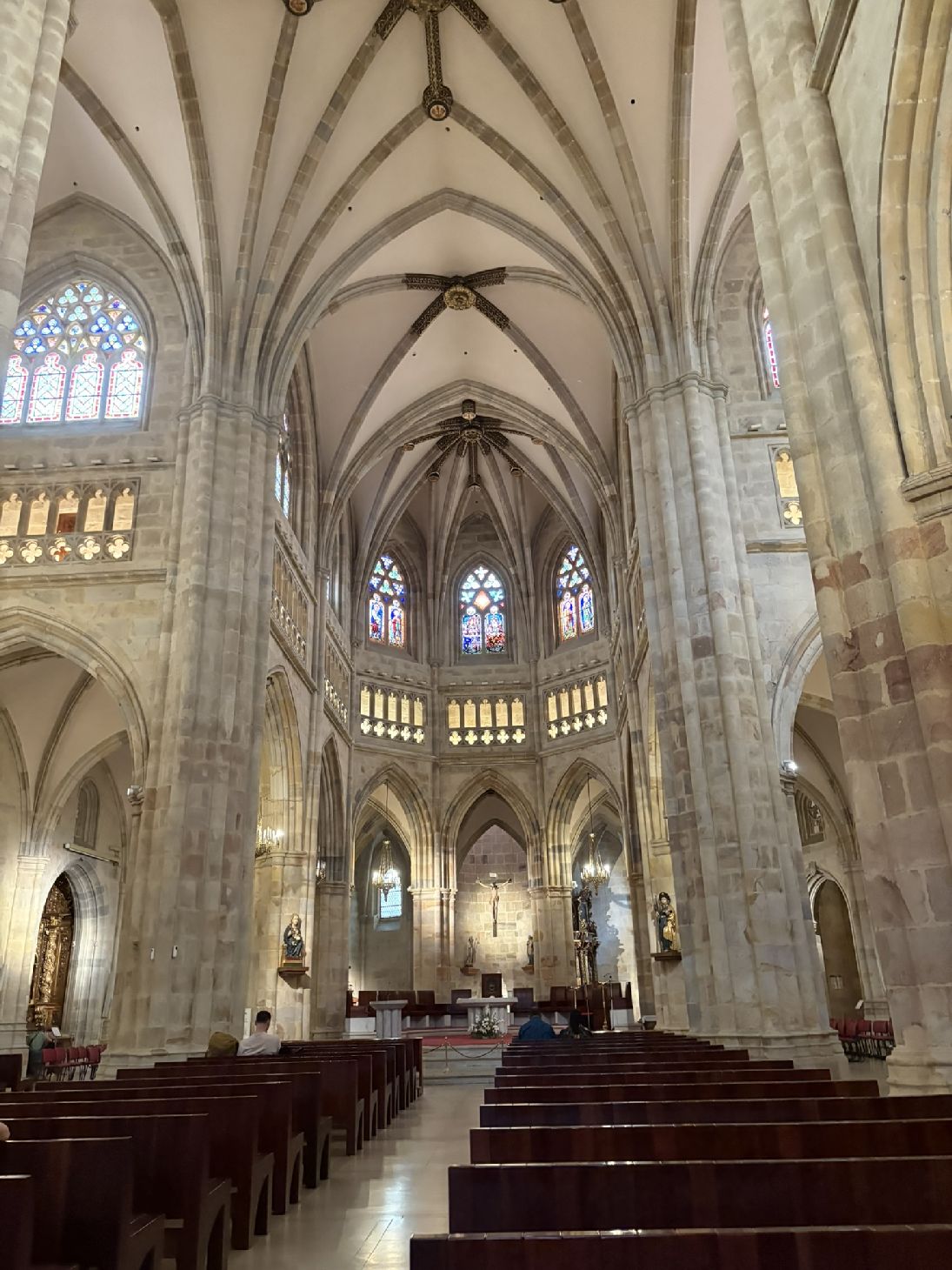
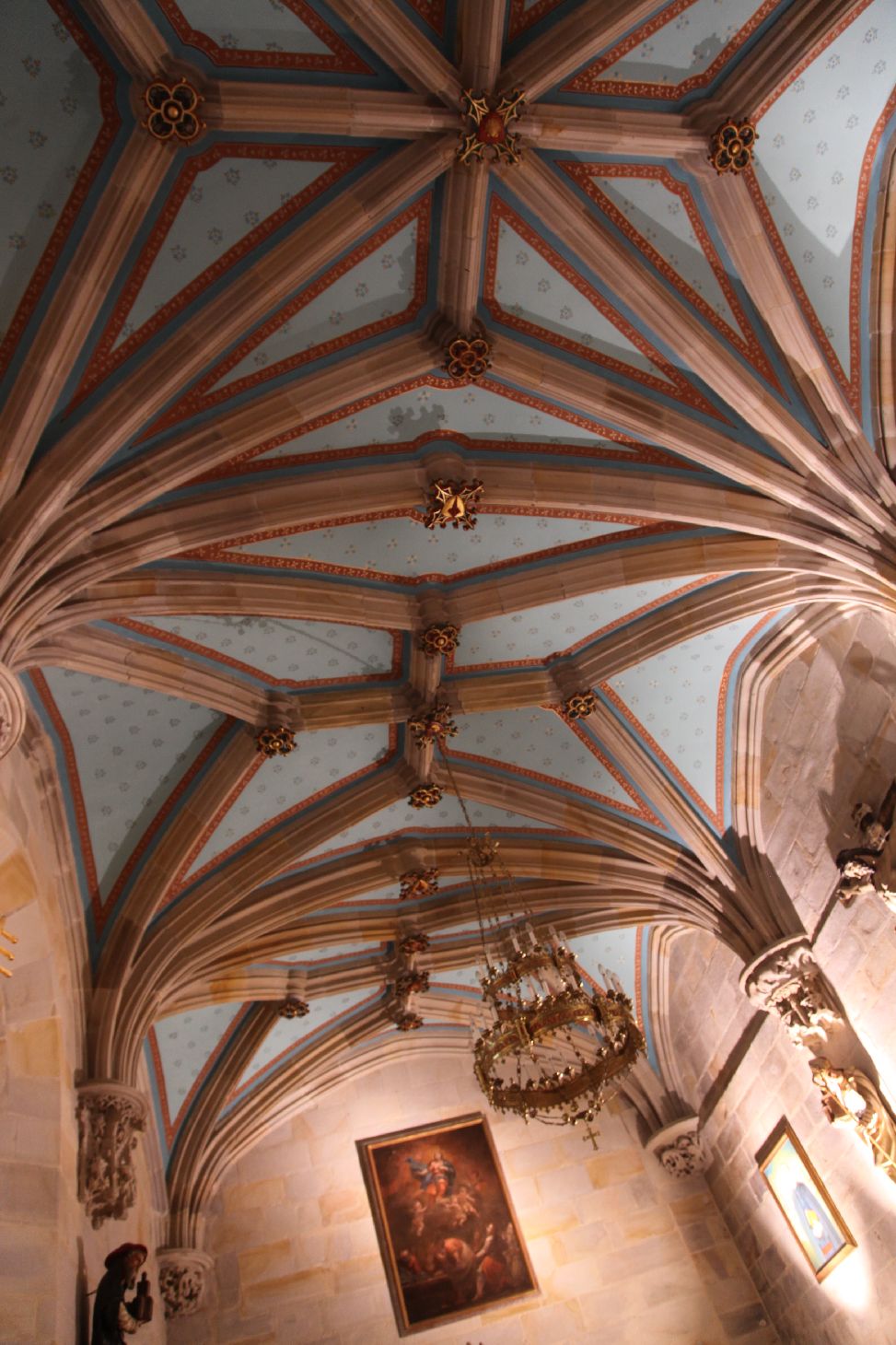
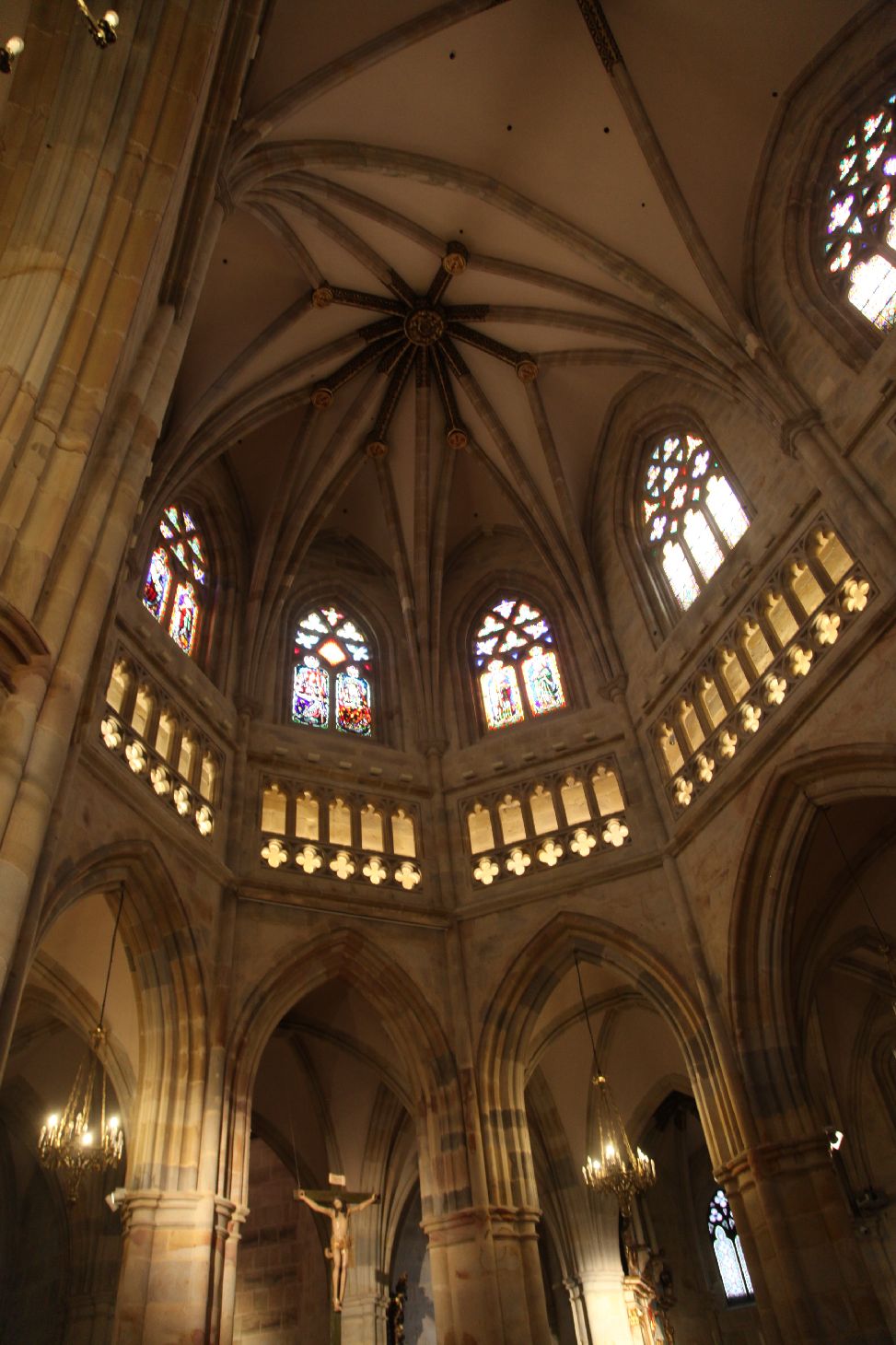
Inside is all soaring ribbed vaulted ceilings, with a surprisingly spacious layout and it’s full of medieval art. It’s yet another glorious church and I only wish we’d had time to explore it more comprehensively but no one else wanted to pick up the audio guides so I had to settle for exploring on my own and not being too slow about it. I was especially taken with the cloisters, filled as they are with fruiting citrus trees. It was unusual – every other cloister we’d seen was open, with little in the way of greenery, whereas this felt like a lovely oasis in the middle of a somewhat gritty city.
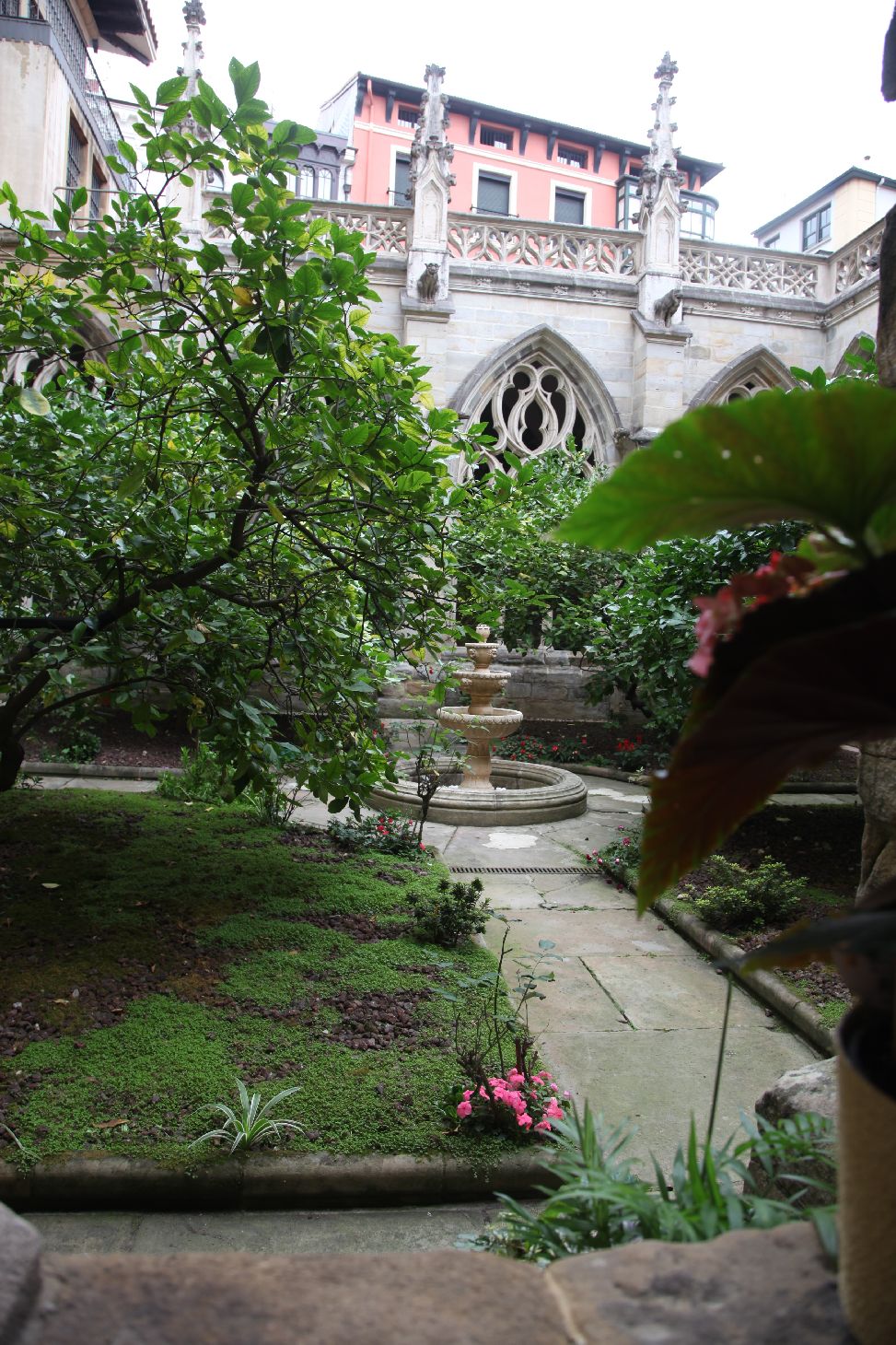
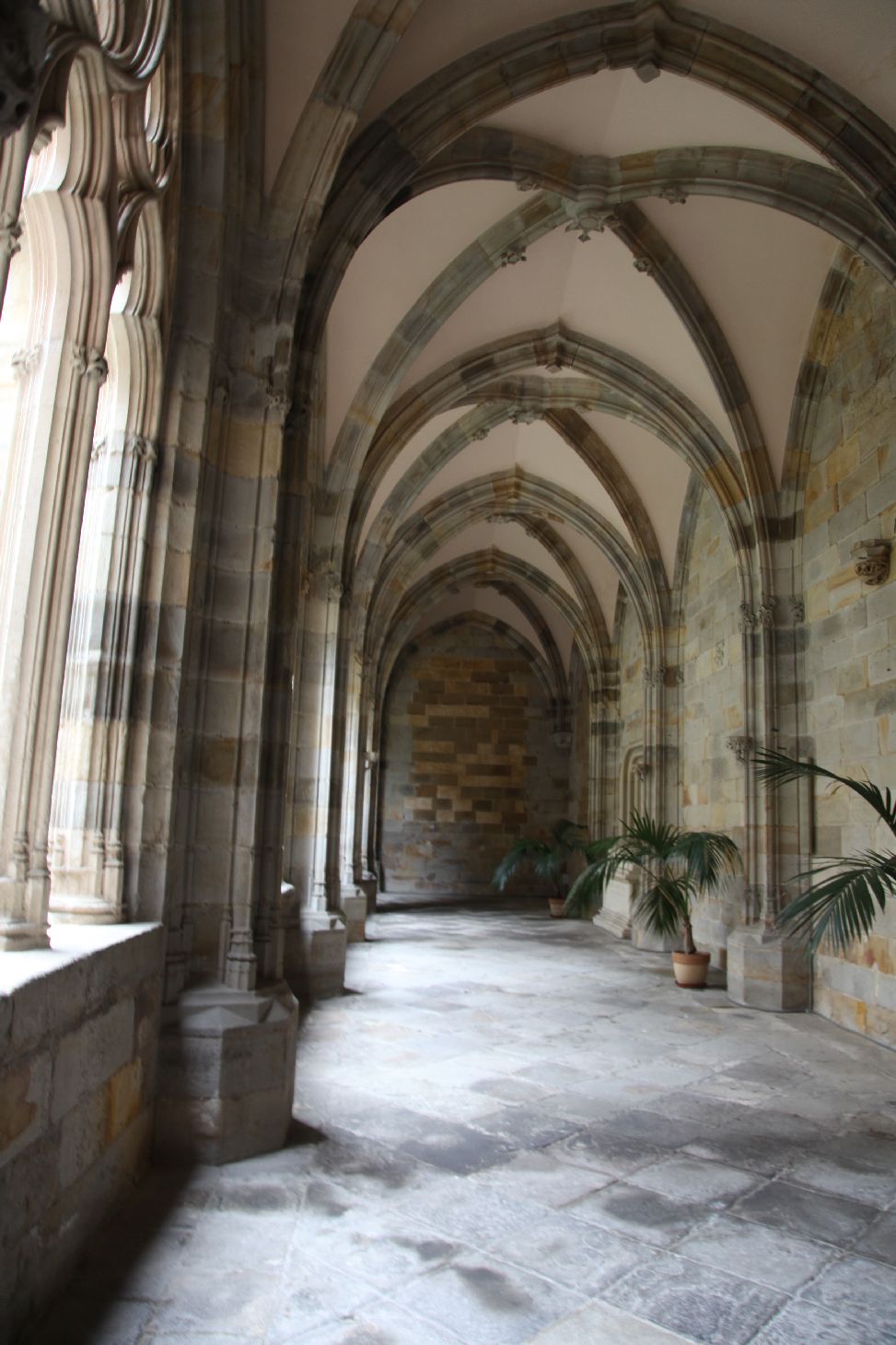
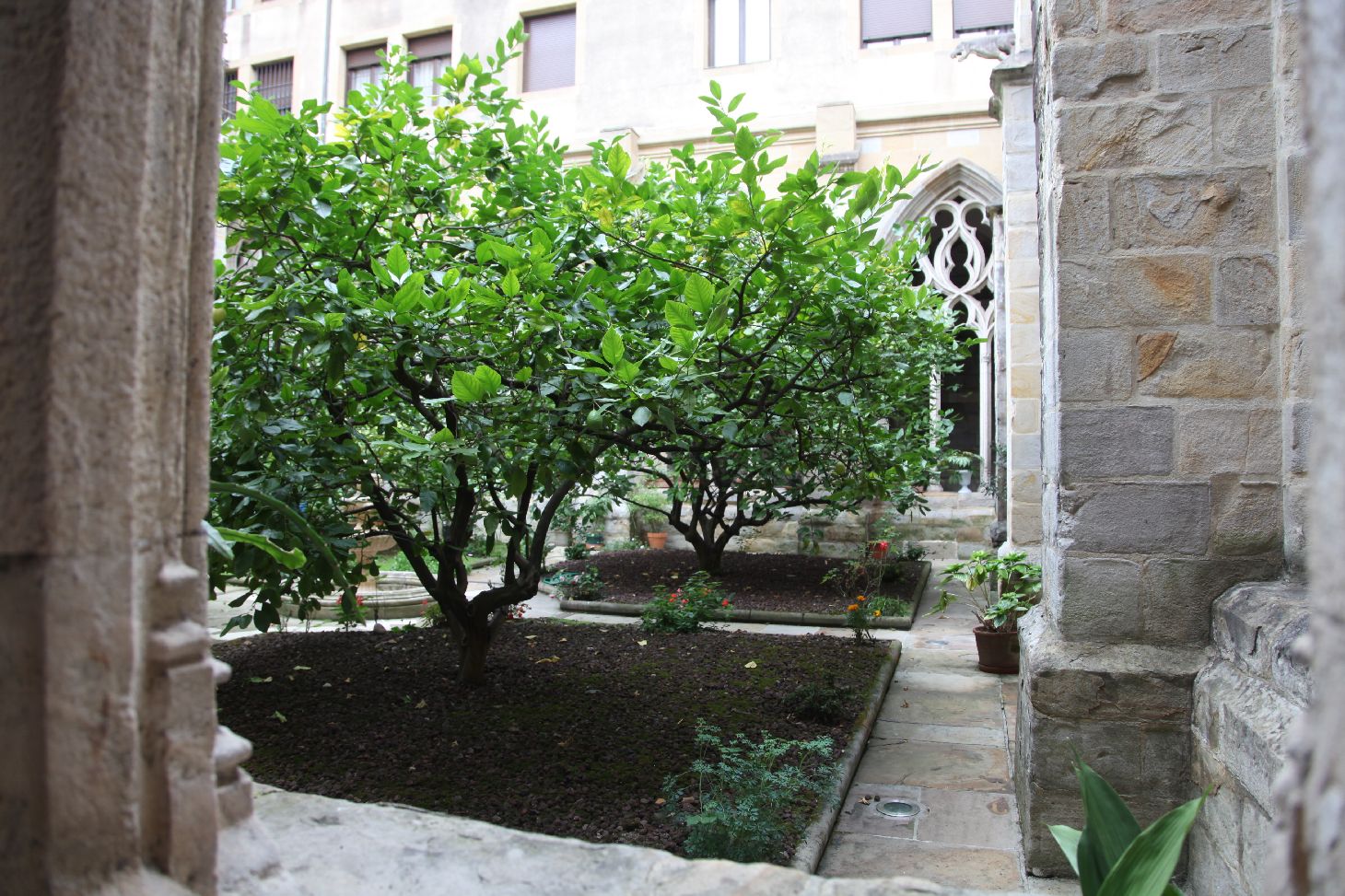
I took one last look at the vaulting, before we realised it was probably time to head back to the apartment for our last night in Spain. I do love a good vaulted ceiling!
We walked back to base through what seemed to be an interesting part of town and watched an impromptu market disappear as if by magic when the police cam by. We didn’t feel unsafe there, and neither it seemed, did the local drug dealers, but I’m not sure I’d want to take that route at night. In daylight it was fine.
Back at the apartment, Lynne and I did a spot of early packing to save effort in the morning, and then we headed back into town and had a final round of vermuts in Casa Graciano, which we’d found earlier in our stay and really liked. Then it was back to the apartment to an impromptu dinner of all the leftover supplies (apart from our breakfast materials).