Monday 15th June, 2026 – Copenhagen, Roskilde
A trip to the Viking Ship Museum in Roskilde had been on the cards for some time – and in fact we’d considered doing it on our previous visit, but had put it on hold when we’d realised the Roskilde Festival was on that weekend. Not fancying travelling with thousands of music fans, we decided we’d save it for another time. With that in mind, we had a hearty breakfast and then scooted off to catch the next available train out of Copenhagen’s main station. It’s a short journey from there to Roskilde and then around a 15 minute walk to the museum. Arriving just as a light shower hit, we stopped off for a coffee before walking through the centre of the town to see what else there is to see.
In 1955 a motor racing circuit called the Roskilde Ring was built in an abandoned gravel quarry. The circuit was just 670 metres in length, being extended to 1.38 km in 1957. The circuit had no straight and all of the corners were banked. The Danish Grand Prix for Formula Two cars was held at the circuit every year from 1960 to 1968. The last meeting was held on the 22nd of September 1968, and the site is now a park. It may go some way towards explaining why five of the “famous people from Roskilde” listed are racing drivers Jens Winther, Jan Magnussen, Kevin Magnussen, Dennis Lind, and Alba Hurup, though not one of them was born while it was still in use! We decided not to go and see if we could find and trace of it.

Right across from the railway station was probably the most peculiar of the monuments we encountered in the shape of three enormous jars, the Roskildekrukkerne. They are just there in a shallow water basin, all 5 m (16 ft) in height and weighing 8 tons each. They were made by Danish abstract sculptor Peter Brandes (born 1944), but the weird part if that they were commissioned by Elsebeth Stryhn of Stryhns Leverpostej, a local meat paste company! Apparently she felt the need to give them to the city in 1998 on the occasion of Roskilde’s 1,000th anniversary. I do wonder if she’d commissioned them for her own home or something, and then decided she didn’t want them. The anniversary may just have given her a way to pass them on somewhere. I have no proof for this hypothesis, but I’m sticking with it!
Anyway, more about the town. Roskilde is 30 kilometres (19 miles) west of Copenhagen on the island of Zealand, and while it has a very long history, especially in the shape of the UNESCO-listed cathedral, which was where we stopped next, using the Copenhagen Card to get in. The cathedral was first completed in 1275, and is well worth your time. There are claims that the town itself was founded in the 980s by Harald “Bluetooth” Harald “Bluetooth” Gormsson, which makes it of interest to anyone with a taste for tech history, because, yes, that is where the name Bluetooth comes from. As Wikipedia notes: “The Bluetooth wireless specification design was named after the king in 1997, based on an analogy that the technology would unite devices the way Harald Bluetooth united the tribes of Denmark into a single kingdom. The Bluetooth logo consists of a Younger Futhark bind rune for his initials, H(ᚼ) and B(ᛒ)”. I did know this but had forgotten…
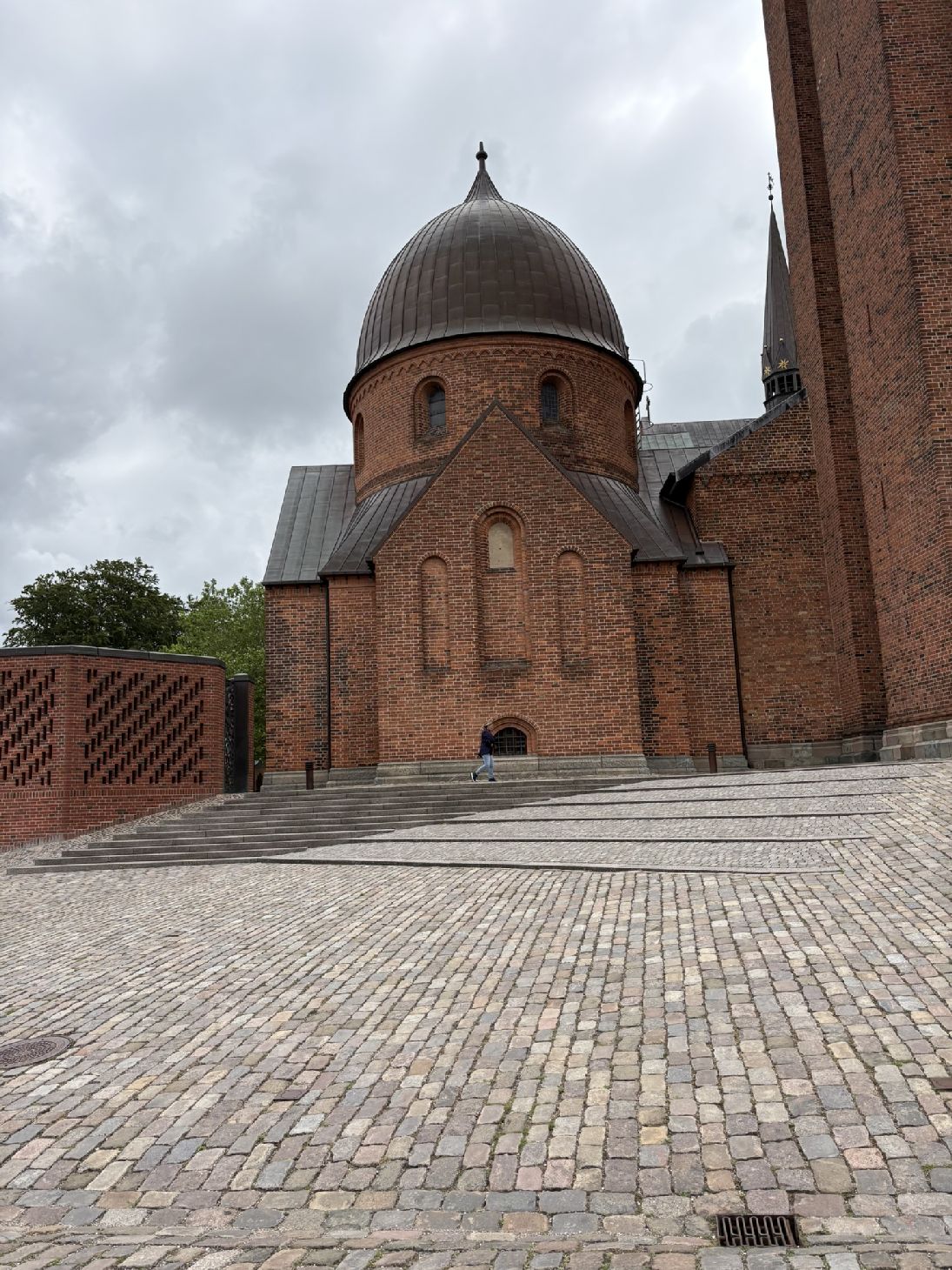
Of Harald himself there’s not a great deal of trace, but if you’re looking for Danish royalty you are definitely in the right place – or at least you are if you get yourself up to the cathedral! Because the cathedral is the official royal burial church of the Danish monarchs. Which explains why it’s one of the earliest examples in of a brick-built Gothic cathedral in the Nordics because the royals always want the latest in architectural statements. And they got it in spades with what stands there today. Royal burials started in the 15th century, and presumably the current monarch will also be buried there eventually. A result of all of this is that there are what feel like dozens of additional burial chapels in a selection of styles that are more or less over the top, depending one assumes on the mood of the succeeding monarch. Harald may also be buried there, as might his son, Swein Forkbeard. If so, it seems no one knows quite where. Of course, it’s not that surprising because, in that way of Nordic towns, in 1443 most of Roskilde burned down, and the cathedral windows cracked, while the lead roofing melted. The cathedral was badly damaged and was reconstructed over the next 20 years and thereafter it led a very chequered existence that ranged from a visit from James VI of Scotland and his bride Anne of Denmark, losing all its property in a bout of financial hardship, being endowed with a variety of gifts from Christian IV, and being looted by the Swedes.
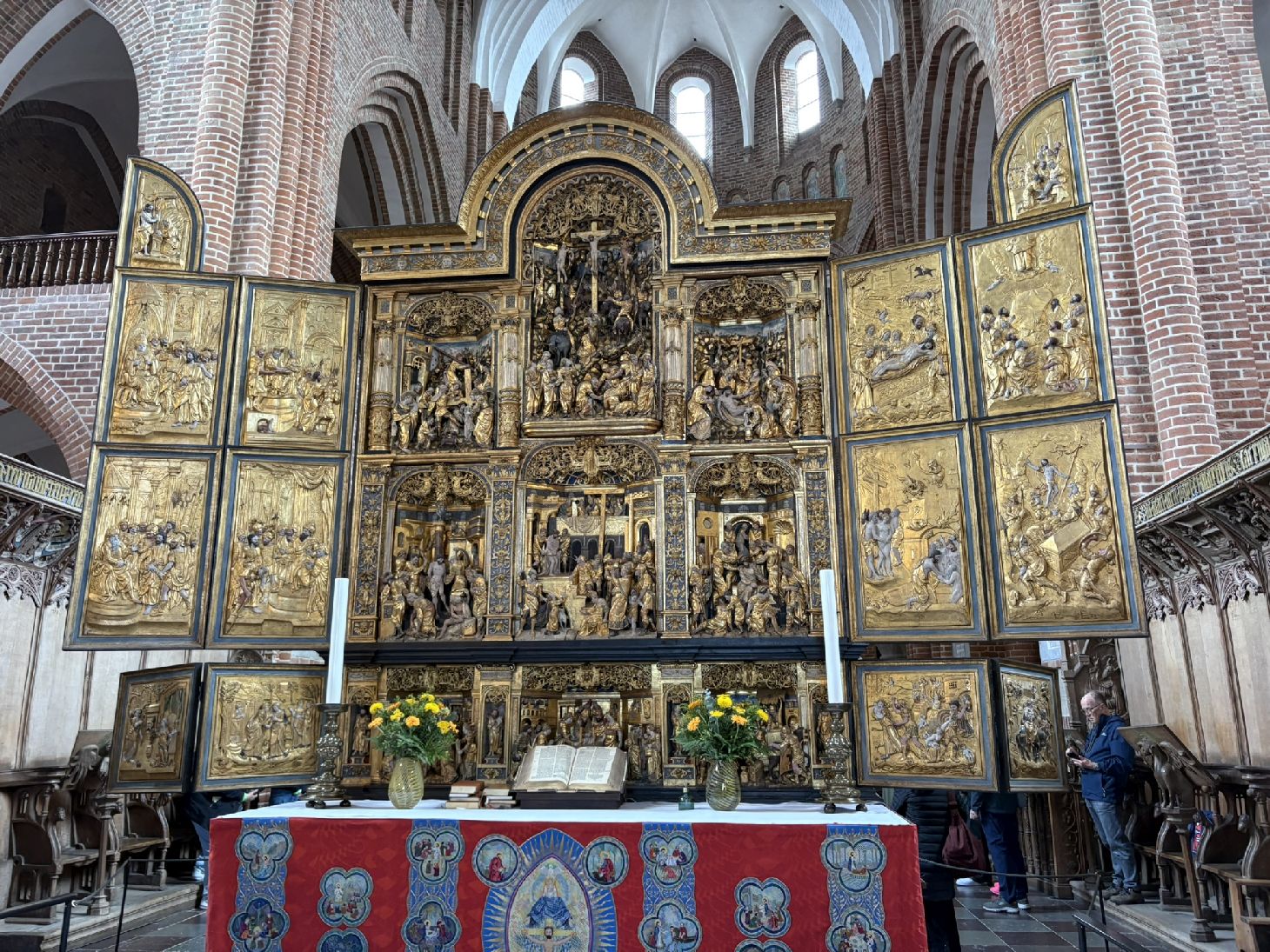
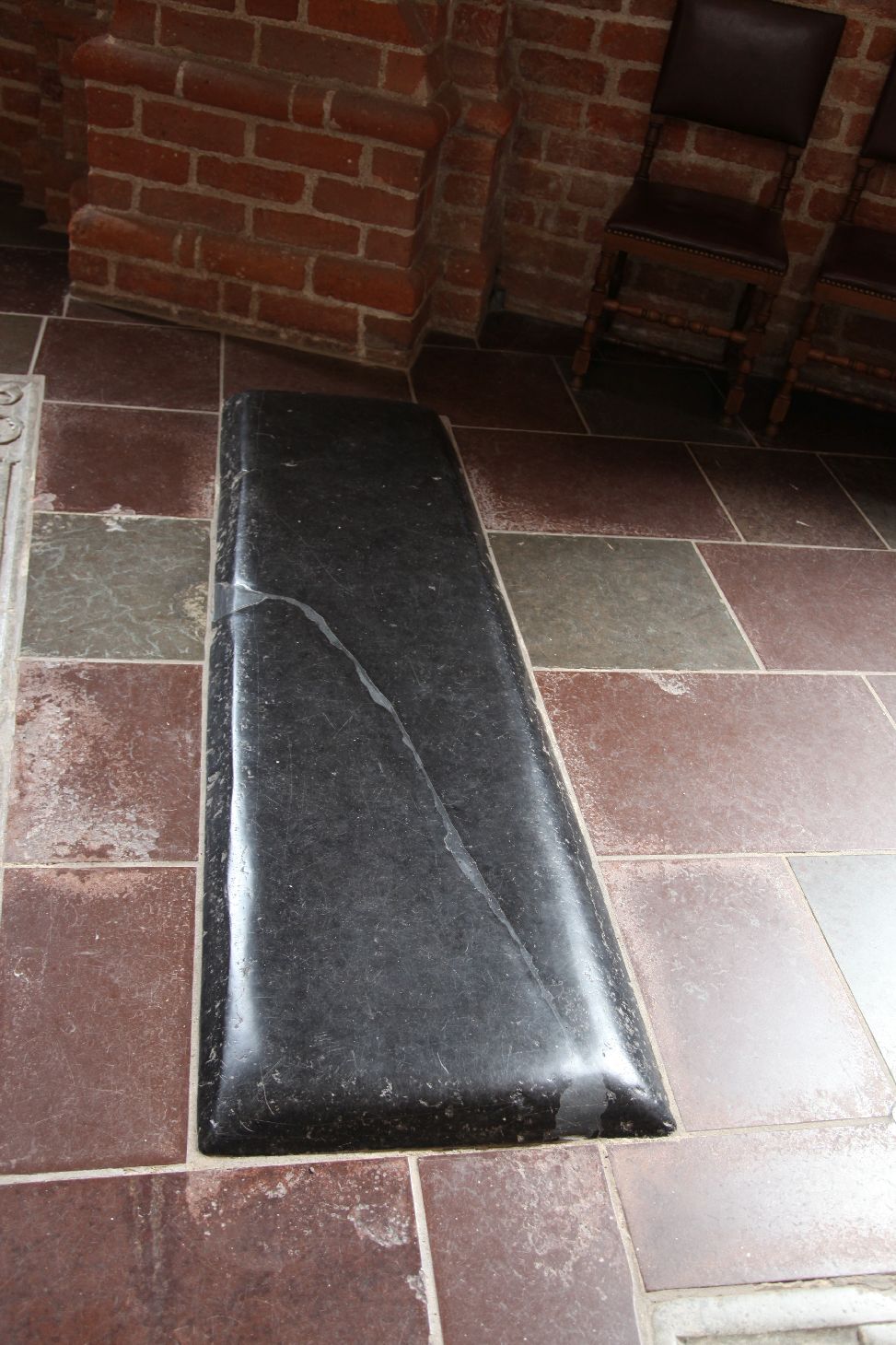
The latest addition to the cathedral was in 1985, when the New Burial Ground, also known as Frederik IX’s Burial Ground, was inaugurated, and in 2018, the future resting place and monument for the former queen of Denmark Margrethe II (1972–2024) were placed in the chapel of St. Brigitte. There’s nothing like planning ahead. It is also the burial place of a horse, which seems to have been some sort of throw back to Viking pagan practices. The guidebook points out the slab that lies over the grave, but you have to look elsewhere (in the splendidly off-the-wall Atlas Obscura for a more detailed explanation, though they say that it’s the “Grave of the Hel-Horse“ and that “according to legend, this is the burial place of a mythical three-legged death omen horse”. To which all I can say is yeah, course it is. And that was even before we found out that archaeologists found a body in there alright, but it was a human one. Still, it’s a great story.
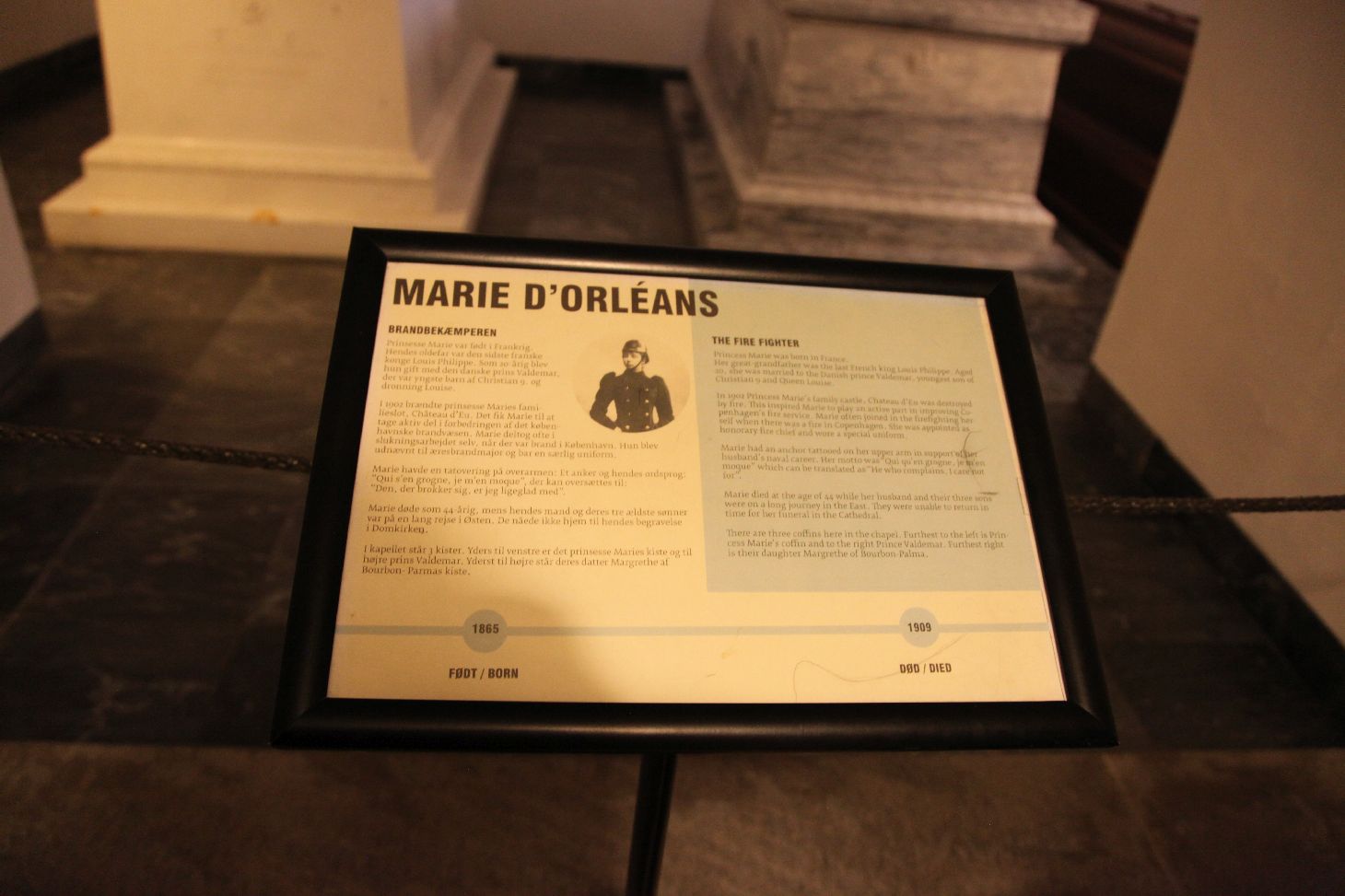
The cathedral also contains the grave of the splendidly eccentric Princess Marie of Orléans (1865–1909), along with a brief biography of her and her unconventional approach to life. The photo of her shows her in her fireman’s uniform. Sadly, it does not show her tattoo.
Adjacent to the cathedral is Roskilde Palace, built from 1733 to 1736 on the site of the former residence of the bishops of Roskilde. It was used by members of the royal family when they were in the city or attended funerals. Today it houses the Museum of Contemporary Art but we didn’t have time for that, unfortunately. During the English siege of Copenhagen in 1807, the mansion served as headquarters of General Wellesley, the future Duke of Wellington so it would no doubt have been interesting from a number of perspectives.

After we’d finished with the cathedral we set off down the hill to the Vikingeskibsmuseet which was built on the side of Roskilde Fjord. This was a surprise to me, because we always think of fjords being Norwegian. Clearly, the Norwegians do not have a monopoly on this sort of geographical feature! The main things we were there to see were the remains of five 11th-century Viking ships which are on display in the main building. They were scuttled in the sound, seemingly to improve the city’s defences, and were excavated from the fjord 12 miles north of the city in the l1960s. There are some very informative panels in the museum explaining all of this. The ships include a longship, a warship, and three smaller boats and range in length from a mere 10 feet (3 m) to a massive 50 feet (15 m) in length.


To my joy, the various outbuildings around the museum’s grounds are the province of a bunch of those wonderfully insane people, the experimental archaeologists. A lot of their research is on the subject of shipbuilding and seaworthiness, and there are people making ropes, and shaping planks and I don’t know what else. I’m just glad they’re doing it! The museum also offers the opportunity to go out in one of the replica ships so you can experience what it’s like to row a Viking ship. Sadly, the wind was so fierce the day we visited that the sailing sessions had all been cancelled. I’m guessing no one fancied the idea of having to fish a load of tourists out of the waters of the fjord in those conditions!
We spent most of the day in the museum, with a short break in the cafe, which tries to stick with ingredients the average Viking would have recognised, even if he or she might not have recognised the form those foods took. They’d have had no problem with the quantity of food given out though; I’m pretty sure I could have rowed all the way to Dublin on that lunch!


Afterwards, we spent some time being interviewed by some museum employees who were testing out a new visitors’ survey. They reckoned we would only need 10 minutes – I think they had probably bitten off more than they could chew because it took 30 minutes, probably because they were asking us about an historical period I know quite a lot about and have a great deal of enthusiasm for… Oh well. Perhaps we were helpful.
After that we slogged back up the hill to the town centre through the very attractive park that lies between the museum and the old town. It would have been nice but once you’ve been on your feet for several hours in a fascinating museum, it was touch more challenging than it should have been. It was a relief to get on the train and sit down for the 30 minute journey back to Copenhagen.
That evening we headed out in search of one of the cocktail bars that the barman at the American Bar at the Nimb hotel had recommended. The first one was closed on a Monday, so we ended up at the second one, the Tata Cocktail Bar inside the Hotel Sanders near the Royal Theatre. And very good it was, with a choice of cocktails both traditional and adventurous.


Again, we’d chosen the neighbourhood because it was close to our restaurant for the evening, this time Number 2, which I went to once a long time ago on my first stay in Copenhagen. On that occasion I’d staggered in covered in snow, and feeling very sorry for myself because the training course I was on was proving very difficult to get to grips with, and they had looked after me so well that I’d left in a completely different – and much improved – frame of mind. I was hoping they had not lost their touch in the intervening years.
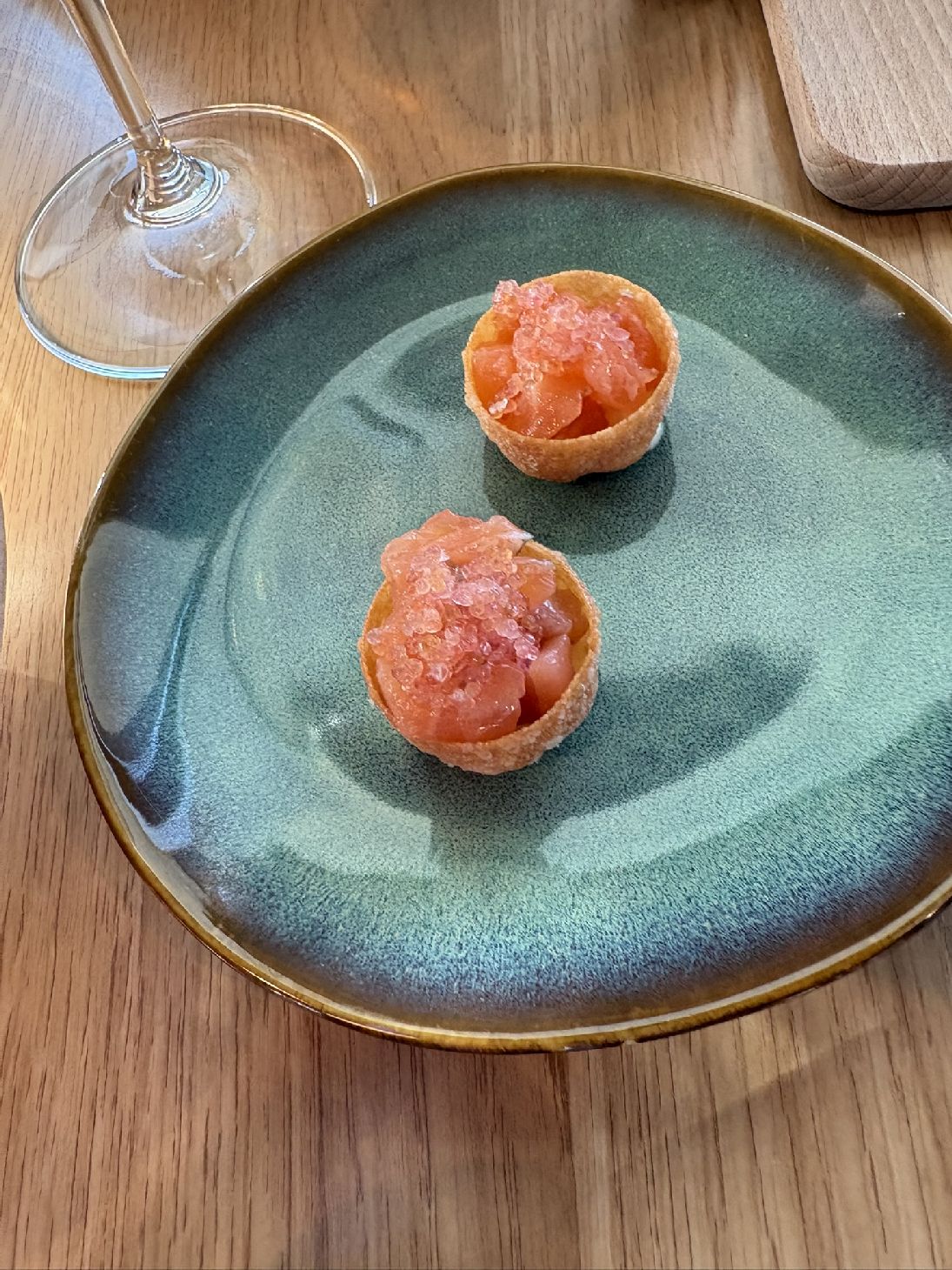
They hadn’t. We started with some excellent bread and butter (I think there must be some kind of by-law that says nowhere can serve bread that isn’t fantastic). While we were demolishing that – or rather trying not to demolish it instantly – they brought out some tiny amuse bouches in the shape of crisp pasty cases with smoke salmon curled up inside and decorated with fish roe.
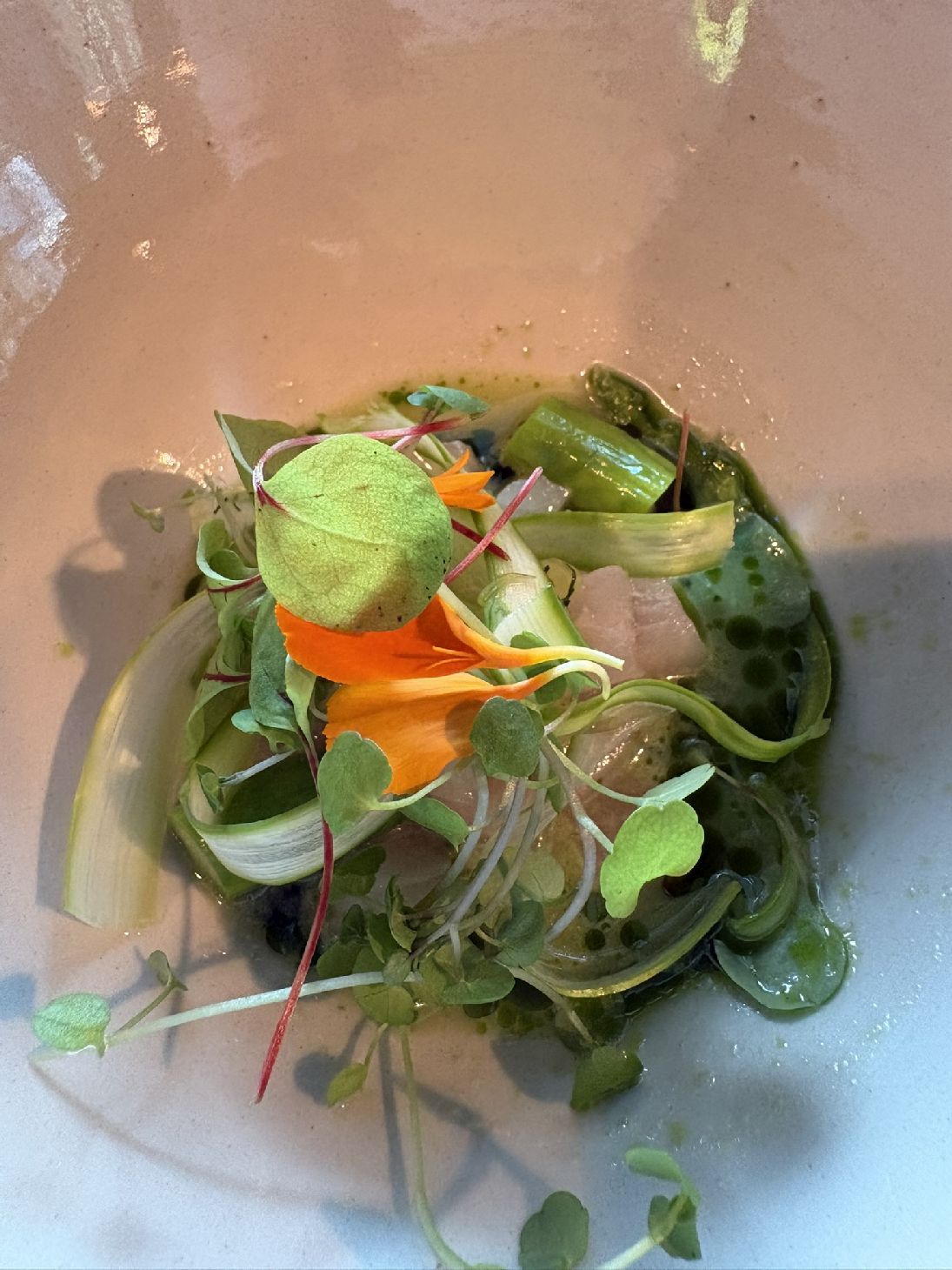
They were followed by some fresh ceviche, zinging with a punchy citrus dressing and hiding under salad leaves, nasturtium petals and aspagarus shavings.
Next we had more asparagus, this time white because it was still the season, after all. It would have been churlish not to. It was dressed very simply in a split sauce, with perfectly crunchy croutons made out of more of that fantastic sourdough bread.

Mains were venison, which seems to be regarded as a spring speciality in Copenhagen, and it didn’t hurt that it was accompanied by their “famous truffled chips”. This cannot ever be anything but a good thing. It also came with a fantastic cherry sauce, and a bucketful of truffle mayonnaise.


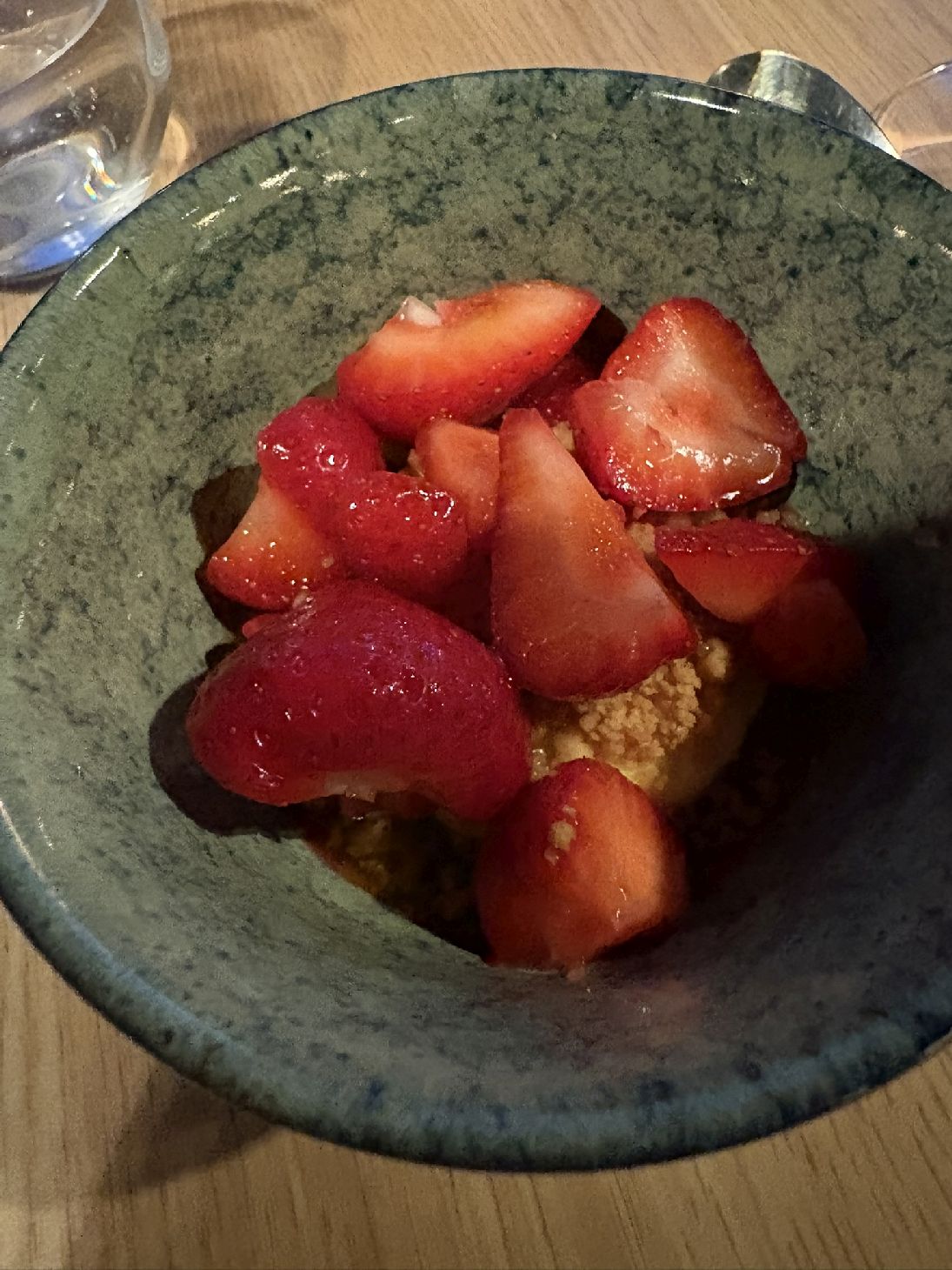
Dessert was incredibly simple and absolutely knock out. Fresh seasonal strawberries, because all the Nordic countries love their seasonal produce – and when it’s as good as these who can blame them? They were so juicy, so packed with the strawberry flavour we so rarely get here in the UK unless we grow them ourselves or we can get hold of some seriously high-end berries. The semi-freddo with them was almost incidental, they were so perfect, and the scattering of crumbs just added a little kick to the dish. I could have been happy with just a punnet or four of the berries.
They also supplied some very good wine, and a free after dinner drink, We left happy.
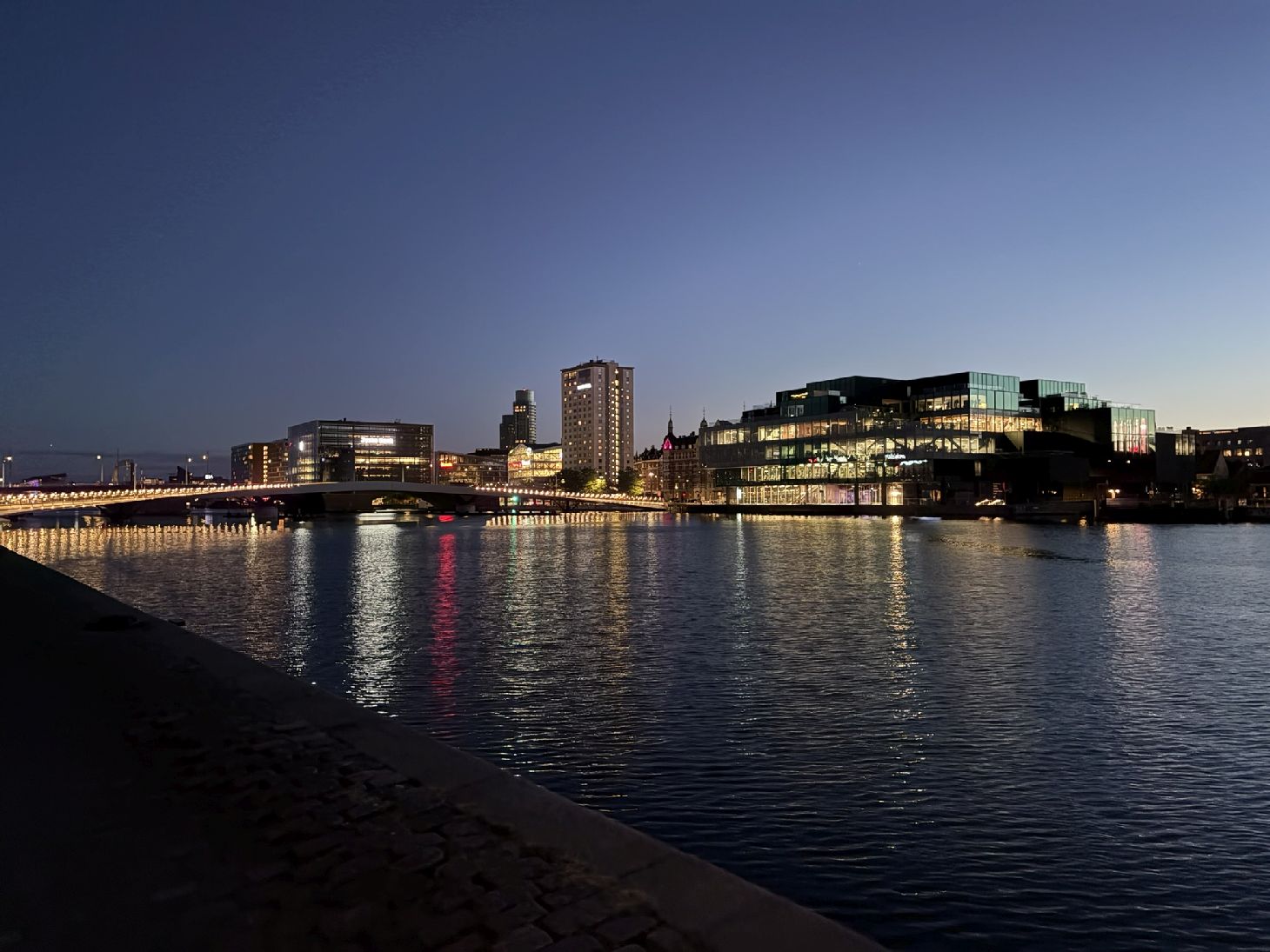
The walk to the restaurant had been very enjoyable with the sun framing the water and sparkling off the Black Diamond library building on the other side of the harbour. It’s one of the things I love so much about Copenhagen is the presence of water in almost every central neighbourhood. It’s glorious, especially around Midsummer. The view from the restaurant improved in tiny but fabulous increments until the sun started to set, and the walk from the restaurant also proved a highlight. By the time we left to go back to the Danmark, it was all looking stunning.