Thursday 17th October, 2026 – Oviedo / Uviéu
A blissfully good night’s sleep meant I was more than happy to go out for a run first thing, where I criss-crossed San Francisco Park, the scene of much of the previous day’s San Mateo festivities. Dodging the street cleaners I soon found out that there was a lot to like about this green oasis right in the centre of Oviedo. And once everyone else was up and ready, we headed out to further explore the city.
We quickly realised that the medieval heart of the city was less than 10 minutes on foot and so we headed out to hunt down the cathedral as our first port of call. On the way we stumbled across the Mercado el Fontán, a very fine iron-and-glass covered food market built between 1882 and 1885 in the historic old town, next to the Church of San Isidoro El Real and a short walk from Oviedo Cathedral. From outside we could see that the stalls were packed with fresh fish and seafood, meat, baked goods, local cheeses and many, many types of tinned seafood. It looked fabulous and we considered whether to make a quick foray for supplies or whether to call in later. We opted for later and kept going with a side-trip to the Tourist Information office where an incredibly enthusiastic young woman supplied us with all sorts of helpful information about what to see and how to reach it.
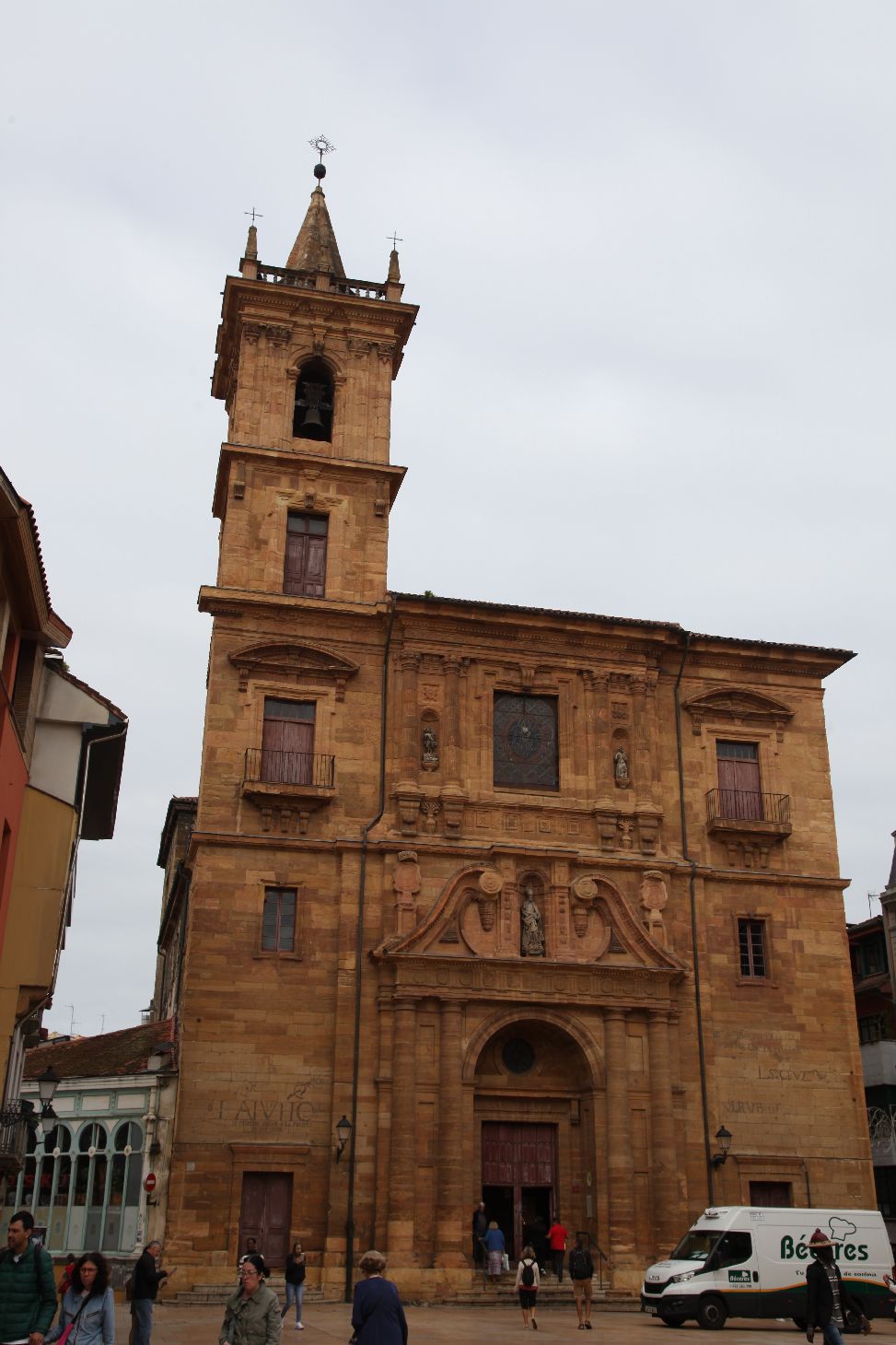
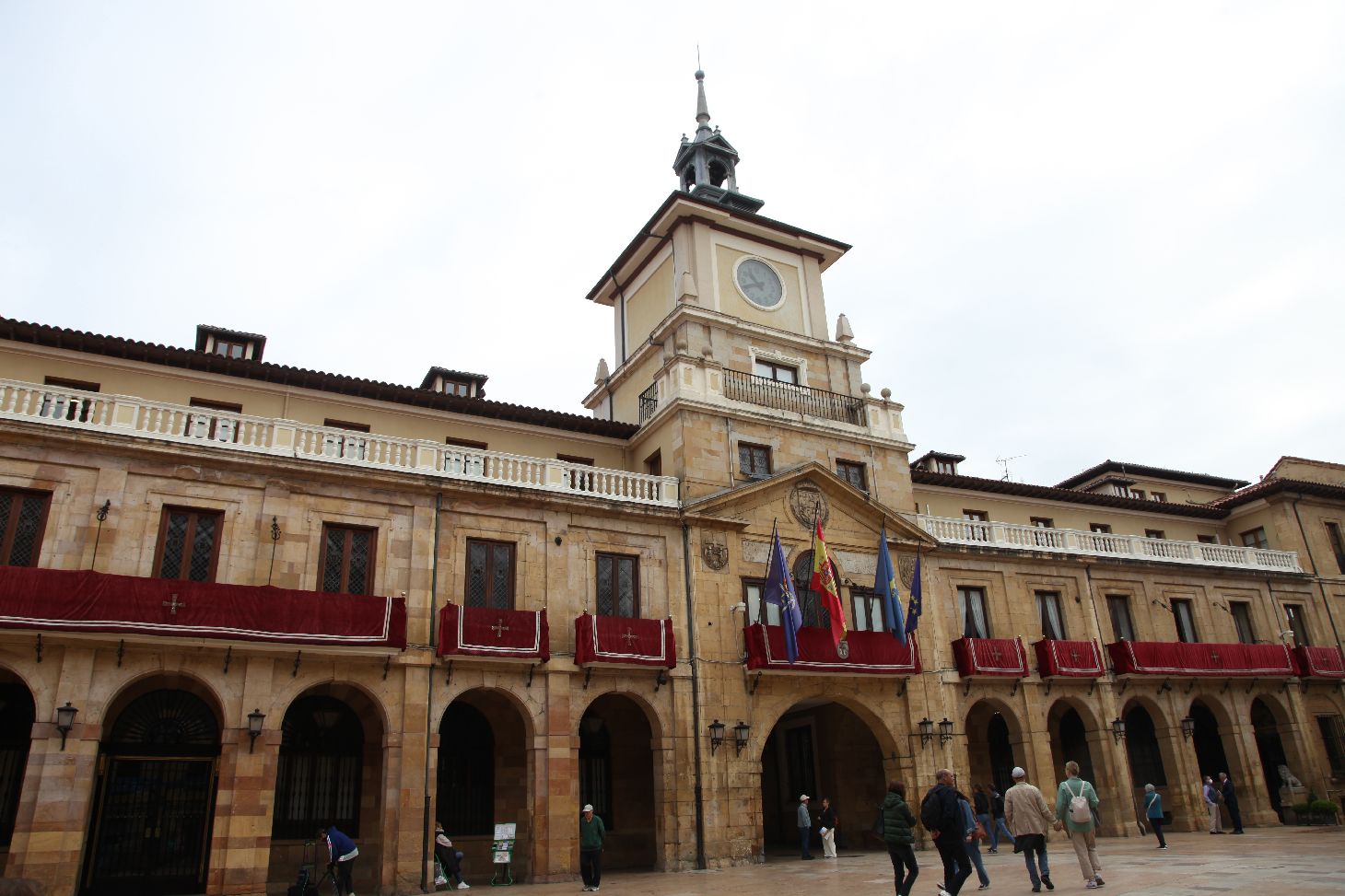
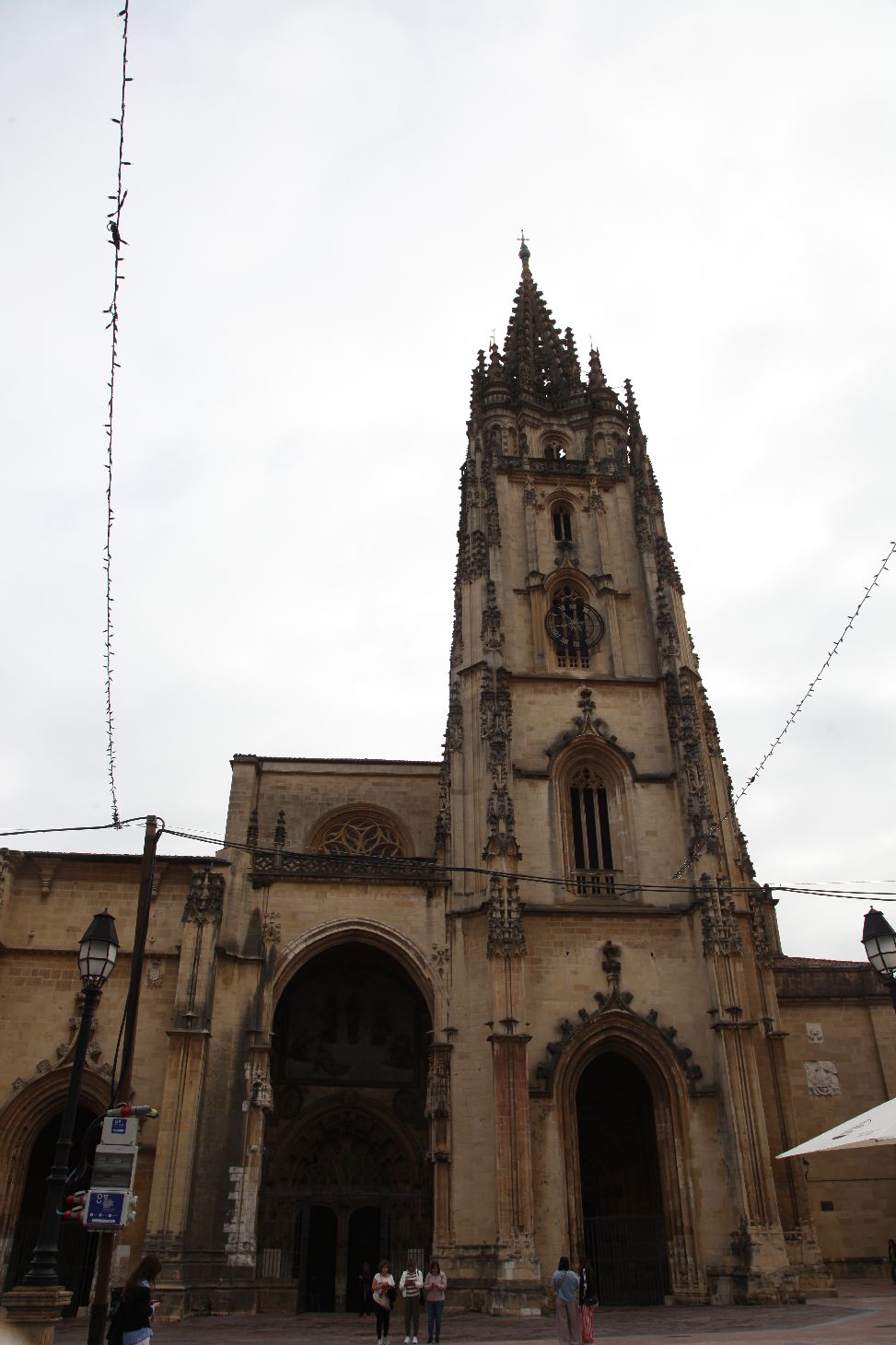
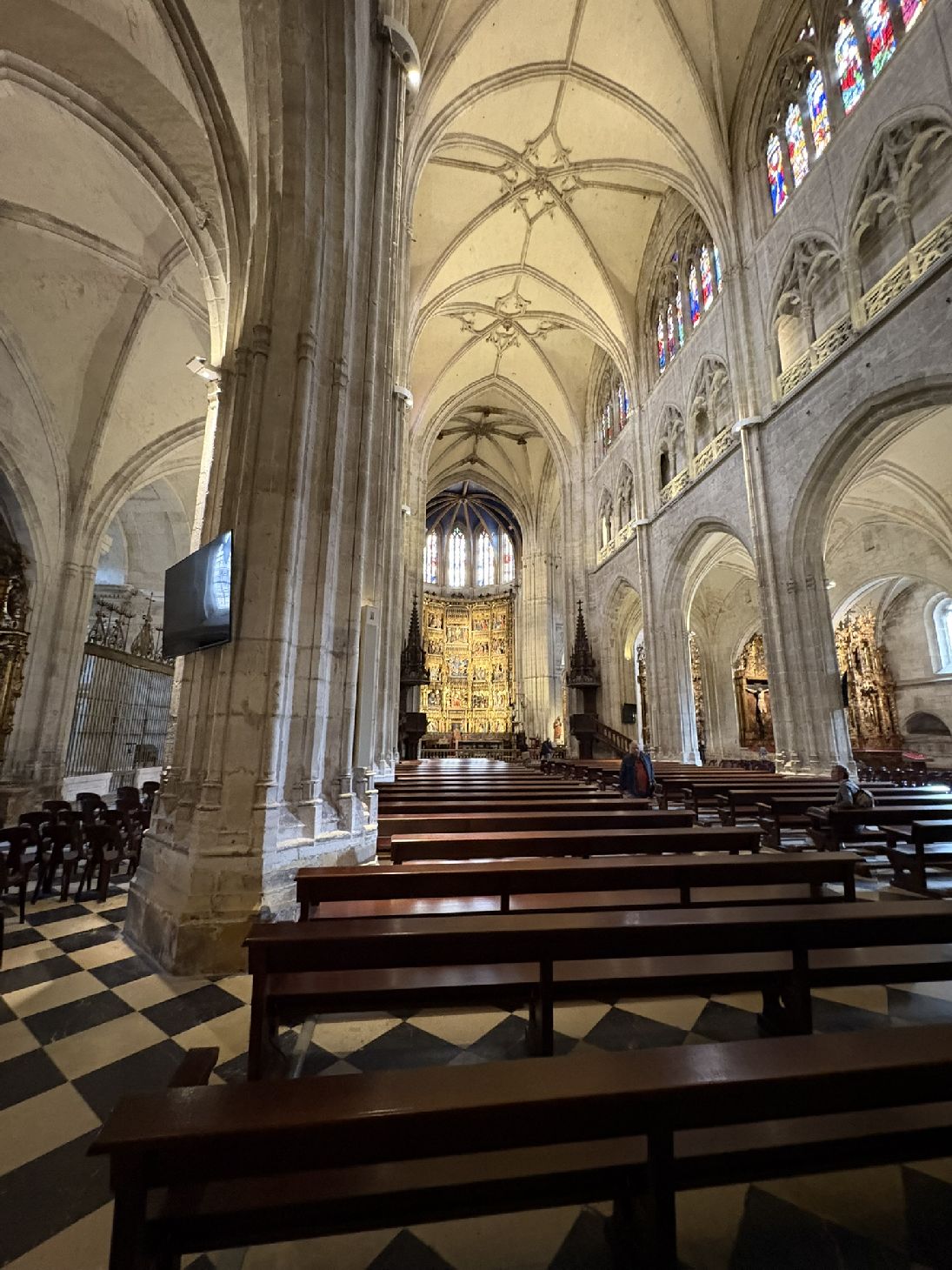
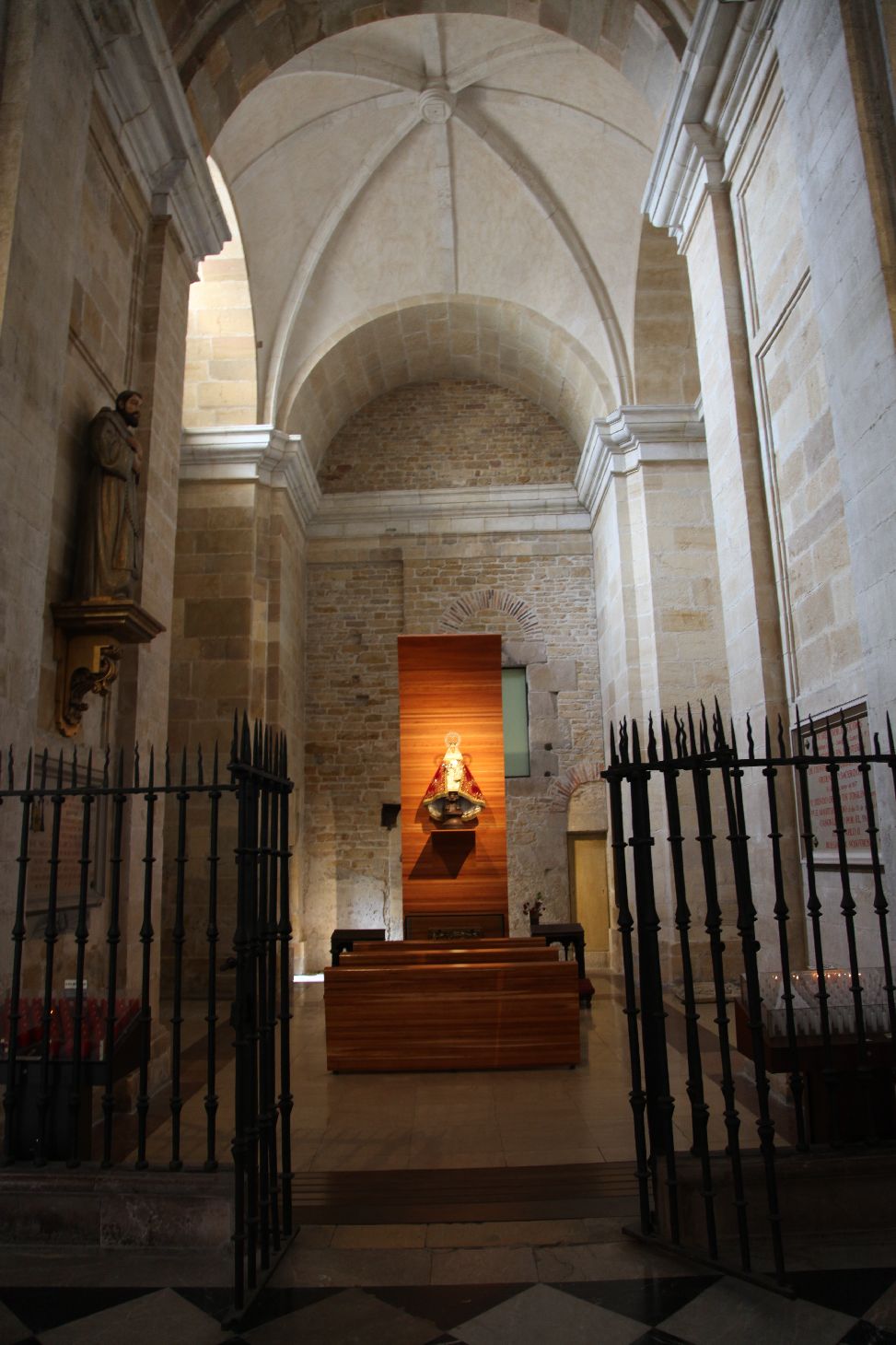
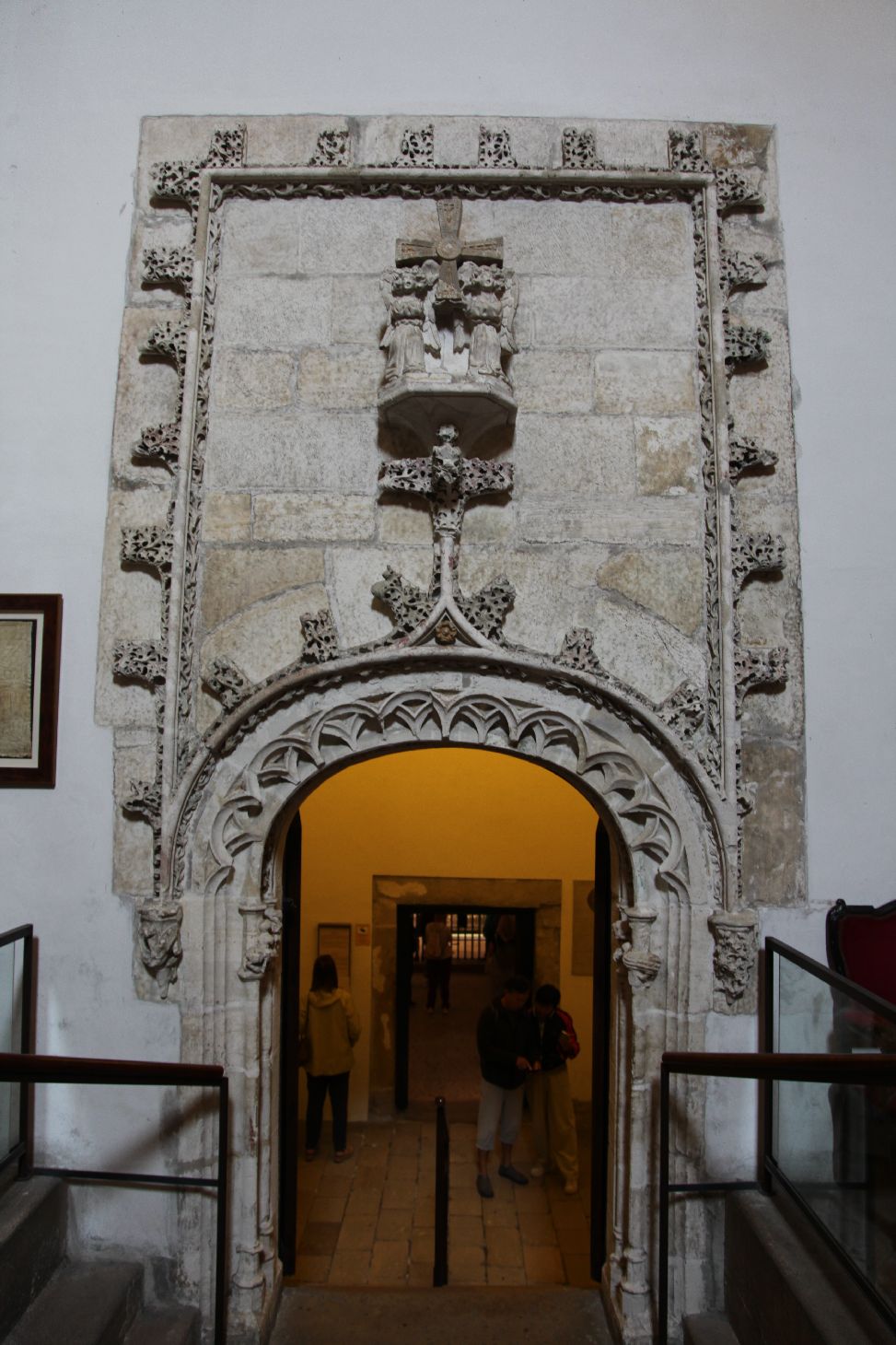
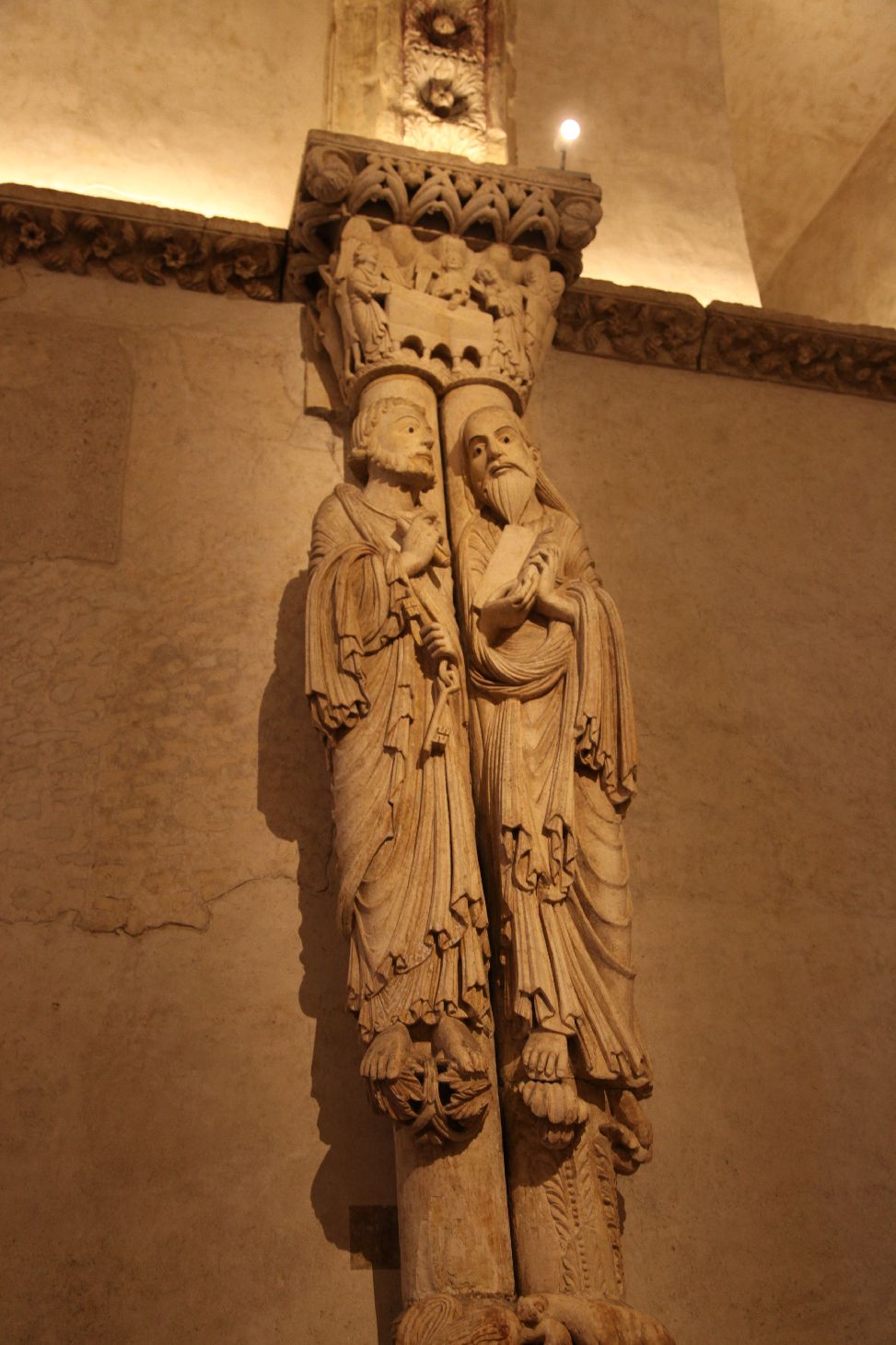
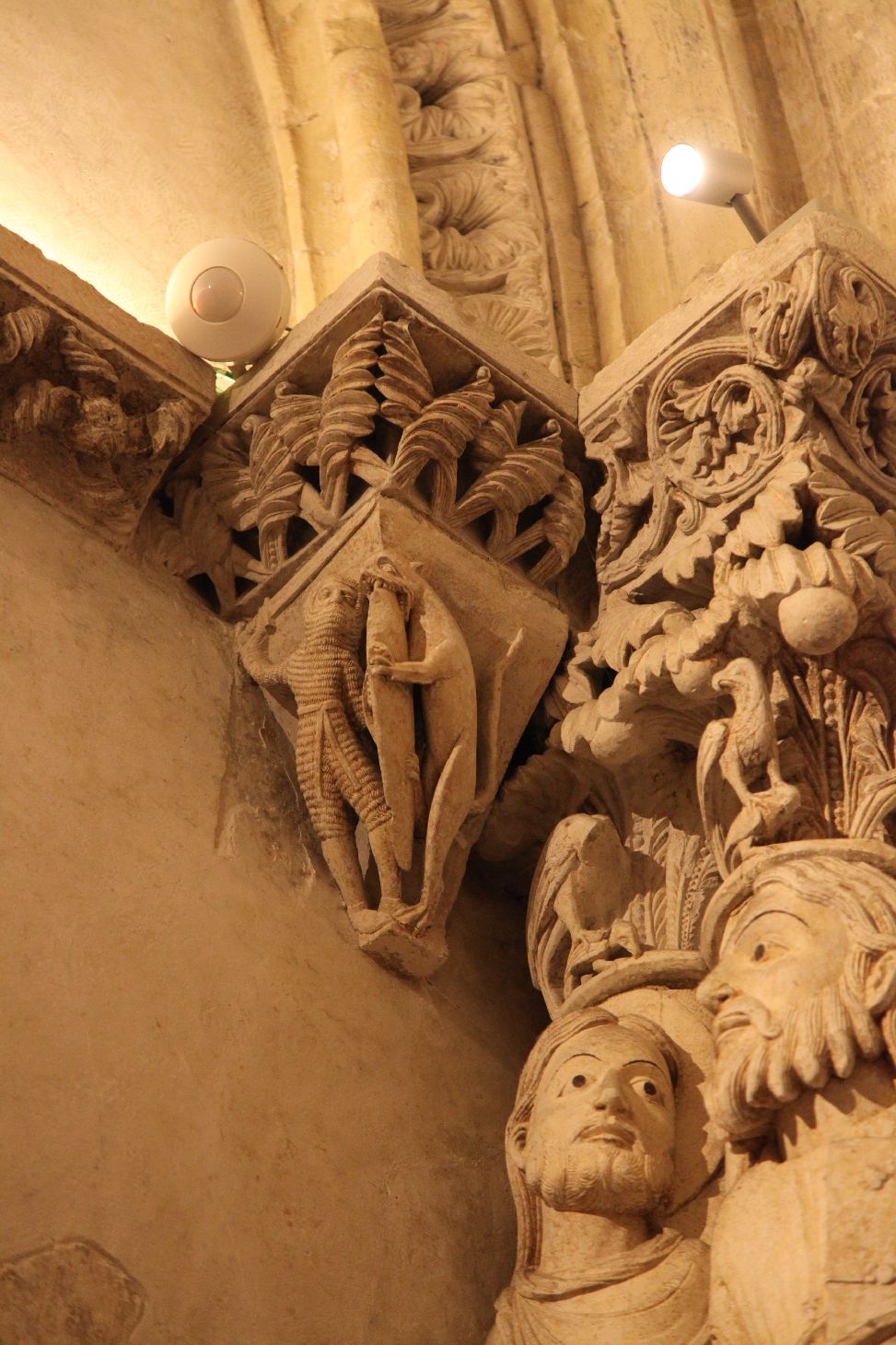
We eventually made it to the cathedral and established that it didn’t close for lunch. This was good news because it meant we could have a morning coffee first and then go in. The Metropolitan Cathedral Basilica of the Holy Saviour or Cathedral of San Salvador (Spanish: Catedral Metropolitana Basílica de San Salvador, Latin: Sancta Ovetensis) is a Roman Catholic church and minor basilica in the centre of Oviedo, in the Asturias region of northern Spain. As with most cathedrals, it’s been built, and rebuilt, and extended and renovated to such an extent that you can find all sorts of architectural styles in there with everything from the Pre-Romanesque to the Baroque, by way of the Romanesque, Gothic and Renaissance. It was founded in 781 by King Fruela I of Asturias, and then enlarged in 802 by his son Alfonso II of Asturias (Alfonso the Chaste). He wanted to have a building commensurate with the status of the city which was now the capital of Asturias. The current building dates from 1388, with a tower that was added around 150 years later.
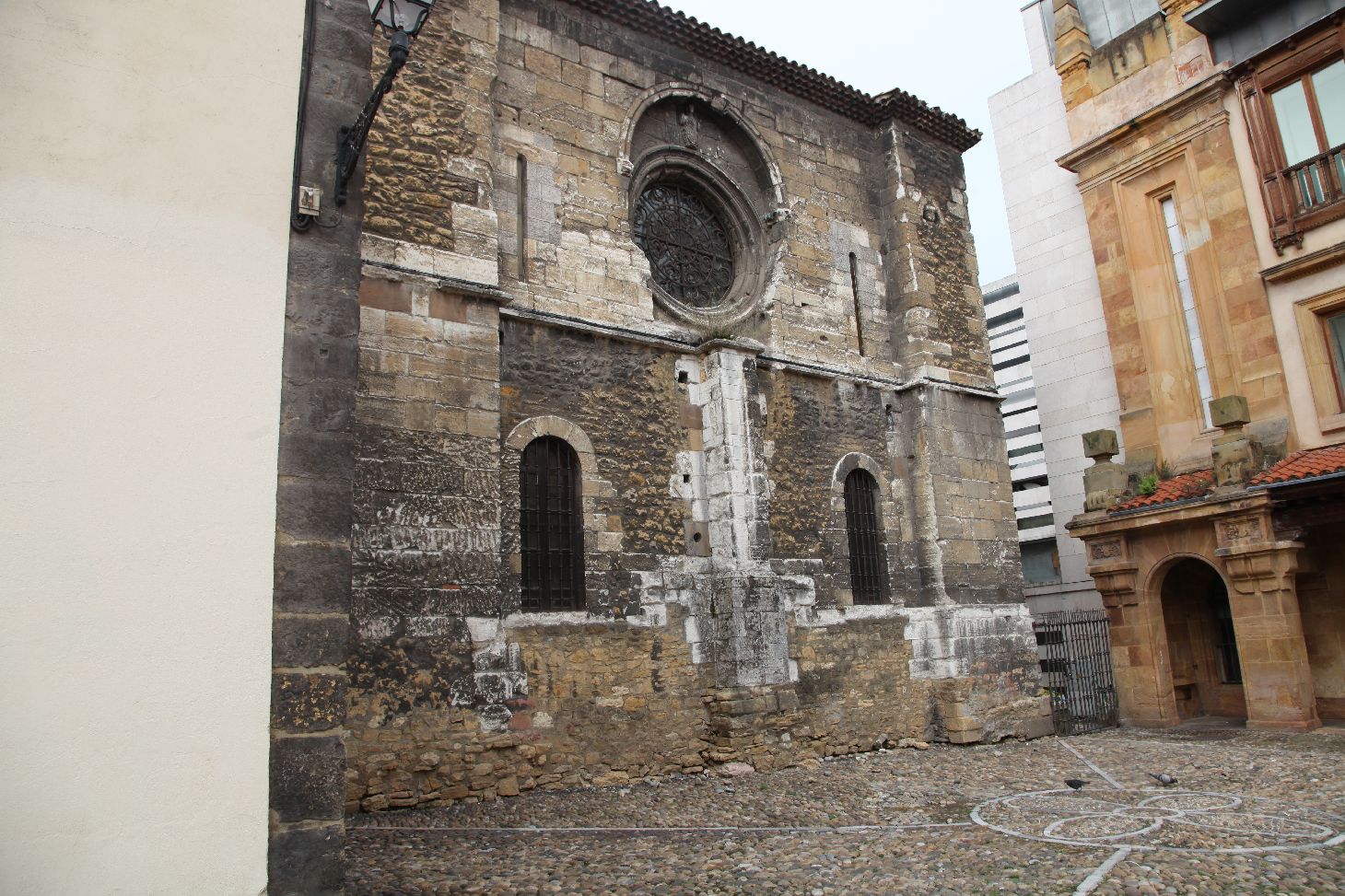
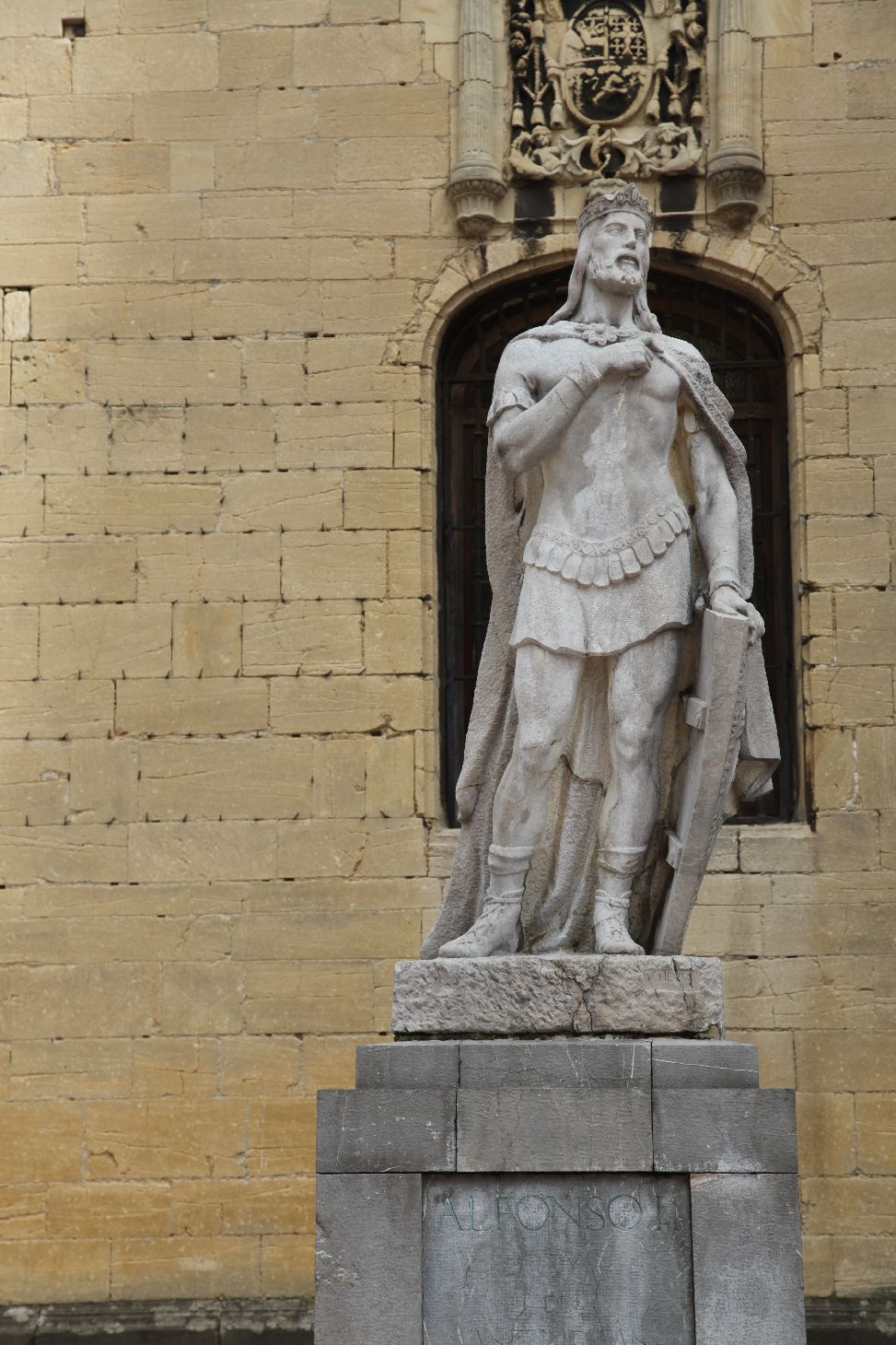
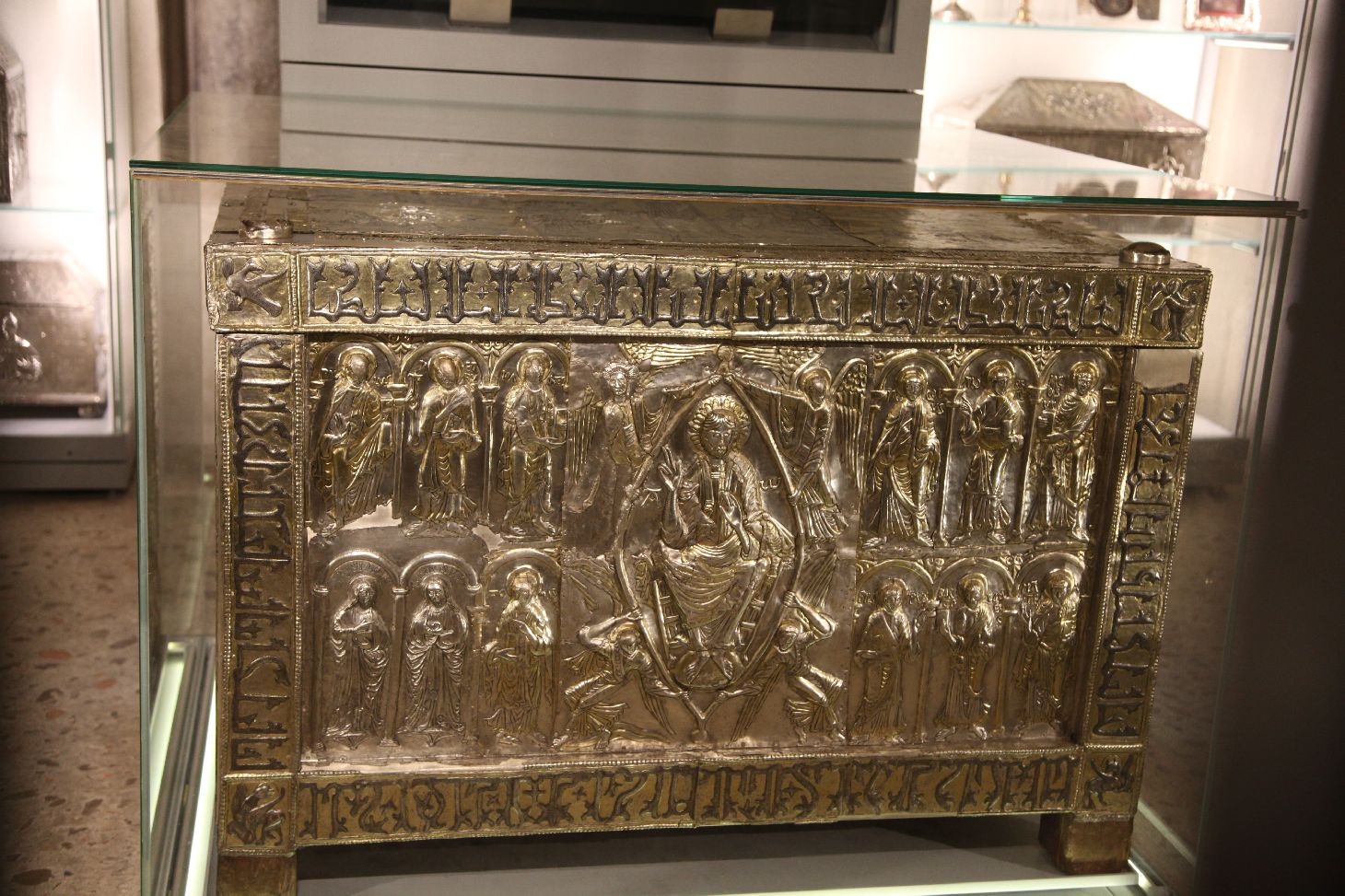
It retained its importance even after the royal court moved to León, because it was an episcopal see, and well on its way to becoming an important stop on the northern branch on the Camino de Santiago. Eventually the old basilica developed and expanded with the most important holdover from the pre-Romanesque royal complex developing into the Cámara Santa (the Holy Chamber). This now contains a small but stunning collection of royal treasures and relics on its upper floor. These include two crosses that were important symbols of the Asturian monarchy, the Cross of the Angels and the Victory Cross. You can still see these splendid items, along with a number of other precious art works, and if you ever find yourself in Oviedo, you really must try and see them. There’s also a lovely flamboyant Gothic cloister, and a chapter house which dates from the period 1293 and 1314.
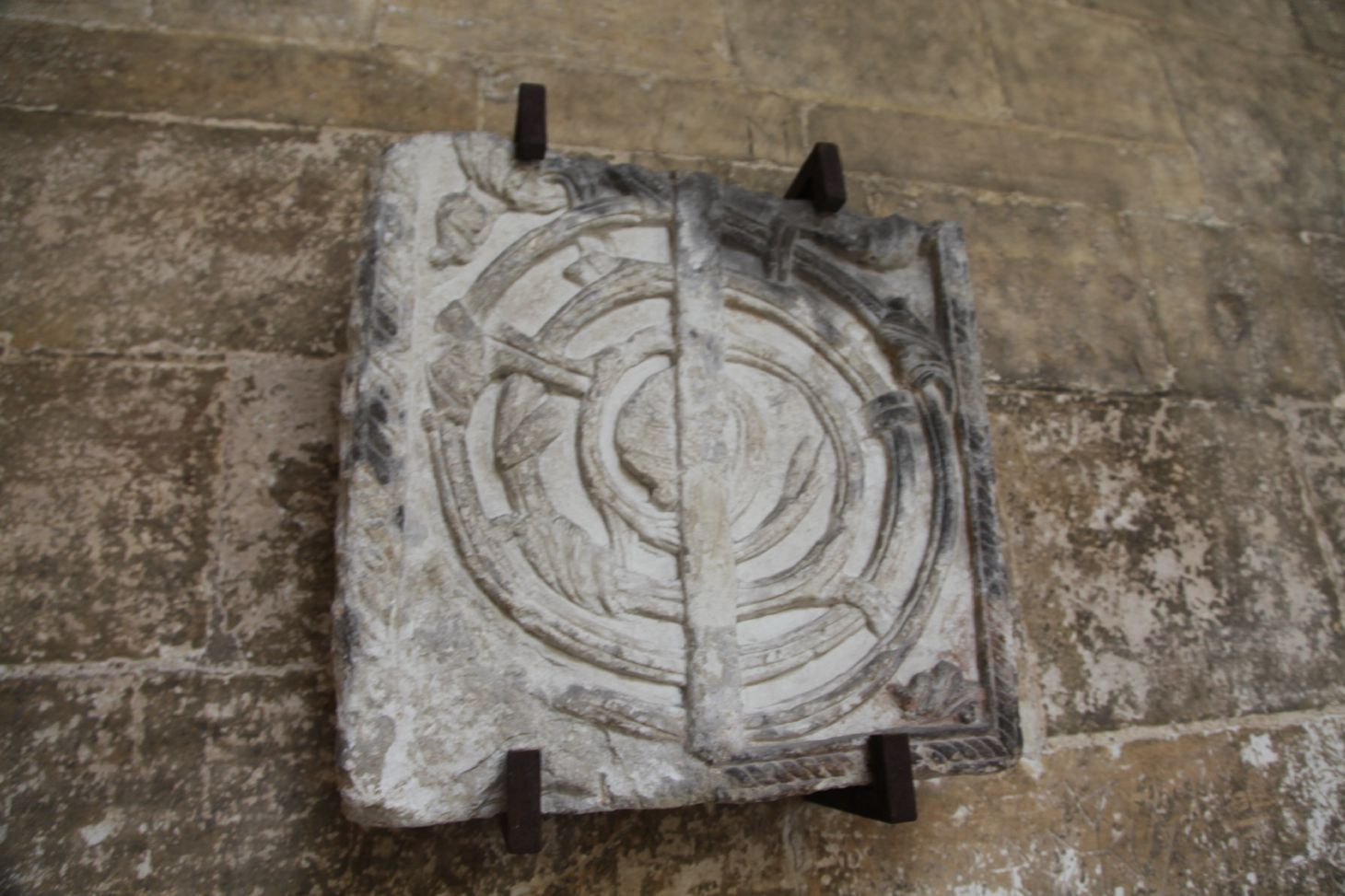
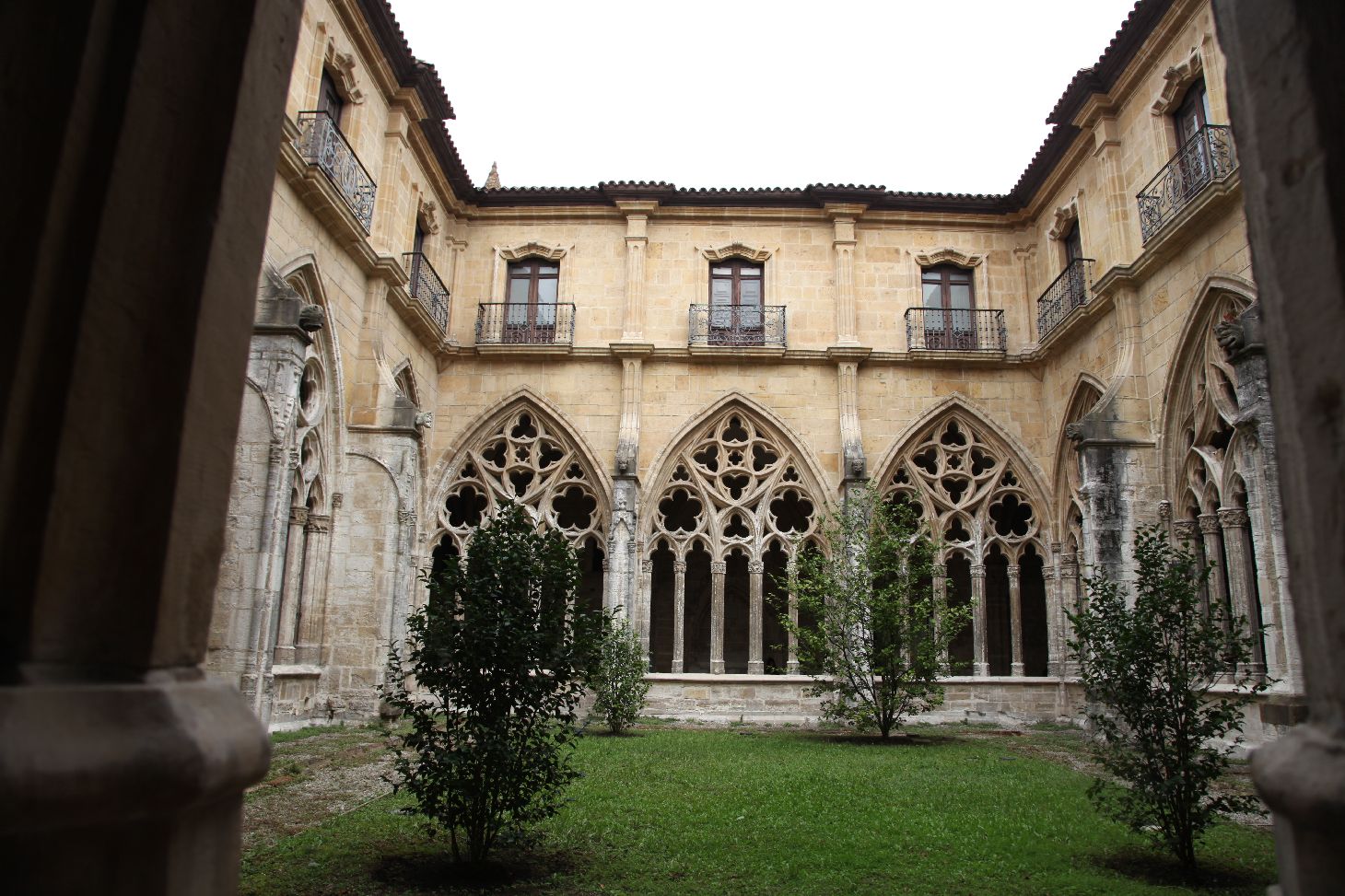
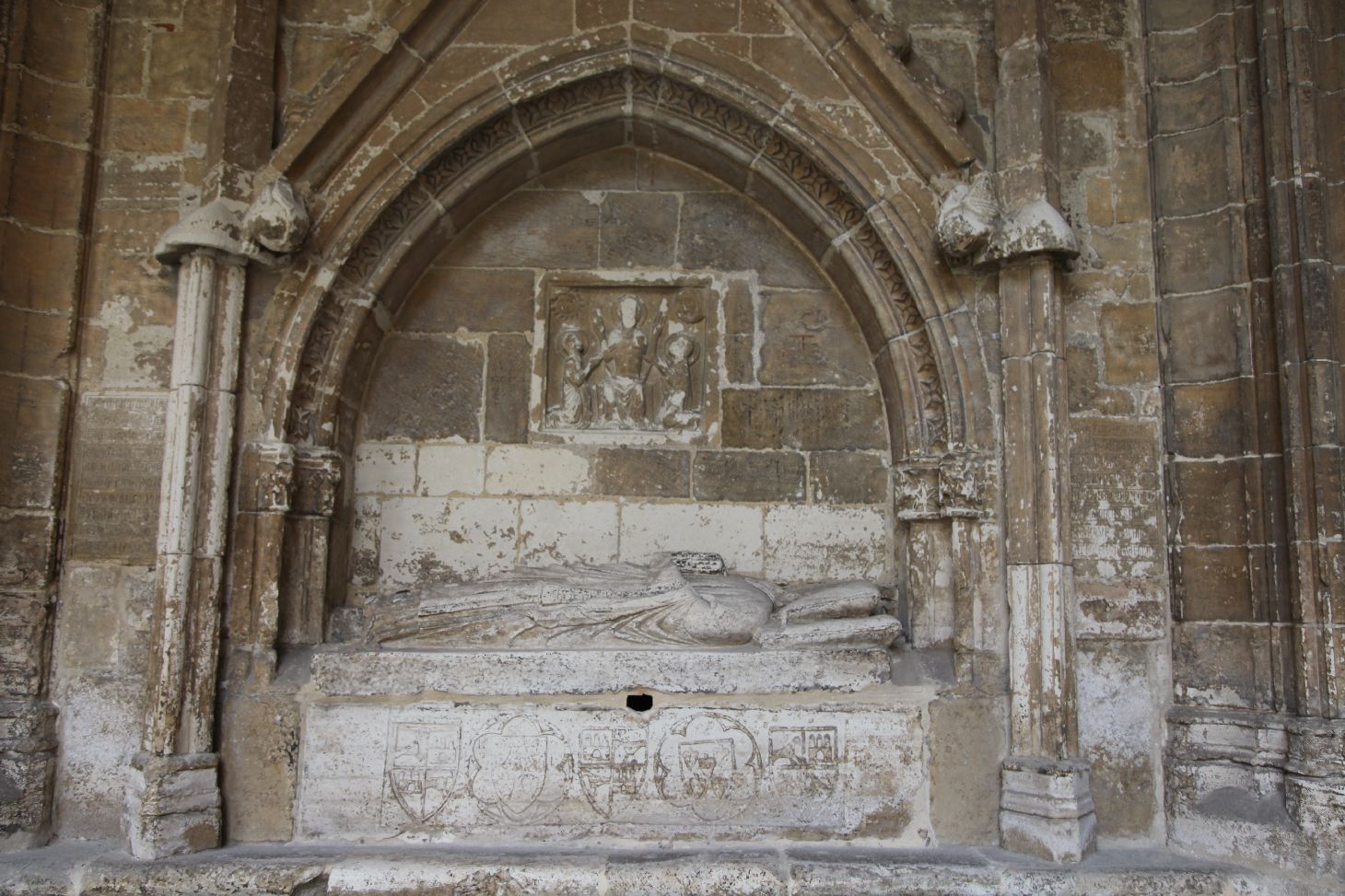
More work happened and we are probably very fortunate to still have some of the earliest elements, given the amount of building work that went on, in some instances under the aegis of master builders brought in from Northern Europe. By 1500, the cathedral was almost finished, with exception of its western façade. A single spectacular tower came later, and things seem to have quietened down for a while. Most recently a major restoration of the cathedral complex was initiated with preliminary studies in 1995 at the request of the Principality of Asturias. Under the sponsorship of the Spanish National Plan for Cathedrals, the complex was restored from 1998 to 2002 for a total budget of €764.62355 – they seem to have got their money’s worth from what we saw.
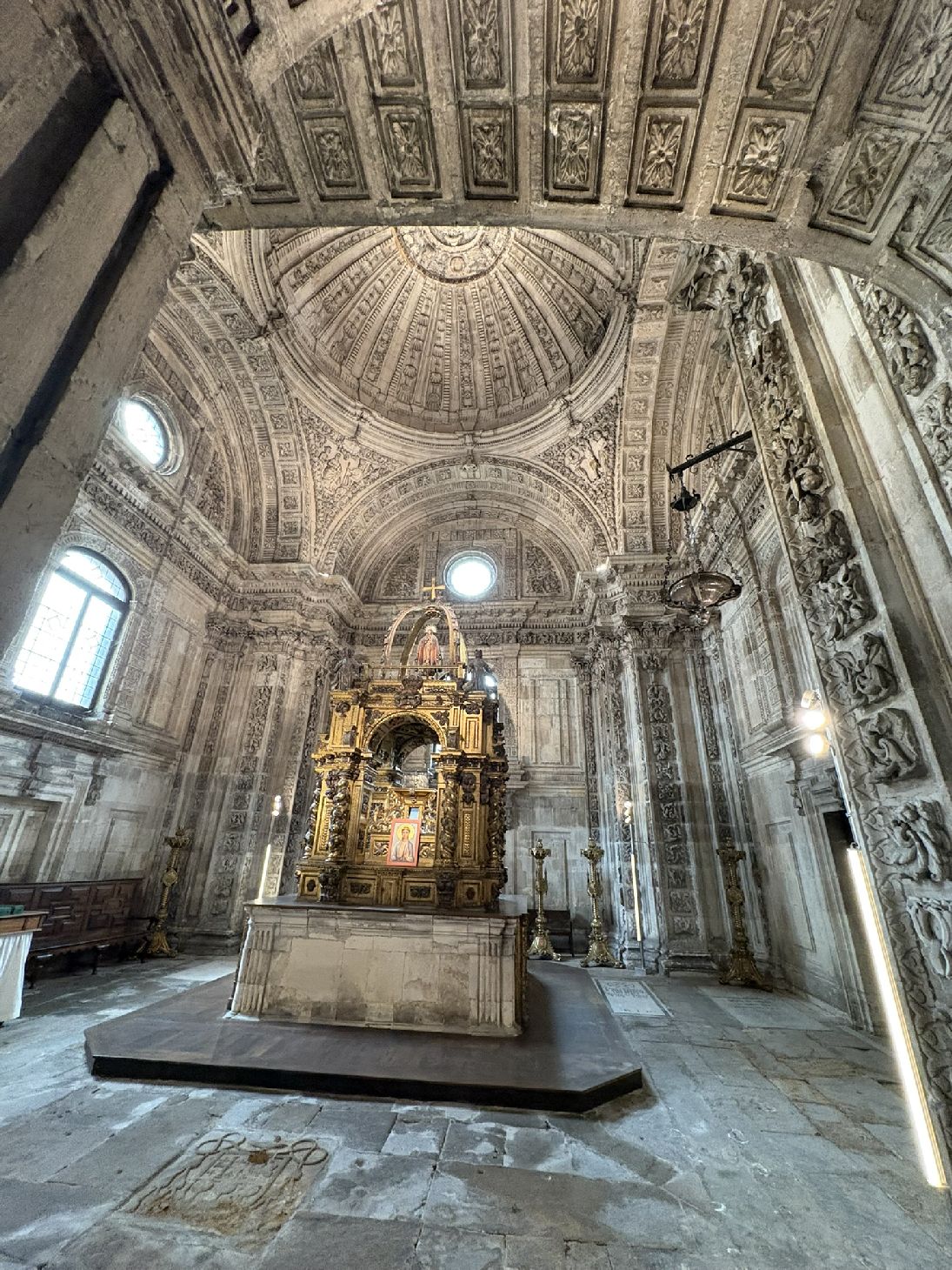
The Cámara Santa in particular was worth the entry price alone (again we got an over-65 discount on our entry tickets). The treasures range from the Sudarium of Oviedo which is supposed to have been wrapped around the head of Jesus, though it’s actually been dated to around CE700, to the the Victory Cross, an early 10th-century Asturian jewelled cross which, according to legend, contains at its core the primitive, undecorated wooden cross that was carried against the Muslims of al-Andalus by King Pelagius of Asturias at the Battle of Covadonga. The latter is the piece I really wanted to steal (and which was actually stolen in 1977 by a common criminal who was intending to melt the pieces down and sell the stones – so maybe I shouldn’t joke about it).
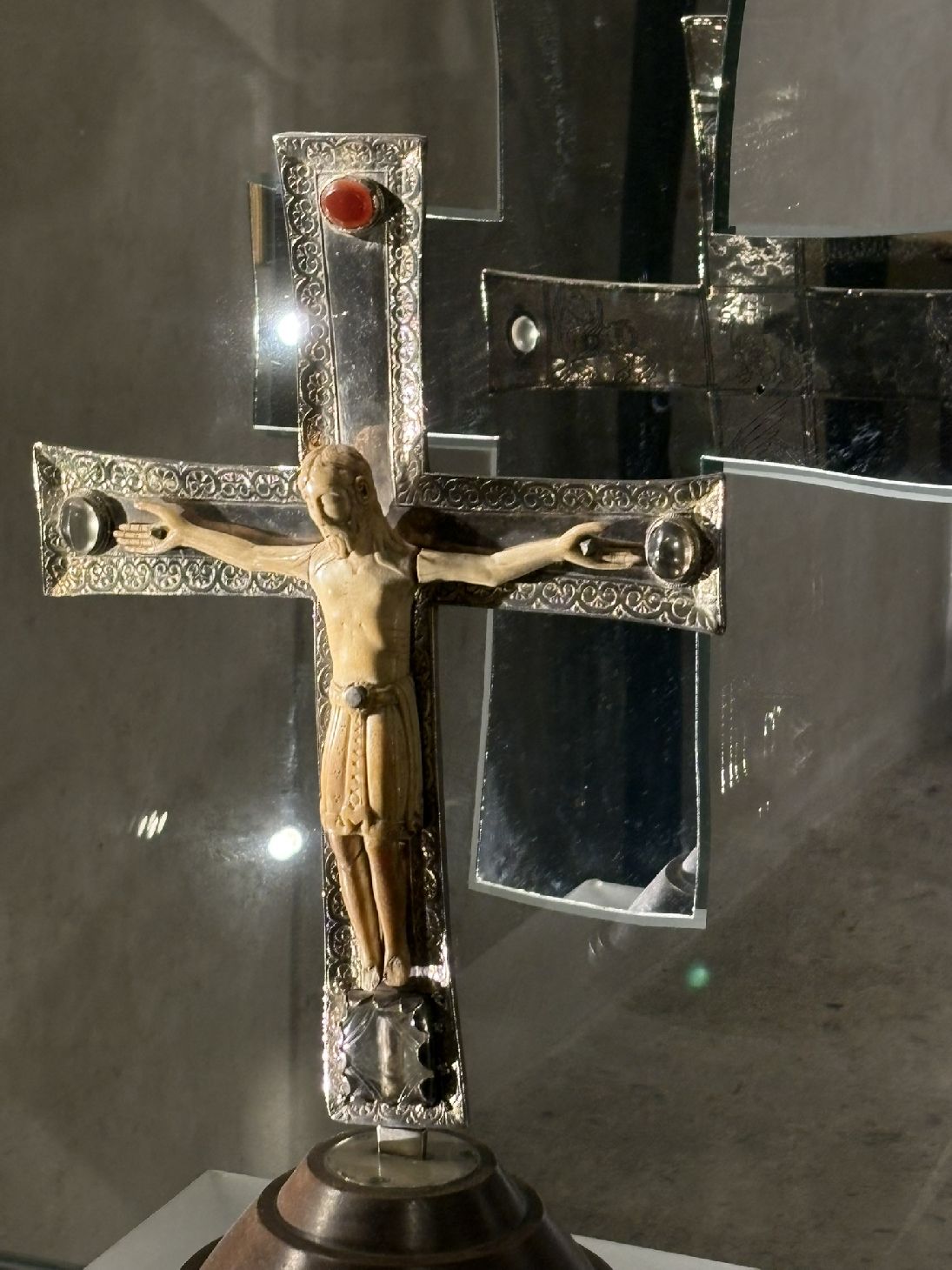
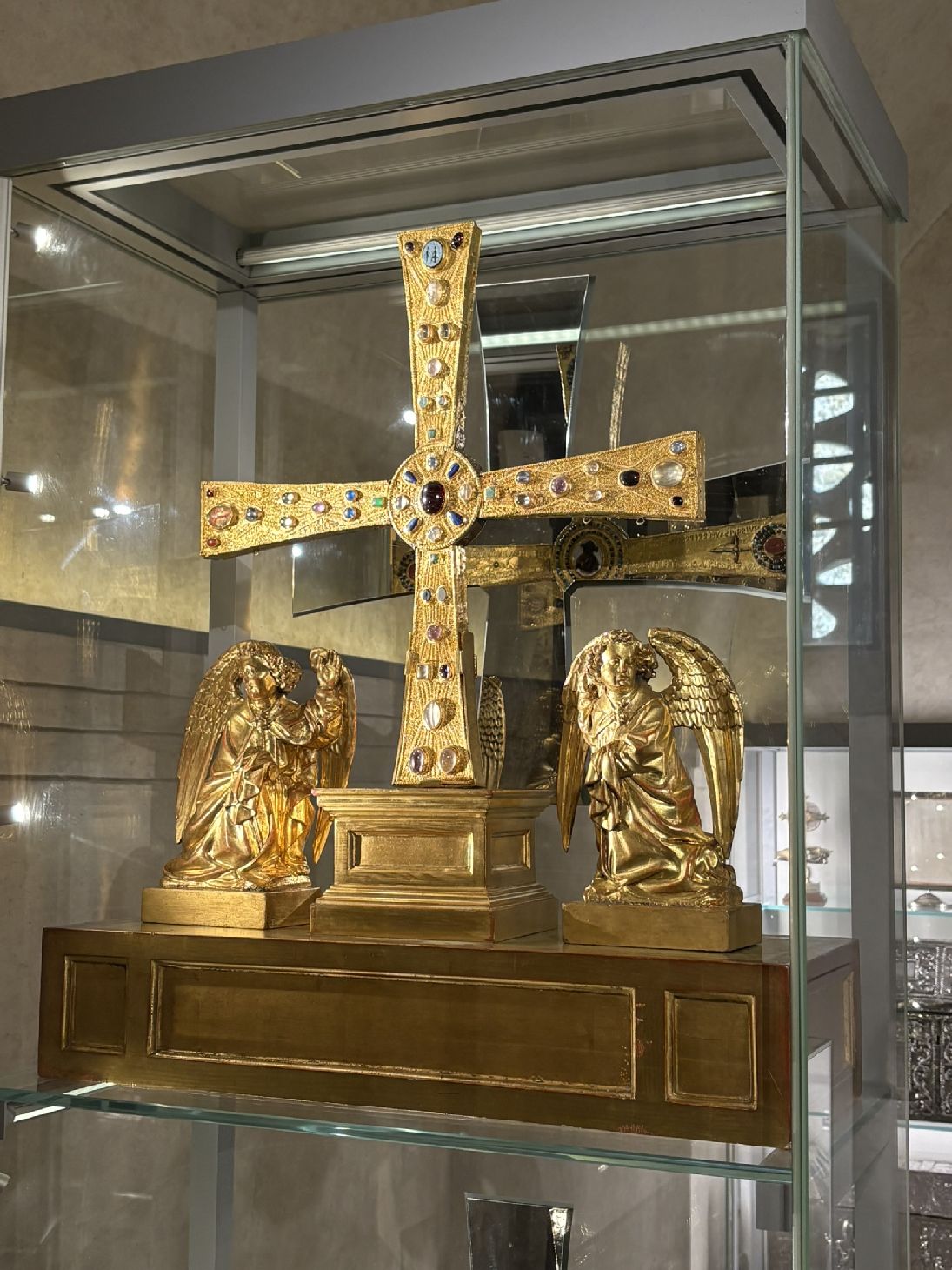
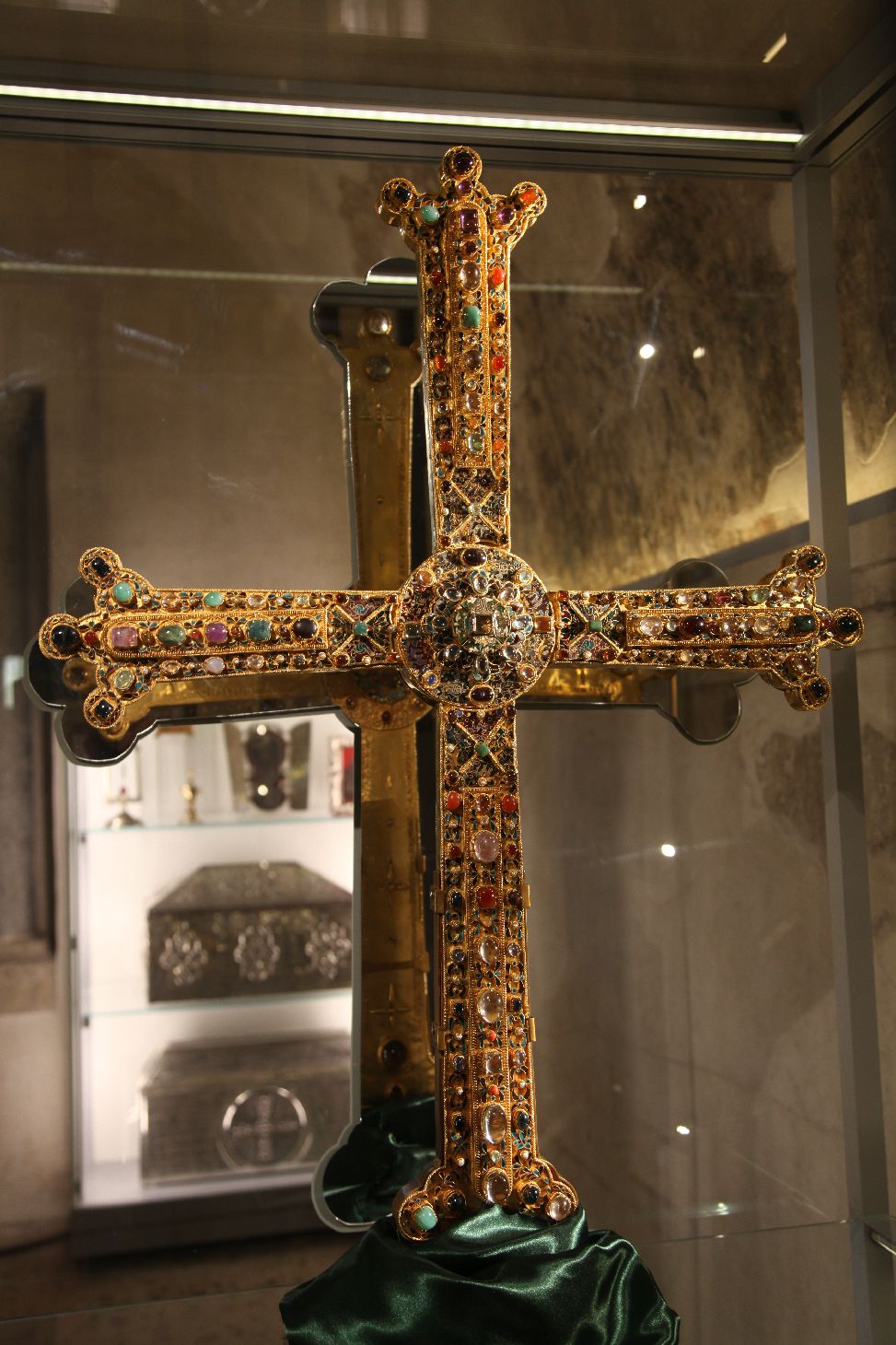
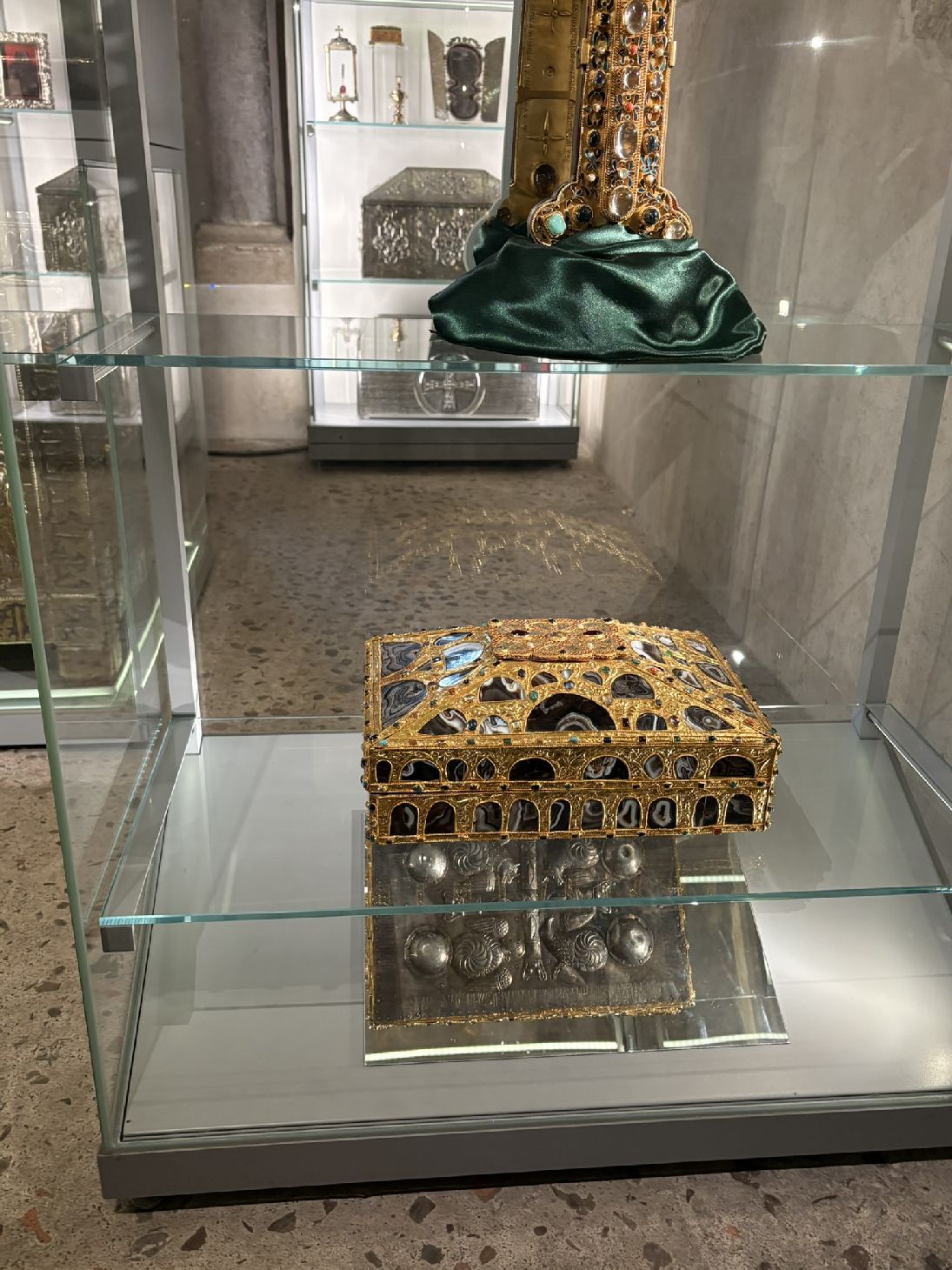
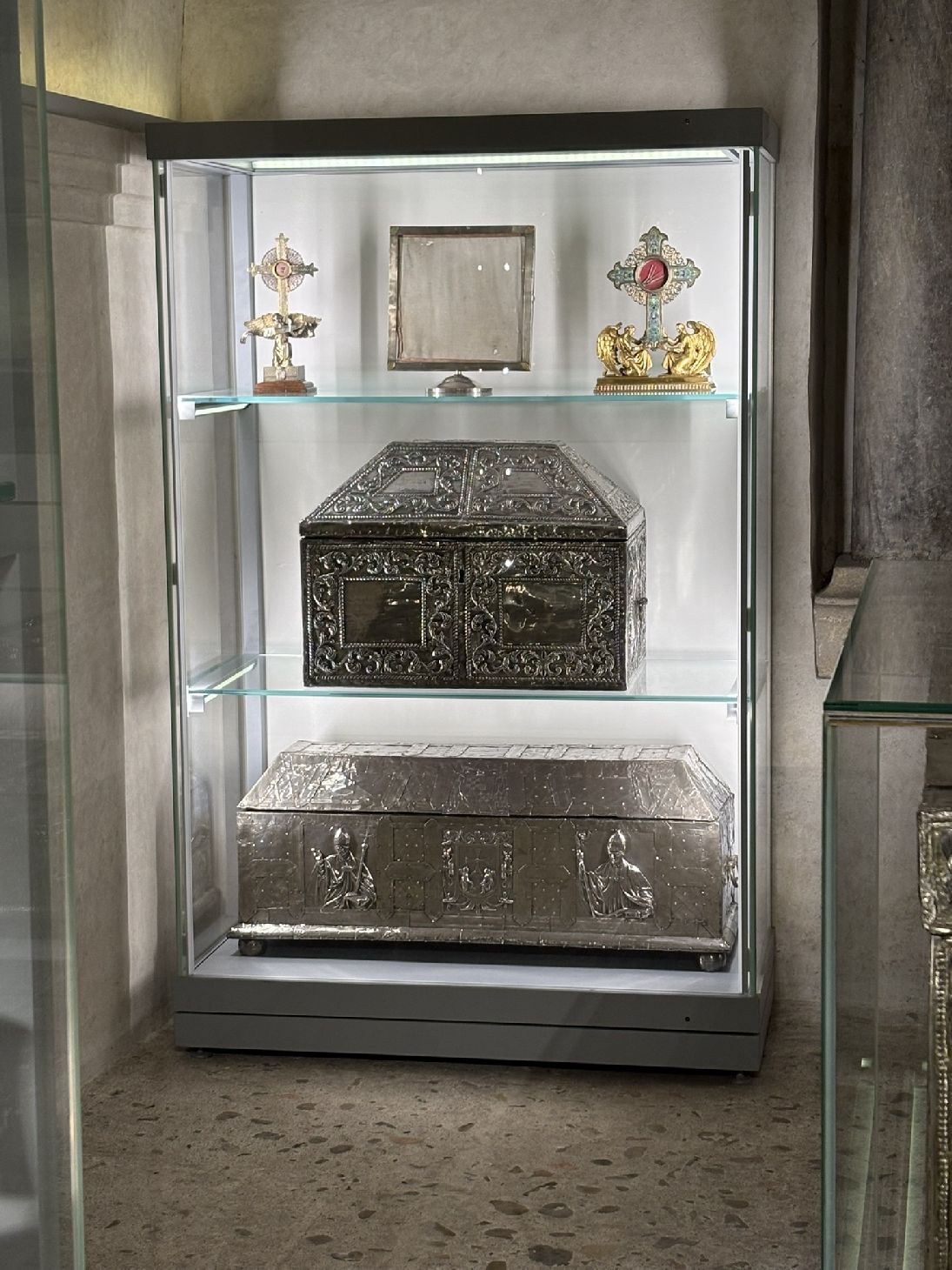
To be fair I wouldn’t turn down the Agate Casket of Oviedo, an elaborately decorated box given by King Fruela II of Asturias and his wife Nunila to the Cathedral, or for that matter the much plainer Cross of the Angels, a pre-Romanesque Asturian reliquary donated by Alfonso II of Asturias in 808 to the church, and which is regarded as the symbol of the city of Oviedo.
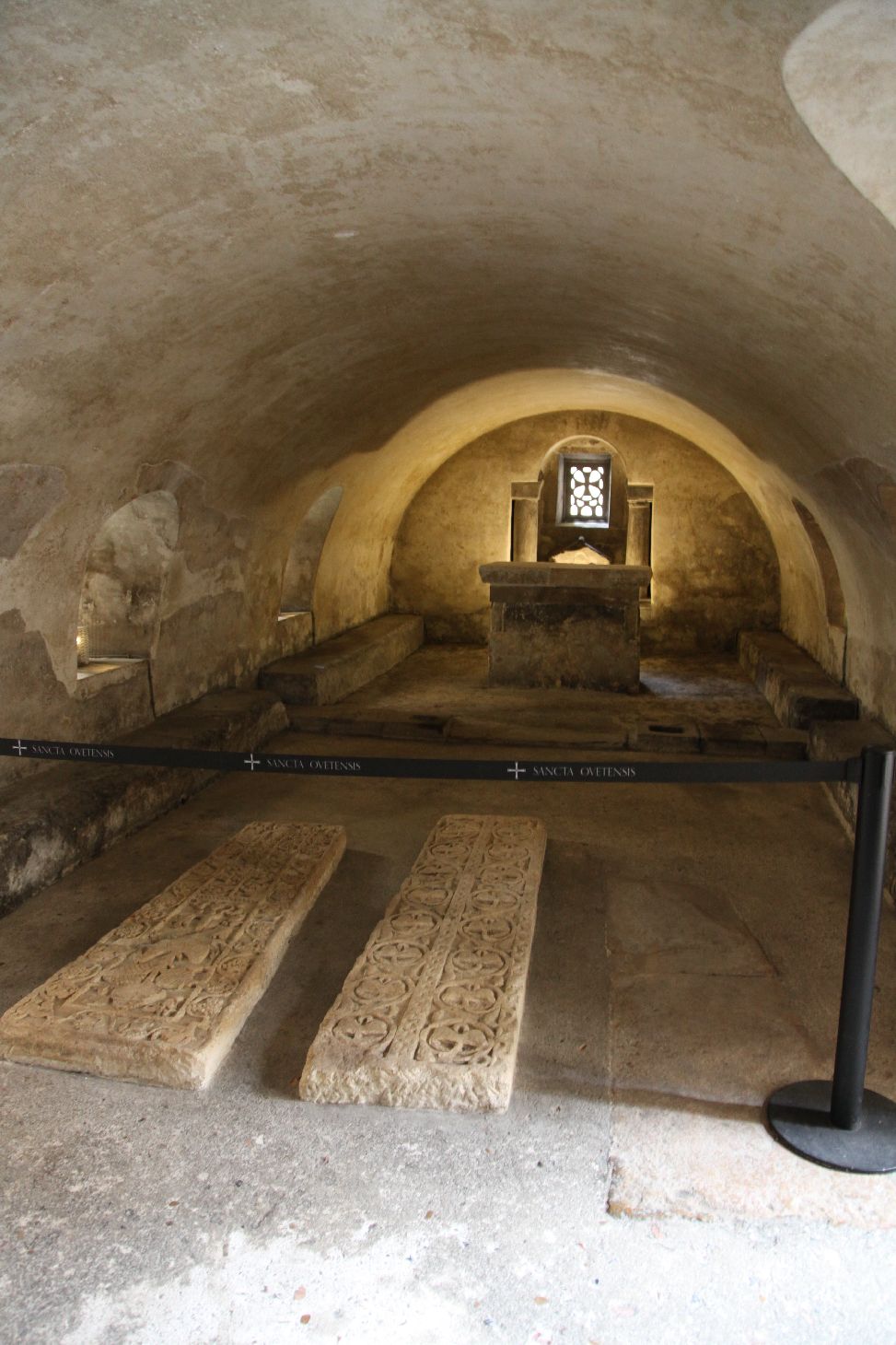
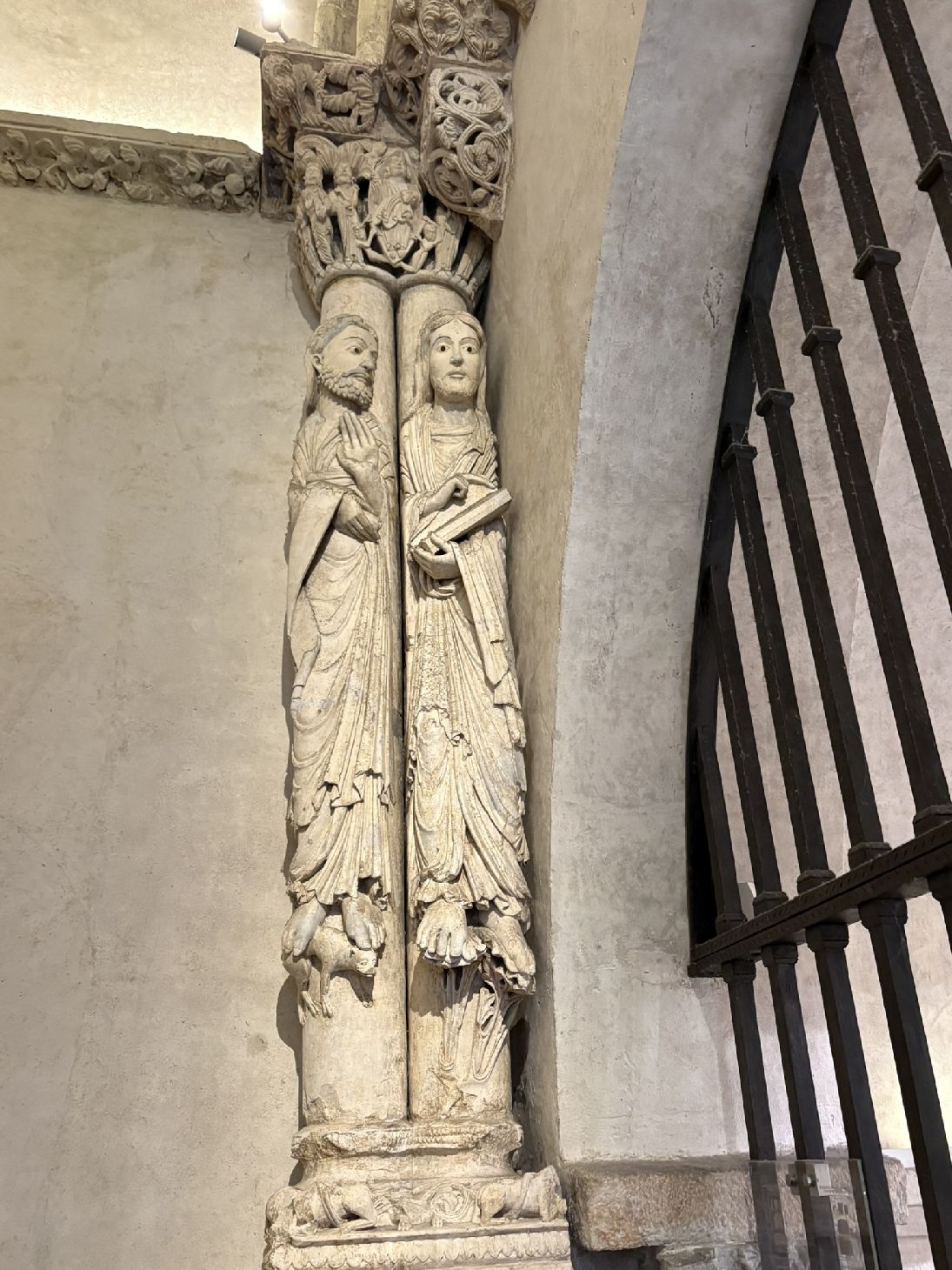
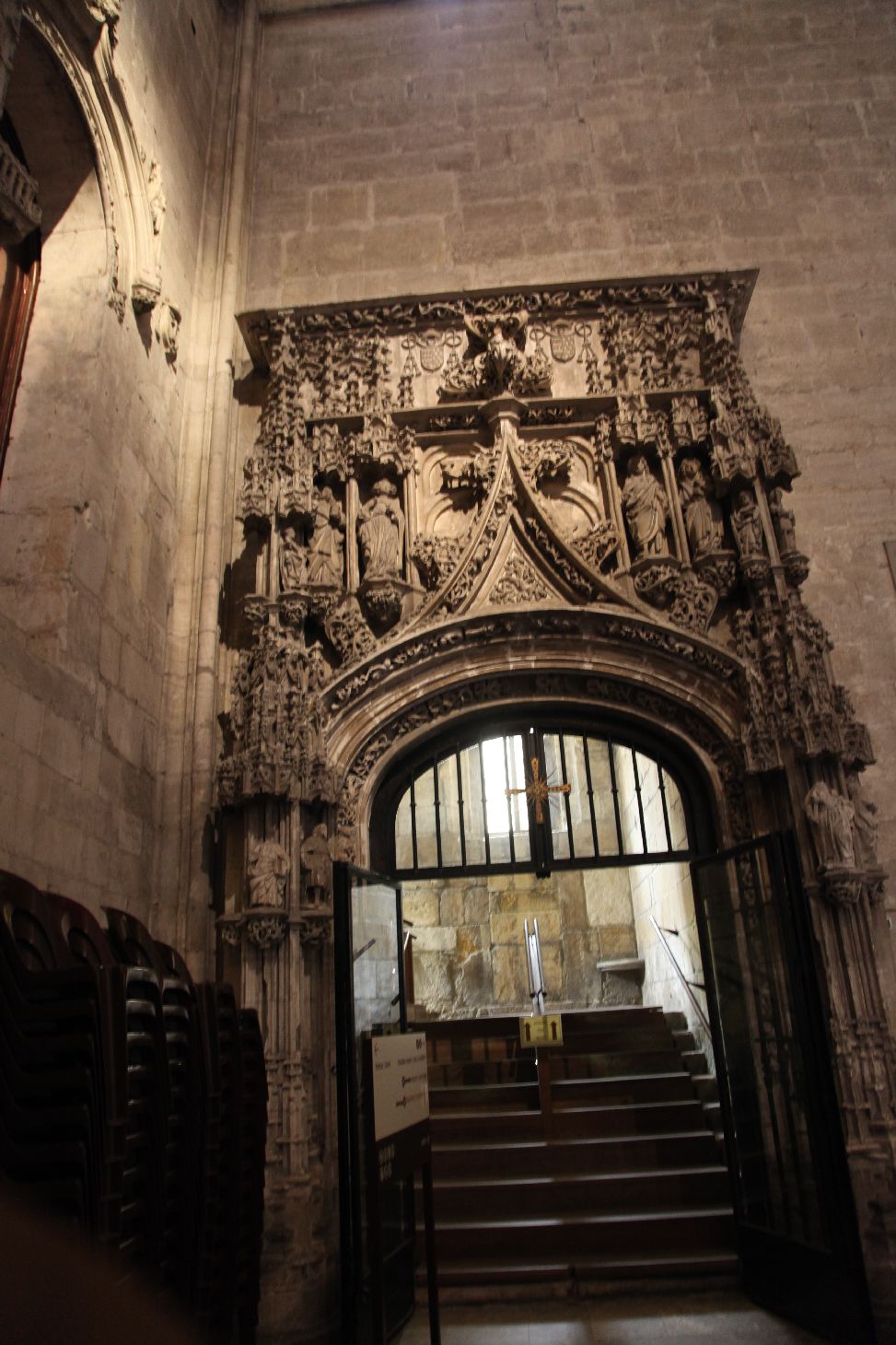
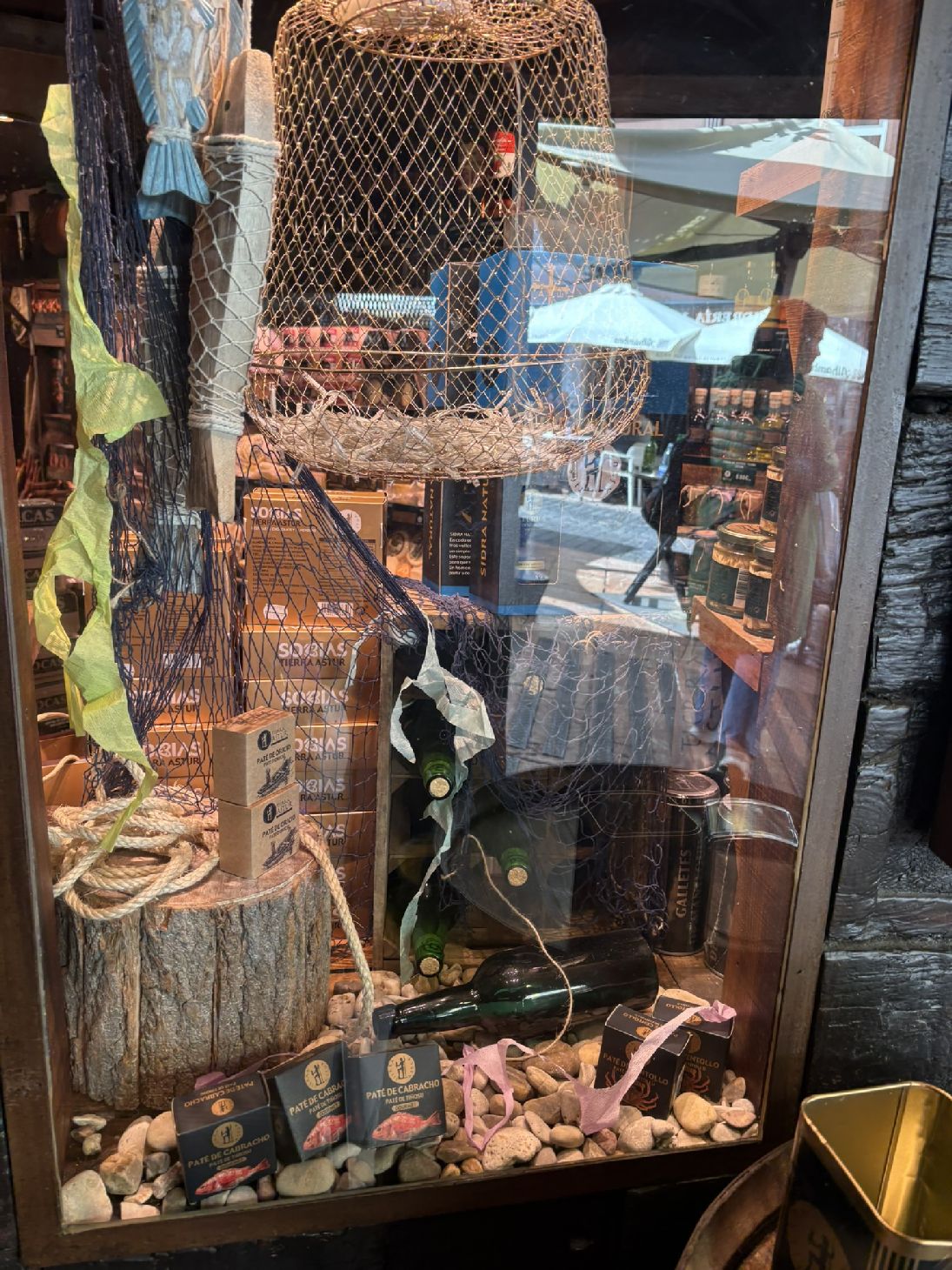
Once we’d finished in the cathedral we decided that perhaps we’d have a light lunch. I’d been told that the Calle Gascona (often referred to as El Bulevar de la Sidra) was a good place to look for refreshment, though maybe not in the evenings when apparently it can get a bit raucous. We headed in that direction and the first place we found was Tierra Astur, a branch of a smallish local chain. It looked promising and we were soon installed on the terrace from where we could watch the locals flocking in for lunch. Oh, and they also have a shop where you can pick up your own supplies to take home.
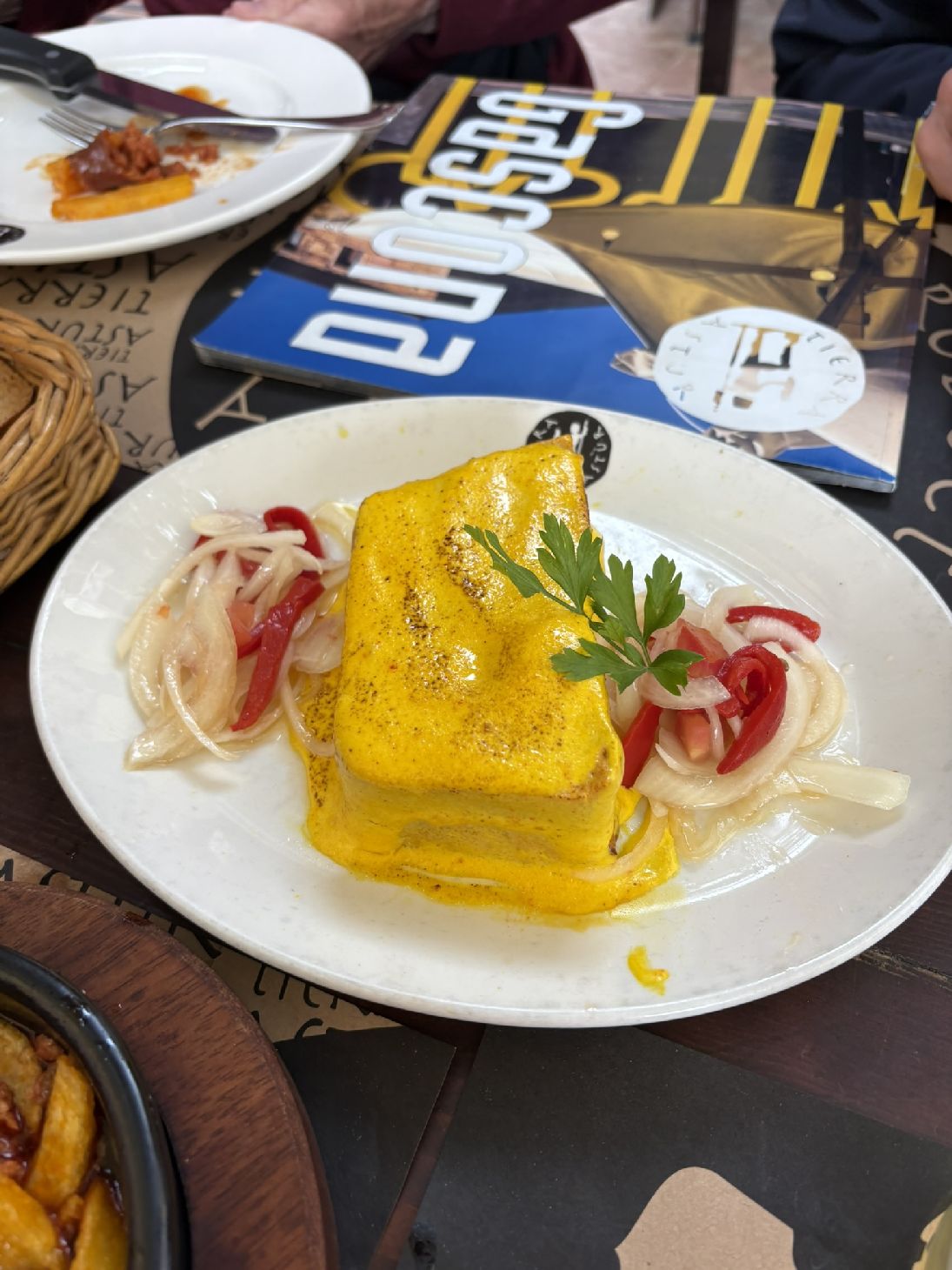
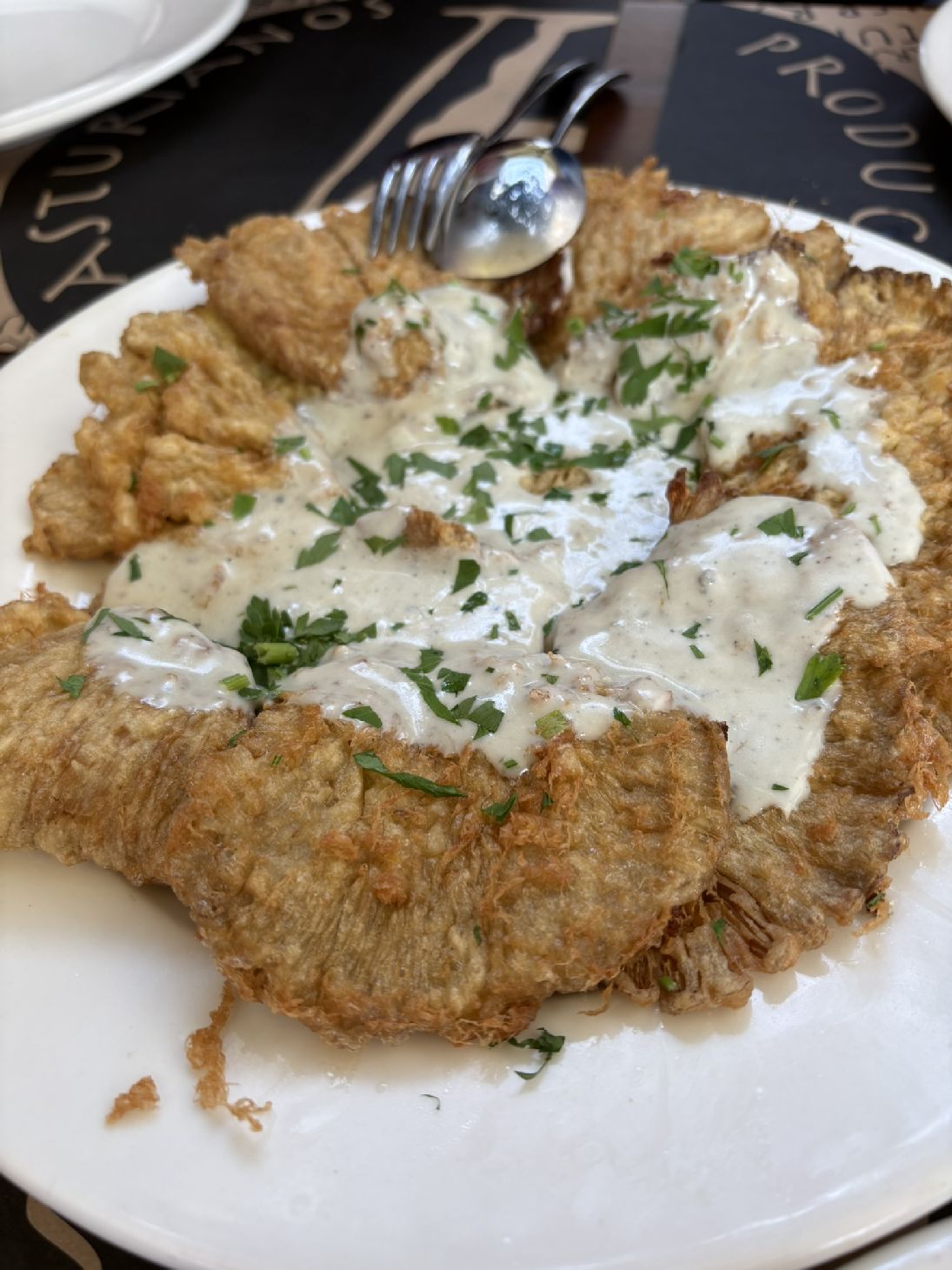
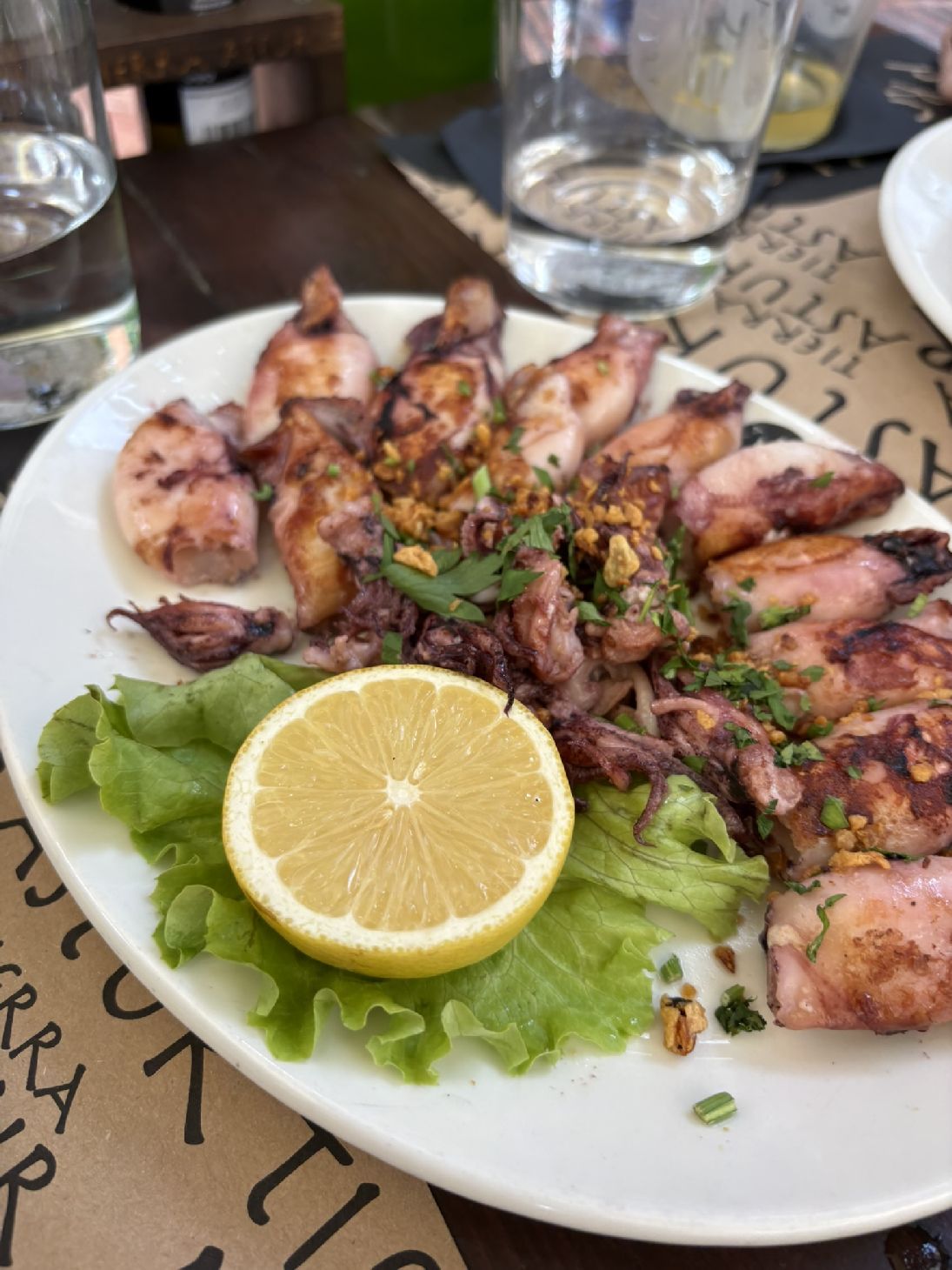
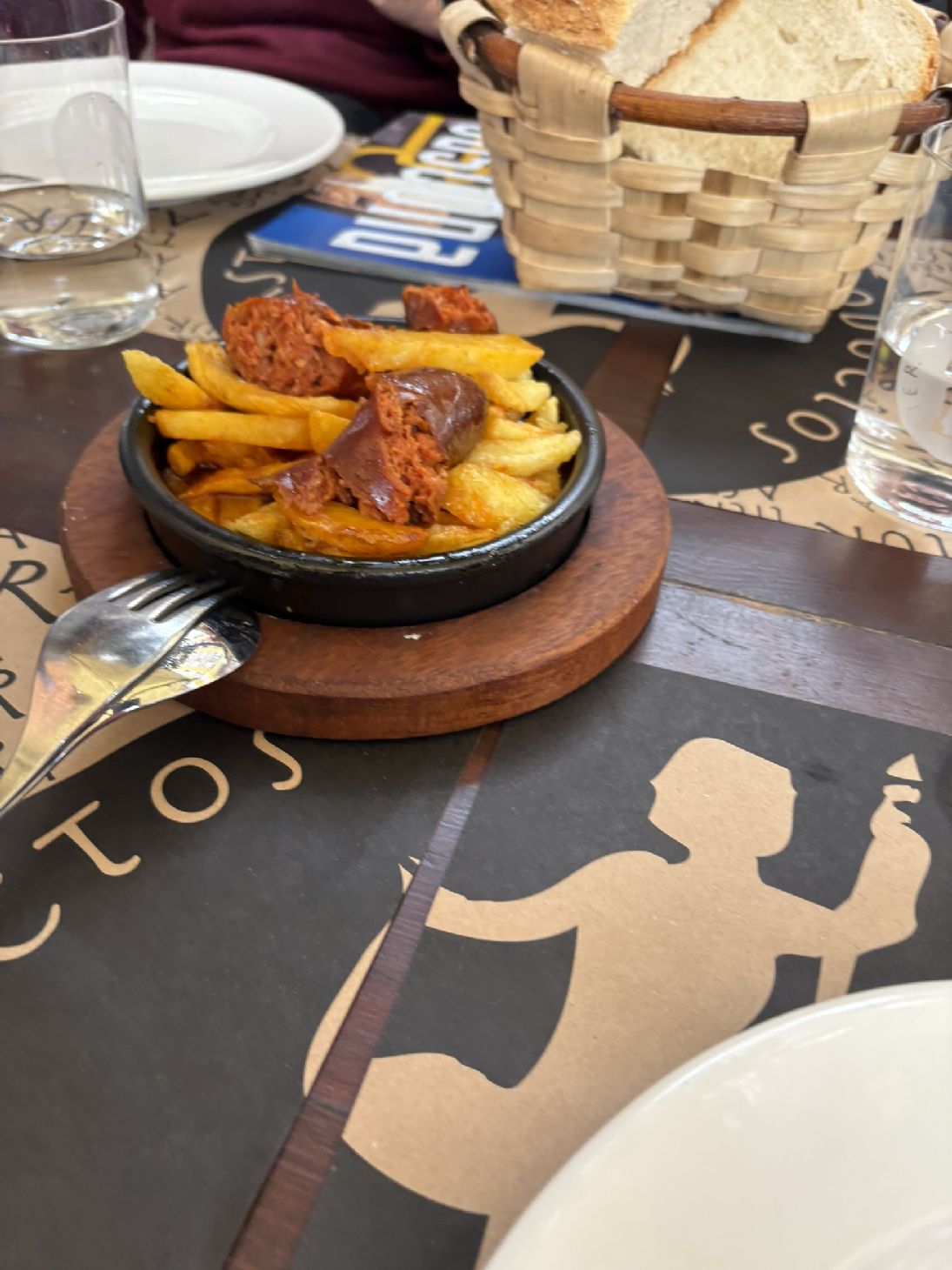
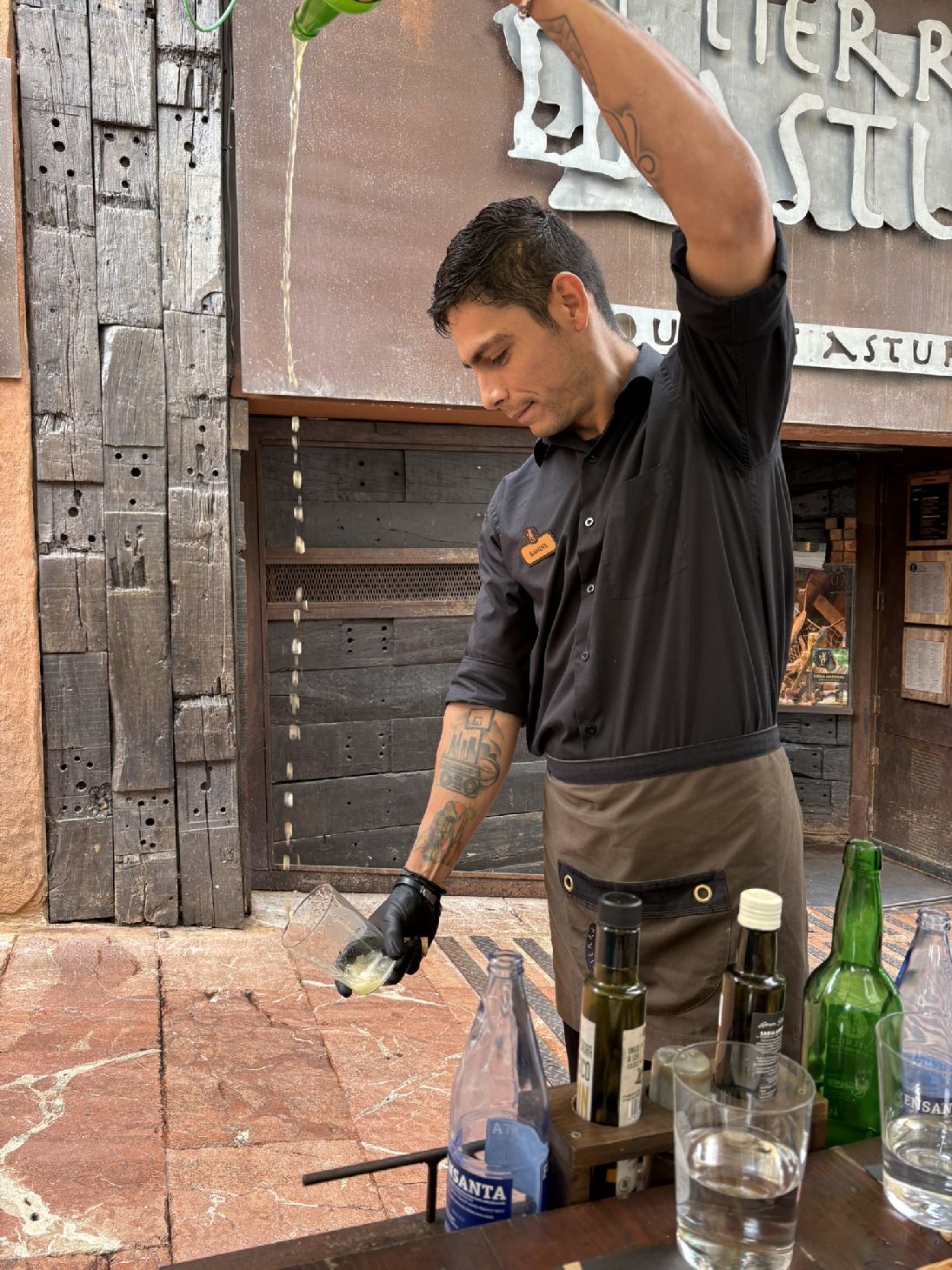
We started with good intentions, but somehow ended up staying for a couple of hours and working our way through some seriously tasty food. There was what they translated as crab cake, but I think was more a pate, and there were mushrooms with a Cabrales cheese sauce. There was morcilla with chips, and a huge plate of squid, lightly fried. And there was of course cider. We were enjoying ourselves hugely, especially as we watched our waiter show off his cider-pouring skills (and wound A up enormously by trying to replace the bottles before they were empty – she could not be persuaded that this is how you are supposed to drink the local cider, quickly while it’s still aerated). We would continue this disagreement for the rest of the trip!
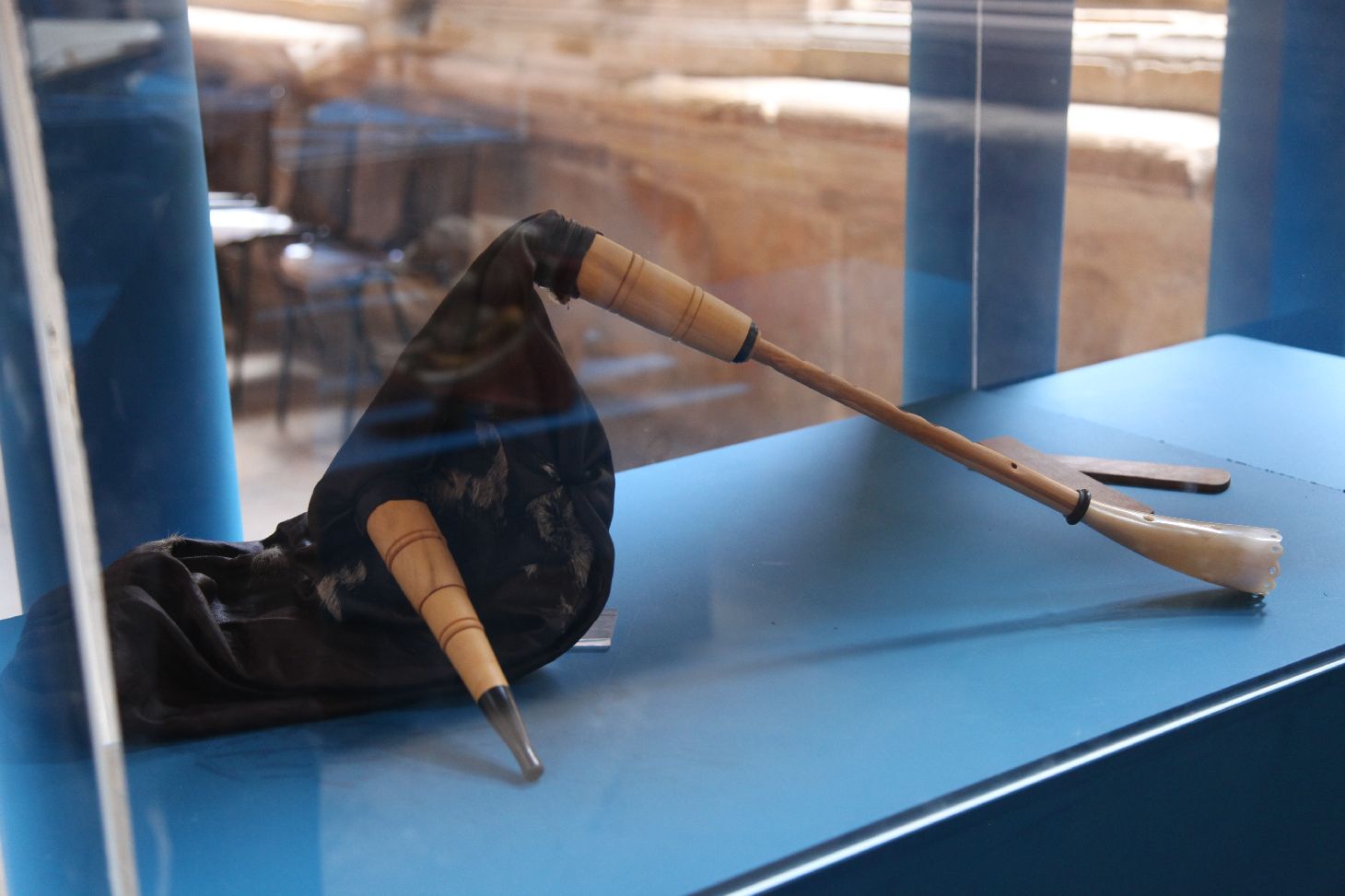
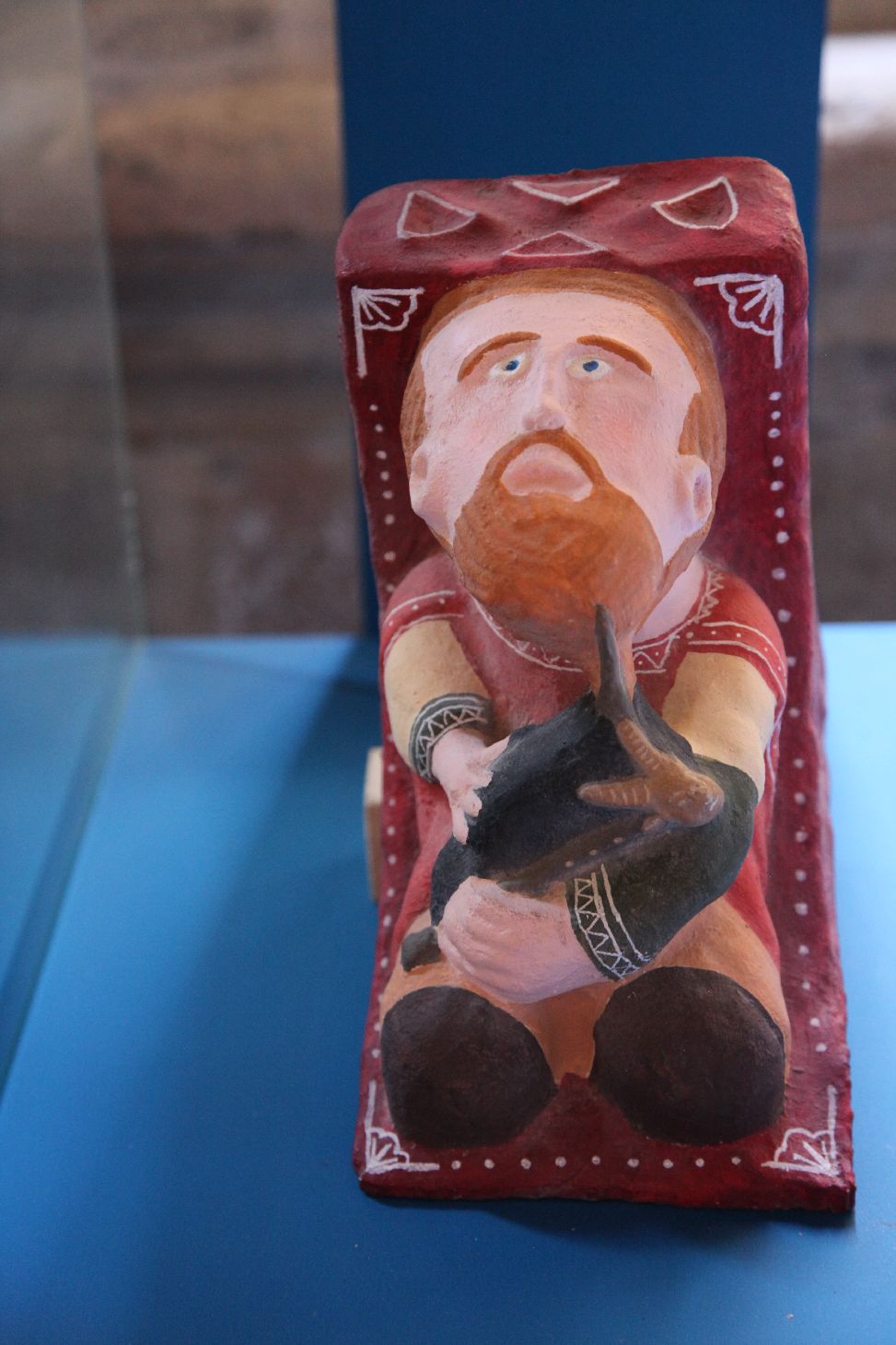
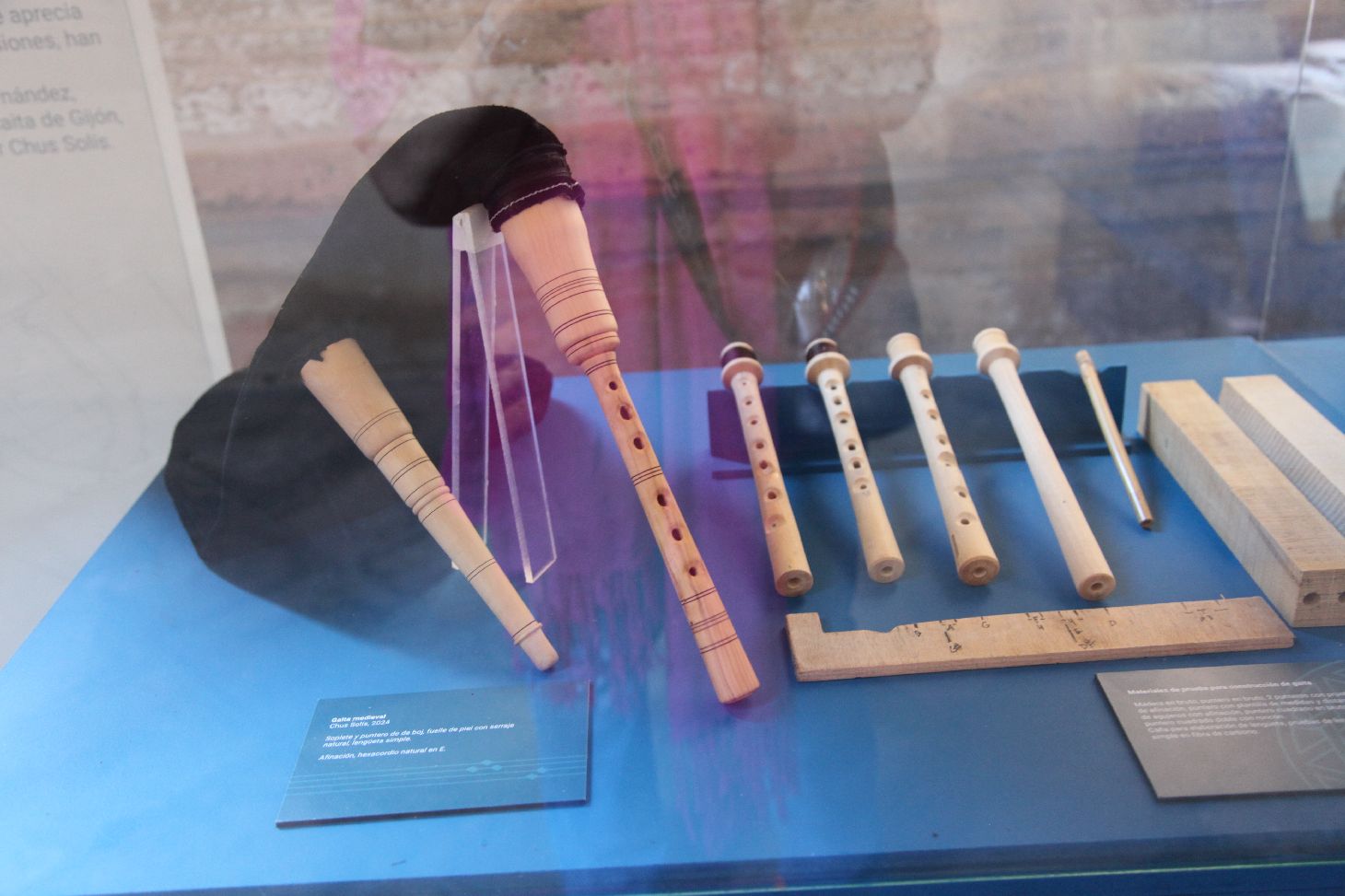
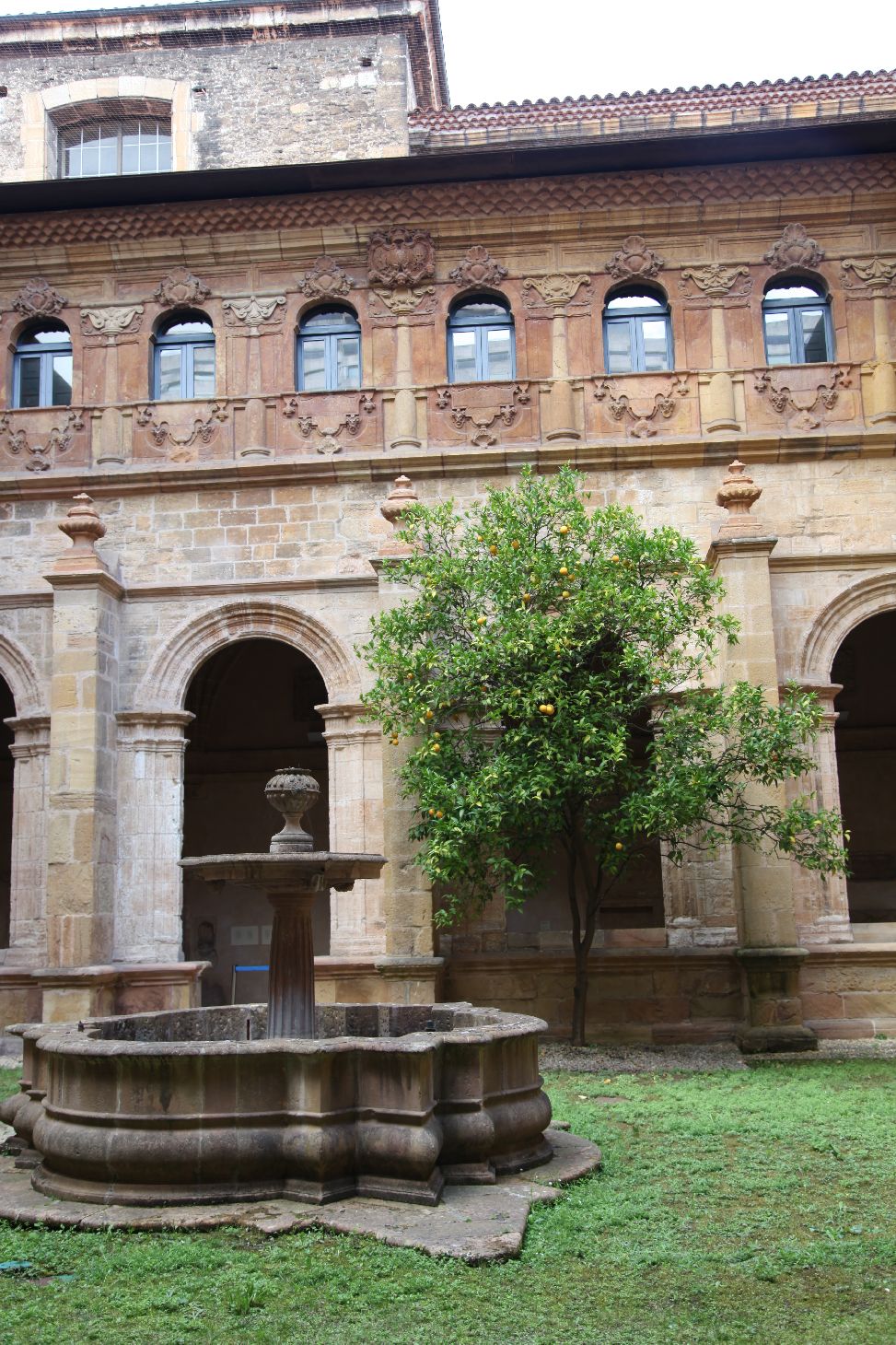
After lunch three of us decided to head for the Archaeology Museum while A opted to return to base camp and take it easy for the rest of the day. The Museo Arqueológico de Asturias is another of the region’s museums that are housed in old re-purposed ecclesiastical buildings, in this instance the cloisters of the convent of San Vicente. There’s a modern annexe attached that contains most of the exhibits, but the cloisters are also used, on this occasion for an exhibition that highlighted Asturian music, and makers of musical instruments both in history and now. Oh, and entry is free. So what’s not to like?
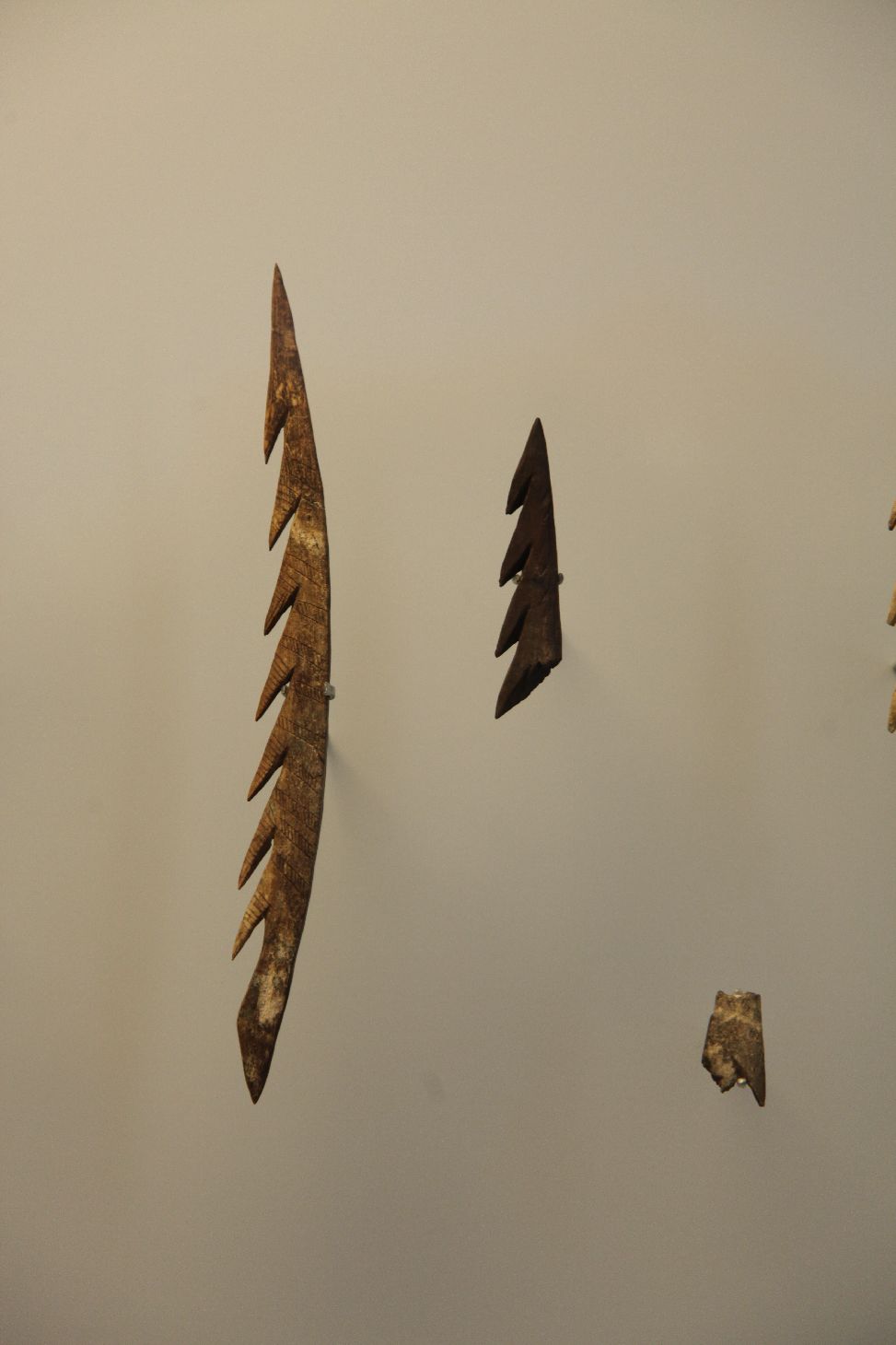
The museum does a heroic job of depicting the history of human groups in Asturias, going back around 300,000 years. Back then, in response to environmental conditions, people were living mostly in caves and other suitable shelters close to the rivers. They were hunting, fishing and gathering food where they could, and through it all you can see the advances in the manufacture of tools. They also took to decorating their surroundings, which is shown by the almost fifty caves with images of great beauty that are to be found in the region.
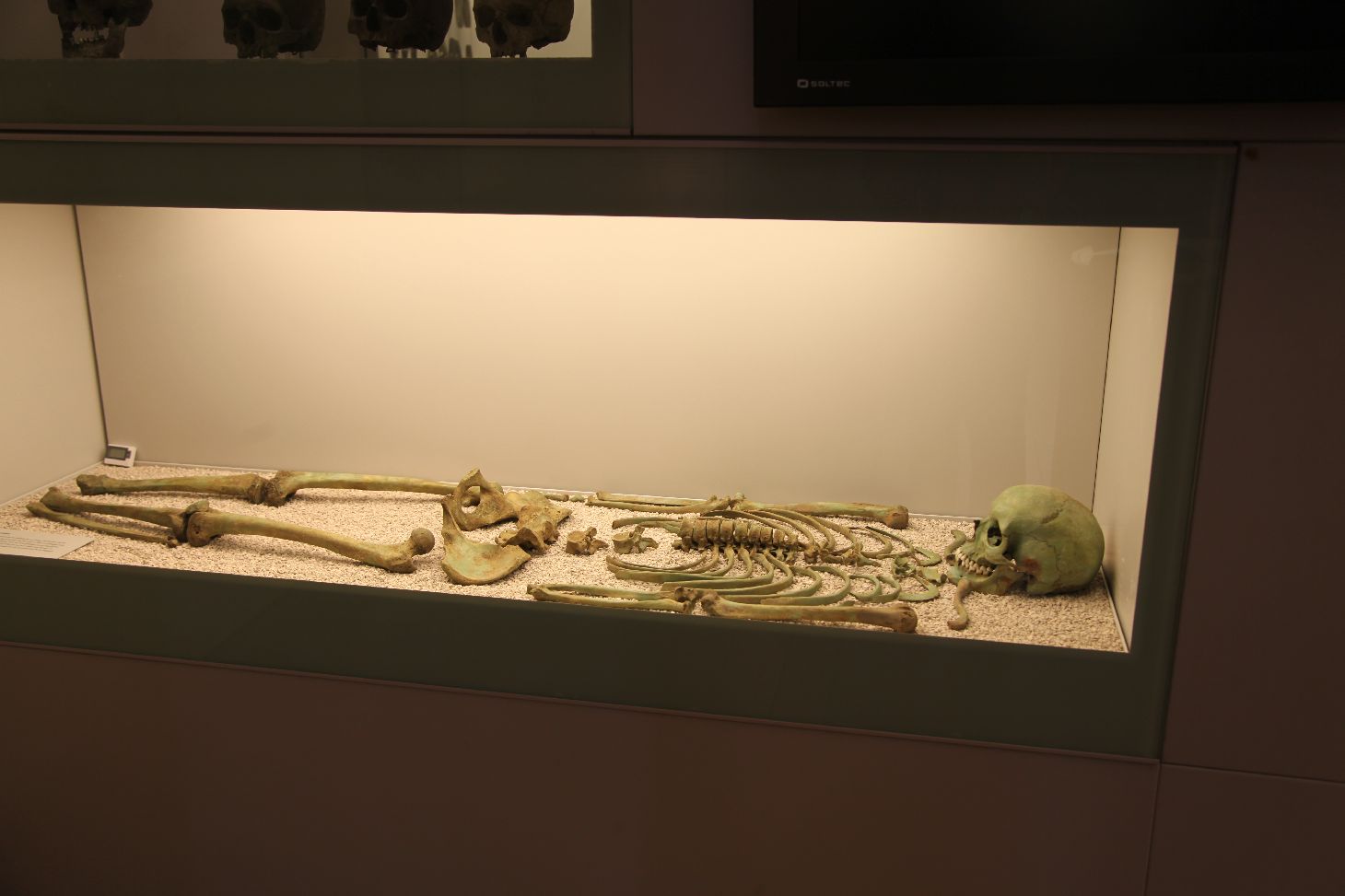
As the climate changed, and their technology advanced, they began cutting down trees creating pastures and domesticating animals and plants. Suddenly megaliths were being erected, and the locals were beginning to forge ore into metal, with copper mines dotted around. The skeleton of a miner who died in a mine is on display, the bones a strange shade of green from exposure to copper. One of the main industries of the area for centuries was on the rise.
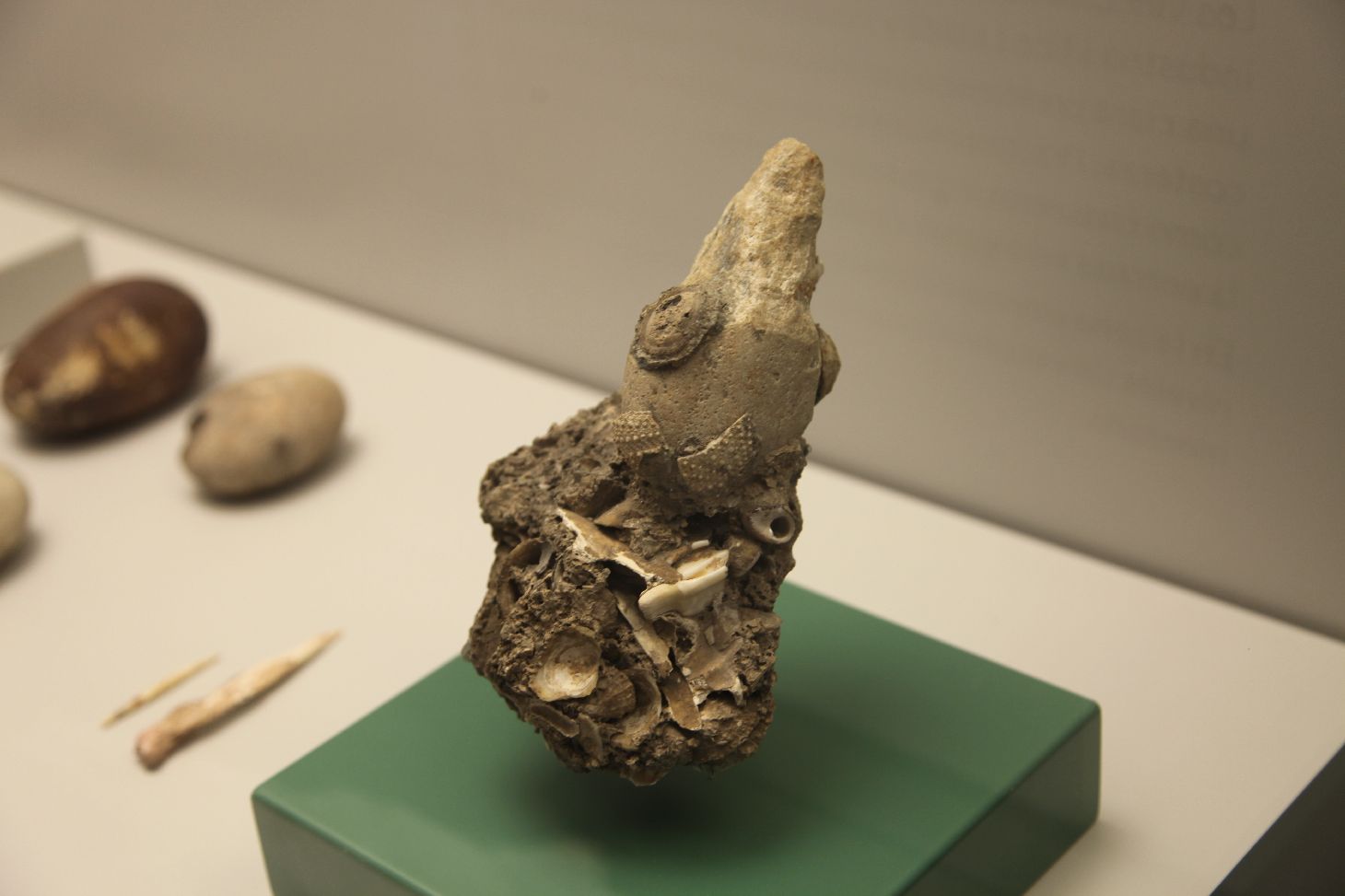
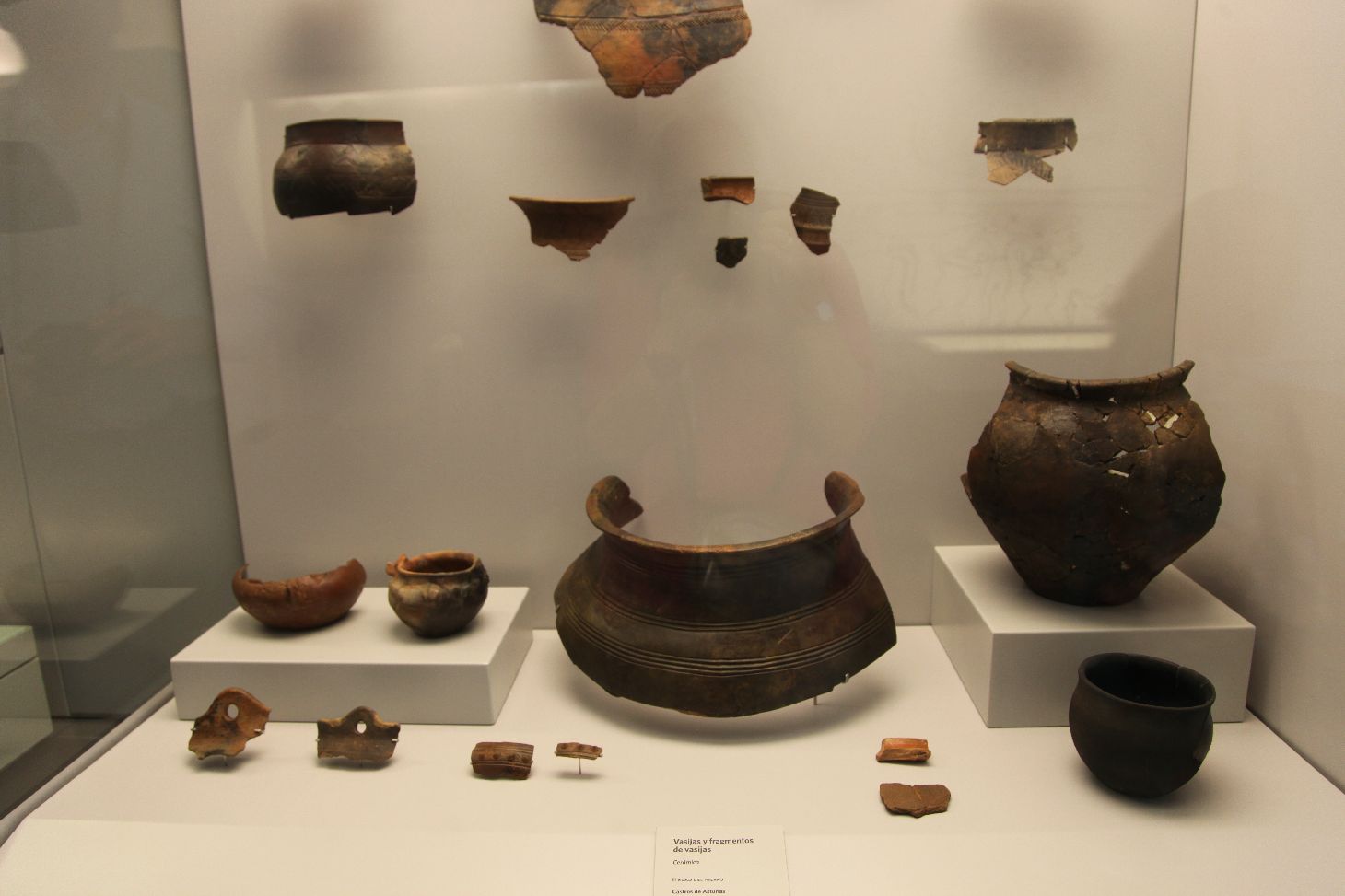
For some reason, possibly population growth, saw the people move out of their caves and up onto higher ground, settling into hillforts (known locally as castros). They would remain in such places until the arrival of the Romans in 19BCE and you can still see the remains of these settlements out in the countryside.
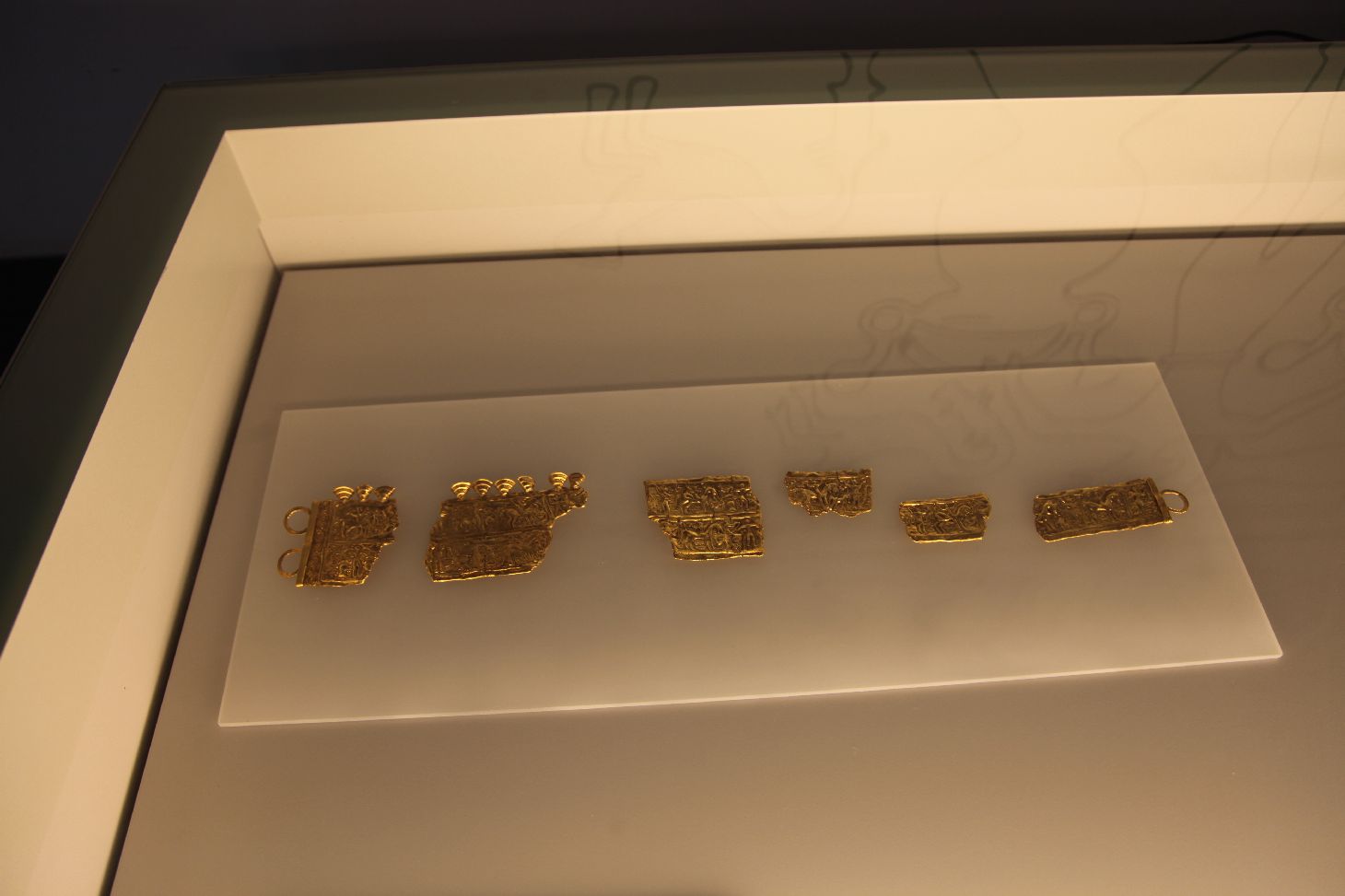
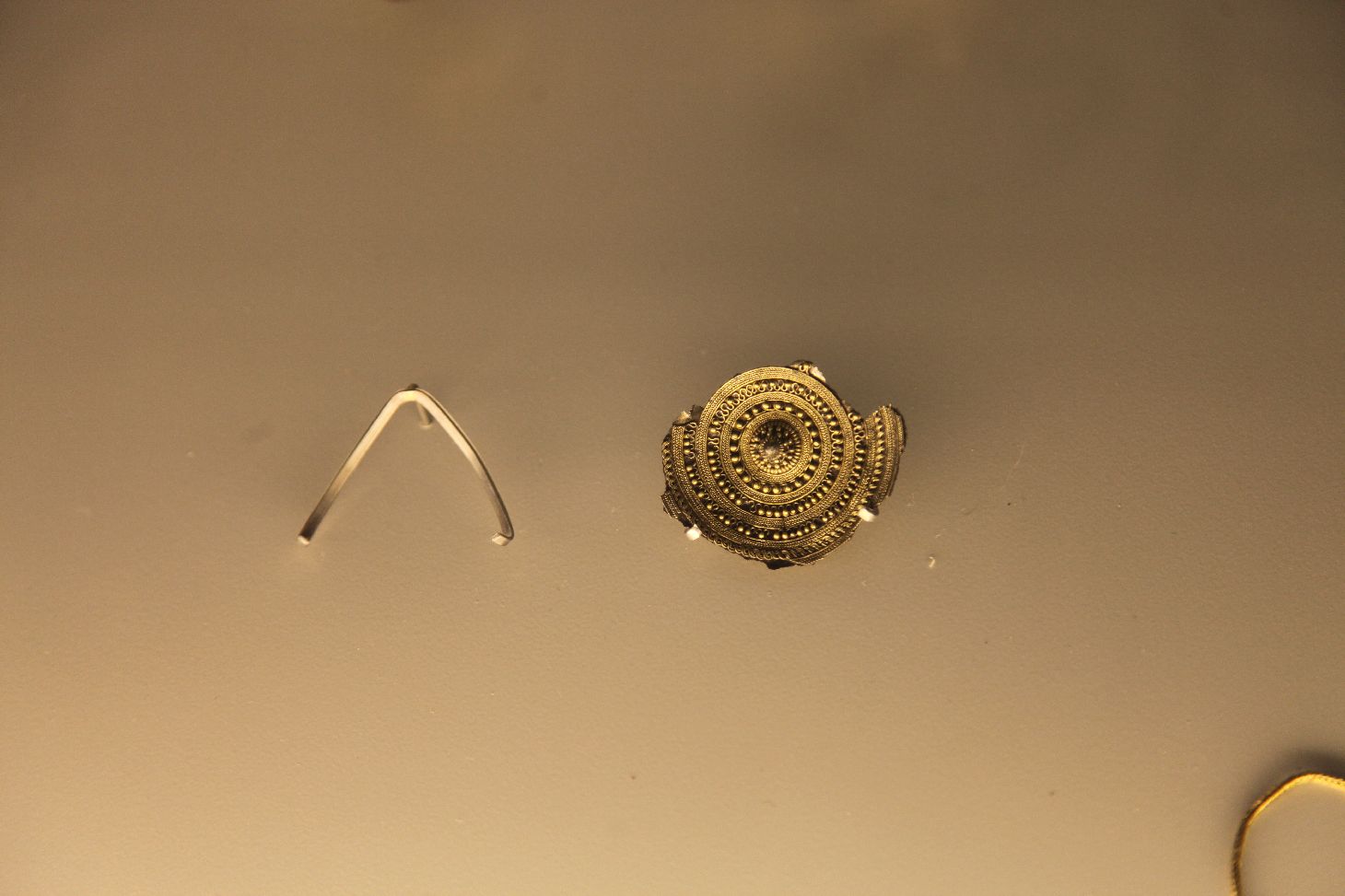
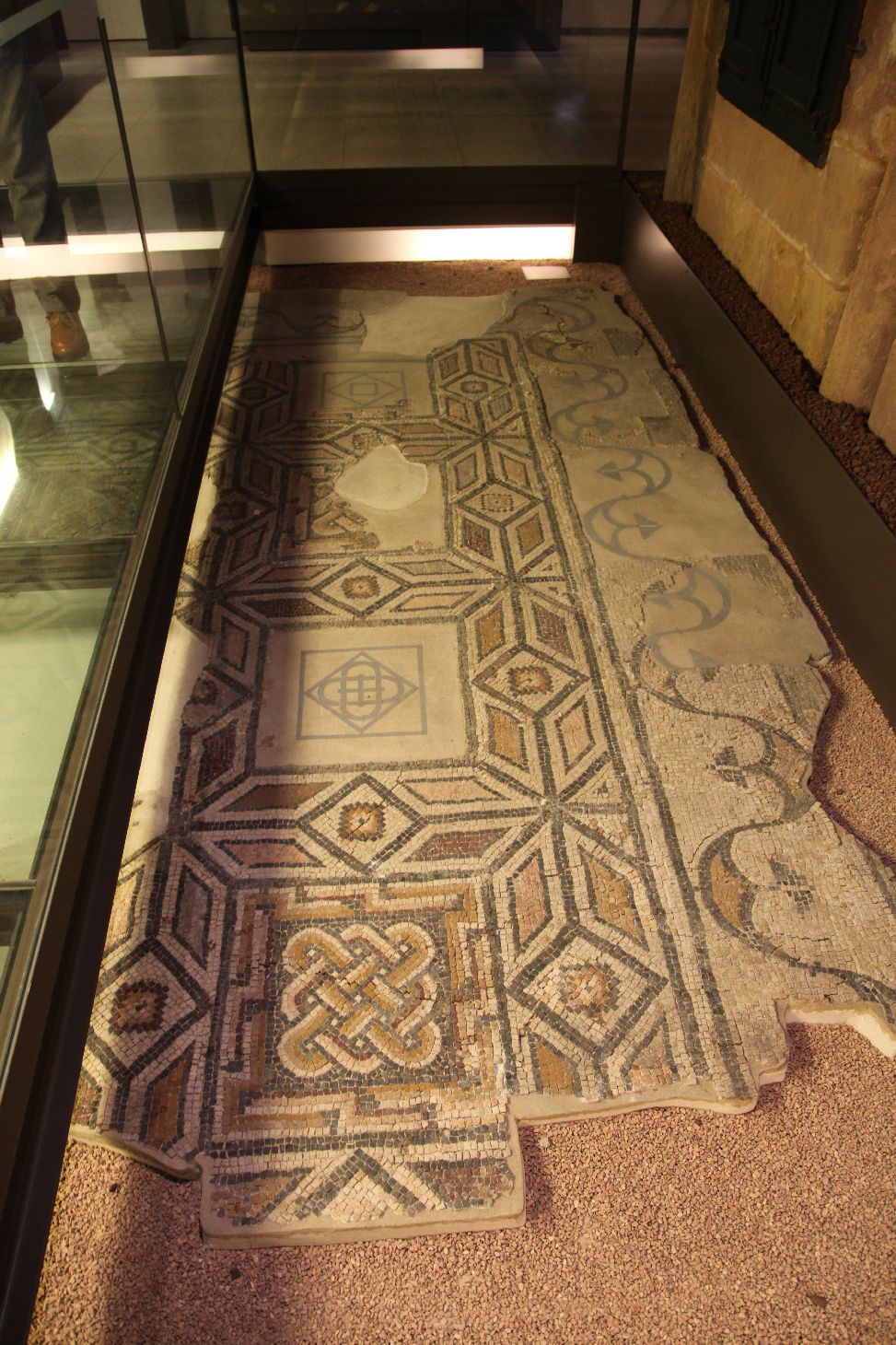
The Romans had many reasons for wanting the territory, including the lucrative gold mines that could also be found in Asturias. It took them 10 years to take control, but the discovery of those gold mines was enough for Caesar Augustus to decide he needed to lead the armies to the first major victory of his rule as Caesar. The Romans stayed until the 5th century when the Empire was dismembered and a fine collection of artefacts are on show in the museum including some rather splendid mosaics.
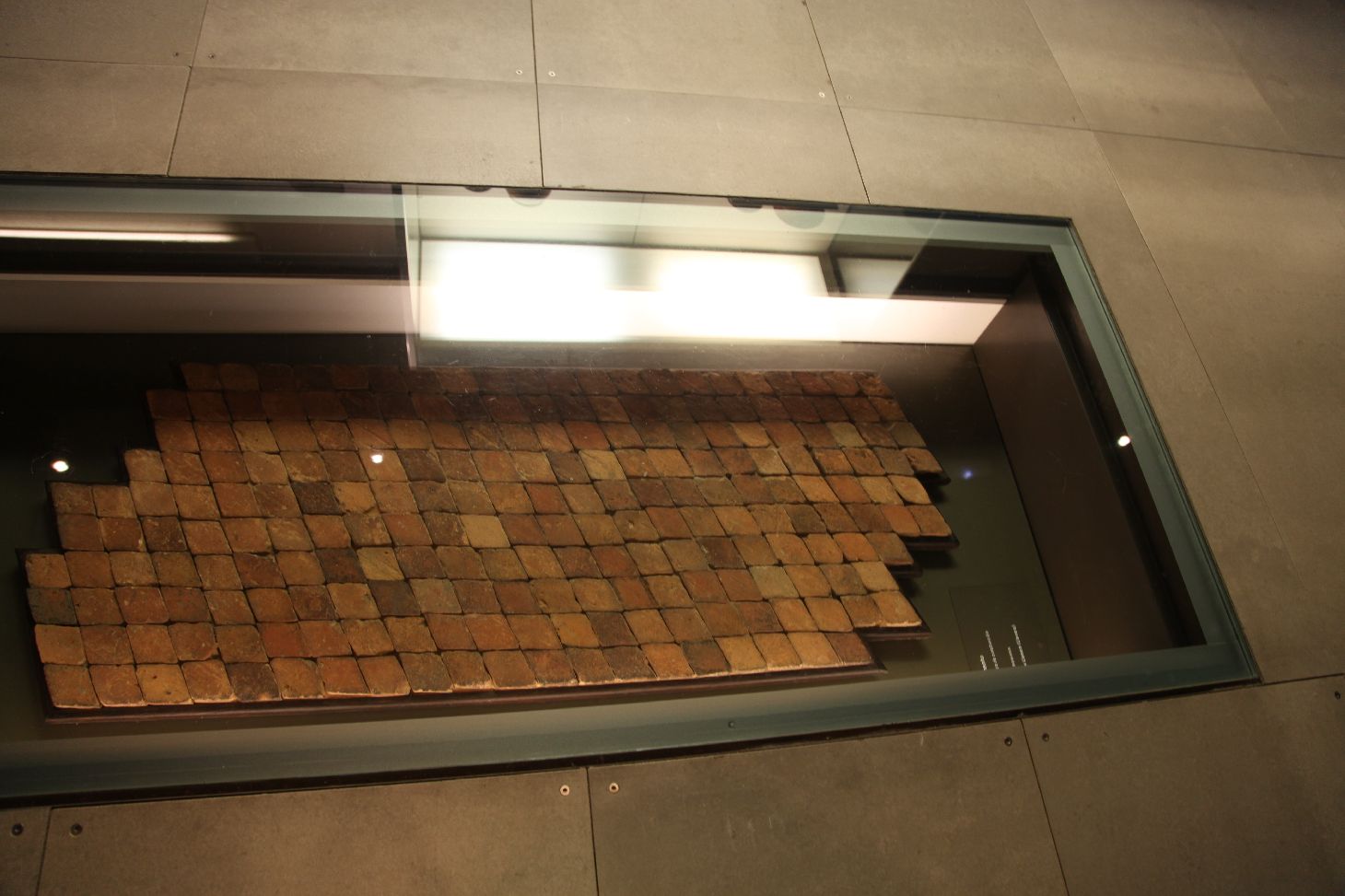
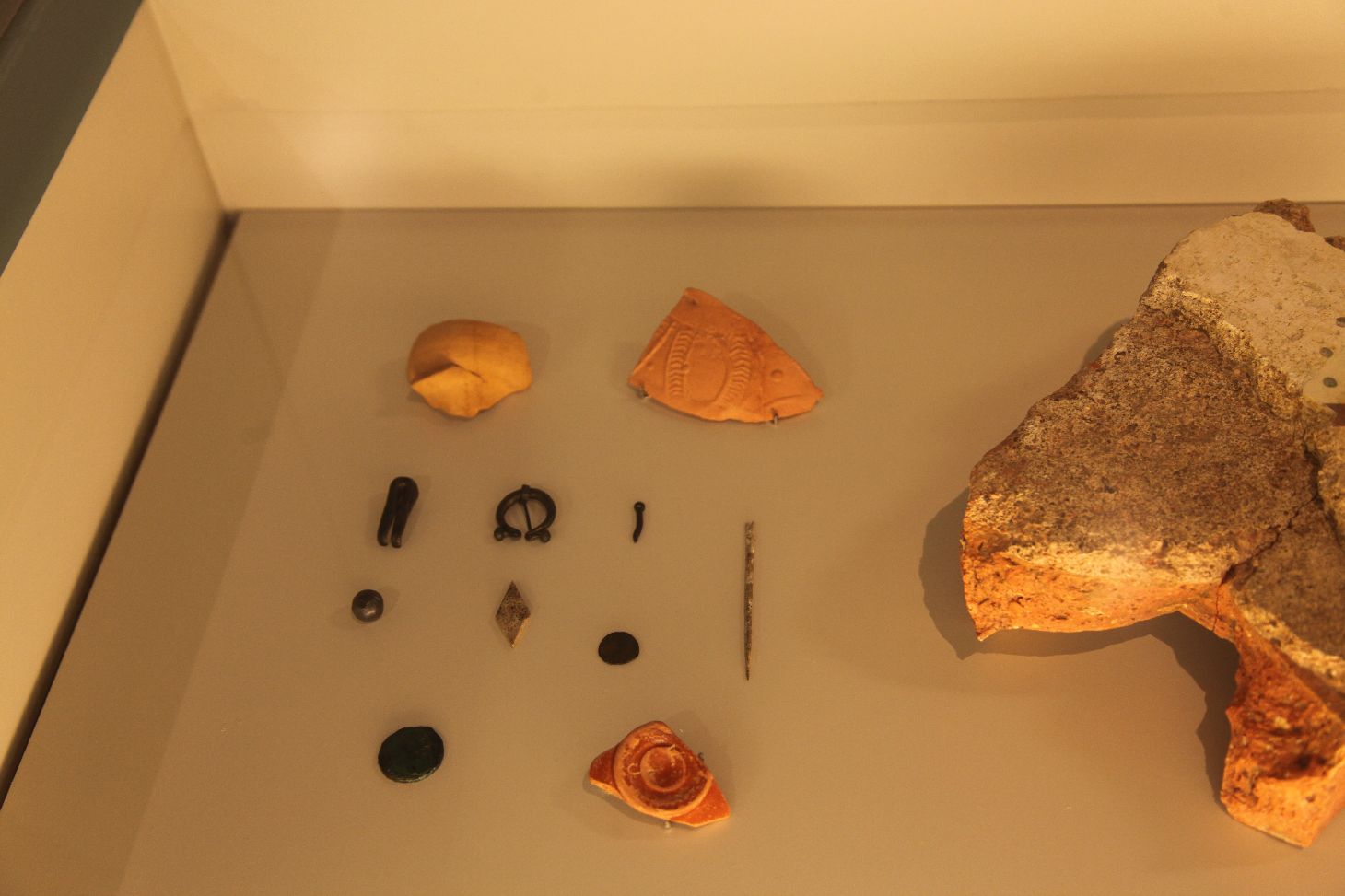
The development of the Kingdom of Asturias in the early Middle Ages saw rapid development throughout the region, with Royal headquarters, churches, monasteries, and castles springing up in abundance, and around them, to serve their needs, small villages with modest homes. All of this is on show over a number of floors and the explanatory placards are in Spanish and English which meant we were able to figure out what we were looking at without having to resort to translation apps.
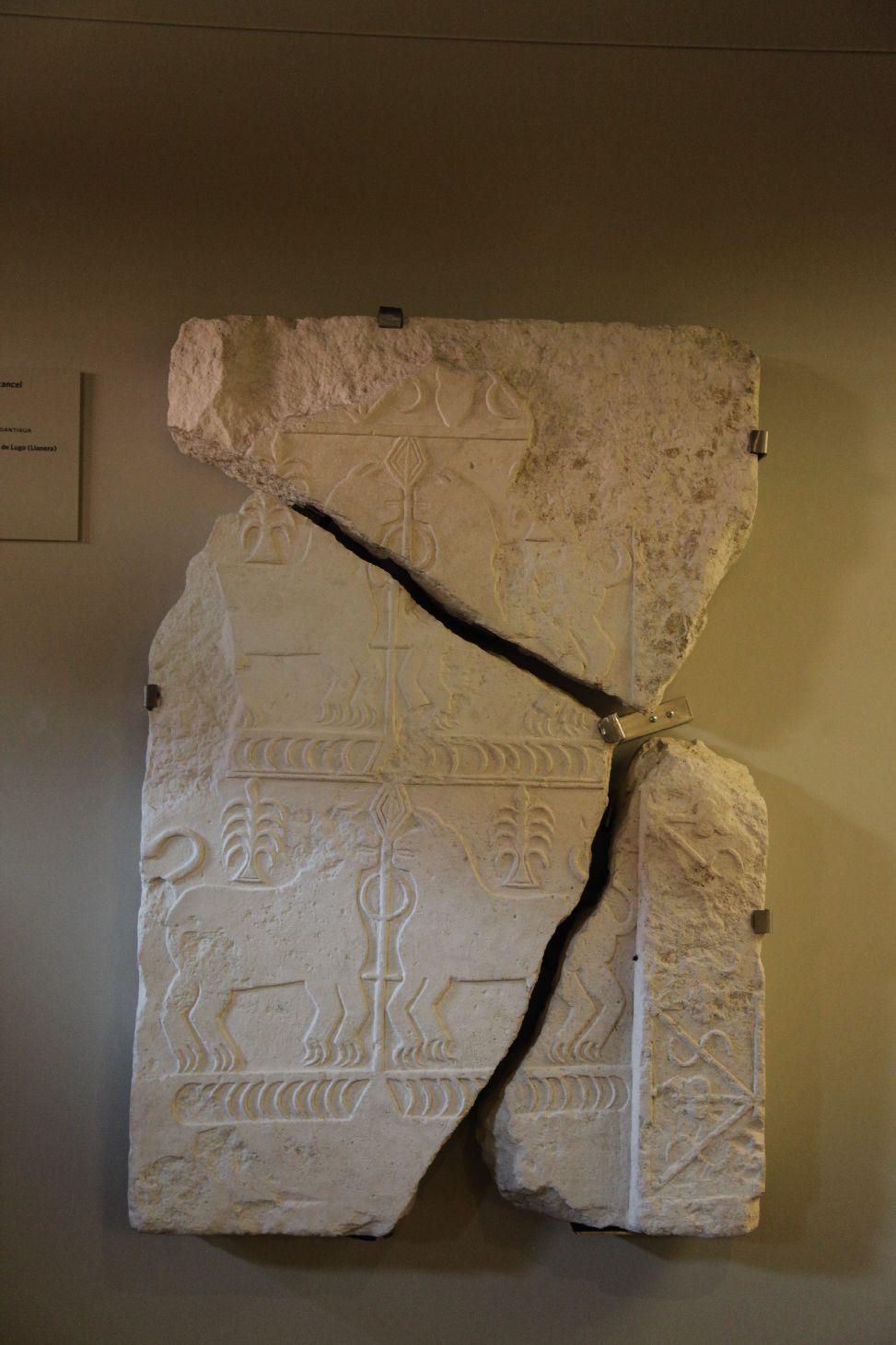
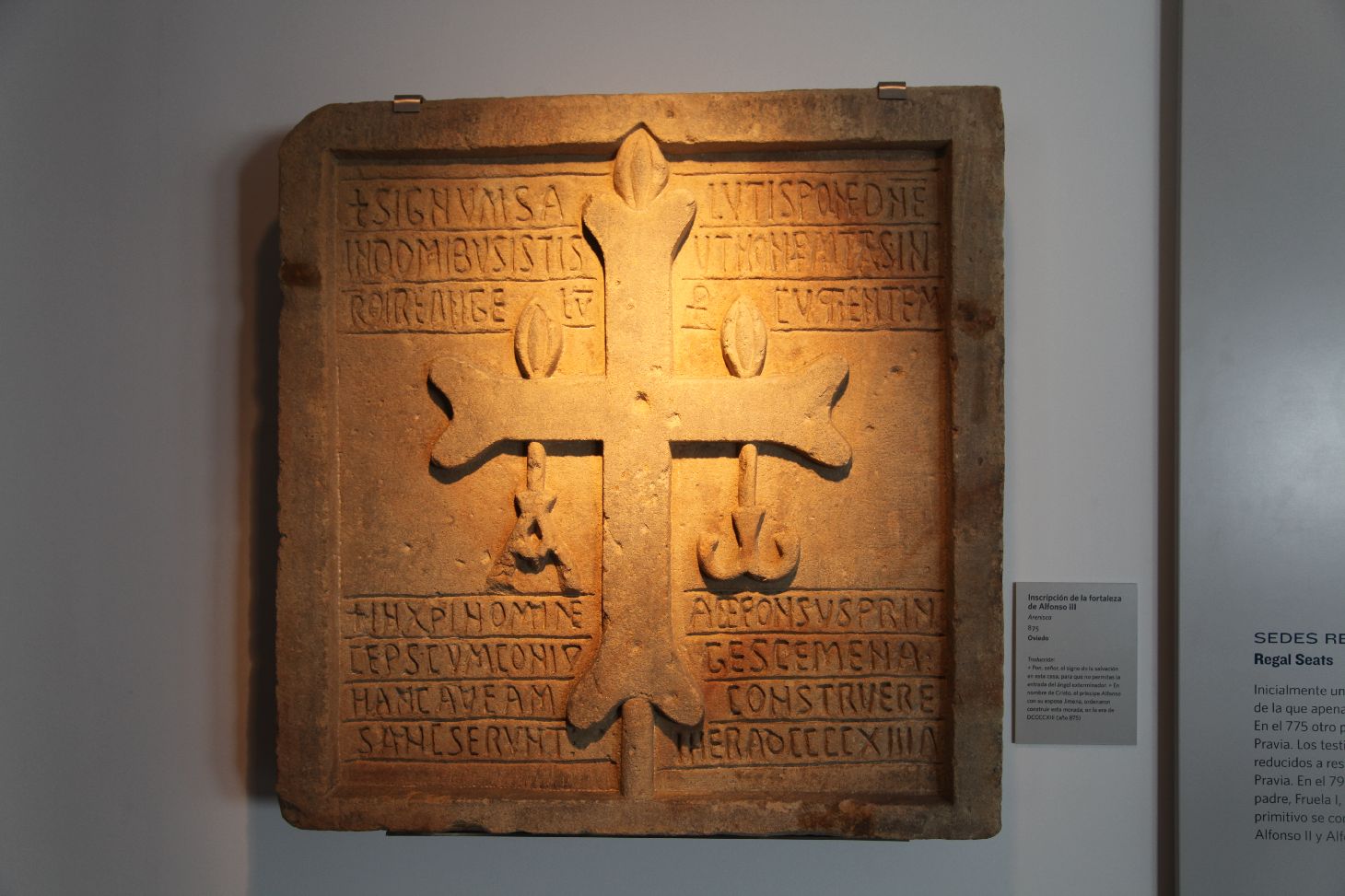
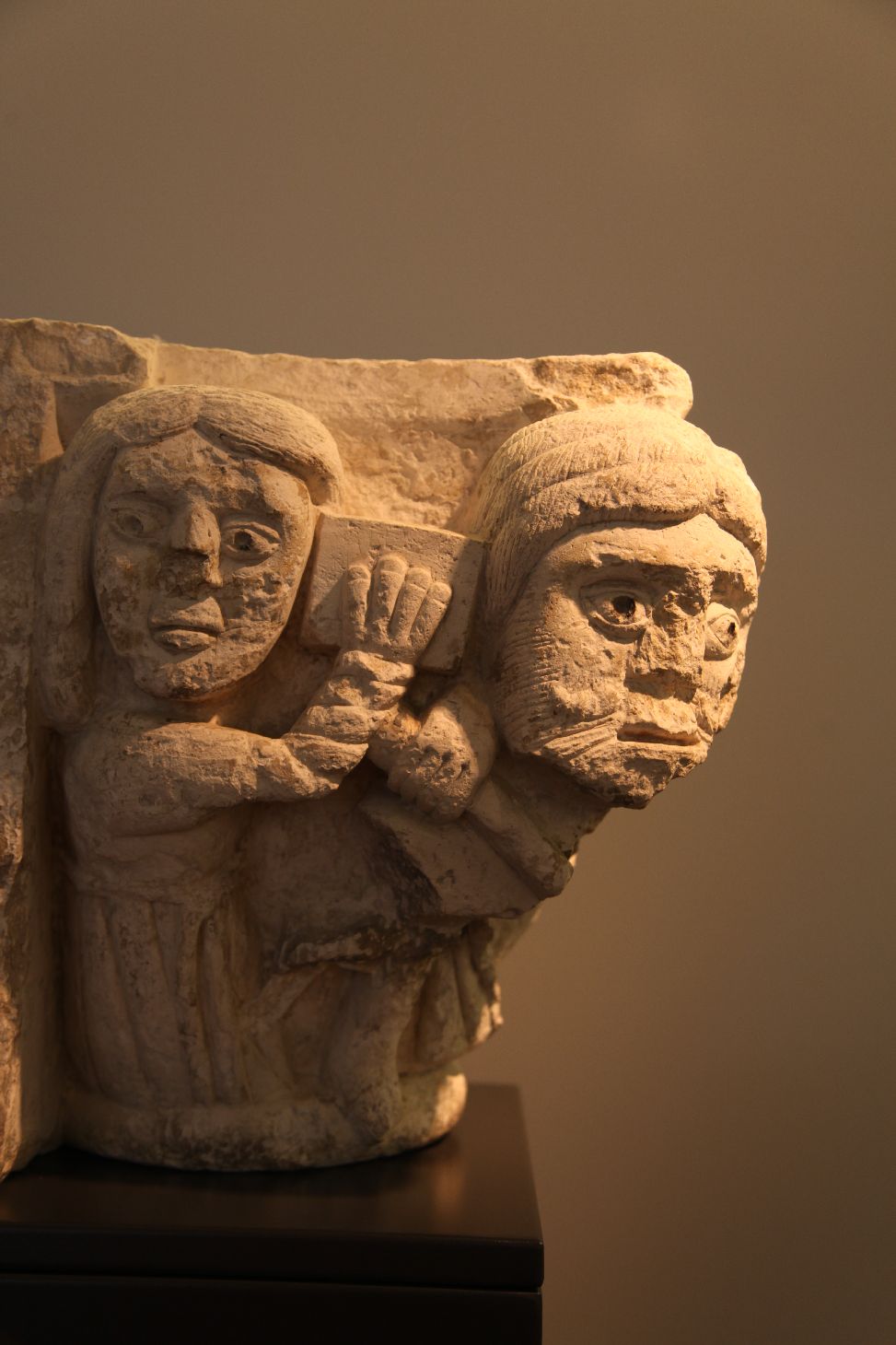
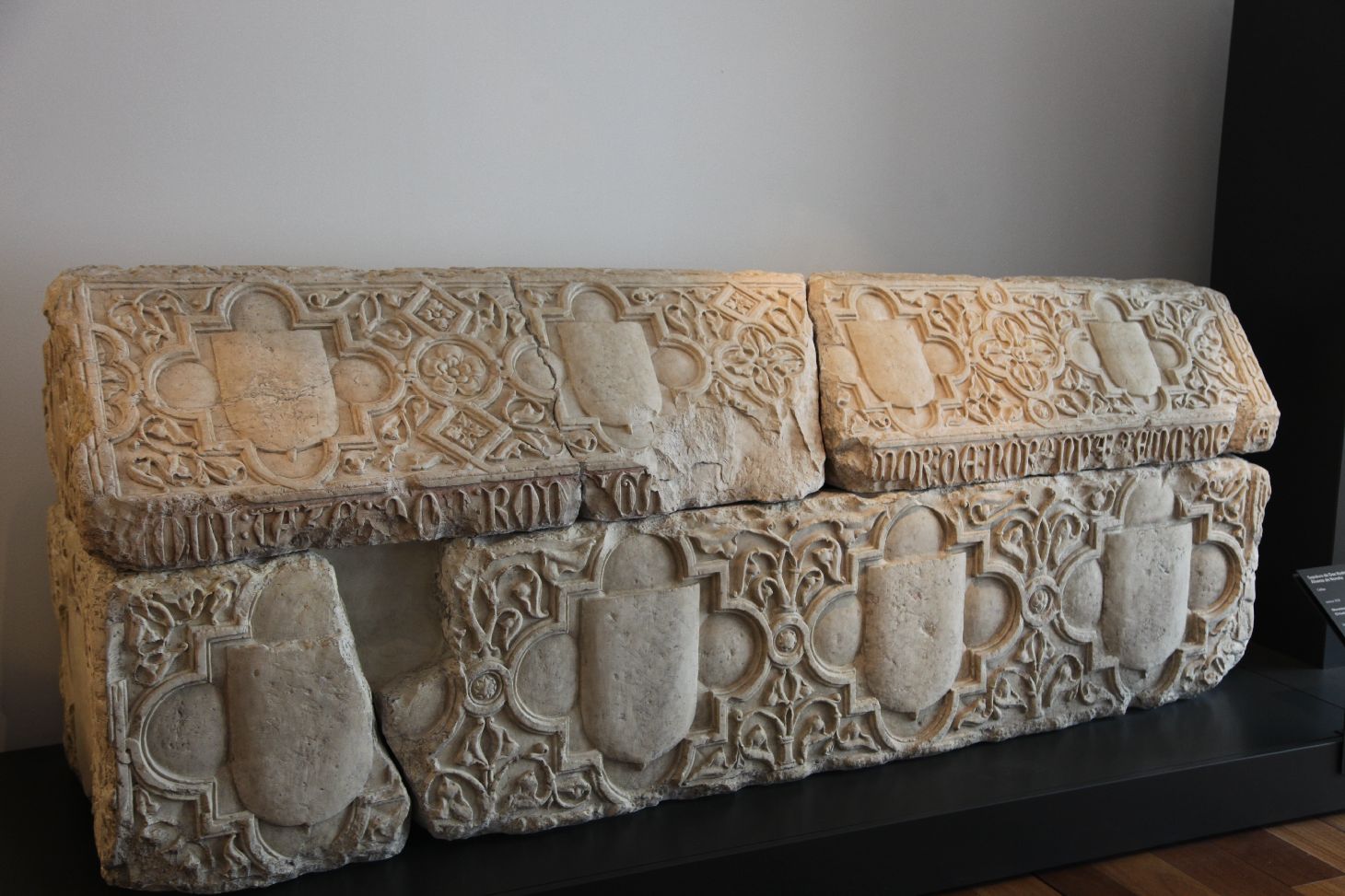
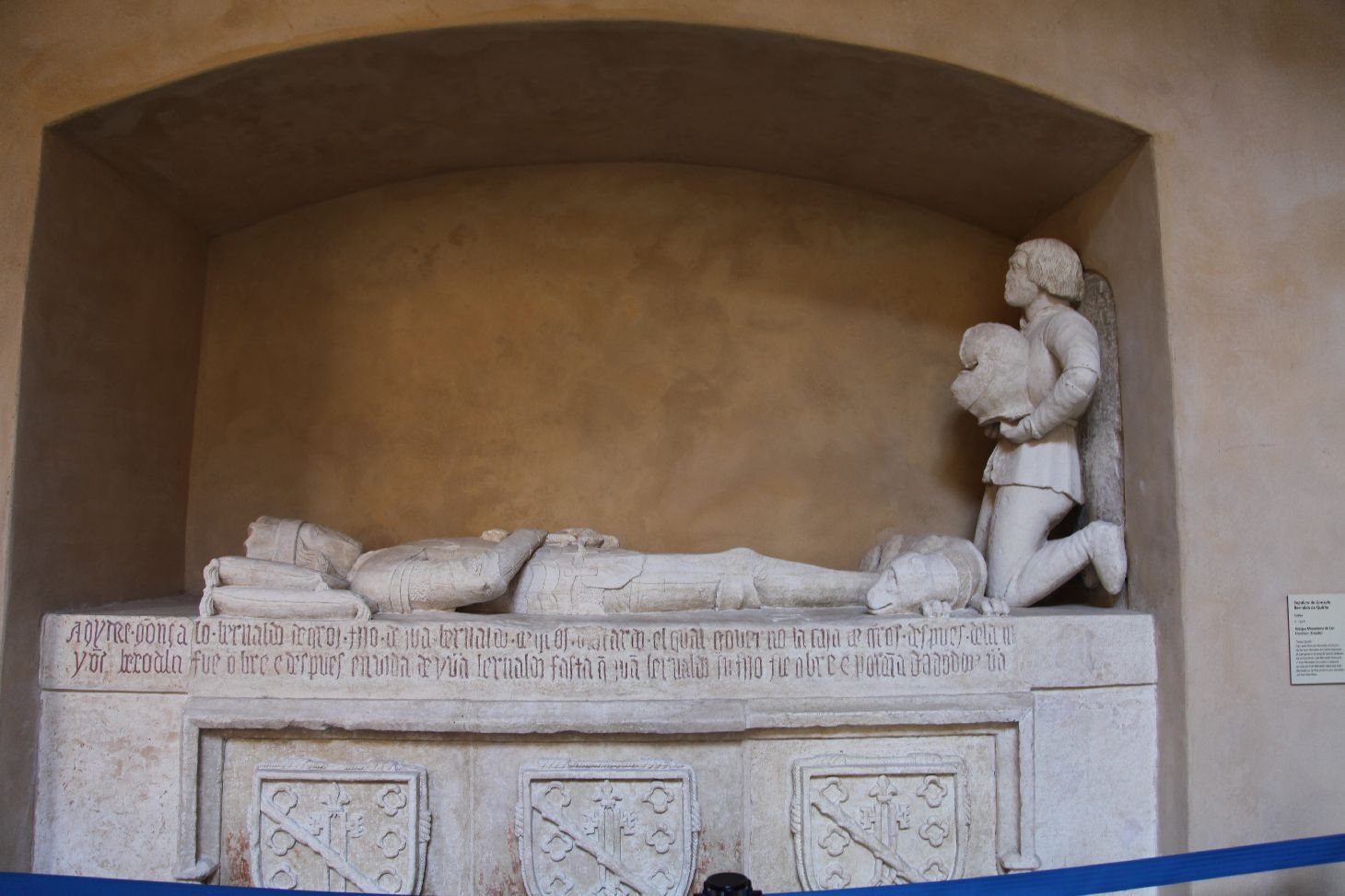
The permanent exhibition is supplemented in other areas of the museum that identify the origin and evolution of the building in which it is installed. On the ground floor you enter to the cloister, where display heraldic pieces, and sarcophagi of different era. In the basement, next to the entrance, you can see the remains exhumed from previous constructions. The room next to the cloister is designed to raise awareness of the different archaeological resources of the Principality, in particular detail of the sites and monuments Asturian listed World Heritage. On the second floor, the room “From Collection into Museum” is an overview of the evolution of the institution. Next to this room, has recreated the cell of Father Feijoo, abbot of the monastery of San Vicente and one of the leading figures of the Enlightenment in the first half of the eighteenth century in Spain.
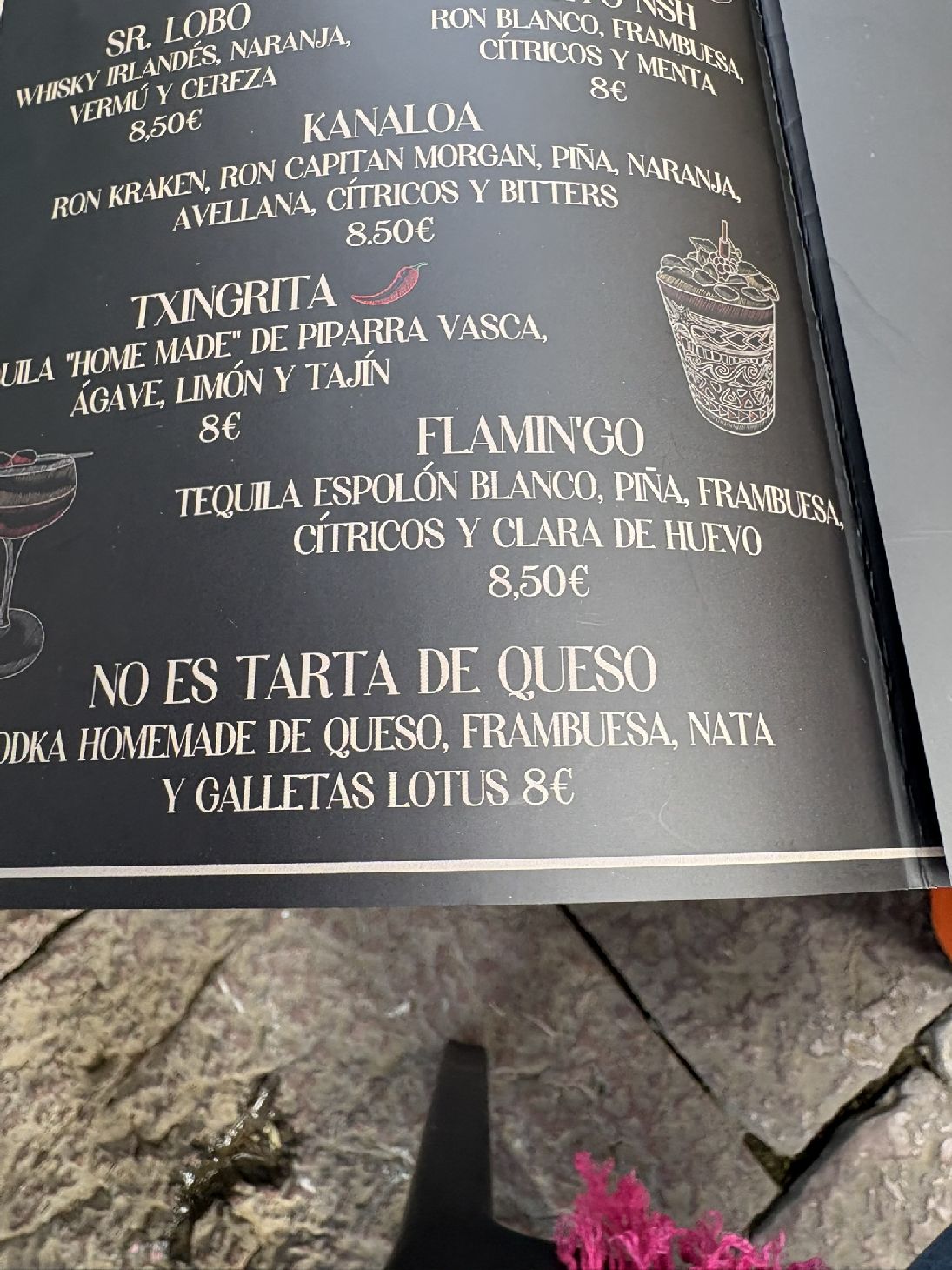
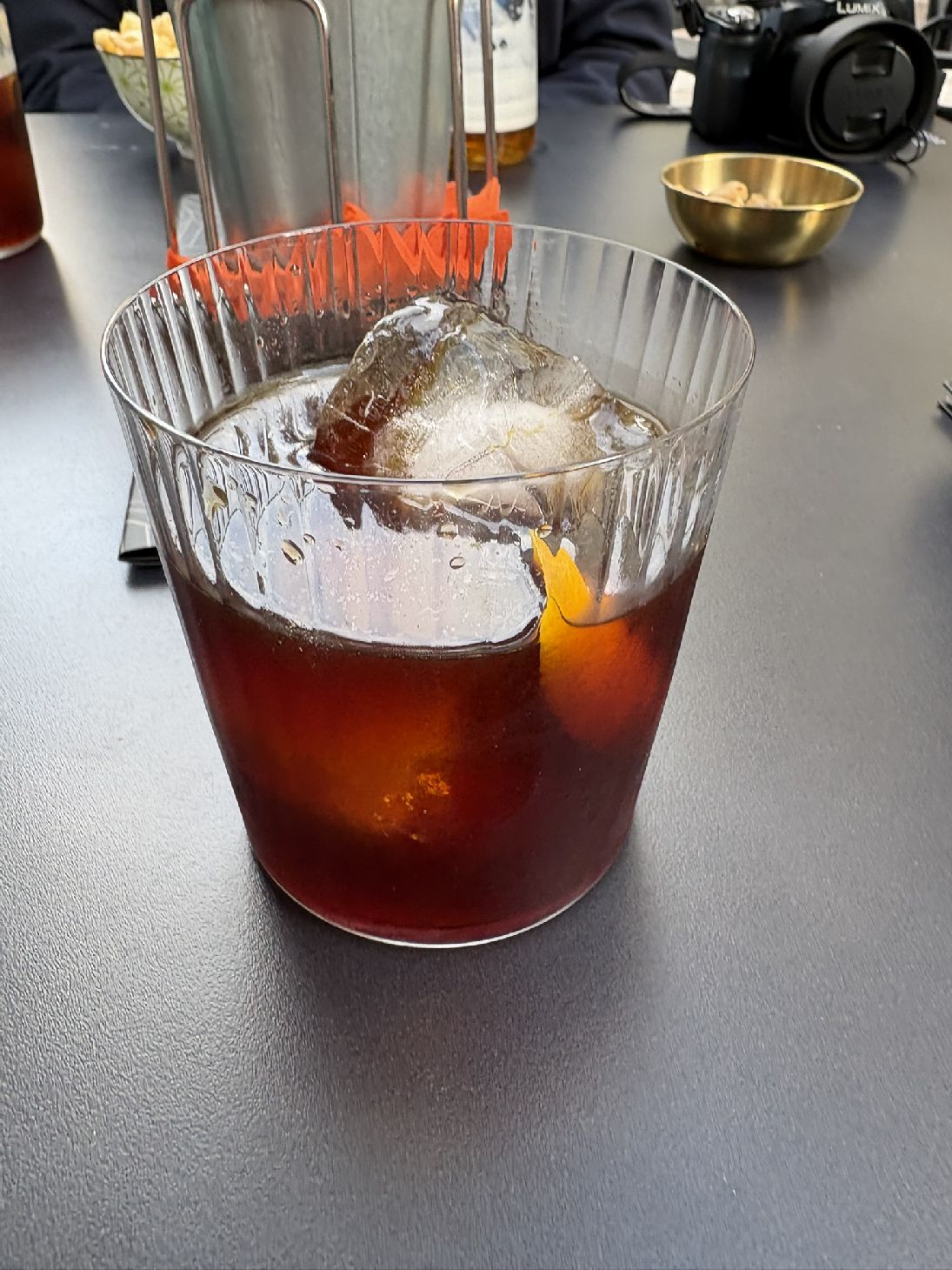
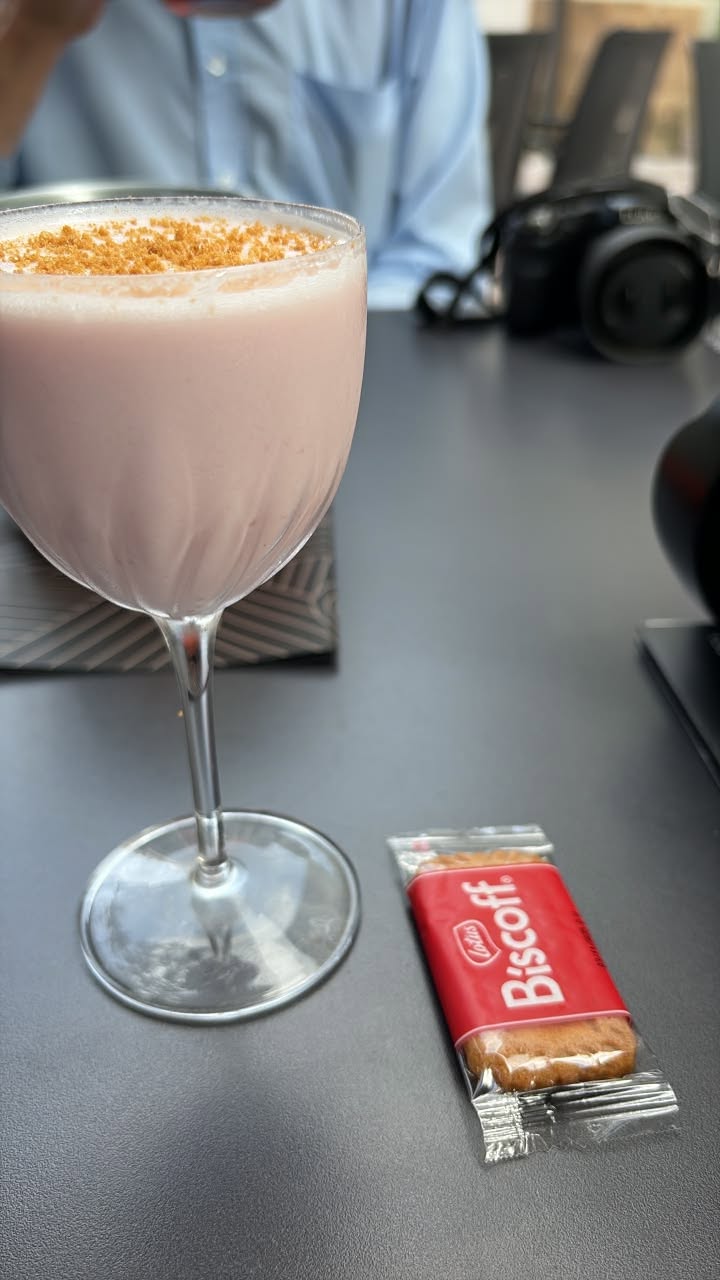
Now completely exhausted we decided that what was really needed was a restorative vermut (!), but several of the bars seemed overly crowded for our liking. We eventually settled on a splendidly quirky place called No Son Horas where I was distracted from my quest for a vermut by a cocktail called “No es tarta de queso” or “This is not a cheesecake”. It was more of a dessert than a drink but it really did have to be done. The vermuts were also very good (and they had a massive selection), and the staff were very friendly so we stayed for a second round before heading home for a light supper.