Saturday 19th October, 2026 – Oviedo / Uviéu
You might have thought we’d have had enough Pre-Romanesque architecture after our adventures the day before but not a bit of it. After Santa María de Naranco y San Miguel de Lillo we still had more we wanted to see. The delightful lady at the Tourist Information office on our first day had been very clear that we needed to also see San Julian de los Prados. This is another of the UNESCO listed establishments and had the advantage of being around 20 minutes of walking from the city centre. We checked the opening times, and decided we could make it for the start of the 11 am visit – because unless you’re going for mass, the only way to see the interior is on a guided tour.
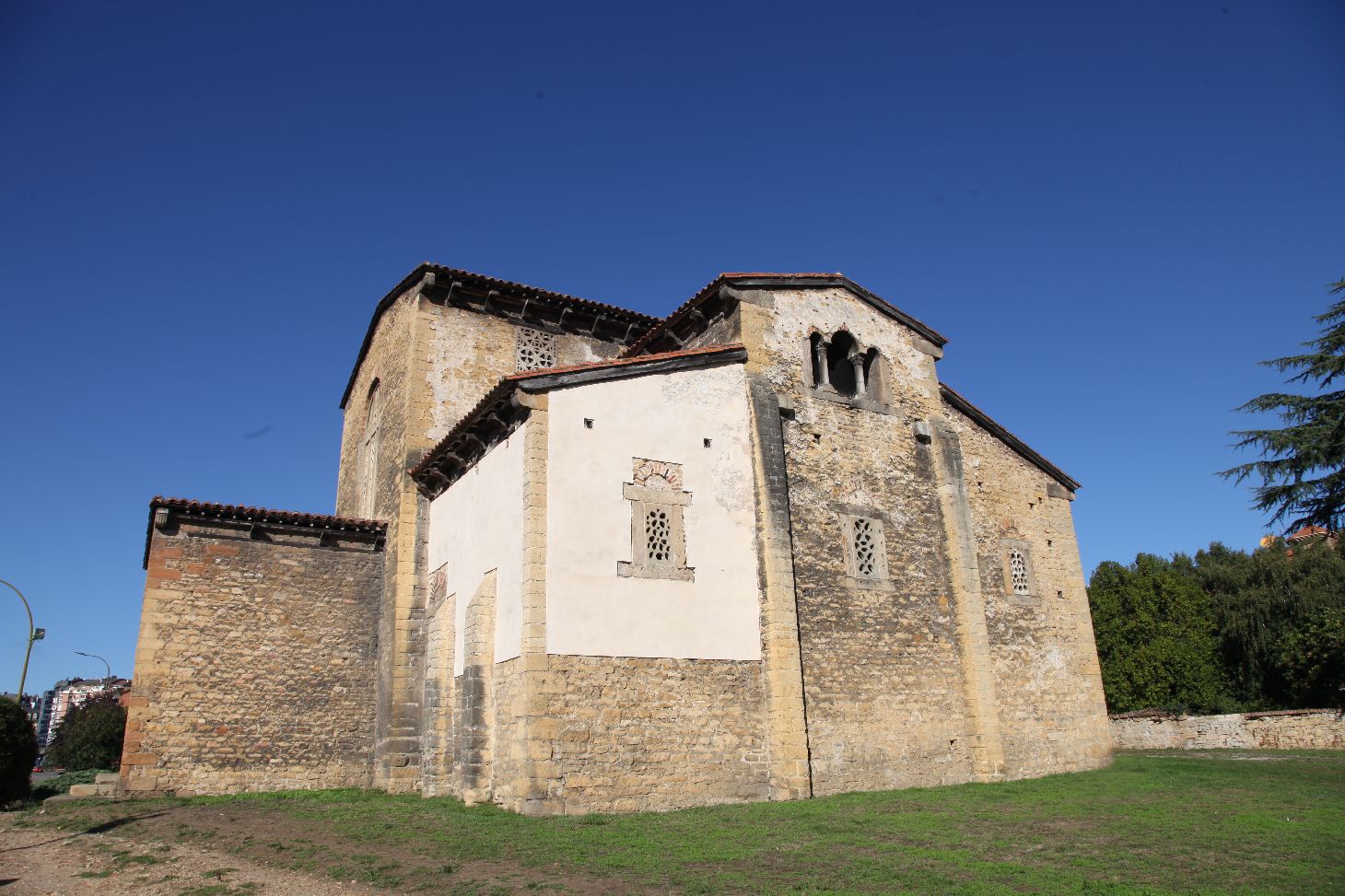
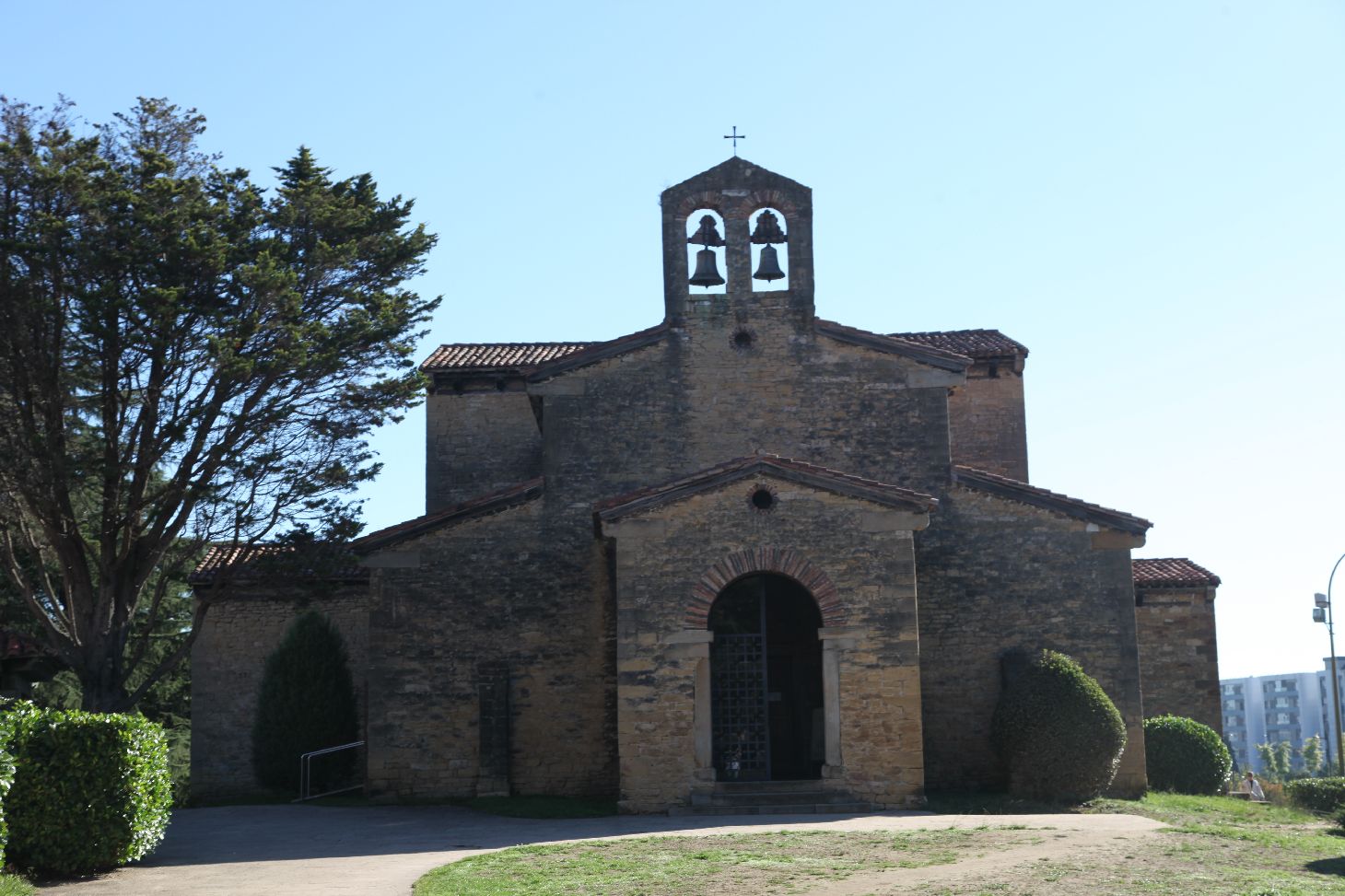
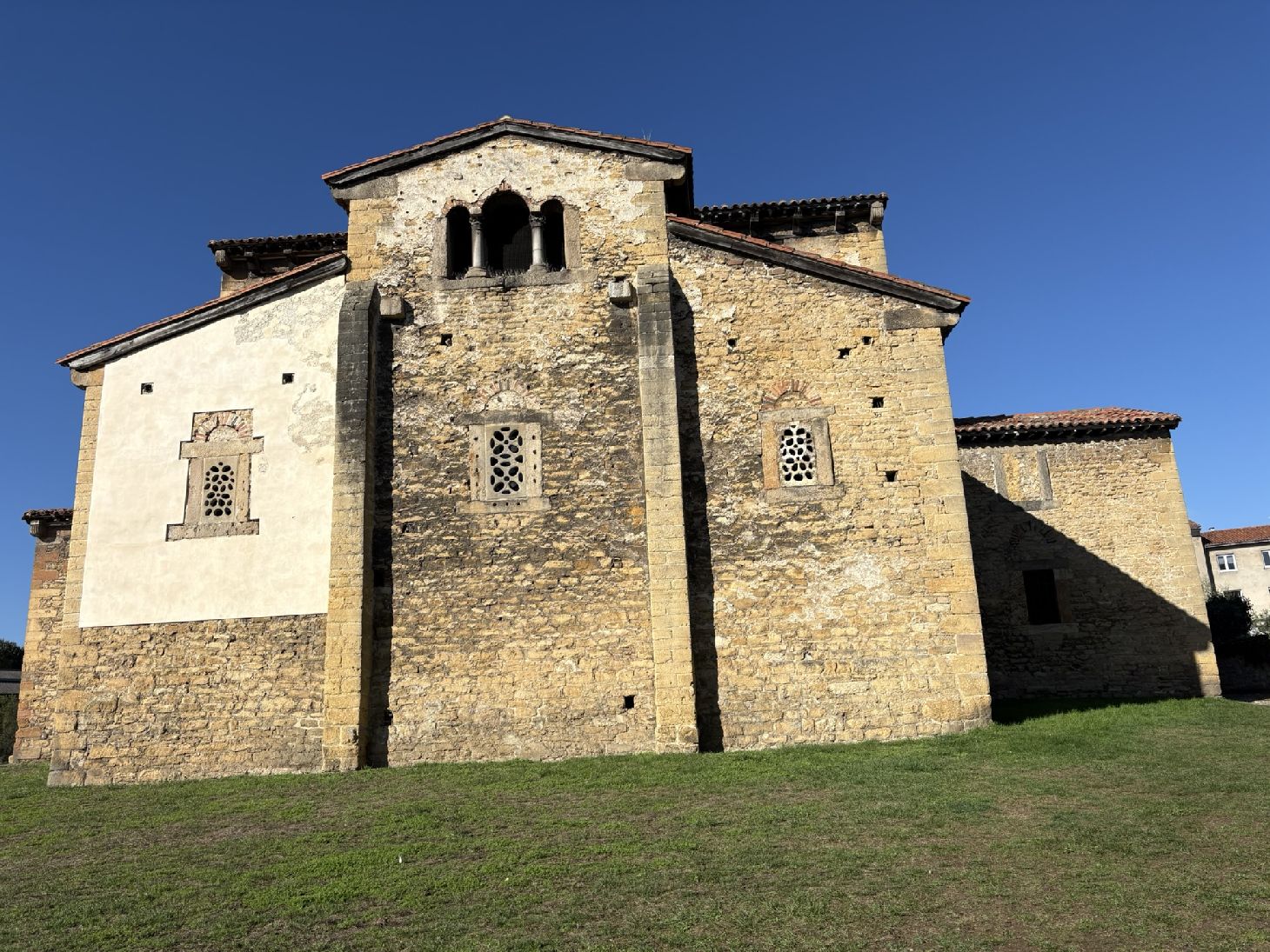
San Julián de los Prados, also known as Santullano, along with Santa Maria de Naranco Churches, is conserved in its “entirety and original state, with the exception of ad hoc transformations or modifications over time.” Thus, San Julian only has a single main entrance when it used to have more. I can absolutely see why it’s a popular wedding venue and is still used as a parish church., is the largest and one of the oldest surviving churches from the Asturian Pre-Romanesque period and was built by Alfonso II between 812 and 842. It’s one of the most remarkable medieval works in Europe, and a jewel in the crown of Spanish cultural heritage and the interior contains numerous incredibly well-preserved murals from the 9th century.
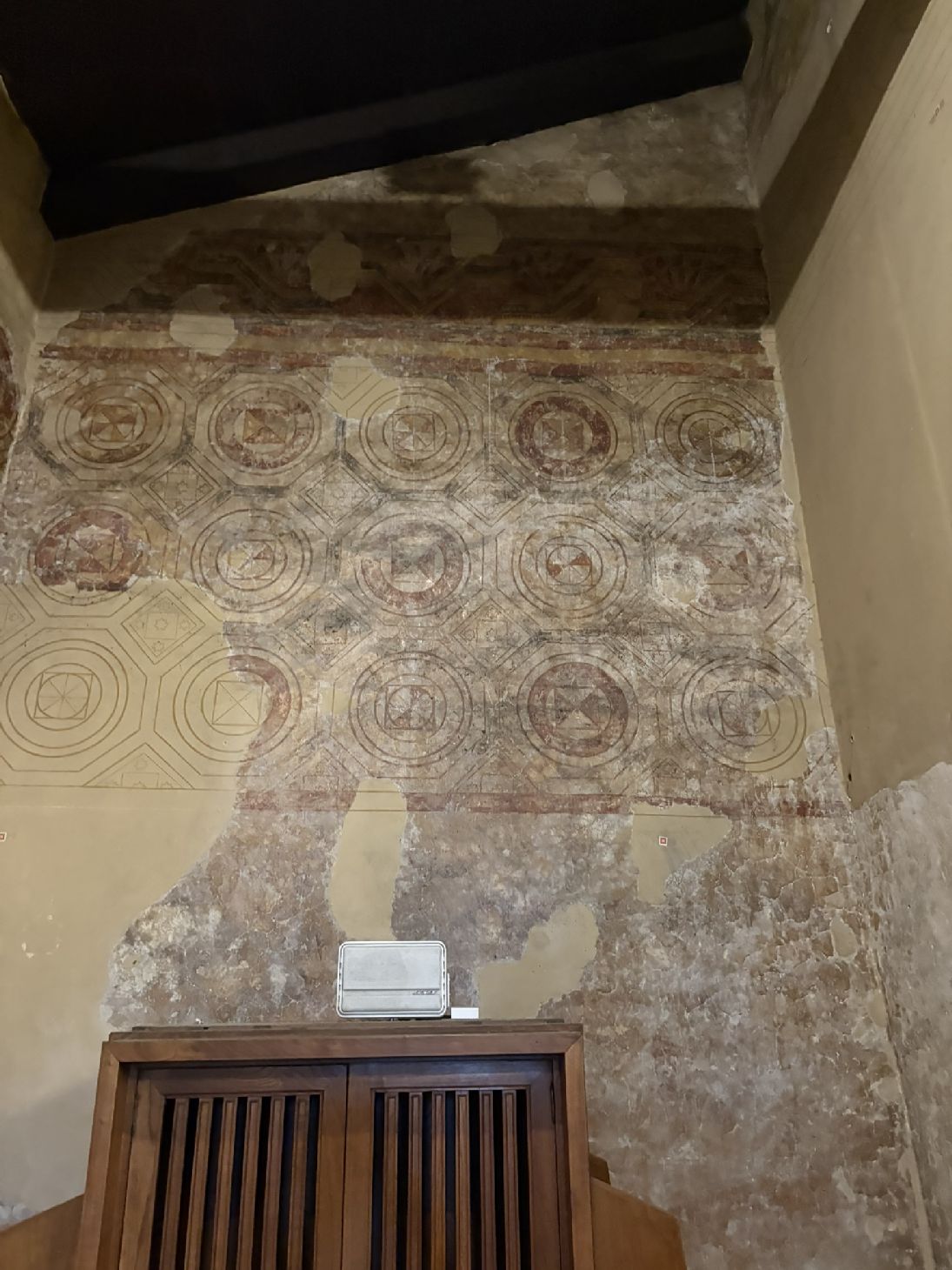
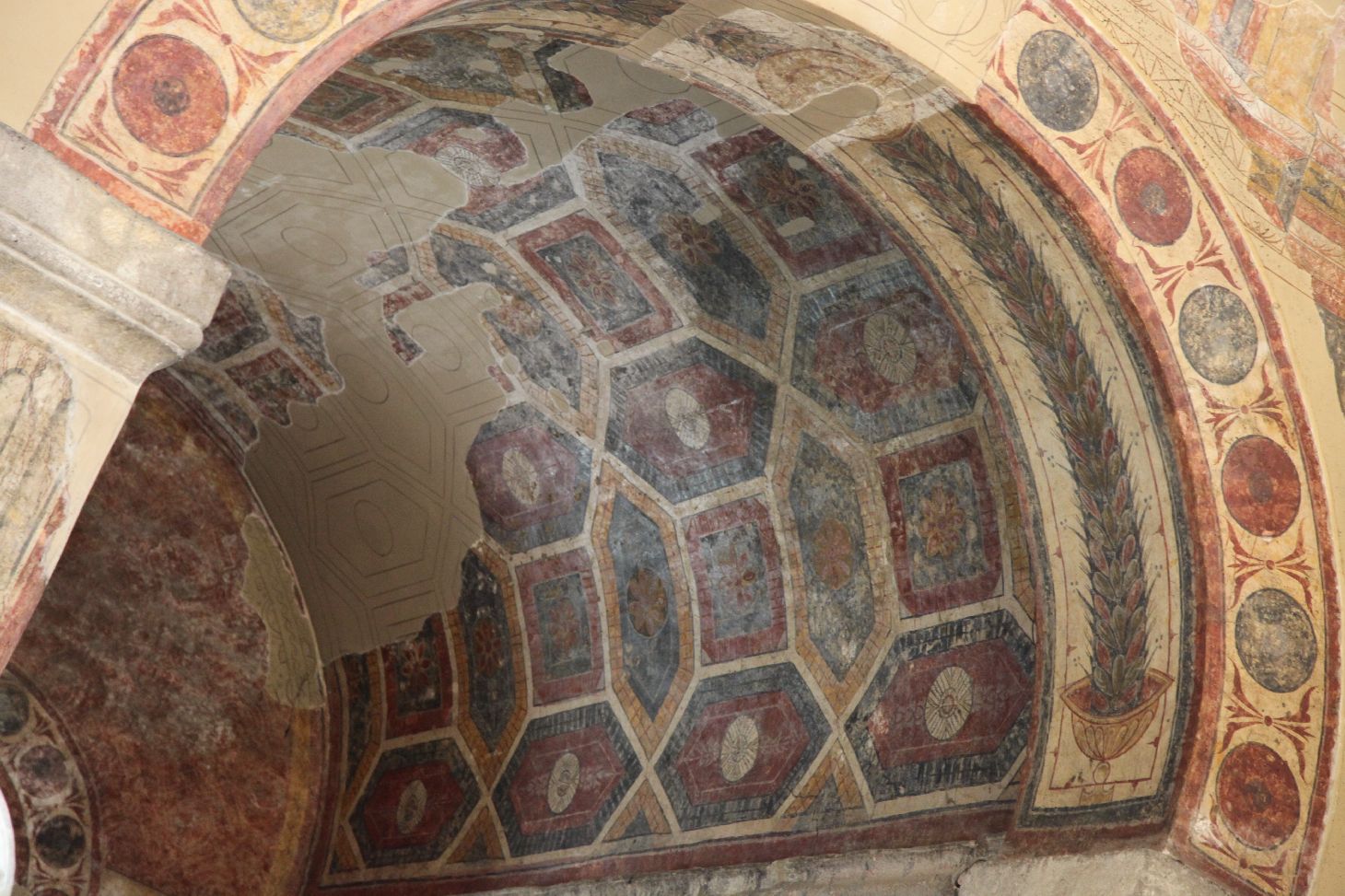
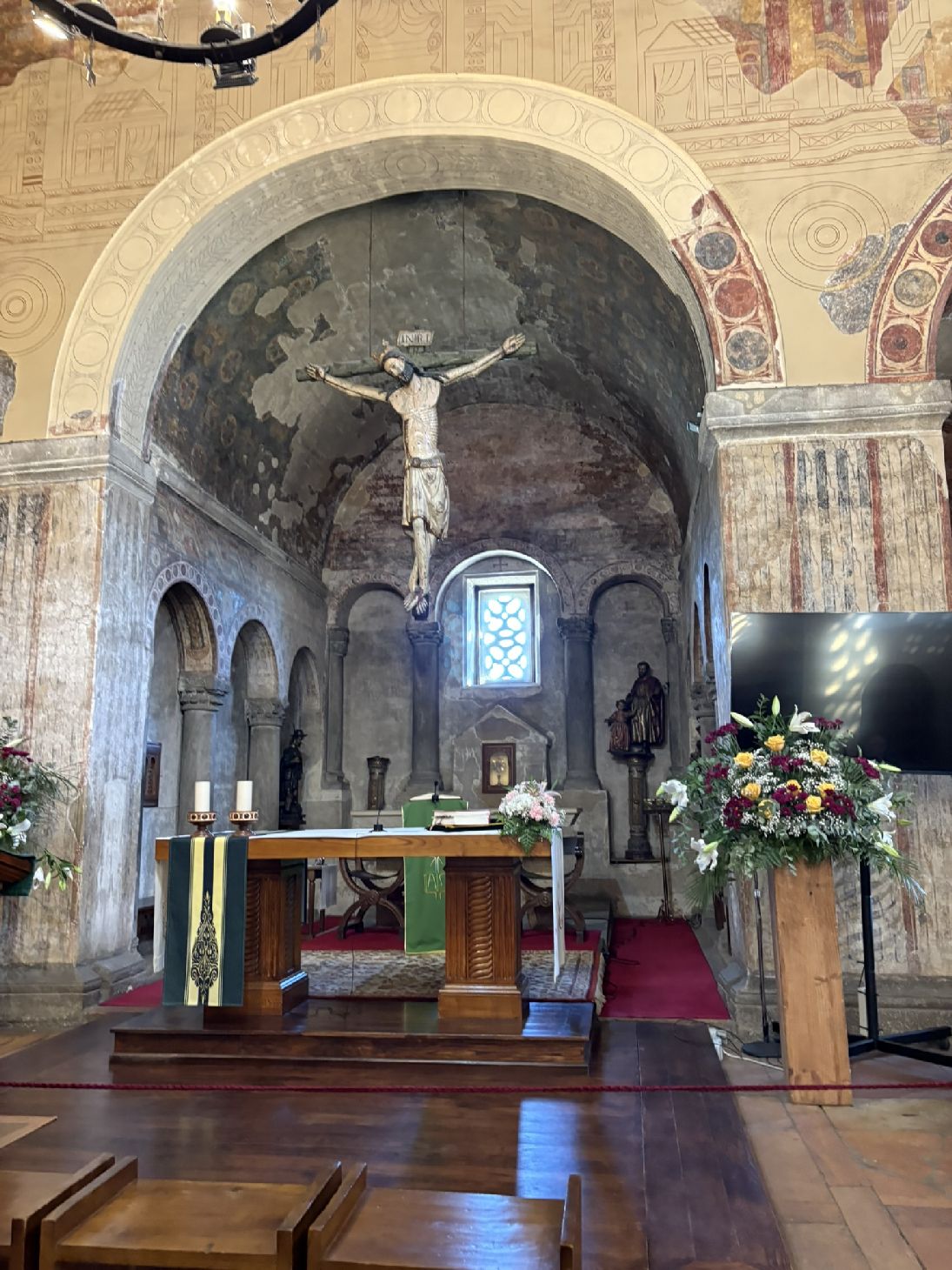
The works were created at a time when the Asturian church was trying to differentiate itself from the Gothic tradition, adopting Carolingian influences with an ambitious urban planning project that included a complex of churches that also includes San Pedro de Nora and Santa María de Bendones. Santullano “connects late Roman traditions with nascent Christian spirituality, combining classical artistic techniques with the first canons of pre-Romanesque aesthetics. The Corinthian capitals of the main chapel, for example, are probably of Visigothic origin, and the mural paintings follow a hierarchical scheme derived from the Byzantine world.”
And they are fascinating, referring as they do to an idealised, spiritual vision of the cosmos. Interestingly, they do not contain any human or divine figures, instead showing plants, architecture, animals, houses. They refer repeatedly to the Apocalypse and to Heaven. A very good short video shows a reimagining of what the walls would have looked like when the paint was fresh and the colours bright. It’s still pretty stunning even now it’s faded, and it was also tastefully decorated for a wedding later in the day. It really should not be missed.
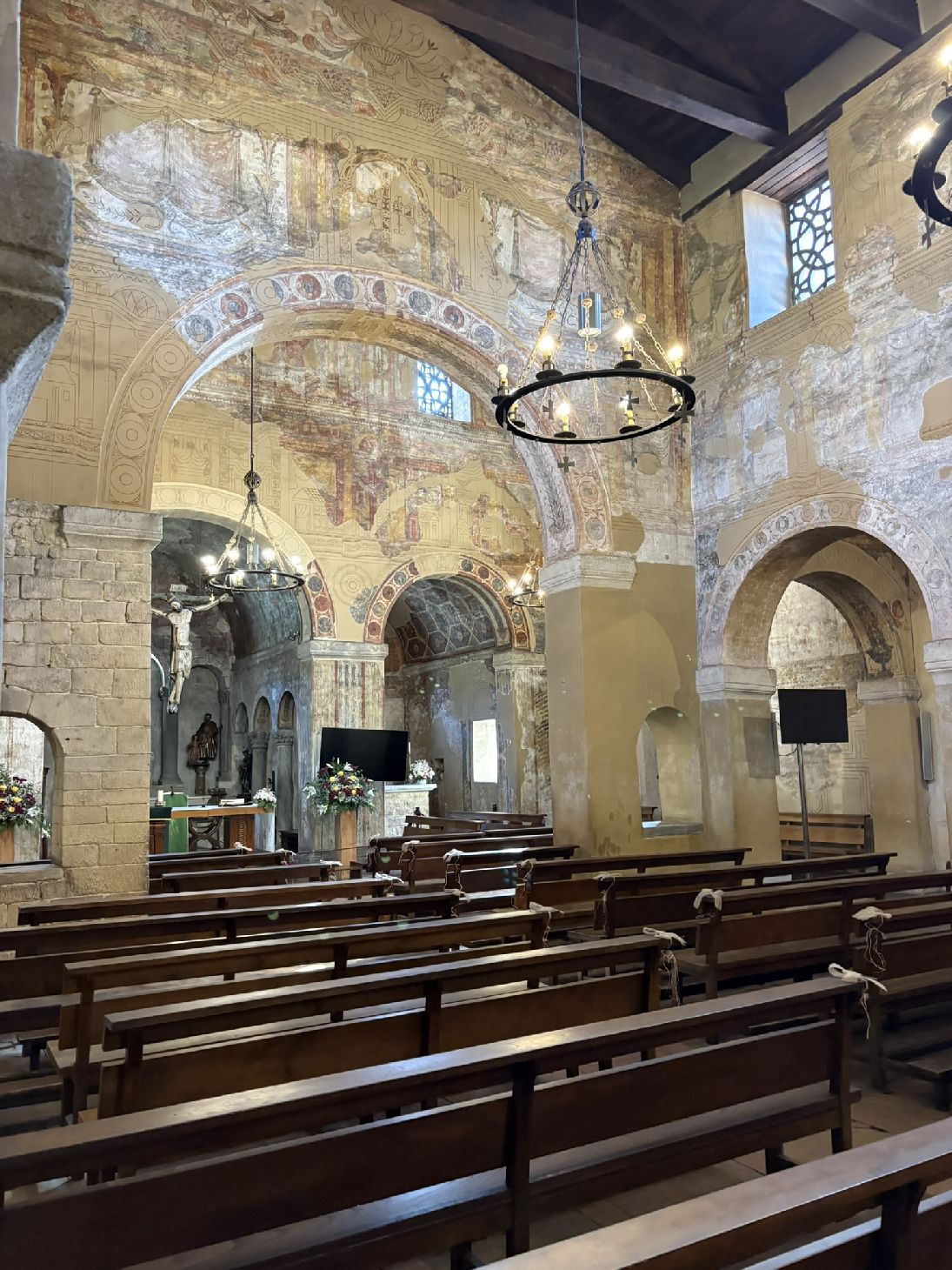
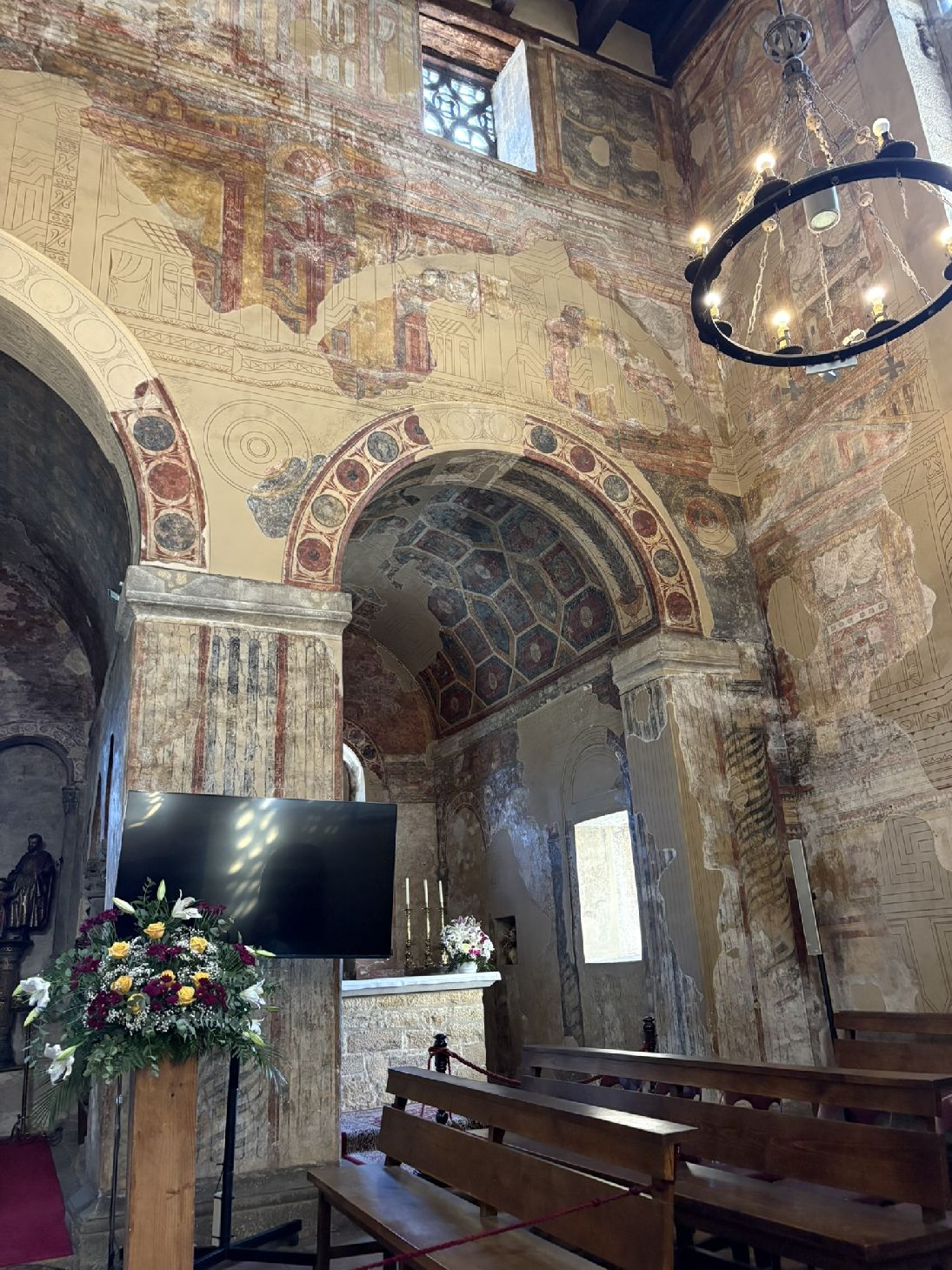
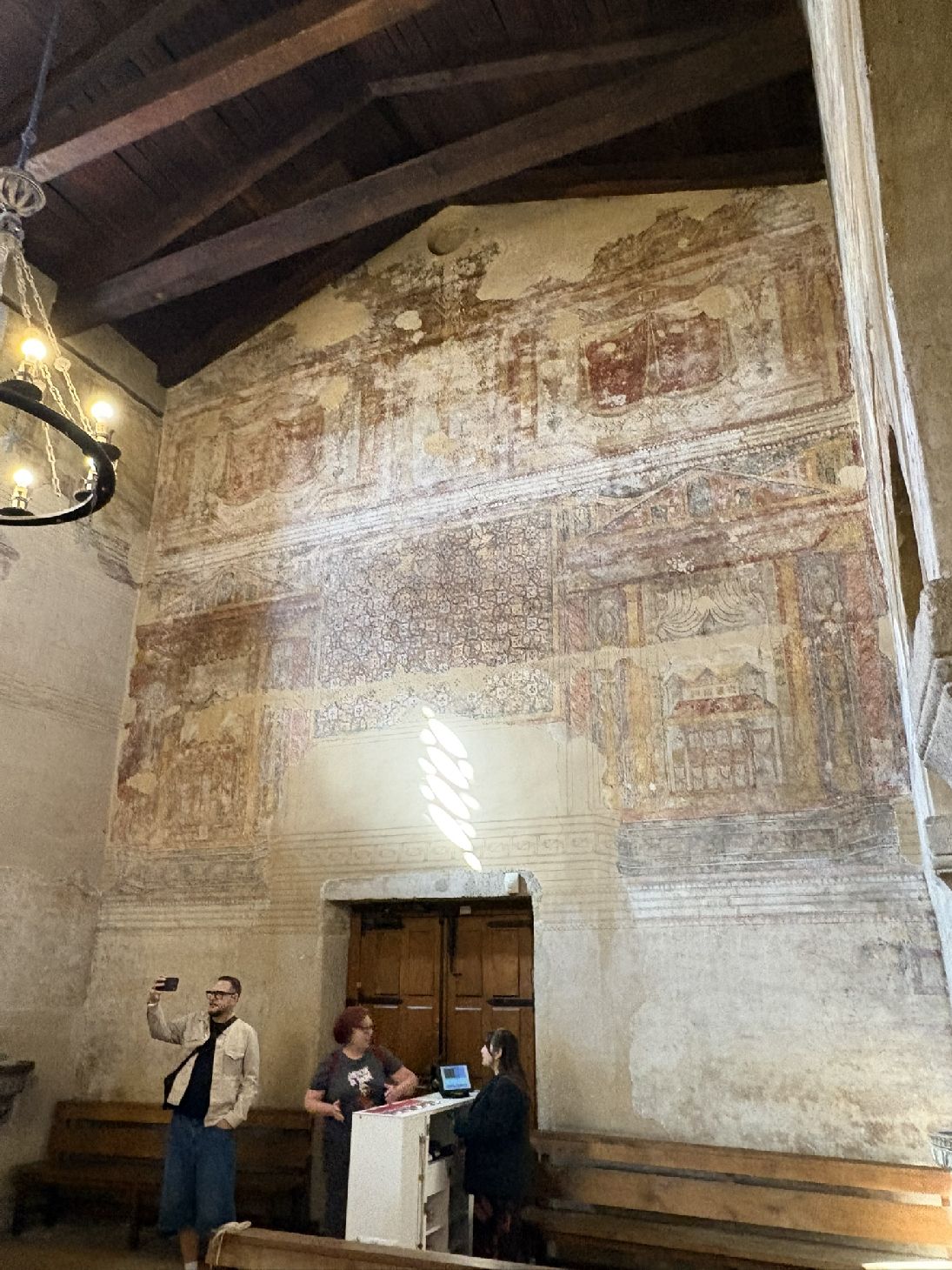
The guided tour was entirely in Spanish, even though there were 6 of us there for it and only 2 people of us actually spoke Spanish, and even though the woman running the tour spoke excellent English. None of this mattered. It’s a gem of a place and I am very glad to know that it exists and that I have now seen it. The outside is lovely too, set in a small seas of green which means you don’t even notice the motorway running alongside it.
Like Santa Maria de Naranco, Santullano is pretty much the same in shape and extent as it was when it was first completed. The only major change is that it now only has a single main entrance when it used to have four more. It’s very attractive and I can absolutely see why it’s a popular wedding venue and is still used as a parish church.
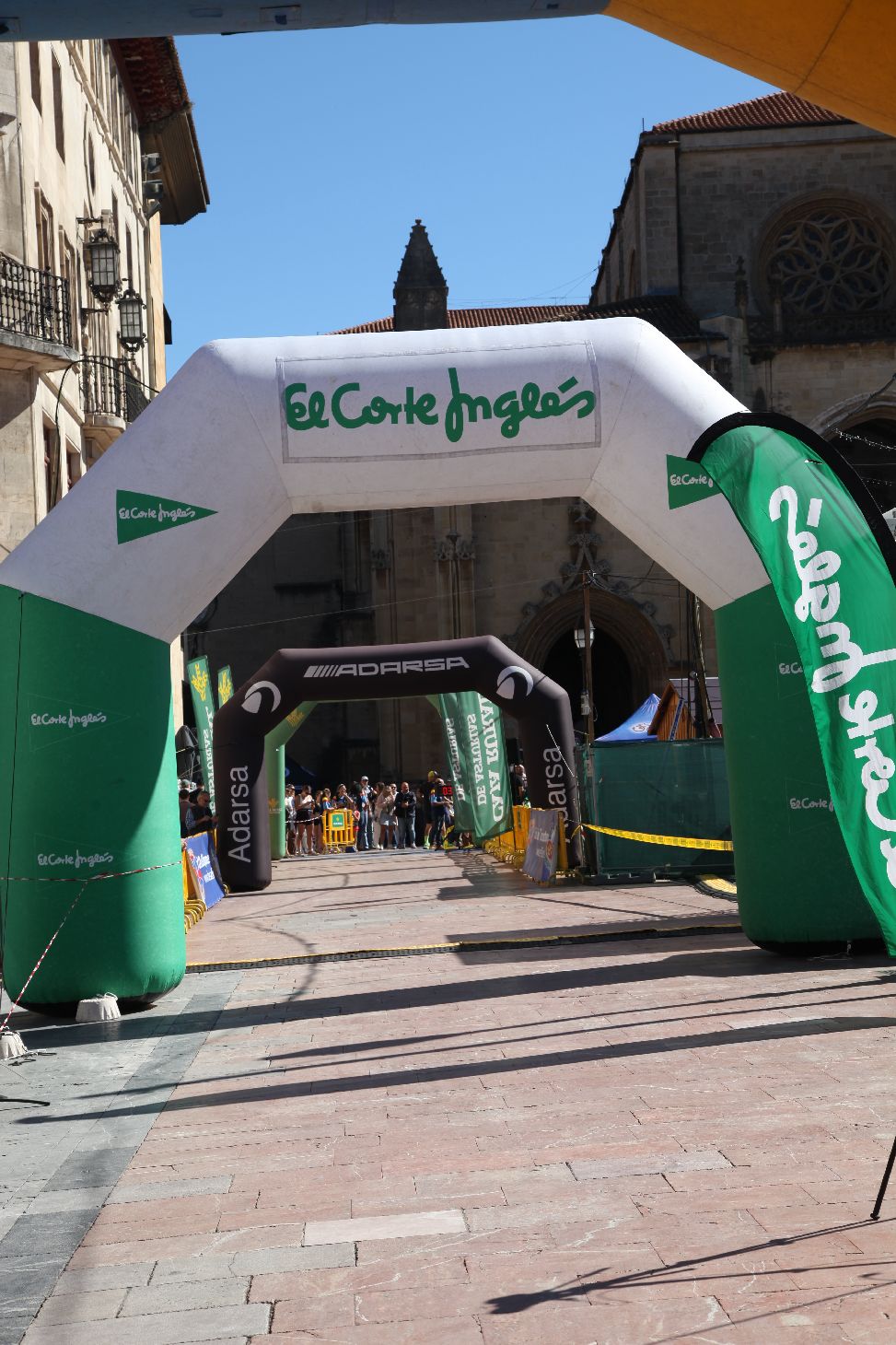
After a walk back to the centre (and uphill) we stopped for coffee at – of all places – an Indian restaurant called the Annapurna. It was actually pretty good coffee and it gave us all enough impetus to start a visit to the Museum of Fine Arts of Asturias which had been on the radar for the previous day. It being a Saturday we’d checked and they closed for lunch as 14:00. This meant we had a couple of hours to cover at least some of it (the guidebooks warn that you can get very lost in the collection of buildings that make up the museum). Before we got there though we had to navigate our way around an inflatable arch that had been set up over the finish line of what was a 27 km trail race up into the hills and back (with an elevation of some ridiculous amount of metres). The guys coming over the finish line as we walked through certainly looked like they’d been through one hell of a challenge. It was a hot day too so more power to them is all I can say.
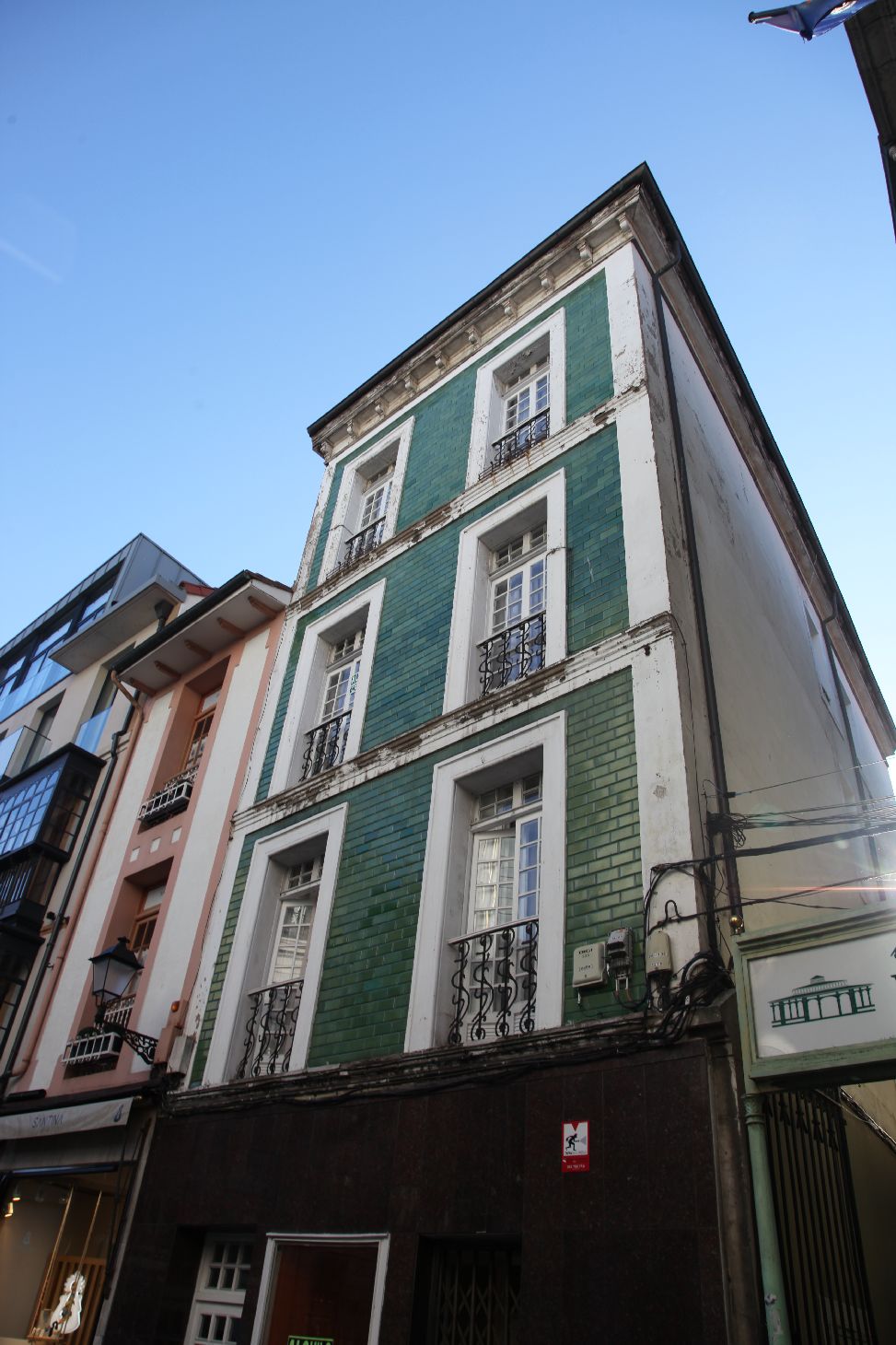
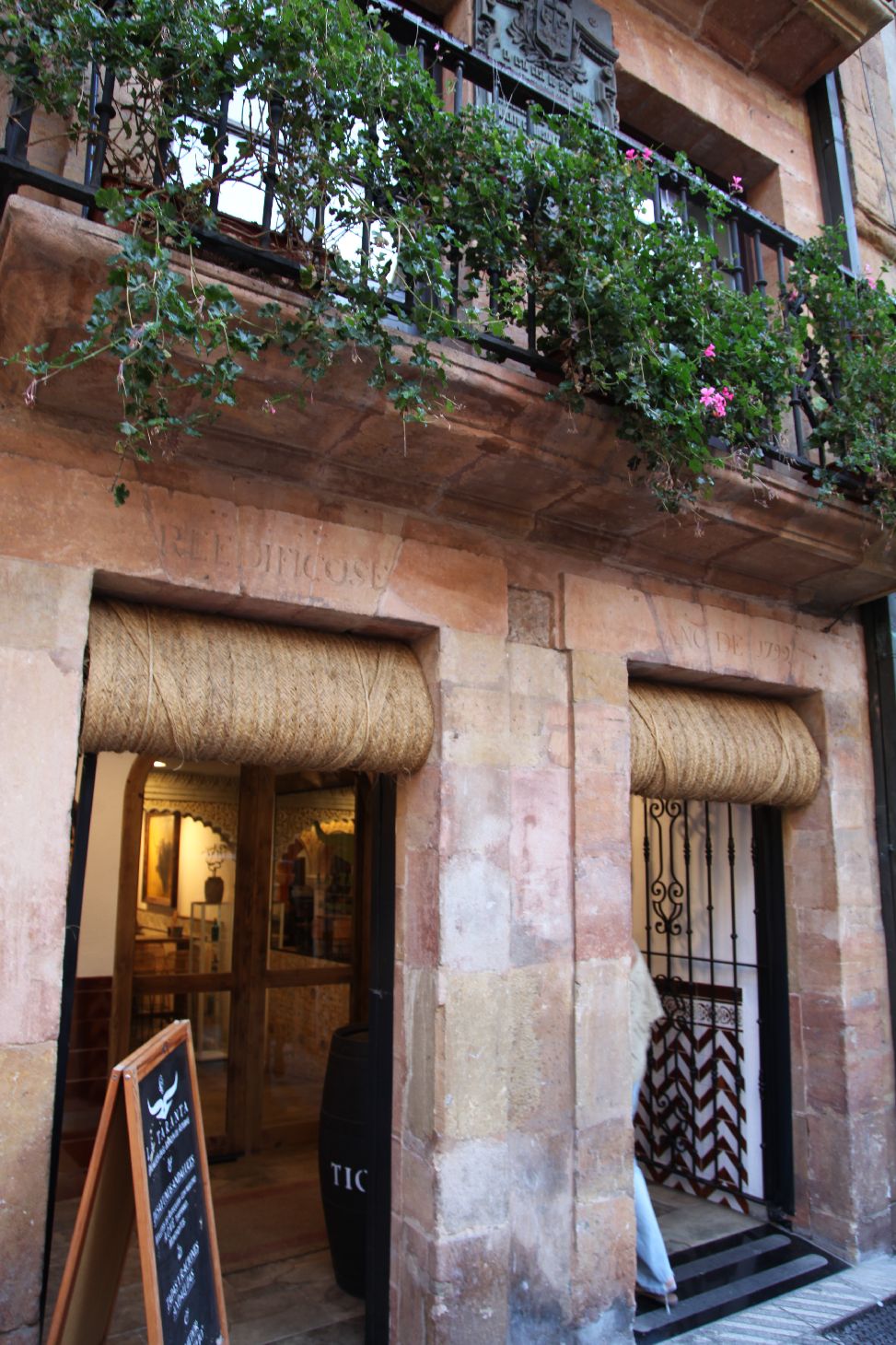
The museum first opened in May 1980 with just 7 rooms and 78 works on show. It started life in just one building, the Palacio de Velarde, built between 1765 and 1770 for Councillor Pedro Velarde Calderón y Prada. The Religiosas del Santo Ángel school came next, remodelled over a decade from 1979 to make it fit for purpose. Finally, a third building was added to the complex in the shape of the Casa de Oviedo-Portal which dates from 1660 and which opened in 1986. A couple of decades later a hyper-modern extension was added and this now houses the original permanent collection and a lot of much-need storage space. The work, co-funded with the support of the FEDER funds of the European Union, lasted from 2007 until 2013, and the new building finally opened its doors on March, 31st, 2015.
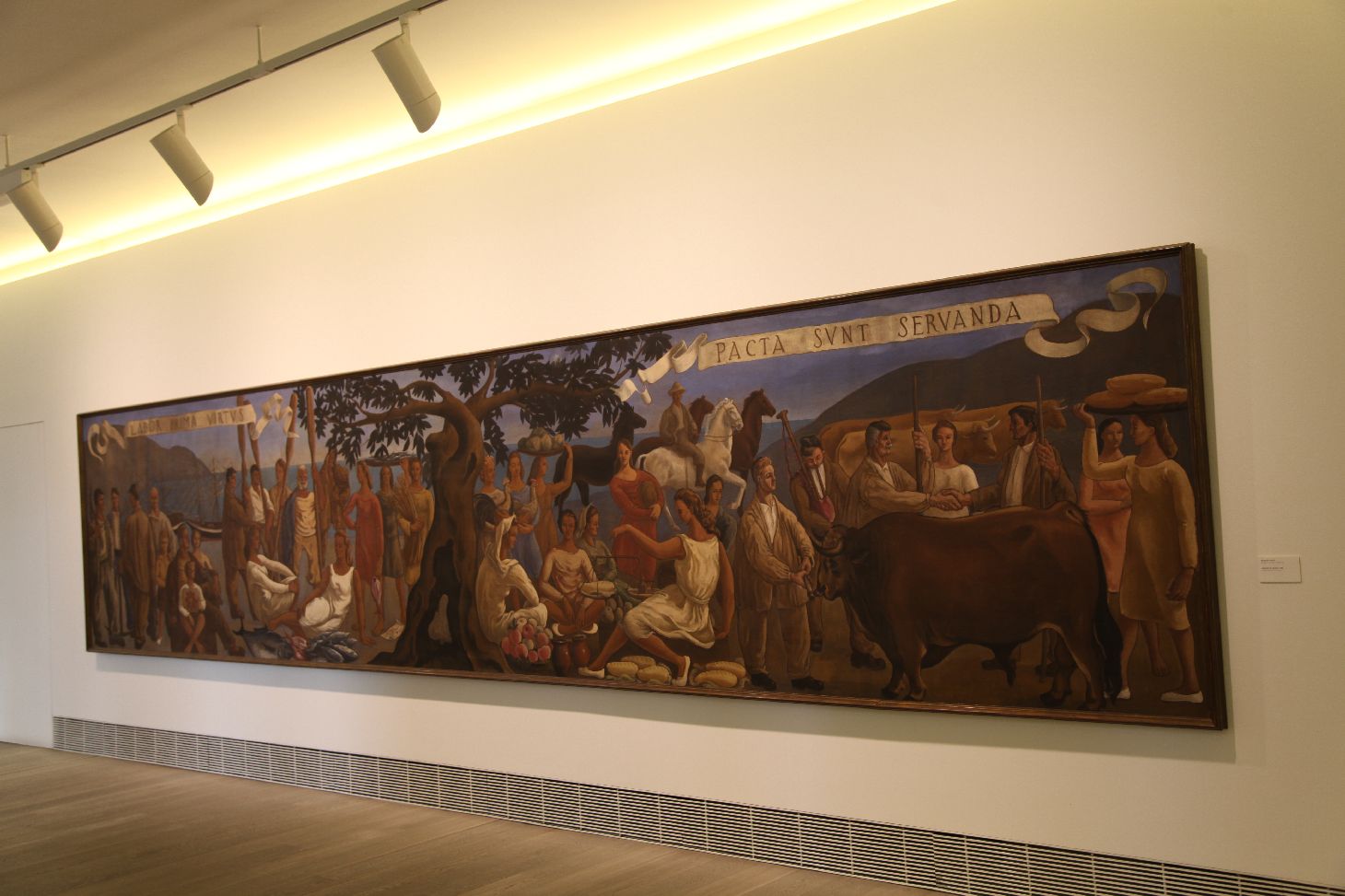
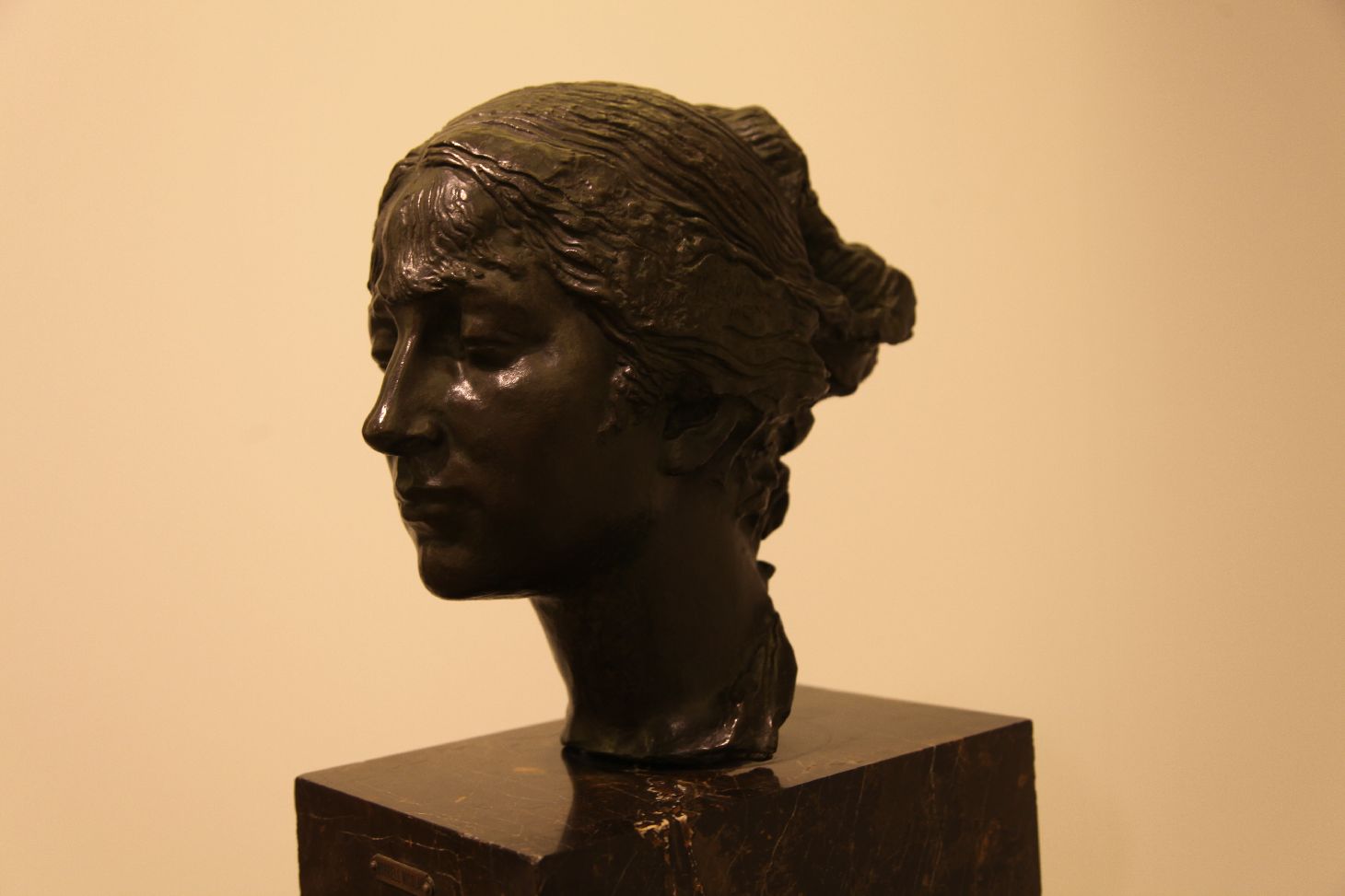
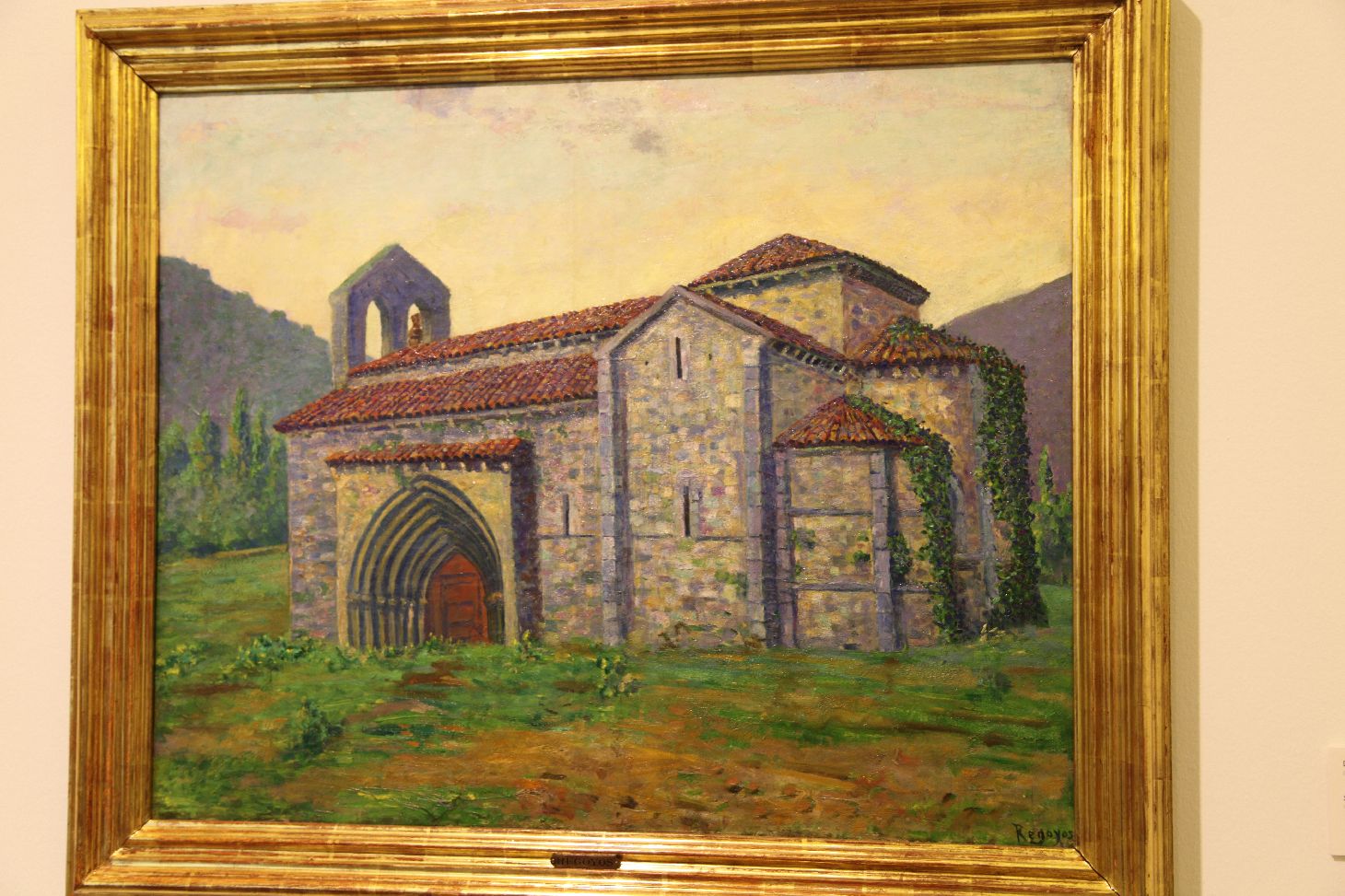
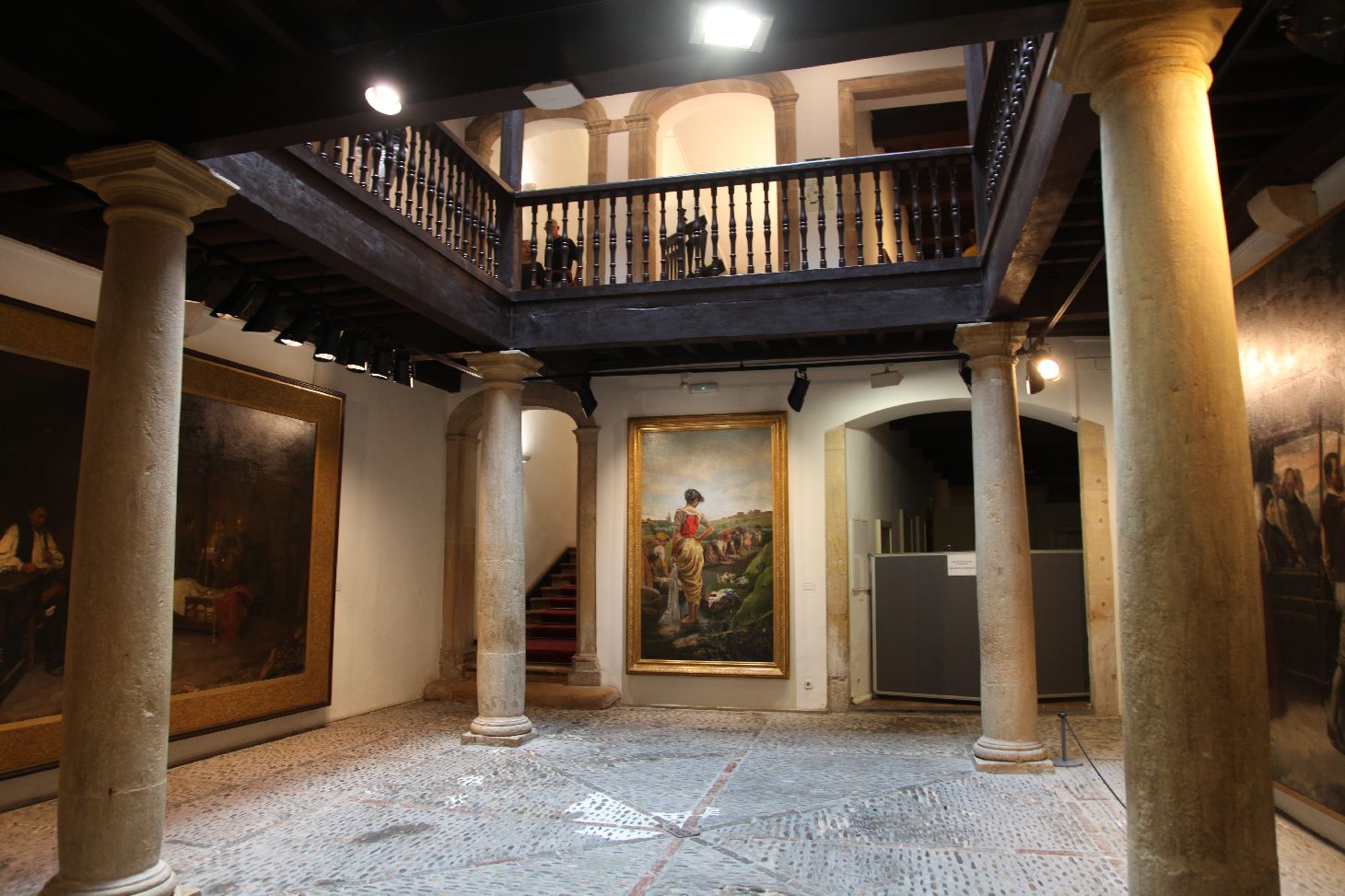
They like to boast that the Museum owns now one of Spain’s best public art collections of over 15,000 items covering the 14th to the 21st Century, including works by El Greco, Zurbarán, Ribera, Murillo, Carreño de Miranda, Goya, los Meléndez, Sorolla, Piñole, Valle, Aurelio Suárez, Luis Fernández, Picasso, Dalí, Miró, Tàpies and Barceló. We started with those and the Roman remains that are on show as part of the extension. Unsurprisingly, we didn’t get a lot further before they were due to close for lunch. It didn’t help that the way the three buildings are bolted together means you can get more than a bit confused as to which sections you’ve been in before, but we made a careful note of what we were looking at before scooting out in search of refreshments. As the museum is free to enter, we were happy to visit it in two instalments and so we wandered out to see what was happening.
The lure of a shady park was too much to resist so we went to take a proper look at the Campo de San Francisco, all 90,000 square metres of it. It got its name from the convent it was originally part of and in 1836 was “confiscated” during Spain’s “Desamortización”. Afterwards it was given to the city as a public park, opening in May 1869. It’s very popular and over the weekend we were there a large part of it was full of food stalls, temporary bars, and a large stage as part of the feast of San Mateo. It was very busy even that early in the afternoon, with people everywhere, and a small artisan market selling all sorts of things from complete tat to honey, paprika, and cider.
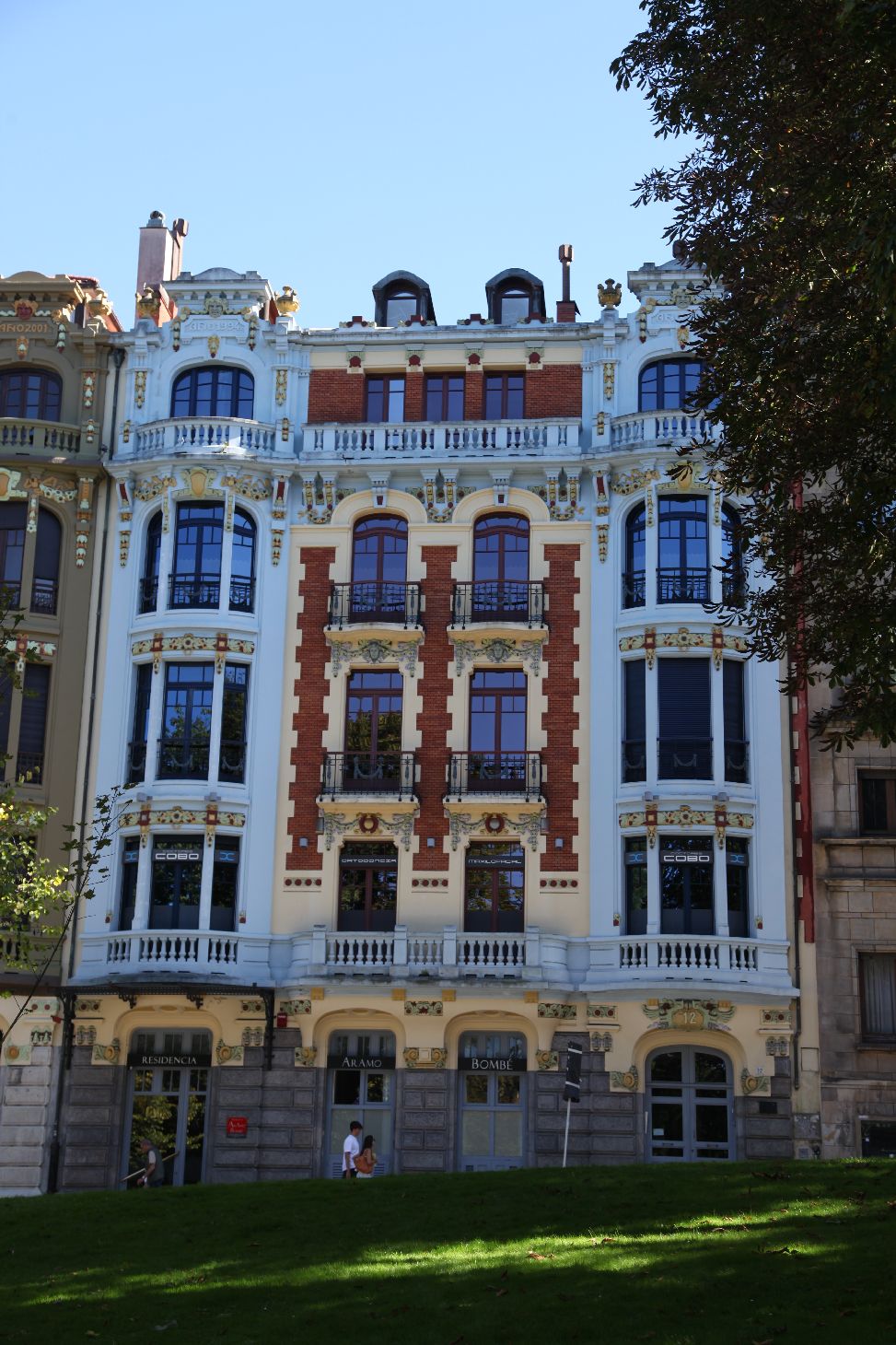
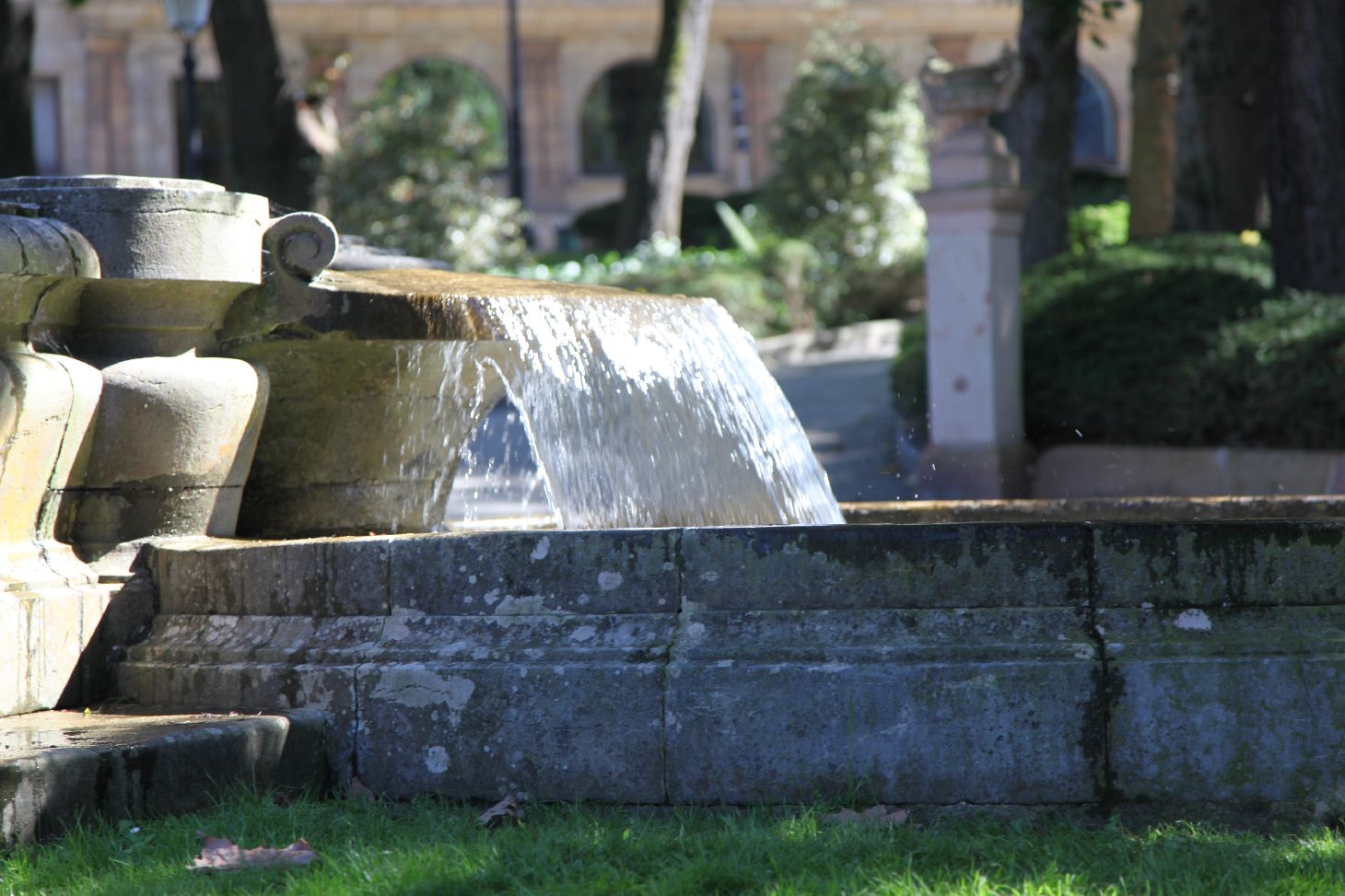
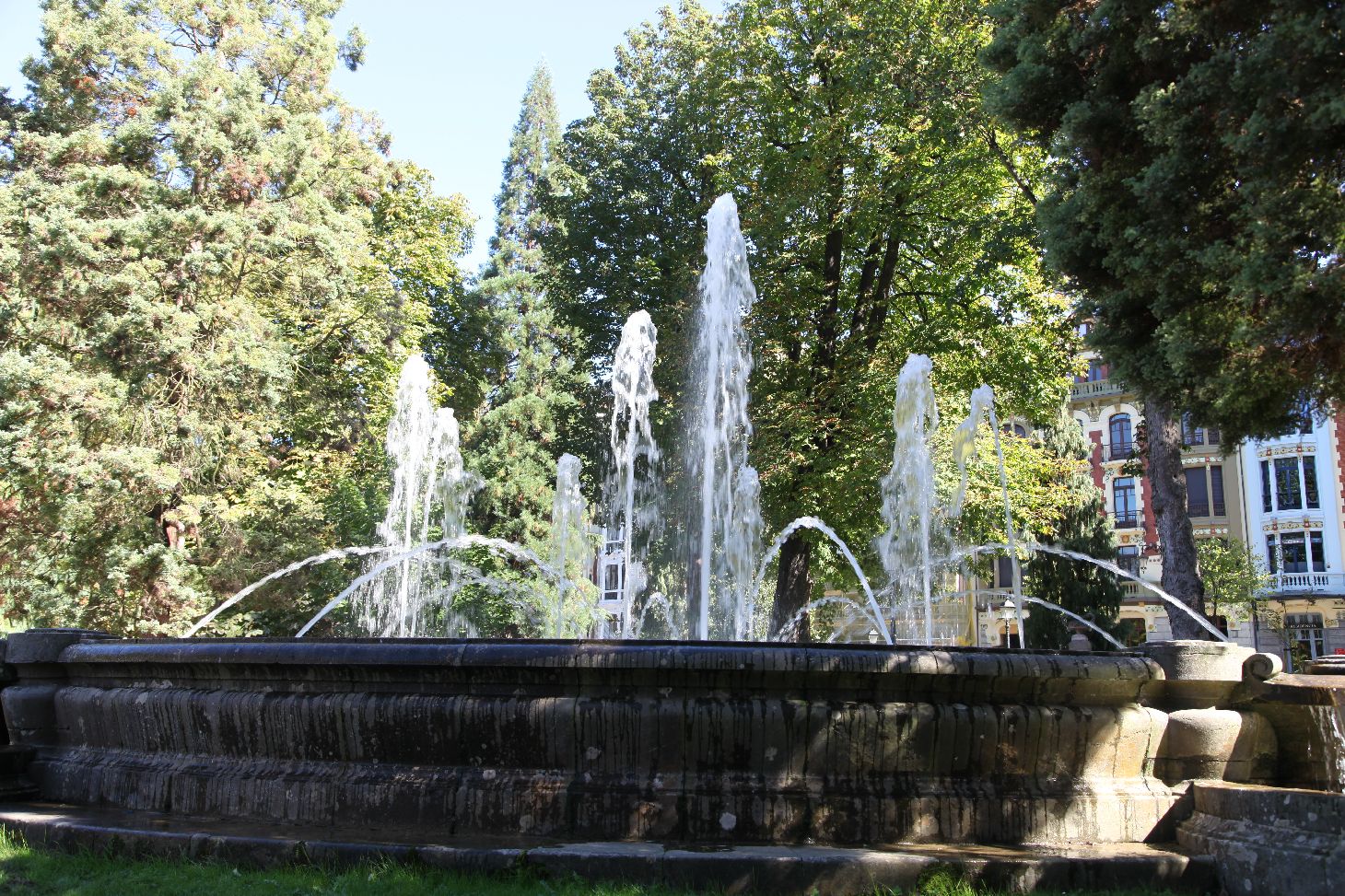
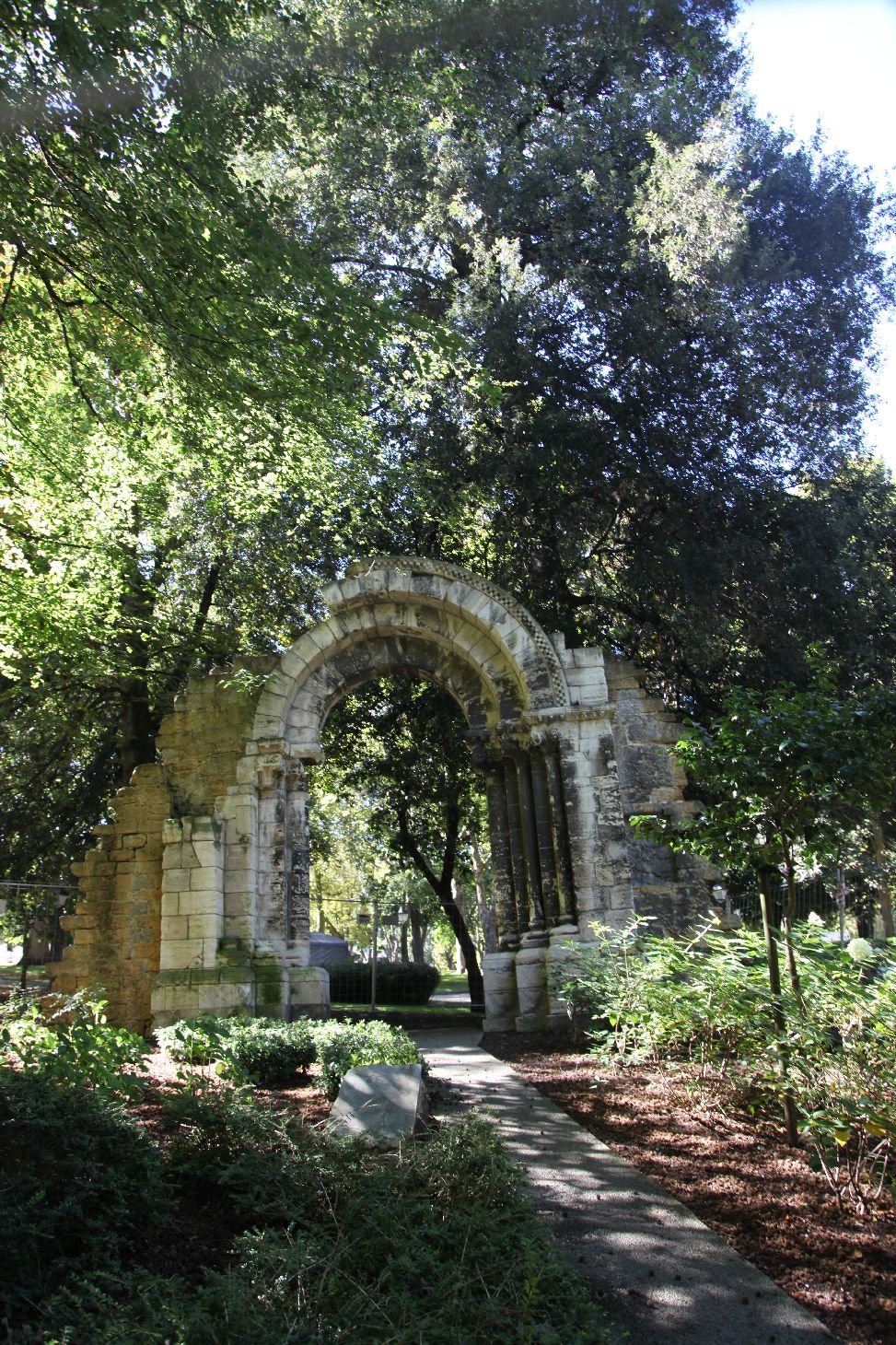
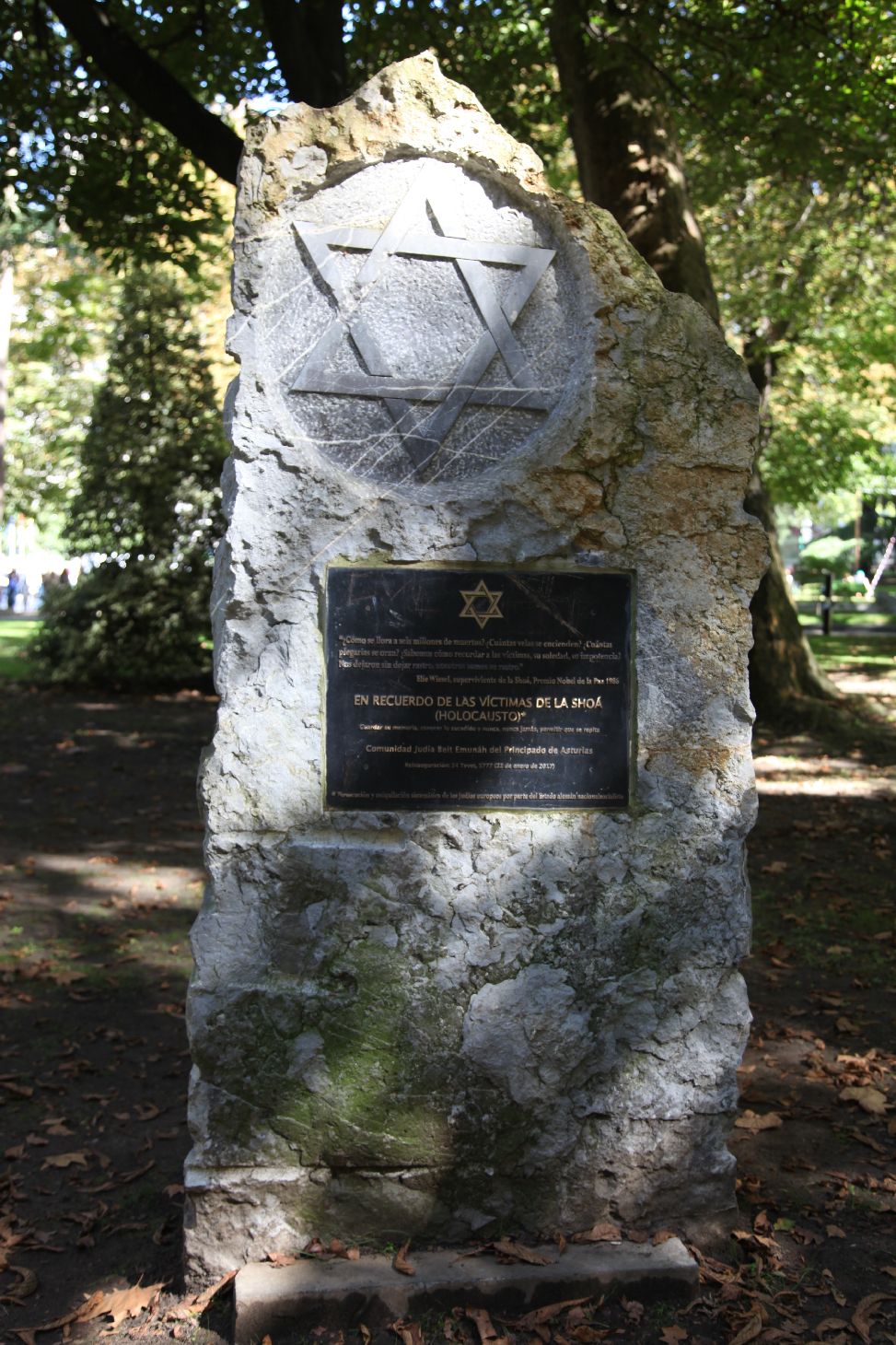
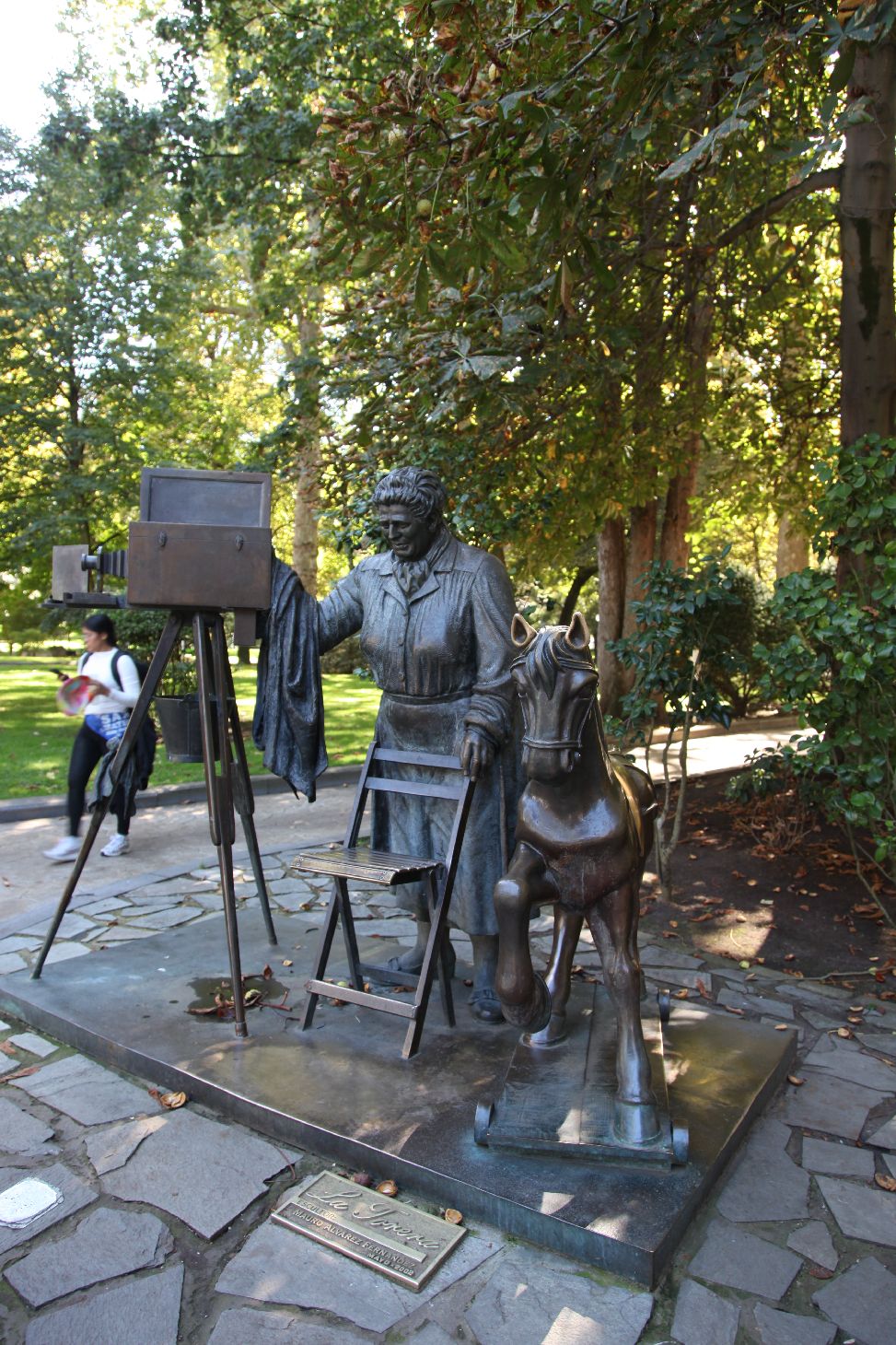
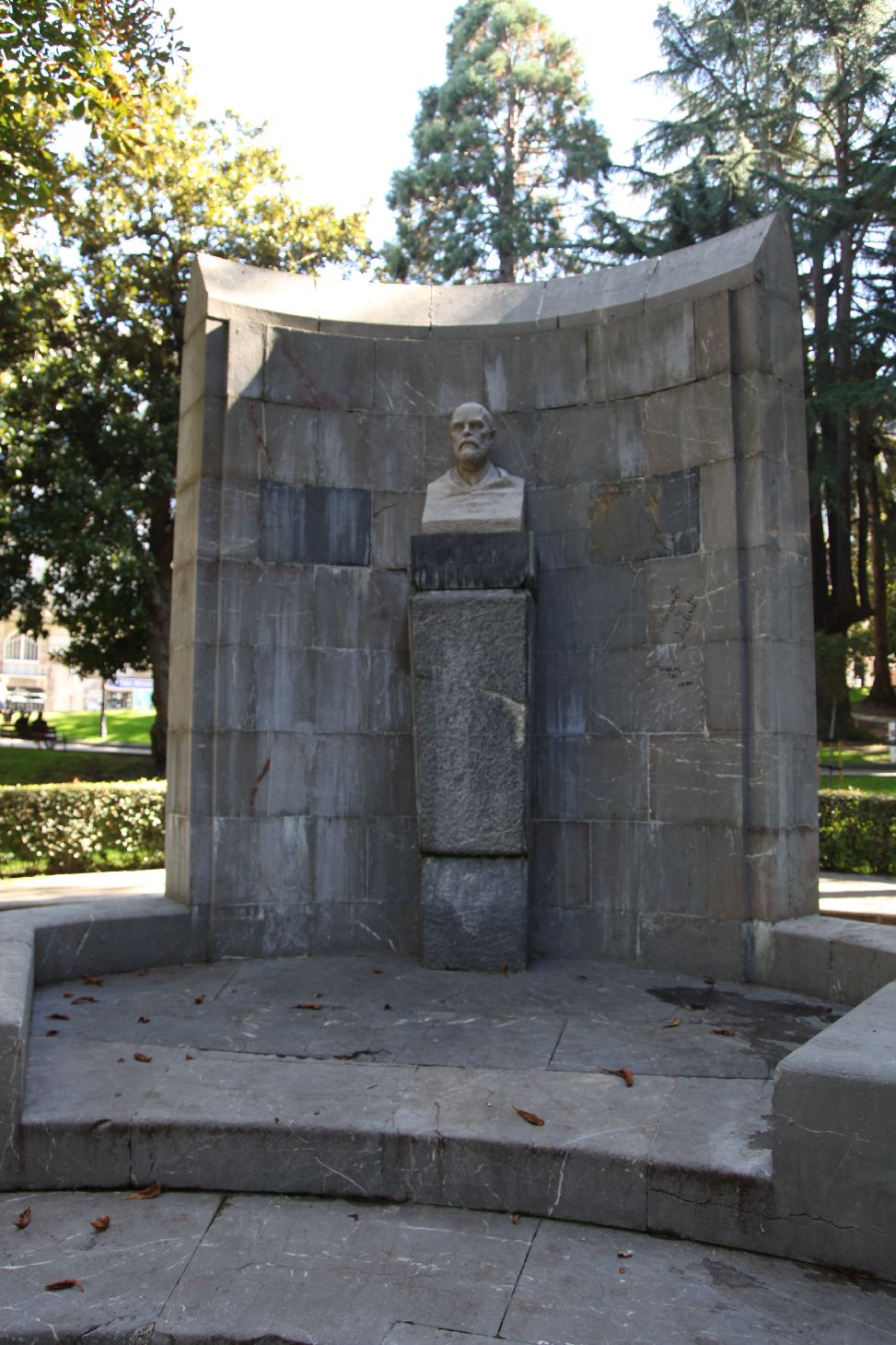
There are lost of different species of tree, a duck pond, a rose garden, an old convent building, a pavilion, a bandstand, and lots of statuary and water features everywhere. This is also where you can find the 9th century Foncalada – a pre-Romanesque fountain that is part of the UNESCO World Heritage listing that includes San Juliano. It turned out that we were there on the Day of America in Asturias. This caused a raised eyebrow or two but then a quick Google search told us that it’s a day when the locals turn out for a massive paraded that pays tribute to emigration and immigration. The parade involves around 2000 people spread across brass bands, floats, dance groups, bagpipe bands, and musical groups of all kinds.
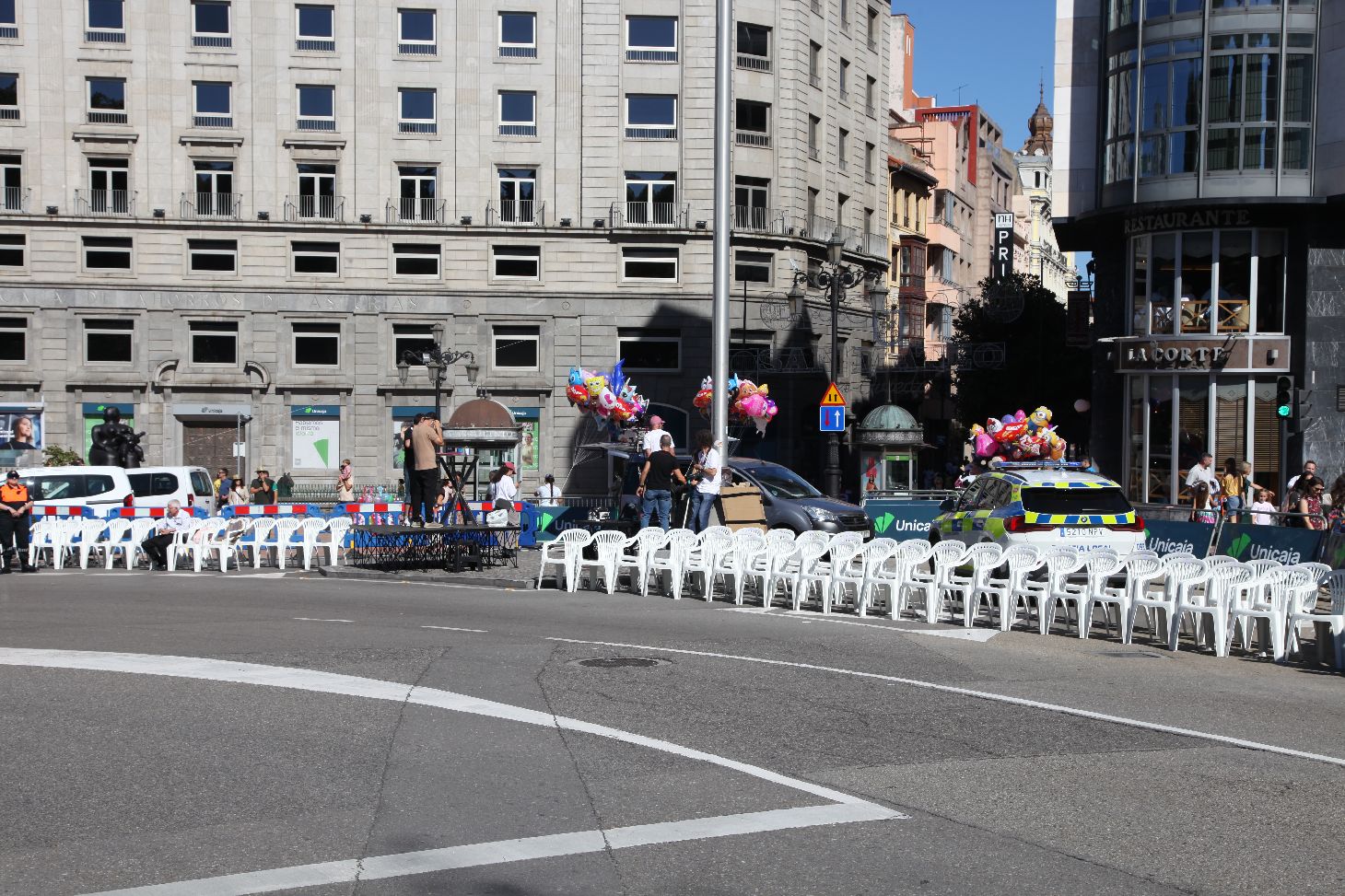
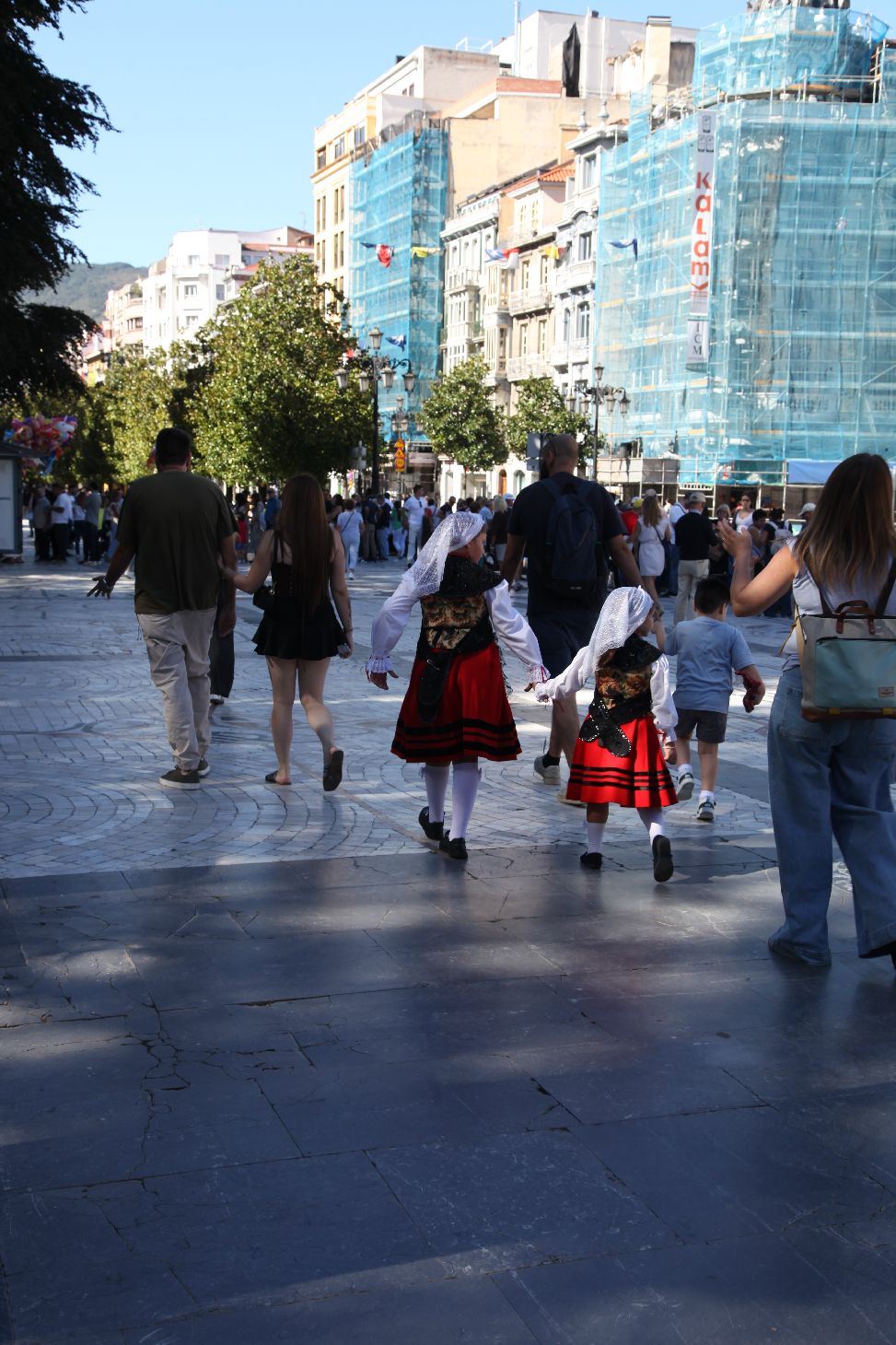
It’s been going on for over 7 decades and it’s intended to honour Asturian emigration to Latin America. From the late 19th century until the mid-20th century, the Americas were the continent chosen by thousands of Asturians seeking a better life and better fortune. Those who returned were known as “Indianos” and their money helped modernise the places they returned to with the construction of schools, water systems, roads, and highway repairs. It also includes the “haigas”, great big American cars that the returnees brought back with them. The first parade was held on September 23, 1950, and it’s clearly still going well. The barriers were in place and a VIP area had been set up on the corner of the street. There were people perched atop some of the statues in the park, and several small children in traditional dress were running around while their parents tried to keep them looking presentable. With around 250,000 people coming out to watch, it’s fair to say the whole town was definitely “en fete” to steal a French phrase.
After that we attempted to head back to the Fine Arts Museum – only to discover that the opening hours are different on a Saturday and they were not going to reopen until 17.30 (staying open until 20:00). So we wandered a little further into the streets and discovered one of the oldest parts of the University of Oviedo.
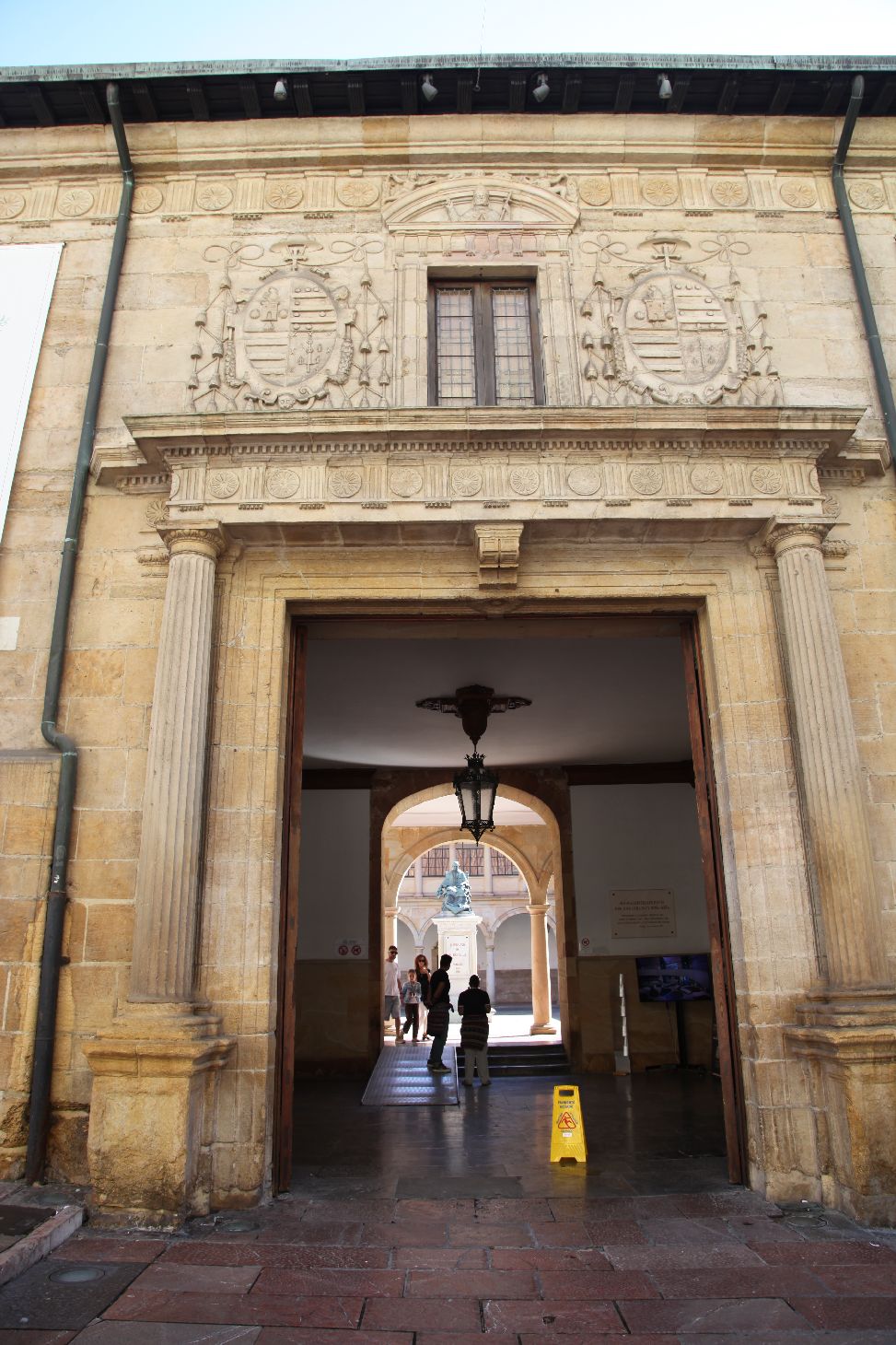
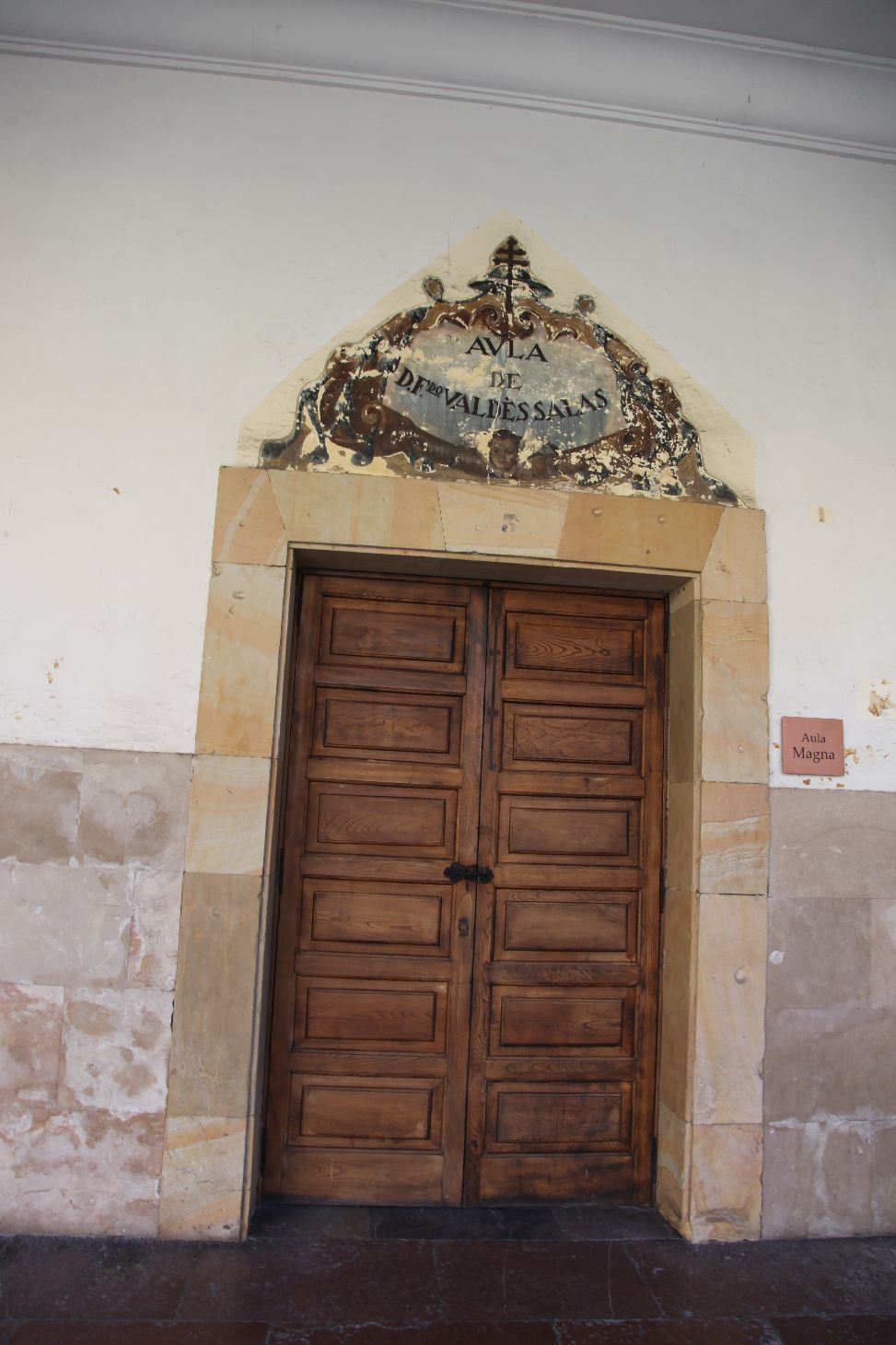
The university is – at least from the prospect of someone who went to Oxford – quite new being a mere 400 years old. It was founded as the result of a bequest from Fernando de Valdés, Archbishop of Seville, Inquisitor General, and President of the Council of Castile. The university was granted its legal charter through a papal bull of establishment issued by Pope Gregory XIII in 1574 and the academic institution was established under the patronage of King Philip III in 1604. The university building was inaugurated on September 21, 1608, on the feast day of Saint Matthew.
Around 100 students enrolled initially with the arts, canon law, civil law, and theology to choose from. In 1618 changes to the curriculum and the governance of the university were made – matters that had not been addressed in the original statutes. New revenue sources were made available by King Philip IV which meant he was considered to have “re-founded” the institution.
Financial hardship persisted throughout the first half of the century, though it was somewhat alleviated by King Philip IV, who granted new sources of revenue to the university, thereby earning the distinction of being considered the “re-founder” of the Oviedo academy. Whoever you want to hold responsible, the building is splendid. Here’s what the official website says: “The original design for the Historic Building was the work of master architect Rodrigo Gil de Hontañón, who had previously contributed to projects at the universities of Salamanca and Alcalá de Henares. Due to his advanced age, the oversight of the construction was passed on—first to master Juan del Ribero, and subsequently to Diego Vélez. Numerous conflicts and disagreements between the architects and the executors of the founder’s will led to significant delays. In 1578, during a visit to Oviedo by the founder’s illegitimate son, Juan Osorio Valdés, major changes were introduced; these necessitated the demolition of a substantial portion of what had already been built, causing further considerable setbacks. The structure was completed in 1590, though some minor work continued in the following years, culminating in the construction of the bell tower and the stone masonry elements, which were finished in 1609.
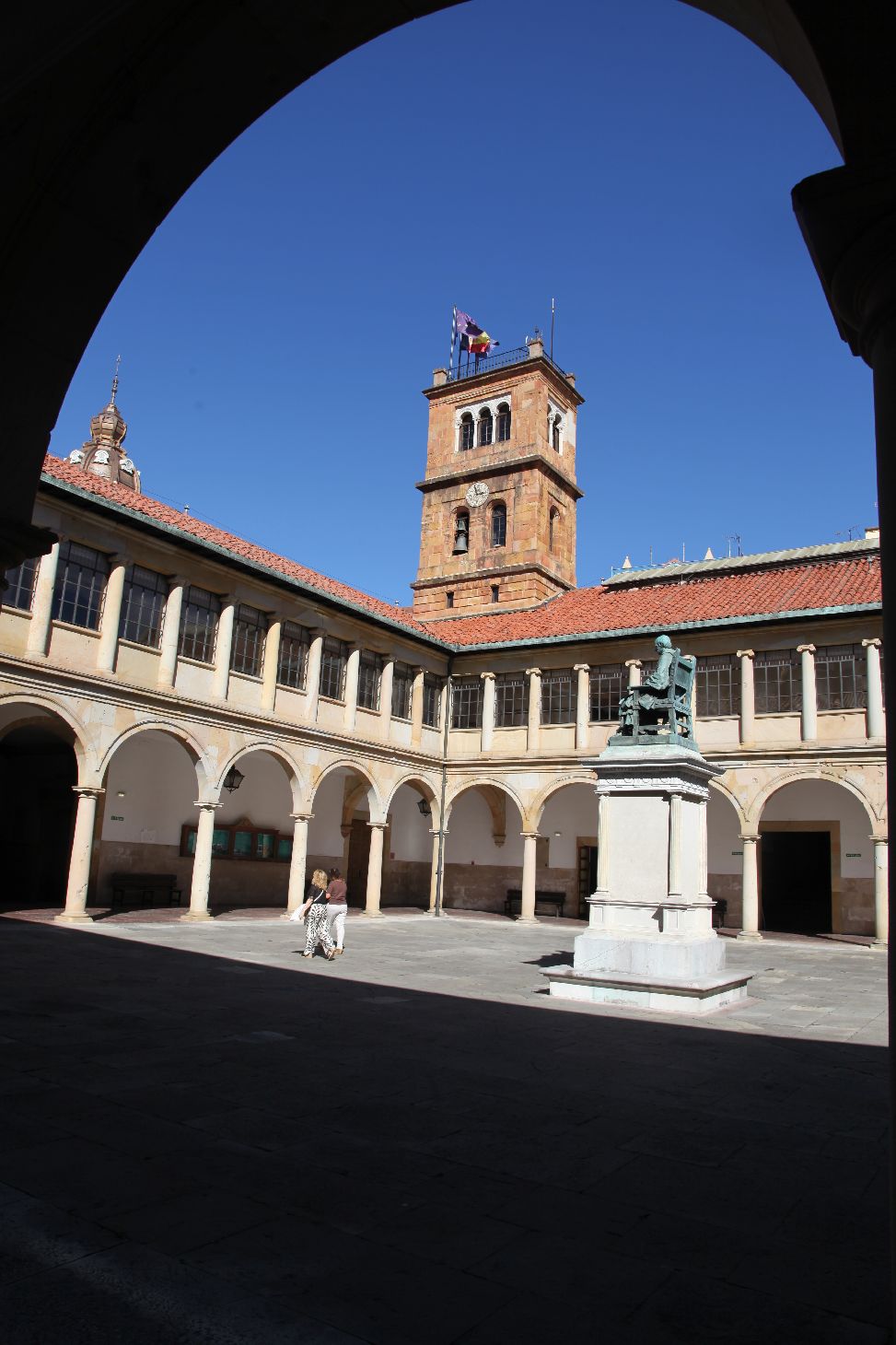
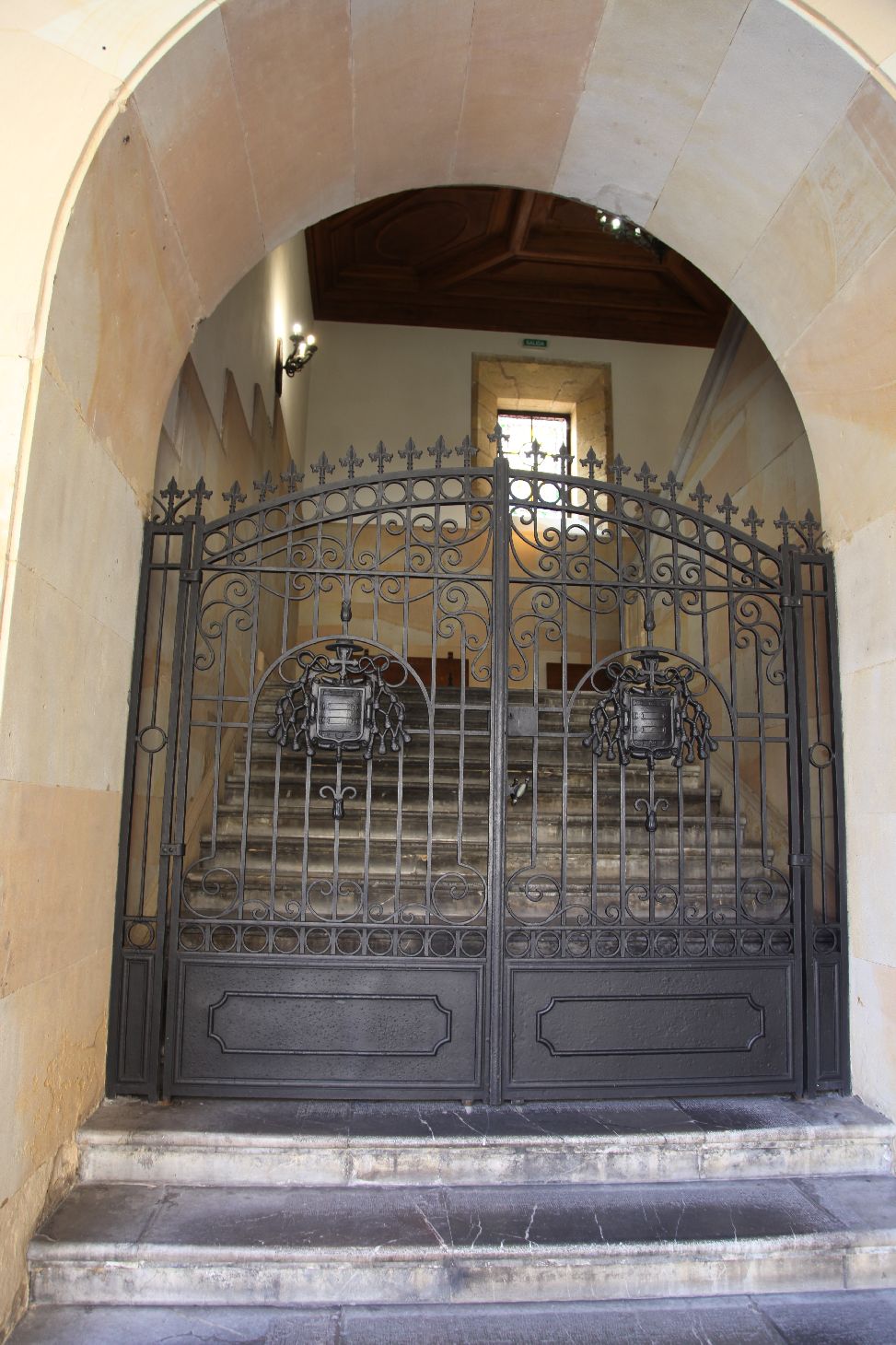
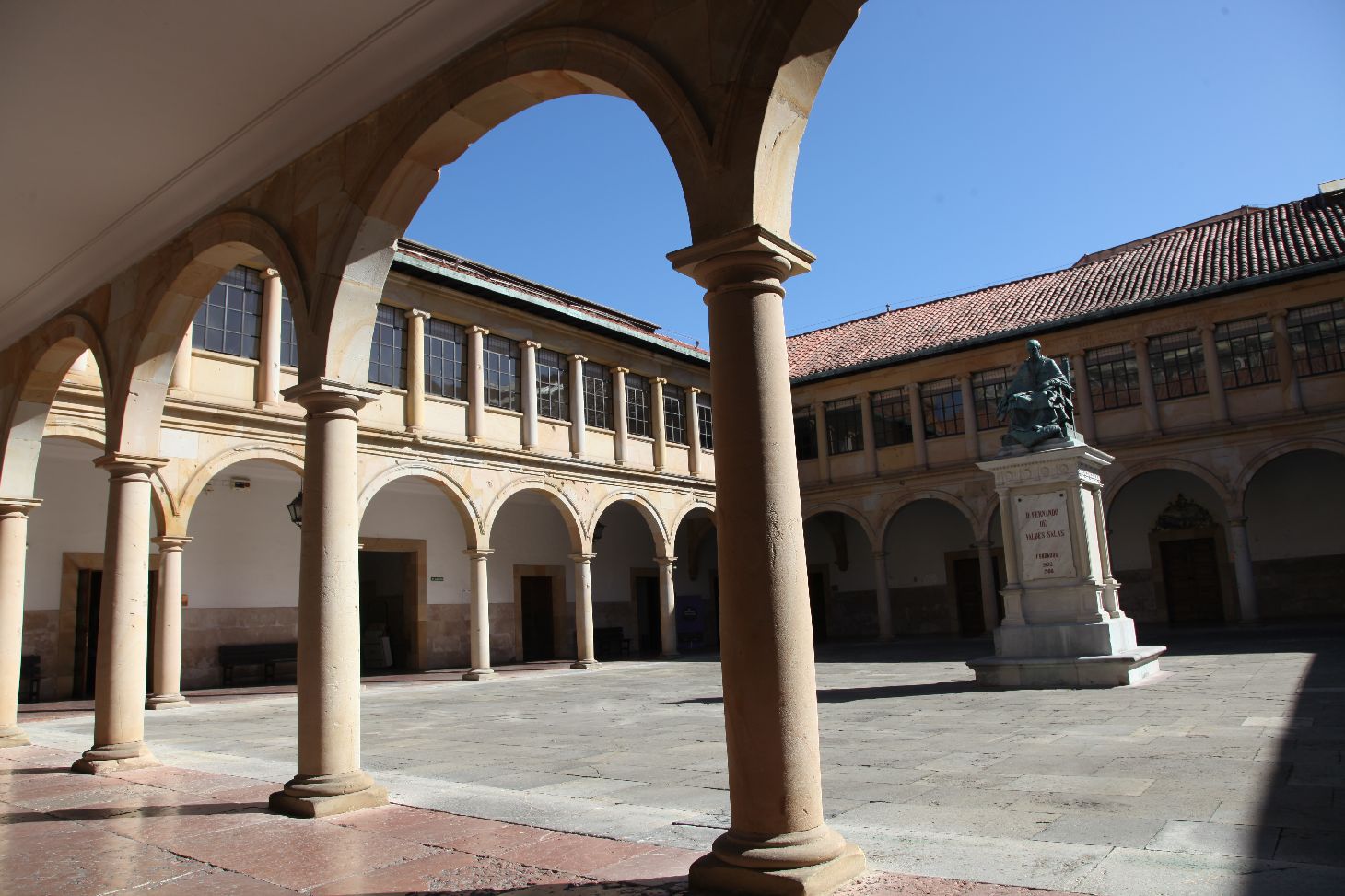
Despite the modifications introduced by Osorio Valdés, the building—as we know it today—retains the sense of austerity that defined Gil de Hontañón’s original vision. Trained in the Late Gothic tradition, the architect evolved toward a style with a distinct Classicist influence and a refined, minimalist approach to form. This is clearly evident at the University of Oviedo, where ornamentation is concentrated primarily on the main entrance, the secondary façade, the Valdés family coat of arms—positioned at the four corners of the structure—and a frieze of rosettes and triglyphs that runs along the entire perimeter of the building.”
There’s a brief but very interesting history of the university inside the courtyard, including the details of what you had to do to receive your doctorate, which included organising a horseback parade, where you had to cover the cost of saddles for all involved in the ride, and hiring musicians. It seemed a little over-the-top to those of us who graduated in the 1960s and 70s in our party of four. Mind you so did the hats that are apparently still worn during the official opening of the academic year. They’ve been doing it since the very early 1600s so I don’t think they’re going to stop any time soon.
The colour of the hats (and academic robes) are dictated by subject). Red is for law and jurisprudence, light blue for humanities, philosophy, the arts, and philology, dark blue is for pure sciences (chemistry, physics, biology), yellow is for medicine and health sciences, orange is for economics, business, and social sciences, brown is for engineering, architecture, and technical studies, and purple is for pharmacy and psychology. There are a handful of exceptions, including the Rector’s cap which is completely black and anyone with a dual degree where the tassel is a split blend of the respective colours of whichever faculties the degrees are from. In addition, doctors wear an octagonal cap covered entirely in a dense, flowing silk fringe, which was what were on display in the courtyard. Licentiates and graduates wear a hexagonal version with a shorter, hanging tassel.
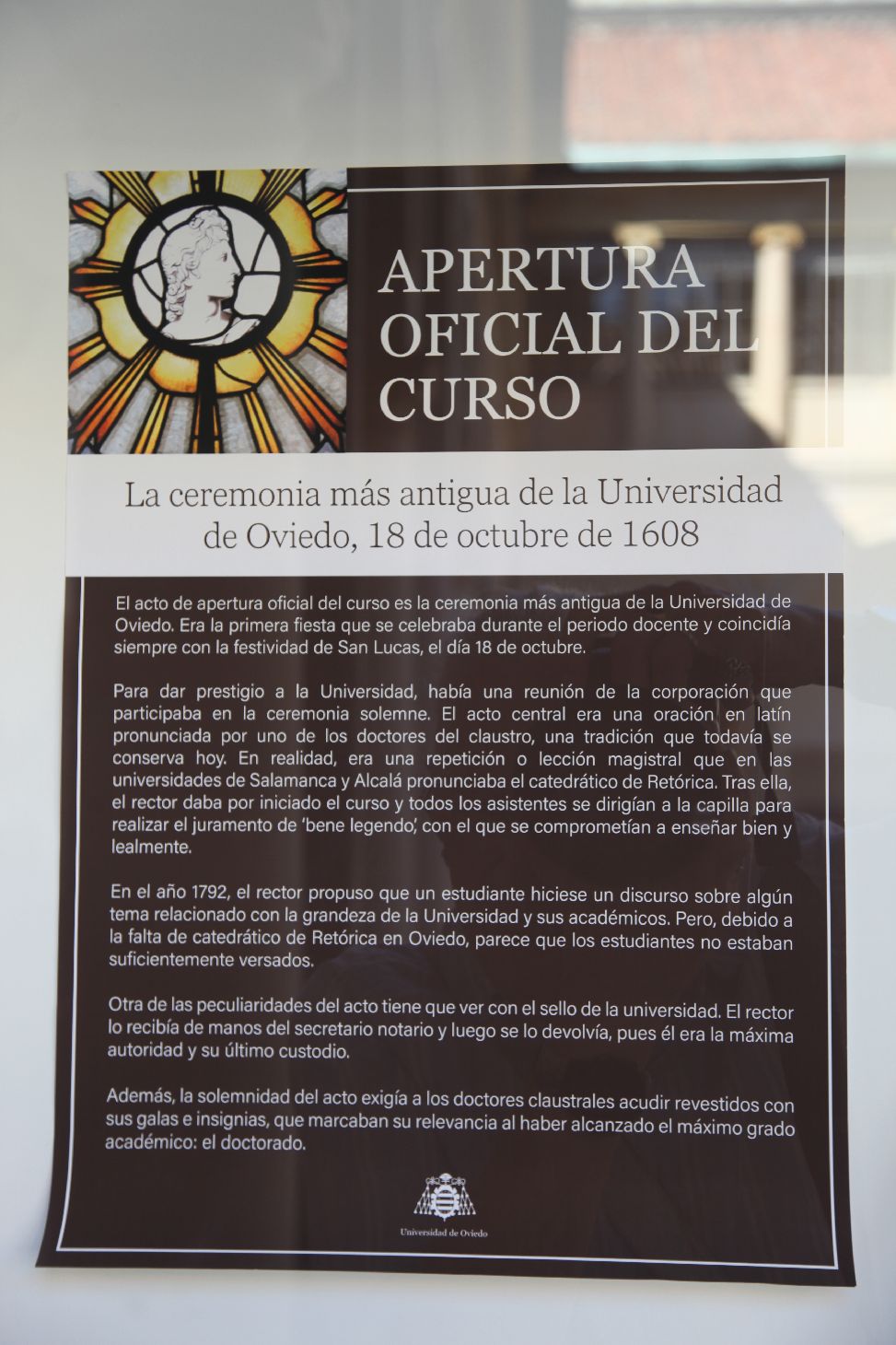
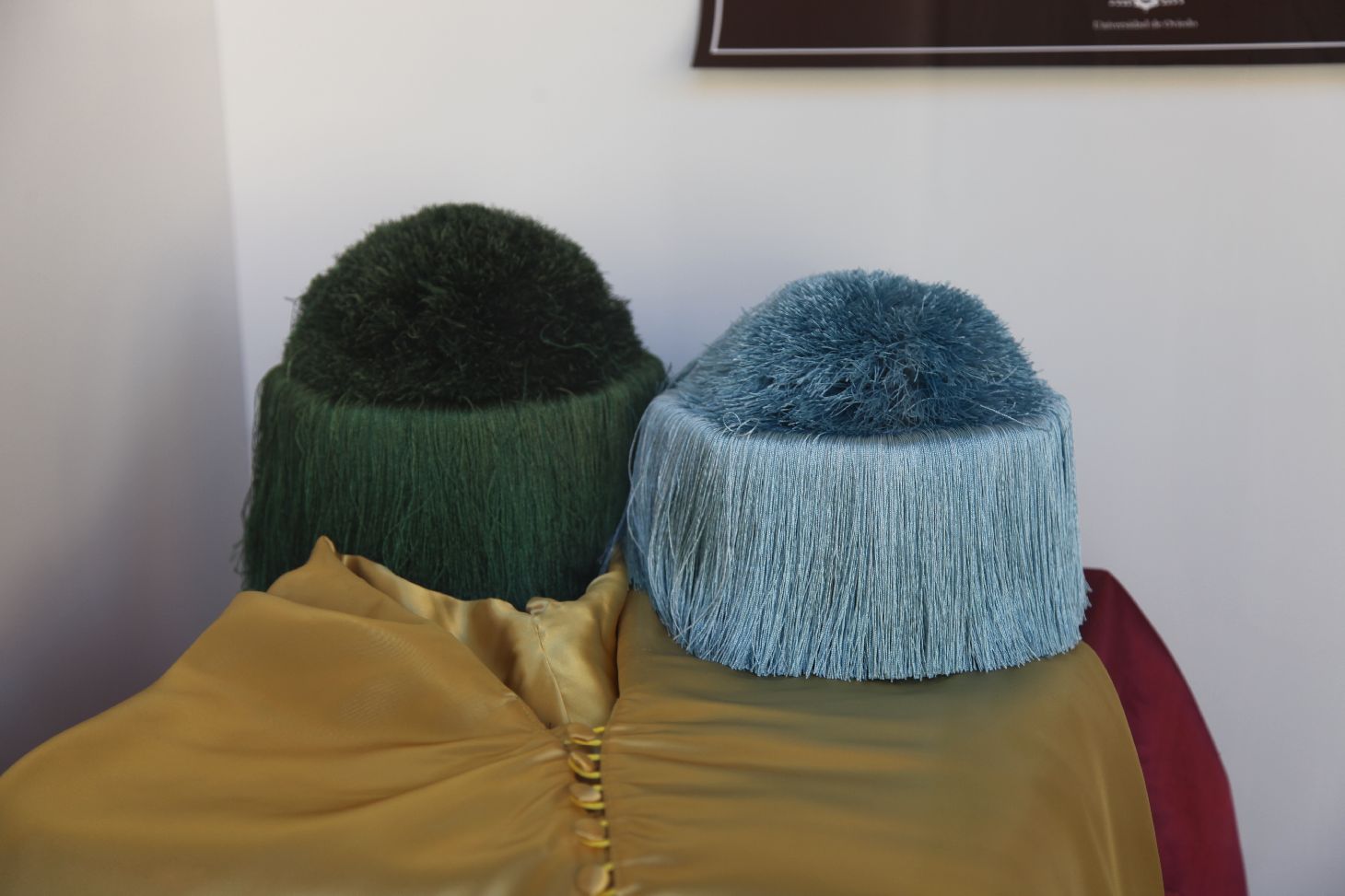
The hats are worn with matching coloured robes which makes it even more bizarre to those of us accustomed to the restrained sub-fusc of Oxford and the like. The hats (“birretes”) can only be worn once the procession has reached the ceremonial hall and the professors have taken their designated seats. Up to that point they must carry their caps on their forearms.
Most of the halls were not open, just the courtyard, but a couple of small rooms contained an interesting exhibition of work by 14 contemporary Asturian women artists. There was little in the way of explanation, but most of the works were pretty self explanatory.
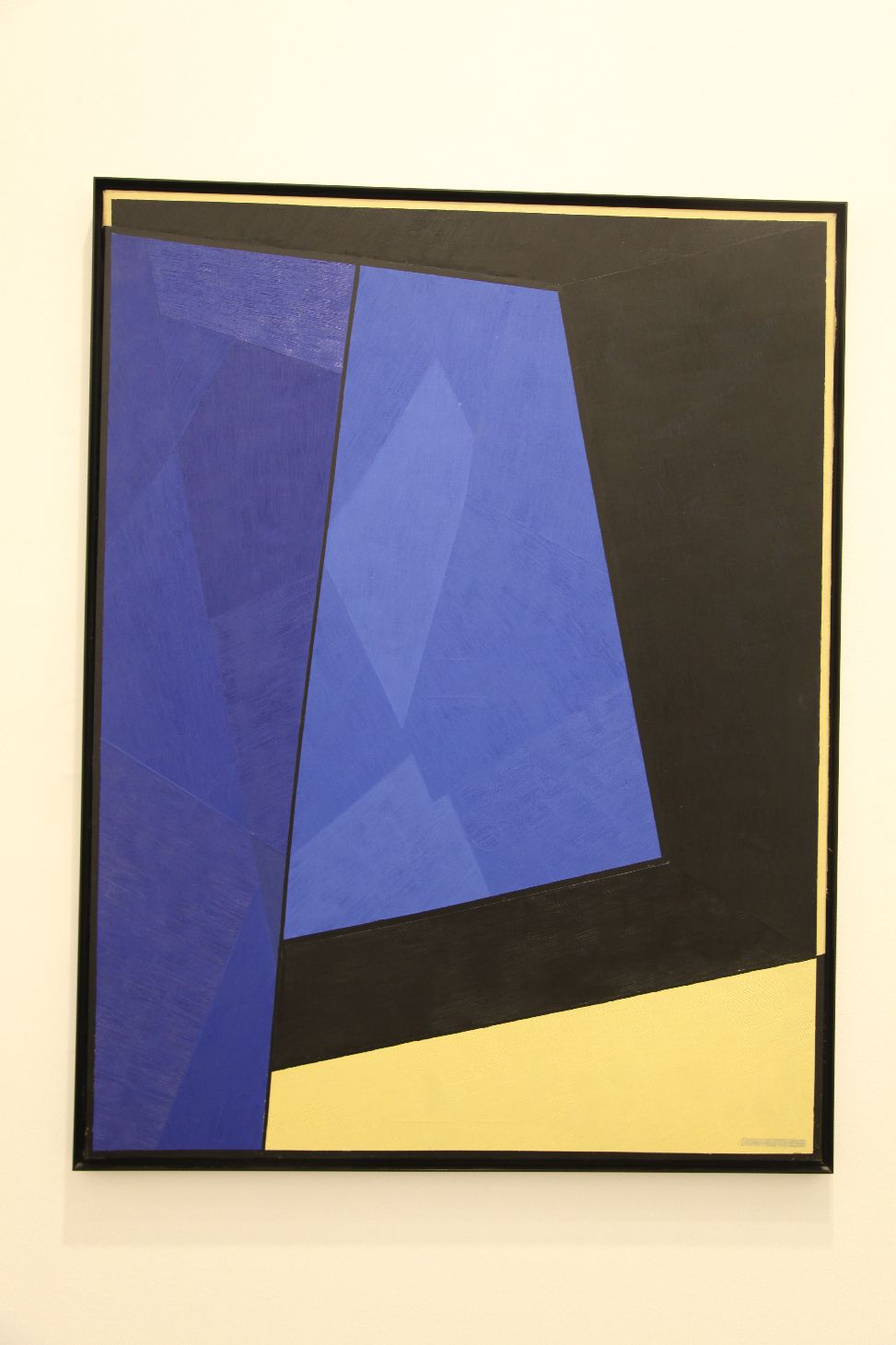
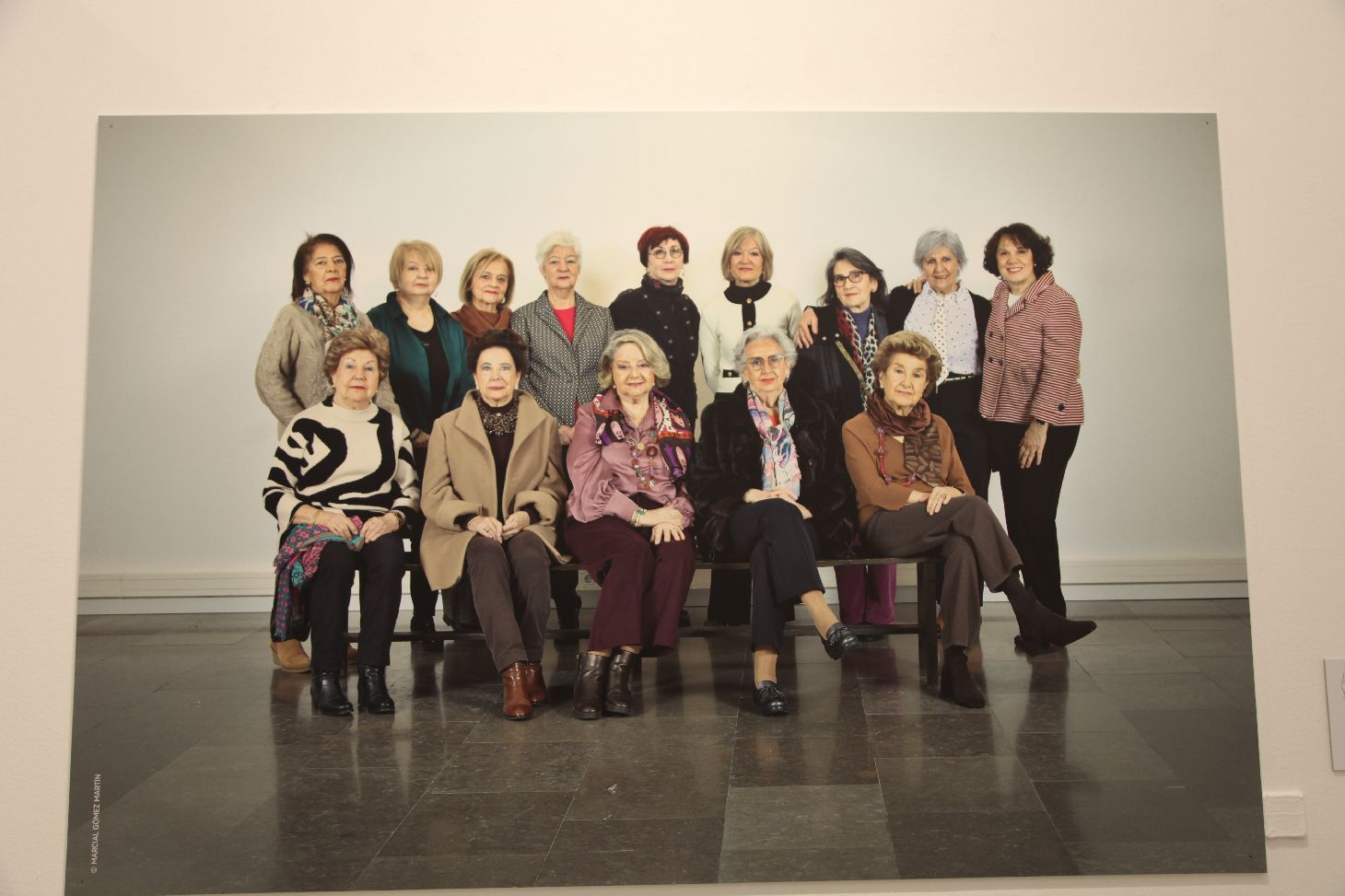
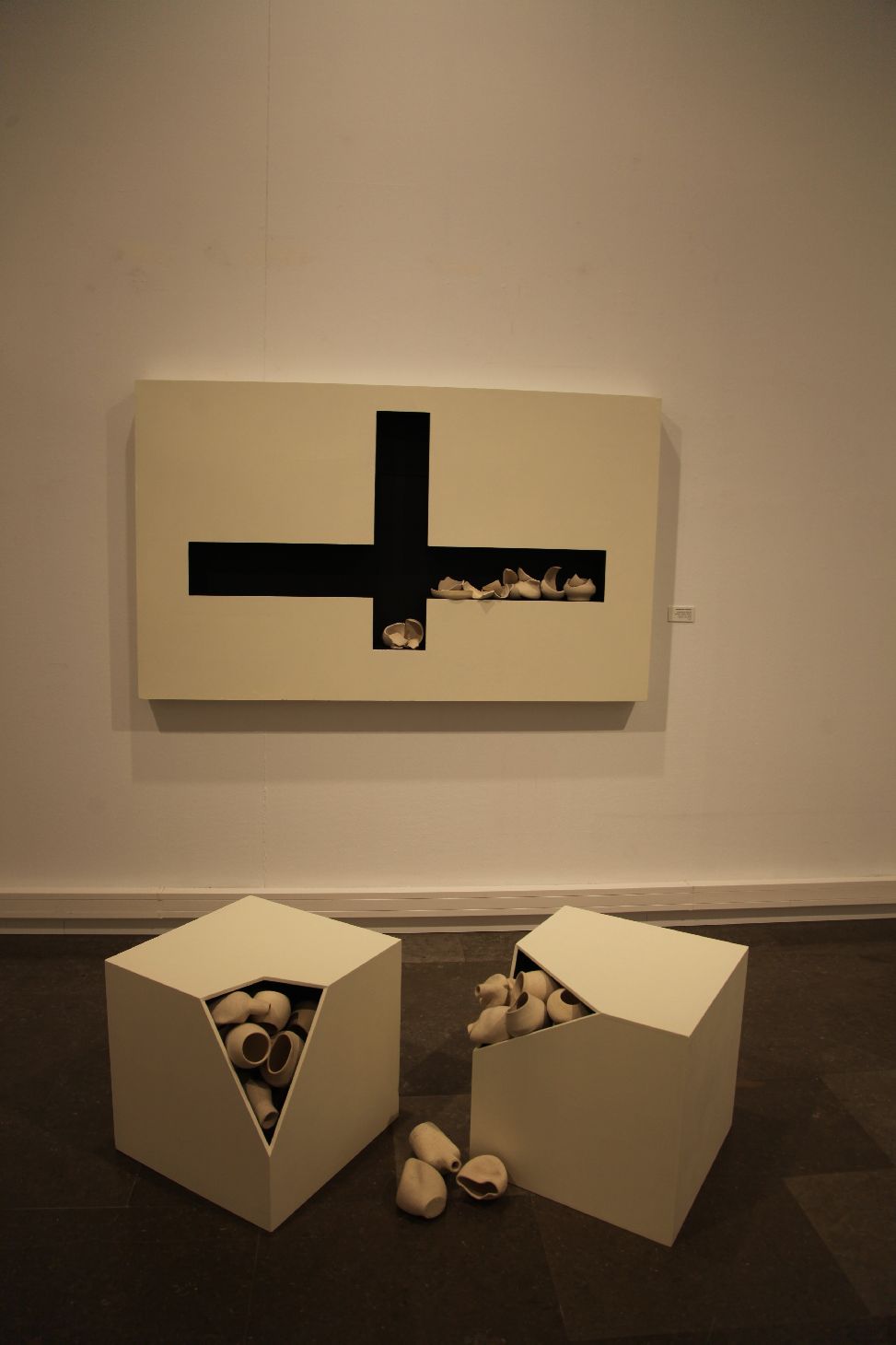
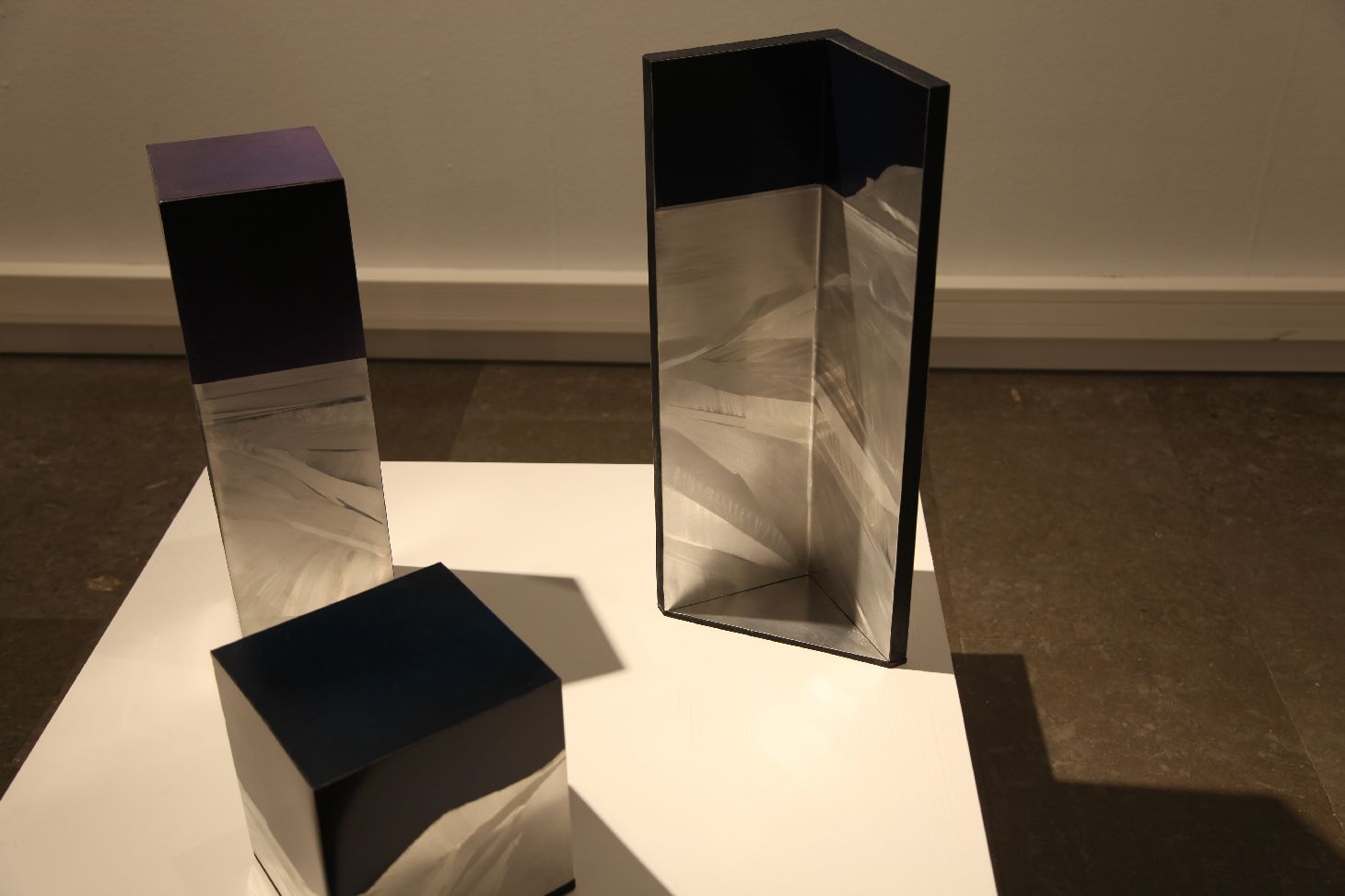
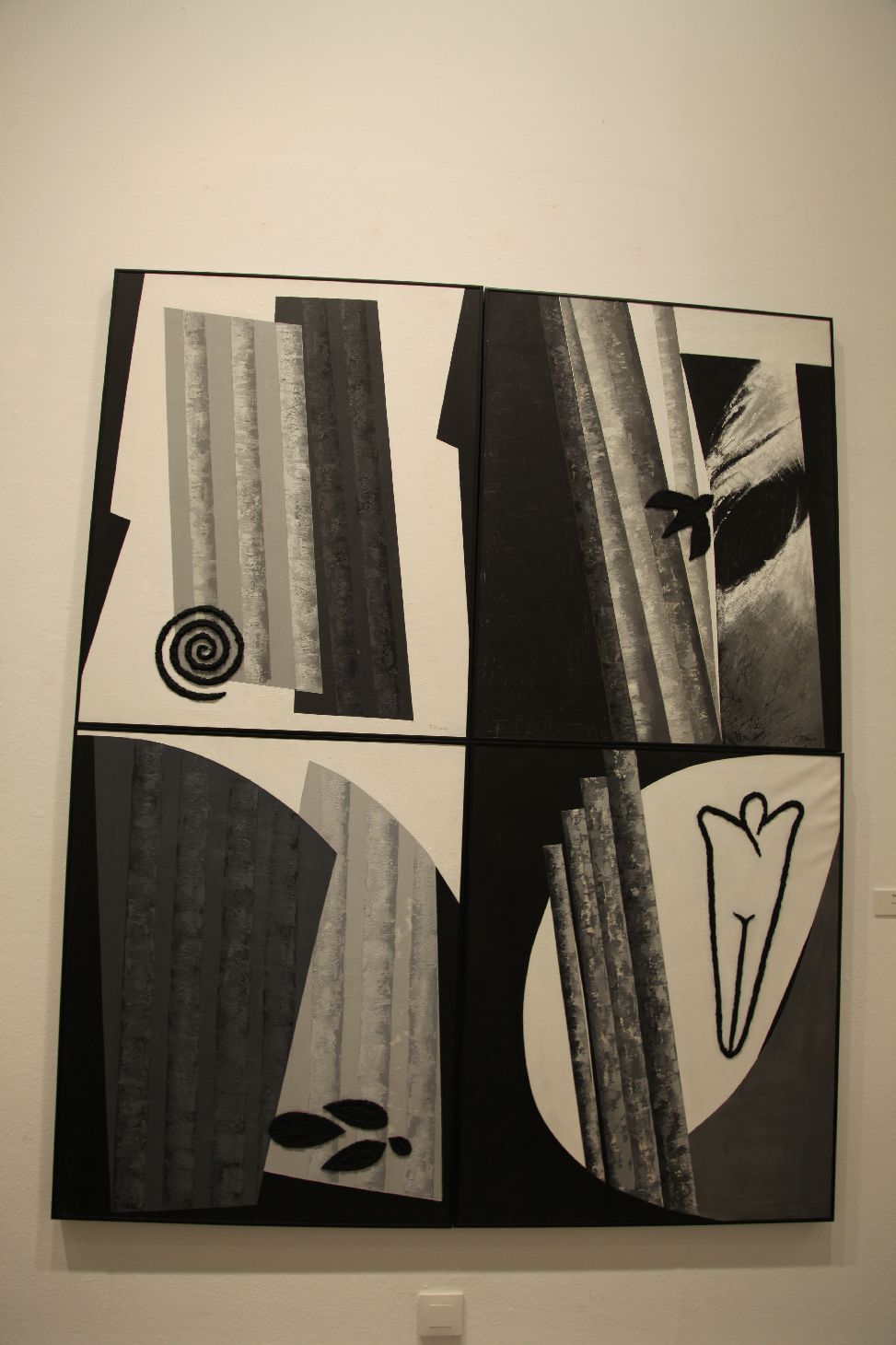
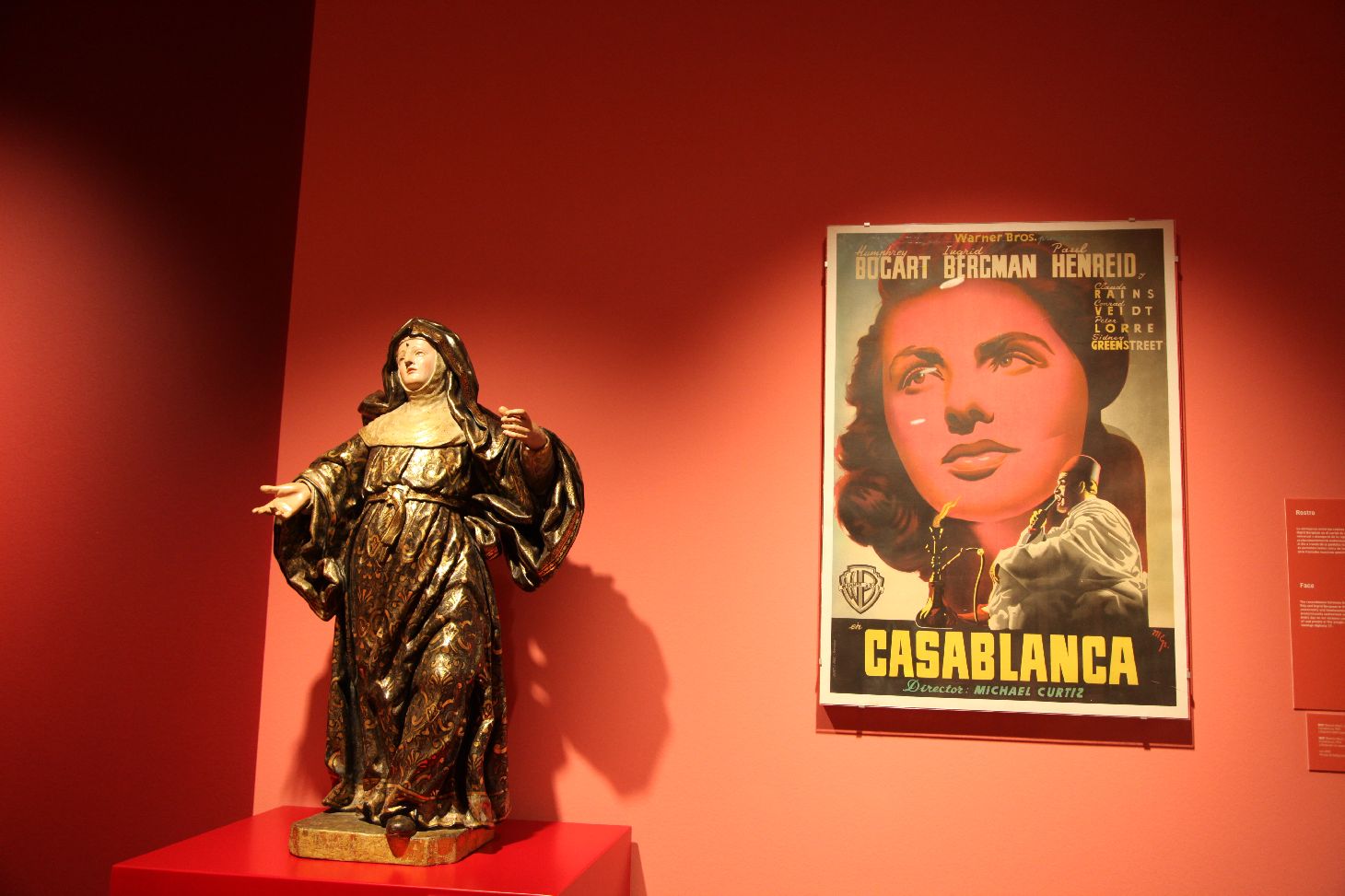
Once we’d exhausted the possibilities of the university (and despite a certain amount of jokey comments about “johnny come lately” establishments) we made our way back through the parade crowds to the Fine Arts Museum where we took up the tour where we’d left off. We soon found a very interesting section that I think must have been a follow on from an exhibition in 2014 where Paco Cao, an artist, organised a “Museum Beauty Contest” which served to match living people with their historical portrait doppelgängers. The current incarnation matches modern works rather than living people with historical counterparts.
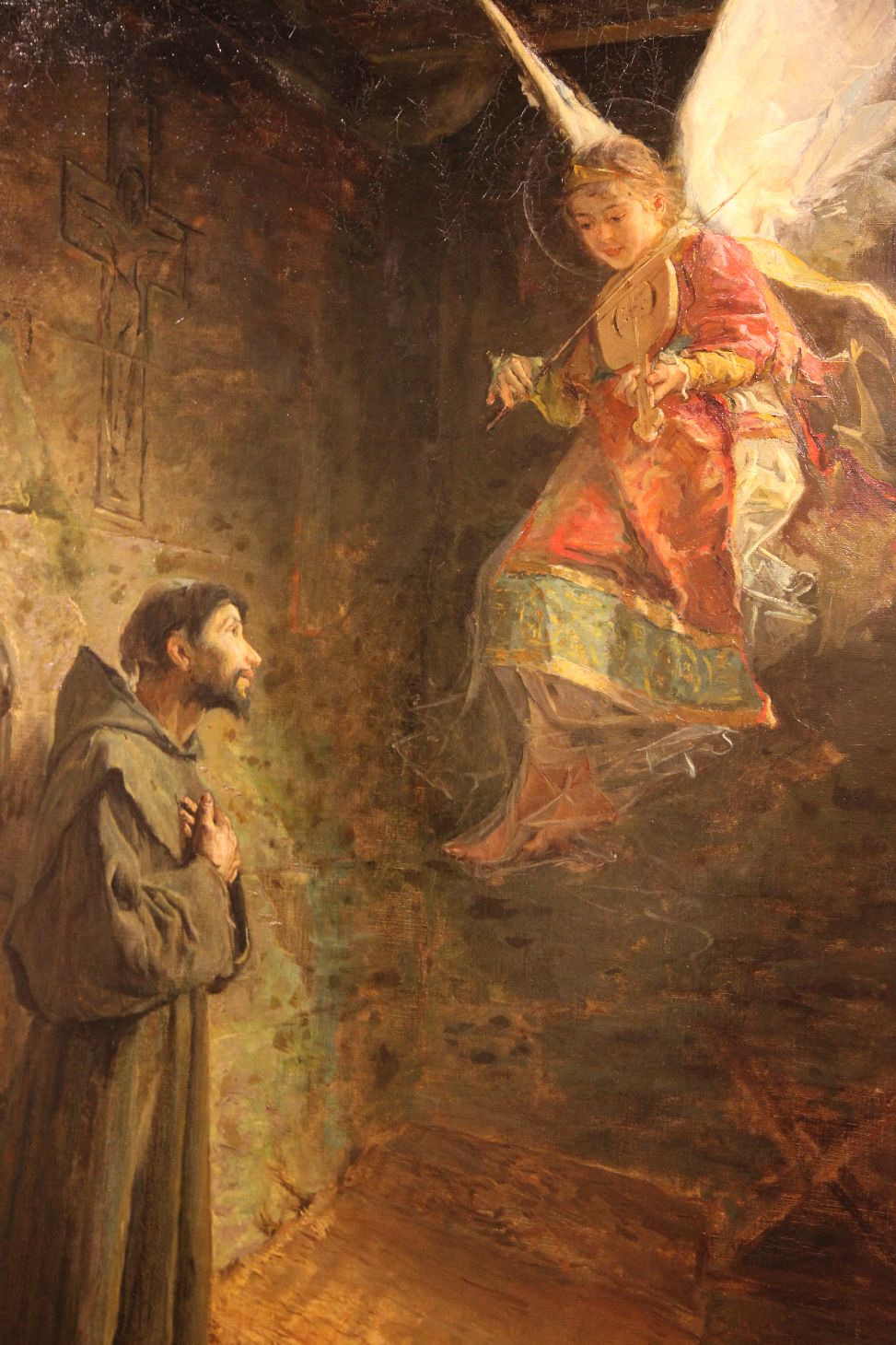
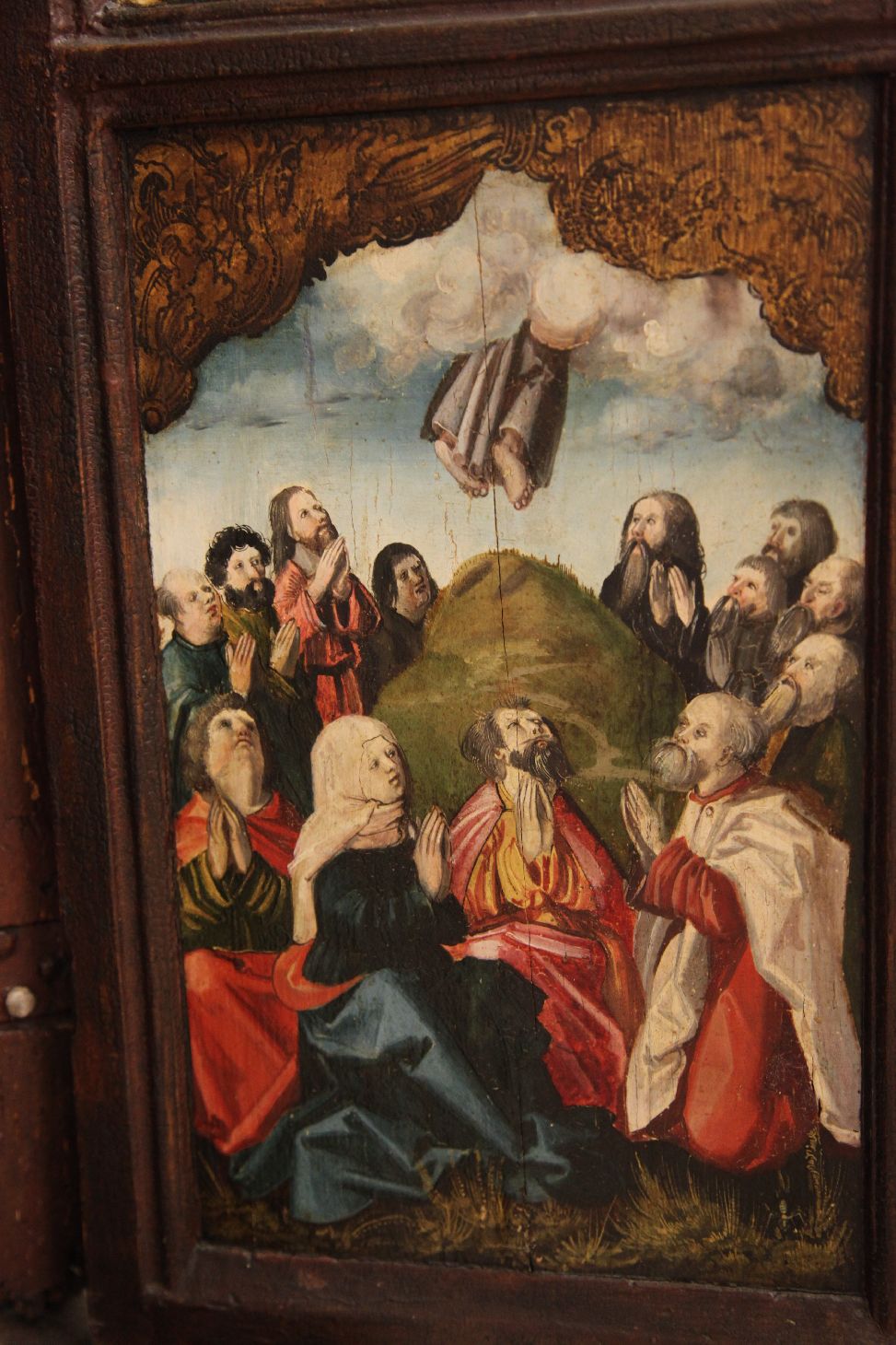
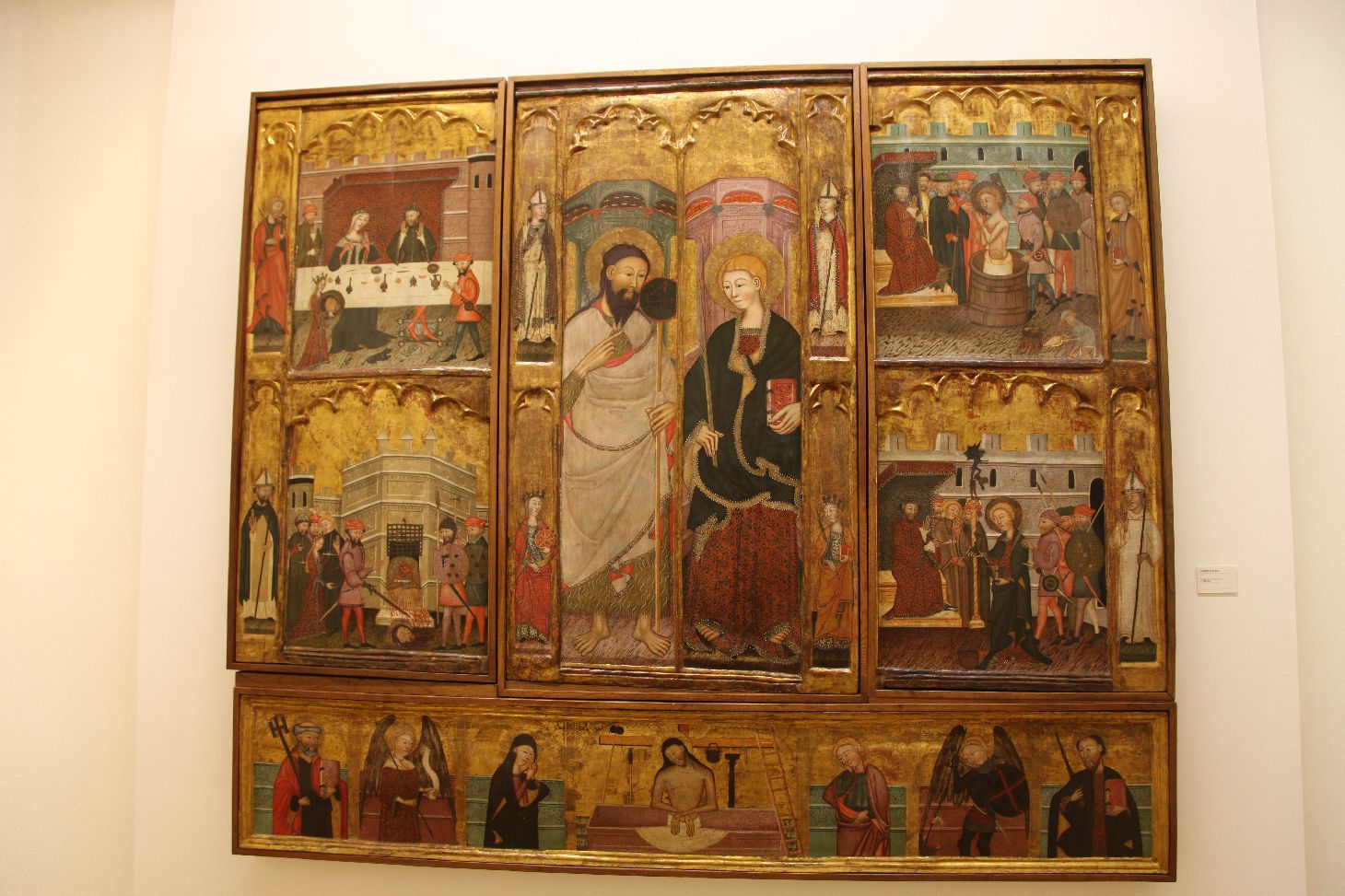
The collection at the disposal of the museum is really quite remarkable for what could be seen as a smallish city that has had periods of obscurity, but then when you consider the money that flowed back from the Americas perhaps it’s easier to understand. We were nowhere near closing time but we had to speed through a lot of the rest of the collection. We did stop to admire the fine selection of medieval religious art though. I was particularly amused by the painting in the top left corner where the watching disciples and followers seem particularly surprised by what’s happening!
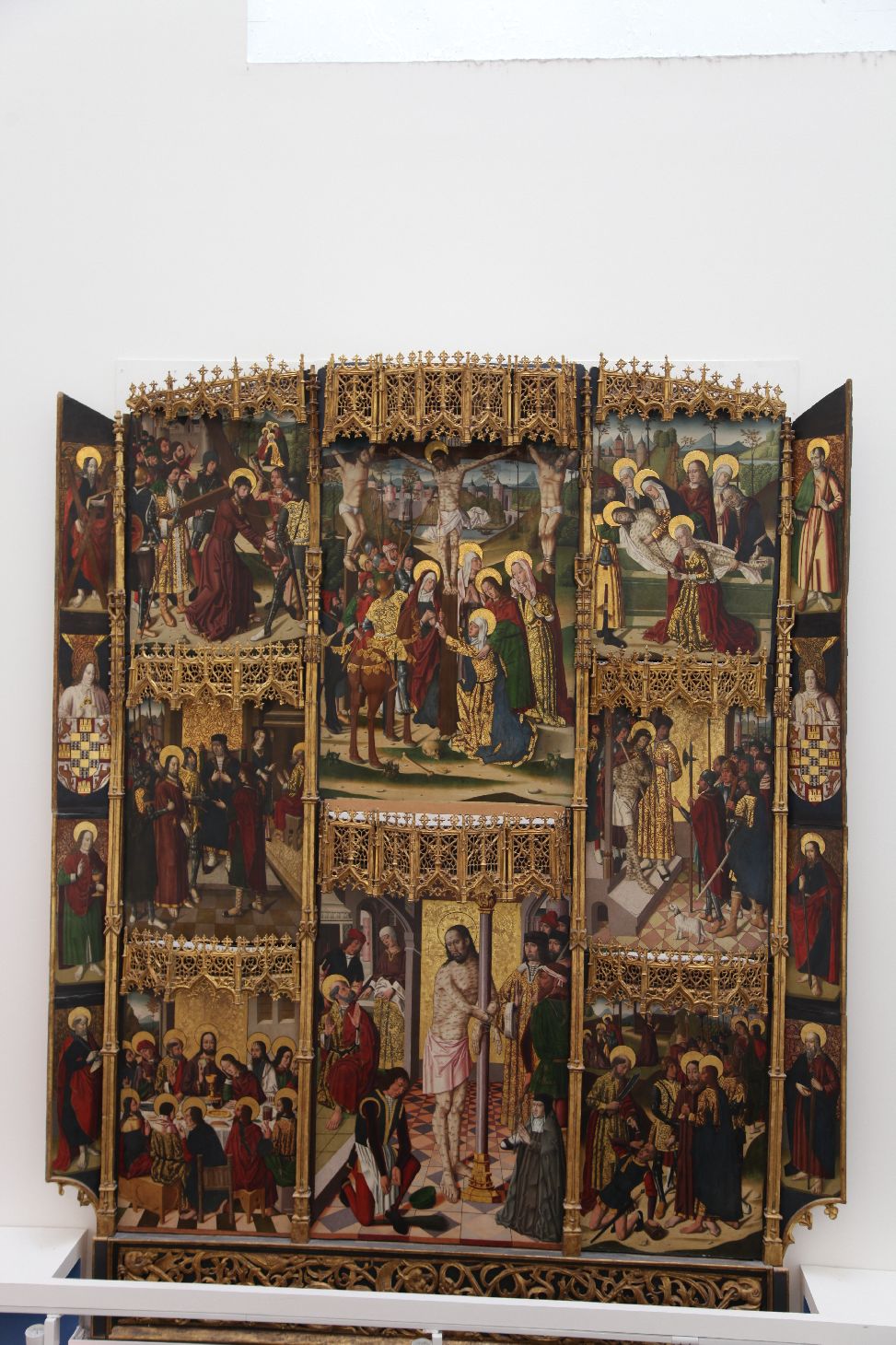
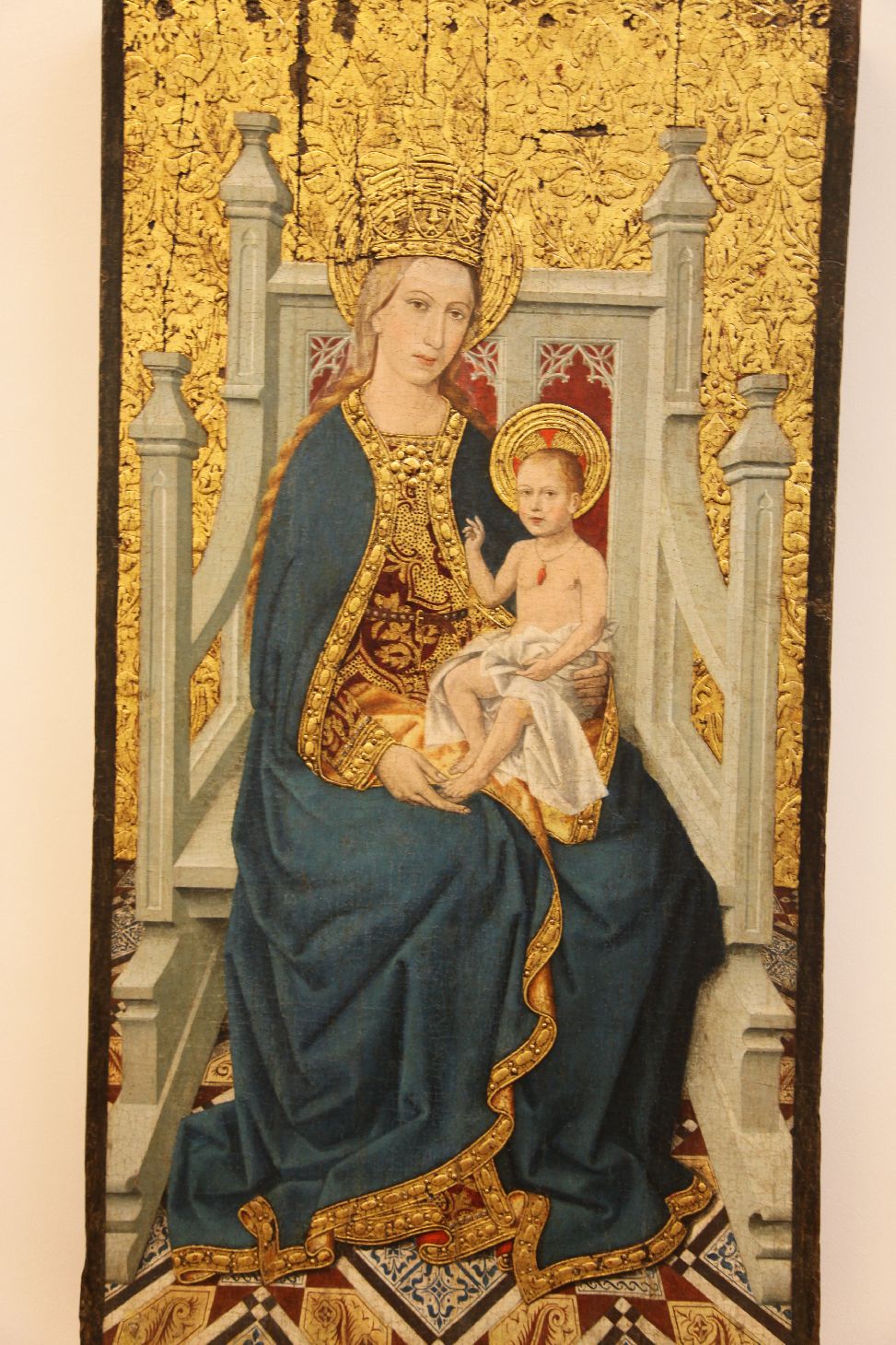
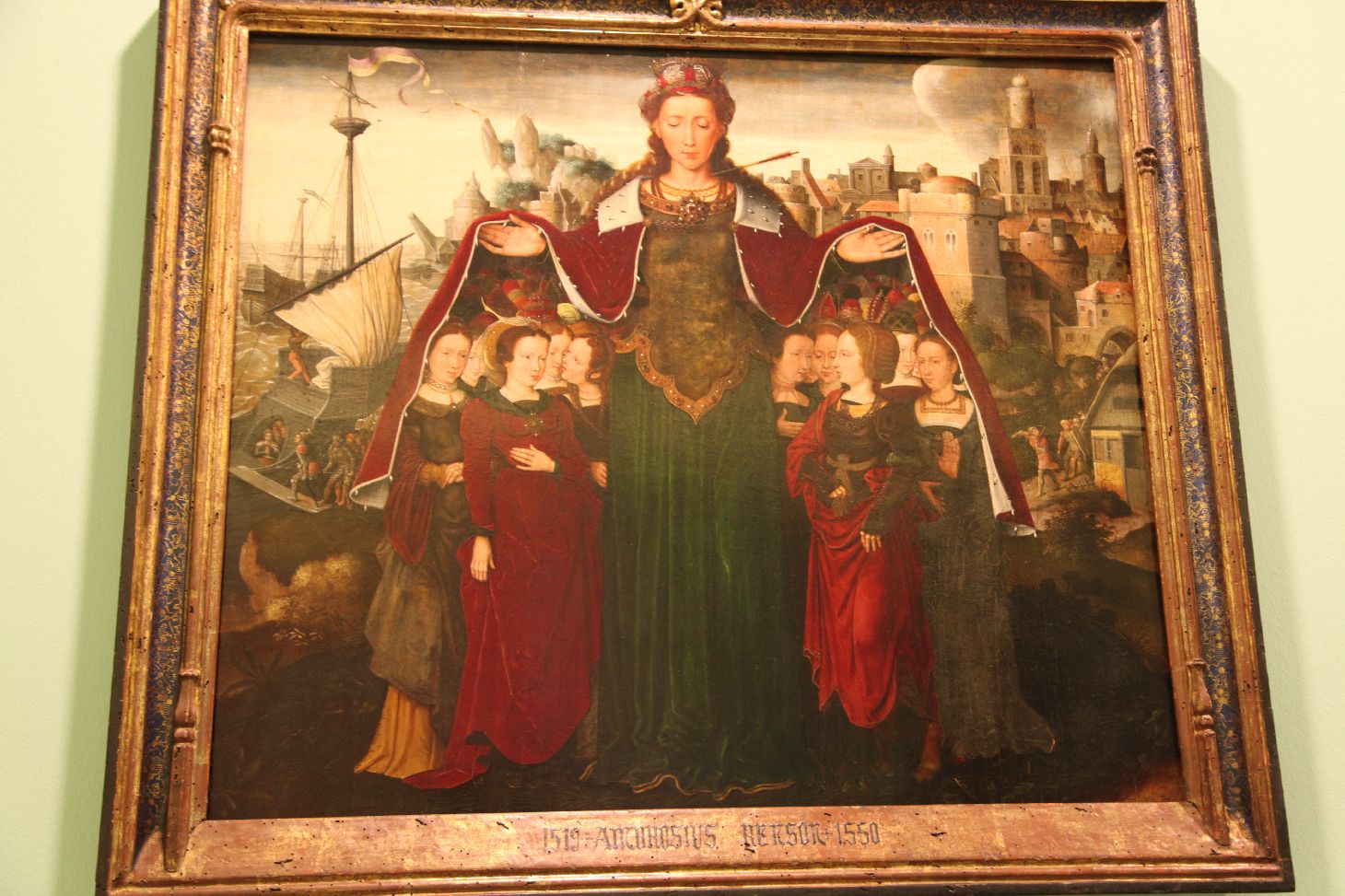
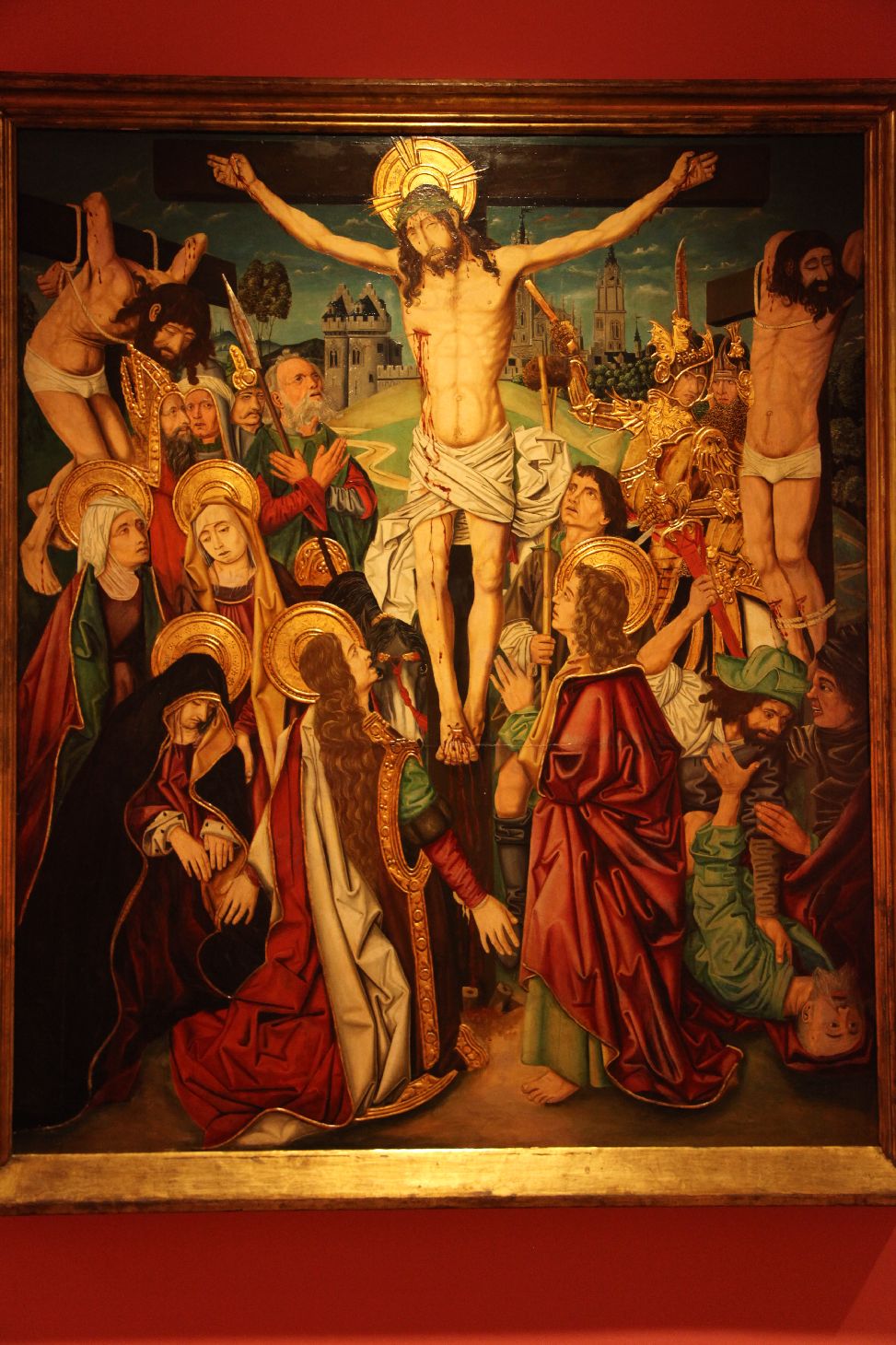
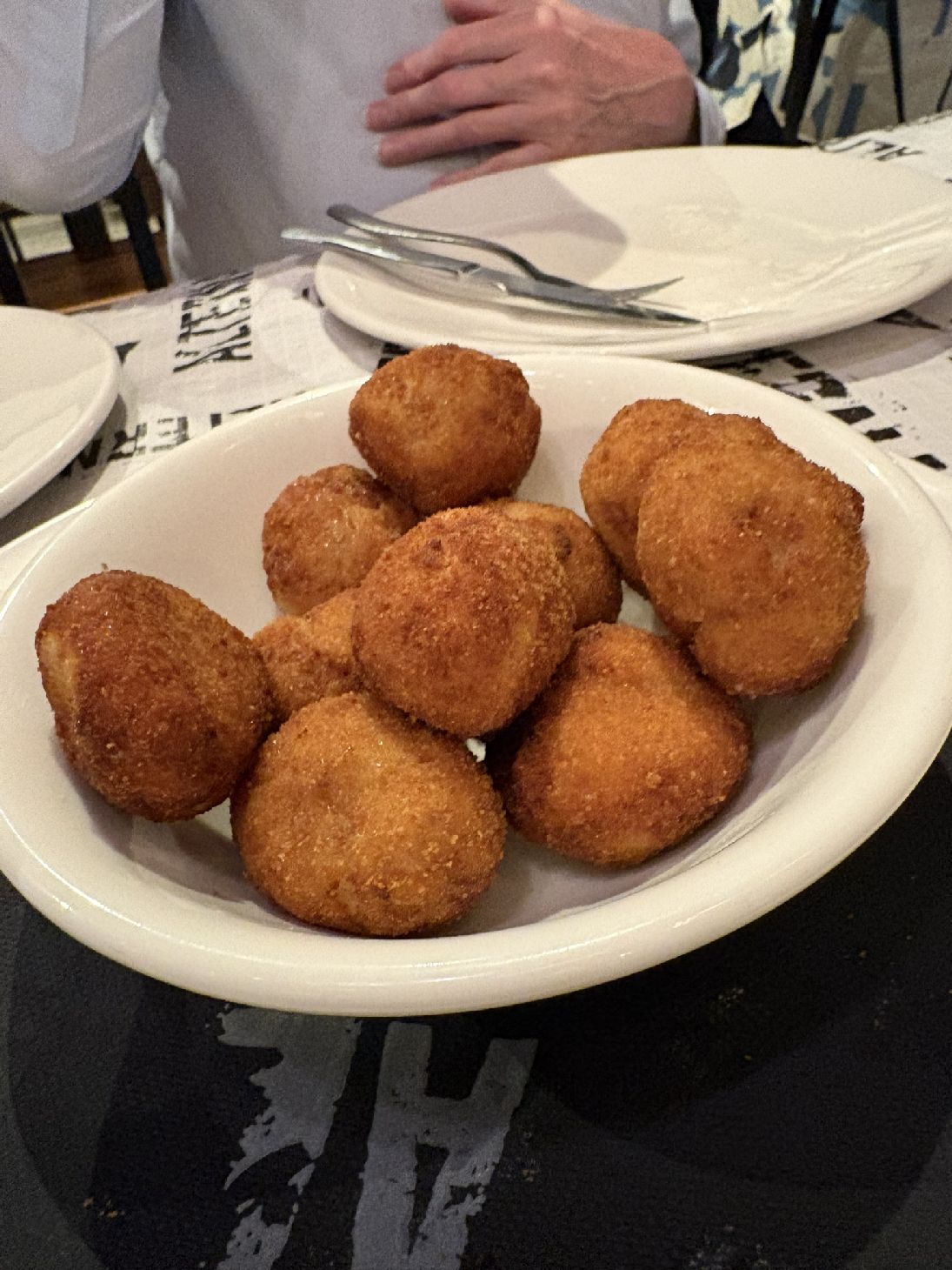
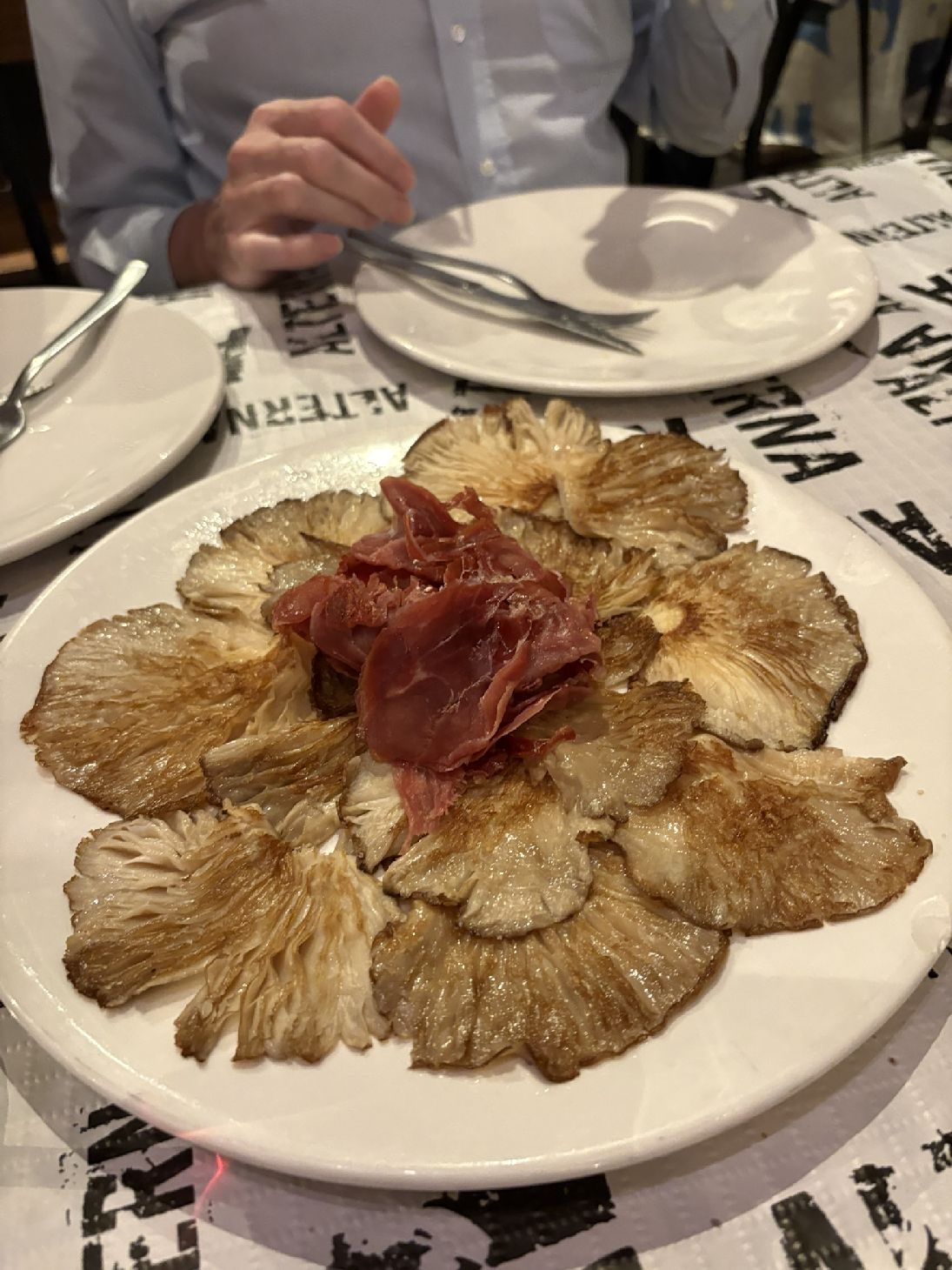
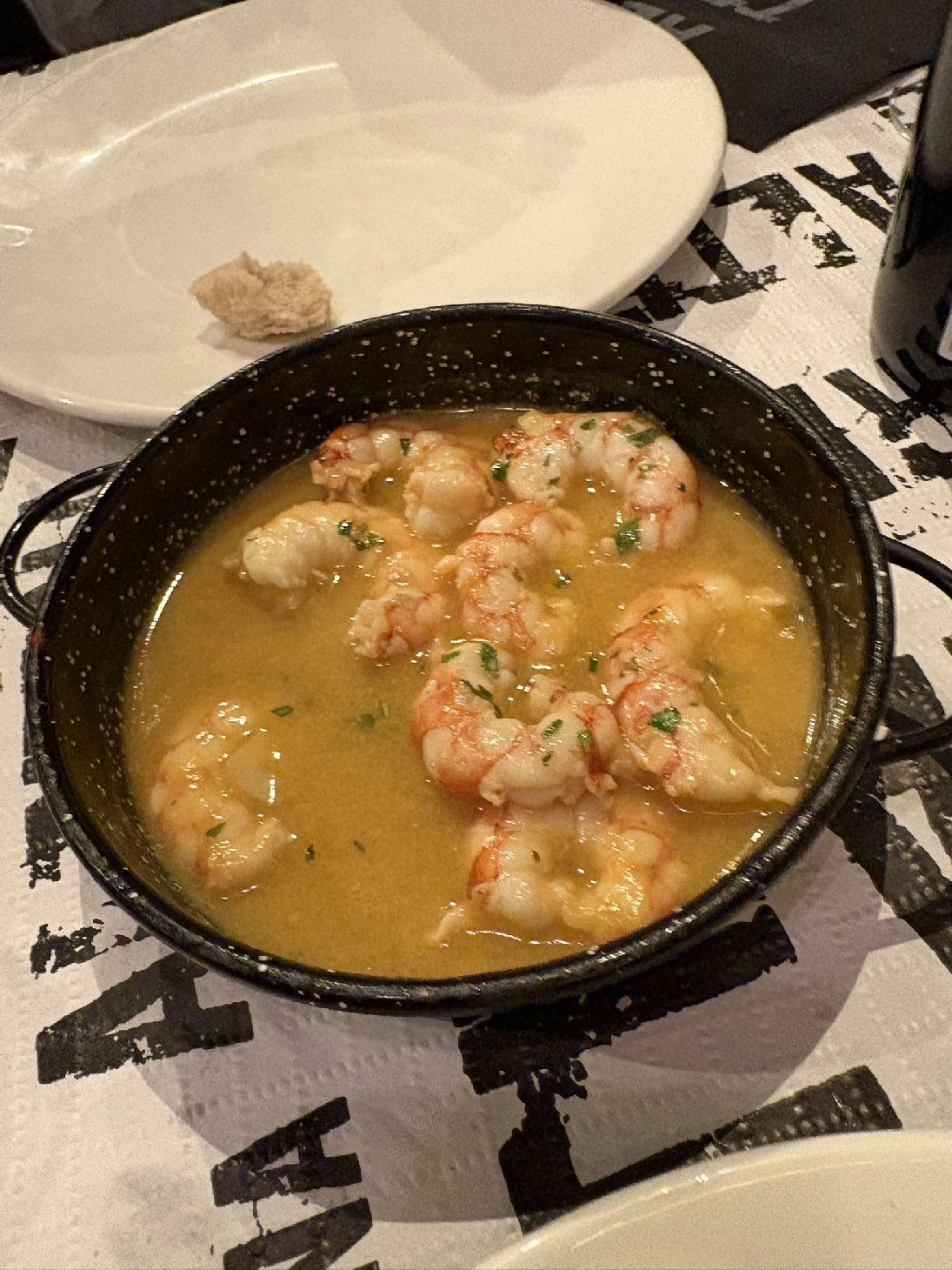
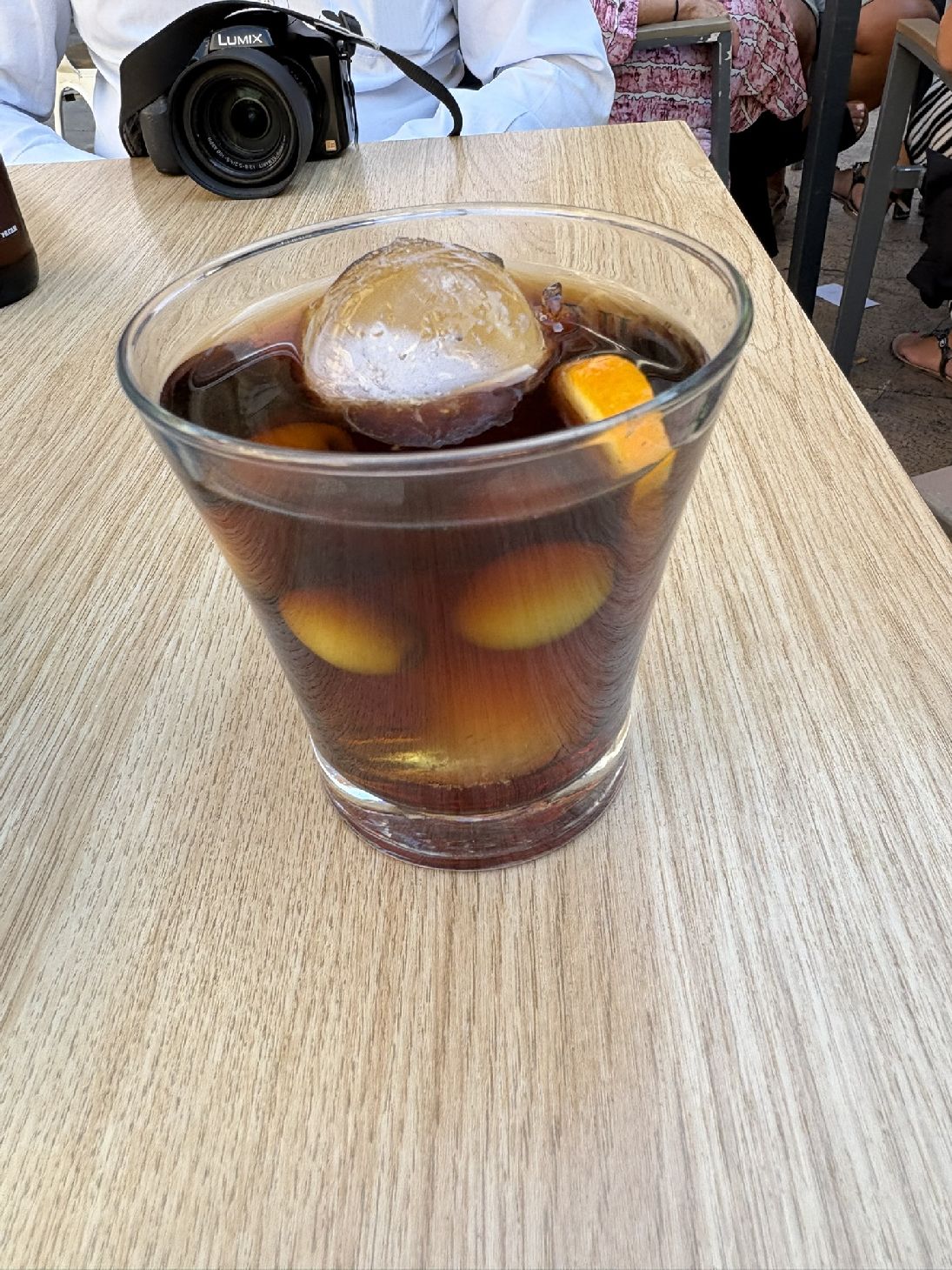
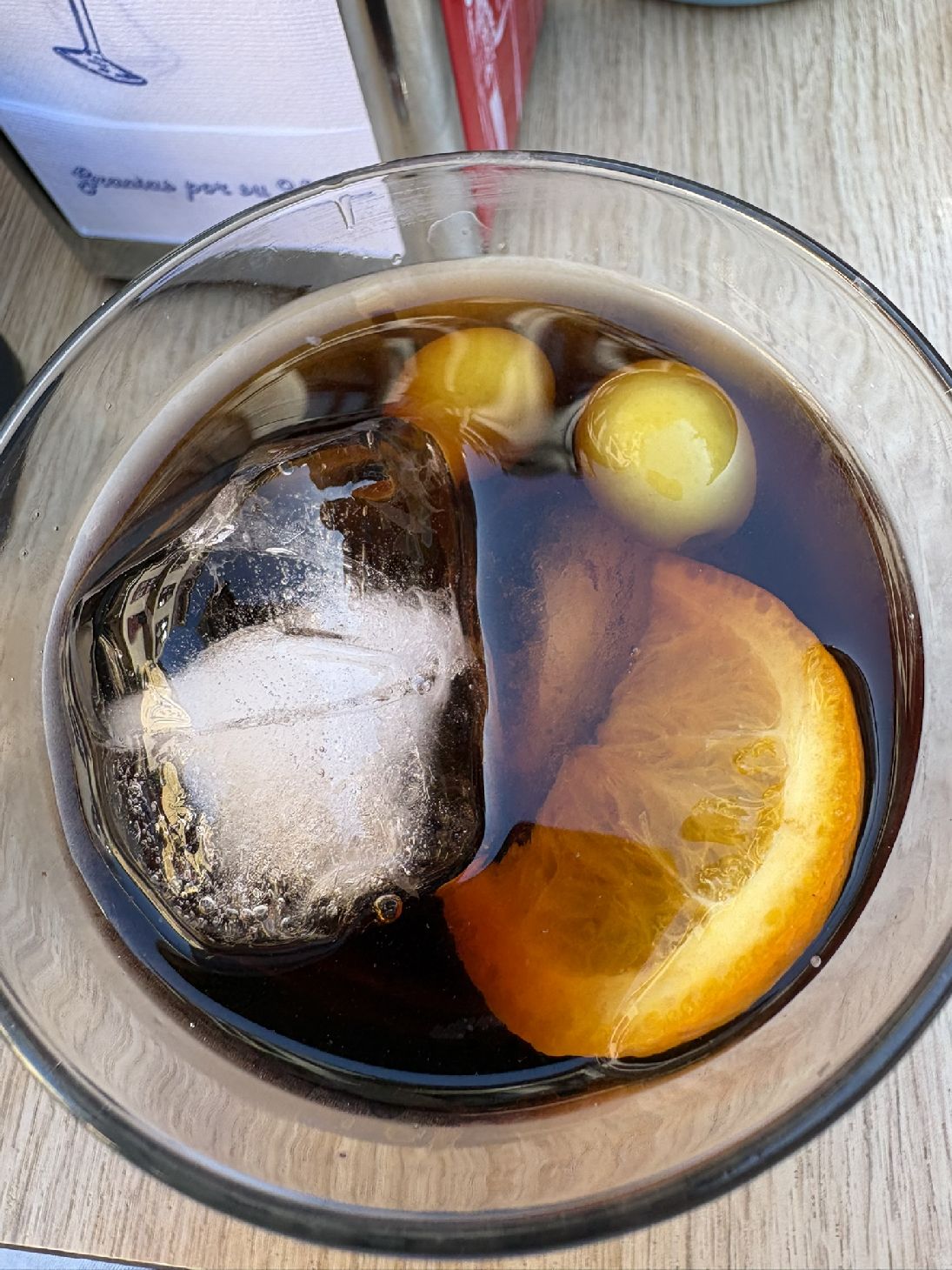
After that it was time to go and get cleaned up and ready to go out. On the way we stopped off for vermuts and then went for dinner at Alterna Sidreria.
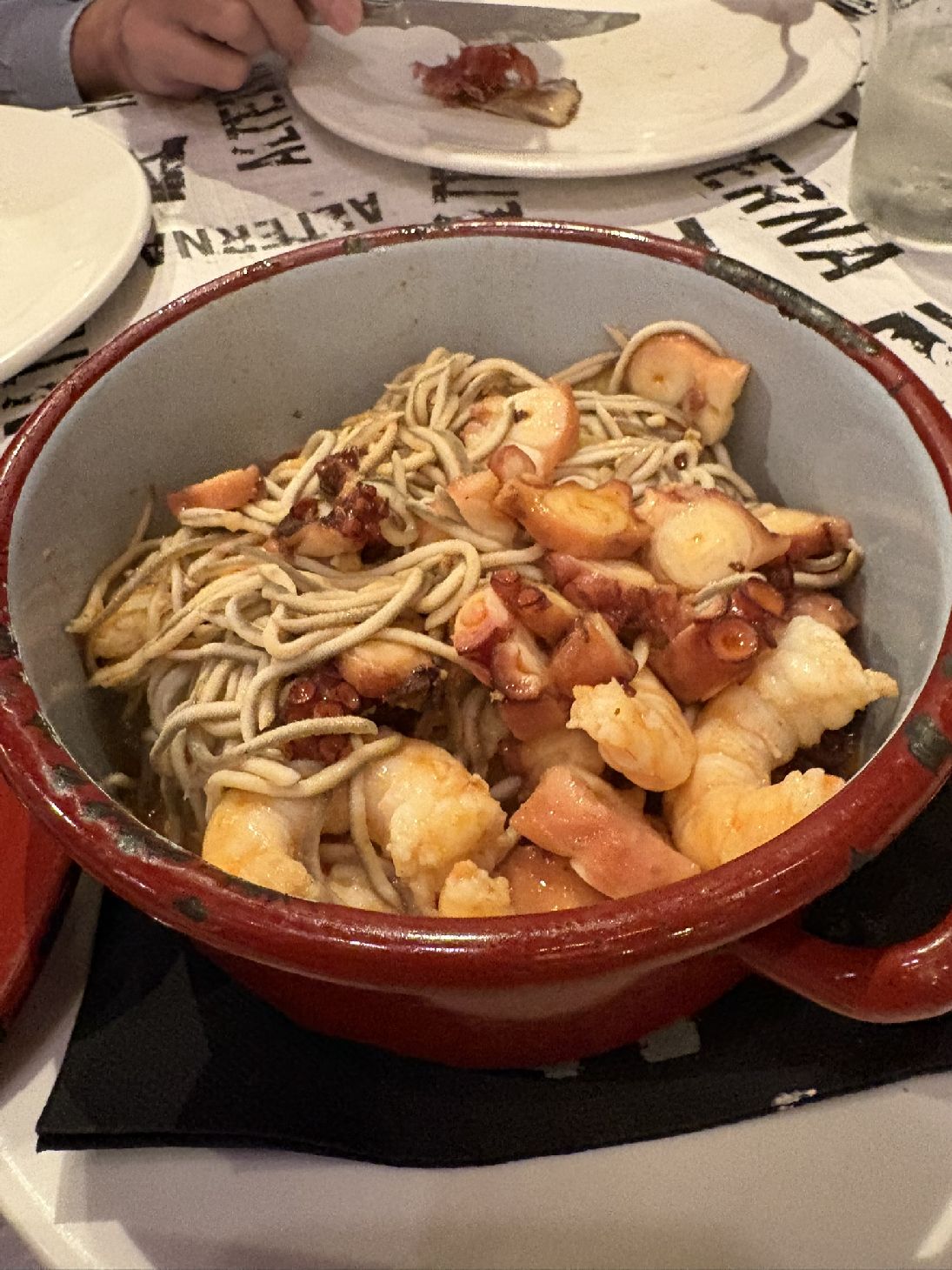
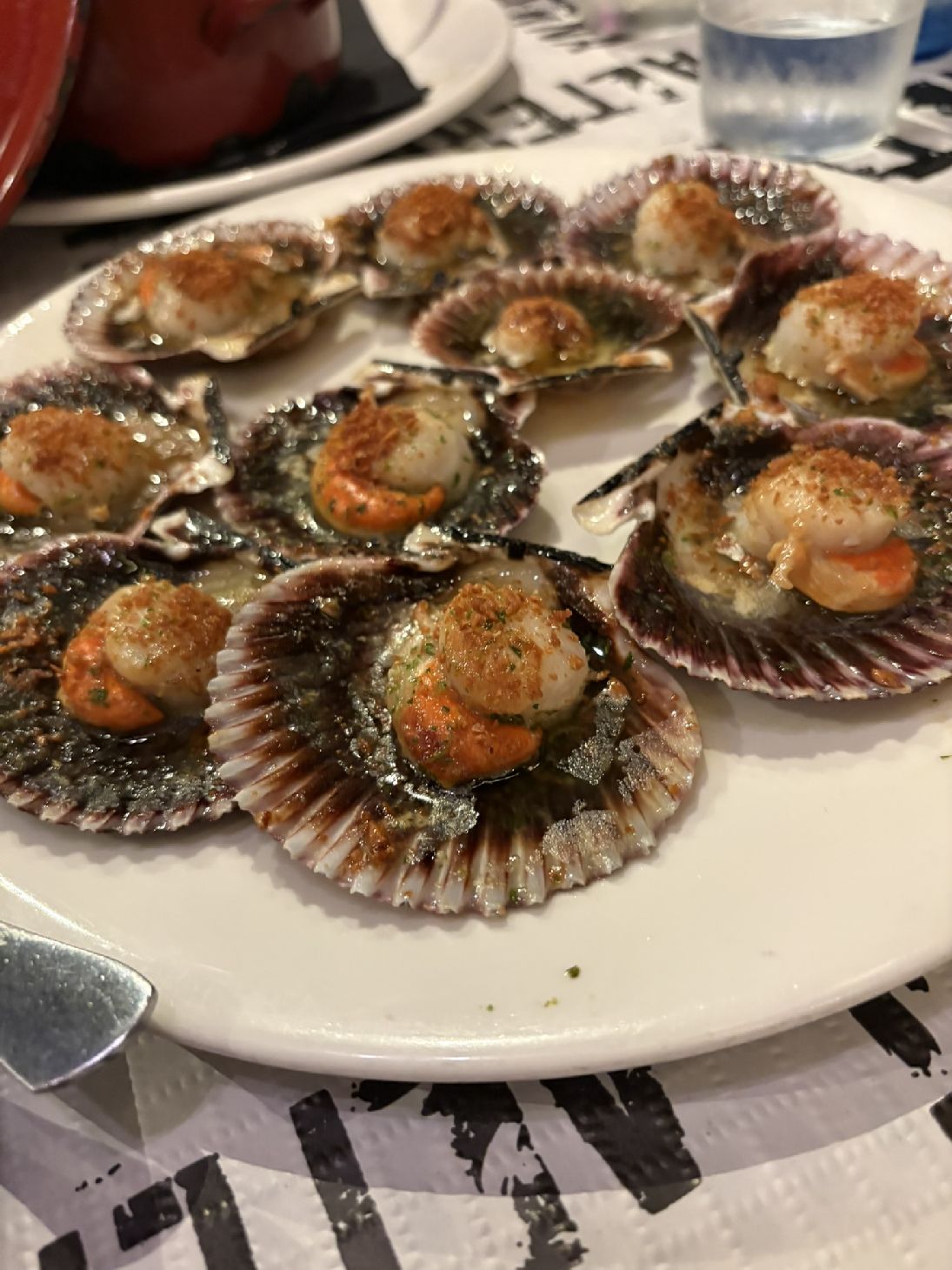
We’d chosen it from TripAdvisor so I was a tiny bit concerned, especially after reading one or two of the reviews, especially one that complained about the “gulas”. However, so many of the others were so positive that we booked a table and went to try it for ourselves. I’m very glad we did. Once we managed to make ourselves understood, the food was fabulous and I would be happy to eat there again. In a spirit of enquiry I ordered the skillet of octopus in garlic sauce with prawns and “gulas” (imitation baby eels – which I understand are made of surimi). If you want to know why they’re using fakes and not real baby eels now, the Atlas Obscura is worth a look. They didn’t look like worms, whatever the idiot reviewer on TripAdvisor thought, and they tasted delicious.